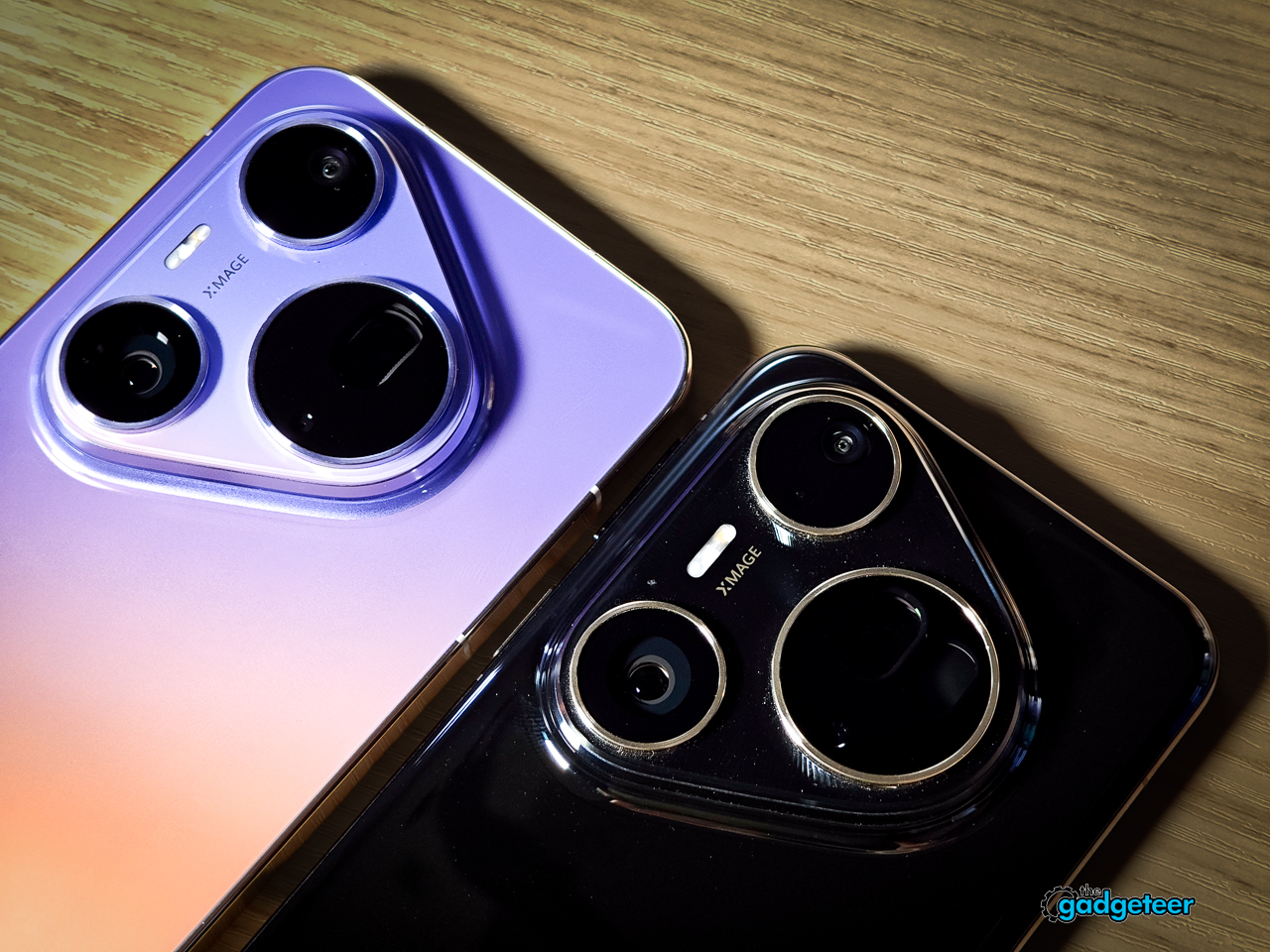
A year ago, I held the Huawei Pura 80 Ultra and wrote something I don’t say often about a phone: it made me excited about mobile photography again. The 1-inch sensor, the 9.4x mechanical zoom lens with that satisfying dual-lens click, the golden camera accents that told everyone nearby you were carrying something special. It was a photography flex in phone form.
The Pura 90s Pro Max isn’t that phone. It’s something more useful.
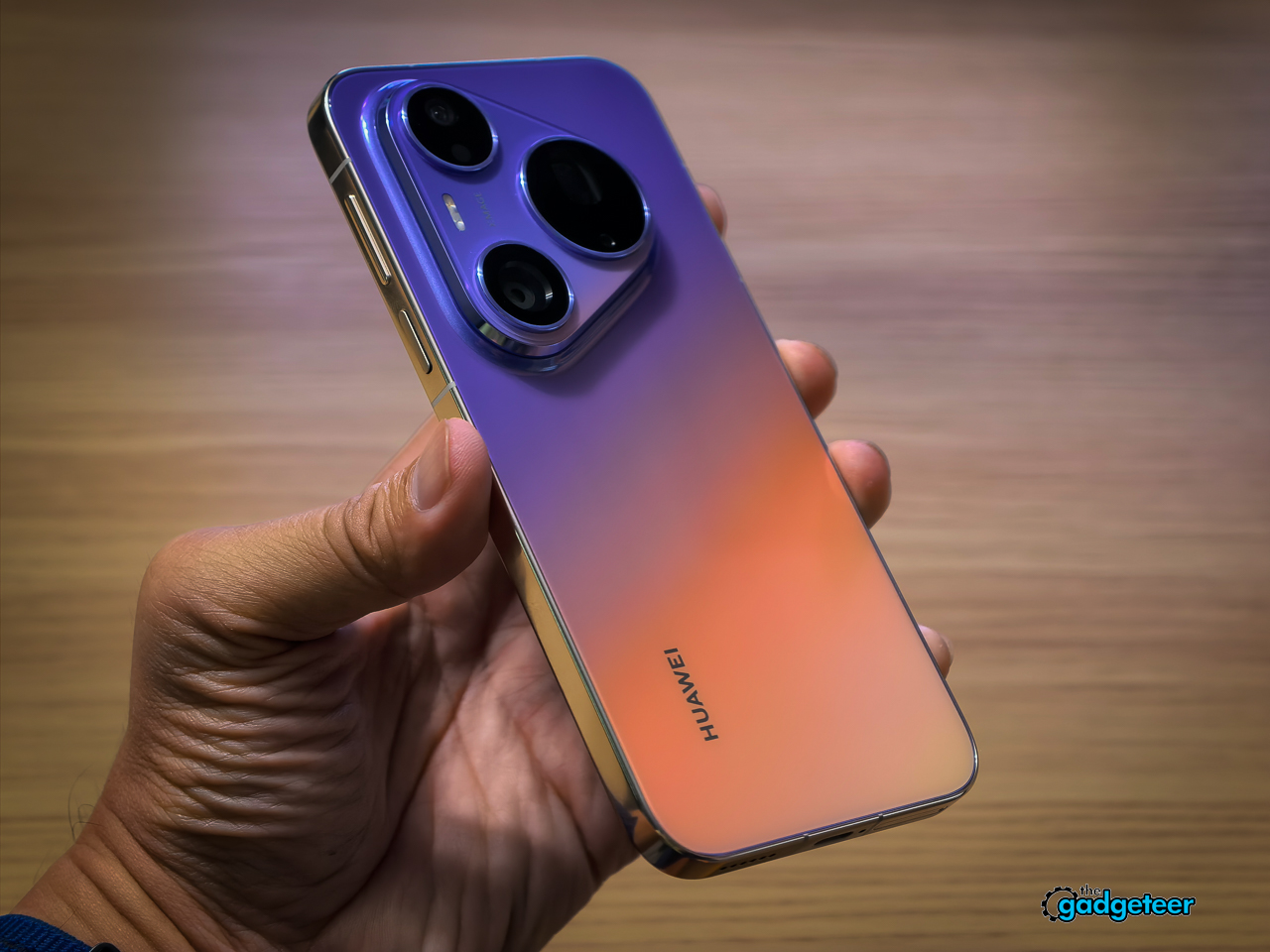
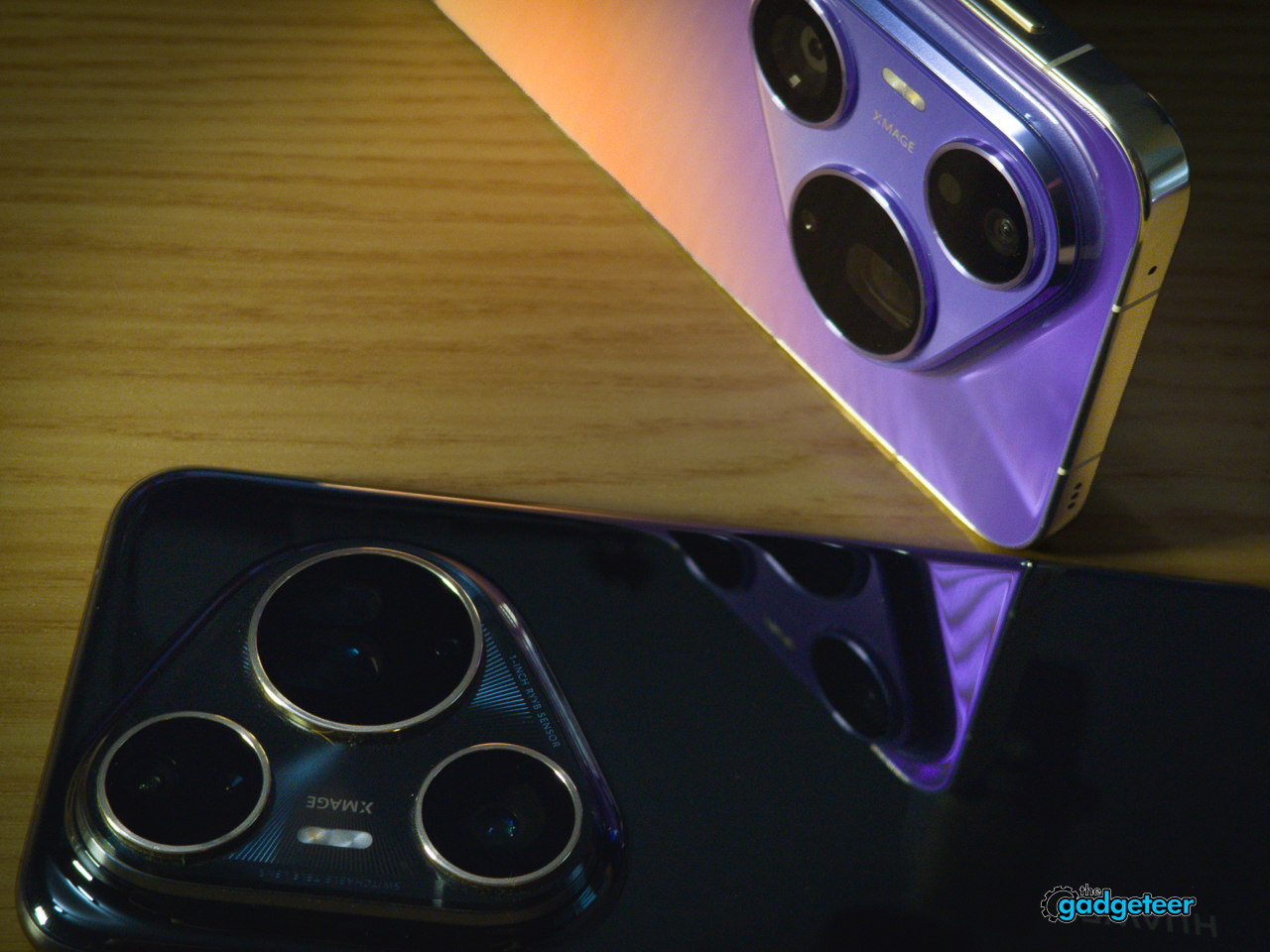
Huawei retired the Ultra badge this generation and consolidated its top-tier camera hardware under the Pro Max name. On paper, that looks like a downgrade. The main sensor got smaller. The telephoto went from 9.4x to 4x. The dual-lens switching mechanism is gone. But the camera hardware Huawei replaced those things with tells a different story: the 90s Pro Max is a deliberate repositioning, not a regression.
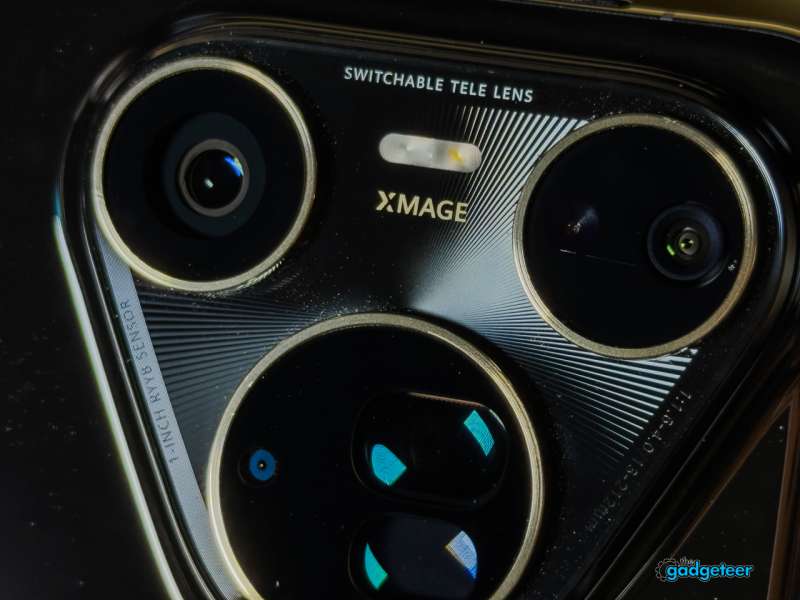
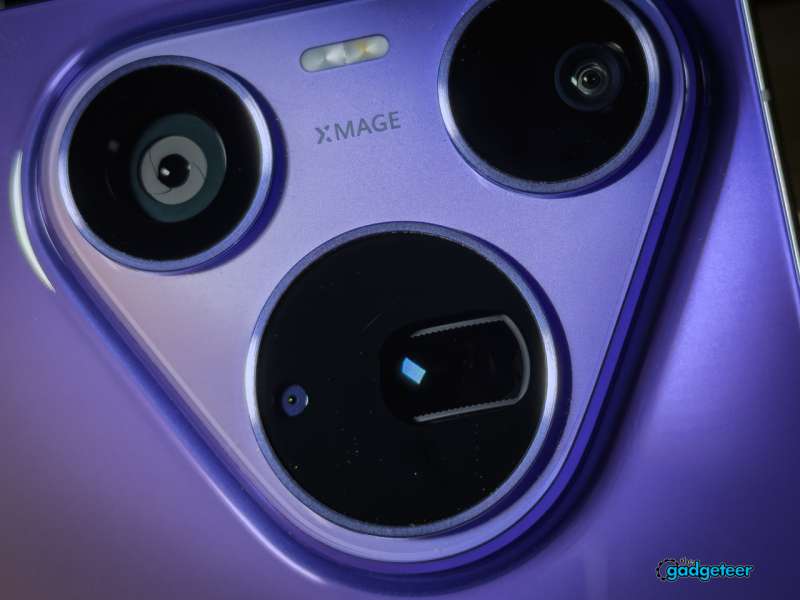
Here’s how the camera systems actually compare, and why the phone that looks like a spec sheet downgrade takes better photos in more situations than the phone that won every comparison.
Main Camera: Smaller Sensor, Smarter Glass
| Spec | Pura 80 Ultra | Pura 90s Pro Max |
|---|---|---|
| Sensor | 1-inch | 1/1.28-inch |
| Aperture | f/1.6 to f/4.0 | f/1.4 to f/4.0 |
| Variable aperture | Yes | Yes (wider) |
| Megapixels | 50MP | 50MP |
The 80 Ultra shipped a genuine 1-inch sensor, the kind of hardware you’d find in a Sony RX100 compact camera. The 90s Pro Max drops to a 1/1.28-inch unit, which is roughly the same size you’d find in a Galaxy S26 Ultra. That’s objectively a smaller sensor. But it gains a brighter f/1.4 maximum aperture, a full third of a stop more light than the 80 Ultra’s f/1.6. One caveat: the full sweep of that mechanical aperture is a Pro mode control, auto mode decides for you.
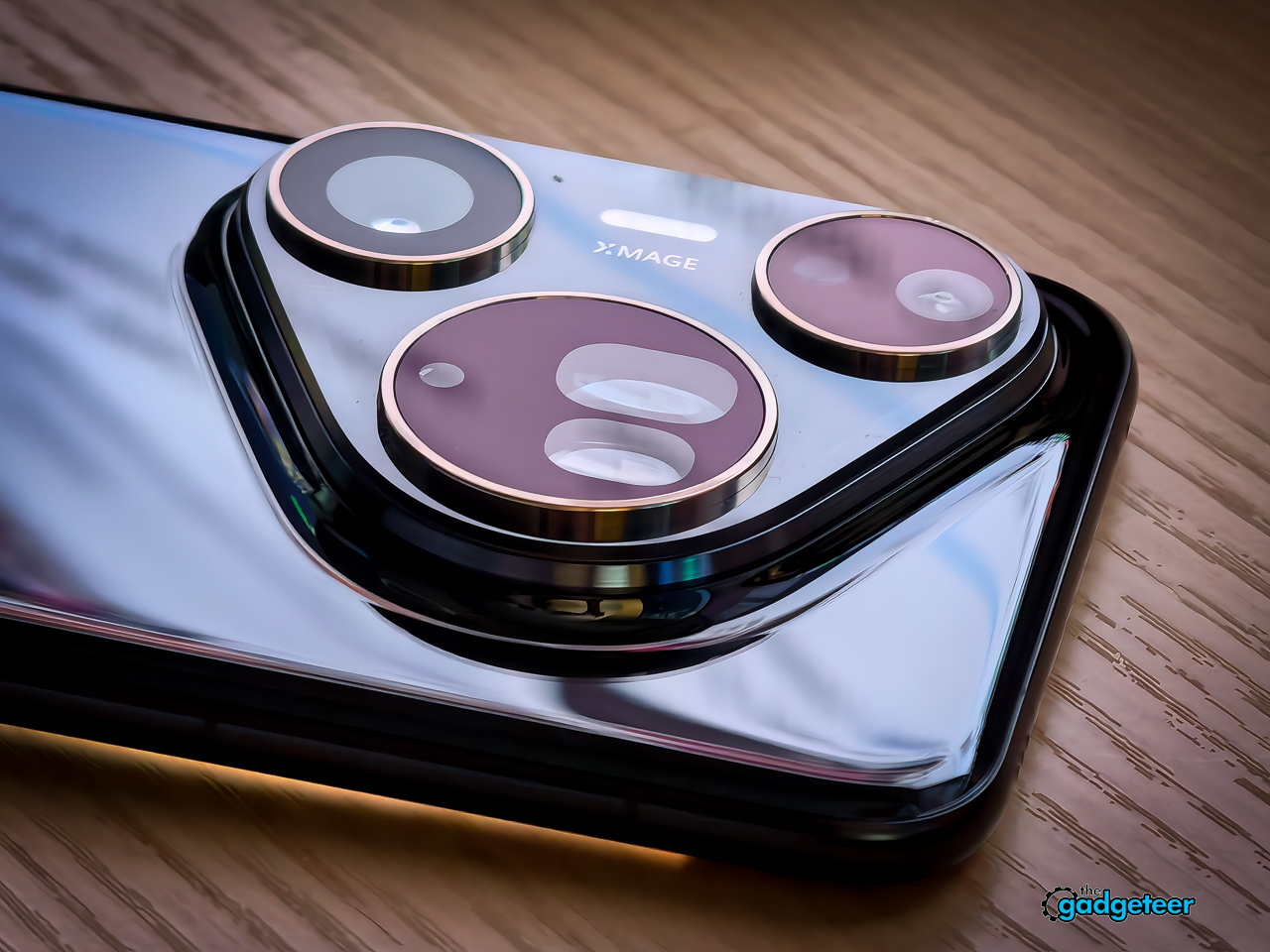
The practical difference is subtle in bright light and meaningful in dim conditions. The 80 Ultra’s 1-inch sensor delivered 16 stops of dynamic range, and physics is physics. But the 90s Pro Max counters with two pieces of hardware: that wider aperture, and Huawei’s first LOFIC sensor design, which catches the overflowing charge that normally blows out highlights, so the smaller sensor gives up less range than the size gap suggests. You notice it in the conditions that count: evening walks, indoor restaurants, golden hour shots where every extra photon matters.
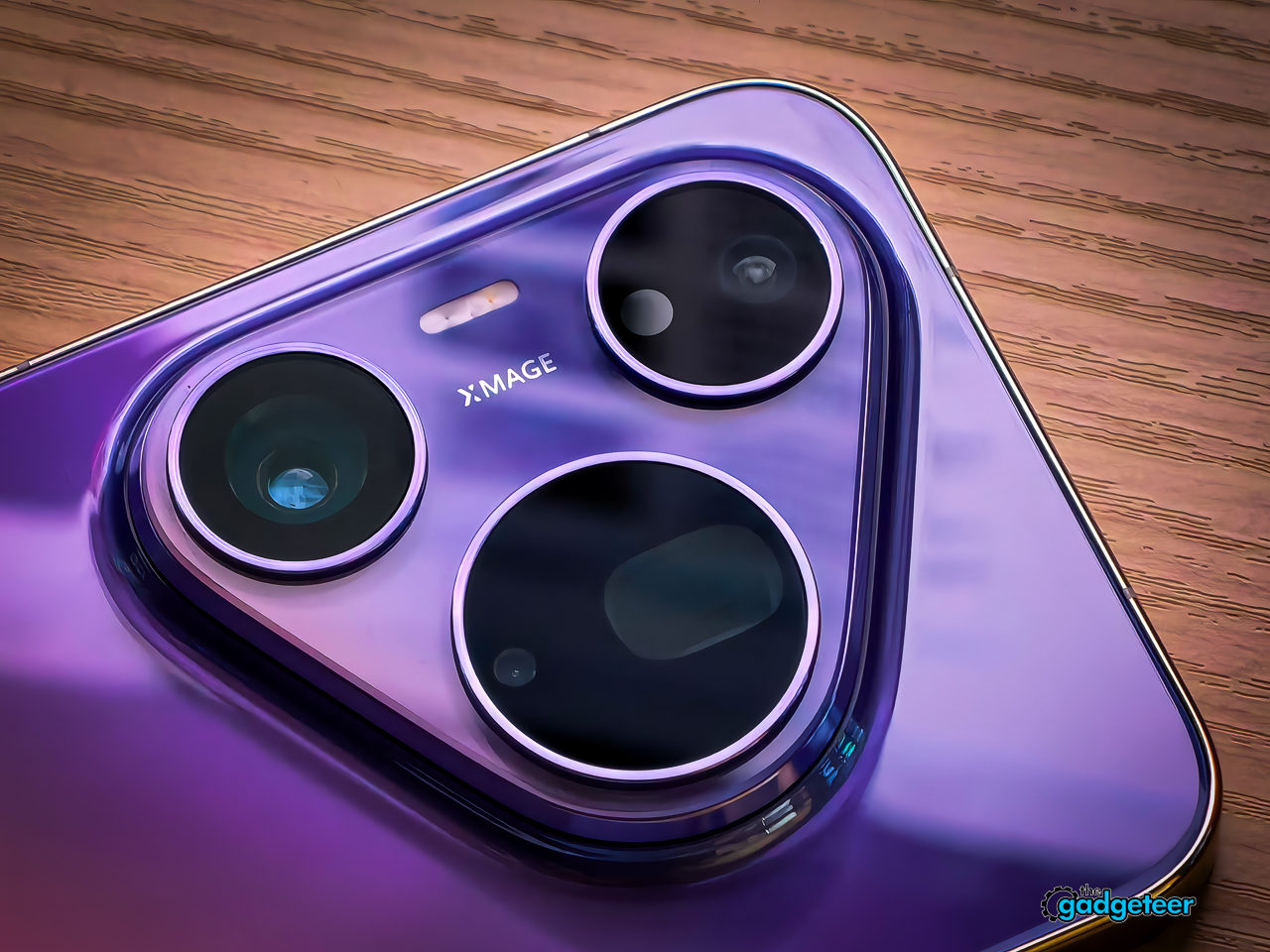
If you pixel-peep studio shots, the 80 Ultra still wins. If you take photos of your life, the 90s Pro Max matches it most of the time and beats it in low light.
Telephoto: The Real Story
| Spec | Pura 80 Ultra | Pura 90s Pro Max |
|---|---|---|
| Type | Switchable dual-lens periscope | 200MP periscope |
| Focal length | 3.7x lens / 9.4x lens, both optical | 4x optical |
| Sensor | 1/1.28-inch, shared by both lenses | 1/1.28-inch RYYB, dedicated |
| Megapixels | 50MP / 12.5MP | 200MP |
| Stabilization | Sensor Shift OIS | CIPA 7.0 (7-stop) |
| Special sauce | Mechanical lens switching | Ultra-Lighting Prism |
This is the difference. This is why you buy the 90s Pro Max.
The 80 Ultra’s telephoto was a conversation piece. You could toggle between two physical lenses using a mechanical switch that made a sound like a precision camera lens clicking into place. It was satisfying, it was unique, and at 9.4x it pulled in details no other phone could reach. But both lenses shared a single 1/1.28-inch sensor, and the mechanical switch decided which one got to use it. At 9.4x you were working with a 12.5MP slice of that sensor behind an f/3.6 lens, which is why long zoom shots wanted daylight or a wall to lean on.
The 90s Pro Max gives that same 1/1.28-inch sensor size to a single lens and fills it with 200MP of RYYB resolution. That’s the physical area most flagship phones reserve for their main camera, now doing nothing but zoom. The resolution gives you room to crop to 4x, 6x, even 8x, and the detail holds where the 80 Ultra’s 12.5MP long lens went watercolor the moment you pushed past its native range. The three-in-one Ultra-Lighting Prism system, derived from the X7 foldable, directs light more efficiently through the periscope assembly. And the CIPA 7.0 rating, seven stops of hardware stabilization, keeps handheld shots sharp at shutter speeds that would blur on the 80 Ultra’s telephoto.
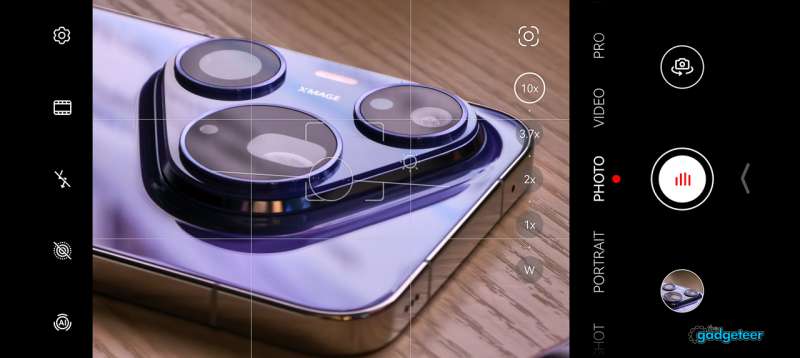
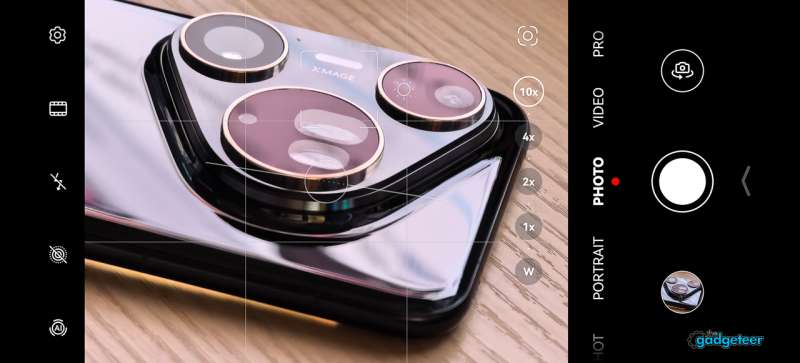
The 10x preview is the proof point. Even on the camera screen, the 90s Pro Max keeps the gold camera rings, black glass, and tiny reflections readable instead of turning them into the usual digital zoom paste. You can still tell what the phone is focusing on. That’s the difference between a zoom mode you try once and a zoom mode you trust.
Huawei claims the 90s Pro Max’s telephoto pulls in 5x more light than the iPhone 17 Pro Max’s equivalent lens. I can’t verify that specific number, but I can tell you the evening difference is not subtle. The 80 Ultra’s telephoto at 9.4x needed good light or a steady surface. The 90s Pro Max’s telephoto at 4x handles dim restaurant lighting, dusk cityscapes, and indoor event shots without breaking a sweat. And because the 200MP sensor gives you lossless crop room, you’re not stuck at exactly 4x. You can frame tighter and the result still holds.
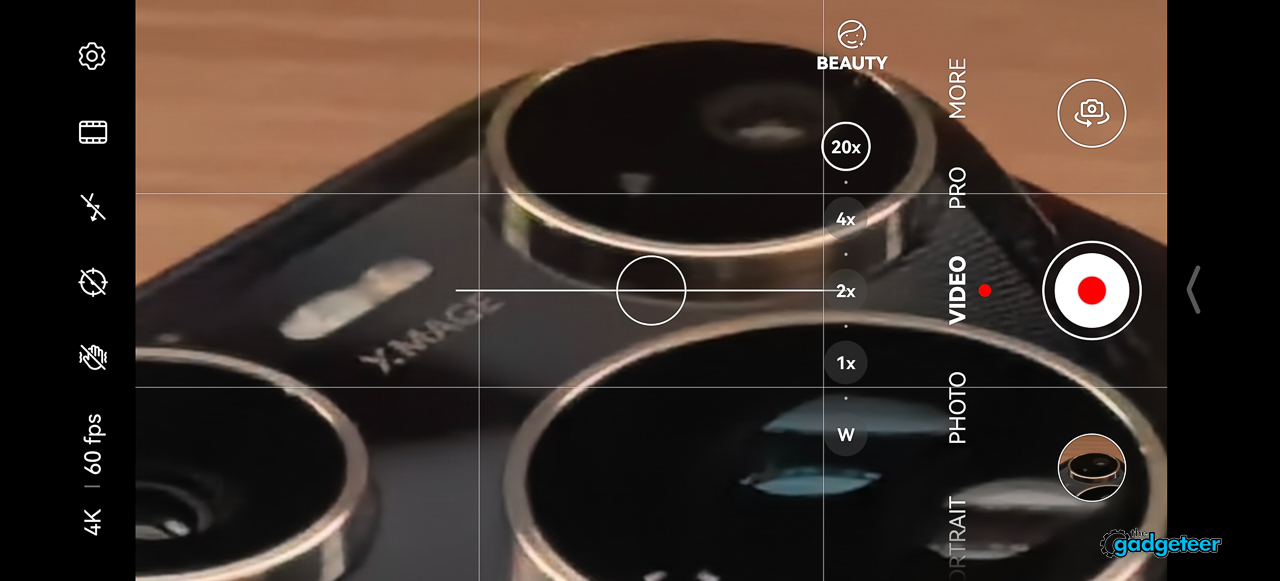
Video gets the same treatment. At 20x, the phone passes raw sensor data straight to the chip before any processing touches it, and the result is four times the pixels of a conventional zoom video pipeline. Zoomed phone video has been a smeary afterthought for years. This one’s usable. The video miss: no 24fps capture in any mode, not even Pro Video, an odd gap on a phone this photography-forward.
The 80 Ultra had a zoom party trick. The 90s Pro Max has a telephoto you can use as your primary camera.
Ultra-Wide and Selfie
| Spec | Pura 80 Ultra | Pura 90s Pro Max |
|---|---|---|
| Ultra-wide | 40MP | 40MP |
| Selfie | 13MP with autofocus | 13MP with autofocus |
The ultra-wides are twins: 40MP, f/2.2, consistent color with the rest of the array on both phones. Same story up front: both carry a 13MP ultrawide selfie camera with autofocus, and neither will decide the purchase. Huawei spent the budget on the back of the phone, and it shows.
Processing and Color
Both phones run Huawei’s XMAGE image processing engine, but the color science took a step. The 80 Ultra leaned on its Ultra Chroma camera system, excellent for its time. The 90s series moves to the latest generation of True-to-Color tuning, now backed by a dedicated color spectrum sensor that reads the light separately from the camera array. Huawei claims a 43% jump in color restoration accuracy over the Pura 80 generation. In my testing the 90s Pro Max handles mixed skin tones and saturated lighting better than the 80 Ultra did, and better than any phone I’ve used this year. Neon signs stay red instead of drifting orange, and faces under blue stage light still look like faces.
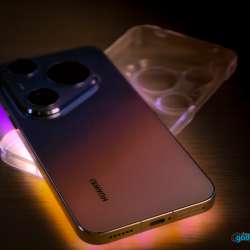



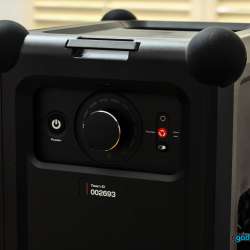
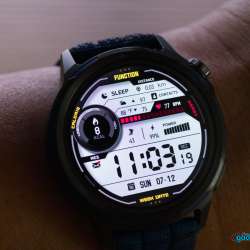

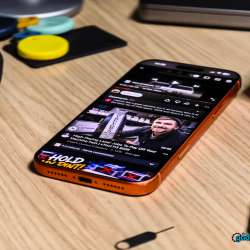

The 80 Ultra had a tendency to over-process in certain high-contrast scenes, pushing shadow detail into that slightly artificial Huawei look. The 90s Pro Max is more restrained. The tuning this generation prioritizes natural output over computational impressiveness. It’s a welcome maturity.
The Camera App and the Region Trap
AI Composition 3.0 is the software headliner, and its philosophy is coaching rather than correcting. Frame a shot and it tells you to step back, shift right, or tilt down before any processing happens, with zoom suggestions running from 1x to 10x. Beginners will build real framing habits from it. If you already think in focal lengths, you’ll switch it off within an hour and lose nothing.
The global camera app trims some conveniences the Chinese firmware keeps: no 20x quick shortcut (you pinch your way there), no 35mm framing toggle, and the timer hides in the main settings instead of the quick menu. The telephoto can also output 25MP files instead of the default 12.5MP if you accept slower processing, a real gift for croppers.
Now the part that should shape your buying decision. Feature availability splits hard by region, and Huawei confirmed the split to us directly. Units on the APAC firmware build get the full kit: AI De-Glare, AI Move, AI Composition 3.0, iOS cross-device transfer, the Celia assistant, and the advanced translation toolkit. EU retail units get exactly two of those: AI Composition 3.0 and the iOS transfer tool. Everything else validated on APAC review units stays locked out of EU-market devices. If the AI features matter to you, check which build your market ships before you spend flagship money.
Which Camera Wins, and When
The Pura 80 Ultra’s camera was built to win spec sheet comparisons. The 1-inch sensor, the switchable telephoto, the 9.4x reach. It was the phone you showed your photographer friends.
The Pura 90s Pro Max’s camera was built to win the photos you actually take. The telephoto you can use in any light. The variable aperture that adapts to the scene instead of forcing you to adapt. The consistent color across every lens.


Choose the Pura 80 Ultra if you shoot at 9.4x regularly, you want the largest possible main sensor, or you want the mechanical novelty of the switchable lens system. These are real advantages for a specific kind of photographer.
Choose the Pura 90s Pro Max if you want the best everyday camera system on any phone right now. The telephoto alone is worth the switch. It’s not a party trick. It’s a second main camera.
The Bottom Line
The 80 Ultra was the most innovative camera phone I’d used in years. The 90s Pro Max is the most usable one. One won awards for what it could do. The other wins because of what it lets you do every day. If I could have both, I’d carry the 90s Pro Max in my pocket and miss the 80 Ultra’s 9.4x zoom exactly when the moon was full.
That’s the trade. Huawei made it the right way.