Computex 2026 ran out of Taipei’s Nangang Exhibition Center from June 2 to 5, and the show was heavier on silicon than on finished gadgets. Nvidia, Intel, Qualcomm, AMD, and MediaTek each spent the week arguing about whose chip should sit at the center of the agentic AI PC. Jensen Huang opened with RTX Spark and the largest unified memory pool ever shipped in a consumer Arm laptop; Qualcomm countered with a Snapdragon X2 Elite mini PC and a budget Snapdragon C line that quietly skips Copilot+; Intel and AMD pushed Panther Lake and the Ryzen AI Z2 Extreme deeper into handhelds. Behind the keynote noise, the booth floor was where the year actually took shape.
Eight pieces of hardware stood out, from a 4K 360Hz OLED panel you cannot buy yet to a Snapdragon X2 mini PC you can. The throughline is consistent: AI NPUs jumped to 80 TOPS, handhelds grew OLED screens, smart glasses got serious about display quality and price, and Arm-on-Windows stopped being a curiosity at both ends of the stack: halo PCs at $5,999, entry laptops at $300. These are the eight whose specs, prices, or availability windows will define their category for the next twelve months.
At a glance
- Nvidia RTX Spark superchip (laptops and desktops, fall 2026)
- Microsoft Surface Laptop Ultra (15-inch, mini-LED, 128GB RAM option)
- ASUS ROG Xbox Ally X20 bundle (handheld, 20th anniversary edition)
- ROG XREAL R1 AR glasses (240Hz, micro-OLED, 171-inch virtual display)
- ASUS Ascent QN10 mini PC (80 TOPS NPU, four 4K displays)
- Samsung Display 31.5-inch 4K 360Hz QD-OLED panel (late 2026 or 2027)
- Acer AR Vision GR0 and GI0 smart glasses (Gemini-powered, from $299.99)
- Qualcomm Snapdragon C budget chips (Acer, HP, Lenovo from late 2026)
1. Nvidia RTX Spark: The superchip that wants to own the AI PC
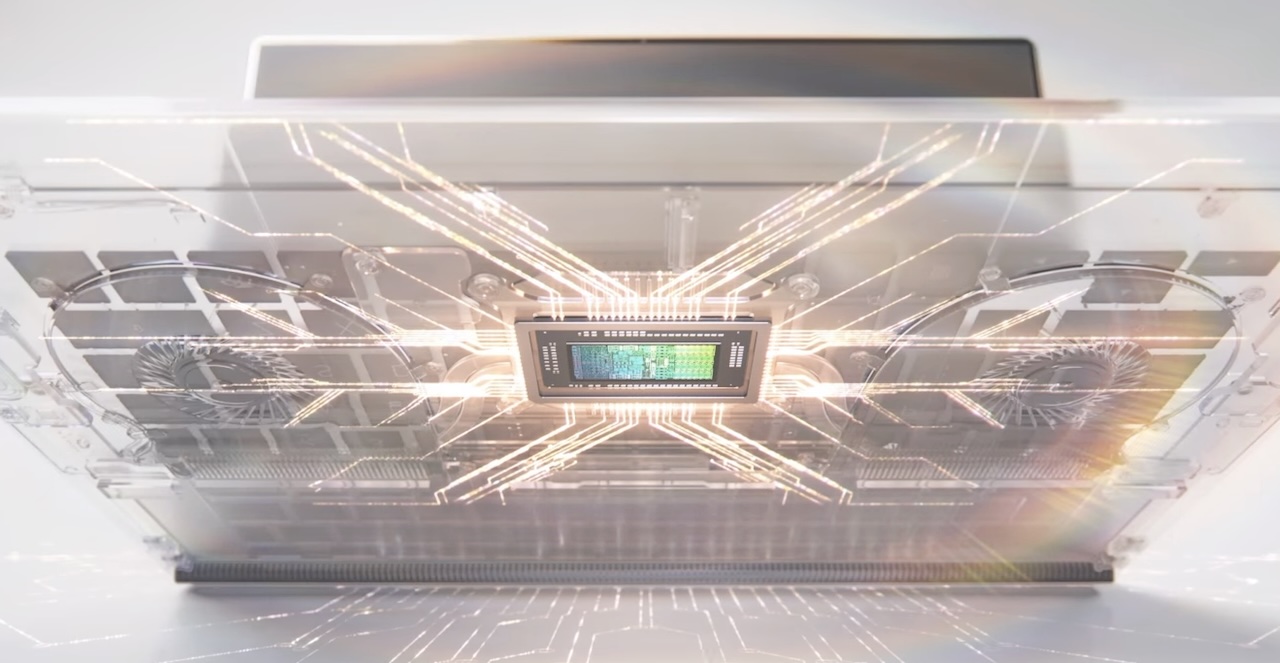
Nvidia unveiled RTX Spark at Computex 2026 as a single superchip pairing a 20-core Grace Arm CPU with a Blackwell GPU (6,144 CUDA cores) and up to 128GB of unified memory, built with MediaTek on TSMC’s 3nm process. HP, Dell, ASUS, and Lenovo have all confirmed RTX Spark designs for fall 2026, with Nvidia pitching laptops as slim as 14 millimeters and as light as three pounds. Jensen Huang called it the chip that turns Windows into an agentic AI OS.
Why it earned a spot: RTX Spark sets the new top of the AI PC stack and pulls every chip vendor into a 128GB unified memory conversation. The Surface Laptop Ultra anchors the line at $2,999 for 32GB up to $5,999 for top-spec 128GB: prosumer workstation tier, not mainstream.
Price: From $2,999 (Surface Laptop Ultra, 32GB)
2. Microsoft Surface Laptop Ultra: 128GB RAM, mini-LED, RTX Spark inside
Microsoft and Nvidia revealed the Surface Laptop Ultra at Computex 2026. The 15-inch mini-LED PixelSense Ultra touchscreen runs at 3:2 aspect, 262 ppi, and up to 2,000 nits peak HDR brightness. It is the first Surface built around the RTX Spark superchip and the first to offer 128GB of unified memory, double the ceiling of any prior Surface Laptop and the line’s first Arm-on-Windows chassis with a discrete-class GPU.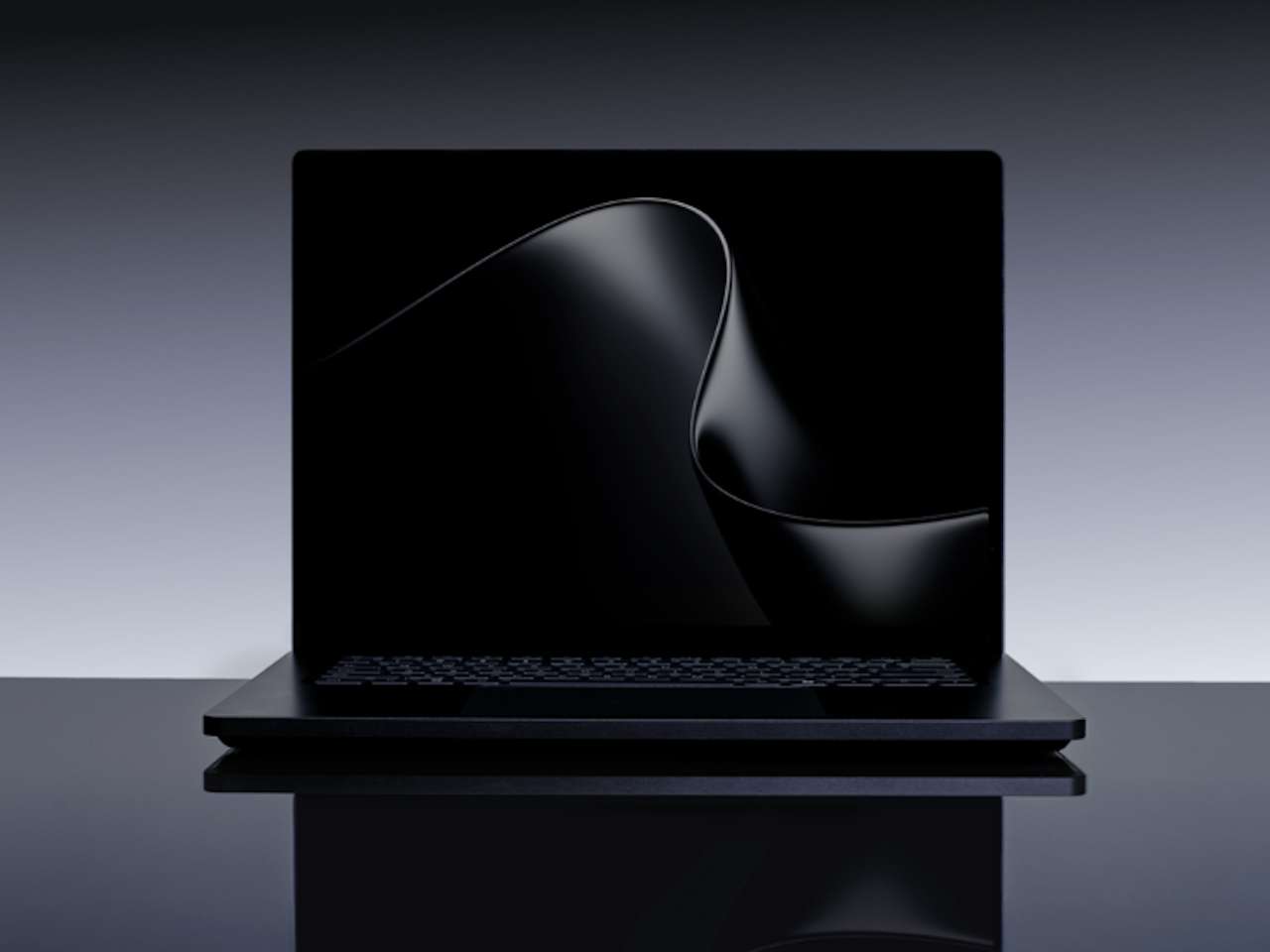
Why it earned a spot: Microsoft needed a halo AI PC for the Copilot+ era, and the Surface Laptop Ultra is it. 128GB RAM is the headline, but the 2,000-nit mini-LED display is what matters for road warriors.
Price: From $2,999 (32GB), $3,999 and $5,999 (128GB)
3. ASUS ROG Xbox Ally X20: 20th anniversary handheld with a 7.4-inch OLED
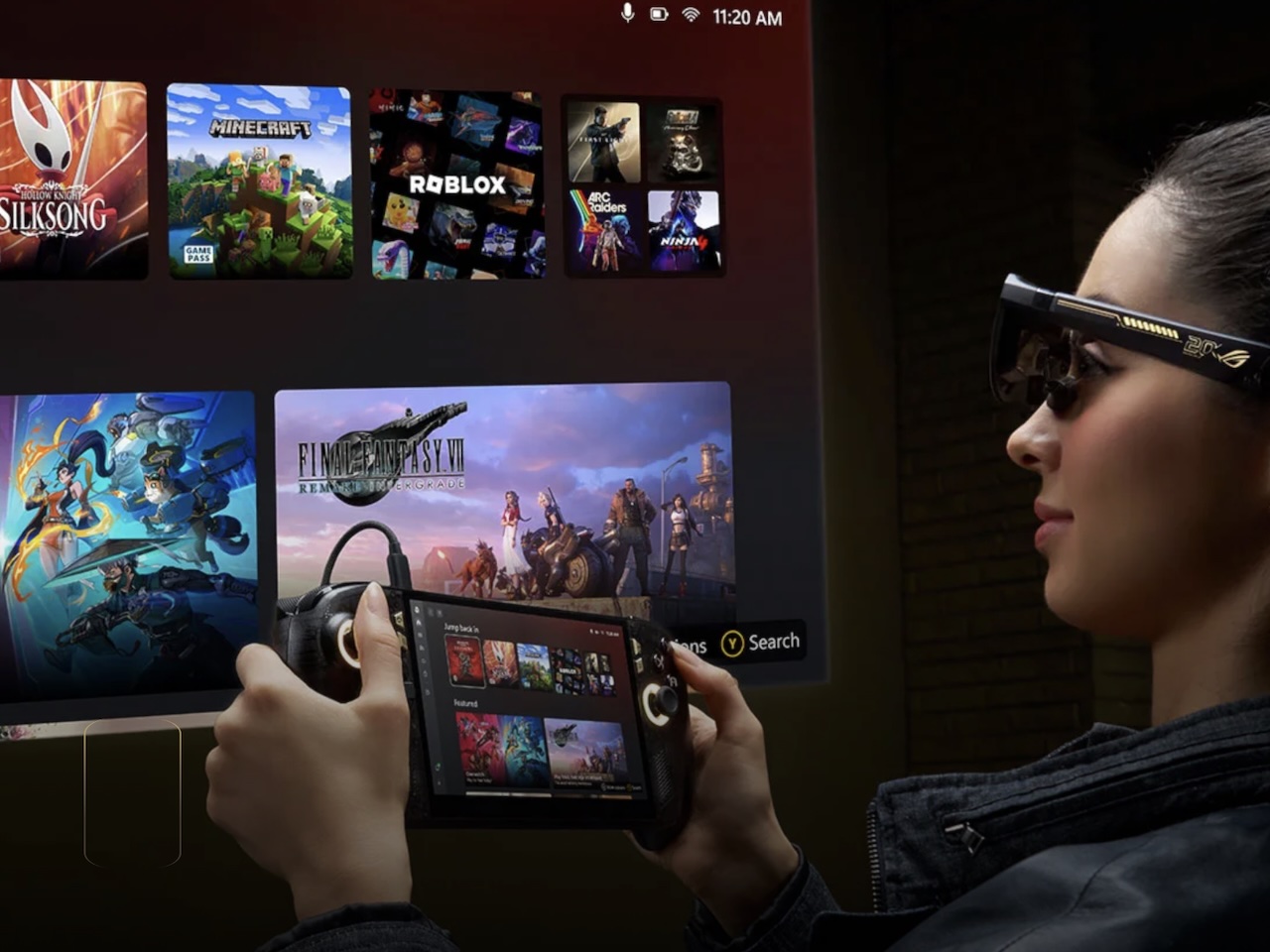
ASUS marked the 20th anniversary of its Republic of Gamers line at Computex 2026 with a limited-edition ROG Xbox Ally X20 bundle. The handheld upgrades to a 7.4-inch OLED Nebula HDR display, adds TMR joysticks, and pairs the AMD Ryzen AI Z2 Extreme with the new ROG XREAL R1 AR glasses. Pricing is unconfirmed but will sit well above the $999 ROG Xbox Ally X base.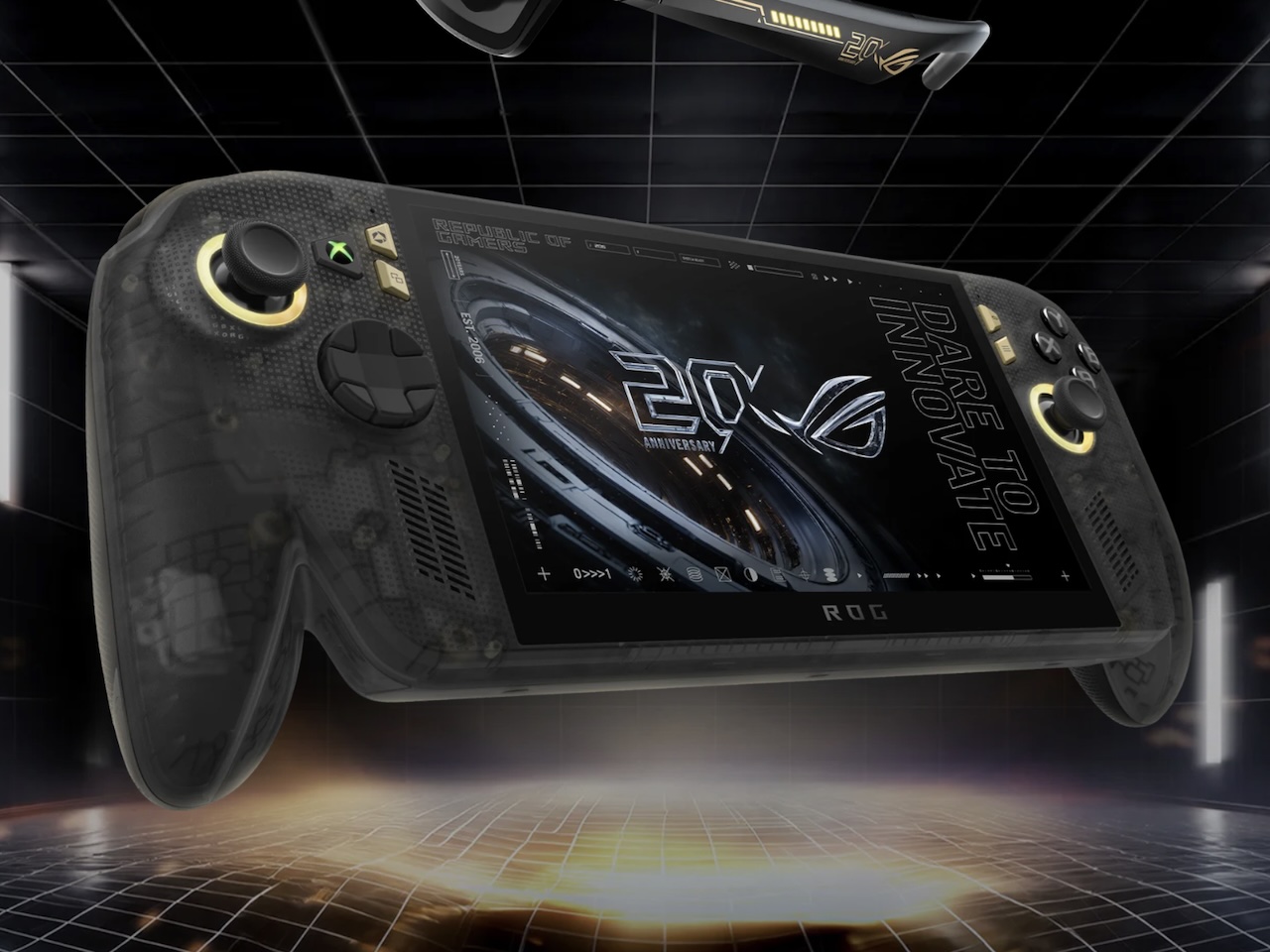
Why it earned a spot: It is the first handheld PC to ship with a 7.4-inch OLED panel, and the bundled R1 glasses are the first time a major gaming PC maker has packaged wearable AR with a handheld at point of sale.
4. ROG XREAL R1 AR Glasses: 240Hz, 0.01ms, 171-inch on your face
The ROG XREAL R1 opened pre-orders in May 2026 at $849 and is on display at Computex. Twin Sony 0.55-inch micro-OLED panels project a 171- inch virtual screen at up to 240Hz with a 0.01ms response time. Sound by Bose is built in, and ROG’s Control Dock handles HDR pass-through. Native 3DoF anchor mode pins a virtual display in space rather than just mirroring a flat screen.
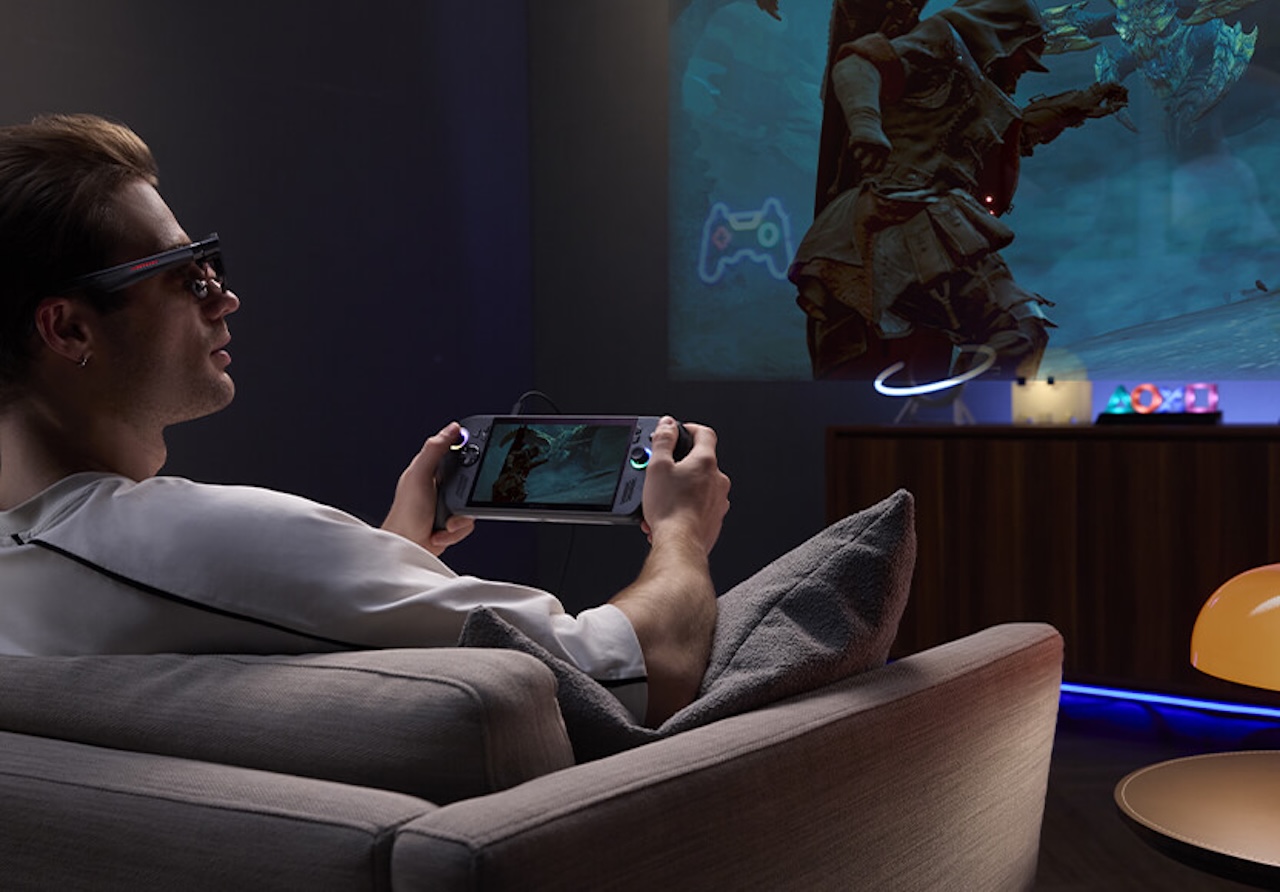 Why it earned a spot: $849 is high for AR glasses, but 240Hz and 0.01ms make the R1 the first wearable display honest about PC gaming. The Bose-tuned audio removes the dongle tax most competitors still charge.
5. ASUS Ascent QN10: The first 80 TOPS AI mini PC
The Ascent QN10 is the first mini PC built around the Qualcomm Snapdragon X2 Elite, and ASUS is calling it the world’s first AI mini PC at 80 TOPS NPU performance. The spec sheet: 18 Oryon CPU cores, the Adreno X2-90 GPU, up to 32GB LPDDR5X, up to 2TB M.2 NVMe (4TB per the ASUS datasheet), and four 4K display outputs. Pricing is TBD; release window is Q3 2026.

Why it earned a spot: The QN10 is the first Snapdragon X2 Elite system in a true desktop form factor, and 80 TOPS puts it in Copilot+ territory. Four 4K outputs from a mini PC is the configuration most home offices and small studios have been waiting for.
6. Samsung Display 31.5-inch 4K 360Hz QD-OLED: The new monitor ceiling
Samsung Display brought the world’s first 4K 360Hz QD-OLED panel to Computex 2026. The 31.5-inch panel runs 3840 by 2160 at 360Hz native, supports a dual-mode 1080p at 680Hz for esports players, and uses Samsung’s Penta Tandem stack with RGB stripe sub-pixels. Monitors from partner OEMs land in late 2026 or 2027, with first-wave pricing likely above $1,500.
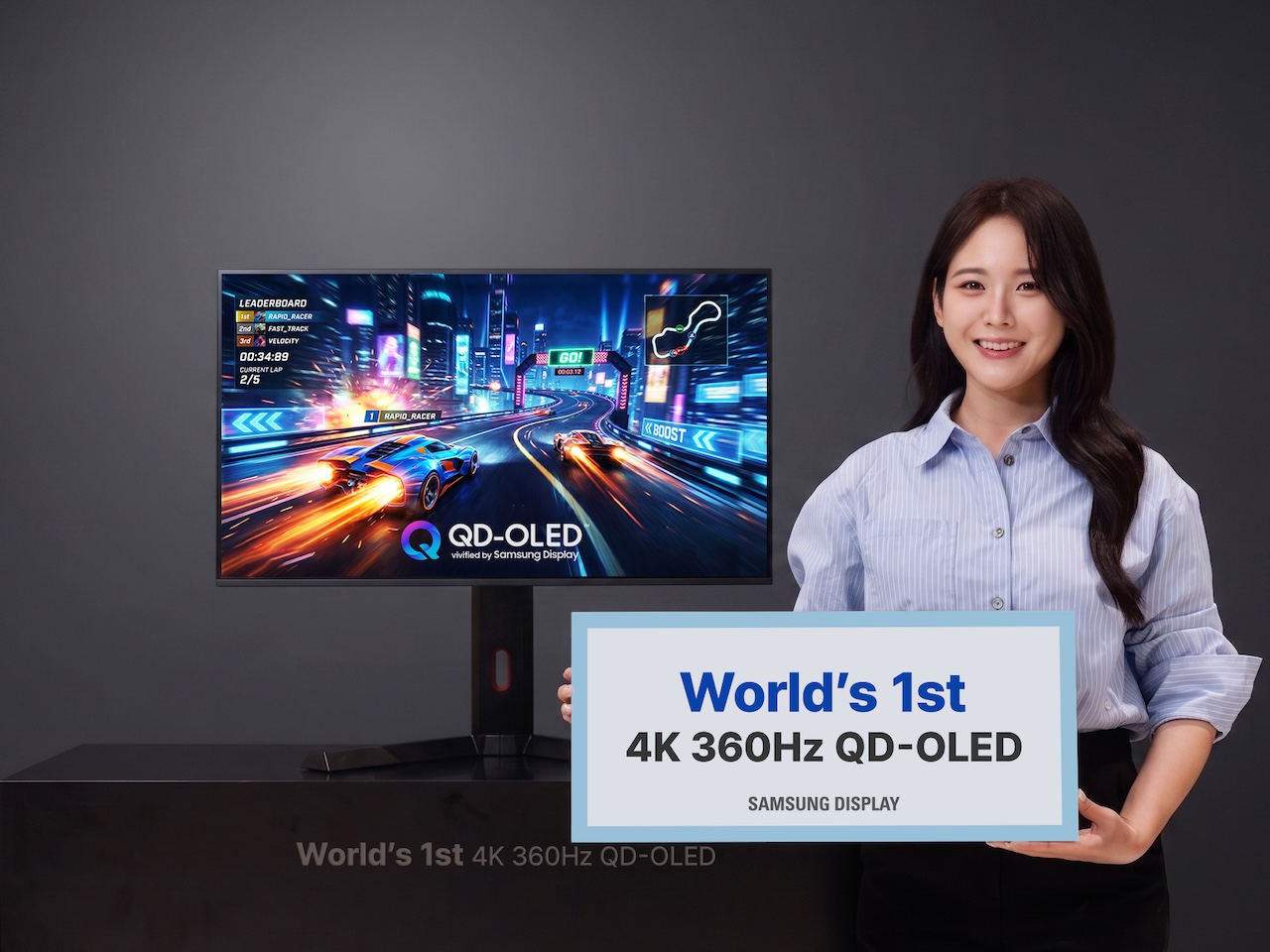
Why it earned a spot: 4K at 360Hz and 1080p at 680Hz from the same panel is a milestone for OLED. The dual-mode trick gives competitive gamers a reason to care about a panel that costs as much as a mid-range laptop.
7. Acer AR Vision GR0 and GI0 smart glasses: Two pairs, Gemini inside
Acer officially entered smart glasses at Computex 2026 with the AR Vision GR0 ($500) and GI0 ($299.99). The GR0 is a wired AR pair with dual 1,920 by 1,080 micro-OLED displays and a 172-inch virtual screen, though its 60Hz, 200-nit panel sits well behind the ROG XREAL R1 on motion. The GI0 is the lighter, fully wireless AI pair, powered by Google Gemini through Acer’s AspireSync app rather than full Android XR. Acer matters here because it sells through retail the AR-first brands don’t.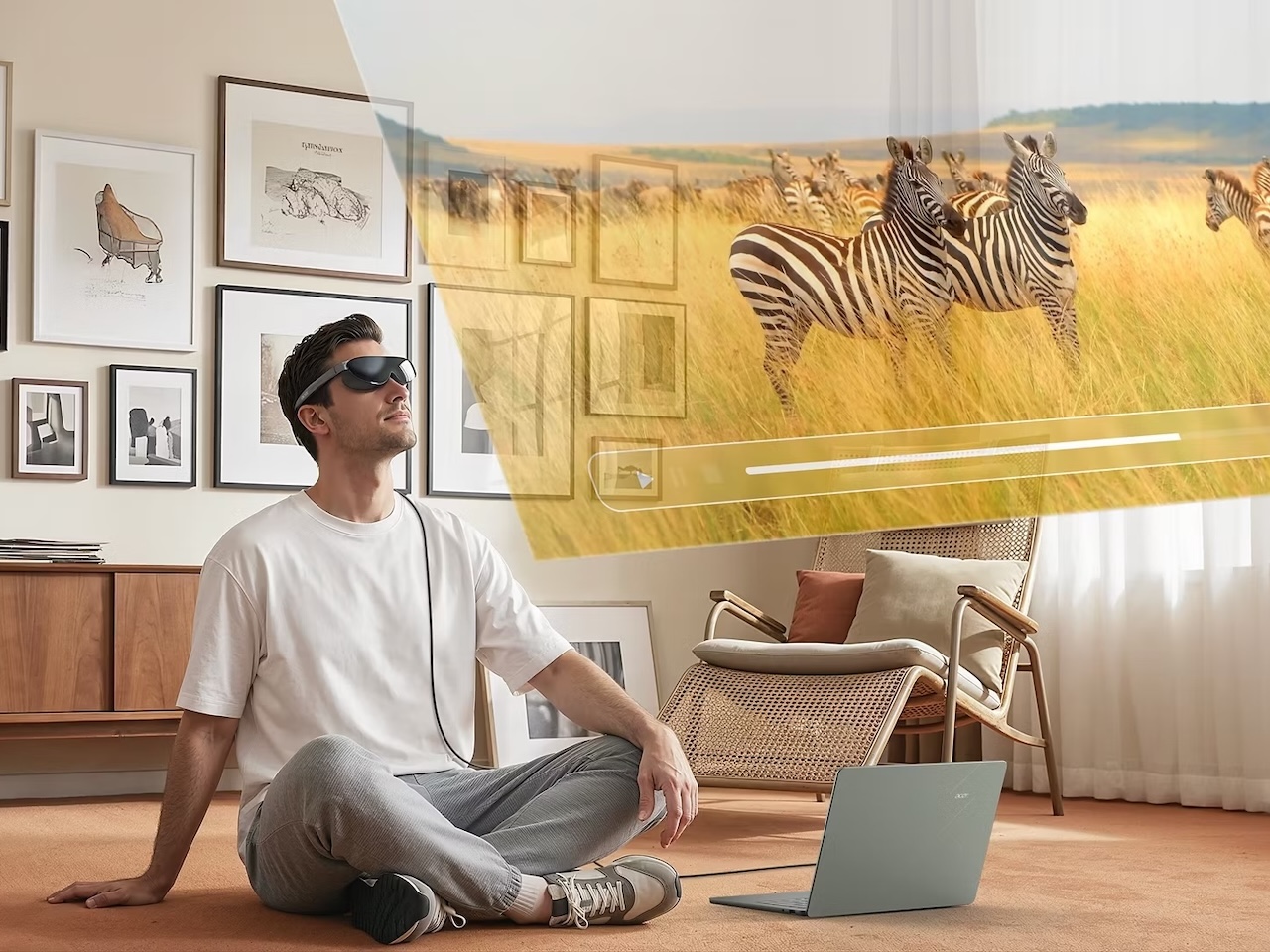
Why it earned a spot: Acer is the first mainstream PC maker to ship Gemini-powered smart glasses at $299.99 plus an AR pair at $500 that undercuts the category. If Acer nails the retail display, the GR0 and GI0 are the smart glasses most people will see in Best Buy this fall.
Price: GR0 $500 · GI0 $299.99
8. Qualcomm Snapdragon C: The $300 Arm laptop that skips Copilot+
Qualcomm used Computex 2026 to extend the Snapdragon X family downward with the new Snapdragon C chips, aimed at entry-tier laptops from Acer, HP, and Lenovo starting at $300. The C line drops the Oryon CPU cores that define the X family in favor of older Kryo cores pulled from Qualcomm’s smartphone parts, runs in machines with as little as 8GB of memory, and deliberately skips Microsoft’s Copilot+ certification. Acer’s Aspire Go 15 is the launch device, with HP and Lenovo models confirmed for late 2026.
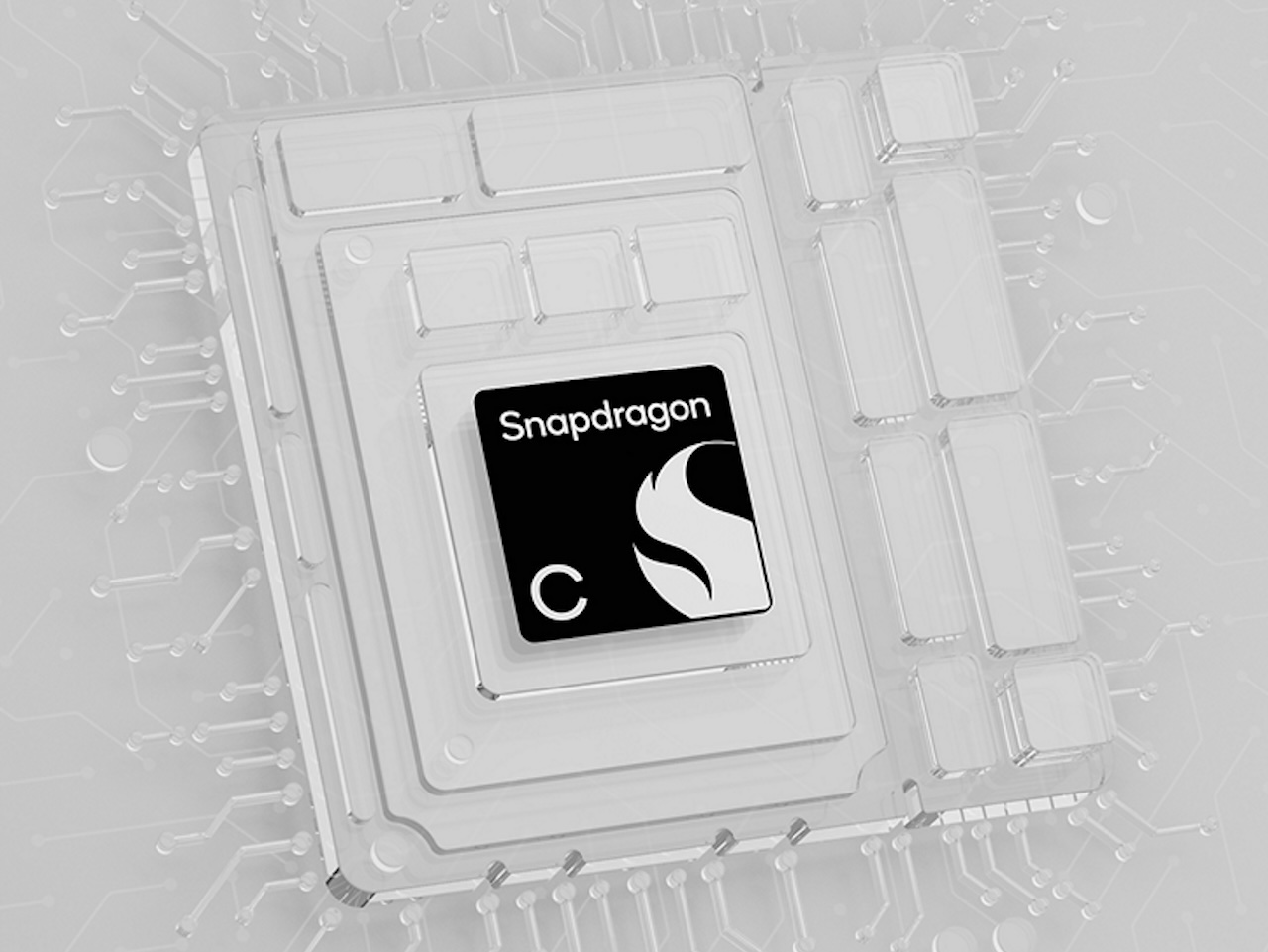
Why it earned a spot: Snapdragon C is the first new Windows-on-Arm chip since Copilot+ debuted in 2024 to deliberately sit below the 40 TOPS bar. Qualcomm is betting the $300 Chromebook-killer segment matters more than chasing Copilot+ down the stack, and it’s the cheapest path yet to Windows on Arm in a home or classroom.
How to pick what to actually watch
Three open for pre-order or sale in the next 60 days: the ROG XREAL R1 ($849, shipping July 2026), the Acer GI0 and GR0 ($299.99 and $500, fall 2026), and the first $300 Snapdragon C laptops by holiday 2026. The Surface Laptop Ultra and Snapdragon X2 Elite mini PCs follow in Q3 and Q4. Samsung’s QD-OLED is a 2027 story. If your watchlist only has room for two, pick the ROG XREAL R1 for the immediate test and the Ascent QN10 for the AI mini PC category about to reshape small-form-factor desktops.
The Bottom Line
Computex 2026 was where 80 TOPS became the AI PC floor, smart glasses got serious, and the OLED monitor ceiling jumped again. None of these eight are impulse buys, three aren’t buyable yet, but each will set a category expectation in the second half of 2026. The buyer watching them now buys better in Q4.