

The wireless earbuds market doesn’t take breaks. Over the past seven months, a fresh wave of releases has landed from brands that clearly weren’t content to coast on last year’s lineup. From Apple’s latest Pro revision to a sub-$100 pair that punches absurdly above its price, there’s something here for just about every kind of listener.
What makes this batch interesting isn’t just the individual products. It’s how aggressively each one targets a different slice of the market. Noise cancellation has gotten smarter, battery life keeps stretching, and sound quality at the mid-range has jumped in ways that would’ve been flagship territory two years ago. Here’s what’s new, what stands out, and what each one brings to the table.
Apple AirPods Pro 3
Apple’s third-generation AirPods Pro arrived at $249, and while the price hasn’t budged from the previous model, what’s inside has shifted considerably. The AirPods Pro 3 continues to be a popular pair of noise-cancelling earbuds for 2026, which says something about how the adaptive transparency and spatial audio stack has matured this time around.
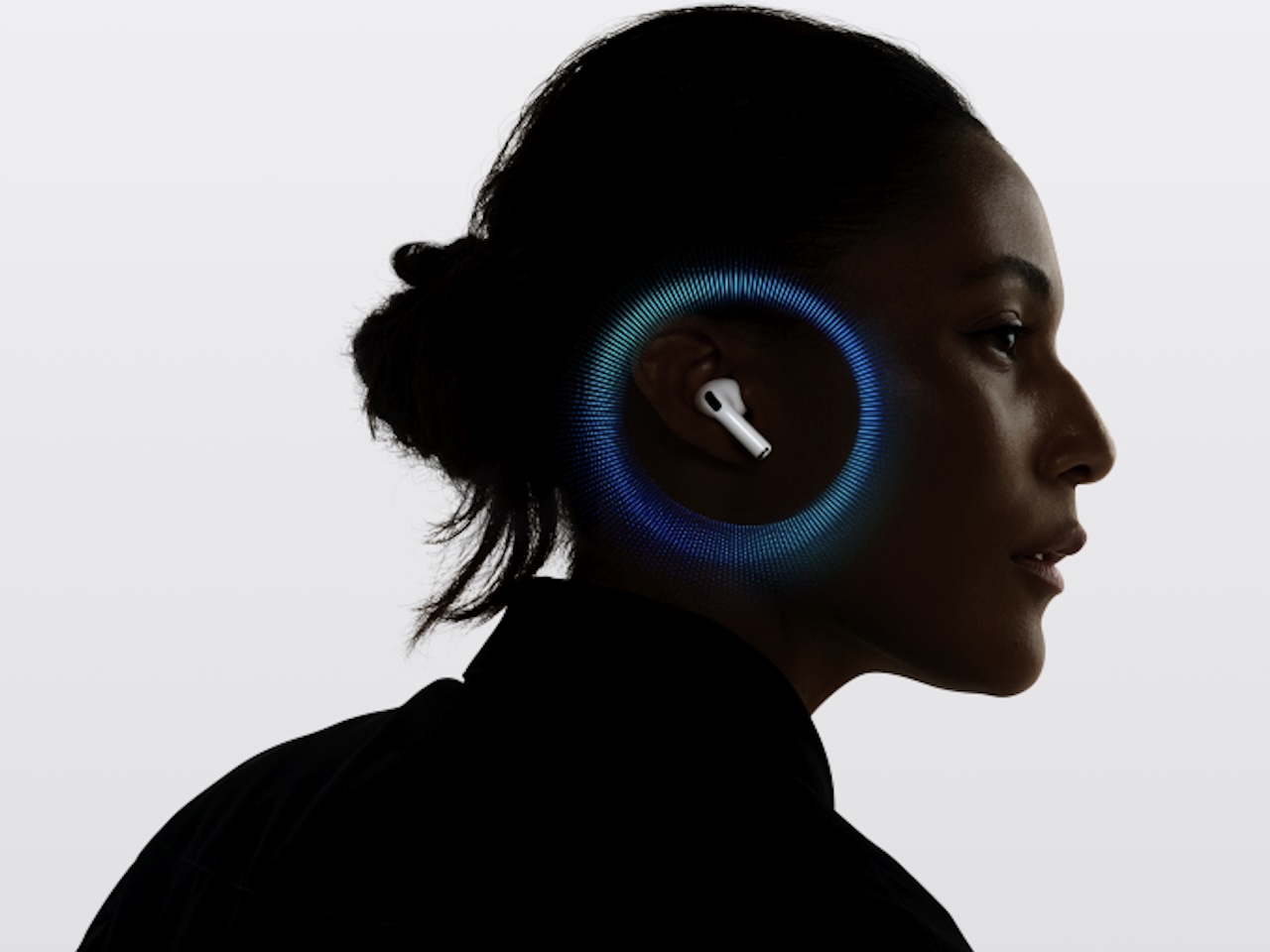
For iPhone users, the integration remains the tightest in the category. Seamless device switching, automatic ear detection, and the kind of ecosystem pairing that Apple refines with every generation. The familiar price tag carries more weight now that the feature set has caught up to what competitors were offering at higher price points last year.
Price: $224 (Discounted from $249)
Where to Buy: Amazon
Bose QuietComfort Ultra Earbuds 2nd Gen
Bose took its already impressive QuietComfort Ultra line and refined it with a second generation that retails at $299, matching the original’s launch price. It’s been described as one of the Best All-Around Buds and the praise centers on sound quality and noise cancellation that edges out nearly everything else in the category.
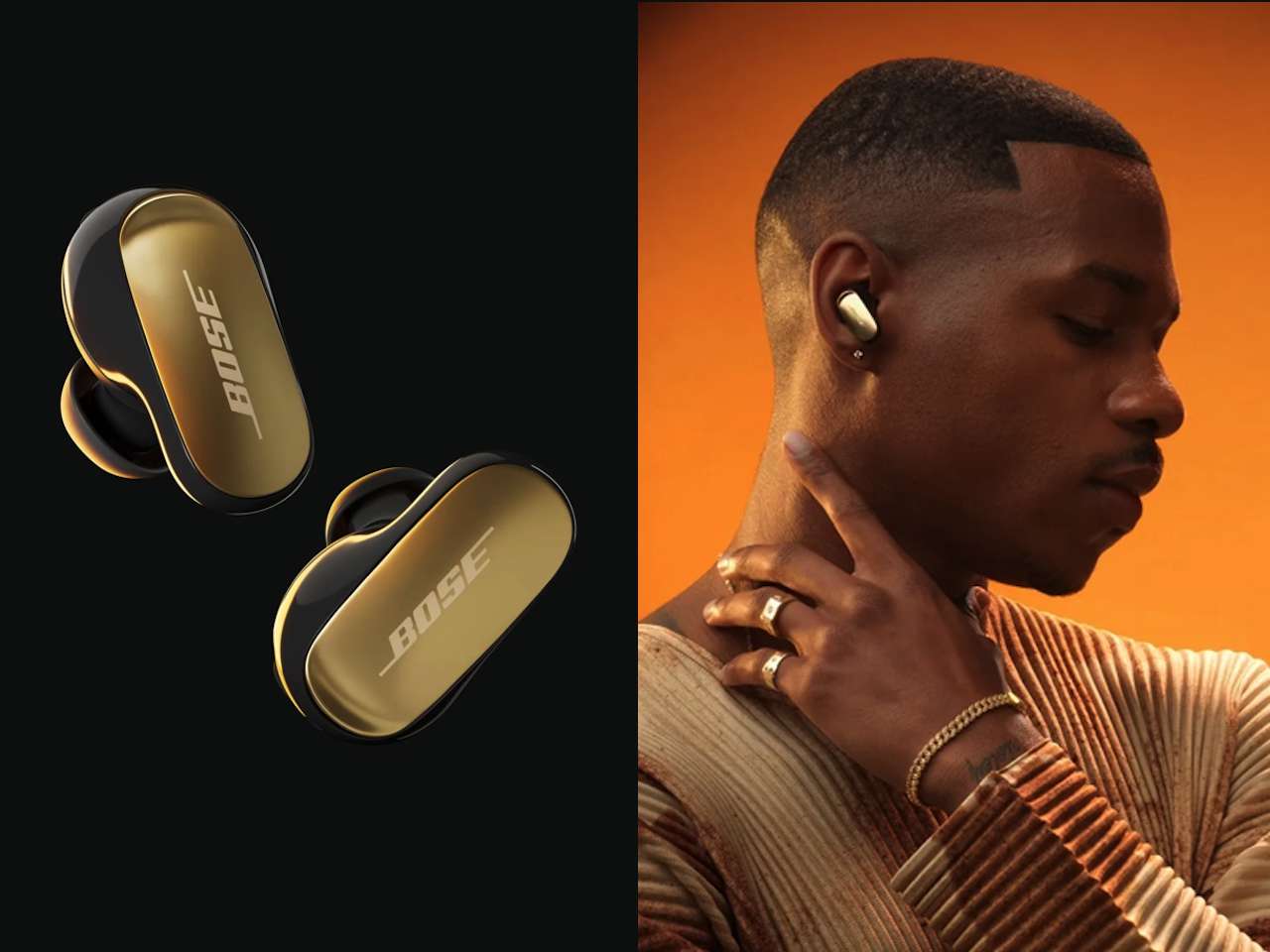
The noise cancellation on the original was already a benchmark, and this update tightens that further while addressing some of the fit concerns that surfaced with the first generation. Bose also reworked the ear tip design for better passive isolation, which means the active noise cancellation doesn’t have to work as hard to deliver that signature wall of silence. For its price, these sit at the premium end of noise cancelling earbuds, but the gap between what they deliver and what the competition offers at similar prices has widened.
Price: $299
Where to Buy: Amazon
Nothing Ear (3)
Nothing launched the Ear (3) on September 2025, at $179, and the charging case tells you immediately what this brand is going for. Recycled metal across the bottom half gives it a tactile heft closer to jewelry than consumer tech, and the transparent lid still lets you peek at the earbuds inside. The 12mm driver uses a layered composite cone that pushes bass 6dB stronger and treble 4dB brighter than the Ear (2), and a patterned surround cuts the distortion you notice on busier tracks. The tuning and Smart Hybrid ANC that blocks up to 45dB of outside noise have been praised. Battery life at 5.5 hours with noise cancellation on trails behind others in this price range, though.
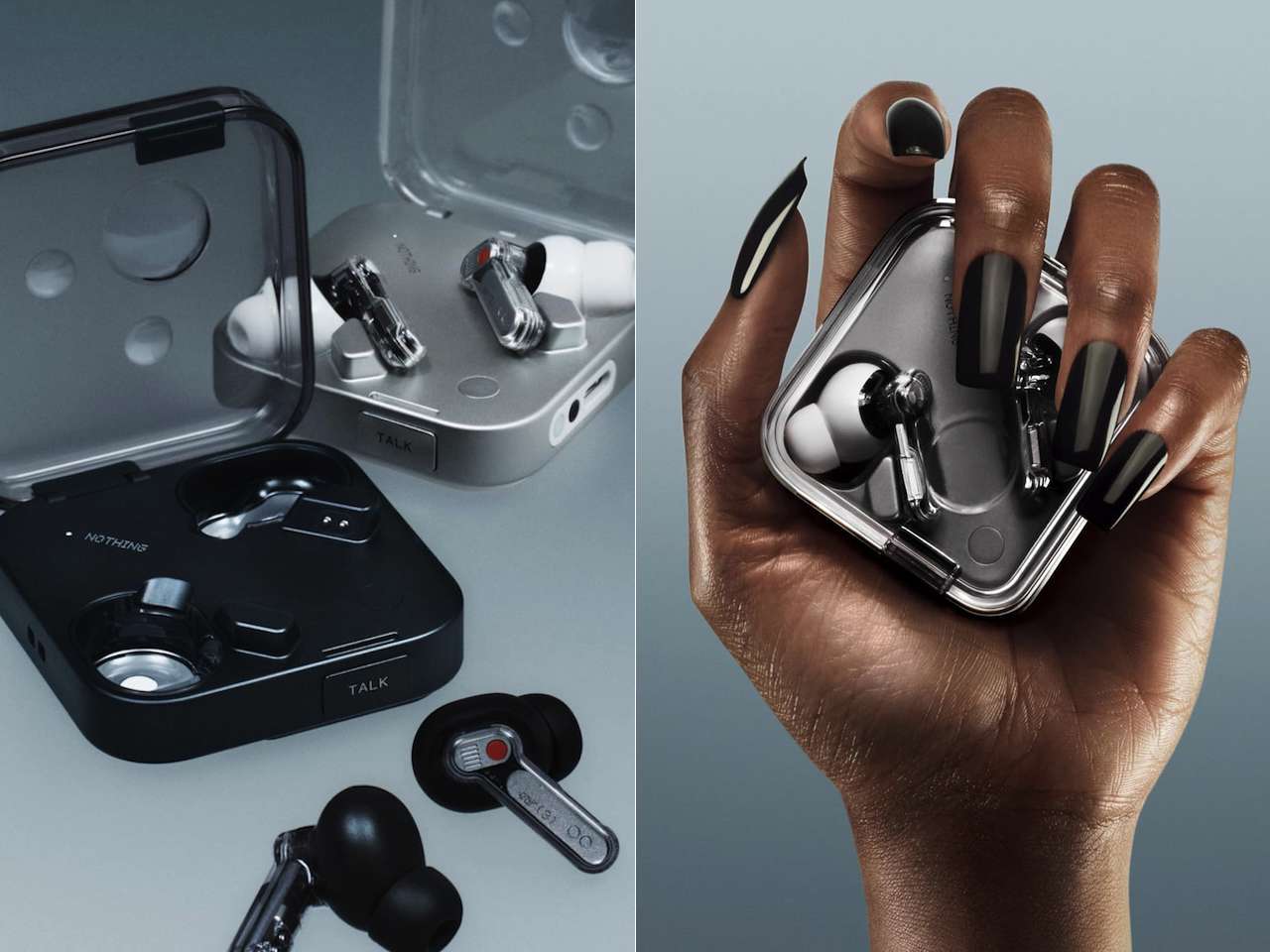
Super Mic is the wildcard: a dual-microphone system in the case that filters ambient noise up to 95dB for calls and voice messages. You hold the case near your mouth and press Talk, which feels awkward in practice. At $179, you’re paying more than budget picks like the Soundcore Liberty 5 for a pair that leans hard into design and sound character over raw value. If Nothing’s transparent, slightly rebellious aesthetic clicks with you, the Ear (3) delivers where it counts.
Price: From $149 (Discounted from $179)
Where to Buy: Amazon
EarFun Air Pro 4+
EarFun dropped the Air Pro 4+ in late October 2025 at $99.99, and within weeks it had collected great reviews like “the best budget earbuds for most people.” Frequent discounts push the street price under $80, and at that level with a dual-driver setup, this pair does things that shouldn’t be possible at this price.
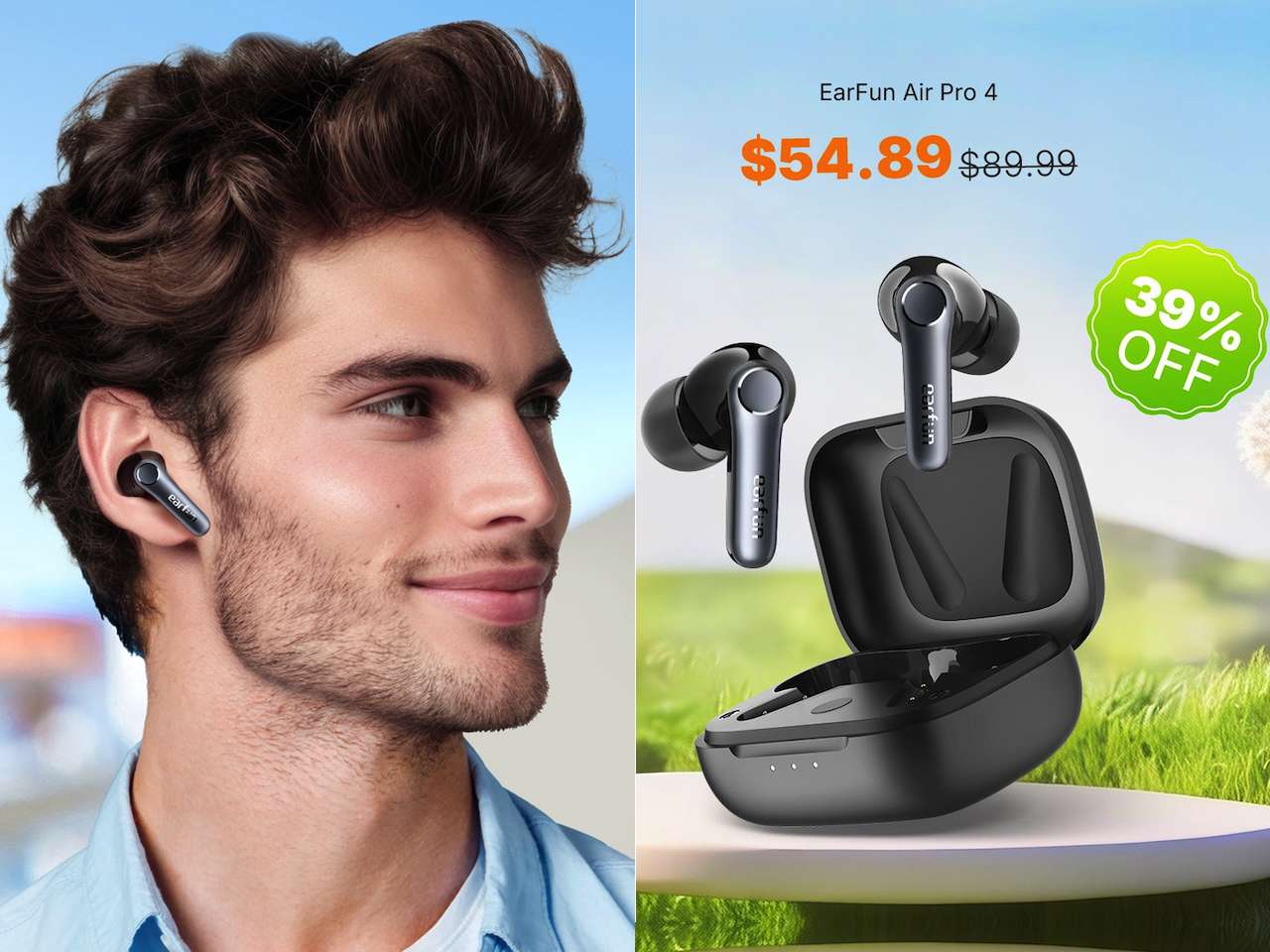
Inside, a 10mm dynamic driver handles the lows while a smaller balanced armature tweeter sits angled at 11 degrees to keep treble clean. EarFun calls the layout Nano Side-Fitted Acoustic Architecture, which is a mouthful, but the clarity it produces punches well above budget territory. LDAC, a high-quality wireless audio codec, means Bluetooth won’t bottleneck your music if the source file can keep up. Bluetooth 6.0 keeps the connection tight across devices.
Adaptive hybrid ANC handles environmental noise without the processing artifacts that plague cheaper earbuds, and battery life stretches to eight hours with noise cancellation on. A six-mic AI call system rounds out a spec sheet that reads like something twice the price. At $80, the Air Pro 4+ makes it genuinely hard to justify spending more unless you’re chasing a specific brand ecosystem or a particular sound signature that only flagships deliver.
Price: From $79
Where to Buy: Amazon
Samsung Galaxy Buds4 Pro
Samsung unveiled the Galaxy Buds4 Pro at Galaxy Unpacked on February 2026, at $249.99 with a March 11 ship date. The lollipop stem design breaks sharply from the rounder Galaxy Buds3 Pro, and the luxe metal finish gives them a weight that photographs don’t fully capture. At 5.1 grams per earbud, they’re lighter than they look, which matters across a full commute and gym session.

Each earbud runs a 2-way speaker system with dedicated dual amplifiers for the woofer and tweeter, a setup you’d normally find at higher price points, and it shows in the separation between lows and highs. Samsung supports 24-bit audio over Bluetooth for sharper detail at higher volumes, and ANC 2.0 filters outside noise with less of that pressurized feeling older Galaxy Buds carried. Water and dust resistance hits IP57, but the real hook for Galaxy owners is the AI layer. Live translation, smart ambient controls, and tight One UI integration make these feel less like earbuds and more like an extension of the phone. Outside the Samsung world, that advantage vanishes fast and the price competes directly with the AirPods Pro 3. Inside it, these are the most complete earbuds Samsung has shipped.
Price: From $249
Where to Buy: Amazon
Motorola Moto Buds 2 Plus
Motorola launched the Moto Buds 2 Plus at MWC 2026 for €149 (roughly $175), and the Sound by Bose tuning isn’t just a logo on the box. An 11mm dual-magnet dynamic driver pairs with a Knowles balanced armature, pushing vocals forward without crowding the low end. Dynamic ANC and six microphones handle noise filtering for calls and music, which anyone who’s tried taking a call on a train platform will appreciate. Hi-Res Audio with LHDC, Bluetooth 6.0, and Spatial Audio round out a wireless stack that most sub-$200 earbuds don’t touch.

Battery life hits nine hours with ANC on, stretching to 40 hours with the case. Moto AI adds on-device translation and meeting transcription when paired with compatible Motorola phones, a practical bonus for Razr or Edge owners. The catch is availability. European pricing is locked, but Motorola hasn’t confirmed a US release date or dollar figure yet. At roughly $175, these sit right next to the Nothing Ear (3) on price while leaning harder into audio engineering credentials.
Price: Estimated at $175
Where to Buy: Motorola
Sony WF-1000XM6
Sony’s WF-1000XM6 landed in February 2026 at $329.99, a $30 bump over the XM5 that raised eyebrows across the audio community. It’s said to be Sony’s best wireless earbuds to date, with meaningful upgrades to noise cancellation, sound quality, and microphone clarity. The XM6 undercuts Bose in the UK while running slightly higher in the US, which creates an interesting pricing split depending on where you’re shopping.
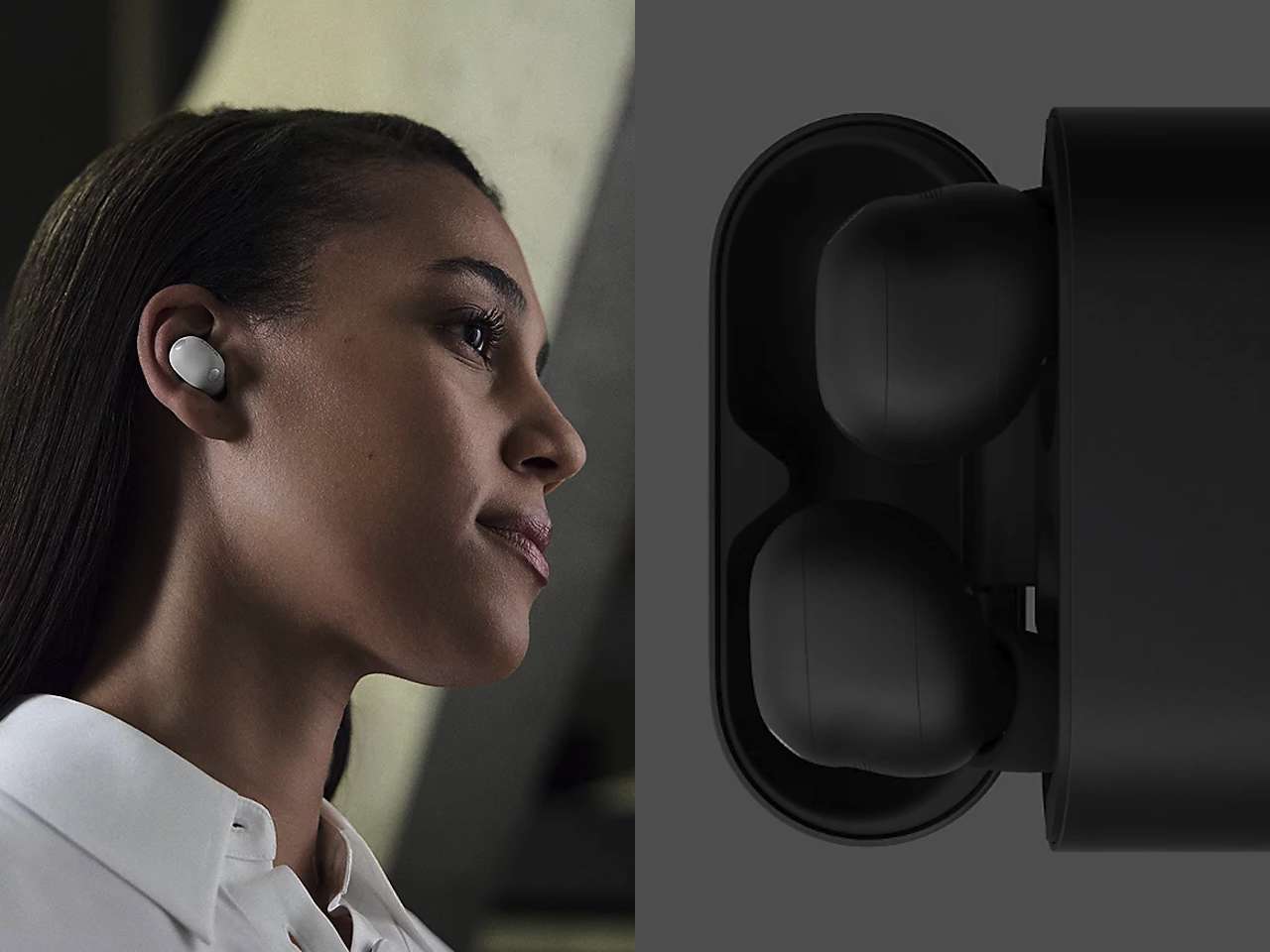
The 8.4mm dynamic driver uses what Sony calls a “soft edge, hard center” design, and you feel the difference in how bass hits without muddying the mids. At 6.5 grams per earbud, these sit heavier than the AirPods Pro 3 but lighter than the Bose QC Ultra 2nd Gen, and the revised ear tip shape addresses the fit complaints that dogged the XM5’s foam tips. Eight hours of battery with ANC on stretches to 24 with the case, which matches what Apple offers and edges past Bose.
Price: $329
Where to Buy: Amazon
At $329.99, these are now the most expensive flagship wireless earbuds in the category. If you’re upgrading from the XM4 or earlier, the jump in noise cancellation and driver quality justifies the investment without much debate. XM5 owners face a tougher call, and waiting for a sale might be the smarter play there.
The bottom line
Seven months of releases and not a single dud in the pile. That doesn’t happen often. What’s changed isn’t just the hardware inside each case, it’s how far the floor has risen. A sub-$100 pair from EarFun now ships with dual drivers, LDAC, and adaptive ANC that would’ve been unthinkable at twice the price two years ago. Meanwhile, Sony and Bose are fighting over fractions of a decibel at the top, and Samsung is betting that AI features will matter more than raw sound quality before the year is out.
If you’re shopping right now, the real question isn’t which pair sounds best. It’s which trade-offs you can live with. Apple locks you into an ecosystem but rewards you with the smoothest experience in the category. Nothing gives you design that actually turns heads, at the cost of battery life. EarFun delivers the most value per dollar spent, full stop. And if you want the absolute best noise cancellation money can buy today, Bose and Sony are still the only two names worth comparing.
The pace isn’t slowing down, either. Motorola’s MWC entry hints at more Bose-tuned partnerships landing later this year, and Samsung’s AI-first approach suggests the next battleground won’t be drivers or codecs. It’ll be what your earbuds can do when you’re not listening to music. For now, though, every pair on this list earns its spot, and the hardest part of upgrading in 2026 is picking just one.

Lenovo IdeaPad 15.6 inch Business Laptop with Microsoft 365 • 2026 Edition • Intel Core • Wi-Fi 6 • 1.1TB Storage (1TB OneDrive + 128GB SSD) • Windows 11
(as of March 10, 2026 10:42 GMT -05:00 - More infoProduct prices and availability are accurate as of the date/time indicated and are subject to change. Any price and availability information displayed on [relevant Amazon Site(s), as applicable] at the time of purchase will apply to the purchase of this product.)