
 The Ultrahuman Ring Air was quietly becoming one of the most interesting wearables in the smart ring category when it all went sideways. No monthly subscription, health tracking that matched its more expensive competitors, and a design light enough to forget you’re wearing it. Then a patent lawsuit changed everything, and the story of this particular smart ring got a lot more complicated.
Price: $$479
Where to Buy: Ultrahuman
In August 2025, the U.S. International Trade Commission issued exclusion and cease-and-desist orders against Ultrahuman, effectively banning the company from importing and selling its smart rings in America. The ruling came after Oura, the Finnish company behind the Oura Ring 4, filed a patent infringement complaint alleging that Ultrahuman’s ring hardware design infringed on a patent Oura had acquired through a chain of previous owners. The ITC agreed, and just like that, one of Oura’s most credible challengers got locked out of the world’s largest wearables market. Six months later, Ultrahuman responded by unveiling a completely redesigned successor.
What the Ultrahuman Ring Air actually brought to the table
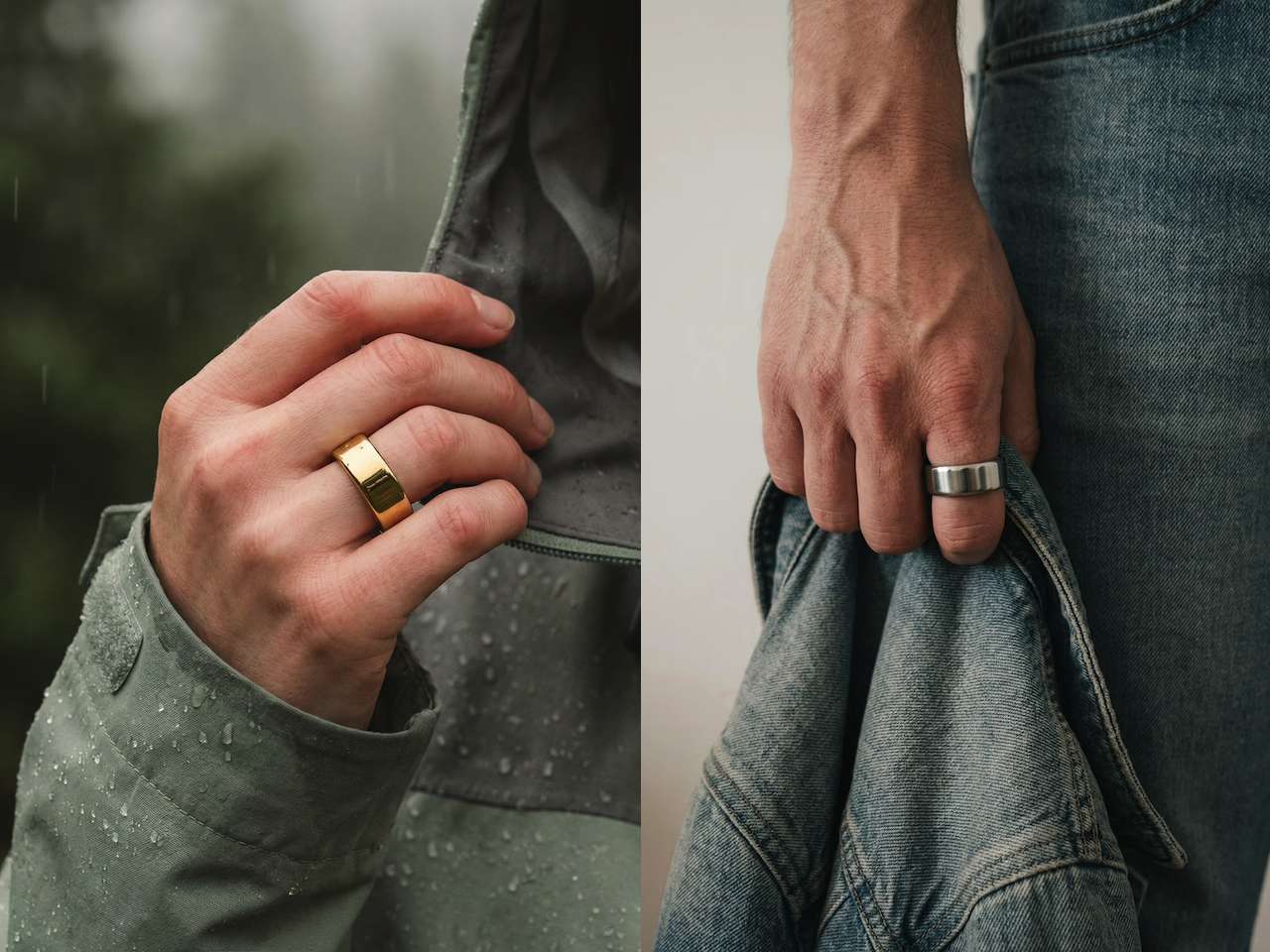
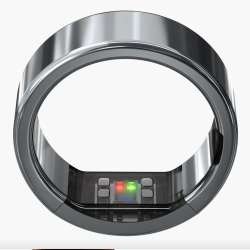
The Ring Air wasn’t trying to be a flashy smartwatch replacement. It tracked sleep, heart rate variability, blood oxygen, skin temperature, and movement through a PPG optical sensor and onboard motion tracking, all packed into a ring that weighs between 2.4 and 3.6 grams depending on size. That’s light enough to genuinely forget it’s on your finger, which turns out to be the single biggest factor in whether people actually wear a health tracker consistently.
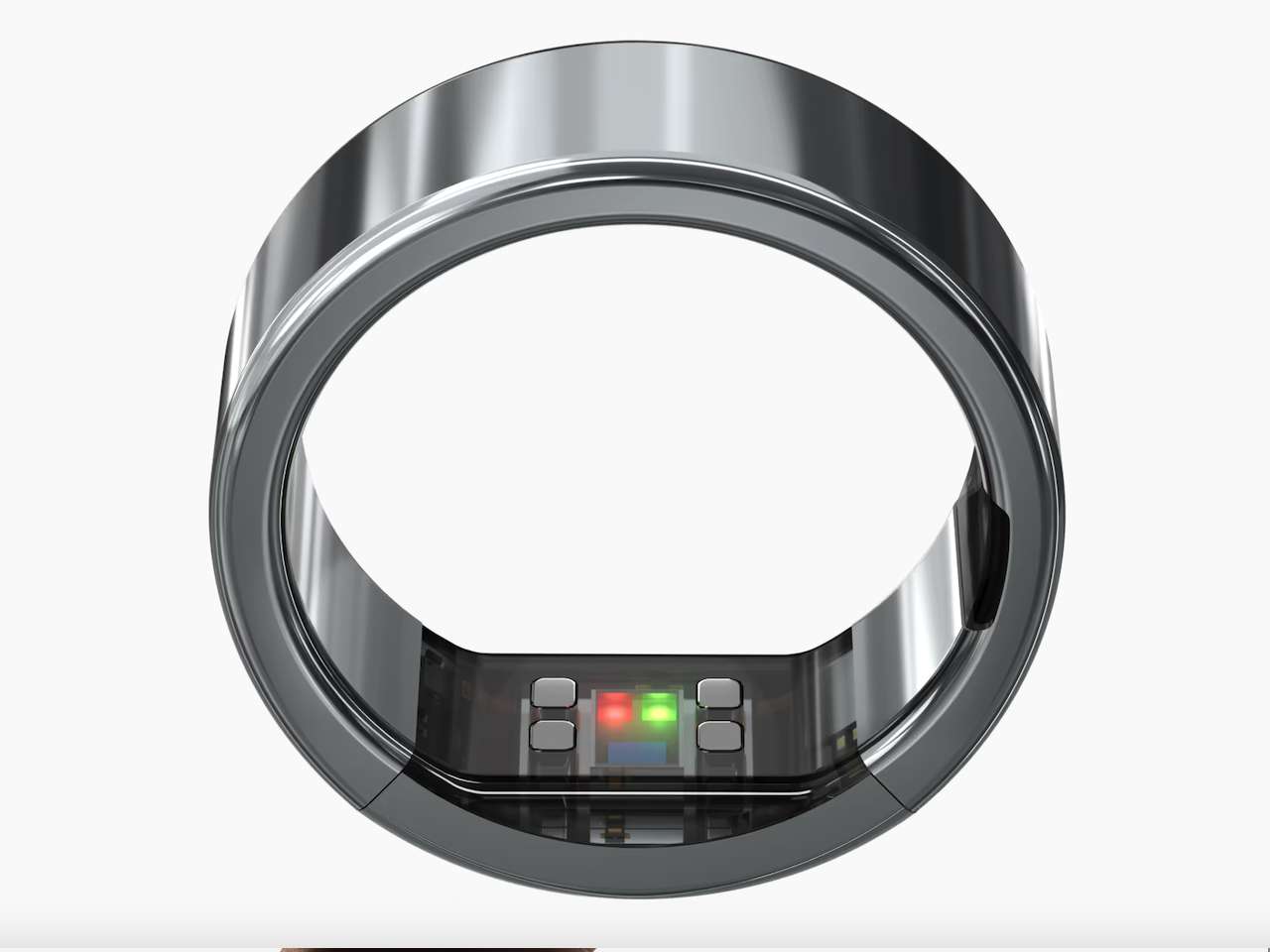
Battery life landed in the four to six day range, with an optional Chill Mode introduced in April 2025 that extended things by roughly 35 percent. The ring handles 100 meters of water resistance, so showers, pools, and accidental dishwashing incidents aren’t a concern.
But the feature that earned the Ultrahuman Ring Air its most passionate following had nothing to do with sensors or battery life. It was the complete absence of a subscription fee. Everything the ring tracks, every insight it generates, every software update it receives comes included with the $349 purchase price. That’s a direct contrast to Oura, which charges a monthly subscription fee for full access to its health data after a free trial period. Over two or three years of ownership, that difference adds up to well over a hundred dollars, and it makes the Ring Air’s total cost of ownership meaningfully lower than its most direct competitor.
For anyone searching for an Oura Ring alternative without recurring fees, the Ring Air became the obvious answer. The ring also qualifies for HSA and FSA spending, making it one of the few consumer health wearables you can buy with pre-tax health dollars.
How a patent dispute reshuffled the smart ring market
Oura filed its ITC complaint in March 2024, targeting both Ultrahuman and RingConn under U.S. Patent No. 11,868,178, which protects a specific layered arrangement of internal ring components. An initial ruling landed in April 2025, and by August the final determination was locked in. Oura called it a “decisive legal victory.”
The practical impact hit fast. Ultrahuman’s Ring Air disappeared from Amazon and major U.S. retailers, with lingering stock at Best Buy, Verizon, and AT&T drying up as new imports were blocked. Ultrahuman published a blog post titled “Ultrahuman is here for long,” promising continued support, updates, and warranty coverage for existing owners. It also filed a counter-suit in India’s Delhi High Court in August 2025, claiming Oura had infringed on Ultrahuman IP tied to women’s health features, circadian health tools, and its glucose monitoring platform. That suit was dismissed on procedural grounds in September 2025, then reinstated by the Delhi High Court’s Division Bench.
Interest around an “Ultrahuman Ring Air 2” has spiked, with users looking for any sign of a successor and an Ultrahuman Ring Air 2 release date. The demand isn’t slowing down, but the options available to American buyers are.
What actually changed with the Ring Pro
The Ring Air lasted four to six days on a charge. The Ring Pro stretches that to 15 days, roughly triple the endurance, and it isn’t a minor firmware trick. Ultrahuman redesigned the heart rate sensor architecture for cleaner signal quality during sleep, swapped in a dual-core processor for faster on-device machine learning, and expanded local data storage to 250 days. That last number is wild when you consider the Ring Air could hold less than a week. If you’re the kind of person who forgets to sync for a month, the Ring Pro won’t punish you for it.

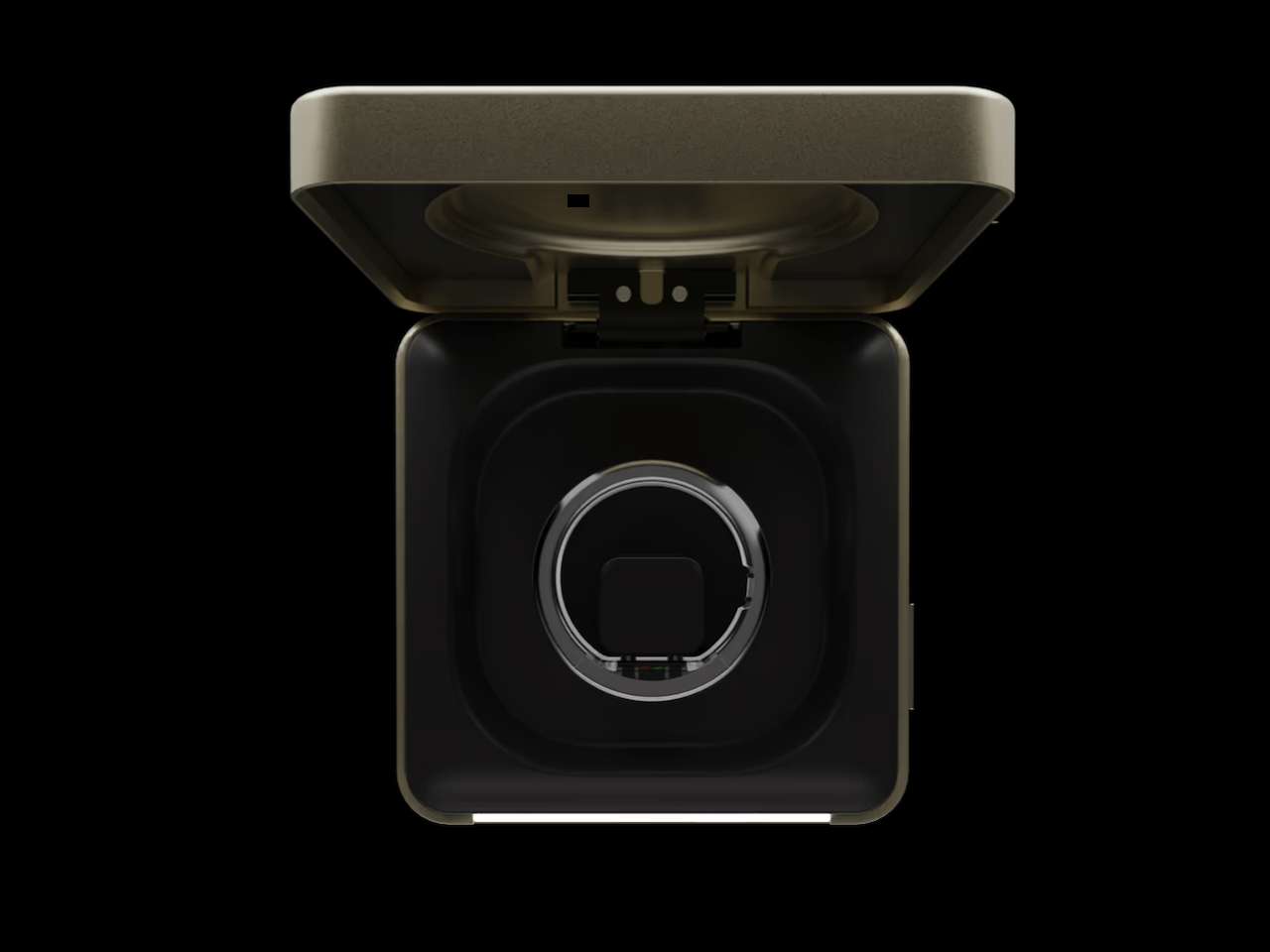
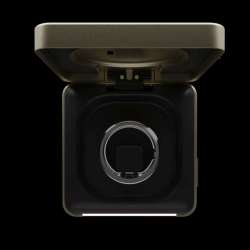
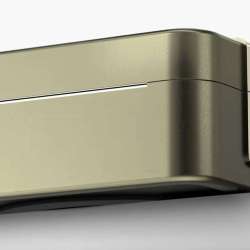
The new Pro Charging Case adds another layer that the Ring Air never had. It holds 45 days of backup charge, supports Qi wireless charging, and connects directly to the ring for faster diagnostics and updates. Smart move, especially for a device that’s supposed to disappear on your finger for weeks at a time.
Then there’s Jade, Ultrahuman’s AI health assistant launching alongside the Ring Pro. It pulls from biometric data across the Ring, Blood Vision, Home, and M1 CGM platforms to surface long-term trends with real-time guidance. Whether Jade actually changes how people interact with their health data remains to be seen, but the ambition is clear: Ultrahuman isn’t treating the Ring Pro as a spec bump. It’s a platform reset.
The Ring Pro changes the conversation
Ultrahuman didn’t sit still. On February 27, 2026, the company unveiled the Ring Pro, a completely redesigned successor that many had been tracking as the Ultrahuman Ring Air 2. Built with a new form factor intended to sidestep the patent issues that triggered the U.S. ban, the Ring Pro is Ultrahuman’s answer to the question of an Ultrahuman Ring Air 2 release date.
The redesign isn’t cosmetic. Ultrahuman needed to create a product different enough in its internal hardware arrangement to avoid the specific patent claims that sank the Ring Air in the U.S. market. Whether the Ring Pro actually clears that legal bar remains an open question, and the patent dispute is already delaying the Ring Pro’s U.S. launch.
Pre-orders are open in markets where Ultrahuman can still sell directly. For the U.S., the timeline is far less certain. That gap between announcement and availability has created an unusual dynamic where American consumers can follow every detail of one of the most anticipated smart rings of 2026 without any clear path to buying it.
What this means for the smart ring category
The Ultrahuman Ring Air, for all its current availability challenges in the U.S., remains a fully functional and well-supported device for everyone who already owns one. Its 4.7 out of 5 rating across more than 2,500 reviews reflects genuine user satisfaction, and the no-subscription model continues to be its strongest differentiator in a market where recurring fees are becoming the norm.


Price: $$479
Where to Buy: Ultrahuman
For anyone following the smart ring space, the Ultrahuman story is worth watching closely. A patent war tried to shut down one of Oura’s most credible competitors, and instead of folding, the company built a successor with triple the battery life and a new AI layer. Whether the Ring Pro actually makes it to American shelves depends on legal outcomes that nobody can predict right now. But the tension between a growing market where consumers want more choices and a legal system that’s currently limiting them isn’t going away anytime soon.

Fitbit Inspire 3 Health &-Fitness-Tracker with Stress Management, Workout Intensity, Sleep Tracking, 24/7 Heart Rate and more, Midnight Zen/Black One Size (S & L Bands Included)
(as of March 1, 2026 17:45 GMT -06:00 - More infoProduct prices and availability are accurate as of the date/time indicated and are subject to change. Any price and availability information displayed on [relevant Amazon Site(s), as applicable] at the time of purchase will apply to the purchase of this product.)
