

Apple made it official: the Mac mini is getting built in America. The company announced Tuesday that it’s expanding factory operations in Houston, Texas, bringing Mac mini production to US soil for the first time in the product’s 20-year history. It’s a move that doubles the Houston campus footprint and creates thousands of new manufacturing jobs in the process. For a product that’s spent its entire life being assembled in Asia, this is a pretty significant shift.
The new Mac mini factory sits on Apple’s existing north Houston manufacturing site, a 220,000-square-foot facility owned by Foxconn. If you’ve been tracking Apple’s supply chain moves over the past year, that partnership isn’t surprising. This campus is already home to Apple’s AI server production line. Sabih Khan, Apple’s COO, confirmed Mac mini production will continue in Asia alongside Houston, so this isn’t a full migration. It’s the start of one.
This isn’t Apple’s first project at the Houston site. The company started producing advanced AI servers there in late 2025, and that production is already running ahead of schedule. Servers assembled on-site now power Apple data centers across the country. Adding Mac mini to the mix turns Houston into Apple’s most concentrated manufacturing operation outside of Asia.
What Houston is getting
The expansion goes well beyond assembly lines. Apple’s constructing a 20,000-square-foot Advanced Manufacturing Center on the same campus, with doors scheduled to open later this year. The center will offer hands-on training to students, supplier employees, and American businesses. Think of it as Apple exporting production knowledge to a broader domestic workforce, a smart play for a country that hasn’t prioritized hardware manufacturing in decades.
“We’re proud to significantly expand our footprint in Houston with the production of Mac mini starting later this year,” said Tim Cook. That’s the kind of polished quote you’d expect from a press release, but the underlying action backs it up. Apple’s AI server production hitting ahead of schedule gives the company real operational credibility here. The physical infrastructure going up in Houston suggests that’s not empty talk.
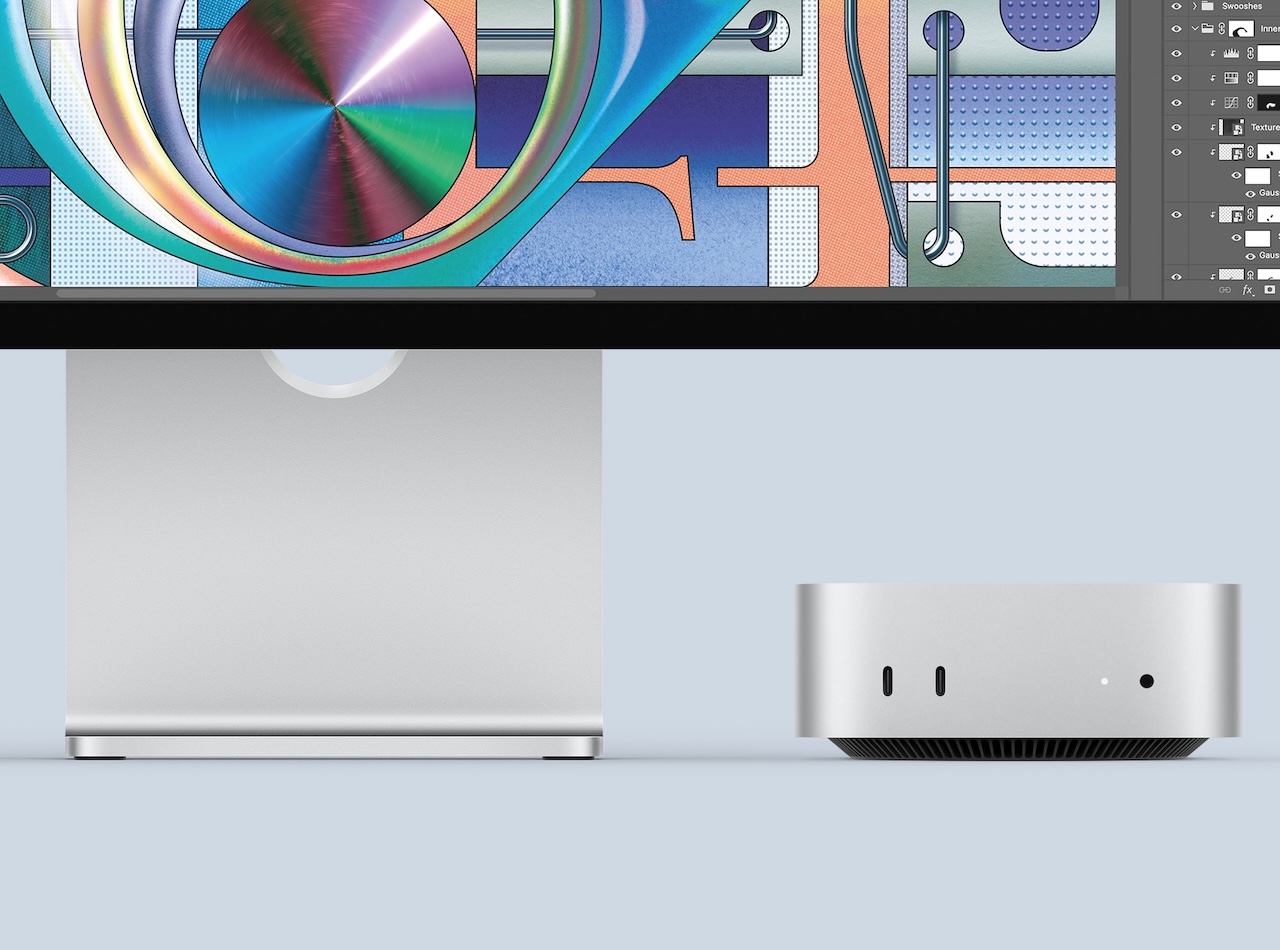
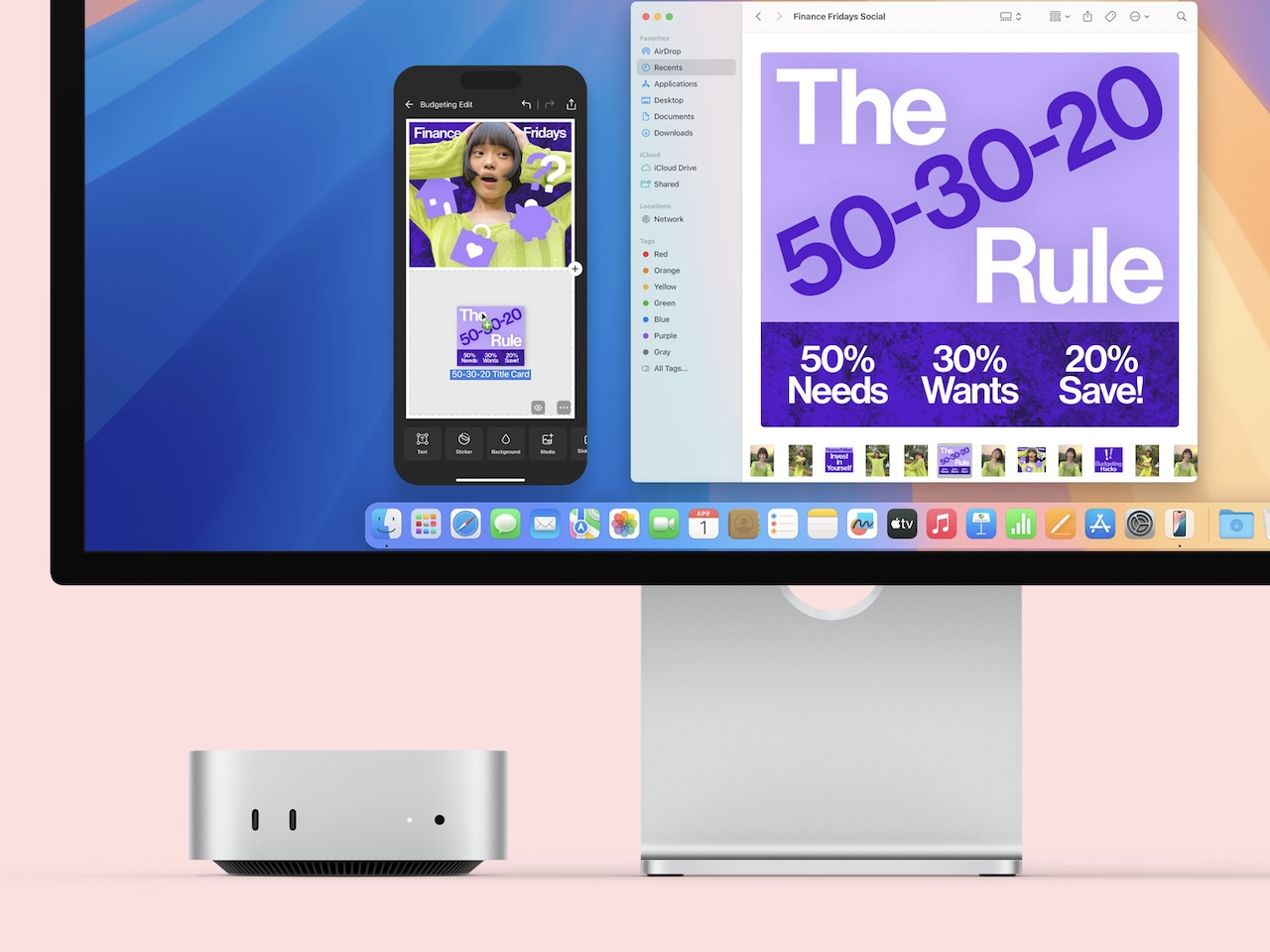
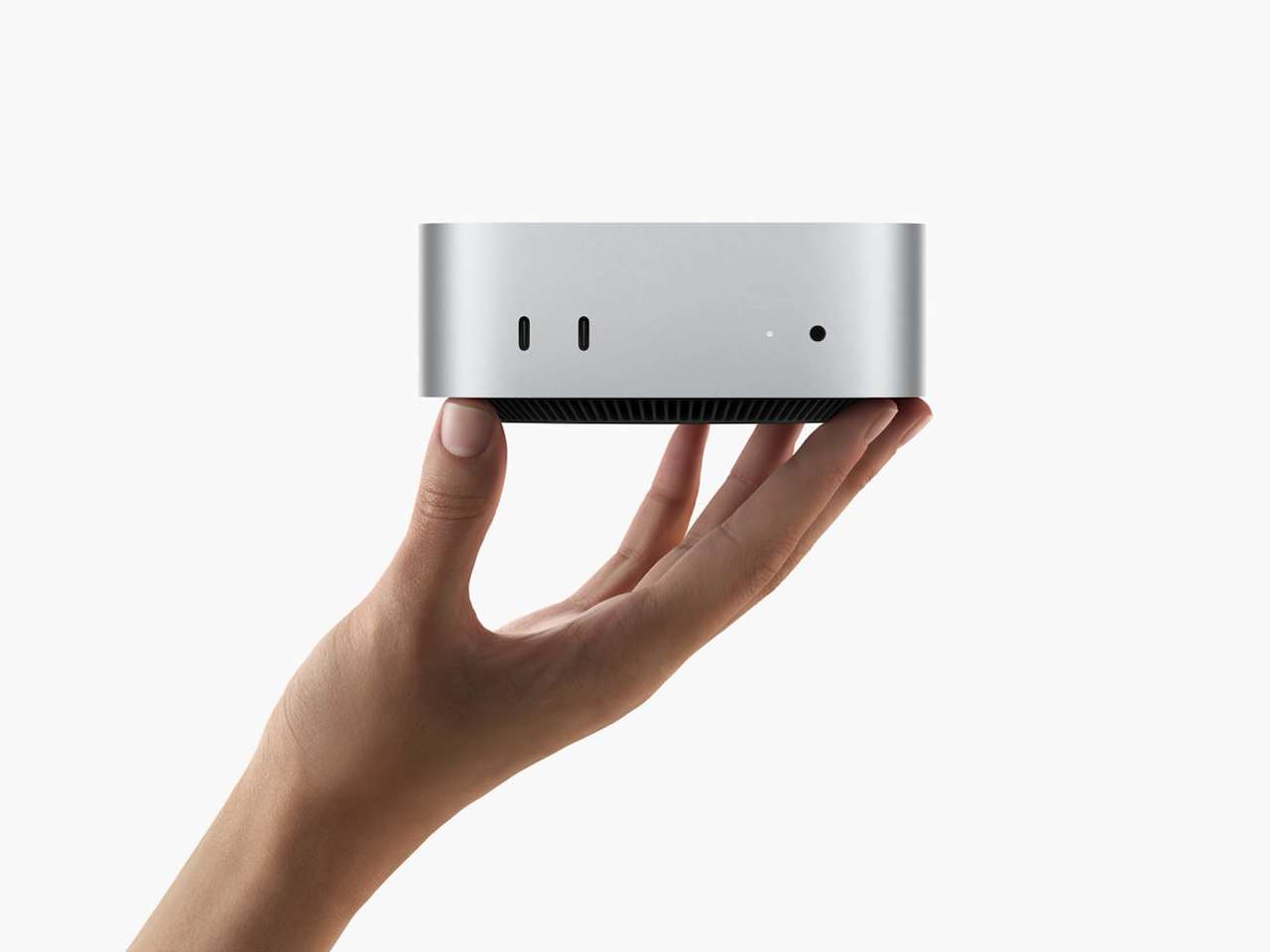
The Mac mini itself has been around since 2005, when Steve Jobs famously called it a BYODKM: “Bring Your Own Display, Keyboard, Mouse.” At $599 with the M4 chip inside, it’s the cheapest Mac desktop Apple sells, and its compact five-inch-square footprint packs surprising power for the price. It’s been a budget entry point for students since day one, and plenty of small business owners run daily operations on one without a second thought. In design offices and recording studios where a Mac Studio would be overkill, the Mac mini sits tucked under monitors, paired with displays that cost more than the computer itself.
Here’s the thing most people won’t notice right away: the Mac mini accounts for less than 5% of Apple’s global Mac sales, according to Consumer Intelligence Research Partners. That’s a small slice of the pie. But that actually makes it the perfect manufacturing test case. Lower volume means lower risk while Apple proves out a domestic production line. If Houston can handle Mac mini assembly cleanly, it wouldn’t be surprising to see more products follow.
The $600 billion picture
This Houston expansion is one piece of a much larger commitment Apple made last August: $600 billion in US investment over four years. That number sounds like corporate theater until you start counting the facilities. Apple now sources more than 20 billion chips from 24 American factories across 12 states, pulling silicon from TSMC, Broadcom, and Texas Instruments.
In 2026 alone, Apple expects to purchase over 100 million advanced chips from TSMC’s Arizona fab, up sharply from last year. If you zoom out, the money trail paints a different picture than the “everything ships from Shenzhen” story that’s defined consumer electronics for decades. TSMC’s Arizona plant already hums with the kind of clean-room precision you’d normally associate with facilities in Taiwan or Japan.
The pace is worth watching. Apple’s been stacking up domestic milestones faster than most analysts expected, and the physical infrastructure going up across multiple states suggests this isn’t a PR cycle with a shelf life.
GlobalWafers opened a $4 billion wafer plant in Sherman, Texas, while Amkor broke ground on a $7 billion packaging facility in Peoria, Arizona, where Apple will be the first and largest customer. Corning’s Harrodsburg, Kentucky facility now produces cover glass for every iPhone and Apple Watch shipped globally. Apple also launched a Manufacturing Academy in Detroit that’s training over 130 small and mid-sized American manufacturers in AI and automation. The geographic spread tells the larger story here, and it reads more like an industrial policy quietly taking shape than a series of standalone supply chain deals.
Who this is for
If you’re shopping for a Mac mini right now, nothing changes immediately. The same Apple Mac mini M4 at $599 is still available today, and Apple didn’t announce any new hardware alongside this manufacturing news. But once the Houston line goes live later this year, US buyers could see shorter turnaround times. You won’t spot a “Made in USA” label by summer, but the logistics pipeline is already being rerouted behind the scenes. That’s a quiet shift with real practical upside.
The real question hanging over all of this is whether tariff pressure or long-term strategy is the primary driver. Probably both. Apple hasn’t said as much directly, but the speed of these manufacturing commitments tracks closely with the trade policy shifts that picked up steam in late 2025.
Other tech companies have tested US production before, and most of those efforts didn’t survive contact with the economics. Google assembles some Pixel phones in Texas, and Samsung runs chip fabs in Austin. But nobody at Apple’s scale has spread hardware assembly across this many US sites in a single four-year window. The ambition is real, even if the execution will stress supply chain teams in ways one Houston campus can’t fully predict. Starting with the Mac mini makes strategic sense: it’s low-volume, the stakes stay manageable if production hits friction, and Apple can afford to learn from it. If it works cleanly, other manufacturers will feel the heat.
For Houston specifically, this is a tangible win beyond the headline. Thousands of manufacturing jobs will open up across the campus, and the Advanced Manufacturing Center adds a training pipeline that didn’t exist here before. The north Houston site already feels like a small industrial district in the making, with Foxconn’s footprint now double what it was a year ago. The scale in a couple of years will look nothing like it did when Apple first started assembling AI servers on-site.
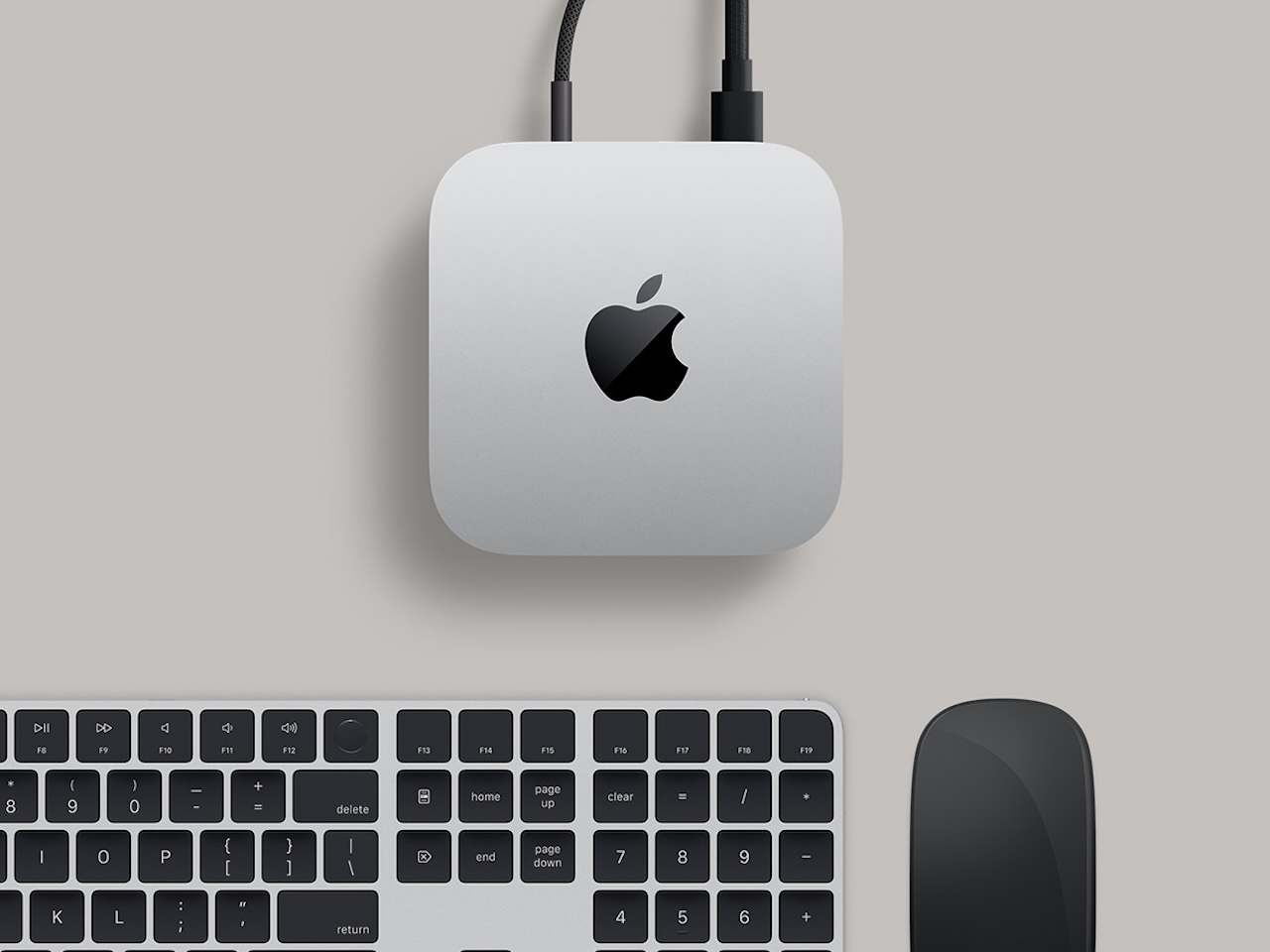
Mac minis will roll off a Houston assembly line before 2026 is out. That tiny five-inch box might end up being the proof of concept for how aggressively Apple reshapes its manufacturing map. The infrastructure is going up, and what happens next depends on whether Houston can deliver.

Gerber Gear Suspension 12-in-1 EDC Multi-Plier Multitool with Pocket Knife, Needle Nose Pliers, Wire Cutters and More, Gifts for Men, Camping and Survival, Grey
(as of February 24, 2026 17:29 GMT -06:00 - More infoProduct prices and availability are accurate as of the date/time indicated and are subject to change. Any price and availability information displayed on [relevant Amazon Site(s), as applicable] at the time of purchase will apply to the purchase of this product.)
