
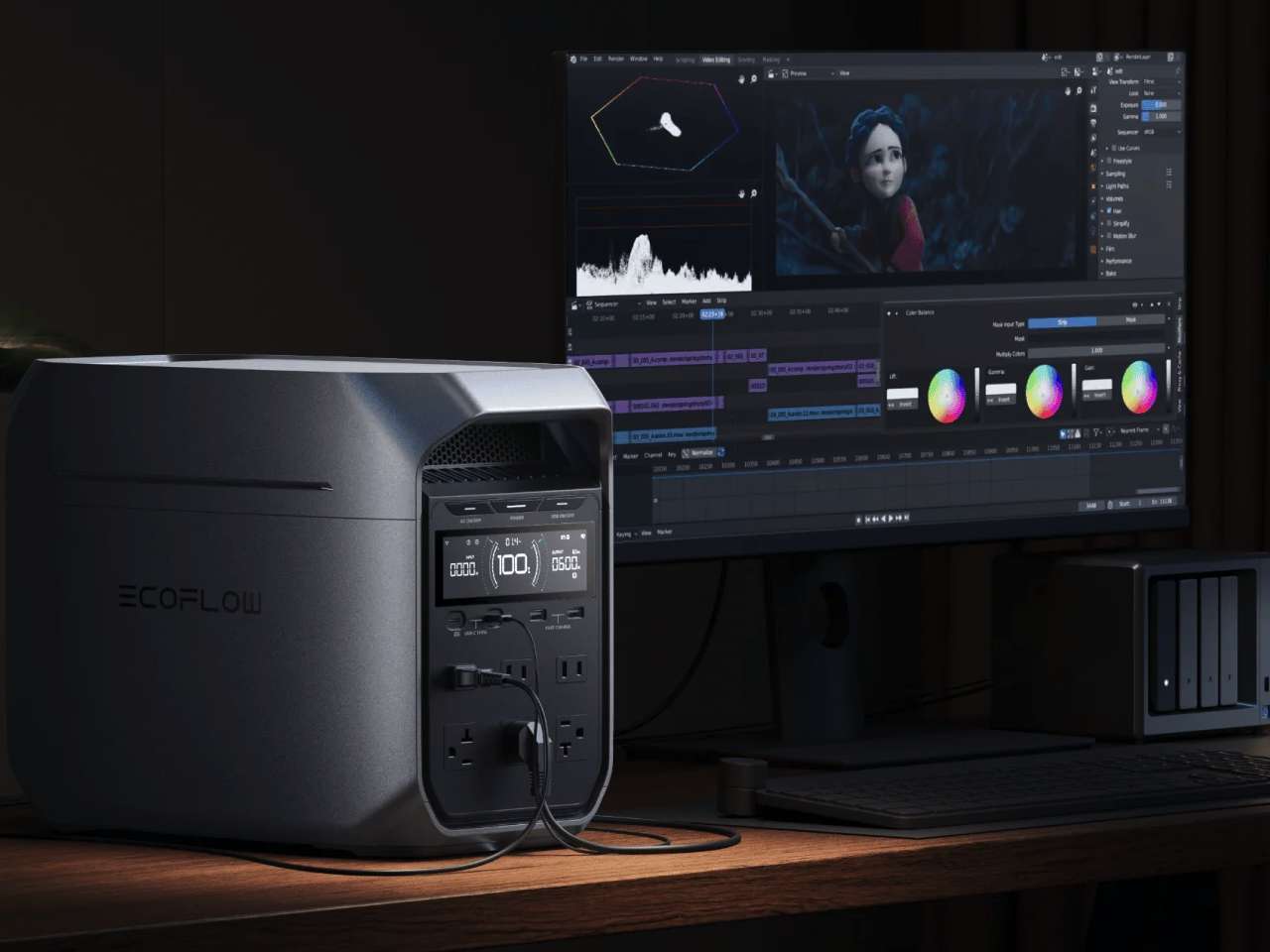
Backup power stations live in a strange financial limbo. The value proposition only clicks when the lights go out, which means most buyers are pre-paying for uncertainty. You’re covering insurance premiums against an event that might never happen, and the hardware sits idle until it doesn’t.
Price: From $1,099
Where to Buy: Ecoflow, Big Game Day Sale
EcoFlow’s Big Game Day flash sale shifts that math enough to notice. The dual DELTA 3 Max bundle drops to $1,449 shipped, down from the combined $2,998 MSRP. That’s $725 per station, beating Amazon’s current $799 pricing by $74 on each unit.
So the real question is: does doubling down on backup power at this price make sense for anyone who isn’t already convinced they need it?
What The DELTA 3 Max Actually Delivers
Each DELTA 3 Max packs 2,048Wh of LiFePO4 capacity. Stack two units together and you’re sitting on 4,096Wh of combined storage. That’s enough to keep a full-size refrigerator running for roughly 40 hours, or power a home office setup for multiple days without rationing.
The output ceiling hits 2,400W steady power per unit, distributed across nine ports: four AC outlets, three USB-C ports, one USB-A, and one car port. X-Boost mode pushes the threshold up to 3,400W for heavier appliances like space heaters or window AC units. Surge capacity reaches 4,800W when something needs a brief power spike to start up. That covers most residential equipment short of well pumps or central HVAC systems.
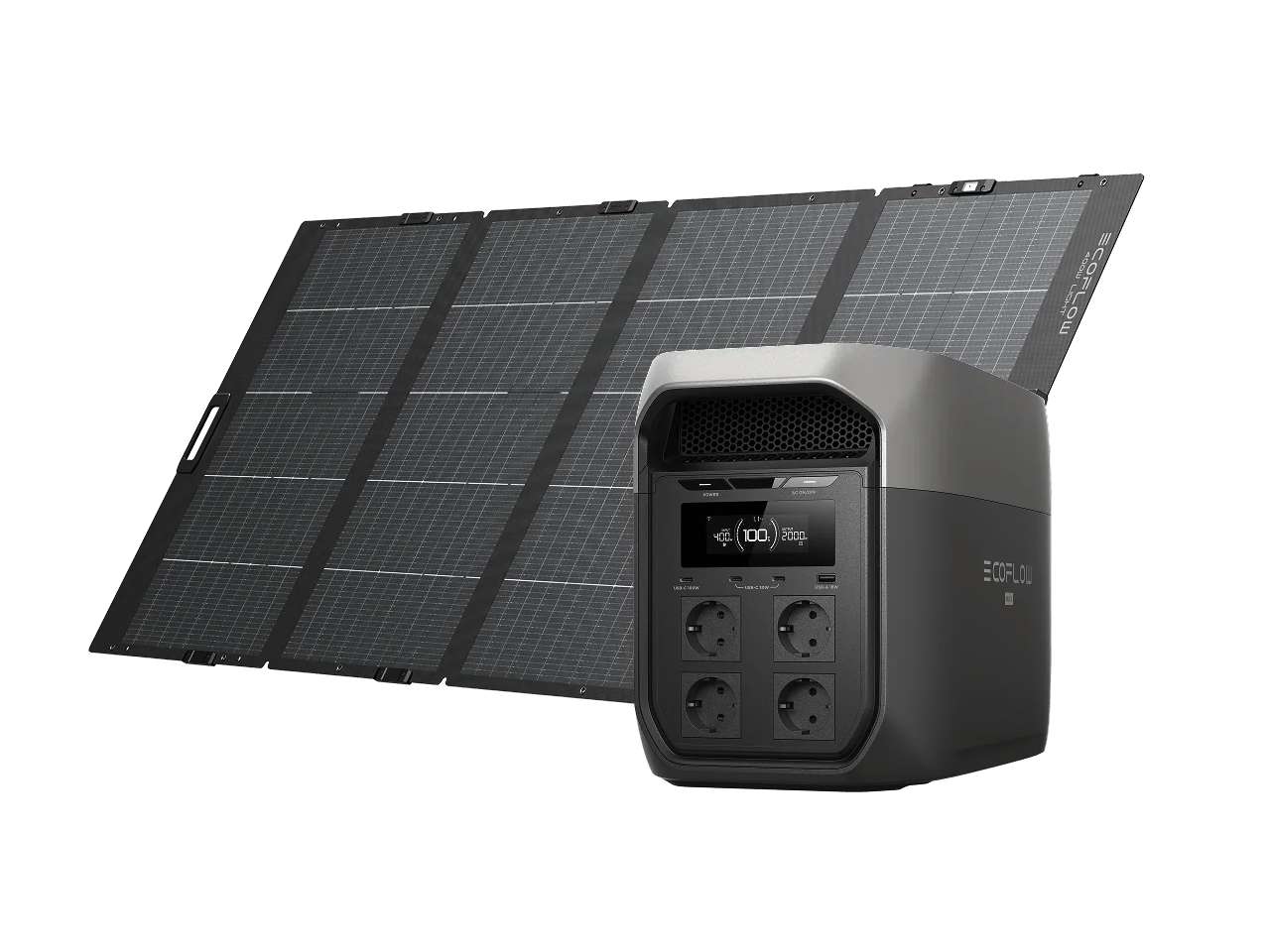
LiFePO4 chemistry is the main differentiator here. Standard lithium-ion stations degrade faster under heavy cycling, especially in temperature swings. EcoFlow claims 10-year reliability with 24/7 battery management protection, backed by automotive-grade cells and an EV-grade CTC structure. The casing handles condensation and transport abuse without the thermal runaway risks you see in cheaper chemistries. It’s a durability play more than a capacity one. What you notice first is the weight: each unit comes in at just under 45 pounds, which isn’t light but stays manageable for two-person carries or loading into a vehicle. The form factor is compact enough to fit under a desk or in a truck bed without dominating the space, and the build quality handles outdoor conditions without requiring excessive care.
Recharge Speed Matters More Than Capacity
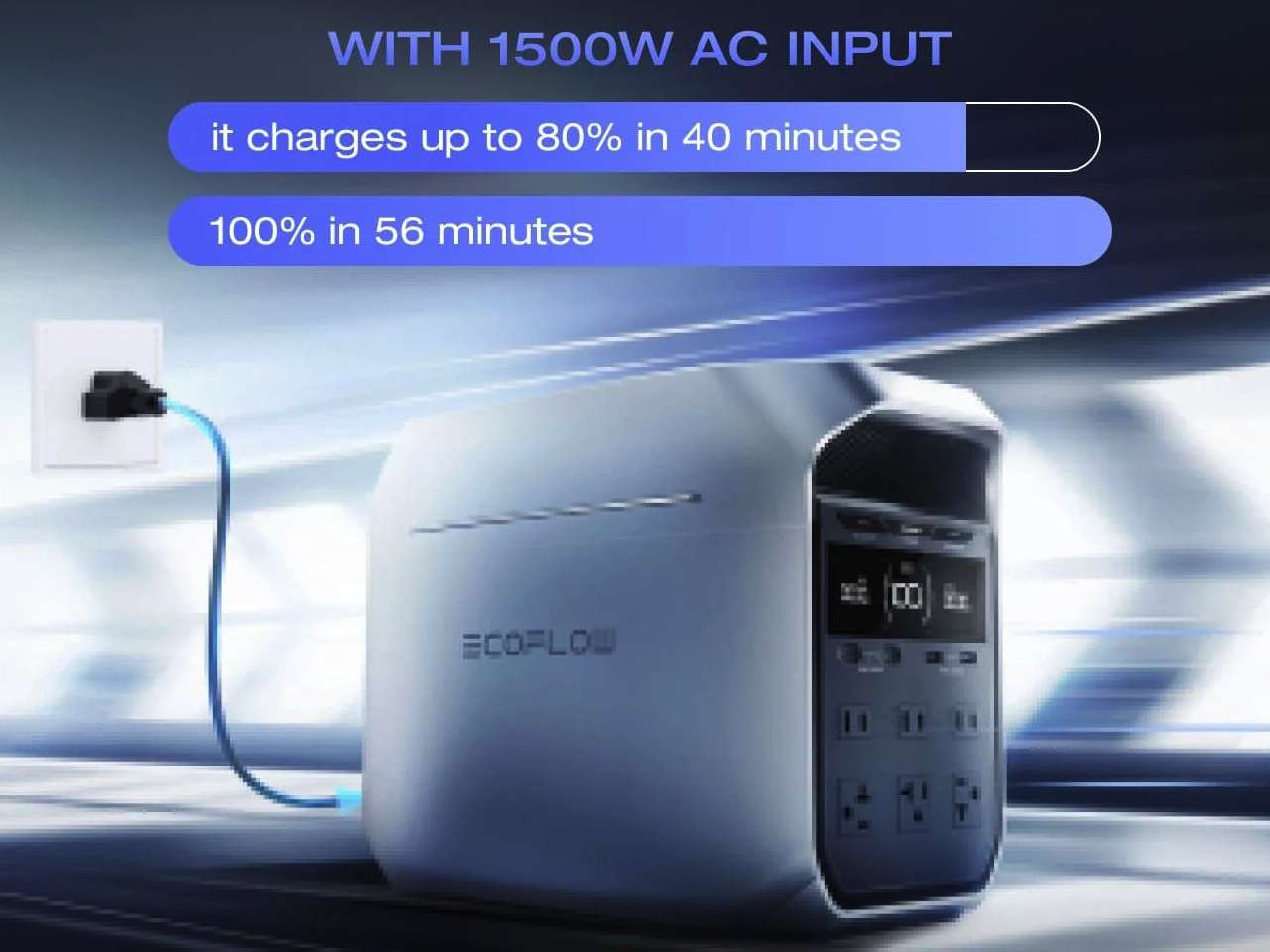
AC wall charging hits 80% in about 68 minutes using the included cable. That’s faster than most competitors at this capacity level. Gas generators match that speed, which makes sense given EcoFlow’s focus on emergency scenarios where grid power isn’t reliable.
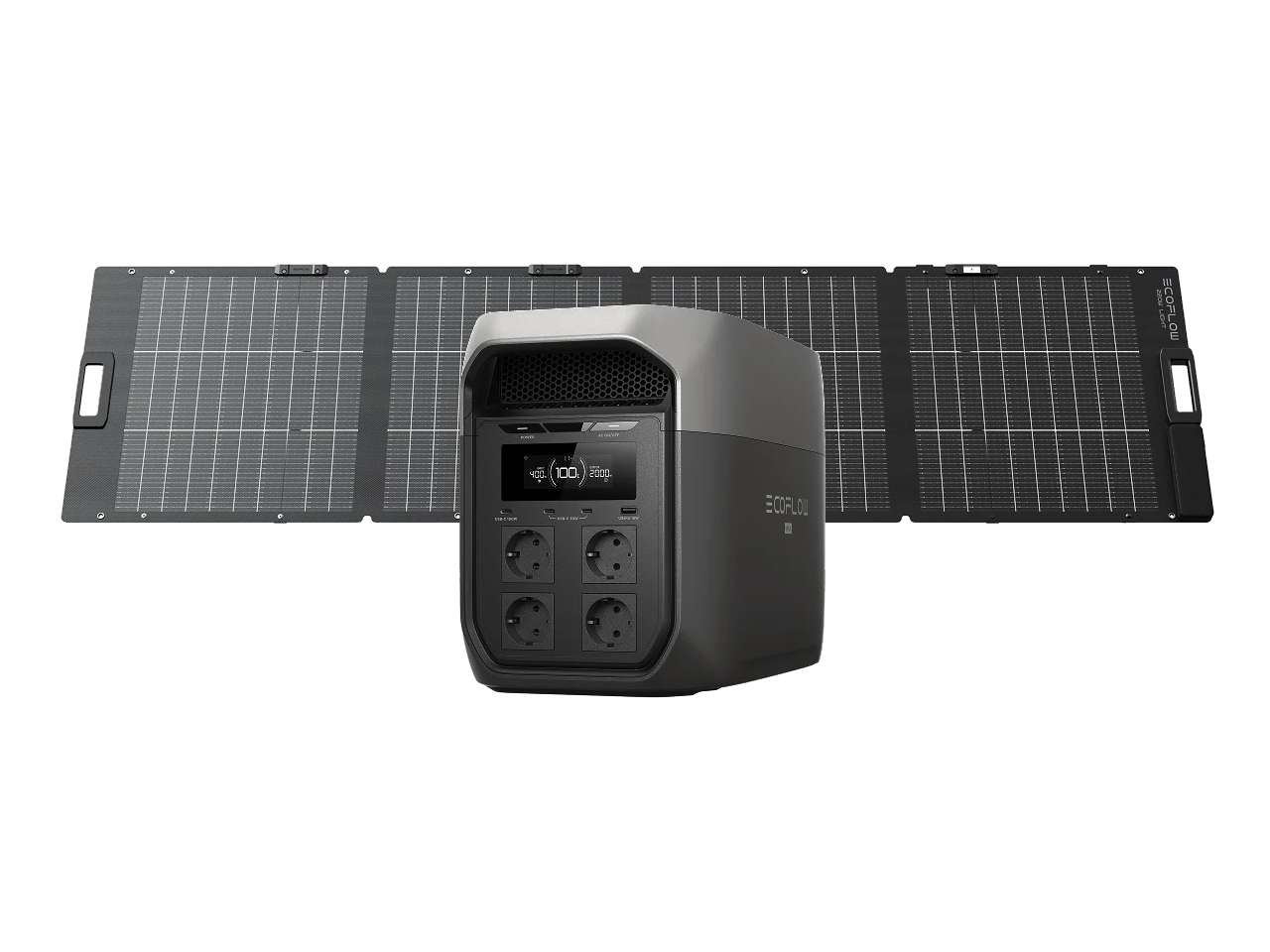
Solar input accepts up to 500W per unit, translating to roughly 3.43 hours for a full charge under ideal panel exposure. Real-world conditions stretch that timeline, but the station handles partial shade better than older models. A 500W alternator charger provides faster speeds while driving compared to standard car port charging, which is useful for overlanders or mobile setups.
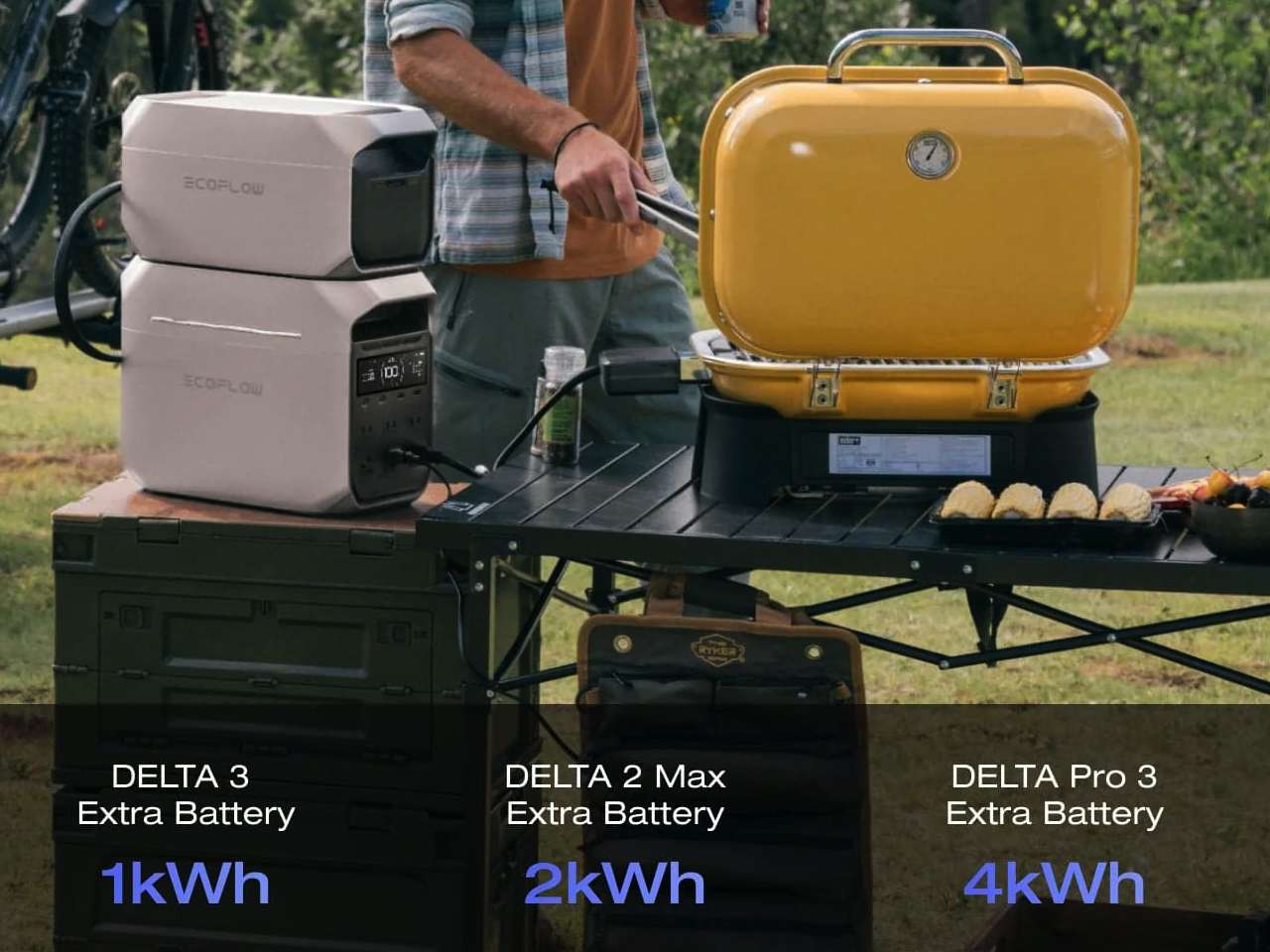
The expandability option separates casual users from serious buyers. Each station accepts extra batteries from the DELTA 3, DELTA Pro 3, DELTA 2 Max, or DELTA 2 lines, maxing out at 10,240Wh per unit if you layer on additional capacity. That’s whole-home backup territory for multi-day outages.
Most people won’t need that kind of scalability. But if you’re running a two-location setup or splitting time between a primary residence and a remote property, the flexibility to scale each station independently removes a lot of planning friction. Good call on EcoFlow’s part to maintain backward compatibility across multiple product lines.
Other Flash Sale Highlights
The sale includes additional deals worth checking if the dual bundle feels like overkill. The DELTA 3 Max Plus with a free Trail 200 DC 60,000mAh station drops to $1,099, trading capacity for better portability. The DELTA Pro Ultra with Smart Home Panel 2 and trolley sits at $4,499, which makes sense if you’re committing to whole-home integration from the start.
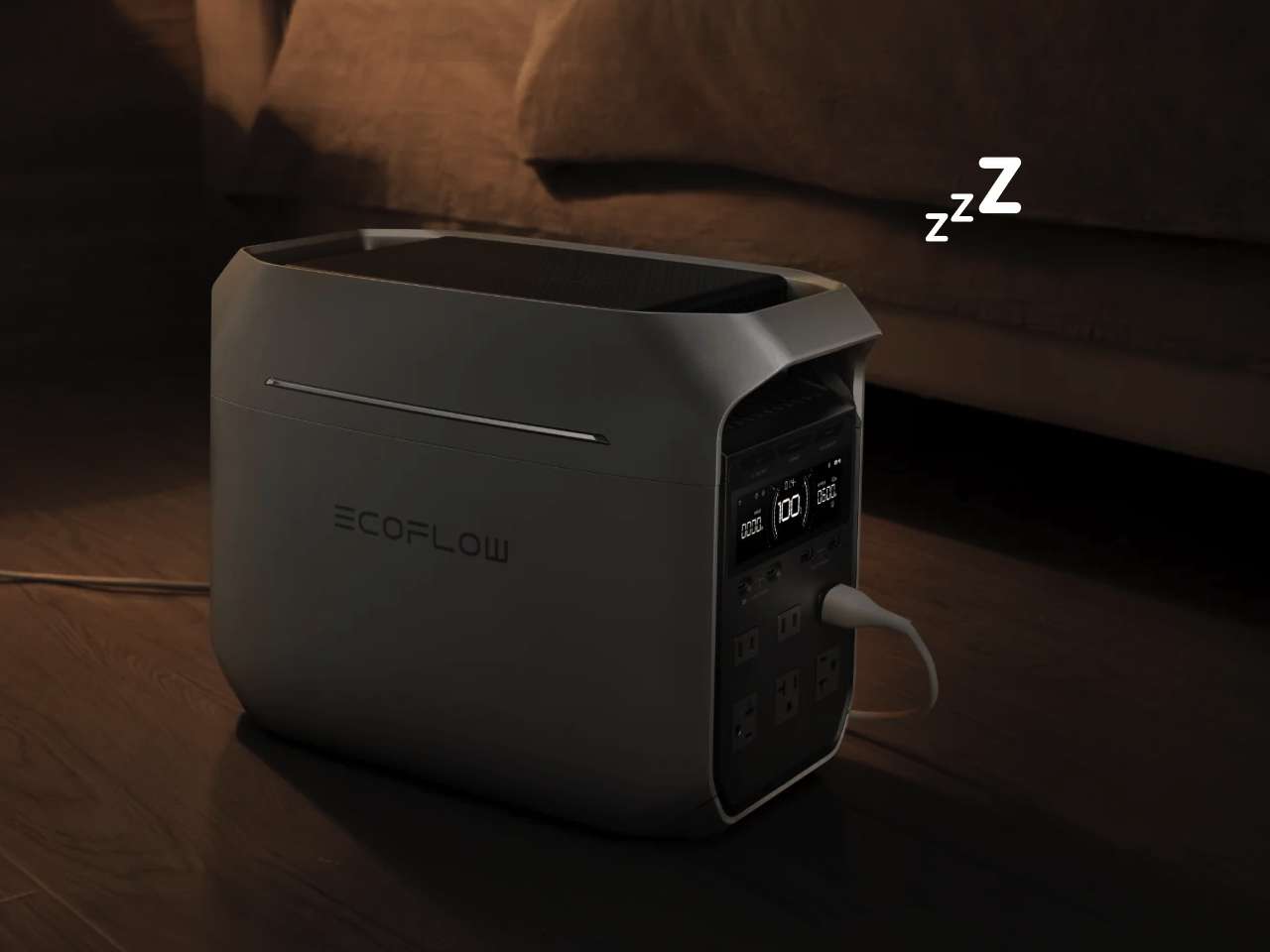
At the high end, the DELTA Pro Ultra X hits $6,999 for professional-grade capacity and commercial-level output. That’s utility company territory, not weekend camping backup. The pricing spread tells you everything about EcoFlow’s target segments: casual users at $1,099, serious home backup at $4,449, and off-grid professionals at $6,999.
Who This Is For
If you’ve never lost power for more than a few hours, this bundle solves a problem you don’t have yet. Single apartment dwellers won’t use 4,096Wh of capacity unless they’re running a home server farm or medical equipment. Anyone who bought a comparable unit in the past year gains nothing from adding redundancy unless their power needs have genuinely doubled.
The bundle makes sense if you’re managing two locations and need independent backup systems at each. Whole-home backup coverage benefits from the redundancy, especially if you’re rotating units between active use and reserve storage. Split-time property owners (cabin plus primary residence, RV plus home base) get real utility from keeping a station at each location instead of hauling one back and forth.
Super Bowl parties create temporary power spikes that most people don’t plan for. A 75-inch TV pulls around 200W, a sound system adds another 100-300W, and if you’re running outdoor heating or a projector setup, you’re stacking loads fast. Having backup power means the game doesn’t cut out if your circuit breaker trips or the grid wobbles under neighborhood-wide demand. It’s occasional-use insurance, not everyday gear.
Outdoor enthusiasts who actually use portable power regularly will appreciate having a backup unit when one is already deployed. Everyone else should wait for an actual emergency to prove the need exists before committing to dual stations.
The Bottom Line
The dual DELTA 3 Max bundle at $725 per unit represents the second-best pricing we’ve tracked. Flash sale timing means a 24-hour window before prices normalize. If portable power backup has been on your list and you’ve been waiting for a price trigger, this is it.
Price: From $1,099
Where to Buy: Ecoflow, Big Game Day Sale
If it hasn’t been on your list, this sale won’t create the need. Save the money and revisit the decision when (or if) your power reliability changes enough to justify the expense.

KAMRUI Pinova P2 Mini PC 16GB RAM 512GB SSD, AMD Ryzen 4300U(Beats 10110U/3500U/N150/N95,Up to 3.7 GHz)Mini Computers,Triple 4K Display/HDMI+DP+Type-C/WiFi/BT for Home/Business Mini Desktop Computers
(as of March 24, 2026 11:03 GMT -05:00 - More infoProduct prices and availability are accurate as of the date/time indicated and are subject to change. Any price and availability information displayed on [relevant Amazon Site(s), as applicable] at the time of purchase will apply to the purchase of this product.)
