
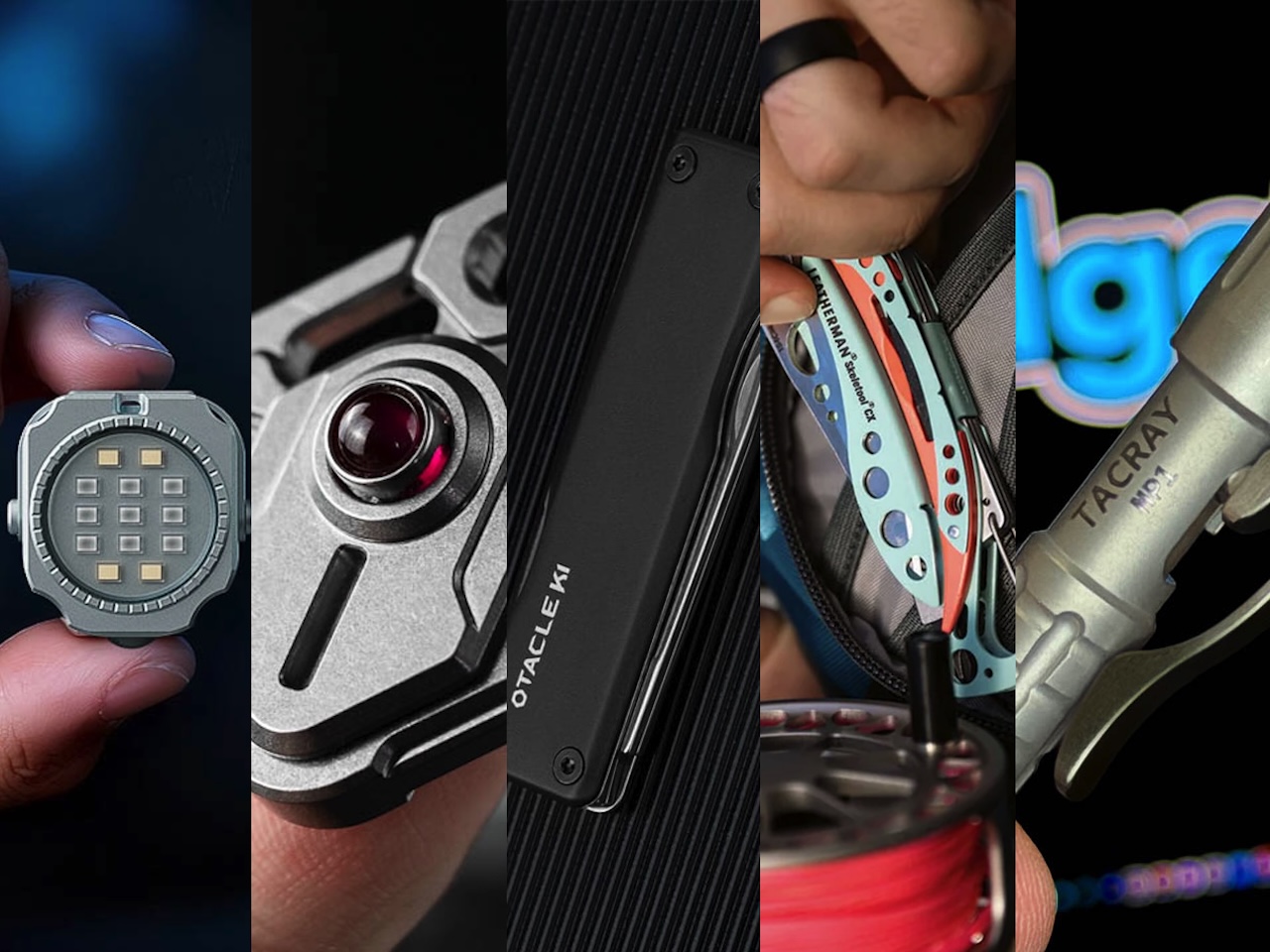
EDC coverage defaults to knives. Blade steel launches dominate feeds, deployment mechanisms generate headlines, and pocket clips spark thousand-comment debates about tip-up versus tip-down carry. Meanwhile, genuinely useful tools slip through without fanfare because they solve problems instead of generating marketing noise. The Gadgeteer tracked dozens of everyday carry releases the past year, and these ten delivered real utility while the spotlight pointed elsewhere.
1. Rodman ED08: Coin-Sized Titanium Flashlight That Actually Works
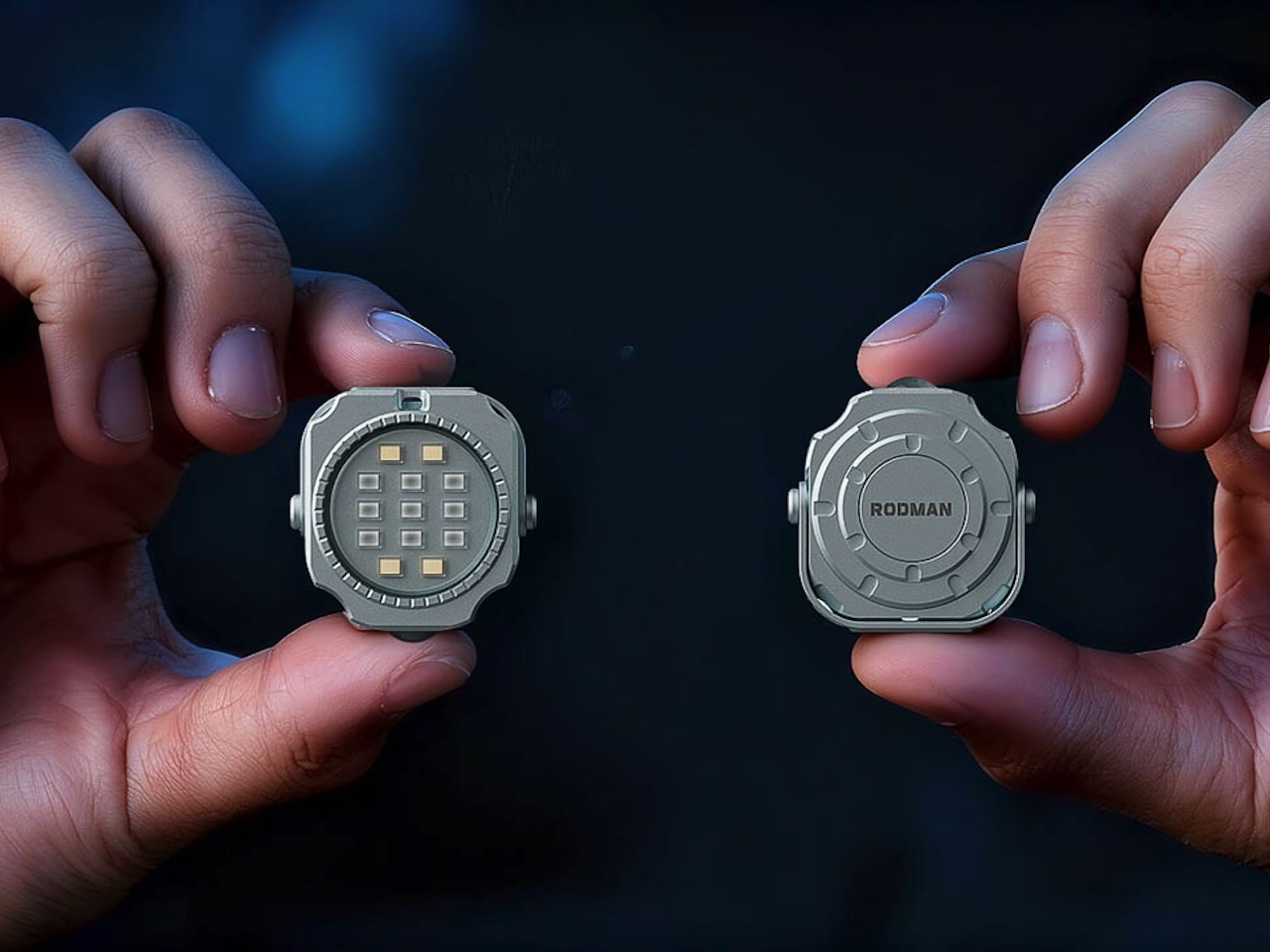
The Rodman ED08 weighs 1.14 ounces and fits on a keyring without turning your pocket into a jangling mess. What you notice first isn’t the size but the density.
Grade 5 titanium packs 300 lumens, five LED colors, magnetic mounting, and USB-C charging into roughly the dimensions of a quarter. The build quality tells you this isn’t another novelty keychain light trying to justify its existence through gimmicks. The primary white LED pushes legitimate output through a convex lens, while secondary emitters add warm white, red, blue, and UV.
Most keychain lights pick one compromise beam and call it done. The ED08 lets you switch between task-specific lighting without carrying multiple devices. The fold-out magnetic stand tilts 105 degrees, transforming this from pocket trinket into a legitimate hands-free work light that holds position on metal surfaces.
Battery life trades off predictably: 45 minutes at full blast, 26 hours in eco mode. The UV mode spots pet stains or verifies currency, while red preserves night vision during camping.
At only $36, it delivers premium materials and genuine functionality in a form factor that actually disappears on your keyring instead of announcing itself every time you sit down.
Price: $36
Where to Buy: Rodman
2. Acebeam E10 2.0: 782 Yards of Throw From a 3.5-Inch Body
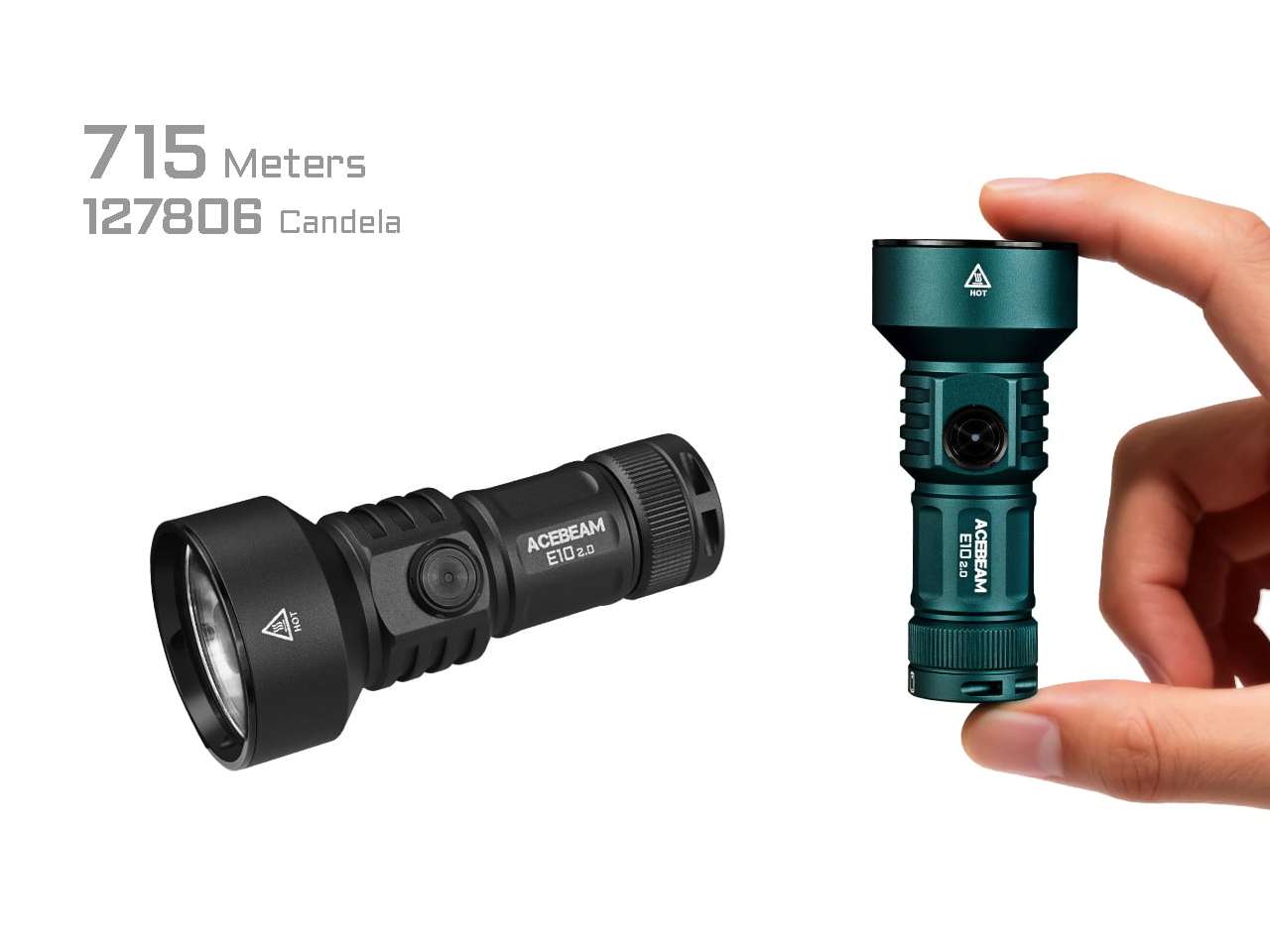
The Acebeam E10 2.0 packs 1,200 lumens and 782 yards (715 meters) of throw into a flashlight that’s only 3.5 inches long. That’s the kind of disproportionate performance that usually requires LEP technology’s compromises or significantly larger form factors. The oversized head houses a cool white LED at 6,500K, delivering a focused beam that covers serious distance without the artifacts or limited spill that LEP designs impose. At 3.8 ounces, this stays firmly in EDC territory while outperforming lights twice its size.
The predecessor E10 maxed out at 615 yards, so this update isn’t incremental refinement. It’s a meaningful jump in capability within the same physical footprint. The turbo mode runs for 30 seconds before throttling to high, which maintains 466 yards for 35 minutes. That’s a different approach than constant-output designs, trading sustained brightness for peak performance when you actually need it.
The magnetic tail cap handles vertical mounting on metal surfaces, and IP68 rating means this survives water immersion up to two meters. The 16340 battery charges via an integrated USB-C port on the cell itself rather than the light body, which simplifies waterproofing while adding swap-battery flexibility. You can carry a spare charged cell and reload in seconds without cables or charging docks.
The compact size makes this pocket-friendly for security personnel, search and rescue teams, or anyone who needs serious throw without carrying a full-size tactical light. Most EDC lights compromise on either size or performance. The Acebeam E10 2.0 delivers both without obvious trade-offs. At $60, it undercuts the original E10 by about $20 while improving the specs that actually matter for distance lighting.
Price: $59.90
Where to Buy: Acebeam
3. Tacray MP1: Titanium Pen That Hides a Full Toolkit
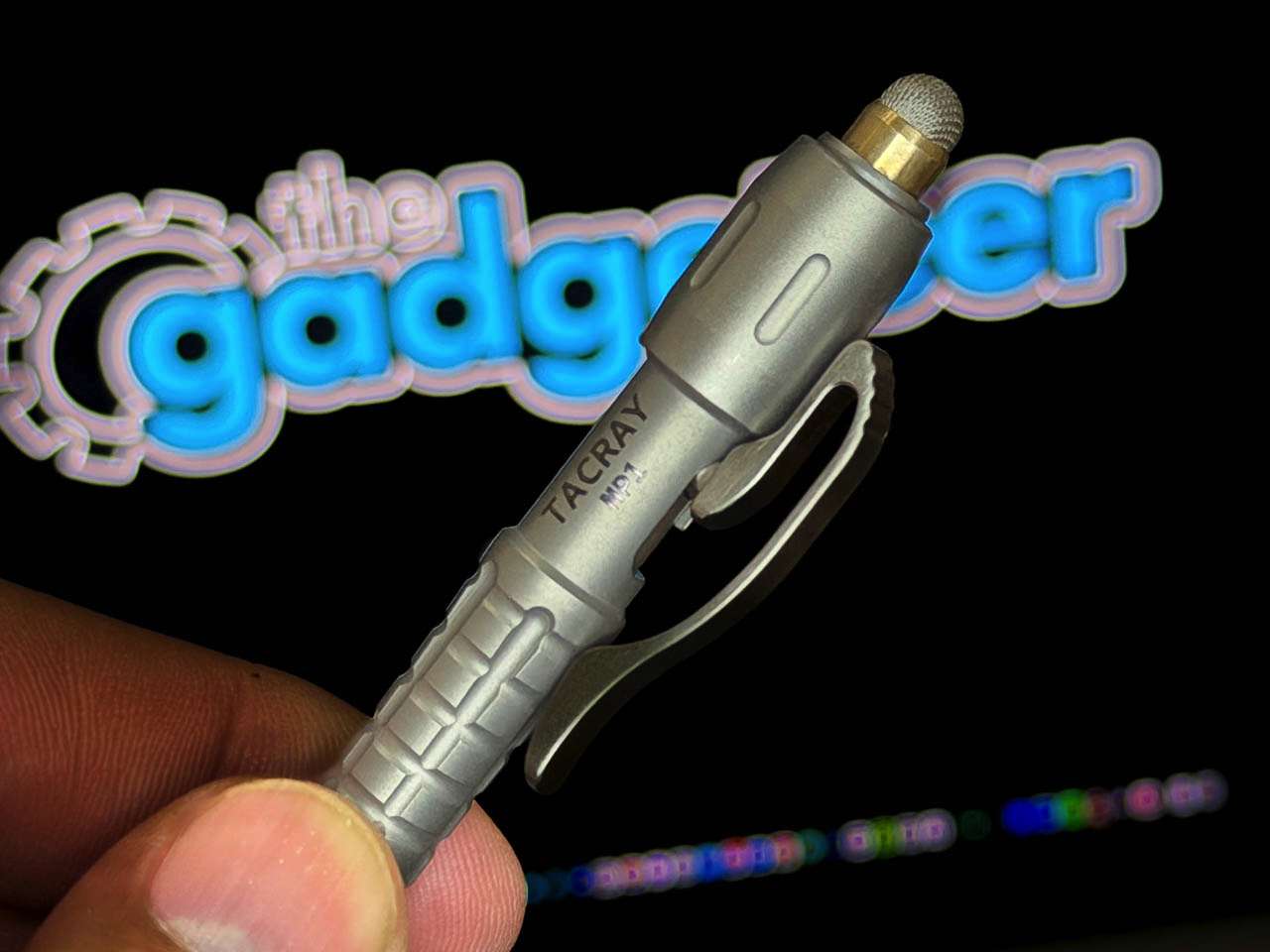
Nobody questions a pen clipped to your pocket. It’s invisible, expected, utterly boring in professional settings or security checkpoints. That makes it the perfect disguise for a genuine multi-tool. The Tacray MP1 delivers CNC-machined Grade 5 titanium construction with a bolt-action mechanism that deploys interchangeable tool heads through one-thumb operation via the pocket clip. At 3.7 inches and 1.76 ounces, it disappears into business casual while packing capabilities that most tactical tools advertise with aggressive aesthetics and Molle compatibility.
The standard kit includes a Lamy M22-compatible pen refill, box cutter blade, tungsten carbide glass breaker, Phillips and flathead screwdriver bits, and capacitive stylus. You’re not choosing between writing instrument and tool. You’re carrying both in the space of one pen, switching between functions faster than most people can deploy a traditional multi-tool from their belt.
The bolt-action mechanism feels satisfyingly tactile without being fidget-toy distracting. Press the clip, the carriage slides forward deploying your loaded tool, release and it retracts clean. The action stays smooth after hundreds of cycles, and the tolerances prevent wobble that would telegraph cheap manufacturing. What you feel in-hand matches what the machining suggests on inspection.
Swapping heads takes seconds: unscrew the cap a quarter turn, pull the current bit, drop in the replacement. The included storage case holds spare bits for bag or glove box carry, so you’re not limited to whatever’s currently loaded. Need a different driver size mid-task? Swap it. Finished cutting and need to take notes? Back to pen mode. The interchangeable system provides flexibility that fixed tools can’t match.
Titanium justifies itself here through corrosion resistance, drop survival, and patina development that steel and aluminum can’t replicate. The bead-blasted finish hides fingerprints and scratches while the construction handles abuse that destroys cheaper alternatives. At $48.60 (down from $54), this undercuts comparable titanium pens while adding functionality they don’t offer. You’re carrying it because professional environments don’t blink at pens, while your actual toolkit lives in plain sight.
Price: $54
Where to Buy: Amazon
4. Titaner Trident: Zipper Lock With Three Mechanical Security Levels
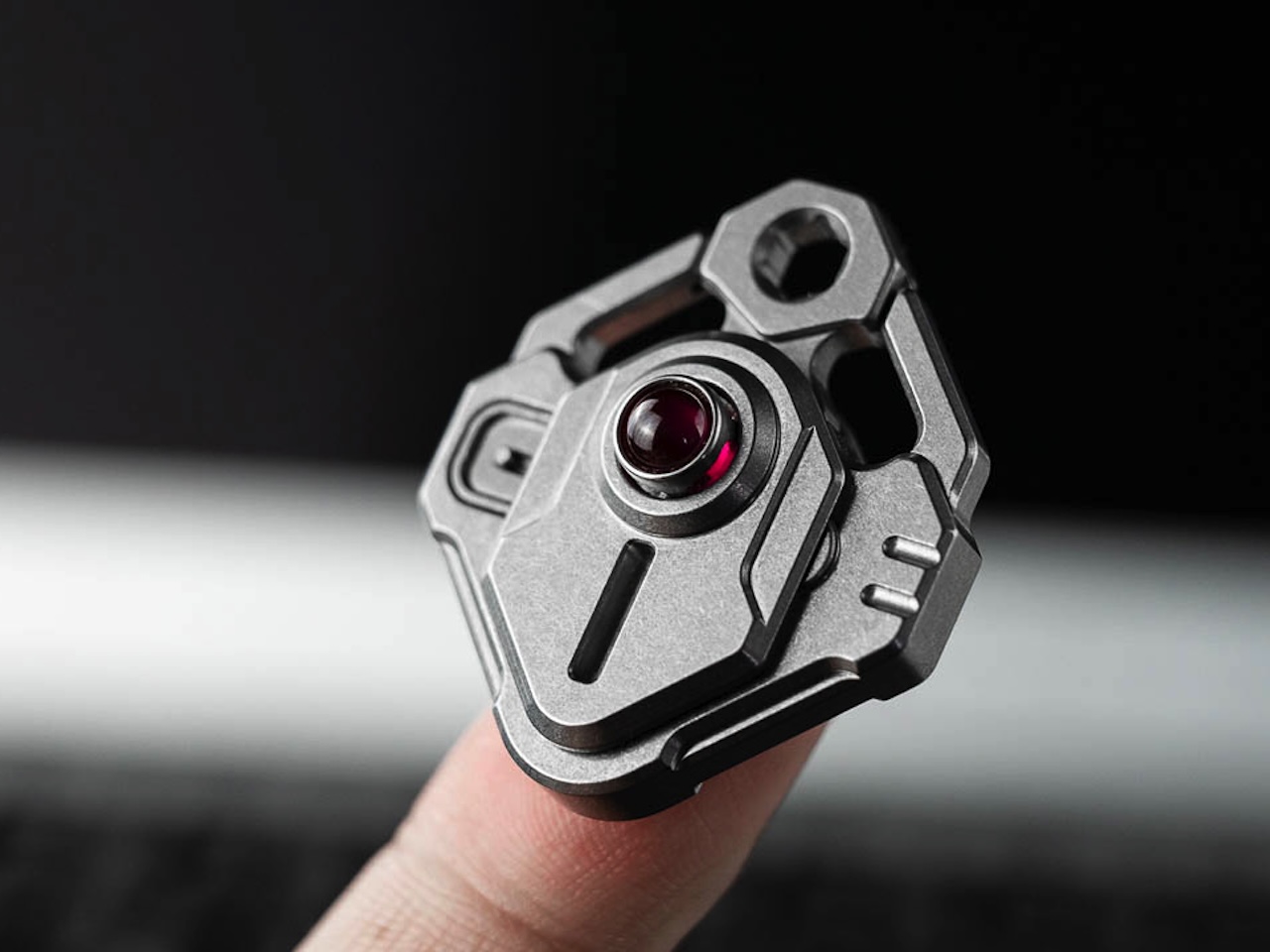
The Titaner Trident weighs 0.59 ounces and measures 1.39 inches tall, roughly the size of a house key. What separates it from typical zipper locks isn’t size but mechanical complexity: three distinct security levels that escalate based on threat model.
Level 1 uses a ruby button press-and-pull motion for quick access during daily carry. Level 2 adds a sliding switch that physically blocks the ruby mechanism, requiring fingernail pressure to reverse. Level 3 remains undisclosed by Titaner, who’s offering rewards to backers who figure out the hidden unlock method. The progressive security approach means you’re not stuck choosing between convenience and protection.
Grade 5 titanium construction resists corrosion and impact better than zinc-alloy locks that dominate luggage aisles. The non-detachable steel cable extends security beyond zipper pulls to bag-to-table anchoring or multi-zipper bundling. Tritium slots on both sides provide 25-year glow visibility without batteries or charging.
The multitool functions feel like Titaner refusing to waste space: the latch head works as a precision flathead driver, the tail doubles as a 4mm hex wrench. Neither replaces dedicated tools, but both handle eyeglass screws or loose hardware without digging through bags.
At $69 for stonewashed titanium or $79 for obsidian black DLC coating on Kickstarter, it targets travelers who’ve watched TSA-approved locks get defeated with ballpoint pens. Titaner’s delivered 64 previous campaigns with 100% fulfillment, which reduces typical crowdfunding risk. Estimated shipping is April 2026.
Price: From $69
Where to Buy: Titaner
5. Nitecore EDC37: Flat Tactical Flashlight That Actually Fits Your Pocket
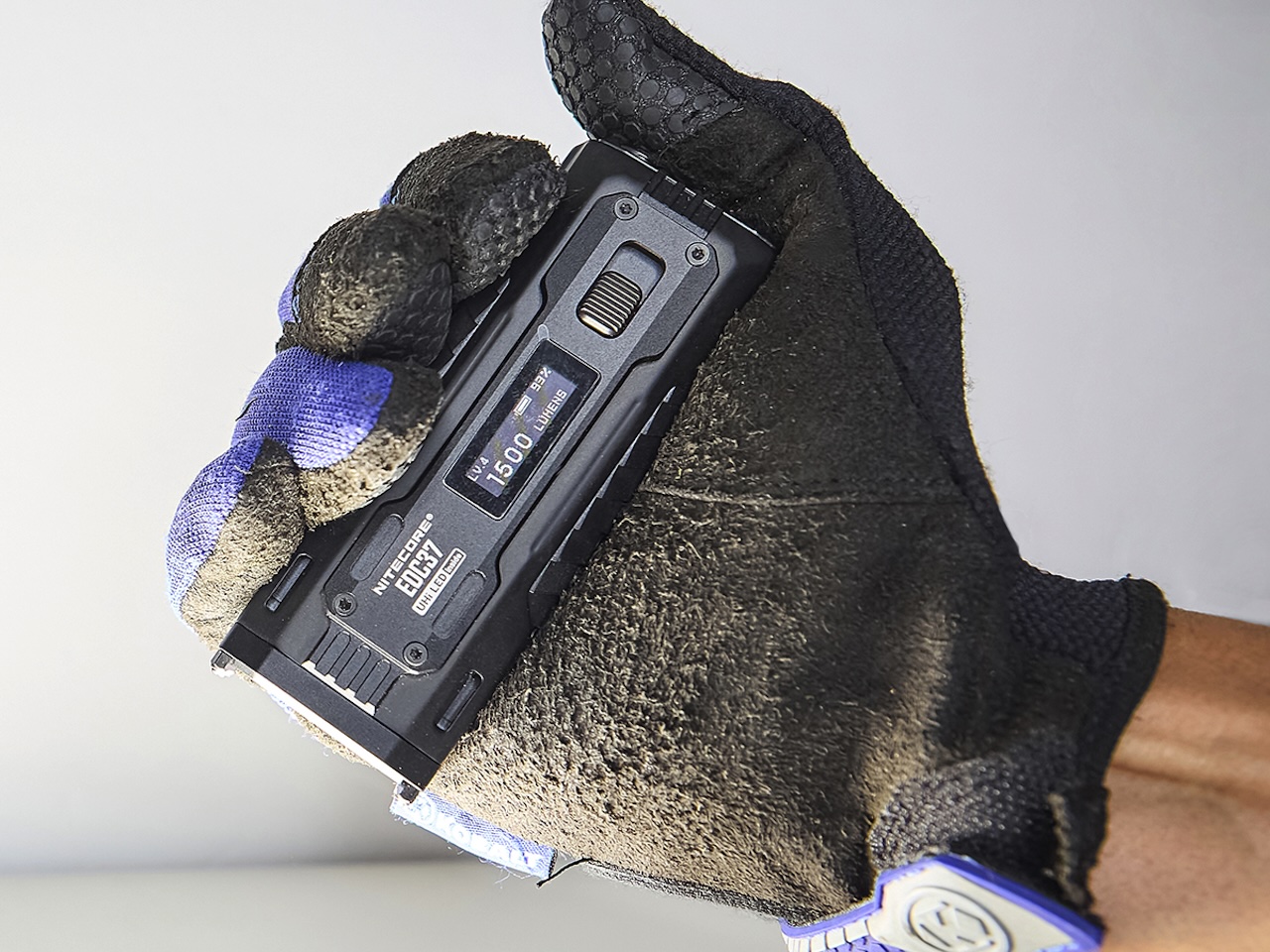
The Nitecore EDC37 weighs 7.02 ounces and measures 4.25 inches long with a flat rectangular body that breaks the cylindrical flashlight mold completely. That flat profile matters more than it sounds: the light sits naturally in your pocket without rolling, fits comfortably in your palm, and doesn’t create the awkward bulge that makes carrying traditional tactical lights annoying. Most pocket lights force you to choose between brightness and portability. The EDC37 delivers 8,000 lumens in a form factor that genuinely disappears into daily carry.
The dual tail switches work like a camera shutter button. Half-press the round button to activate, release to turn off. Full press locks it on, then half-press cycles through brightness modes from 15 lumens ultralow to 1,500 lumens high. The rectangular customizable button gives instant access to 3,000-lumen SEARCH spotlight mode or the blinding 8,000-lumen LUMIN SHIELD floodlight. Both buttons can be customized to assign half-hold and full-hold actions, so your preferred emergency or tactical modes sit one press away.
The small OLED display shows real-time battery level, current lumens, and brightness mode. You can see exactly what state the light is in without guessing based on brightness alone. The Rapid Lock slider switch next to the display instantly disables both buttons, preventing accidental activation in bags or pockets. Slide it locked and the flashlight stays completely inactive until you unlock it. Simple, effective, solves the battery drain problem that plagues tactical lights.
Heat management is the tradeoff for this power density. At 8,000 lumens, the body gets hot enough to burn skin within seconds. The thermal regulation system automatically steps down output after about 15 seconds to prevent overheating. That’s expected for this brightness level in this size. Short bursts work fine, extended full-power operation isn’t what this light is designed for. At 1,500 lumens high mode, runtime stretches to 7.5 hours. At 15 lumens ultralow, you get 180 hours from the built-in 8,000mAh battery.
The front bezel includes detachable ceramic glass breaker tips for emergency vehicle extraction. Nitecore includes a wrench and extra screws for removal or replacement. The deep-carry pocket clip holds securely and sits flush to the body, and the clip placement shields your fingers from the heat sink after high-lumen use. At $139.95, this targets users who need serious output without carrying full-size tactical lights.
Price: $139.95
Where to Buy: Nitecore Store
6. PD EDC Vault-M2: Pocket Organization Without Sacrificing Access
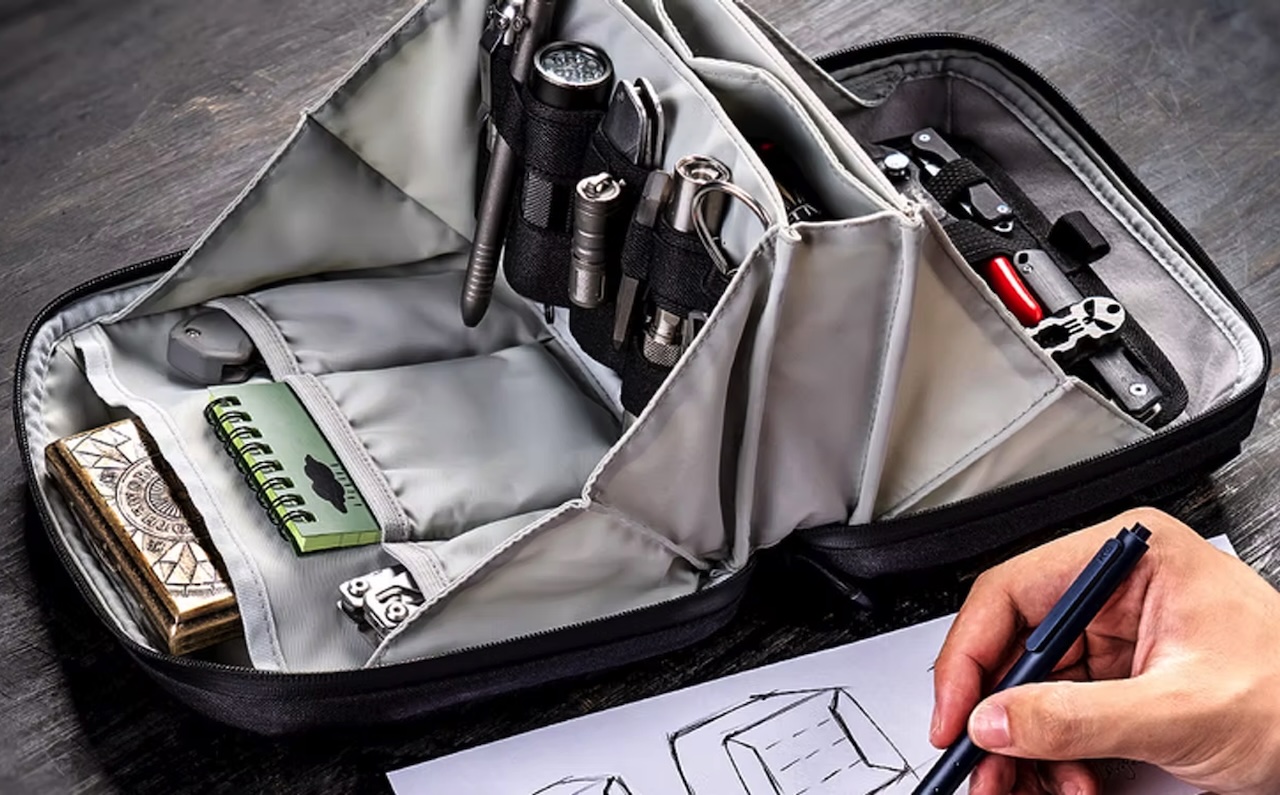
The Vault-M2 solves the fundamental problem with EDC organizers: they’re either too bulky to actually carry or too minimal to be useful. At 4.3 x 2.8 inches and roughly half an inch thick, it disappears into jacket pockets while holding cards, cash, a pen, and small tools.
The clamshell design opens flat for quick access rather than forcing you to dig through layers like traditional wallets or excavate buried items from elastic loops. The exterior provides quick-grab storage for items you need constantly, while interior elastic loops secure tools and accessories. YKK zippers handle daily abuse, and the 1000D Cordura construction resists wear better than leather alternatives at this price point.
The material choice prioritizes durability over patina development, which makes sense for gear that gets thrown in bags and pulled out repeatedly throughout the day. This targets the gap between minimalist cardholders and full organizer pouches, serving people who want more than a wallet but refuse to carry a bag for everyday essentials.
The layout accommodates standard gear: Fisher Space Pen, small flashlight, micro multi-tool, plus the usual wallet contents. At around $95-128 depending on configuration, it competes with premium wallets while adding genuine organizational capability that traditional billfolds can’t match.
Price: From $95
Where to Buy: PD EDC
7. Olight Otacle K1: Seven Tools in a Pocket-Sized Package
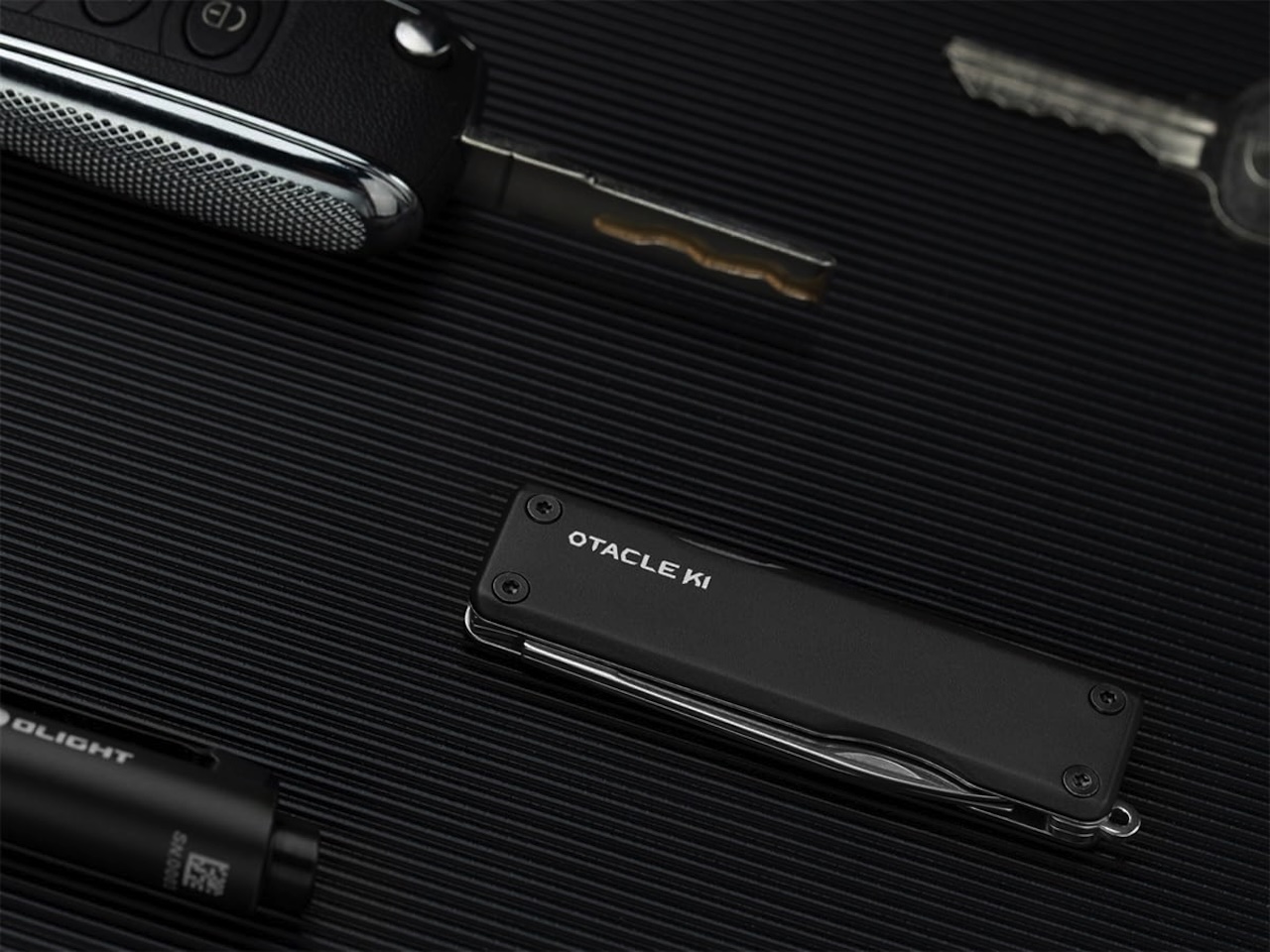
The Otacle K1 weighs 1.55 ounces and measures 2.89 x 0.85 x 0.33 inches, roughly the size of a lighter that disappears into a front pocket without announcing itself. What separates it from typical keychain multitools isn’t the tool count but the material choice: 30Cr13 and 50Cr15 stainless steel for the main body, which delivers corrosion resistance and edge retention that budget multitools can’t match. The handle uses 5052 aluminum alloy with a black matte hard oxide finish, keeping weight down while maintaining grip security.
The seven-tool configuration covers daily tasks without redundancy: knife, scissors, can opener, bottle opener, slotted screwdriver, tweezers, and hanging ring. That’s comprehensive coverage for everyday carry scenarios where you need basic functionality but don’t want to carry a full-size Leatherman. The scissors handle detail work that knife blades struggle with, the tweezers pull splinters or handle small electronics work, and the screwdriver tackles eyeglass screws or loose hardware.
The knife blade folds into the body cleanly, and the scissors deploy without fighting tight springs or awkward mechanisms. The can opener and bottle opener sit ready for camping trips or impromptu gatherings. The hanging ring threads through keychains or lanyards without adding bulk. At $26.95, this targets the gap between cheap keychain tools that break after a month and premium multitools that cost more than you want to risk losing.
The compact size makes this genuinely pocketable for daily carry, and the aluminum handle keeps weight manageable even when loaded with other EDC gear. The stainless steel construction suggests this will survive years of use rather than months. For people who want legitimate multitool capability without carrying traditional belt-worn tools, the Otacle K1 delivers practical utility in a form factor that actually stays with you instead of living in a drawer.
Price: $27 (£19.99)
Where to Buy: Olight
8. Olight Marauder Mini 2: Serious Output Without Tactical Bulk
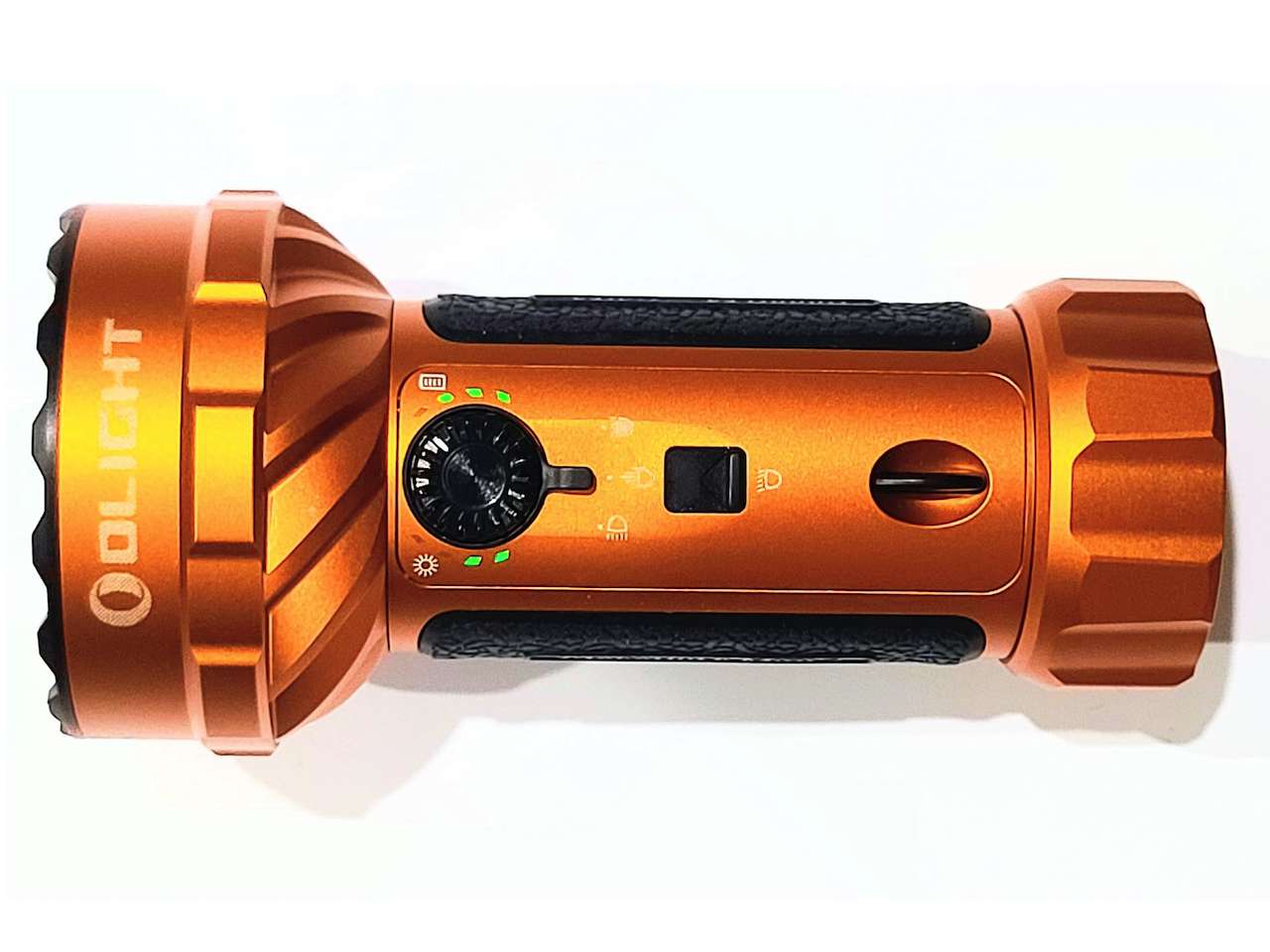 Olight’s Marauder Mini 2 delivers high-performance output in a package that doesn’t require tactical pants pockets or belt holsters. The compact design maintains genuine output levels while staying small enough for jacket pockets or bags, which threads a needle that most manufacturers don’t attempt. You get serious lumens without the bulk that makes full-size tactical lights impractical for daily carry.
The build quality suggests Olight engineered this for actual field use rather than spec sheet bragging rights. Thermal management handles extended runtime without overheating, which means the advertised output numbers reflect sustained performance instead of brief bursts before throttling kicks in. The interface stays simple enough to operate with gloves, and mode memory prevents the annoying cycle-through-everything startup sequence that plagues cheaper lights.
The rechargeable battery system uses USB-C charging, and output reaches several thousand lumens when needed. That’s enough for search and rescue scenarios, outdoor emergency lighting, or any situation where you need to light up a large area fast. For users who need reliable high output but refuse to carry full-size tactical lights, the Olight Marauder Mini 2 fills that gap without obvious compromise.
This positions itself between keychain lights and full tactical models. It’s a smart play by Olight to serve the middle ground instead of competing at either extreme, acknowledging that most EDC users want capability without committing to specialist gear.
Price: $219.99
Where to Buy: Olight and Amazon
9. Gerber Suspension-NXT: Budget Multitool That Doesn’t Act Like One
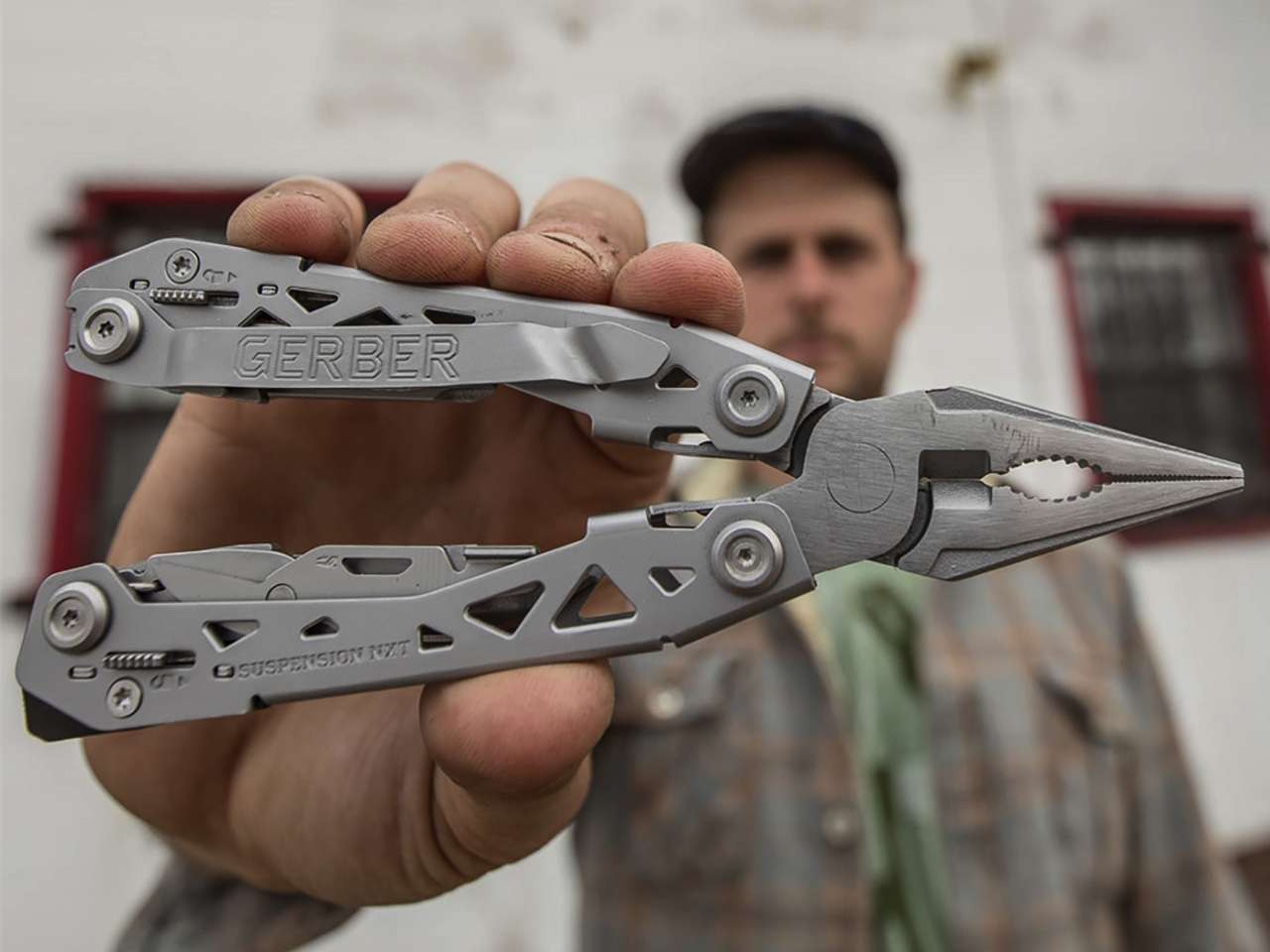 The Gerber Suspension-NXT delivers 15 functions for around $30, which sounds like the setup for a compromise story where cheap construction and awkward ergonomics undermine theoretical capability. Except Gerber engineered this to avoid the usual budget multitool traps. The needle-nose pliers feel solid enough for actual work, not just light-duty tasks that won’t expose material weaknesses. The butterfly opening spreads tool access across both handles for faster deployment than traditional side-access designs.
The tool selection covers daily tasks without bloat: pliers, wire cutters, wire stripper, three screwdriver sizes, can opener, bottle opener, small and large blades, ruler, and file. That’s comprehensive coverage without redundant implements or tools so specialized they’ll never see use. The locking blades provide secure cutting, and the spring-loaded pliers return to open position automatically, which speeds up repetitive tasks.
At 8.7 ounces, it’s heavier than premium alternatives, but the stainless steel construction justifies the weight through durability rather than trying to shave grams through exotic materials. This makes sense for people who want legitimate multitool capability without Leatherman pricing. The Suspension-NXT won’t replace a Wave for daily professional use, but it handles weekend projects, camping trips, and vehicle emergency kits without the anxiety of damaging expensive gear. Gerber backs it with a lifetime warranty, which suggests they’re confident it’ll survive actual use.
Price: $52.99
Where to Buy: Gerber
10. Leatherman Skeletool CX: Classic Design Gets Ceramic Upgrade
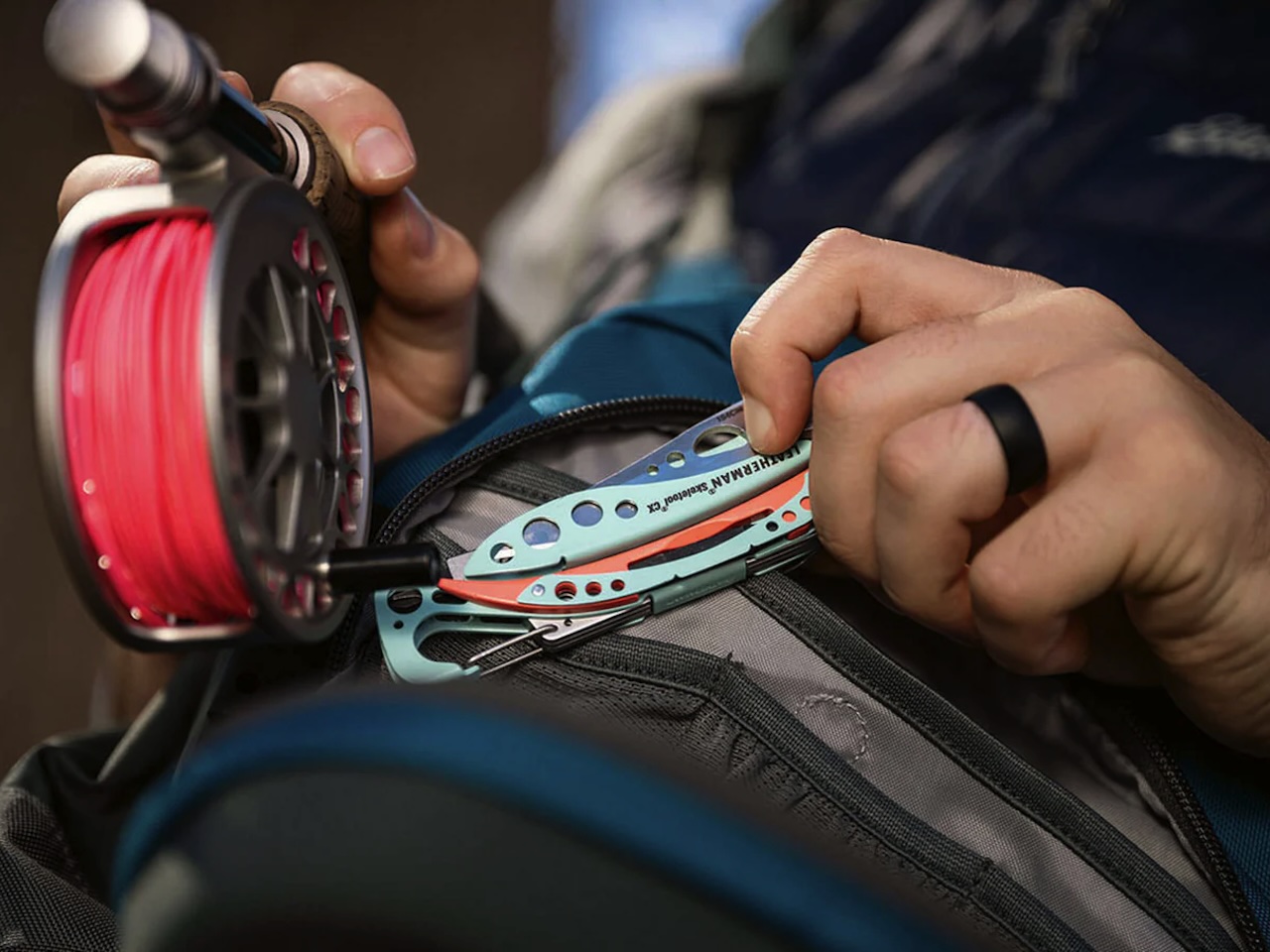 Leatherman updated the Skeletool CX with ceramic coating on the 154CM stainless steel blade. The straight edge now features enhanced hardness and wear resistance through the coating process, addressing the one weakness in the original design. The ceramic coating provides better edge retention and corrosion resistance than bare steel, and the dark finish looks sharp against the stainless handles.
The Skeletool remains one of Leatherman’s most elegant designs, with clean lines and a carabiner clip that works for actual attachment rather than decoration. At 5 ounces, it carries lighter than full-size Leatherman tools while maintaining genuine functionality. The seven-tool configuration includes pliers, wire cutters, a bit driver, bottle opener, and that now-upgraded blade. Pricing sits around $110-130, which represents fair value for Leatherman’s build quality and lifetime warranty. This makes sense for minimalists who want Leatherman reliability without carrying the full Wave package.
Price: $99.95
Where to Buy: Leatherman
Why These Tools Slipped Through
EDC coverage clusters around knife releases and Kickstarter campaigns with aggressive marketing budgets. Flashlight updates, organizers, and incremental improvements to existing designs don’t generate the same launch momentum as revolutionary blade steels or radical deployment mechanisms. These tools solve specific friction points without revolutionary features, making them easy to overlook during announcement cycles but valuable over months of actual use.
The pattern across these ten items is refinement rather than reinvention. Better materials on familiar forms, smarter integration of existing technologies, solving annoyances that most people accommodate rather than fix. They prove their worth through repeated utility instead of dramatic first impressions, which makes them harder to spot in feeds dominated by hype cycles and launch day coverage.
What separates these from forgettable gear isn’t innovation for its own sake. It’s addressing real problems that users face daily without requiring them to change how they carry or compromise on other priorities. Good call by each manufacturer to focus on execution over novelty.

HP Business Laptop with Microsoft Office 365, 1TB OneDrive and 128GB SSD, 8GB RAM, 4-Core Intel 13th Gen Processor | No Mouse, Fast Response, Long Battery Life, Good Value
(as of March 23, 2026 15:31 GMT -05:00 - More infoProduct prices and availability are accurate as of the date/time indicated and are subject to change. Any price and availability information displayed on [relevant Amazon Site(s), as applicable] at the time of purchase will apply to the purchase of this product.)
