
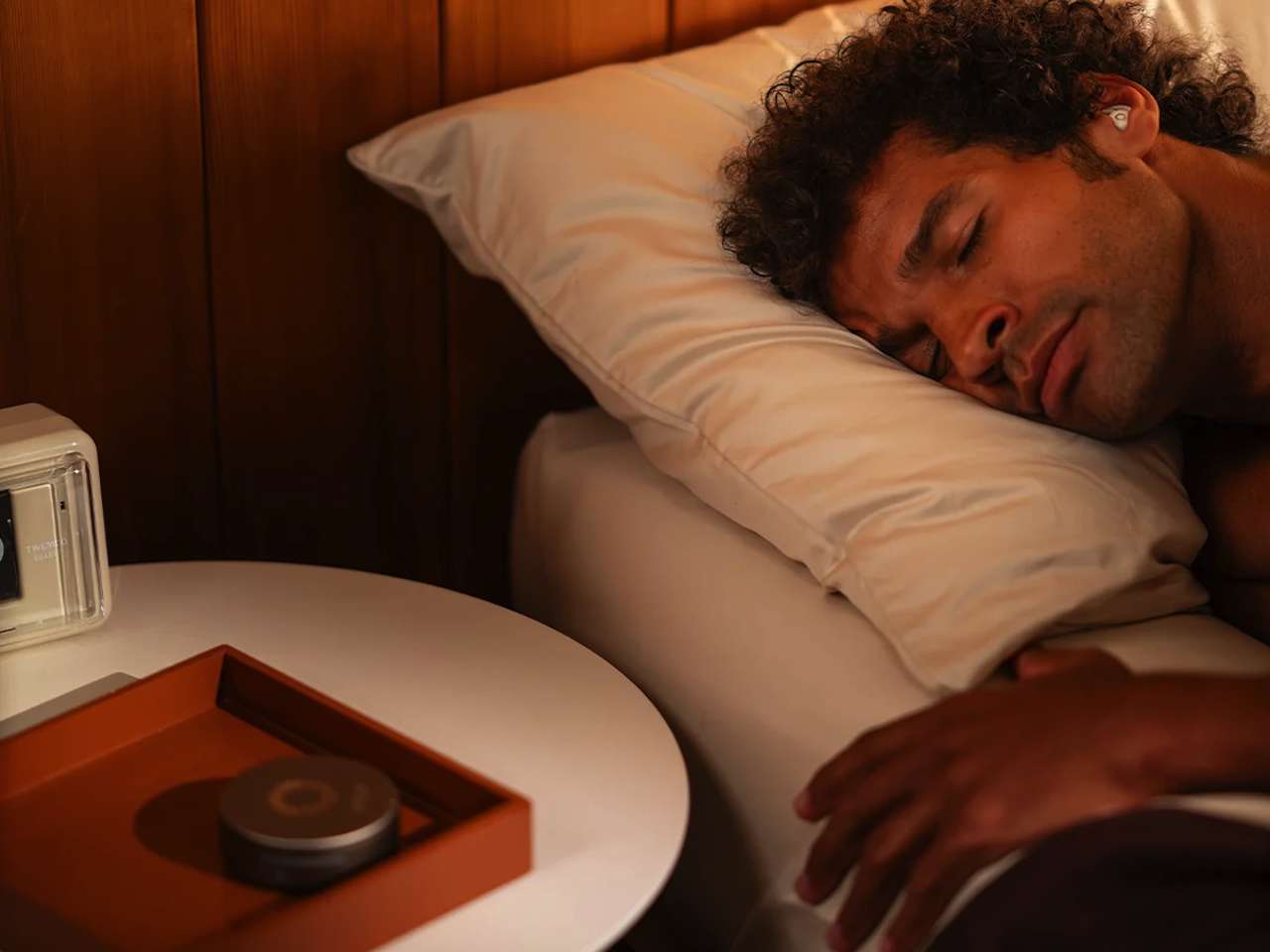
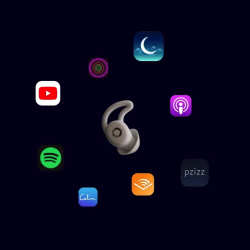
Ozlo, maker of the Sleepbuds earbuds, announced a platform strategy at CES 2026 that turns its hardware into measurement devices for third-party meditation and sleep apps. The company has signed partnerships with app developers including Calm to provide biometric feedback on content effectiveness, addressing a gap in the sleep app industry where creators lack data on whether their content actually helps users fall asleep.
Price: $274
Where to Buy: Oslo, Amazon
According to Ozlo co-founder and CEO NB Patil, meditation and sleep app developers typically focus on content volume without measuring effectiveness. The lack of field data means creators can’t determine whether their content actually works for users.
The platform is designed to allow apps to access biometric feedback through Ozlo’s SDK. When users play content from partner apps, sensors in the Sleepbuds track body movement and respiration rate. Algorithms in the charging case interpret the data to determine whether users fall asleep, remain engaged, or exit the app. Partner apps would receive this feedback to evaluate content performance, though the data-sharing capability with Calm isn’t currently active.
What Sleepbuds Are
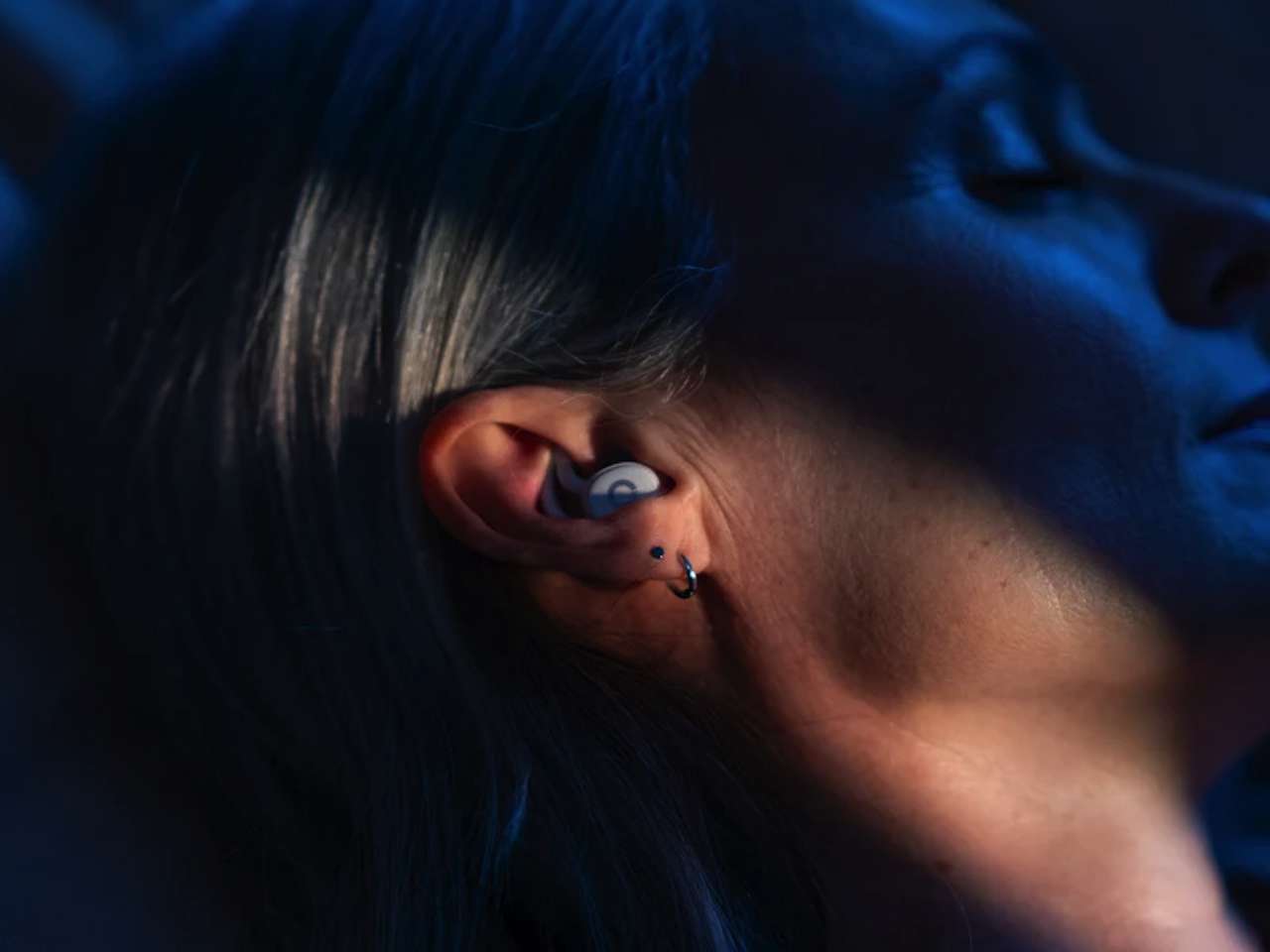
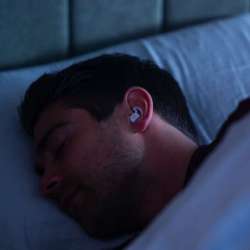
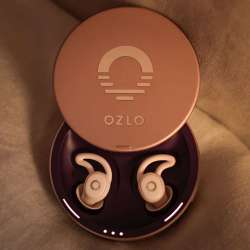
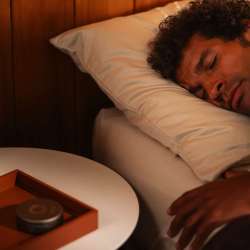
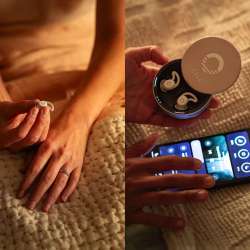
Launched by a company founded by former Bose employees, the Ozlo Sleepbuds are wireless earbuds designed to drown out outside noise so users can get better rest. The earbuds connect to a charging case that also functions as a control hub with additional sensors including temperature and light sensors.
How the Tracking Technology Works
The Sleepbuds contain sensors that detect body movement and respiration rate changes. The charging case processes this sensor data using machine learning algorithms to determine whether someone is asleep or relaxed.
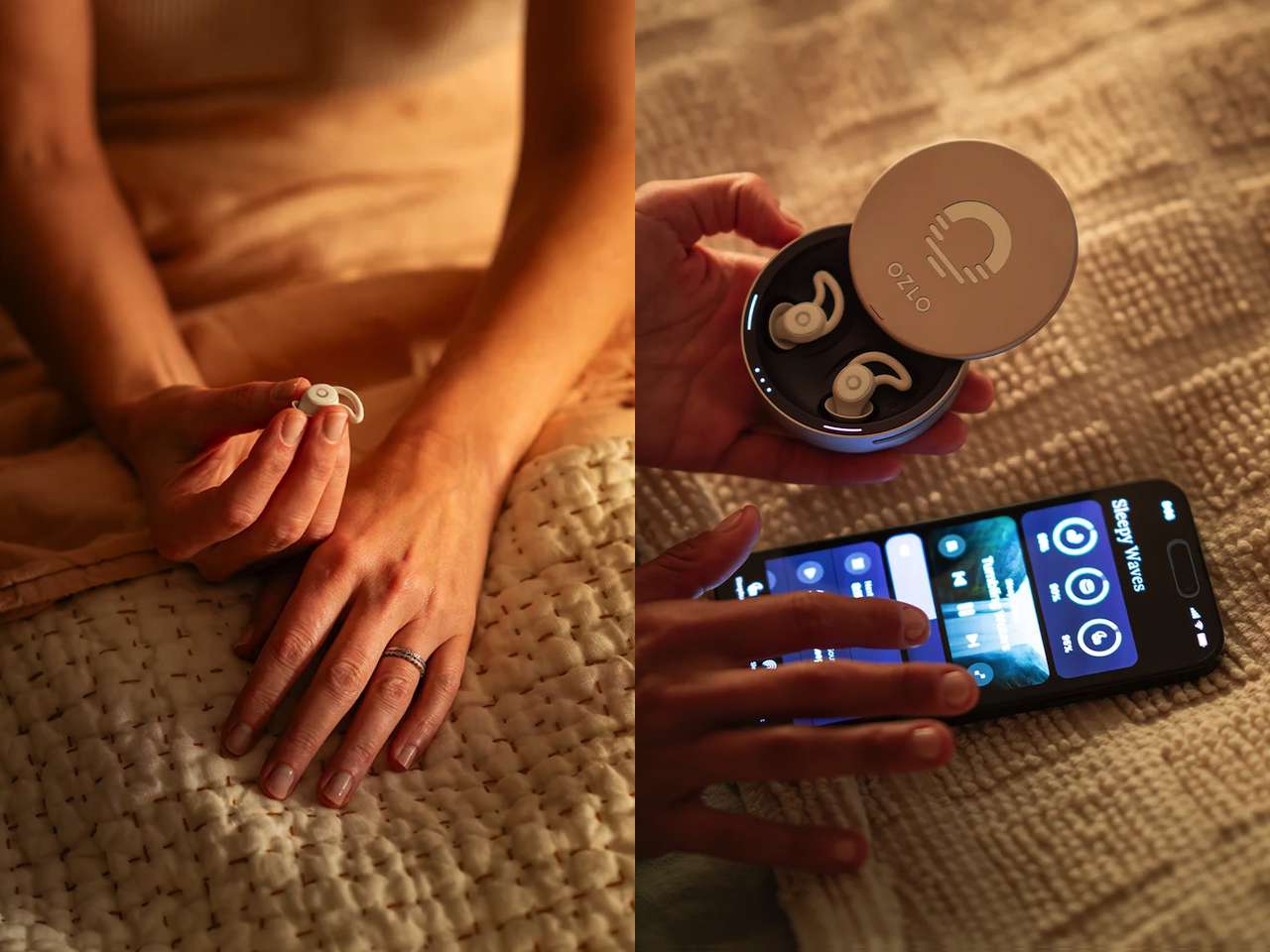
When users achieve their desired state, such as falling asleep, the system can take real-time action like shutting off sounds. This tracking capability is what Ozlo is now opening to third-party developers through its platform strategy.
Revenue Model and Q2 Product Launches
The platform could generate revenue through subscription splits. When Ozlo’s data prompts a user to upgrade from free to premium in a partner app, Ozlo would receive a percentage. The company is launching its own subscription products in Q2 2026, including tinnitus therapy developed in partnership with Walter Reed Hospital that plays specific masking frequencies to reduce symptoms overnight.
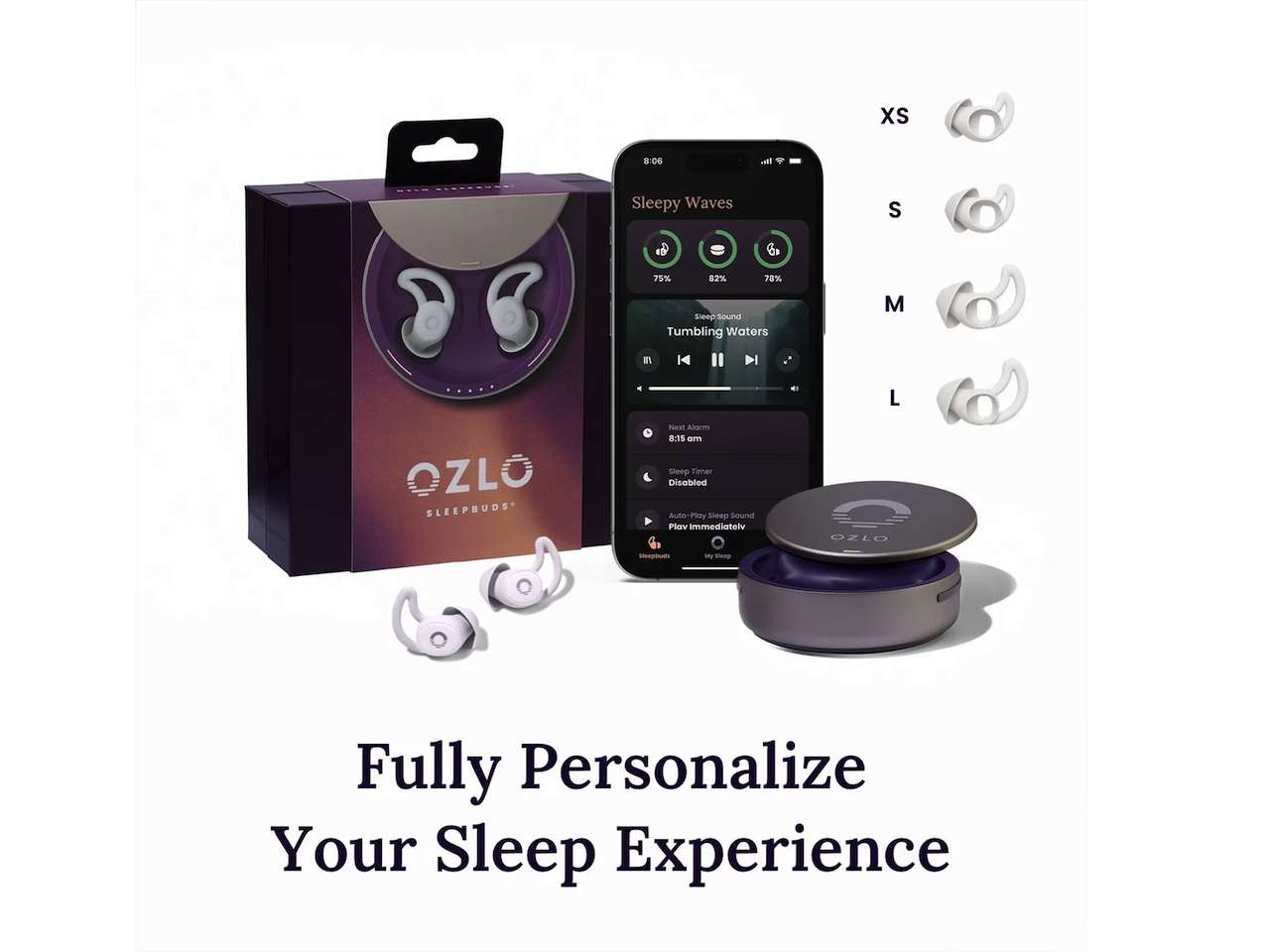
An AI “sleep buddy” will also launch in Q2, pulling data from Apple HealthKit and other wearables to build individual sleep profiles. Smart home integration is planned for later release.
Hardware Updates Address User Complaints
Redesigned Sleepbuds hardware shipping in Q2 addresses charging alignment issues reported by users. Updates include a new Bluetooth button for simplified pairing, an upgraded antenna for extended range, and an amplifier boost to better block plane and train noise.
A bedside speaker launching Q2 delivers Sleepbuds functionality without in-ear components, targeting children under 13 and elderly users. The 4×6-inch device includes sensors to track bathroom frequency and detect falls.
EEG Acquisition Signals Medical Device Pivot
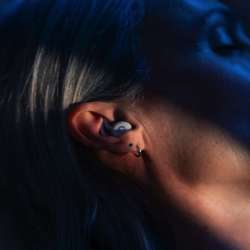
Ozlo acquired Segotia, an Irish neurotech startup focused on EEG hearable technology. The acquisition brings ear tip designs that capture electrical signals directly from the ear canal, which can reveal delta wave patterns from the brain. These patterns indicate specific sleep stages and awareness states, letting Ozlo measure brain activity instead of estimating rest through body movement and breathing patterns alone.
Price: $274
Where to Buy: Oslo, Amazon
A product incorporating EEG technology is scheduled to launch in 2027. The technology would position Ozlo to enter the medical device category, which carries clinical credibility and regulatory requirements.
Gerber Gear 22-47162N Fast Draw Folding Assisted Opening Pocket Knife, Fine Edge, Black
(as of March 22, 2026 18:30 GMT -05:00 - More infoProduct prices and availability are accurate as of the date/time indicated and are subject to change. Any price and availability information displayed on [relevant Amazon Site(s), as applicable] at the time of purchase will apply to the purchase of this product.)
