
ARTICLE – Receivers have felt weirdly samey lately, and that sameness shows up in the most annoying places. You look at a rack and see the same black slabs, the same tiny status lights, and the same menu logic that feels like it’s stuck in a decade that wouldn’t let go. That visual fatigue is real, and it makes new launches feel like background noise.
It’s why Onkyo showing up at CES 2026 with a full spread feels like a welcome jolt. The lineup reads like someone made a list of pain points and actually tried to answer them, which is always a good sign.
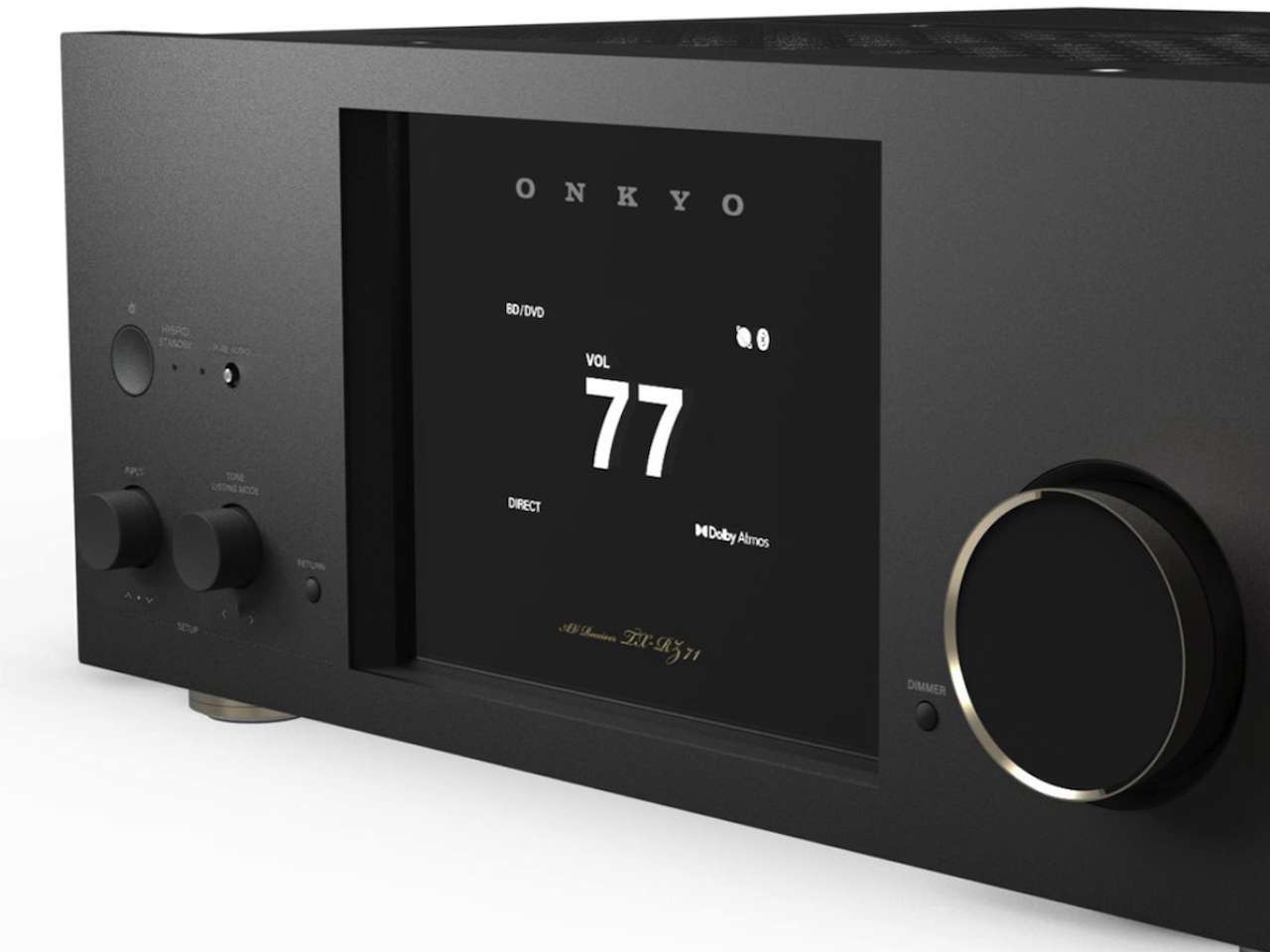
The biggest vibe shift is that the announcement has some ambition instead of only a spec refresh. You can feel it in the cleaner face design and the more modern display presence.
There’s a simple promise underneath it all that lands well. DIRAC Live is included across the new range, and that’s a practical win because room correction is where real rooms stop sounding like boxes.
The RZ refresh finally looks modern
The new RZ front panel is the first good sign, and it’s the kind you notice from across a dim room. That higher resolution display should read sharper in a rack, and it’s a smart upgrade for anyone who’s tired of the squint and lean routine.
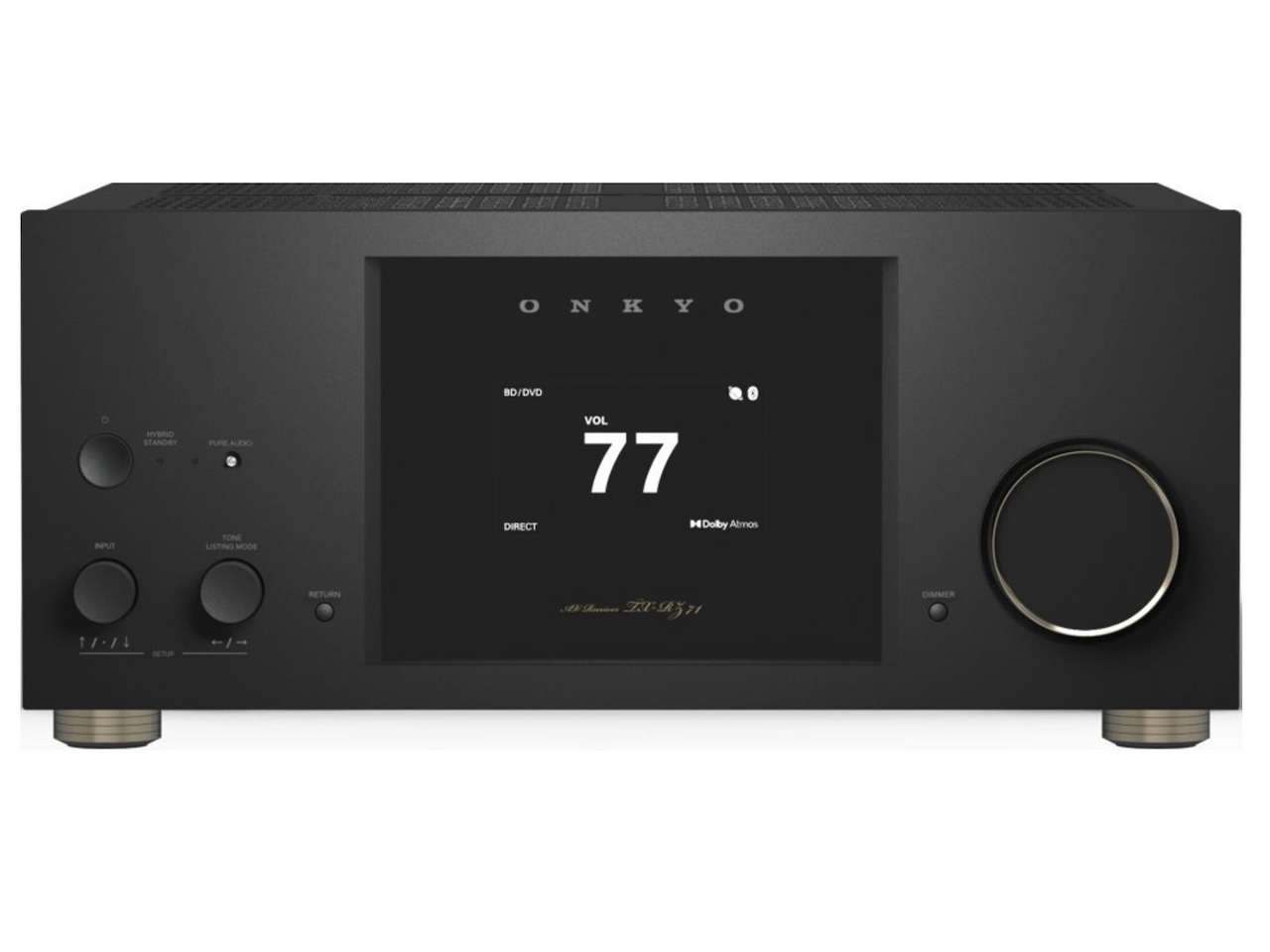
TX RZ31 is positioned as a 9 channel receiver rated at 100 watts per channel, and the rest of the range steps up from there. TX RZ51 stays at 9 channels with more output and connectivity, while TX RZ61 and TX RZ71 move to 11 channels at 135 and 145 watts per channel for Atmos heavy rooms, which feels like a clean ladder instead of a messy pile.
The feature stack is dense, and the bass control is the tell
If you look closely, the format list is basically the full modern stack, and that’s a reassuring baseline. THX Select2 and IMAX Enhanced are part of the story, and select models add AURO 3D next to Dolby Atmos and DTS X, which is a nice completeness check.
The bass management angle is where this starts feeling serious, not only loud. Select models are positioned for up to six independent sub outputs with separate level and delay, and that’s exactly the kind of control that can turn boomy corners into smoother bass you can actually live with.
DIRAC Active Room Treatment is still a paid add on from DIRAC, and that’s a small buzzkill because it adds another decision point. Still, it’s better than pretending multi sub work is easy when it usually isn’t.
Onkyo also hasn’t confirmed which RZ models get the full six sub treatment, and that uncertainty is classic CES haze. It’s a little frustrating because the details matter more than the headline.
What is confirmed is that the TX RZ51 will have four independent subwoofer outputs, which is still meaningful for real rooms with real seating. If you’ve ever chased one perfect bass seat and hated the rest of the couch, you already know why that matters.
If you’re the kind of listener who tweaks placement and reruns sweeps, this is the sort of change you’ll feel as fewer compromises. That kind of control tends to make a system feel calmer.
The NR lineup doesn’t feel like an afterthought
It’s a pleasant surprise that the entry tier doesn’t read like a punishment tier. You can picture an NR unit tucked into a basic media console, warm light from a TV sliding across the faceplate, and a setup that still feels intentional.
NR6200 and NR7200 are both rated at 100 watts per channel, and both include DIRAC Live out of the box, which is a quietly aggressive move. A lot of competitors keep room correction behind an upgrade screen, and that always feels a little stingy.
NR6200 is a 7 channel receiver, while NR7200 moves to 9 channels, and that split maps cleanly to real living rooms. If your space is tight and the couch is close to the screen, 5.1.2 or 7.1 can still hit with satisfying scale.
Separates are back, and that’s the real statement
Onkyo bringing back separates feels like the brand remembering its old reputation, and it’s a smart move for serious installs. You can almost picture the rack door closed, fans not screaming, and cable runs that look less like a stressed spaghetti bowl.
The PR RZ91 processor is the headline piece, with 15 channels of processing and THX Dominus certification, and that points at real theater builds. If you’re aiming for 7.1.6 or 9.1.4, that processing headroom can keep the system from feeling boxed in when you go big.
It’s also positioned as a format everything unit, which is table stakes at this level, but it’s still reassuring to see stated plainly. There’s talk of six independent sub outputs, and if that lands exactly as described, it’s the kind of feature you feel as more even low end across multiple seats.
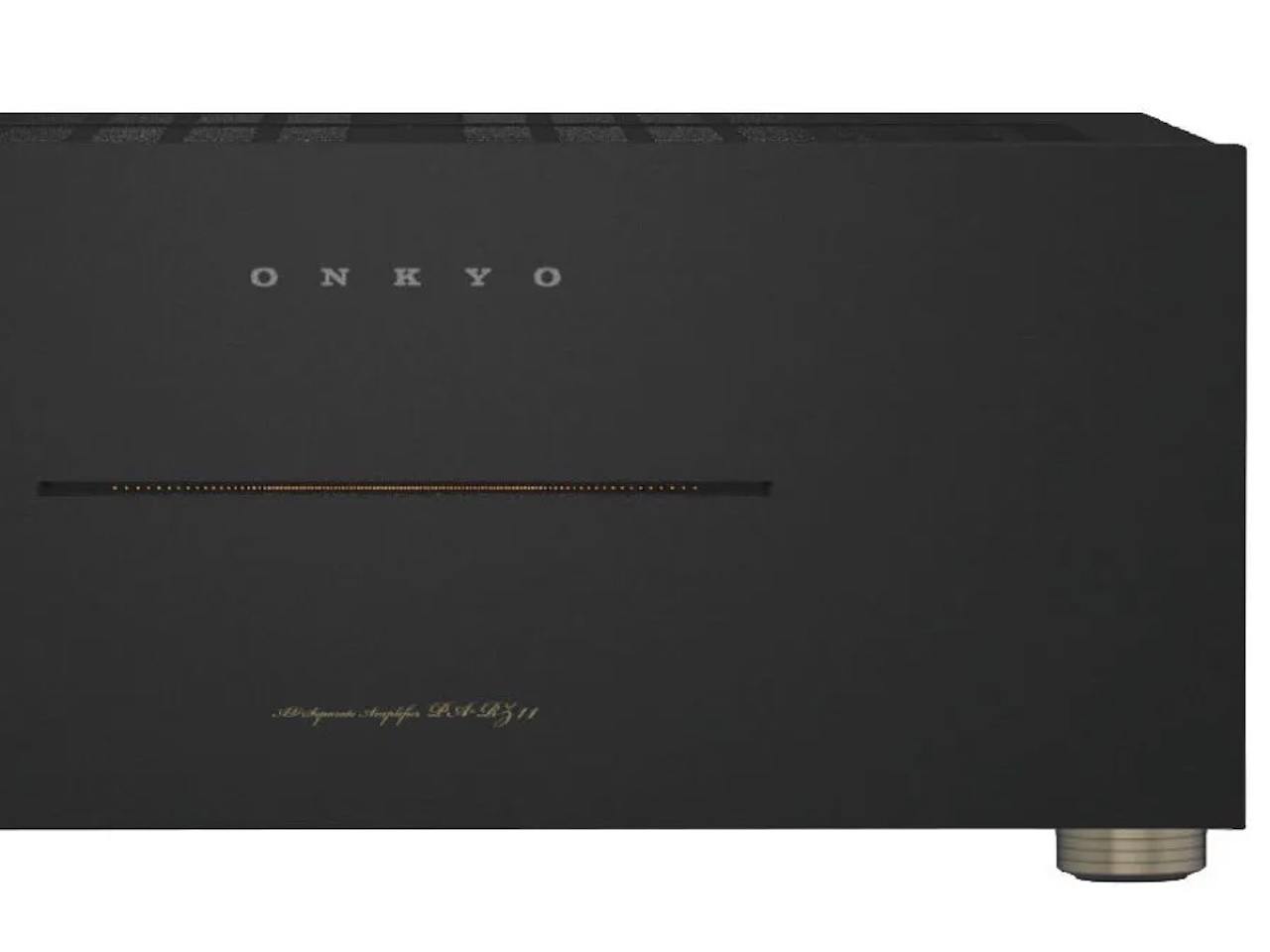
For amplification, PA RZ04 is a 4 channel amp rated at 150 watts per channel, and PA RZ11 is an 11 channel amp rated at 150 watts per channel. That modular approach is a good call because you can match power to your speaker count instead of paying for channels you won’t touch.
If you’ve ever lived with a receiver that turns the shelf above it into a hand warmer, separates can feel calmer in day to day use. Put the brains where it’s easy to reach, put the power where airflow is better, and the whole system can feel less stressed when you crank a movie.
The bigger cultural signal is that this lineup doesn’t read like it’s only chasing watt numbers anymore. It reads like Onkyo wants installers and enthusiasts to take the brand seriously again.
The missing pieces are pricing and time, and they matter
The biggest buzzkill is that pricing still isn’t public, because value is the part that decides whether any of this matters. Without numbers, even a good looking spec sheet can feel like a teaser poster instead of a real plan.
Availability is also vague, with late 2026 or early 2027 floated as the window, and that’s a long time to wait with no firm promise. If your current receiver is dropping HDMI handshakes or running hot to the touch, waiting can turn into a slow irritation.
Some model specific details are still fuzzy too, including which units get the most advanced multi sub setup, and that uncertainty makes planning harder than it should be. It’s normal CES behavior, but it still feels like buying based on a silhouette.
Who this fits, and who should skip the wait
Owners of older Onkyo gear from before the ownership chaos will see this lineup as a clean upgrade path inside the brand. The sharper display in a dark room and the smoother tuning workflow translate into daily quality lifts that compound over time.
Room correction is where the value lands hardest. Included DIRAC Live is the clearest lever here, and it’s a strong one in normal homes. Hard floors, a coffee table, and a couch shoved against the wall can wreck bass balance fast.
The separates are the most compelling part of the announcement for dedicated theaters and pro installs, full stop. Cleaner system design, scalable power, and high channel counts without a single giant heat box is the kind of practical win you’ll feel over long sessions.
None of this means you should wait around if your current receiver is stable and quiet. Vague timing and unpriced promises aren’t worth pausing on. The improvements look meaningful, but good sound now almost always beats promised sound later.
Strip away the product details and this launch reads more like a signal than a shopping list. Onkyo is aiming at credibility again, and that’s the kind of shift worth watching.

INIU Mini Portable Charger, Small 45W PD Power Bank, 10000mAh USB C in&Out Fast Charging Pocket Size Battery Pack, Travel Essentials Powerbank for iPhone 17 16 15 14 Pro Air, Xiaomi, Samsung S24 etc
(as of March 8, 2026 18:25 GMT -05:00 - More infoProduct prices and availability are accurate as of the date/time indicated and are subject to change. Any price and availability information displayed on [relevant Amazon Site(s), as applicable] at the time of purchase will apply to the purchase of this product.)
