
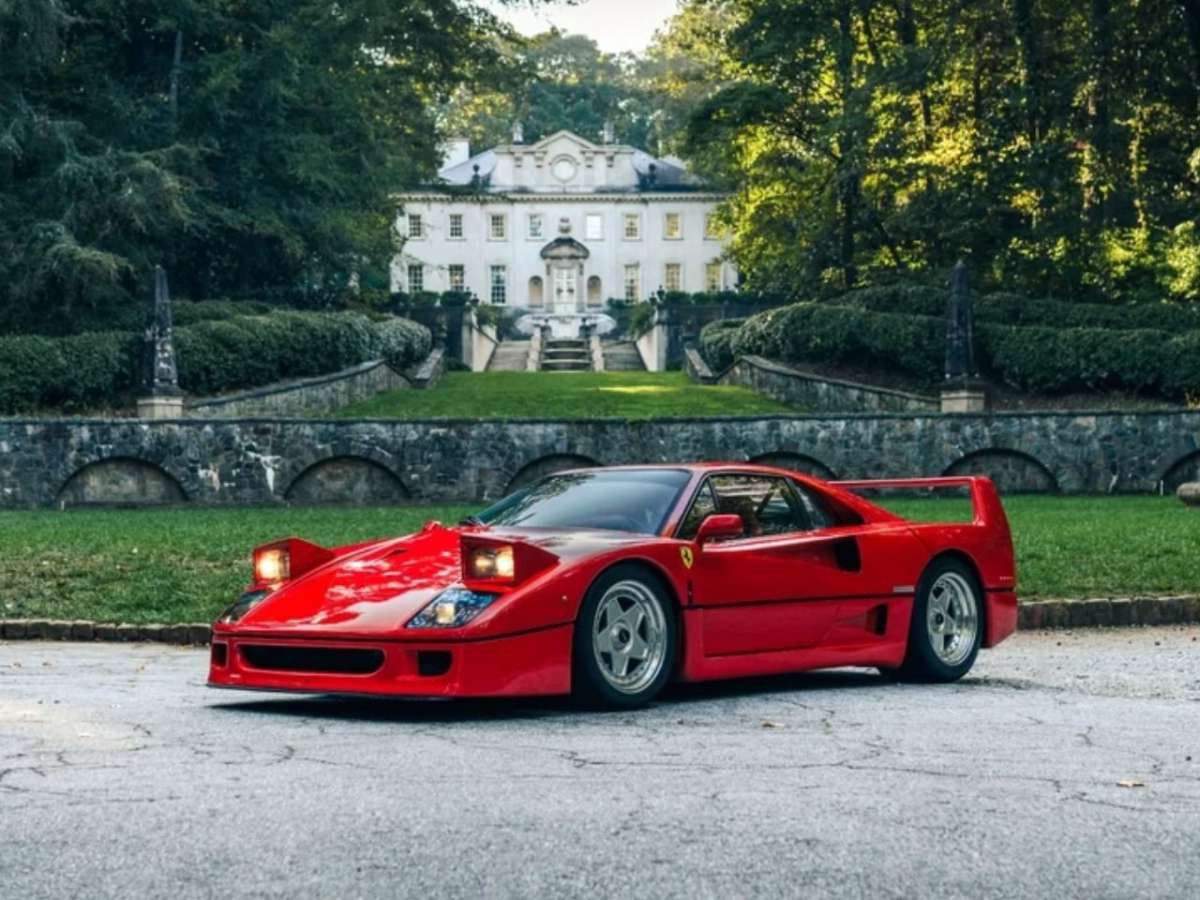
ARTICLE – I need to be upfront with you: the Ferrari F40 is not a car I can write about objectively. This and the Lamborghini Countach were the two cars I spent countless hours drawing as a kid, meticulously shading the NACA ducts, getting the rear wing just right, trying to capture those impossible proportions from every angle. I never got the chance to drive one, but I knew every line by heart before I was old enough to hold a pencil properly. For a lot of us who grew up in that golden era of supercars, the F40 wasn’t just a poster on the wall. It was the definition of what a supercar was supposed to be.
⬇︎ Jump to summary
Asking Price: $3,250,990
Seller: Merit Partners, Atlanta GA
Where to buy: duPont Registry
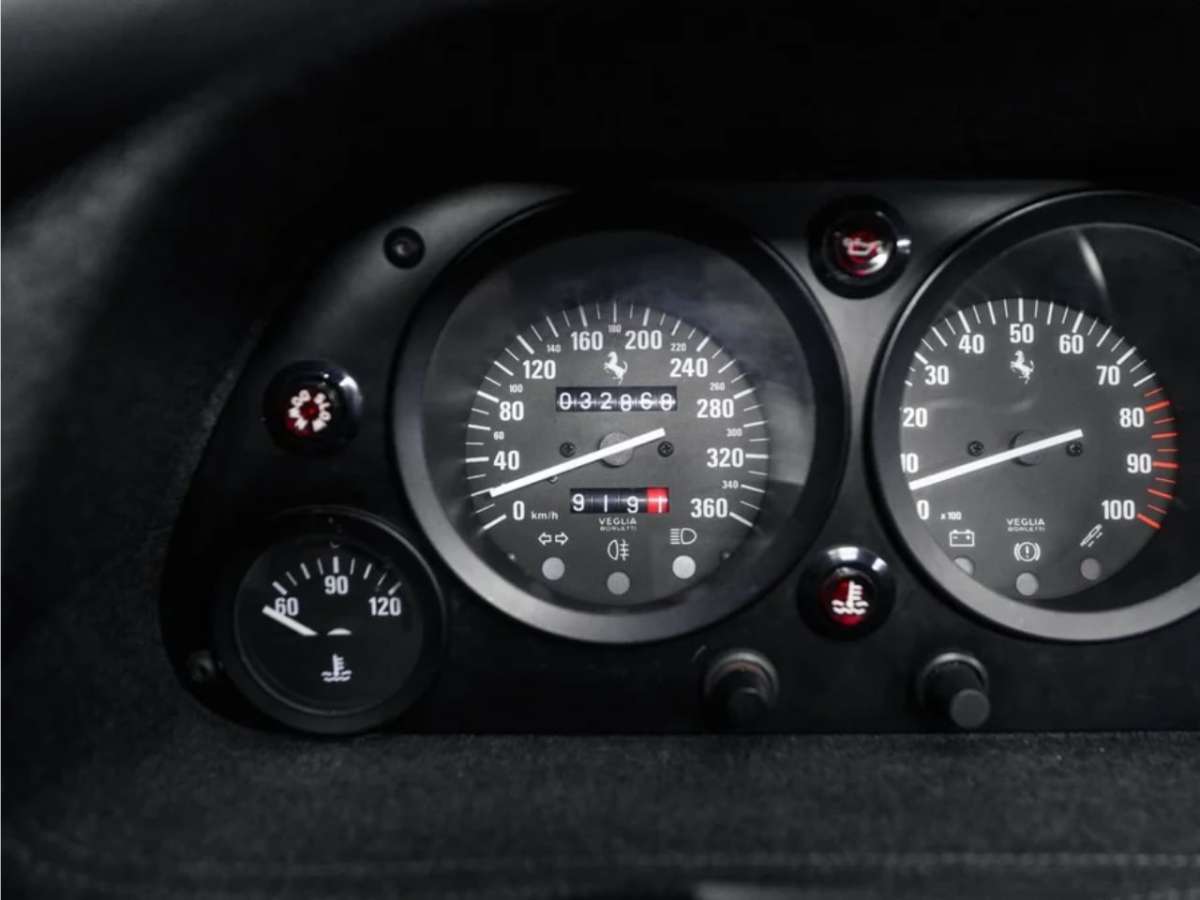
So when a 1992 Ferrari F40 surfaces at Merit Partners in Atlanta with an asking price of $3,250,990, full Ferrari Classiche Red Book certification, a freshly updated Marcel Massini report, and 32,865 km on the odometer, I pay attention. This European “cat, non-adjust” example checks every box collectors care about, and if you share the same childhood obsession, this is the kind of listing that stops you mid-scroll.
Why This F40 Actually Matters
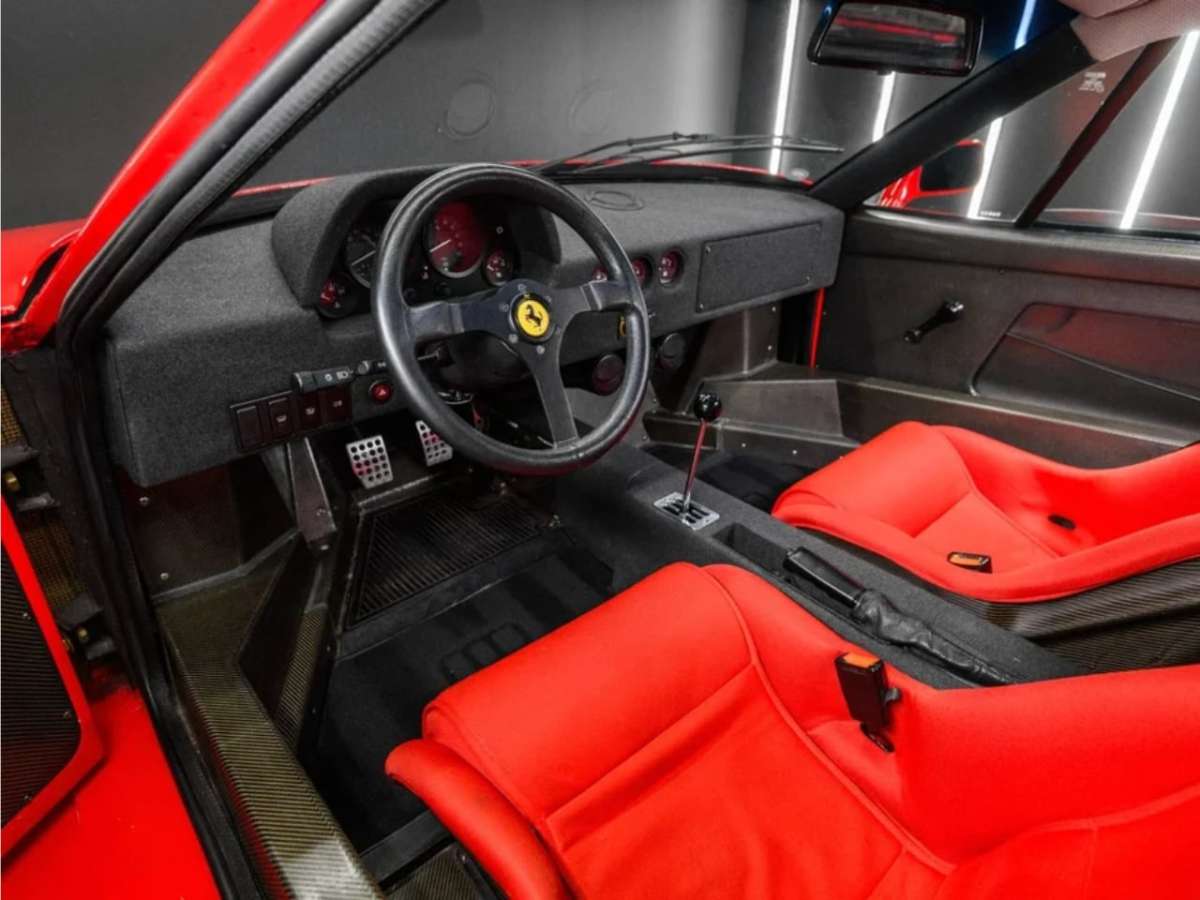
This was the last car Enzo Ferrari personally approved before his death in 1988. Launched in 1987 to celebrate Ferrari’s 40th anniversary, everything about the F40 was designed to be raw, unfiltered, and unapologetically fast. No power steering. No ABS. Minimal sound insulation. Kevlar and carbon fiber body panels so thin you can feel them flex under your palm, stretched over a steel tube frame. This was a race car with license plates, and Ferrari made no attempt to soften it for road use.
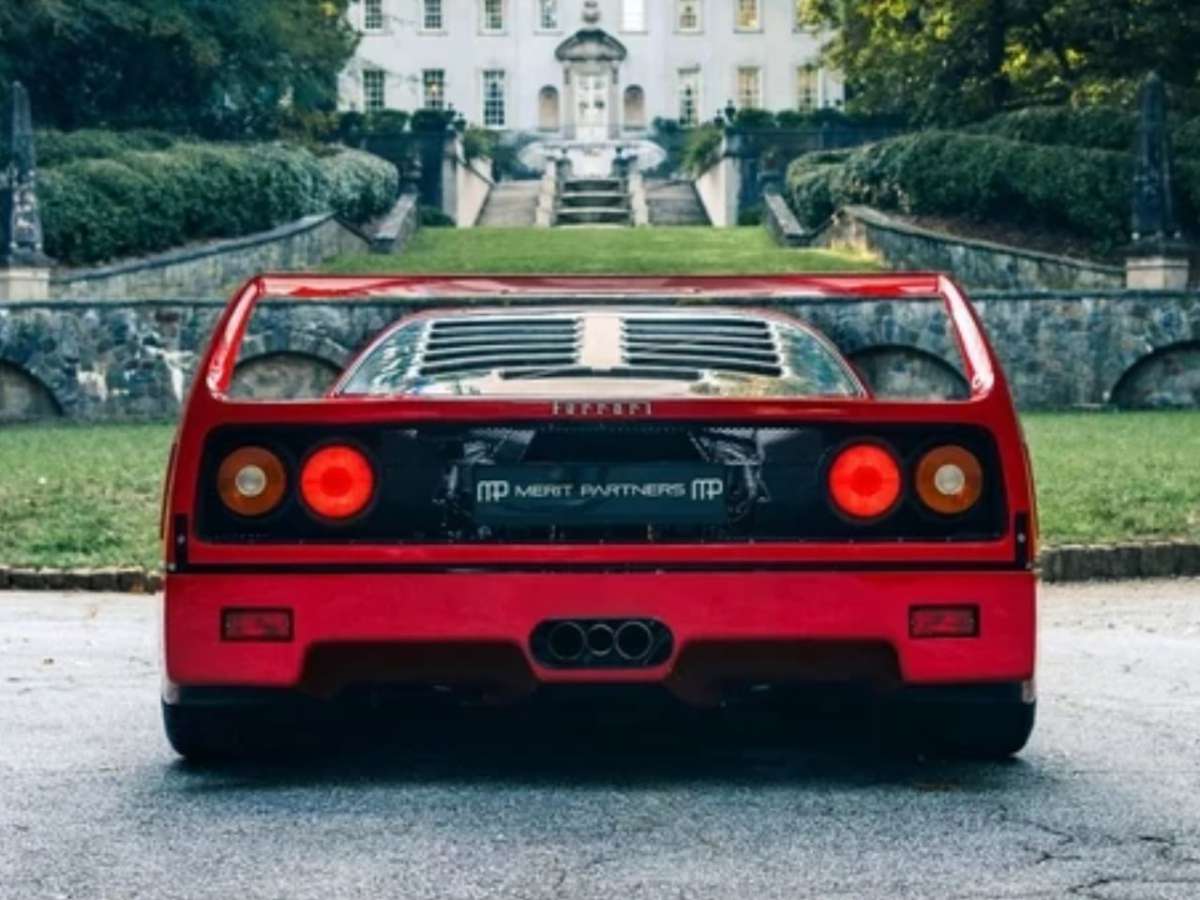
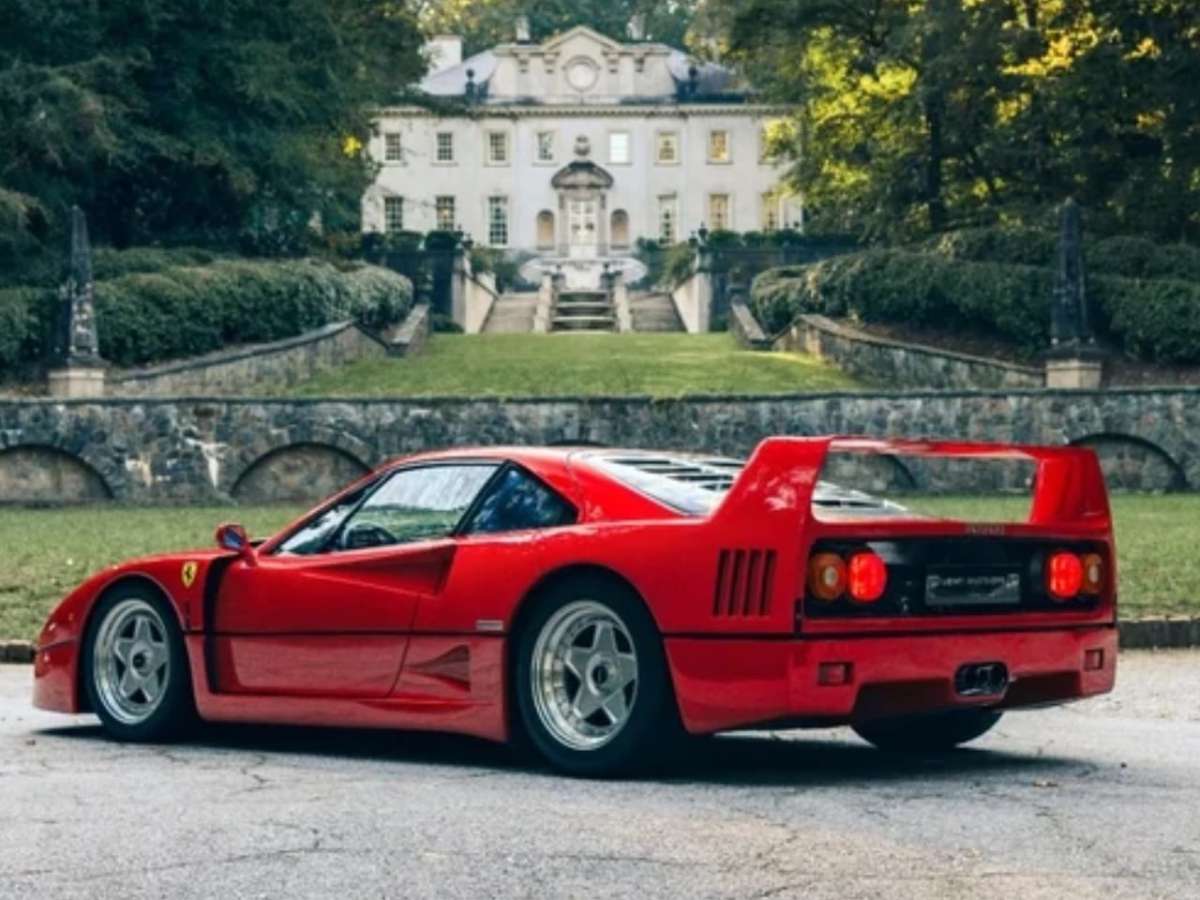
That uncompromising philosophy is exactly what made it such a compelling subject to draw. The F40 has no wasted lines. Every scoop, vent, and surface serves a purpose, and even as a kid tracing magazine photos, you could sense that nothing was decorative. That rear wing is the perfect example: it looks dramatic, but every angle and surface is dictated by downforce requirements, not styling. Getting it right on paper meant understanding why it existed. The proportions are so resolved that they almost draw themselves once you understand the logic. That commitment to purity is exactly why it still matters.
How rare is rare? Ferrari originally planned to build just 400 units. Demand pushed that number to somewhere between 1,300 and 1,315 total, with roughly 213 officially designated for the US market. The rest, like this example, were built to European specifications. That makes Euro-spec cars relatively more common globally, but it also means they avoid the emissions equipment and suspension modifications required for US compliance. For collectors who want the car as Ferrari intended it, Euro-spec is the configuration to chase.

This particular car is a “cat, non-adjust” configuration, which means it has catalytic converters but not the complicated factory adjustable suspension that many collectors prefer to avoid. The adjustable suspension systems were notoriously finicky and expensive to maintain, so the simpler non-adjust setup is often considered the more desirable specification for cars that will actually be driven. If you plan to do more than trailer it to concours events, this is the spec you want.
What does 471 horsepower feel like in a car that weighs just over 2,400 pounds? Violent. The F40’s 2.9-liter twin-turbocharged V8 (internally designated Tipo F120) produces somewhere between 471 and 477 horsepower depending on market tuning. Period tests quoted 0 to 60 mph in approximately 3.8 seconds and a top speed around 201 mph, making it the fastest road-legal production car in the world at launch. The twin turbos spool with a distinctive whistle before the boost hits, and without power steering, every input through the wheel is pure mechanical feedback. The driving experience remains brutally engaging by modern standards, which is precisely the point.
This Specific Example
VIN ZFFGJ34B000090830 was delivered new on January 17, 1992, to a Swiss Ferrari collector through IFS Importation Ferrari (Suisse). The original warranty card and service book contain date-stamped service coupons documenting regular maintenance at 1,000 km (1993), 5,000 km (1998), 11,077 km (2000), 26,321 km (2006), 31,170 km (2013), and 32,830 km (2025).
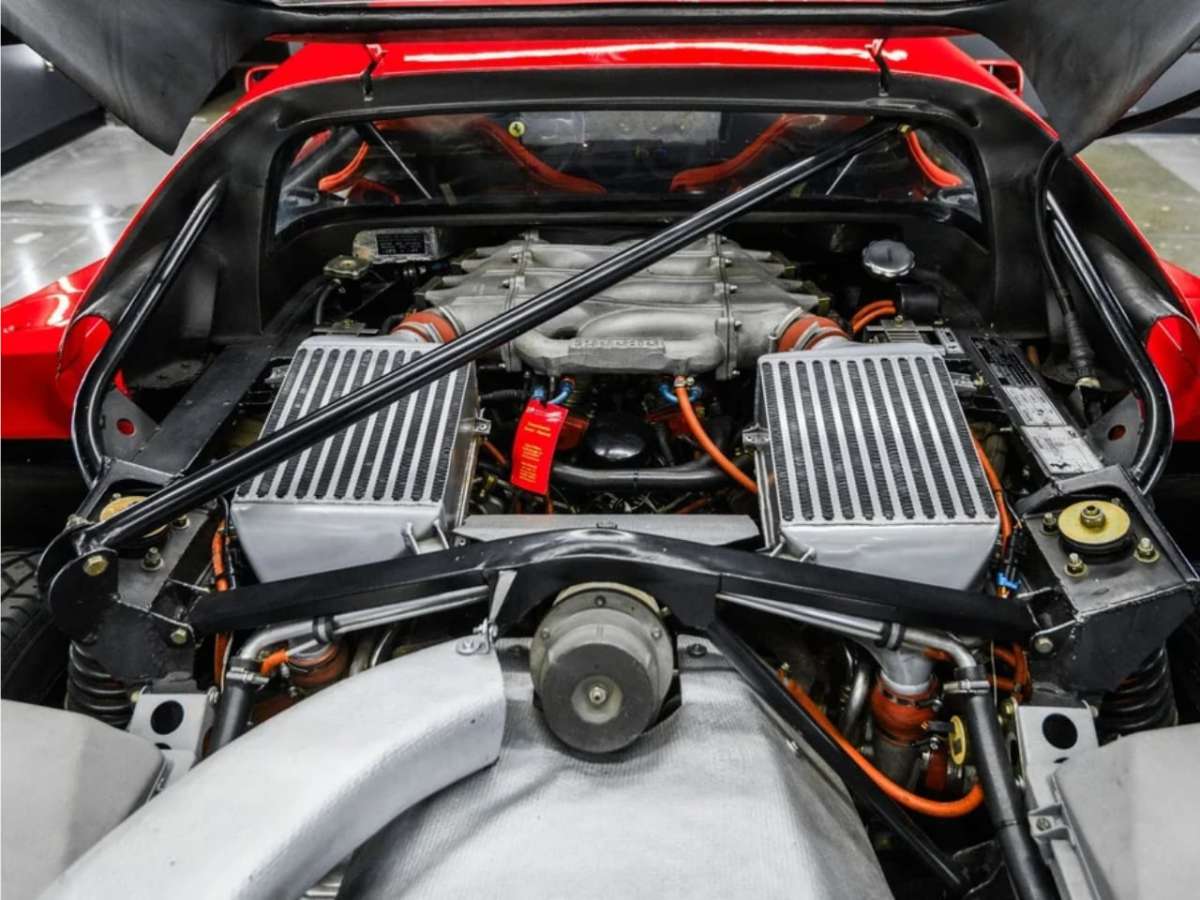
Major service work includes fuel tank replacements in 2002 at 15,298 km and again in 2008 at 29,990 km (the second replacement was done at the owner’s request), a clutch replacement in 2008, and a comprehensive engine and suspension refresh in 2013 at 31,170 km. The fuel tank replacements are particularly notable because early F40 tanks were prone to degradation, and proactive replacement is a sign of conscientious ownership.
The car currently wears an aftermarket Tubi exhaust, but the original factory exhaust is included. All original tools and accessories are present. Most importantly, the car carries a Ferrari Classiche Red Book certification confirming matching numbers for the chassis, body panels, engine, and gearbox. A Marcel Massini report dated 2025 documents the ownership and service history in detail.

Current mileage sits at 32,865 km, which translates to approximately 20,423 miles. That puts it in a sweet spot for collectors: enough use to confirm the car has been maintained and exercised rather than sitting dormant, but not so much that mechanical wear becomes a concern. Many F40s on the market show sub-20,000 km, with some advertised as delivery-mileage examples, but cars with documented use and service histories often command stronger confidence from buyers.
What’s Good and What’s Not
The Documentation Is Airtight
Ferrari Classiche Red Book certification confirms matching numbers for the chassis, engine, body panels, and gearbox. The freshly updated Marcel Massini report (2025) traces ownership and service history in detail. For a car at this price point, that level of paper trail is exactly what serious buyers need.
The Specification Favors Real Driving
This Euro “cat, non-adjust” setup avoids the finicky adjustable suspension systems that plague some F40s. Collectors who actually want to drive their cars tend to prefer this configuration because maintenance is more straightforward and the ride quality is more predictable.
Proactive Maintenance Addresses Known Weak Points
Fuel tank replacements in 2002 and again in 2008 show an owner who stayed ahead of a notorious F40 issue rather than waiting for problems. The 2013 engine and suspension refresh at 31,170 km adds further confidence. Recent 2025 servicing confirms the car hasn’t been sitting neglected.
Everything Is Included
Original tools, accessories, warranty card, service book, and the factory exhaust (a Tubi system is currently fitted) all come with the car. That completeness matters for resale and concours eligibility.
The Mileage Is Usable, Not Excessive
32,865 km (about 20,423 miles) sits in a collector sweet spot: enough to prove the car has been exercised and maintained, not so much that wear becomes a concern. Some buyers chase delivery-mileage examples, but documented use often inspires more confidence than a car that has been sitting for decades.
The Price Reflects the Premium End of the Market
At $3,250,990, this is top-tier F40 money. Comparable examples with weaker documentation trade for less, but they also carry more risk. Whether the premium is worth it depends on how much you value airtight provenance.
Euro-Spec Adds Import Complexity
US buyers will need to navigate import documentation carefully. This isn’t a deal-breaker, but it adds a layer of logistics that US-delivery cars avoid.
The Driving Experience Is Demanding
No power steering, no ABS, minimal creature comforts. The F40 was built as a race car with license plates, and it drives like one. This isn’t a casual weekend cruiser. If you want something approachable, look elsewhere.
Should You Buy This?
If you have been waiting for a fully documented, Classiche-certified F40 with a clean service history and the desirable non-adjust specification, this is a strong candidate. The combination of Red Book certification, Massini report, Swiss provenance, and proactive maintenance addresses most of the due diligence concerns that make F40 purchases complicated. You know exactly what you are getting.
The $3,250,990 asking price is at the top tier of the F40 market, but it reflects the car’s documentation, specification, and condition. Comparable examples with lesser provenance or missing certification often trade for less, but they also carry more risk. For buyers prioritizing investment-grade authenticity, the premium is justified.
Asking Price: $3,250,990
Seller: Merit Partners, Atlanta GA
Where to buy: duPont Registry
Skip this if you are looking for a low-mileage garage queen or if the asking price exceeds your comfort zone. Also skip if you want a more accessible driving experience: the F40 is viscerally demanding, and there is no power assist to soften the steering or brakes. This is a car that requires commitment every time you turn the key.
Bottom Line
At $3,250,990, this 1992 Ferrari F40 represents one of the most thoroughly documented examples currently available. The Euro “cat, non-adjust” specification, Ferrari Classiche Red Book certification, fresh Massini report, and meticulous service history combine to offer a level of provenance that justifies the premium.
But provenance is only part of the story. The F40 wasn’t meant to be a museum piece. It was built to be driven hard, maintained properly, and respected for exactly what it is: an uncompromising machine from an era when supercars did not apologize for being difficult. This example has the documentation to prove its authenticity and the service history to prove it has been used as intended.
I still haven’t driven an F40. During my last decade or so of testing cars, I’ve had the opportunity to get behind the wheel of some incredible machines, but this one remains on the bucket list. That box stays unchecked. But I’ve spent enough years studying these cars, first with a pencil and later with a keyboard, to know when an example is special. This one is. Hopefully, I’ll have the opportunity one day and can share that experience with you. Until then, if you grew up drawing this car in the margins of your notebook, dreaming about the day you might actually sit behind that wheel, this is the kind of listing that reminds you why you started caring about cars in the first place. Some childhood dreams are worth honoring properly.
Merit Partners in Atlanta is handling the sale through duPont Registry.

ESR for MagSafe Wallet with Stand, RFID Blocking with MagSafe Ring, 5 Card Holder for Phone Case, Slim Leather Magnetic Wallet for iPhone 17/16/15/14/13/12 Series(Not for Mini), Selected Samsung,Black
43% Off

Gadgeteer Comment Policy - Please read before commenting
This is The Gadgeteer, not Robb Report. Wrong audience.
Hi Chris,
Thanks for the comment and for taking the time to share your feedback.
We cover a lot of products and topics here. Always have. There’s going to be a little bit of everything for every reader. Just because you don’t enjoy reading about a really nice sports car doesn’t mean others feel the same way. Excuse me for being direct, but you’re one of millions of readers visiting The Gadgeteer.
Take a look at our other content. If you don’t see anything else that interests you, I invite you to visit our competitors, SlashGear’s a great site.
Welcome to the new Gadgeteer.
Vincent, Editor-in-Chief
Long, long, long time reader. You’re absolutely correct, and you own the domain now and can post whatever you like. Some will even enjoy it. As someone who started coming here 20-something years ago to read reviews of PalmPilots, there are other sites that do writeups of vehicles that are unaffordable for the masses. There are also other sites that review gadgets, as you mentioned. Losing my readership as 1 out of millions, as you pointed out, is unlikely to cost you ad revenue. But again, know your audience. If you want to change what the site does, that’s your prerogative. If you want to keep current viewership, look at what got this site to where it is today.