
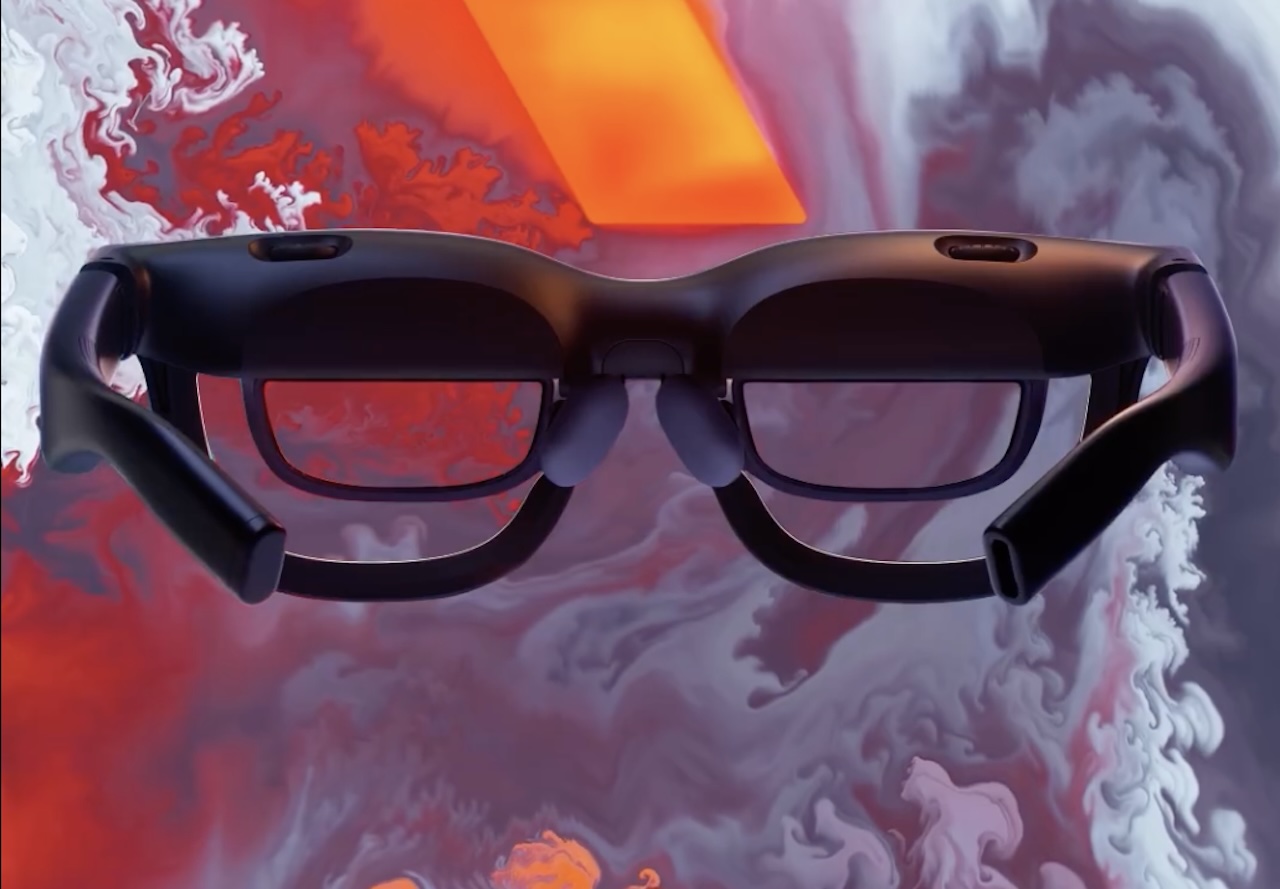
XR glasses keep promising the same magic trick: a giant private screen that fits in a pocket. The harder part has always been less glamorous. Can you wear them through a movie, a flight, or a long handheld gaming session without feeling every gram on your face?
👓 Viture Pro 2
Price: $299
Where to Buy: VITURE
That is the real pitch behind the Viture Pro 2 XR glasses. VITURE’s new wearable display starts at $299, brings the frame down to 63 g, and pairs the glasses with a smaller $99 Mobile Dock Mini. The spec sheet still matters, but this launch is really about making XR glasses feel less like a demo product and more like travel gear.
Viture Pro 2 Shrinks the Smart Glasses Problem to 63 Grams
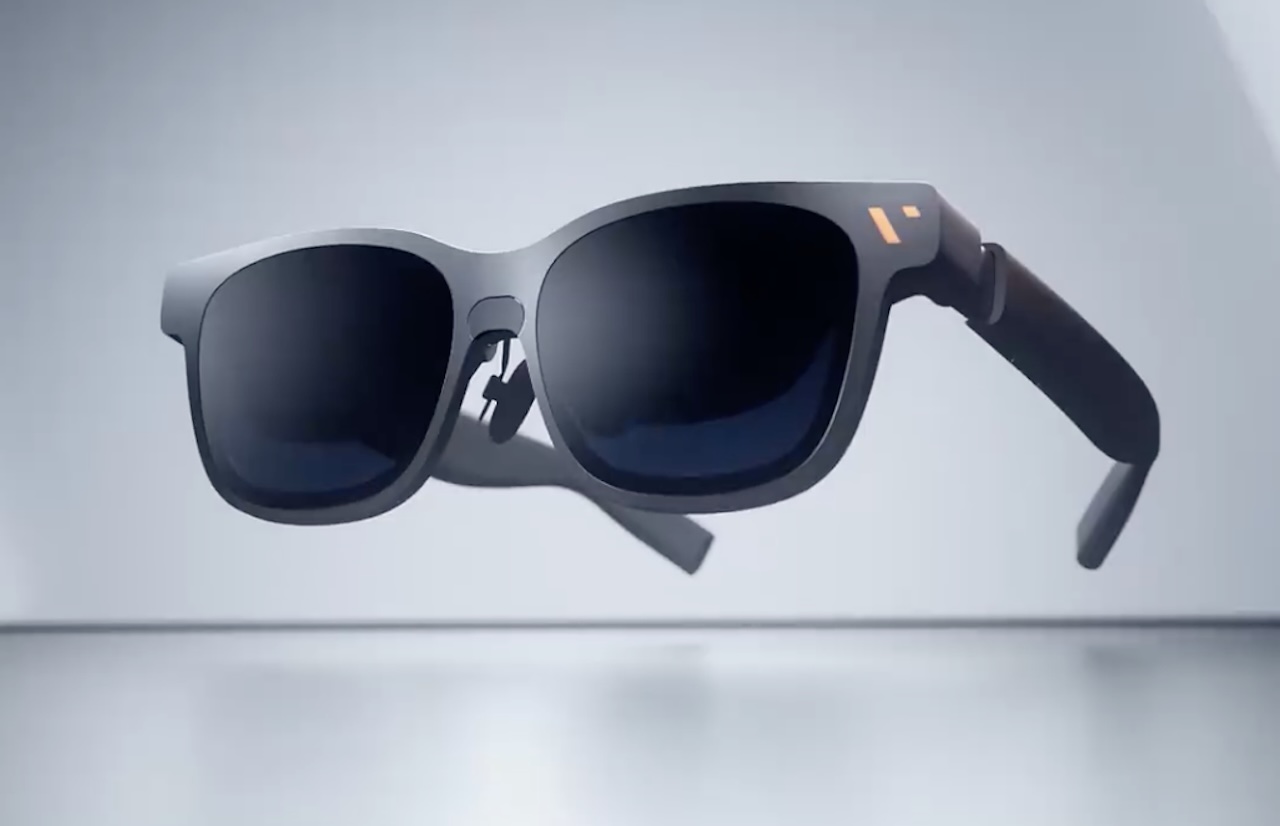
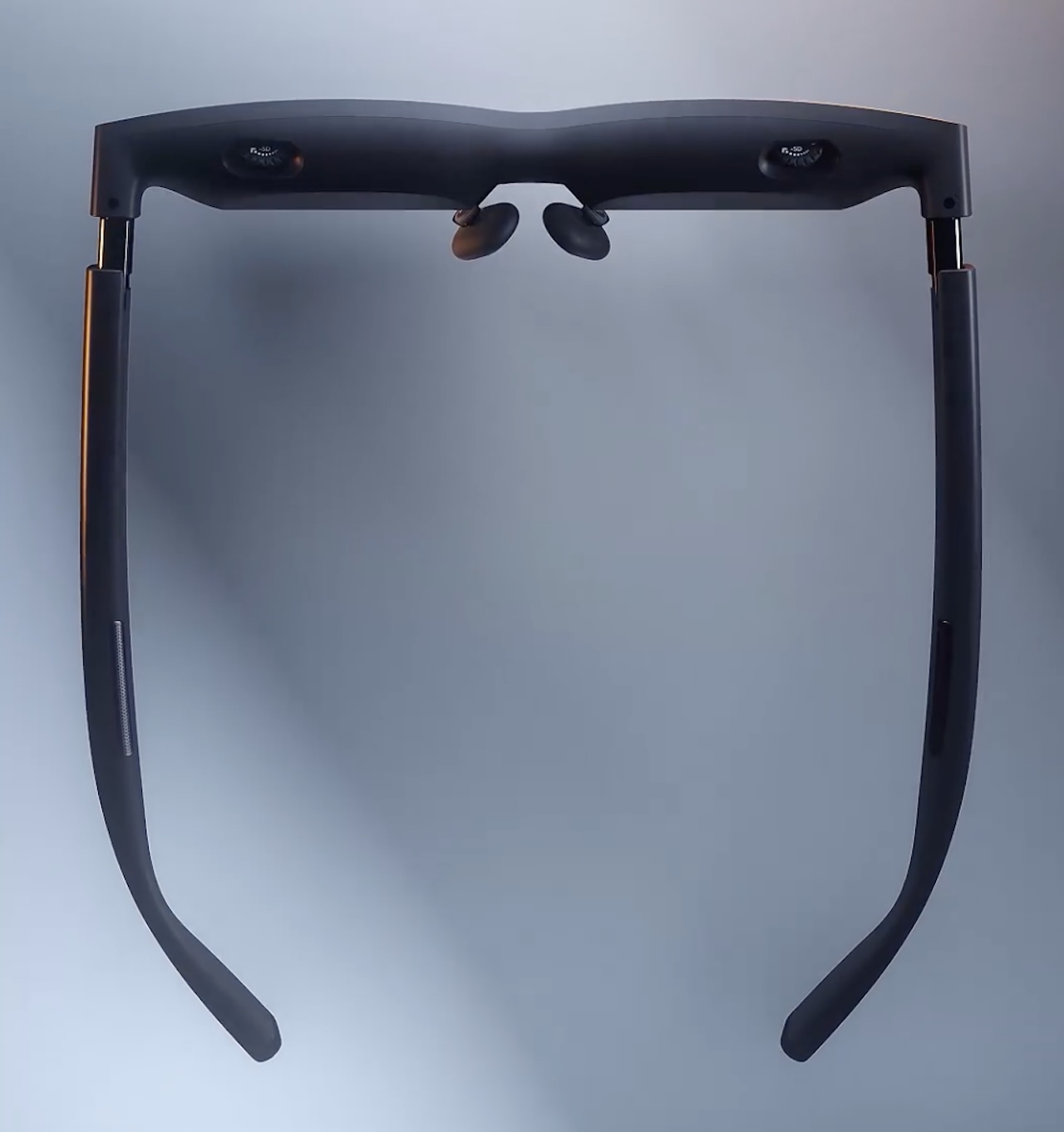
At 63g, VITURE is positioning the Pro 2 as the lightest model in its smart glasses lineup so far. The new frame is also 16 percent thinner than the original Viture Pro and drops 20 percent of that model’s weight, which matters because XR glasses fail quickly when the weight lands on the nose instead of fading into the background.
The fit system gets more attention this time. The Pro 2 has three nose pad sizes, seven nose pad positions, and three temple adjustment levels. That is not as flashy as a brighter display, but it may be the upgrade people notice first.
VITURE also includes a lens shade in the box. That sounds minor until you remember what these glasses are trying to do. A wearable display has to fight ambient light, reflections, and the strange in-between feeling of watching a virtual screen while the real room is still visible around it.
The Display Is Brighter, but Comfort Is Still the Story
The Viture Pro 2 XR glasses is rated for up to 1,600 nits peak brightness, up from the 1,000-nit rating on the previous Viture Pro. It keeps an FHD image and 120 Hz refresh rate, while the field of view moves from 46 degrees to 50 degrees.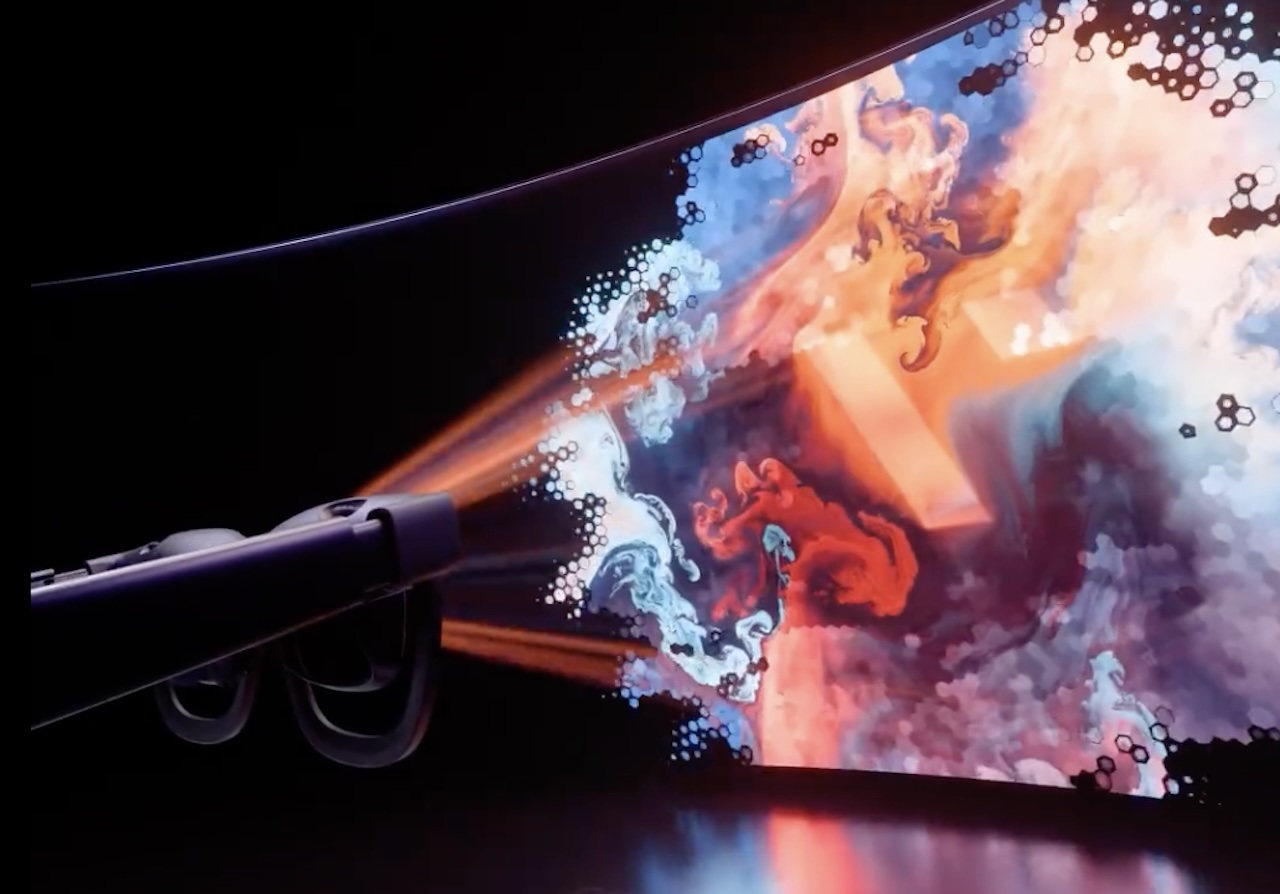
Secondary launch details describe the display stack as micro-OLED hardware supplied by Sony, with 1920 x 1080 resolution per eye. VITURE is also using its UltraClarity 3.0 optical system, which the company says is designed for smoother field curvature and a more natural-looking virtual display. That still needs hands-on testing before it becomes a TG verdict, but the direction is clear: the company wants the image to feel easier to live with, not just brighter in a headline.
This puts the Pro 2 in a different lane from full Android XR devices. We recently covered how XREAL Aura is trying to turn XR glasses into a wearable computer. VITURE is aiming at a simpler question: can a tethered private screen be cheap and comfortable enough that people actually pack it?
Built-In Diopter Adjustment May Matter More Than the Brightness
The Pro 2 includes built-in diopter adjustment, with verified launch details listing support for nearsighted users and secondary reporting putting the range at 0 to -5.00D per eye. Treat that exact range as pending until VITURE posts a final spec sheet, but the feature itself matters.
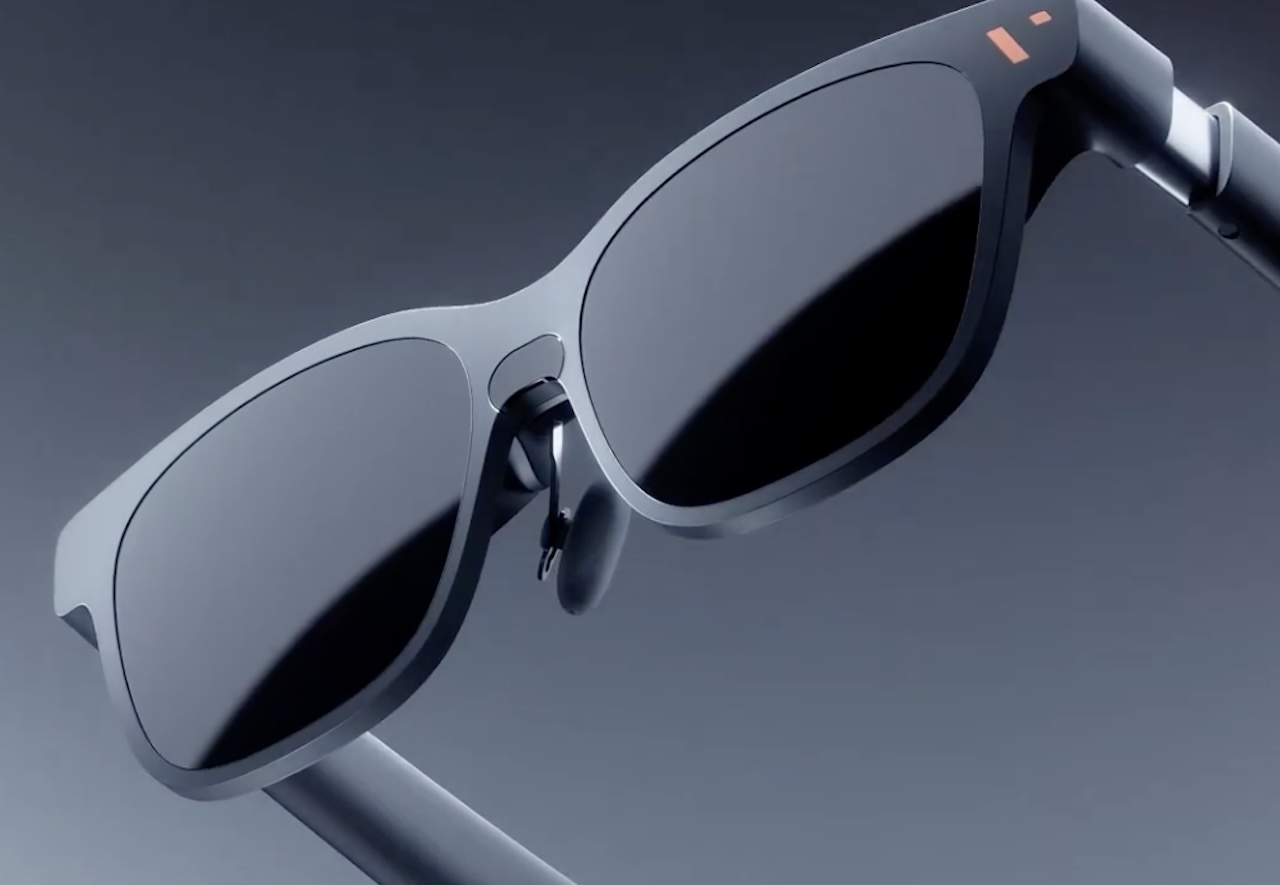 It will not solve every prescription need, and it does not replace proper compatibility checks. Still, focus adjustment is the kind of practical detail that can decide whether XR glasses become regular travel gear or another gadget that only comes out for demos.
The Mobile Dock Mini Turns It Into a Travel Setup
The other half of the launch is the Mobile Dock Mini. VITURE lists the new dock at $99 with a 10,000 mAh battery, and launch details say it can power both the glasses and the connected host device.
 The dock is pitched around handheld gaming and Switch 2 setups. Its detachable magnetic adapter can reportedly be used without the built-in battery, which makes it more than a charging brick. It becomes the small hub between the glasses and the device you actually want to use.
That matters because XR glasses are rarely a one-cable fantasy in real life. Phones, laptops, handheld PCs, consoles, battery life, and display output all complicate the experience. The smaller dock is VITURE’s attempt to make the whole kit easier to travel with, not just the glasses.
Where This Fits in the XR Glasses Race
The Gadgeteer has covered this category as it splits into two different ideas. Some smart glasses are chasing cameras, AI assistants, and ambient computing. Others are really wearable monitors for people who want a bigger screen without carrying one.
The Viture Pro 2 belongs in that second camp. That is also how we framed earlier TG smart glasses coverage, where tethered XR display glasses made sense for work, travel, and gaming even when they were not standalone computers. See our broader look at smart glasses worth buying in 2026.
At $299, the Pro 2 is priced more like an accessory than a futuristic computing platform. That may be the smarter move. If the display looks good, the fit works, and the dock reduces setup friction, VITURE does not need to convince buyers that XR glasses will replace a phone. It only needs to convince them that a private screen is worth making room for in a bag.
Who Should Care
The Viture Pro 2 makes the most sense for people who already have a USB-C phone, laptop, handheld gaming PC, or Switch 2 and want a private screen for travel, gaming, or focused work. The $299 price also makes it easier to consider than many premium XR glasses if you do not need cameras, AI features, or a standalone operating system.
Skip it if you want glasses that live on your face all day. The Pro 2 is still a tethered wearable display, not a phone replacement. As a category, display-first XR glasses also tend to be thicker than waveguide-style smart glasses because they are built around a screen experience rather than trying to disappear into normal eyewear.
The Pro 2 still needs hands-on testing before we can judge comfort, edge clarity, sound, and whether the 1,600-nit brightness rating translates into a better real-world image.
👓 Viture Pro 2
Price: $299
Where to Buy: VITURE
Viture Mobile Dock Mini
Price: $99
Bundle Pricing: $378 with the Pro 2
Where to Buy: VITURE
The Bottom Line
The Viture Pro 2 is not trying to win the XR race by becoming the most ambitious pair of smart glasses. It is trying to win the more practical argument: lighter frame, lower price, brighter display, built-in focus adjustment, and a dock that makes handheld gaming and travel setups less awkward.
That may be exactly where XR glasses need to be right now. Not a computer for your face. A private screen you might actually bring with you.
