
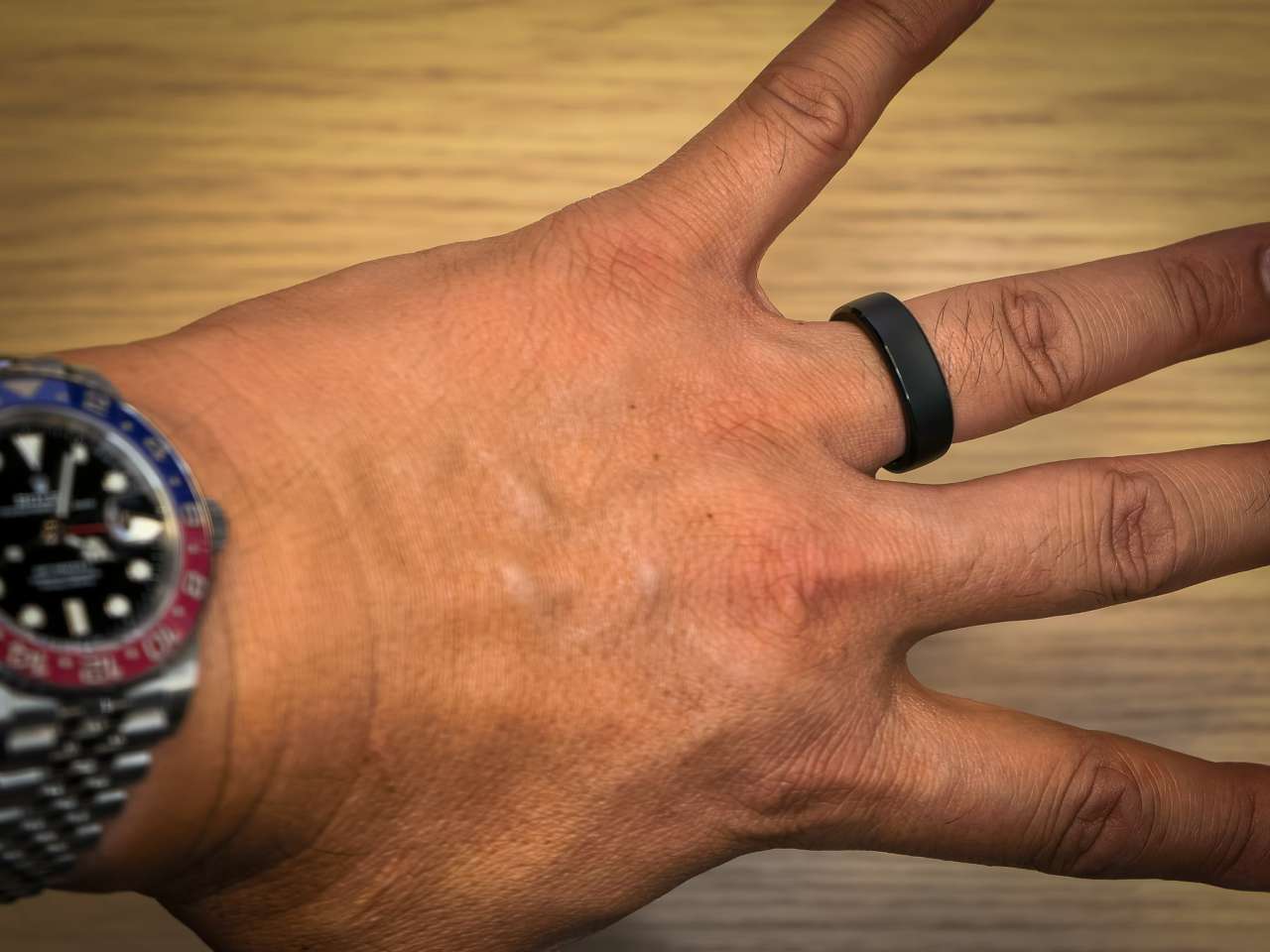
I woke up Saturday to a notification no wearable had ever sent me. The RingConn Gen 3 had finished its three-night sleep apnea assessment, and the report read AHI 8.1, “Suspected Mild.” I put this $349 smart ring on to find out whether the two-week battery claim and the no-subscription pitch hold up. Seven days later I’ve got a sleep study on the calendar, a week of sleep data that reads like my actual life, and a battery pacing to 10 days instead of the 14 in the marketing.
Price: $349.00 (standard finishes); $369.00 (metallic)
Where to buy: RingConn | AMAZON
Add The Gadgeteer as a preferred source to see more of our coverage on Google.
What is it?
The RingConn Gen 3 is a titanium smart ring that tracks sleep, heart rate, HRV, blood oxygen, respiratory rate, skin temperature, and stress from your finger, with no subscription attached to any of it. RingConn has been the no-subscription holdout in this category since our first review in 2024, and the Gen 3 keeps the formula: pay once, keep your data.
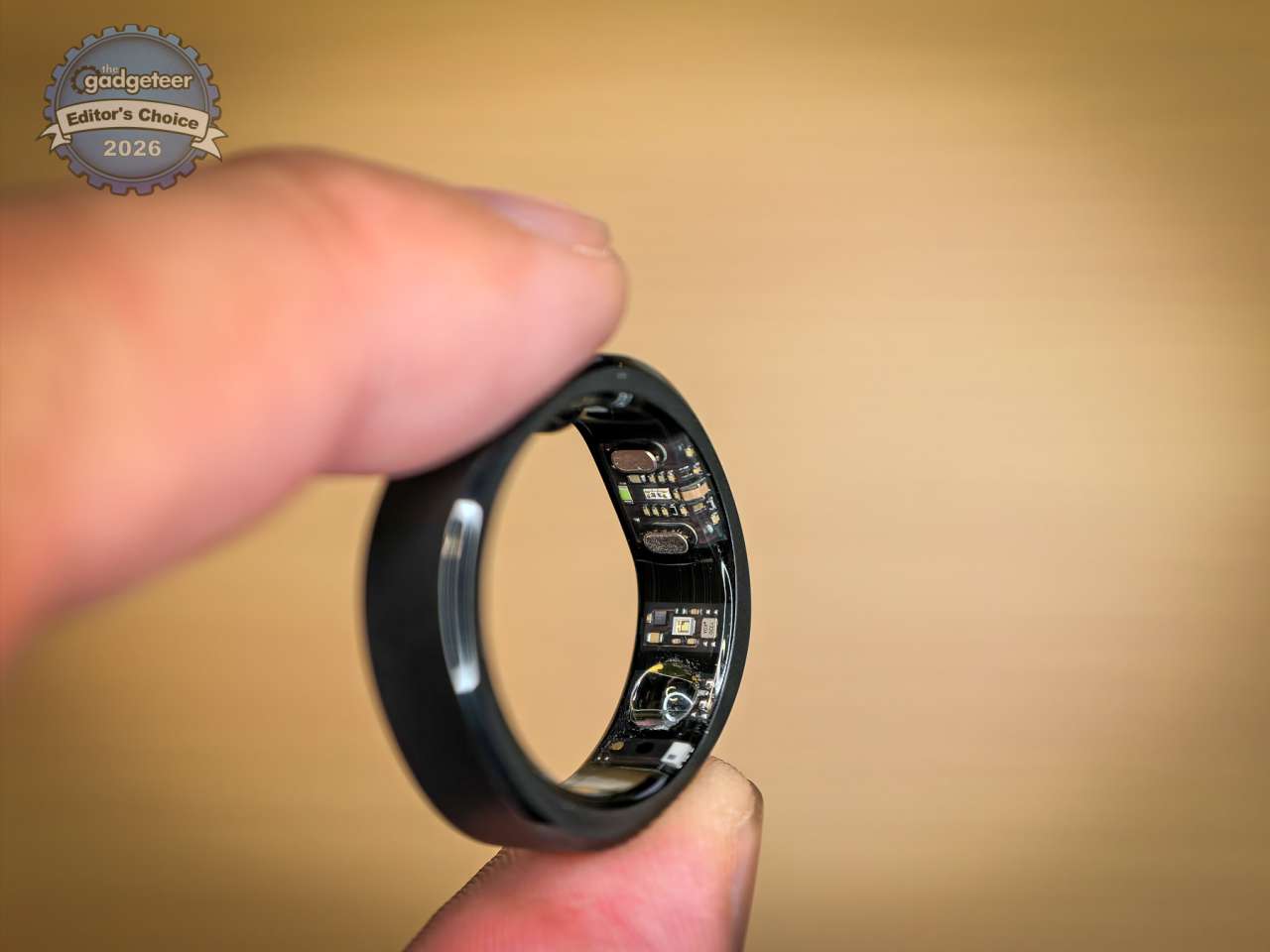
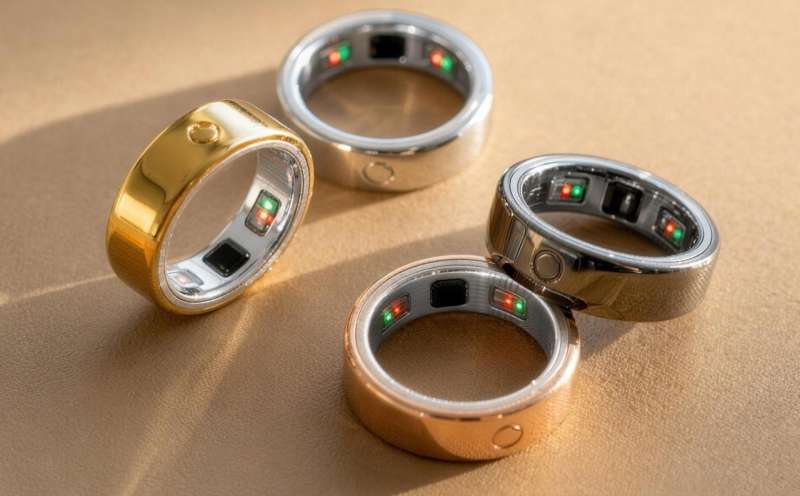
What’s new this generation is a built-in vibration motor for silent alerts and blood pressure trend tracking. Sleep apnea monitoring itself carries over from the Gen 2, where you had to switch it on manually each night; the Gen 3 upgrades it into an automatic three-night assessment program. The Gen 2 we reviewed in 2024 was already a favorite around here; the Gen 3 is RingConn’s argument that a ring can move from tracker to early-warning system. I tested the matte black finish in size 10. The ring comes in five finishes and sizes 6 through 15.
What’s included?
- RingConn Gen 3 smart ring (matte black, size 10 tested)
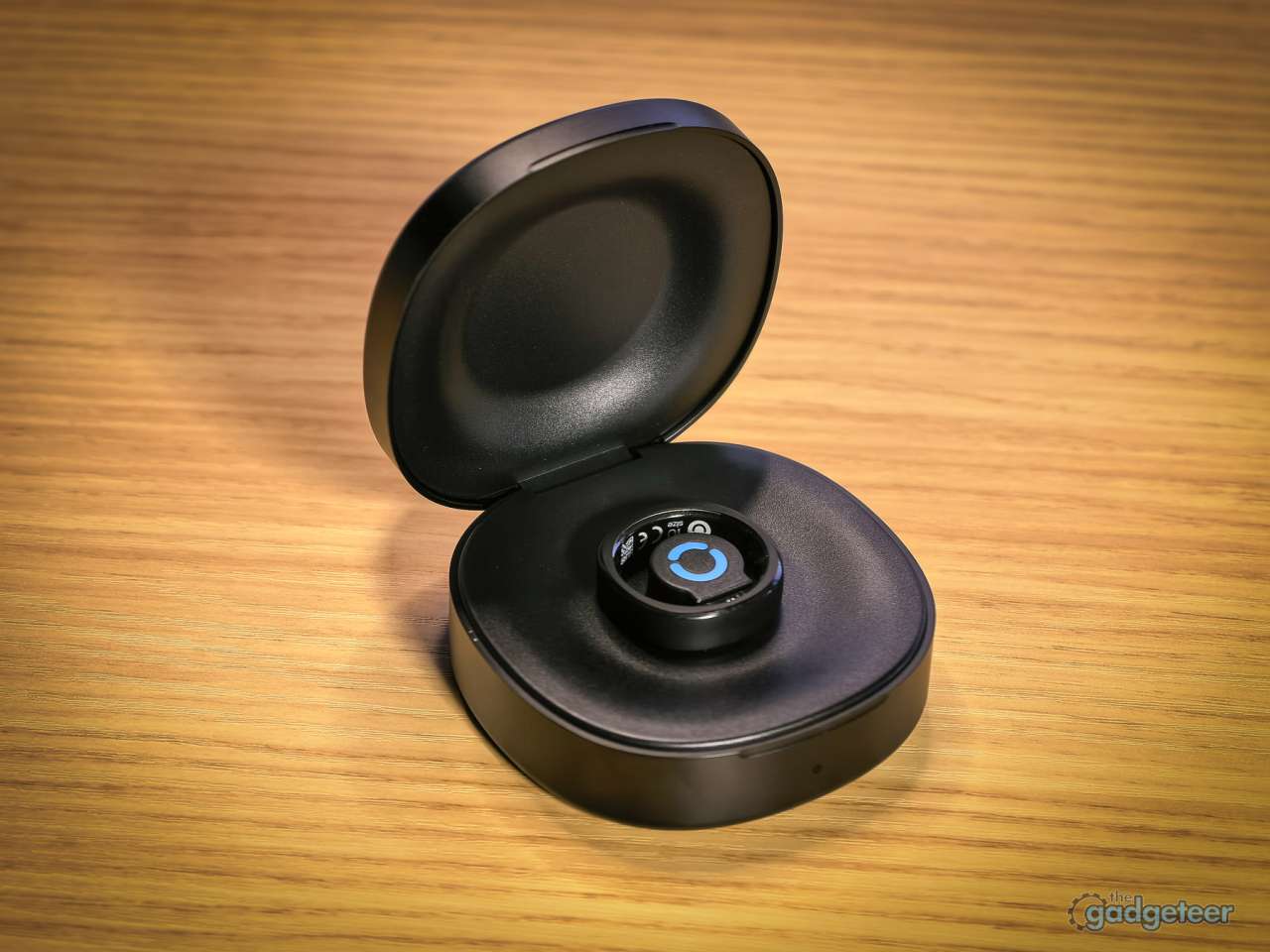
- Charging case
- USB-C charging cable
- Quick start guide
- Sizing kit with sample rings (ships ahead of the ring so you can confirm fit before ordering)
How I tested
I wore the Gen 3 around the clock for seven days, June 4 through 10: showers, gym sessions, dish duty, and every night of sleep. The sleep apnea assessment requires three nights of data, so its first comprehensive report landed Saturday morning, and the ring kept scoring every night after that through June 10.
I configured three vibration alerts on day one: a sedentary nudge after 45 minutes of sitting, a bedtime reminder, and a low-battery warning. I weighed the ring on a kitchen scale and logged battery percentage daily against the spec sheet. Blood Pressure Trends went untested this week; it needs a cuff baseline I haven’t set up yet. The test I couldn’t plan: a tinnitus episode on Tuesday afternoon that put the headache tracking to work. This is a first-week report. A full month of wear, including a proper two-week blood pressure comparison against the cuff, comes in Part 2.
Tech specs
- Material: titanium shell, 2.3 mm at its thinnest point
- Weight: 2.5 to 3.5 grams depending on size (my size 10: 2.7 g on a kitchen scale)
- Sizes: 6 through 15, in five finishes
- Water resistance: IP68 and 10ATM
- Battery: 10 to 12 days with vibration alerts active (about 20 seconds of vibration per day), 11 to 14 days without
- Charging case: 15+ full charges, 150+ days of total untethered runtime
- Sensors: heart rate, HRV, SpO2, respiratory rate, skin temperature
- Alerts: built-in vibration motor with short, medium, and long patterns
- Subscription: none
Three clean nights make the apnea flag hard to dismiss
The assessment runs three nights before it says anything. June 4: AHI 3.9, no abnormalities detected. June 5: 3.3, cleaner still. June 6: 8.1, and the label flipped to “Suspected Mild.” Two clean nights followed by a flag is a different experience than a gadget crying wolf on night one. The ring earned the right to be taken seriously before it asked to be.
Where most consumer wearables stay vague, this report gets specific. It counted 48 apnea events across 5 hours and 54 minutes of effective monitoring. My lowest blood oxygen reading hit 87%, which the app classified as “Suspected Moderate” risk for low blood oxygen. I spent 0.71% of the night, about 2 minutes and 30 seconds, below 90% SpO2, with 32 discrete drops of 3% or more. Then it generated advice: reduce alcohol, avoid sedatives, try sleeping on my side.
None of this is a diagnosis, and RingConn says so plainly in the report. What it is: a screening nudge with enough data behind it that ignoring it felt like the wrong move. I’ve scheduled a sleep study.
What followed complicated that flag in a useful way. The monitoring kept running, and Wednesday’s report came back AHI 4.2, “No Abnormalities Detected.” The week closed at four clean nights against two suspected mild. The 8.1 now looks like an outlier inside a mostly normal pattern rather than a stable baseline, which is precisely the question a sleep study exists to settle. The ring keeps scoring every night in the meantime, so I’ll walk into that appointment with weeks of nightly data on hand. Either way the screening did its job: it found the one night worth asking a doctor about.
Nightly sleep detail, Jun 3 to 10
| Night | Score | Asleep | In bed | Efficiency | Sleep window | HR | SpO2 | HRV | Resp rate | Skin temp | Stress (before / during) |
|---|---|---|---|---|---|---|---|---|---|---|---|
| Jun 4 (Thu) | 54 (Improvable) | 4h 28m | 4h 54m | 79% | 00:03 to 04:56 | 68 bpm | 95% | 34 ms | 15.6 | 96.9°F | 54 / 49 |
| Jun 5 (Fri) | 74 (Good) | 5h 43m | 6h 6m | 89% | 00:42 to 06:47 | 67 bpm | 95% | 23 ms | 15.8 | 96.4°F | 65 / 47 |
| Jun 6 (Sat) | 73 (Good) | 6h 2m | 7h 42m | 78% (Low) | 23:38 to 07:20 | 67 bpm | 95% | 28 ms | 15.4 | 96.2°F | 38 / 38 |
| Jun 7 (Sun) | 66 (Good) | 9h 58m | 10h 10m | 96% | 23:16 to 09:26 | n/a | n/a | n/a | n/a | 93.74°F (-2.79°F offset) | n/a |
| Jun 8 (Mon) | 79 (Good) | 7h 11m | 8h 18m | 87% | 00:25 to 08:43 | 68 bpm | 94% | 31 ms | 15.3 | 96.1°F | 67 / 36 |
| Jun 9 (Tue) | 73 (Good) | 5h 21m | 6h 0m | 89% | 01:48 to 07:47 | 68 bpm | 94% | 25 ms | 15.0 | 96.5°F | 69 / not captured |
| Jun 10 (Wed) | 63 (Good) | 4h 56m | 6h 21m | 78% (Low) | 02:00 to 08:21 | 68 bpm | 94% | 28 ms | 15.0 | 96.0°F | 69 / not captured |
The sleep data caught my real week, naps and all
The app’s Wellness Balance score is a flower graphic with four petals: sleep, activity, vitals, and what RingConn calls Relax Status. On day one it scored me 66, “Improvable,” and told me to go to bed early. I resented the accuracy. By Friday it had climbed to 73, “Looking Good,” with the petals reading Sleep 74, Vitals 93, Relax 76, and Activity 67.
Sleep stages by night
| Night | Awake | REM | Light | Deep |
|---|---|---|---|---|
| Jun 4 | 18m (7.2%) | 5m (2.0%) | 2h 46m (66.1%) | 1h 2m (24.7%) |
| Jun 5 | 3m (0.9%) | 50m (15.1%) | 3h 37m (65.8%) | 1h 0m (18.2%) |
| Jun 6 | 8m (2.2%) | 50m (13.5%) | 4h 2m (65.4%) | 1h 10m (18.9%) |
| Jun 7 | 12m | 1h 8m | 6h 30m | 2h 5m |
| Jun 8 | 10m (2.3%) | 45m (10.2%) | 4h 36m (62.6%) | 1h 50m (24.9%) |
| Jun 9 | 5m (1.5%) | 1h 0m (18.4%) | 3h 15m (59.8%) | 1h 6m (20.3%) |
| Jun 10 | 10m (3.3%) | 30m (9.8%) | 3h 11m (62.4%) | 1h 15m (24.5%) |
Sleep tracking here is granular enough to be slightly unnerving. The first night it logged 5 hours and 43 minutes of sleep at 89% efficiency, split into 3 minutes awake, 50 minutes of REM, 3 hours and 37 minutes of light sleep, and 1 hour of deep sleep. It knew I got out of bed at 12:03 AM and logged it as awake time. It also caught a 16-minute nap at 2:50 PM that I’d forgotten about until the app reminded me.
A full week of it told on me. I averaged 6 hours and 14 minutes of sleep, and the average hides the real shape: 4 hours and 28 minutes on Thursday, three nights at or under six hours, then a 9-hour-58-minute Sunday catch-up the ring scored at 96% efficiency while flagging the duration as excessive. Three naps got logged without me touching the app. June 3 shows “Temporarily no data” because the ring wasn’t on my finger yet, and the app leaves that gap visible instead of papering over it.
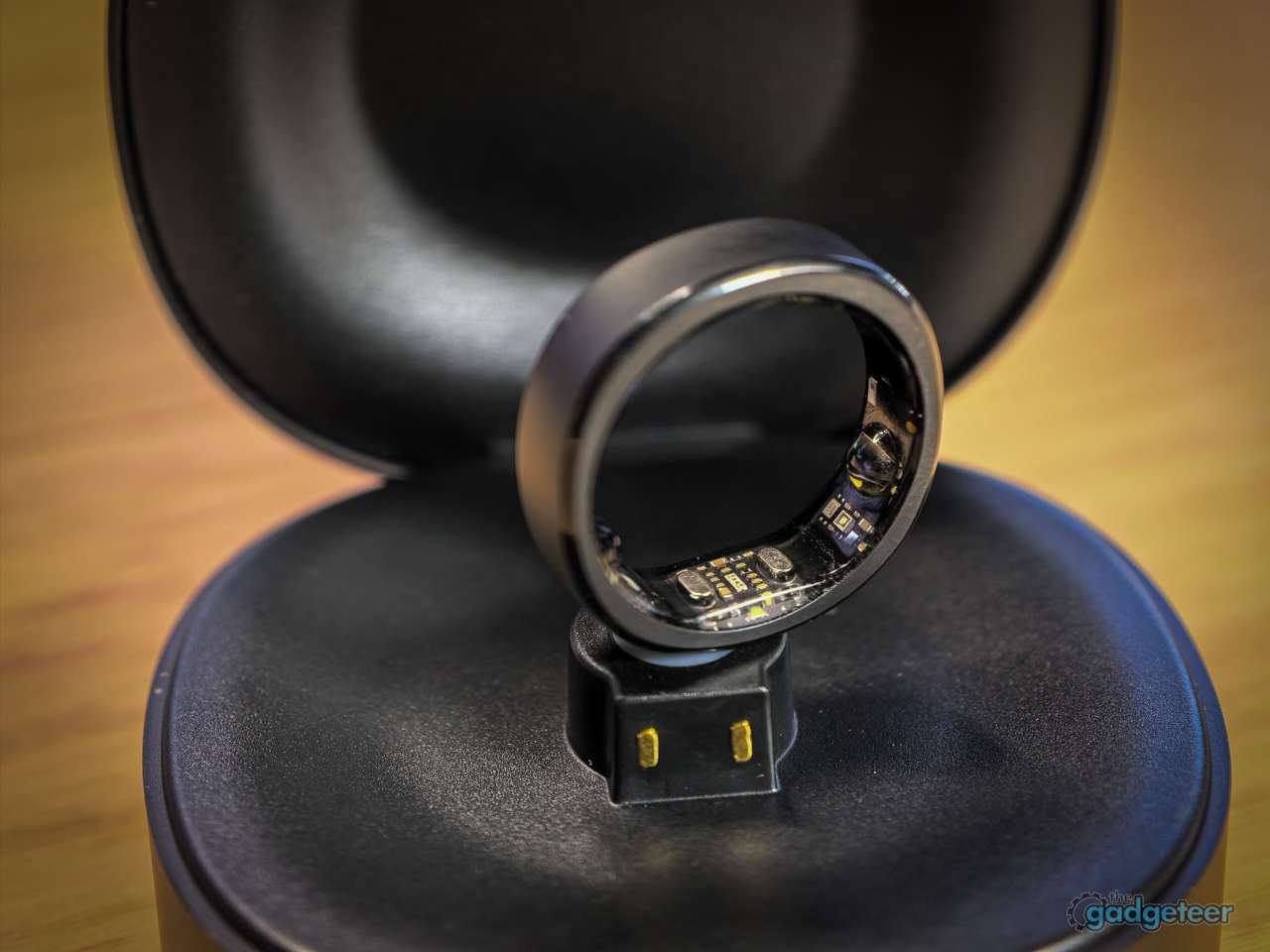
Vitals held a tight band across all seven nights, all charted against my own baseline rather than a population average: sleeping heart rate between 67 and 68 bpm, SpO2 at 94 to 95%, HRV between 23 and 34 ms, respiratory rate from 15.0 to 15.8 breaths per minute, and skin temperature within a degree of 96°F. Deep sleep ran strong at 18 to 25% even on the shortest nights, while the app repeated “The REM stage still has room for improvement” most mornings; Thursday’s wreck of a night logged 5 minutes of REM total. Consistency like that across a full week says more about the sensors than any single reading could.
There’s also a Headache Signs tracker, and Tuesday gave it an unplanned trial. My tinnitus flared in the afternoon, and when I opened the app, the stress graph showed a spike at nearly the same minute, with my HRV reading about twelve percent below my morning baseline. I want to be precise about what that is: one episode, read by me off the graphs, with no way yet to separate signal from coincidence. It’s the first time a wearable has handed me biometric context while my ears were ringing, and it needs more episodes before I’ll call it anything stronger than promising.
The stress graph knew about my meetings
On Friday the app scored my stress at 47, “Calm,” with 17 hours logged as relaxed, 7 as engaged, and zero minutes tense. The real-time graph spiked to 62 in the afternoon, square in the middle of a block of meetings I’d rather forget. The ring had no idea what was on my calendar. My body told it anyway.
| Time of Day | Avg Score | Min Score | Max Score | Level |
|---|---|---|---|---|
| Overall | 43 | 40 | 49 | Normal |
| Early Morning | 40 | 31 | 52 | Normal |
| Morning | 32 | 25 | 37 | Relaxed |
| Afternoon | 49 | 35 | 56 | Normal |
| Evening | 56 | 45 | 65 | Moderate |
RingConn measures stress using Heart Rate Variability (HRV), scored 0-100. Scores of 0-25 indicate a Relaxed state, 26-50 is Normal, 51-75 is Moderate, and 76–100 is High. Lower scores mean your body is calm with strong HRV; higher scores signal elevated stress. Over my 7-day test, I spent the majority of the time in the Normal zone, with mornings being the most relaxed period of the day and evenings trending into Moderate, typical for an active workday.
| Stress Zone | Duration | % of Week |
|---|---|---|
| Relaxed | 4h 42m | 20% |
| Normal | 13h 30m | 58% |
| Moderate | 4h 30m | 19% |
| High | 30m | 2% |
By Saturday morning the index had dropped to 26 and the label changed to “Peaceful”: 47% peaceful, 46% calm, 7% focused, 0% tense. That drop matched how the weekend felt. Most wearables hand you one daily stress number; this one tracks state changes hour by hour while it builds a baseline. The overnight pattern behaved plausibly all week: on Monday my before-sleep stress read 67 and the during-sleep number fell to 36, and that unwinding repeated on most nights.
The vibration motor is quieter than the pitch
Vibration alerts are usually the first feature people switch off to save battery, and RingConn knows it: the spec sheet quotes 10 to 12 days with alerts active versus 11 to 14 without. The motor itself is restrained. When the sedentary nudge fired during a long email session, I felt a light tap I nearly missed. That’s the right intensity for a ring. Anything stronger would get old fast.
Customization is thin: short, medium, or long buzzes, and that’s the menu. RingConn also limits the motor to health alerts and reminders; there’s no alarm or message notification function, so the ring stays silent in the morning no matter how you configure it. The battery story sharpened over the week. At 48 hours the ring read 89%, which projected to roughly 12 days. By the end of day seven it read 34%, and that lands closer to 10 days at my alert load. That’s inside the quoted 10-to-12-day range, but anyone anchoring on the bigger numbers in the marketing should anchor on 10 instead.
A week in, it wears like a plain band
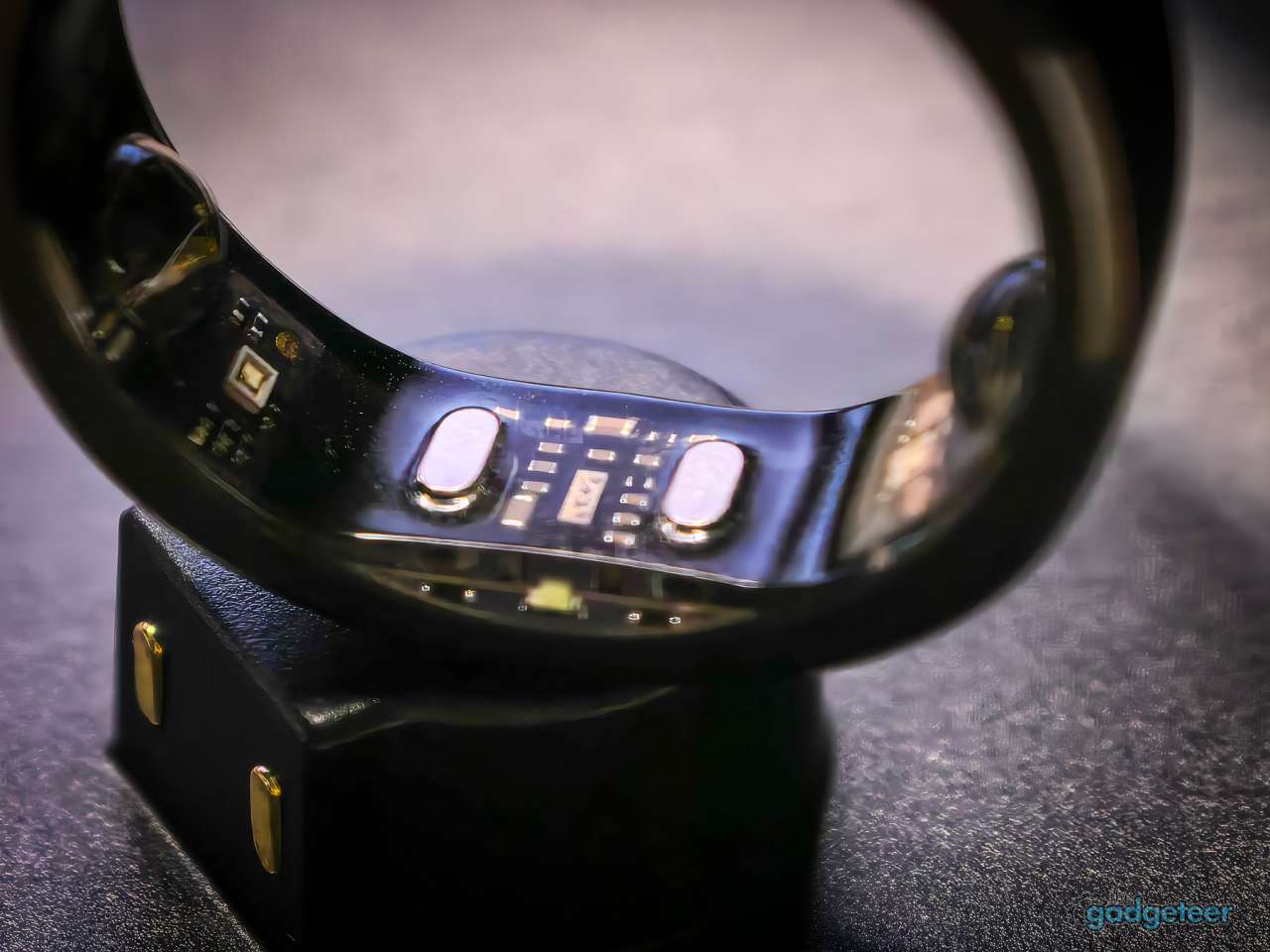
For a 24-hour wearable, one test matters most, and the Gen 3 passes it: I stopped noticing it. The squared-circle shape has two sensor bumps on the inside, and after seven days of constant wear they leave a faint pressure mark that fades within an hour of taking the ring off. The ring snagged exactly once, on a pocket seam, never on gym equipment. A week of showers and dish duty in, it behaved like the IP68 and 10ATM ratings promise, though I haven’t taken it past a pool.
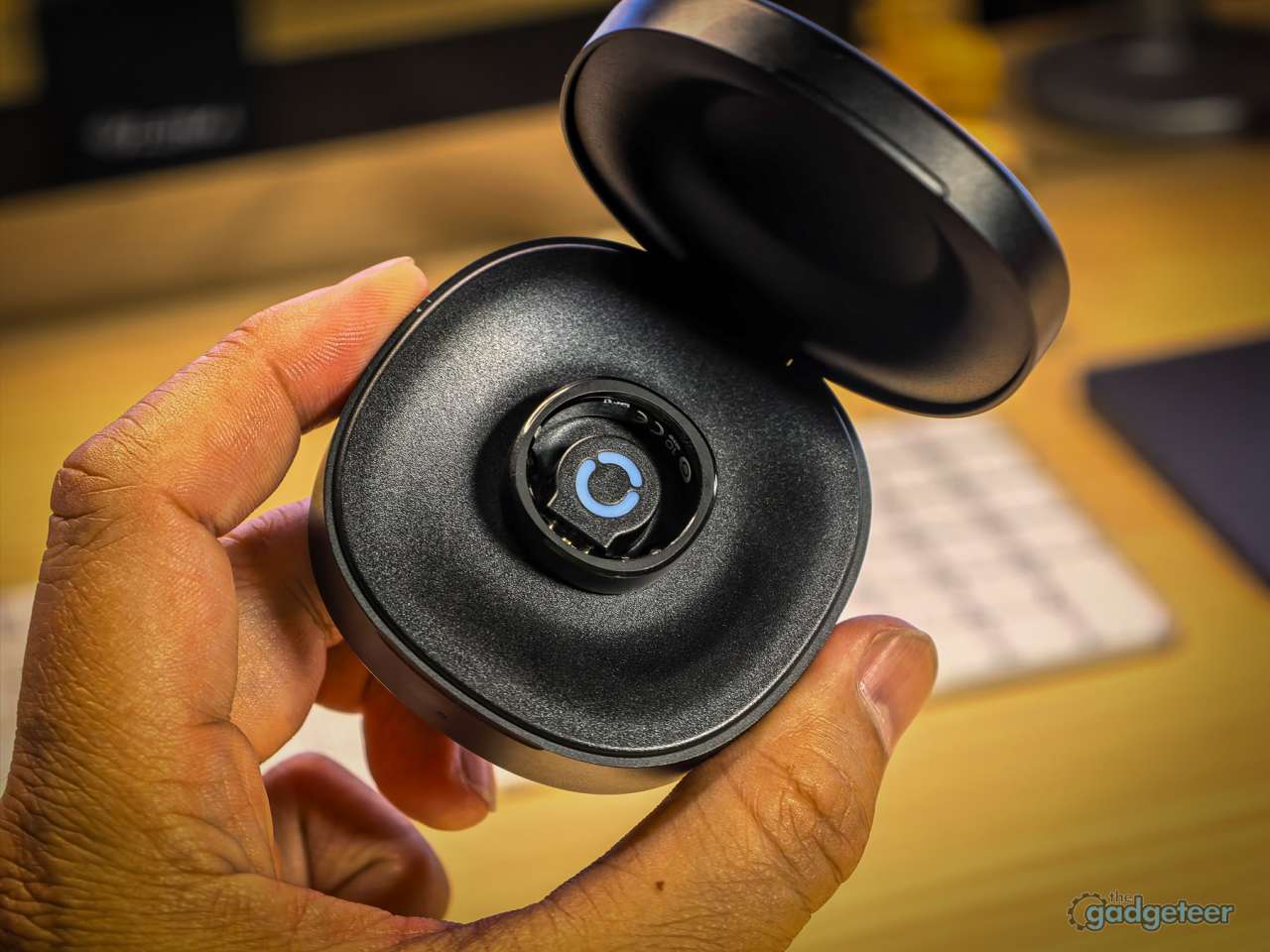
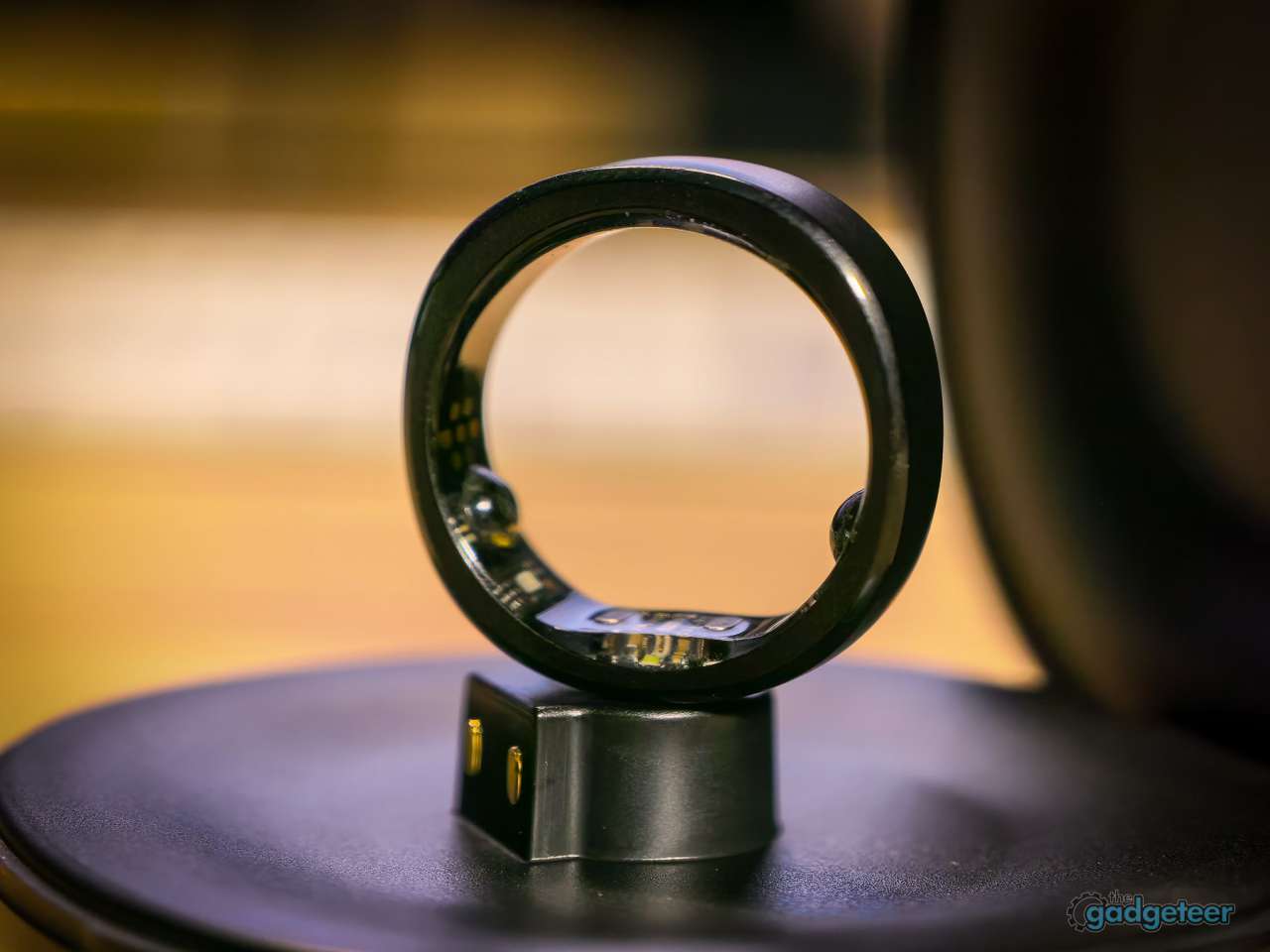
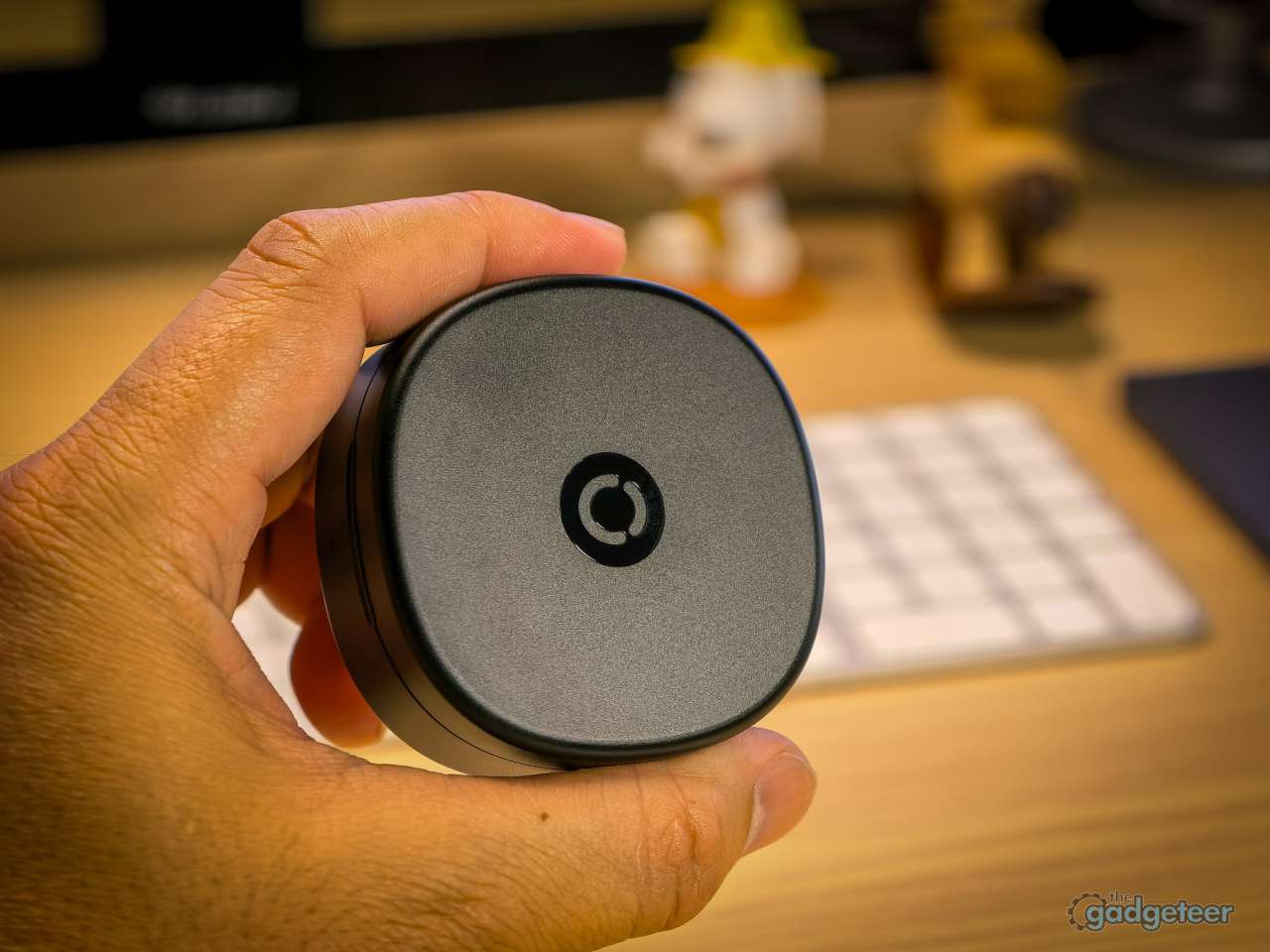
The matte black finish reads as a plain band rather than tech jewelry, and nobody has asked about it at dinner. The charging case matches: matte black, no bigger than four stacked quarters, and easy to forget in a drawer. Seven days in, I haven’t needed it.
Where the RingConn Gen 3 falls short
Some of the scoring runs generous, and a week of data made the pattern harder to excuse. A 74, “Good,” on 5 hours and 43 minutes of sleep is a kind grade. A 63, still “Good,” on 4 hours and 56 minutes is grade inflation, and on Tuesday the app praised my deep sleep and REM as at or above the optimal range on 5 hours and 21 minutes of total sleep. Grades like that can lull you into thinking a bad night was fine. The app also leans on metrics it never defines. “Better Time Awake Ratio” improved across the week, and I still can’t tell you what it measures.
Blood Pressure Trends is the feature most likely to disappoint buyers who skim the marketing. It doesn’t measure blood pressure on its own; it needs a baseline from a real cuff before it produces anything, and that requirement lives in fine print. RingConn is also explicit that the feature reports vascular trend insights, with no single numeric readings on offer, so treat it as a directional gauge. I haven’t fed it a cuff baseline yet, so I can’t tell you anything about how the trend behaves in practice. That test runs over two weeks against my home cuff in Part 2.
I also can’t yet tell whether every alert fires in real time or only when the app syncs. My sedentary nudge landed on schedule all week, but one alert type over seven days can’t settle that question, so treat real-time alert reliability as unverified for now. No NFC payments either, if that matters to you.
Pricing and value
At $349 for standard finishes and $369 for metallic, the Gen 3 undercuts the Oura Ring 5’s entry price by about $50. The bigger gap is the recurring one: Oura charges $5.99 a month for full feature access, which is $144 over two years on top of the hardware. RingConn charges nothing past the checkout page.
The subscription math hides a second trap worth naming. By month 14 of a subscription wearable, you aren’t paying for new features anymore; you’re paying to avoid losing your own history: the trends, the baselines, the year of sleep data the app holds. RingConn’s model means your data stays yours without a meter running.
Samsung’s Galaxy Ring and Ultrahuman’s rings, both covered in our smart ring roundup, make versions of the same no-subscription argument, so RingConn isn’t alone here. The Gen 3’s case is the combination: a $349 price, a battery that clears a week with alerts active, the apnea screening, and no recurring charge on any of it.
What I like about the RingConn Gen 3
- The three-night apnea assessment is patient, specific, and useful as a screening nudge
- Battery performance lands inside spec, with 34% remaining after seven days of full use with alerts active
- At 2.7 grams and 2.3 mm, it disappears on the finger by hour three
- No subscription, no locked features, no upsell screens
- Personal-baseline tracking across vitals, stress, and temperature
- The charging case stretches total runtime past 150 days
What needs to be improved
- Add richer vibration patterns and per-alert intensity settings
- Surface the cuff-baseline requirement for Blood Pressure Trends before buyers find it in fine print
- Define opaque metrics like “Better Time Awake Ratio” inside the app
- Recalibrate sleep scoring so a short night doesn’t grade out as “Good”
FAQ
How accurate is the RingConn Gen 3 sleep apnea screening?
The three-night assessment waits for enough data before it flags anything. In my week, two clean nights preceded the AHI 8.1 flag, and the rest of the week showed 4 clean nights against 2 suspected mild. The ring reported specific numbers (48 events, 5 hr 54 min monitoring, 87% SpO2 floor) rather than a single score, which is more useful as a screening nudge than a diagnostic. None of this is a diagnosis; I scheduled a sleep study.
Does the RingConn Gen 3 require a subscription?
No. Every feature ships with the $349 price: no subscription, no locked tier, no upsell screen anywhere in the app. By month 14 of a subscription wearable, you’re paying to keep your own history, not for new features. The Gen 3’s data stays yours without a meter running.
How long does the battery really last?
About 10 days with vibration alerts active at my use level. Seven days of full wear with three alerts configured drained the battery to 34%, which works out to roughly 10 days. The spec sheet quotes 10 to 12 days with alerts and 11 to 14 without; the 14-day marketing number should be anchored at 10.
Can the RingConn Gen 3 replace an Oura Ring 5?
For most buyers, yes. The Gen 3 undercuts the Oura Ring 5’s entry price by about $50, and Oura charges $5.99 a month for full feature access on top of the hardware, which is $144 over two years. The Gen 3 covers sleep, HRV, SpO2, skin temperature, respiratory rate, stress, and automatic sleep apnea screening without a subscription. The Oura wins on app polish and ecosystem; the Gen 3 wins on price, value, and the apnea screening being automatic.
Is the blood pressure feature accurate?
The feature is a trend tracker, not a measurement. It needs a baseline from a real cuff before it produces anything, and RingConn is explicit that it reports vascular trend insights with no single numeric readings. Treat it as a directional gauge. A two-week comparison against a home cuff is the test I have scheduled for Part 2.
Does it work with iPhone and Android?
Yes. The RingConn app is on both platforms and syncs over Bluetooth. No phone-side subscription is required on either.
Final thoughts
Skip the Gen 3 if you want NFC payments, FDA-cleared diagnostics, or an app that coaches you with prompts and meditations; RingConn’s app is a dashboard that expects you to read it. Gen 2 owners whose batteries still clear 10 days can also wait, because the vibration motor and apnea screening are the main reasons to upgrade, and they’re additive rather than transformative.
Everyone else should take this ring seriously. The Gen 3 is the first smart ring I’ve worn that I don’t feel compelled to charge every night, and charging anxiety is the reason most of these end up in drawers. In one week it flagged something a doctor will now check, mapped a sleep pattern I’d have described less accurately myself, and handed me the first biometric context I’ve ever had during a tinnitus episode. That’s a better return on seven days than most wearables manage in a year. Consider this Part 1; the follow-up will cover battery behavior over a full month, the proper two-week blood pressure comparison against a cuff, and whether the headache tracking holds up past a single episode.
Price: $349.00 (standard finishes); $369.00 (metallic)
Where to buy: RingConn | AMAZON

Gadgeteer Comment Policy - Please read before commenting
I use to wake up 2-3 times a night, for what I thought was to urinate. I got a smartwatch in 2018. Noticed it tracked sleep so I started wearing it to bed. It was also tracking heart rate and I noticed that once in a while my heart rate while sleeping would spike around 90 beats per minute while SLEEPING. I didn’t think too much of it, but when I was at a routine doctors appointment, I showed my doctor who asked if I snored. I said I don’t know, I live alone. He set me up with a take home sleep study and I’ve been using a CPAP ever since! I sleep through the night, heart rate stays down and I wake up more well rested. Technology sure is great when it works.
How does this ring connect to a BP cuff, and which (budget) cuff would work with it?
Shouldn’t we all worry about privacy issues with a Chinese wearable company? It is my understanding that they are required to turn over the user’s data (any data, financial and health both) to the Chinese government on demand.