
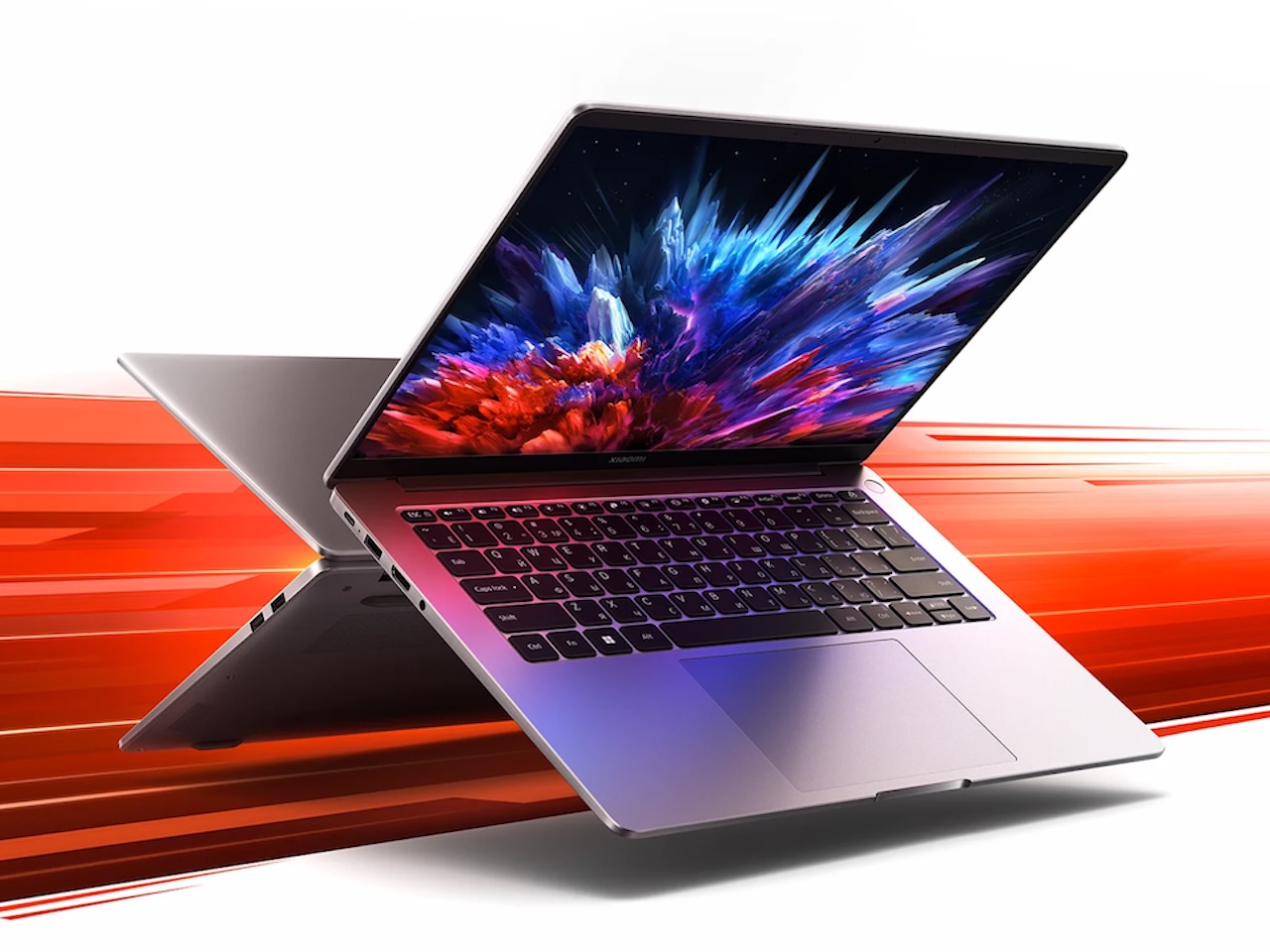
The last premium Xiaomi laptop landed in 2022. Since then, the company focused on phones, smart home gear, and even electric cars, letting competitors fill the gap in the notebook market. That silence ended this week with the Xiaomi Book Pro 14 2026, a machine that doesn’t just mark a return to laptops but announces Xiaomi’s intention to compete directly with Apple’s MacBook Pro lineup.
Price: From 8,499 yuan (about $1,234)
Where to Buy: Mi Global
The Book Pro 14 was unveiled at Xiaomi’s Spring New Product Launch Event on March 19, 2026, with sales starting March 21, and the spec sheet reads like Xiaomi spent the years away studying exactly what power users want from an ultrabook. Intel’s brand new Panther Lake platform sits at the center of the package, specifically the Core Ultra X7 358H processor, making this one of the first laptops anywhere to ship with that silicon. Paired with up to 32 GB of LPDDR5X RAM and a 72 Wh battery that Xiaomi claims outlasts Apple’s MacBook Pro M5, the hardware story alone would be enough to generate attention. But the display is where things get genuinely interesting.
The screen Xiaomi built around everything else
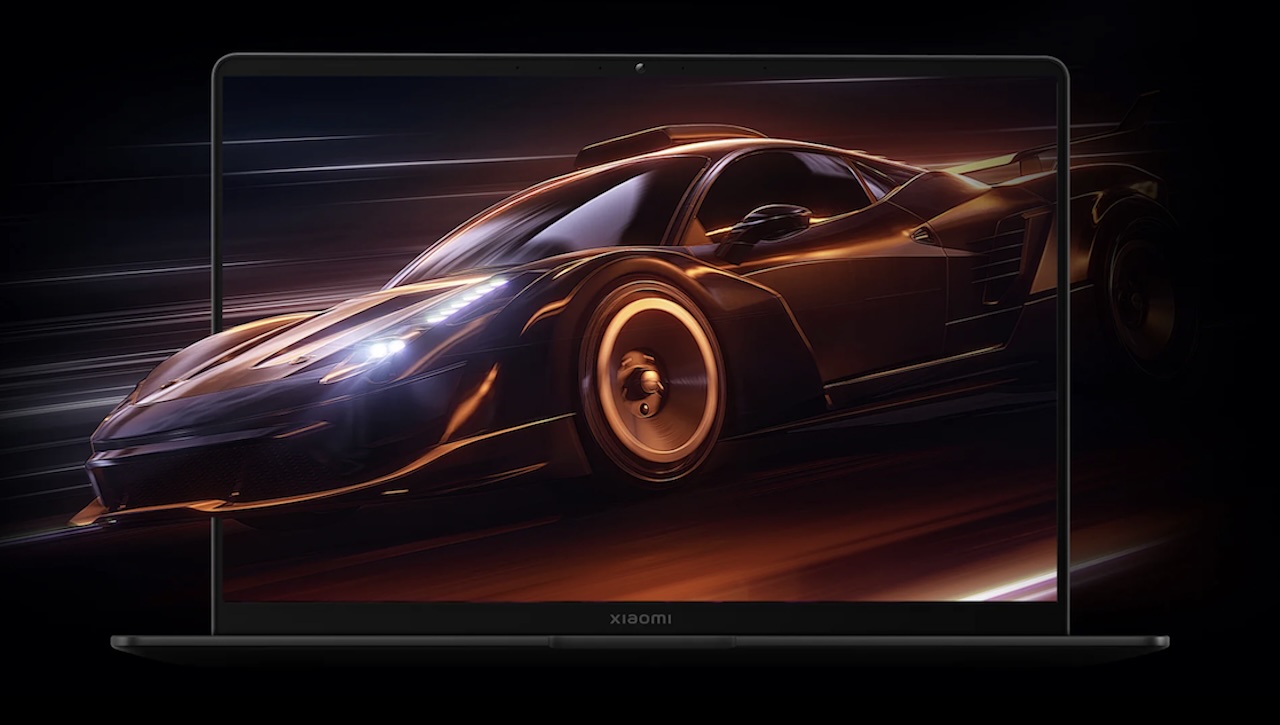
A 14.6-inch 3.1K OLED panel running at 120 Hz with touchscreen capability fills the lid, pushing peak HDR brightness to 1,600 nits. For context, Xiaomi’s existing Book 14, still available globally with its 2.8K display and Windows 11, represented the company’s previous high-water mark for laptop screens. The Book Pro 14 jumps well past that baseline. The resolution bump, the OLED color accuracy, and the brightness ceiling together position this display against panels found on machines costing significantly more from Dell and Lenovo.
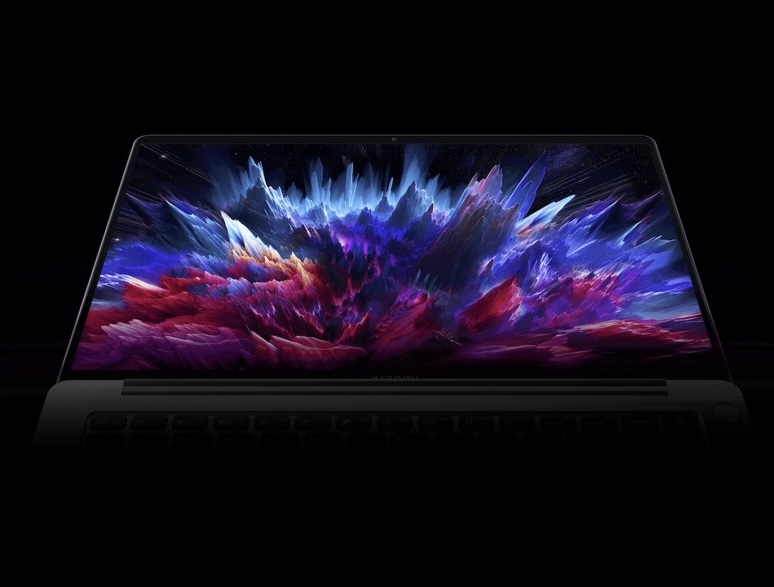
Touchscreen functionality on a laptop this thin is worth noting because it changes how the pressure-sensitive trackpad fits into the workflow. Xiaomi designed a trackpad that responds to varying degrees of finger pressure, a feature that mirrors the haptic feedback approach Apple popularized with its Force Touch trackpad. Whether that translates to meaningful productivity gains depends on software support, but the hardware foundation is there.
What Panther Lake actually brings to a laptop this size
Intel’s Panther Lake architecture represents the company’s latest push into power efficiency, and the Core Ultra X7 358H variant in the Book Pro 14 targets the same performance tier that Apple’s M-series chips have dominated for the past three years. Xiaomi pairing the top configuration with 32 GB of LPDDR5X RAM signals that the target buyer isn’t someone browsing the web and writing emails. This is a machine built for creative workloads, development environments, and sustained multitasking.
The 72 Wh battery stands out at this weight class. Xiaomi reportedly kept the entire machine at approximately 1.08 kg, which puts it firmly in ultralight territory despite packing a battery closer in capacity to what you’d find in a 16-inch workstation. The company’s claim that battery life exceeds the MacBook Pro M5 is bold and unverified by independent testing, but the cell size combined with Panther Lake’s efficiency improvements makes it at least plausible.
Connectivity and expandability tell a different story than most ultrabooks
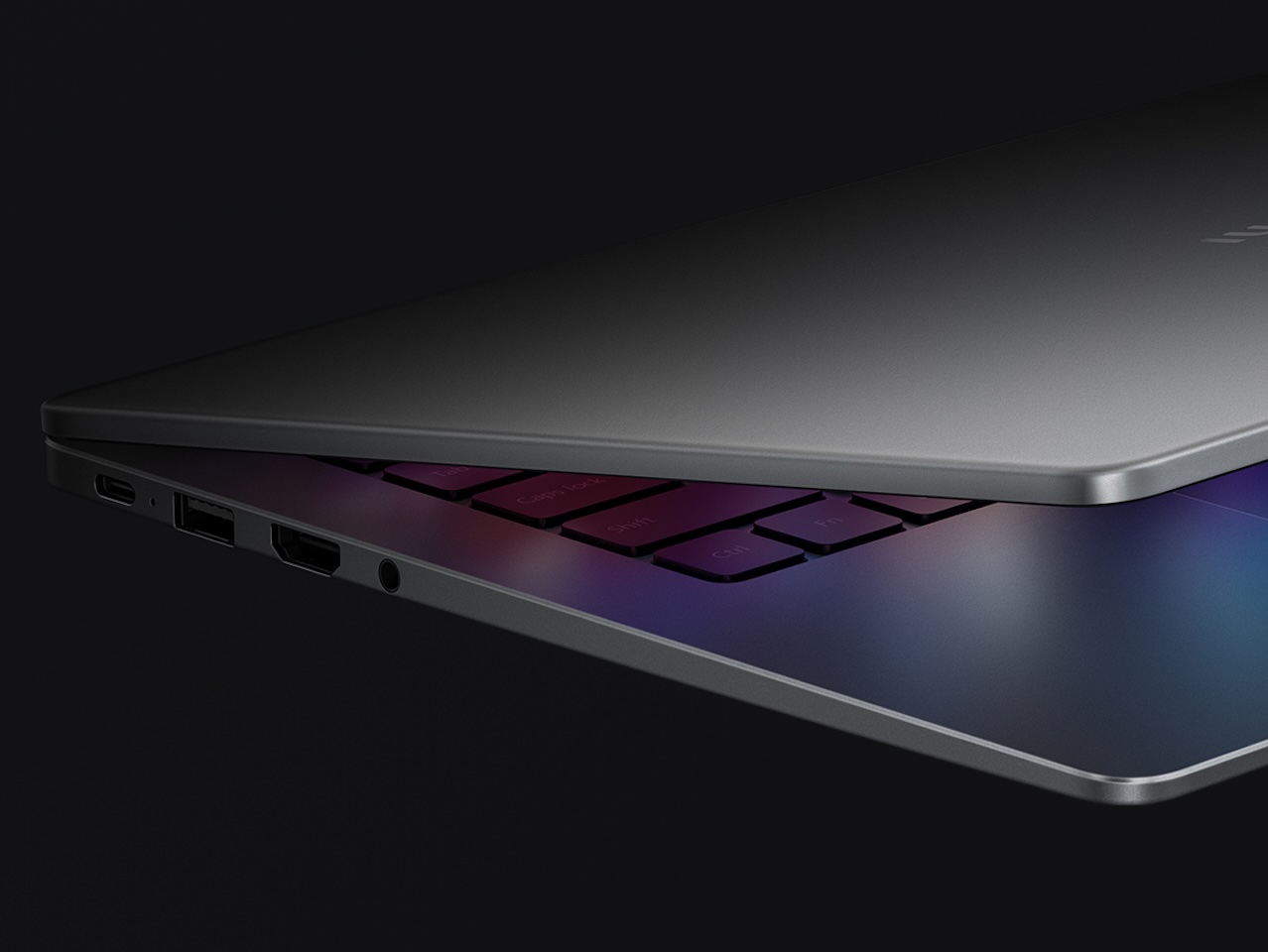
Port selection on thin laptops usually involves compromise, and Xiaomi appears to have avoided the worst of it. The Book Pro 14 ships with Thunderbolt 4, USB-C, USB-A, and HDMI 2.1, covering the bases that matter for both desktop docking and on-the-go connectivity. USB-A inclusion on a machine this thin is increasingly rare and genuinely useful for anyone who hasn’t fully transitioned to dongles and adapters.
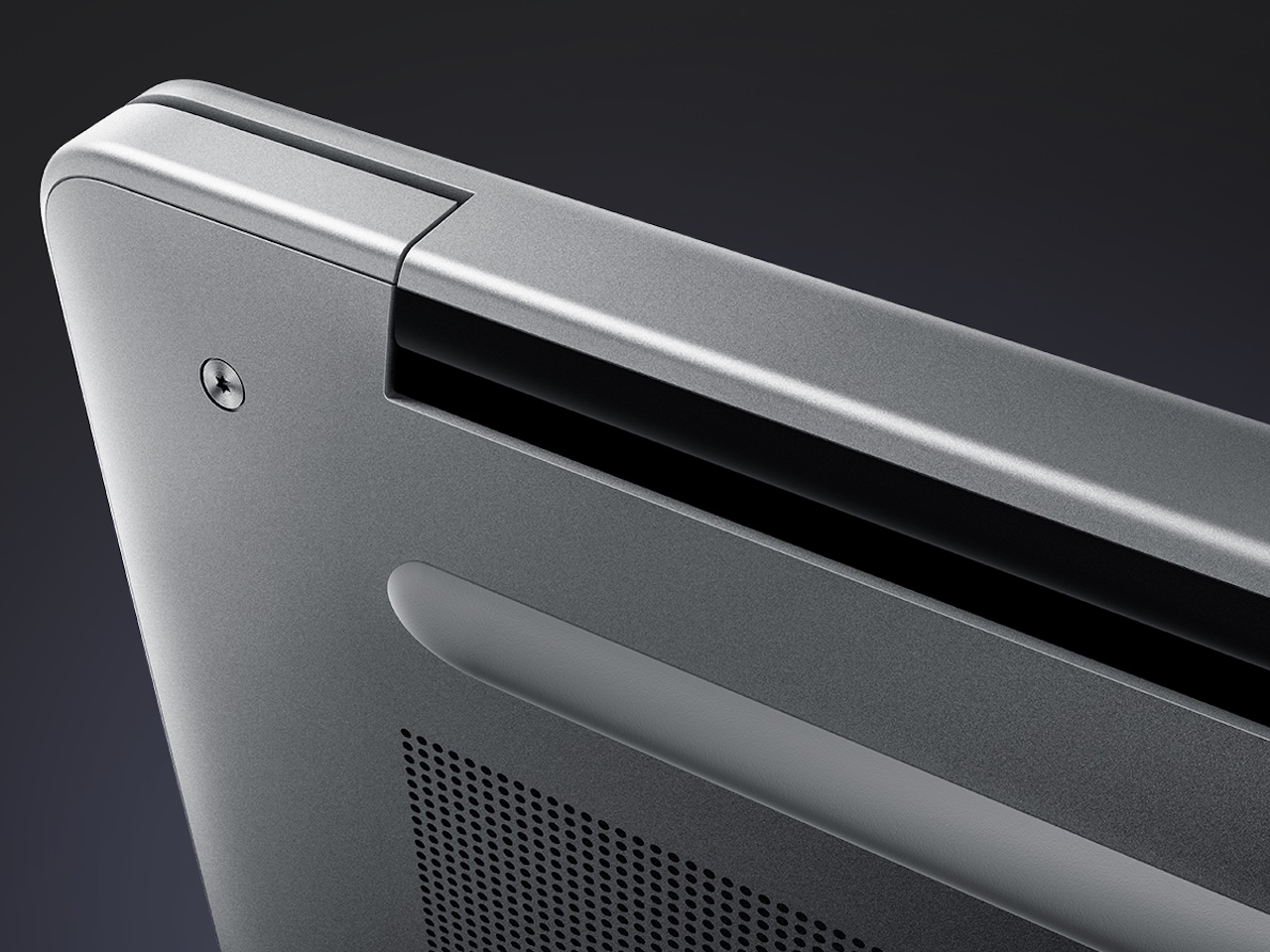
The chassis construction tells its own story. Xiaomi used a unibody die-cast magnesium alloy frame, paired with a carbon fiber bottom cover and a titanium alloy keyboard support plate. That combination of materials is how the Book Pro 14 hits 1.08 kg without feeling fragile, and it explains the velvet-textured finish Xiaomi applied to keep fingerprints from becoming a constant distraction.
Where the Book 14 still fits
The existing Xiaomi Book 14 hasn’t disappeared from Xiaomi’s global lineup. Its 2.8K display with a high refresh rate and Windows 11 still represents a capable everyday machine for buyers who don’t need Panther Lake performance or OLED color accuracy. The global availability gives it an advantage the Book Pro 14 doesn’t currently share, since Xiaomi launched the Pro model in China first with no confirmed international release date.
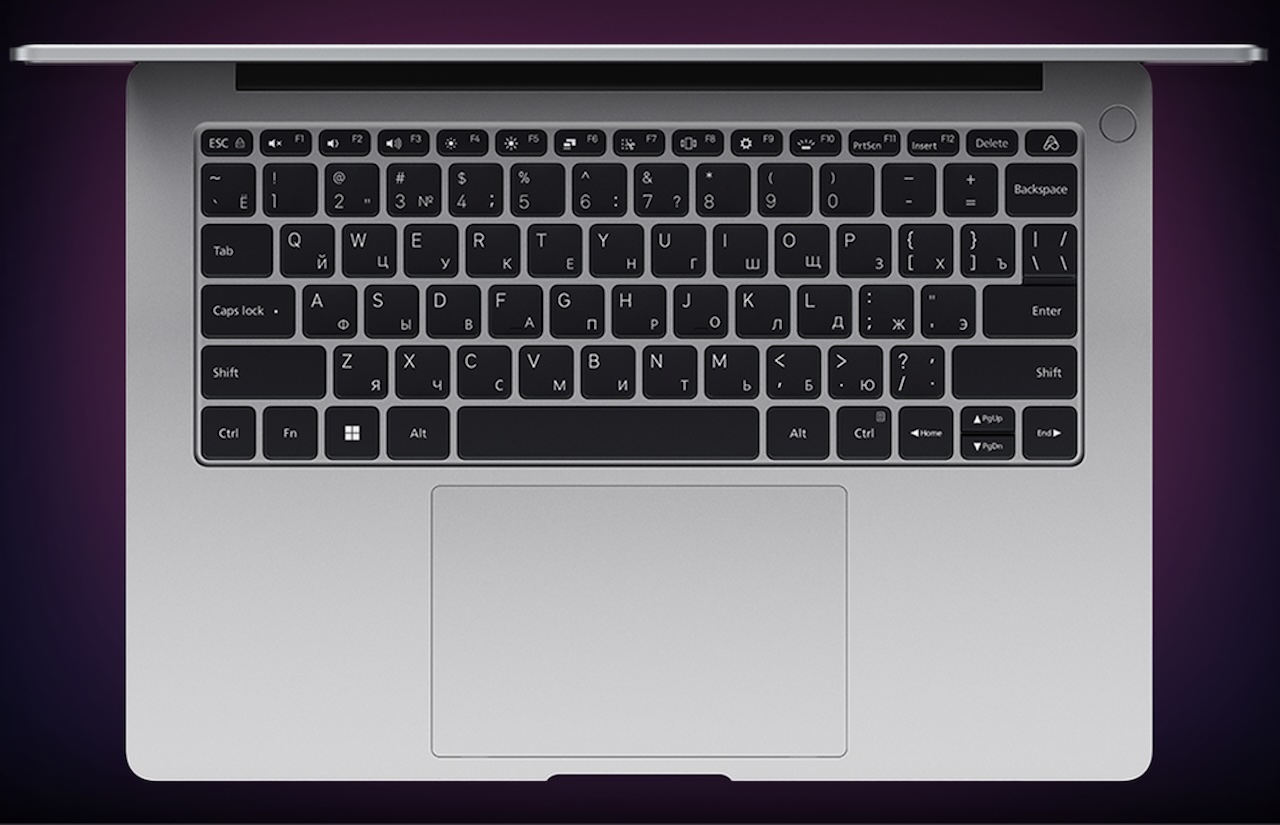
Pricing reflects the gap between the two machines. The Book 14 sits at a mainstream price point through Xiaomi’s global store, while the Book Pro 14 starts at 8,499 yuan (roughly $1,275 USD) for the 24 GB / Core Ultra 5 325 base model. The mid-tier 32 GB / Core Ultra 5 338H configuration runs 9,699 yuan (~$1,455 USD), and the top-spec 32 GB / Core Ultra X7 358H reaches 10,499 yuan (~$1,575 USD). Xiaomi offered limited-time discounts during the initial sale window. International pricing, if and when Xiaomi brings the Pro model to other markets, remains unannounced.
What the launch signals for Xiaomi’s laptop ambitions
Years away from a product category is a long time in consumer electronics. Xiaomi returning with a Panther Lake ultrabook rather than a safe, mid-range notebook says something about where the company sees its brand heading. The MacBook Pro comparisons in Xiaomi’s own marketing materials aren’t accidental. This is a company that wants to be mentioned in the same conversation as Apple when it comes to premium portable computing, and the Book Pro 14’s spec sheet at least earns it a seat at that table.
Price: From 8,499 yuan (about $1,234)
Where to Buy: Mi Global
Whether the execution matches the ambition depends on real-world performance testing, international availability, and software optimization that only time will reveal. The hardware, on paper, doesn’t leave much room for complaint.
Xiaomi Book Pro 14 2026 specs
- Processor: Up to Intel Core Ultra X7 358H (Panther Lake)
- RAM: 24 GB / 32 GB LPDDR5X
- Display: 14.6-inch 3.1K OLED, 120 Hz, touchscreen, 500 nits (1,600 nits HDR peak)
- Battery: 72 Wh
- Storage: 1 TB SSD, dual M.2 slots (up to 4 TB NVMe)
- Ports: Thunderbolt 4, USB-C, USB-A, HDMI 2.1, 3.5 mm audio
- Chassis: Magnesium alloy die-cast, carbon fiber bottom, titanium alloy keyboard plate
- Weight: ~1.08 kg
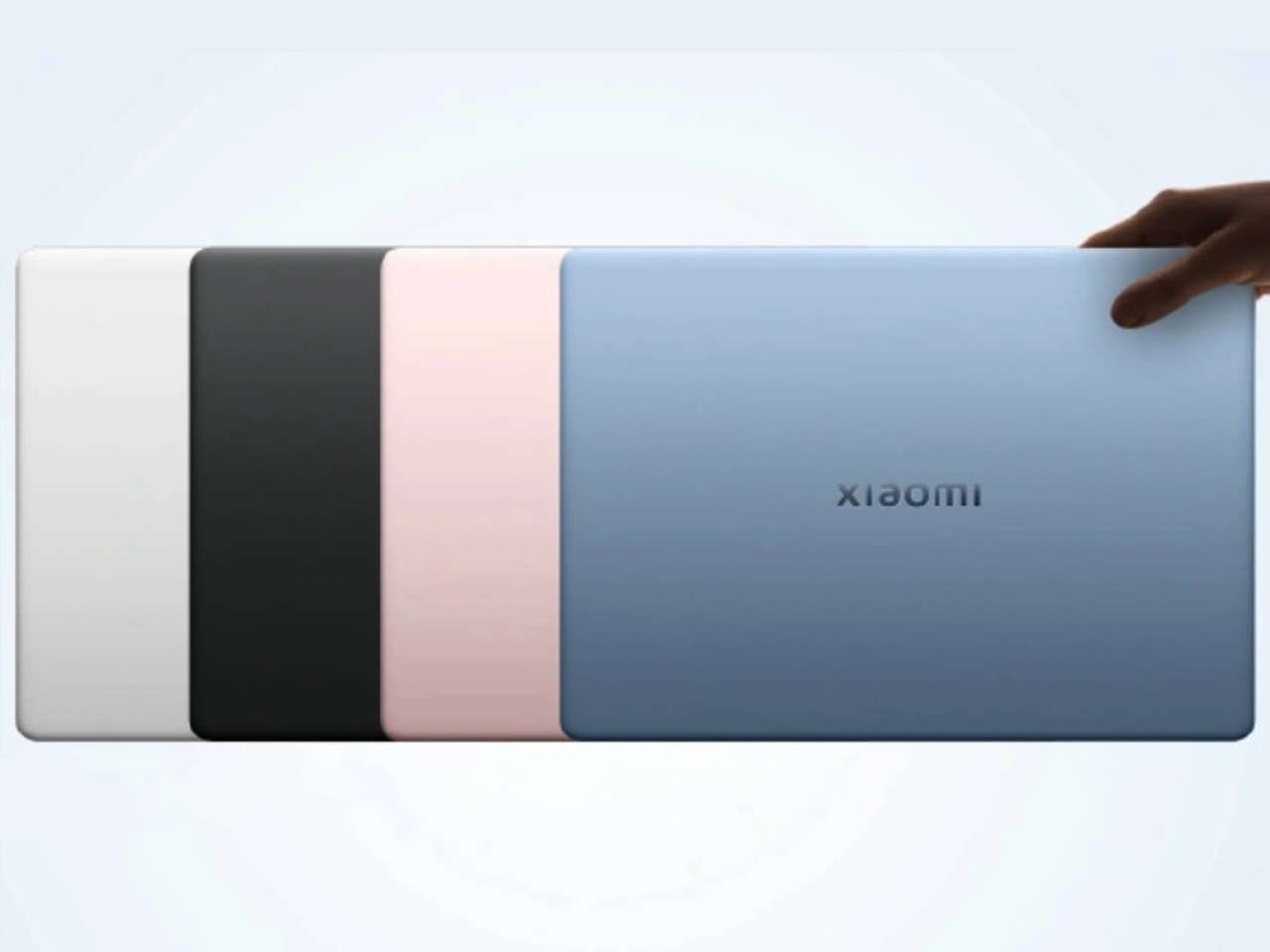
- Colors: White, Elegant Gray, Soft Light Pink (April/May), Soft Mist Blue (April/May)
- Starting price: 8,499 yuan (~$1,275 USD)
- Availability: China (March 21, 2026), international TBA
