

Most gaming laptops treat internal access like a chore. You shouldn’t need a screwdriver set and a YouTube walkthrough to swap your RAM. ASUS seems to agree, and the 2026 ROG Strix G16 and G18 are built around that exact frustration. It’s a quiet shift in hardware design that changes how the machine feels the moment you flip it over.
Price: TBD
Where to Buy: ASUS
Gaming laptops have gotten faster every generation, but the process of cracking one open hasn’t evolved much in years. Desktop builders have had tool-free cases and modular storage for over a decade, and that gap always felt strange once laptop prices started crossing $2,000. ASUS is closing it with a chassis that comes apart using spring-loaded tabs, giving you access to RAM and storage without touching a single screw. The SSD bays use a separate Q-Latch retention system, so swapping drives doesn’t require standoffs or tiny fasteners either. You notice the difference immediately the first time you try it. So, can a latch and some liquid metal actually shift who these laptops are built for?
Both models run up to Intel’s Core Ultra 9 290HX Plus with 24 cores, 24 threads, and up to 80W TDP. Paired with up to an NVIDIA GeForce RTX 5080 Laptop GPU at 175W max TGP with Dynamic Boost and 1,334 AI TOPS, these are proper Blackwell-powered machines. NVIDIA Advanced Optimus handles MUX switching automatically, routing frames from the discrete GPU straight to the display when performance matters. DLSS 4 with Multi Frame Generation rounds out the software side of the GPU equation.
What the 2026 models actually changed
Previous Strix G models relied on standard Phillips screws across the bottom panel, and while they weren’t hard to remove, they added friction to a process that should feel effortless. The new Q-Latch mechanism sits flush with the chassis, and one firm twist releases everything. You’re staring at exposed SODIMM slots and M.2 drives within seconds.
ASUS has squeezed that kind of access into a body that still reads as a gaming laptop, not a maintenance bay. The panel feels sturdy after repeated openings, with no flex or rattle developing over time. Good hardware engineering tends to work that way.
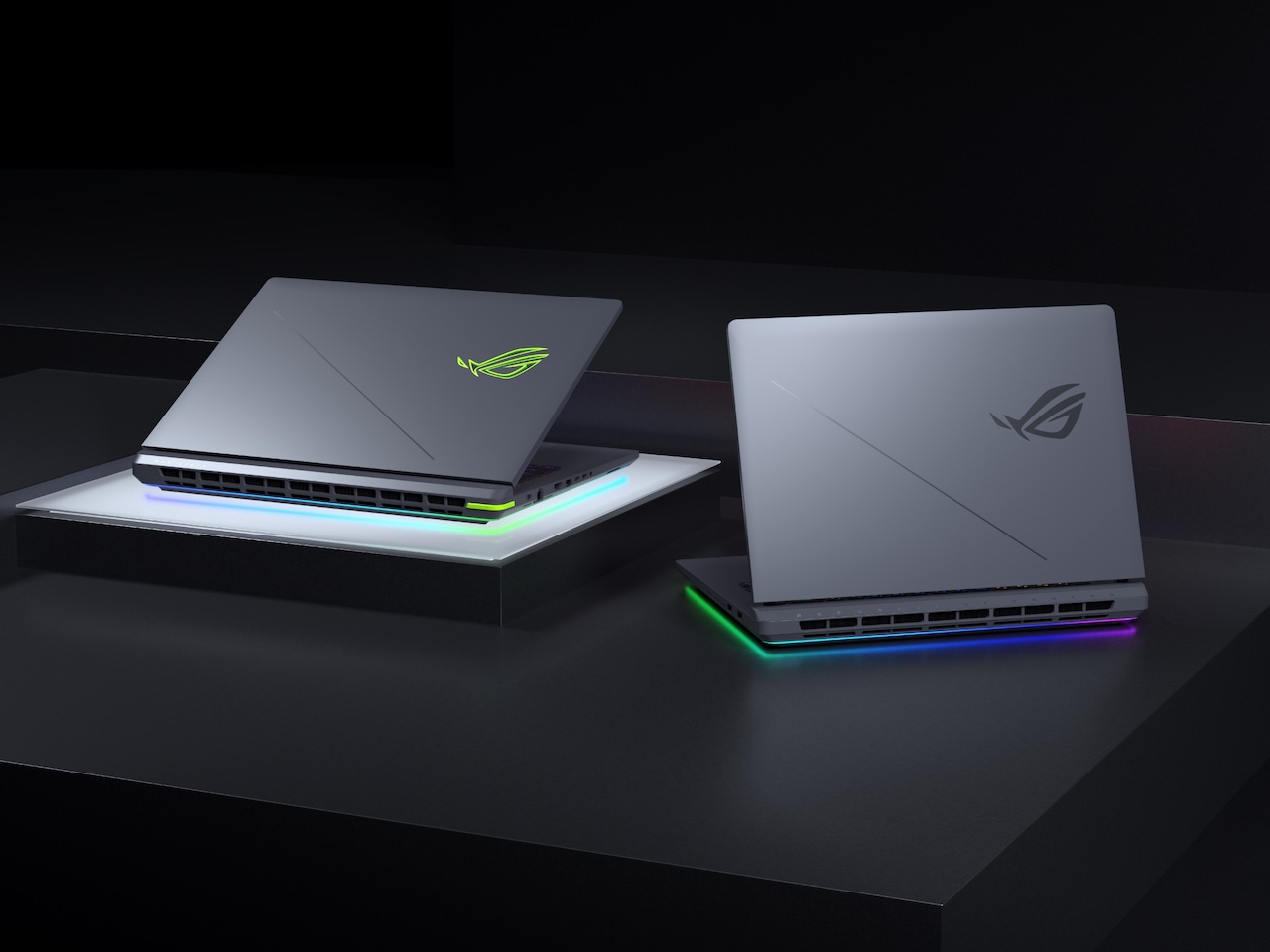
Cooling gets a meaningful rethink under the surface. ASUS is applying Conductonaut Extreme liquid metal on both the CPU and GPU, paired with a tri-fan layout and a sandwiched vapor chamber that stretches across the full width of the chassis. They plasma-clean the CPU die before application for better adhesion, with extensive stress testing for longevity.
The 17X conductivity advantage over traditional thermal paste is real, and ASUS claims up to 15°C cooler CPU temperatures compared to the previous generation’s compound. The vapor chamber sits between two layers of heatsinks built from 0.1mm copper fins, pulling thermal energy away from both processors at once. Surface temperatures stay noticeably lower during sustained loads, particularly around the WASD cluster where your left hand sits for hours.
The displays are where the G16 and G18 diverge most clearly. The G16 carries a ROG Nebula display at 2.5K resolution with a 300Hz refresh rate (up from 240Hz), 500 nits peak brightness, 100% DCI-P3 coverage, G-SYNC, Dolby Vision, and Pantone validation across a 16:10 aspect ratio. The G18 steps into a different league with a Mini LED ROG Nebula HDR panel: over 2,000 dimming zones, 1,600 nits peak brightness, and a Nebula HDR engine trained on over 150 videos and 2,000 still photos that reduces blooming by 25%. Both models get dual ACR (Anti-Reflection) film layers that cut reflections and boost contrast, even at off-angles.
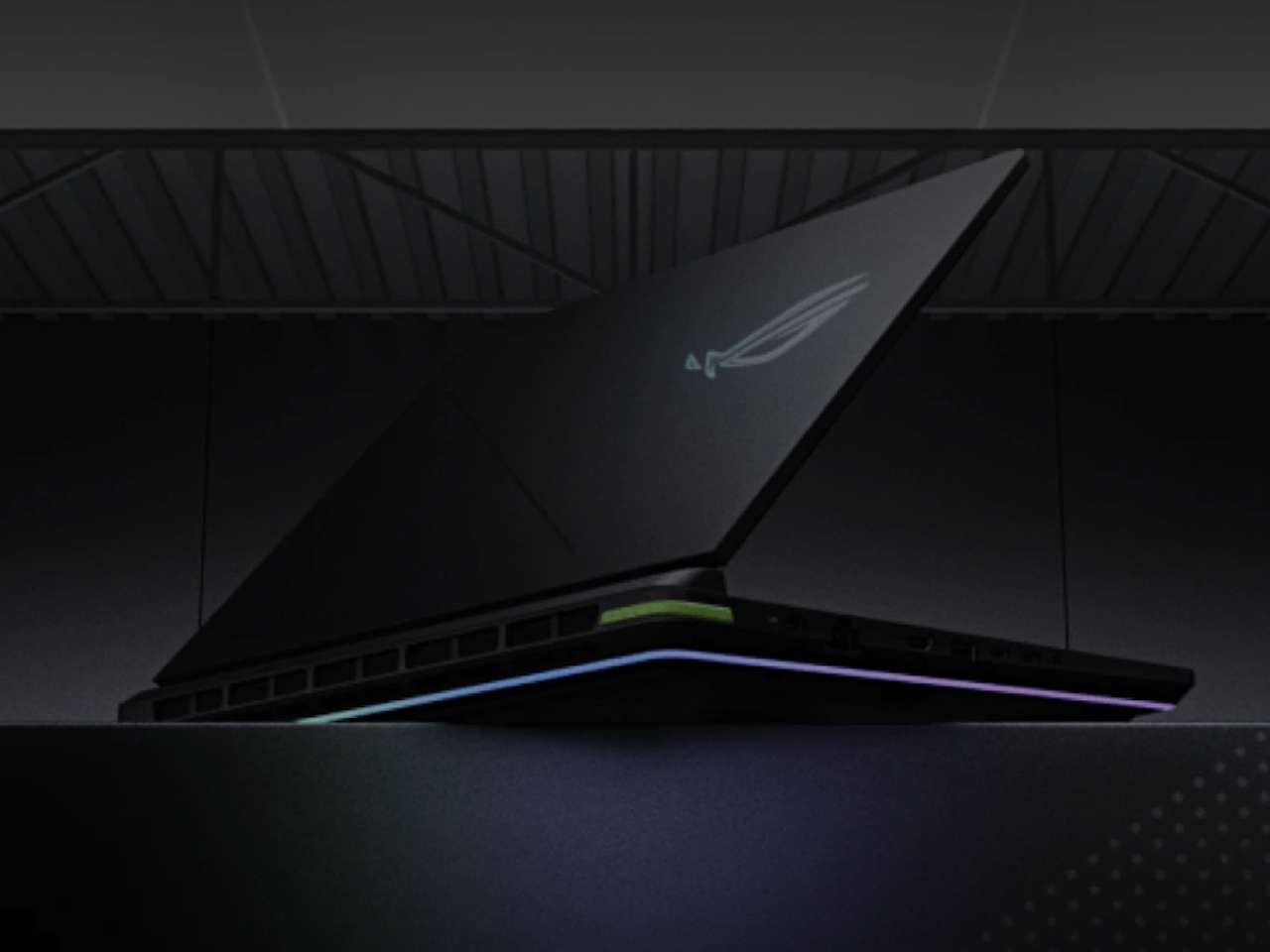
Dual Thunderbolt 5 ports land on both sizes, opening the door to external GPU enclosures, high-speed storage setups, and single-cable docking without bottlenecking the internal hardware. RAM is upgradeable to 64GB of DDR5 6400MT/s (retail units ship with up to 32GB), with dual M.2 storage slots that are PCIe Gen 5 ready.
Wi-Fi 7, 2.5G Ethernet, a Full HD IR camera with Windows Hello, per-key RGB with Overstroke technology, Excimer coating on keycaps and lids, Dolby Atmos speakers with Smart Amp, Hi-Res Audio, and Two-Way AI Noise Cancelation round out the package. Both ship in Eclipse Gray or Volt Green with a Copilot Key on the keyboard. The G16 weighs 2.7 kg; the G18 comes in at 3.5 kg. Both run up to a 380W adapter.
Who should skip the RTX 5080 Strix
The RTX 5080 ceiling on both models might feel limiting if you need the absolute highest mobile GPU tier. That’s still a strong card for 1440p gaming and competitive titles, but it isn’t the RTX 5090 that ASUS offers in the Scar family. The G16 also doesn’t get the Mini LED treatment: its Nebula display is impressive for IPS territory, but it can’t match the G18’s contrast depth or HDR punch. If deep blacks matter for creative work or cinematic gaming, you’re either stepping up to the G18 or looking outside the Strix G line.
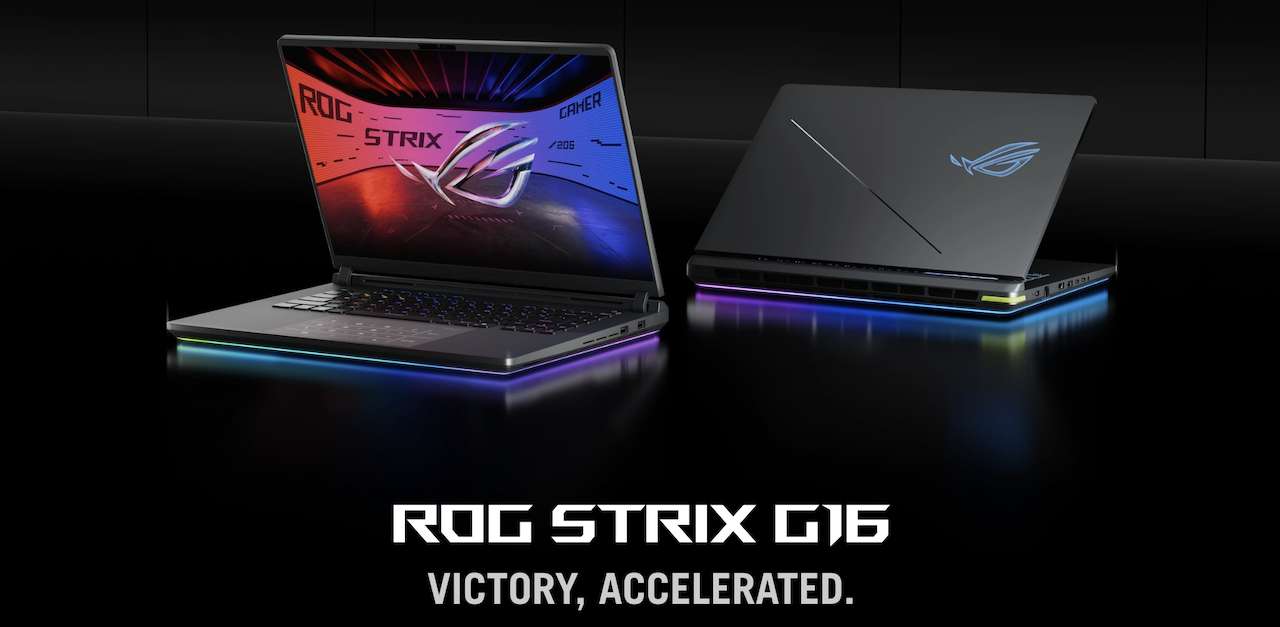
Portability is the other honest trade-off. The G16 fits into a backpack without drama, but the G18 is firmly a desk-to-desk machine. The 90Wh cell keeps things reasonable for lighter tasks, but laptops with this much cooling hardware and a 380W adapter in the bag don’t travel light.
Who this is for
The Strix G16 and G18 are built for buyers who want a capable gaming laptop they can maintain and upgrade over time without booking a service appointment. Q-Latch isn’t only a convenience play. It’s ASUS signaling that this tier of buyer cares about ownership longevity, not launch-day spec bragging. If you’re a student planning to upgrade RAM next semester, this is the laptop that makes the process painless, and the 64GB ceiling means you won’t outgrow it quickly.
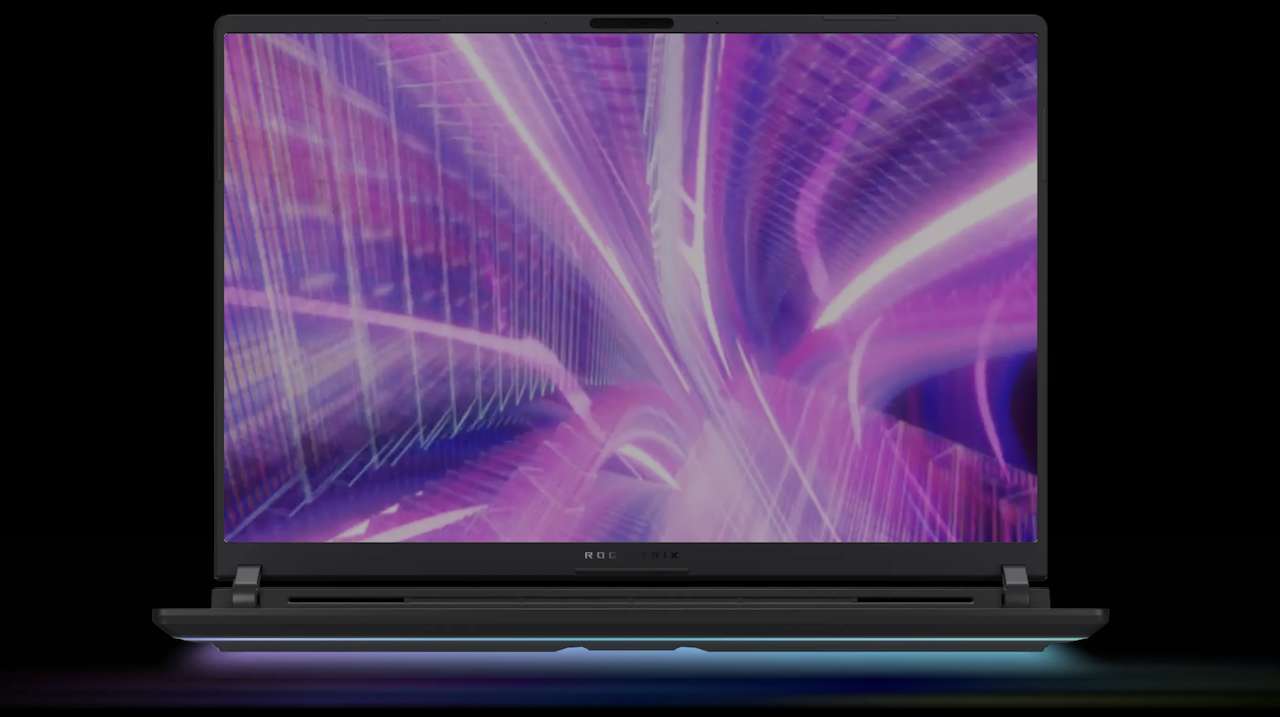
The G18 is the stronger pick for the Mini LED display and the tri-fan system’s extra breathing room. The 1,600-nit HDR panel alone is a meaningful reason to size up. The G16 is the smarter choice for anyone who values the tighter form factor and wants 300Hz for competitive gaming.
Price: TBD
Where to Buy: ASUS
ASUS also teased the ROG Strix SCAR 18 for Q2 2026, which will push into RTX 5090 territory for buyers who need the absolute ceiling. But for the rest of the market, what ASUS has built here is practical in a way that most gaming laptops in this bracket forget to be. For buyers who think past the unboxing and into the second or third year of ownership, the 2026 Strix G16 and G18 make a case that’s harder to ignore than the raw numbers alone would suggest.
