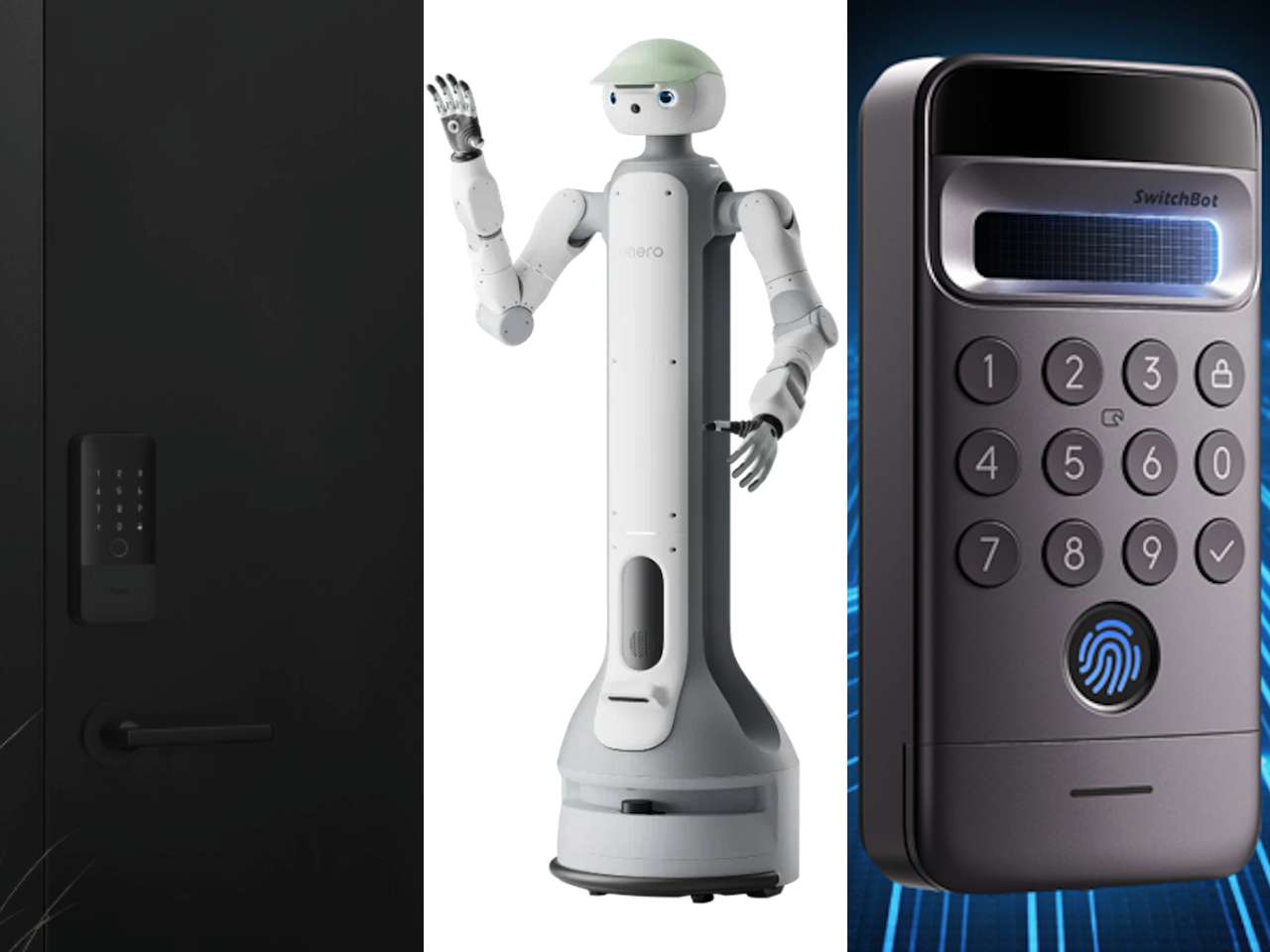
The smart home space kicked off 2026 with more interesting hardware than most people expected. CES brought the usual flood of announcements, but this time, a surprising number of products feel ready to ship. Not concepts. Not renders. Actual devices with prices attached and pre-order pages live. Palm vein scanners, battery-free locks, a robot that picks your socks up before vacuuming: it’s a weird, fun stretch for the category.
We pulled together seven of the best smart home devices 2026 has produced so far. Some are available now. Others will land in the coming weeks. All of them push the smart home forward in ways that feel practical rather than gimmicky, and every one of them targets an actual annoyance instead of adding another screen to your wall.
Price: Varies
Where to Buy: Amazon and brand direct stores (see individual items below)
What separates this batch from past CES cycles is focus. Nobody asked for another smart speaker. Nobody wanted a fridge with a tablet bolted to it. A lock that never runs out of battery, though? A vacuum that clears the floor before it cleans? Those are the kinds of new smart home gadgets worth paying attention to, and these seven take real shots at solving them.
1. Lockin V7 Max
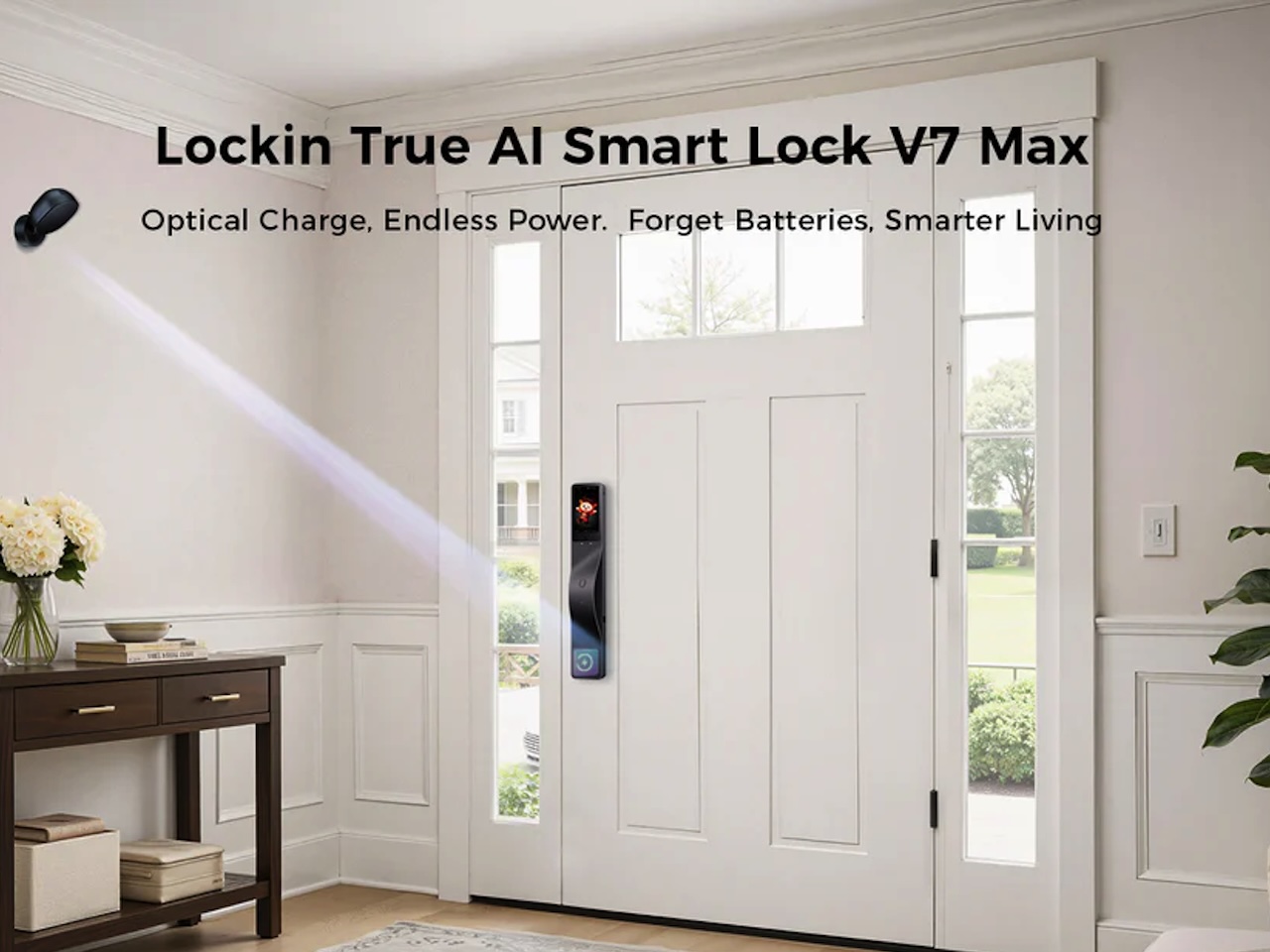 Dead batteries in a smart lock shouldn’t still be a problem in 2026. You install a $300 lock, set up all your automations, and six months later you’re locked out at midnight because two AAs gave up. Lockin’s V7 Max, unveiled at CES 2026, takes a completely different approach: it doesn’t use batteries at all.
The lock draws power through Lockin’s AuraCharge system, a wireless infrared optical module installed on the inside of your door. As long as that module stays connected, the lock charges continuously without cables or battery swaps. The technology borrows from laser power transmission systems developed for military and satellite applications, scaled down for consumer use, and carries dual safety certifications from TÜV Rheinland and SGS. Designed by Hartmut Esslinger, founder of frog design and the creator of Apple’s original Snow White design language, the V7 Max sports an ultra-thin 15mm front panel that gives it one of the slimmest profiles in the smart lock category.
Palm vein recognition and fingerprint scanning handle the primary unlock, with a smartphone app and PIN as backups. Two HD cameras on the exterior provide panoramic video doorbell coverage, so you can see who’s at the door without installing a separate unit. Dual 5-inch touchscreens on both sides of the door handle notifications, settings, and live camera feeds. The whole system runs on Matter, which means it works with Apple Home, Google Home, Alexa, and Samsung SmartThings straight out of the box.
At $1,300, the V7 Max sits at the premium end of the smart lock market. It’s not an impulse buy. But for anyone who’s dealt with dead lock batteries at the worst possible moment, or who wants to ditch a separate video doorbell entirely, the hardware consolidation starts to justify the price.
Long-term reliability of the AuraCharge module is the real test, but Lockin’s track record in the Asian smart lock market gives it more credibility than a newcomer would have. Reservations are open now for $1, with full availability expected later in 2026.
Price: $1,300
Where to Buy: Lockin
2. Roborock Saros Z70
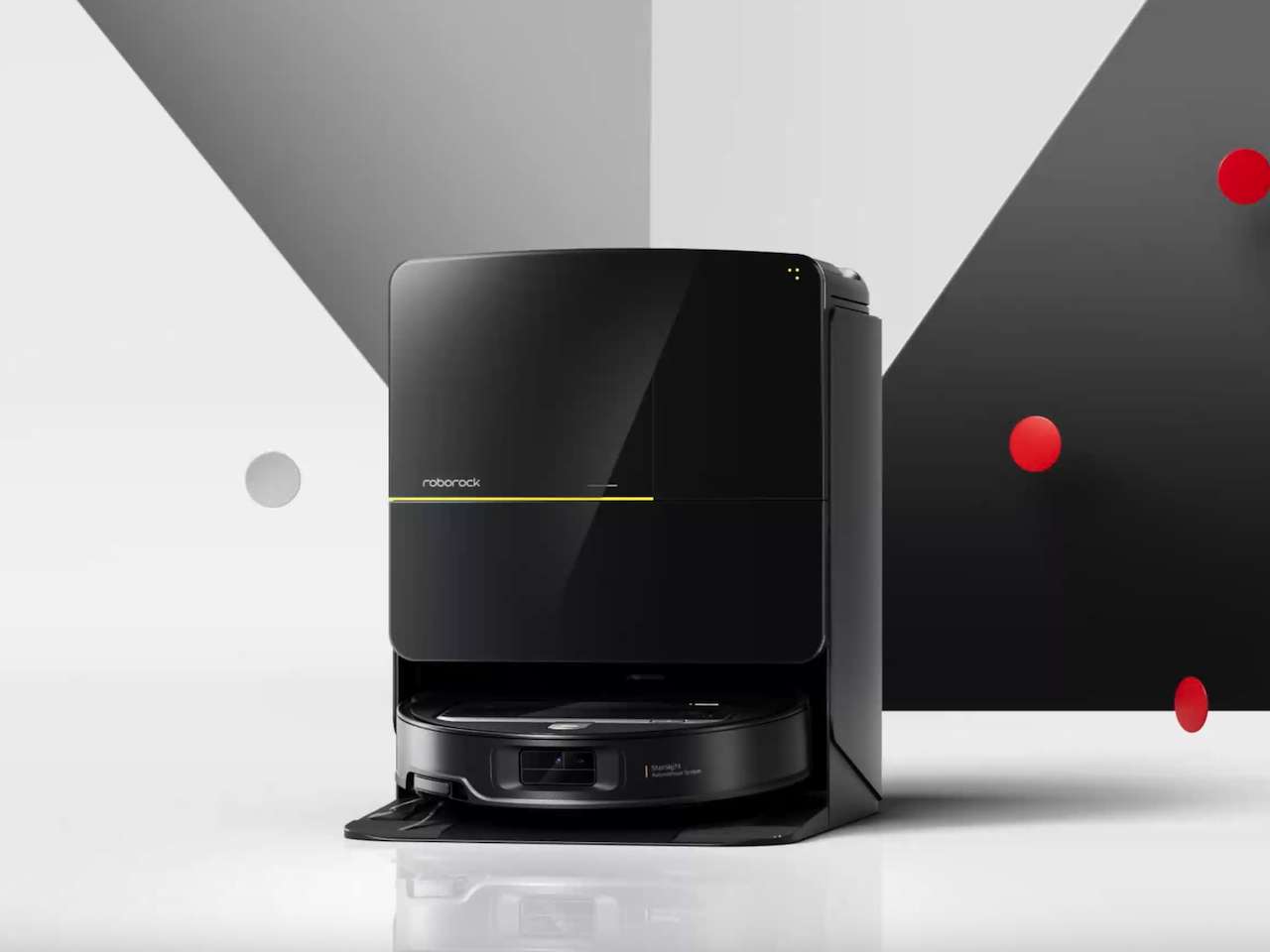 Robot vacuums hit a ceiling a while back. They got better at mapping, better at mopping, better at emptying themselves. But they all shared the same weakness: if there’s a sock on the floor, the robot either eats it or drives around it and leaves a dirty ring. Roborock’s Saros Z70, which debuted at CES 2025 and shipped last May, finally addresses that problem with a retractable robotic arm called OmniGrip. It’s not brand new, but it remains the only robot vacuum with this kind of object-clearing capability heading into 2026.
The arm extends from the top of the unit, reaches down with a rubberized grip, and picks up lightweight objects before the cleaning cycle starts. Socks, small toys, stray cables, anything under a certain weight gets relocated to a spot you designate in the app. Roborock’s StarSight 2.0 system handles the decision-making, combining LiDAR and camera data to build a 3D spatial map in real time. If you’ve ever had to “robot-proof” your floors before running a vacuum, you already understand why this matters.
When the arm isn’t in use, it folds flat against the housing, so the Z70 doesn’t look much different from other premium Roborock models. Navigation handles chair legs and pet bowls without hesitation, and the mop-vacuum combo transitions between hard floors and carpet on its own.
At an MSRP of $2,599 (though it occasionally drops to around $1,600 during sales), it’s a serious investment, but it’s available now through Roborock’s site and Amazon. For families with young kids or pet owners tired of fishing socks out of a brush roller, the Z70 makes a strong case. It’s the first robot vacuum that reduces the prep work rather than the cleaning itself, and that shift in approach is what makes it genuinely different from everything else in the category.
Price: $2,599
Where to Buy: Roborock
3. SwitchBot Lock Ultra Vision Pro
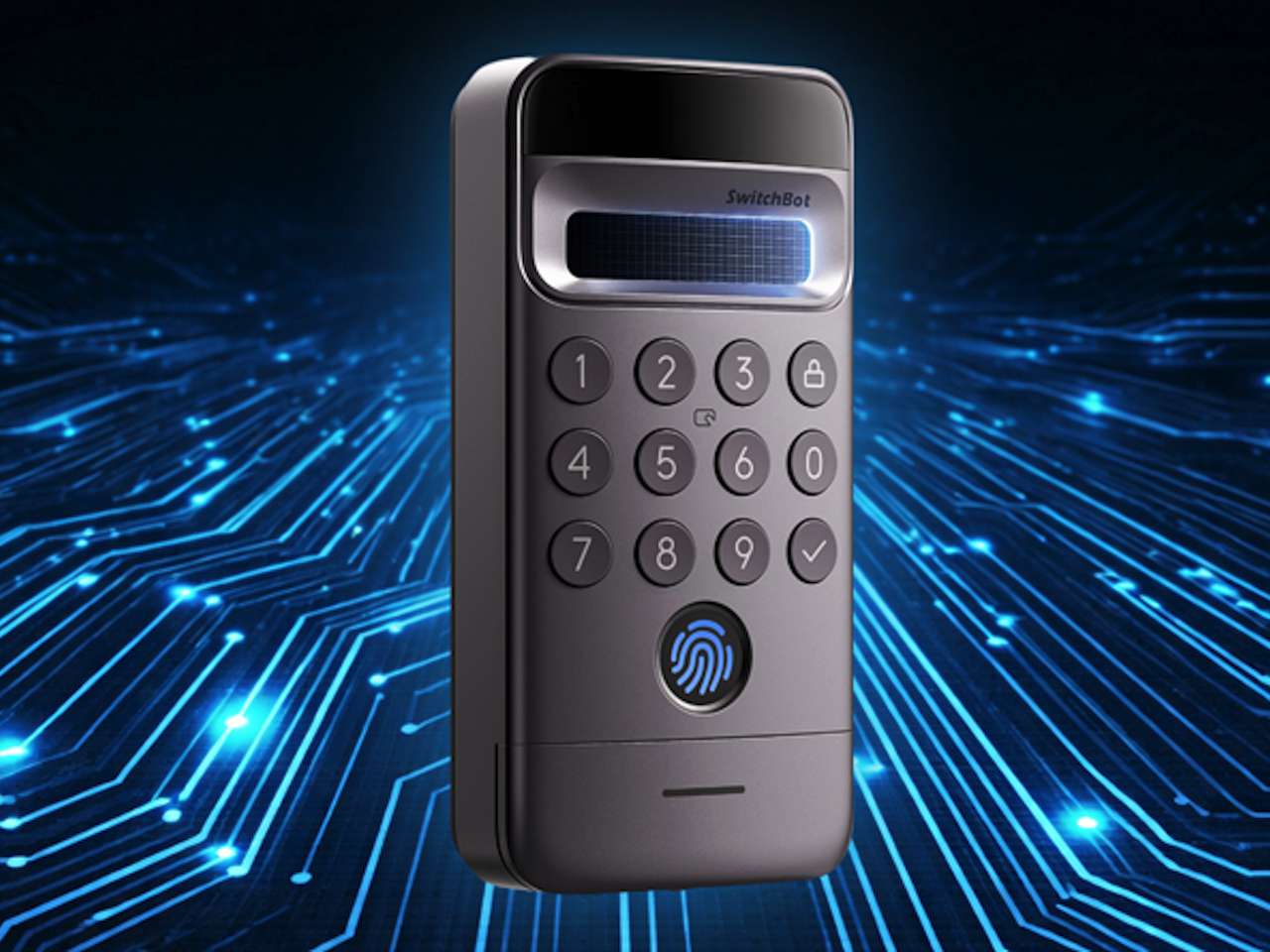 Fingerprints can be lifted. PINs get shoulder-surfed. App-based unlocking fails the moment your phone dies. Consumer smart locks have been recycling the same half-measures for years, and none of them solve the core problem: proving you’re actually you in a way that’s genuinely hard to fake. SwitchBot went after that gap at CES this year, and the Lock Ultra paired with the Keypad Vision Pro accessory is the headliner. Together, they deliver 3D structured-light facial recognition and palm vein scanning, two of the hardest biometric methods to fool. Cramming both into a consumer door lock setup feels like something that belonged in a government facility five years ago, and Matter-over-Thread connectivity keeps response times tight without routing everything through the cloud.
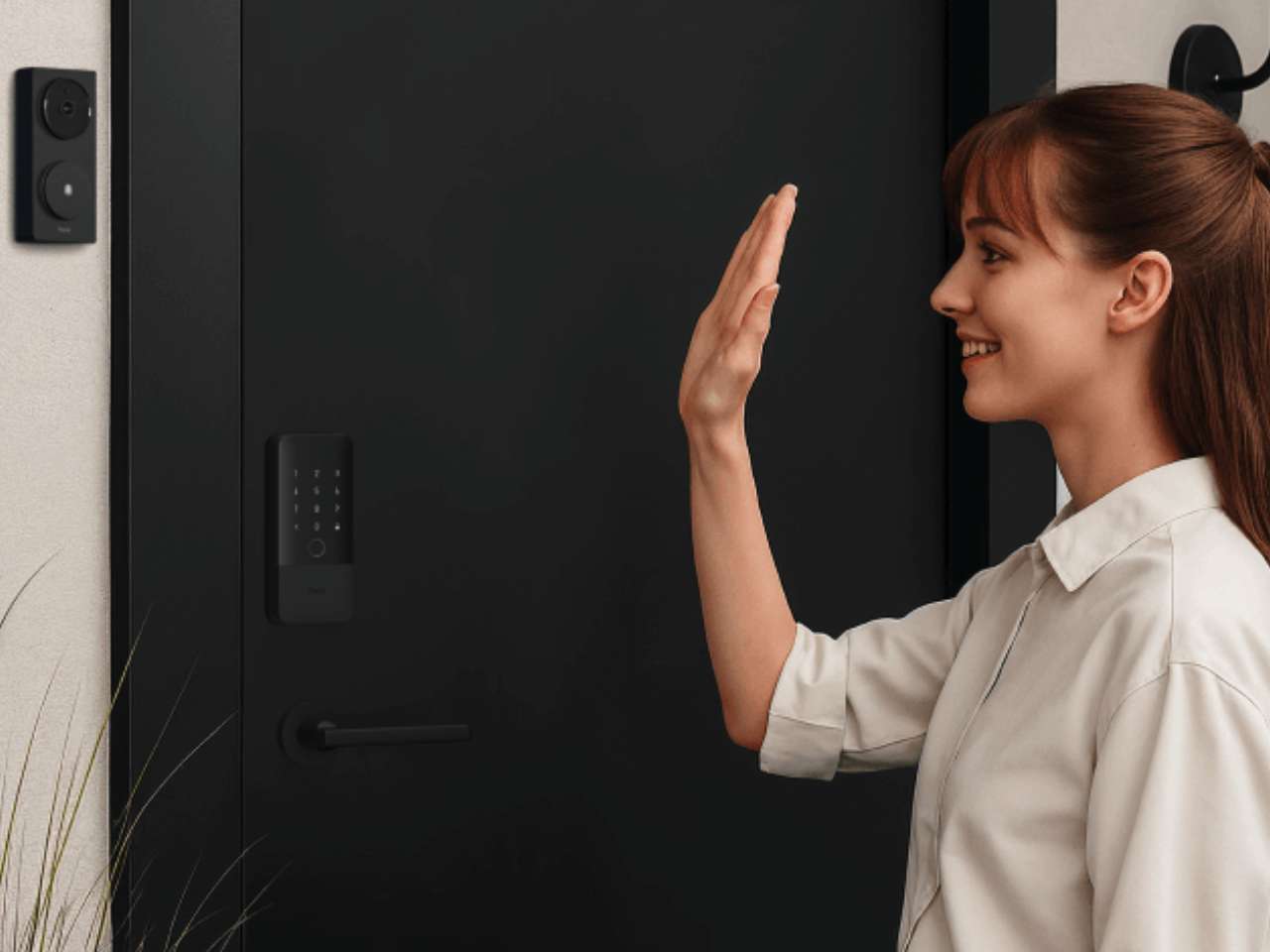
The palm vein sensor sits below the main display panel, recessed so it doesn’t protrude from the door surface. Hold your hand a few inches away, and the infrared reader maps the unique vein pattern under your skin before the bolt clicks open. There’s something oddly pleasant about unlocking a door with a wave instead of fumbling for keys. Facial recognition picks you up as you approach from several feet away, unlocking before you reach the handle. Fingerprint, PIN, NFC, and a physical key backup round out the options.
If you’re already running SwitchBot cameras and sensors, the Lock Ultra and Keypad Vision Pro plug straight into that setup and start sharing automation triggers immediately. SwitchBot hasn’t confirmed final pricing yet, but even at a premium it should come in well below what you’d pay for commercial biometric hardware with this kind of sensor stack.
Price: $279.99
Where to Buy: Switchbot
Those first three go after annoyances you already deal with: dead batteries, messy floors, and locks that can’t tell you from a stranger. The next four push further into territory that didn’t exist a year ago.
4. SwitchBot Onero H1
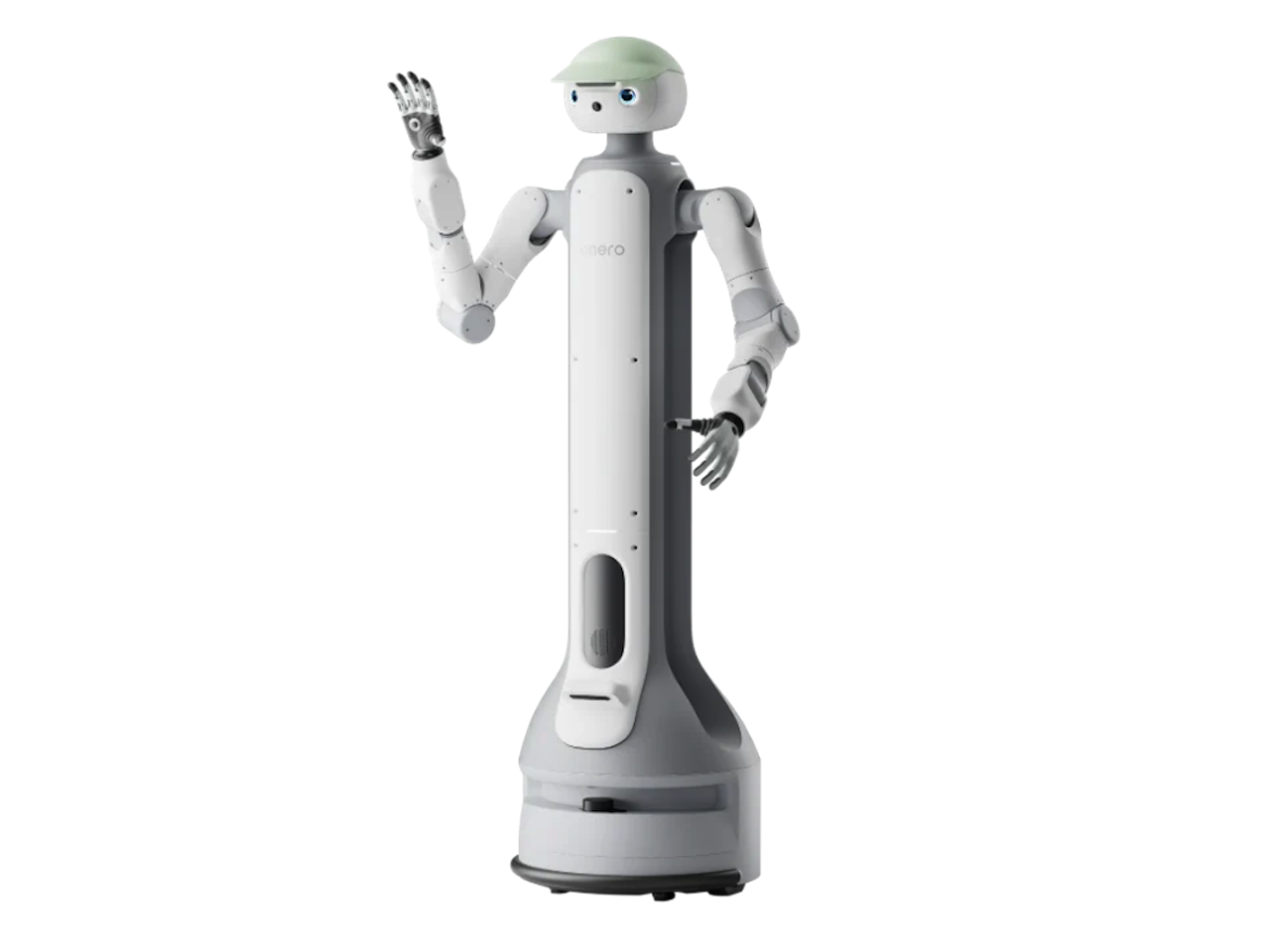 A humanoid robot that handles household chores sounds like a punchline, but SwitchBot presented the Onero H1 at CES with a working demo. Standing nearly five feet tall with a clean white shell that reads more appliance than android, it uses AI-powered vision to identify objects and pick them up with articulated hands. During the CES demo, units collected clothing items and loaded them into a washer, showing enough dexterity and spatial awareness to surprise people on the show floor.
SwitchBot’s positioning it as a general-purpose household assistant, not a single-task machine. Voice commands and app-based scheduling let you assign routines, and it ties into the broader SwitchBot device family for home automation triggers. SwitchBot hasn’t confirmed final pricing, but expect early-adopter territory given the hardware involved. For now, it’s the most tangible sign that the latest smart home technology has moved well past vacuums, and the working demo gives it more credibility than the concept renders that dominate most robotics announcements.
Price: $9,999
Where to Buy: SwitchBot
5. Aqara Smart Lock U400
 Smart locks that claim Apple HomeKit support have been a frustrating mixed bag for years. Sluggish responses, half-baked app integration, and Siri shortcuts that work one day and break the next. If you’re deep in the Apple ecosystem, you’ve probably tried a HomeKit lock and quietly gone back to using a key. Aqara’s U400 is the first one that changes that equation. It supports Apple Home Key, Matter, and a fingerprint sensor that unlocks in under a second. The brushed metal housing has a satisfying weight to it, and the overall fit sits flush against a standard door frame without the bulky profile that plagues competitors.
Aqara’s Home app breaks the usual pattern with clean remote access controls, auto-lock scheduling, and a layout that doesn’t bury basic settings three menus deep. Response speed over Thread keeps everything feeling immediate, a noticeable step up from the laggy Wi-Fi connections most competitors still rely on.
The standout feature is UWB hands-free unlock: walk toward the door with your Apple Watch or iPhone, and the deadbolt retracts before you touch anything. NFC tap-to-unlock works as a fallback, and the whole interaction changes how you think about entering your own house.
It also works with Google Home and Alexa, so it doesn’t box you into one platform. At $269.99, it undercuts several locks that offer less, and retrofit installation is straightforward with a standard screwdriver.
For anyone deep in the Apple world, the U400 is the strongest HomeKit lock to land in months.
Price: $269.99
Where to Buy: Amazon
6. LIFX SuperColor Mirror
 If you’ve ever tried ambient lighting with LED strips, you know how fiddly the results look. Tape peeling off drywall, uneven color, visible wiring you can spot from across the room. The smart home has a lighting problem that no amount of Wi-Fi bulbs has fully solved: how do you add controllable ambient light without making your walls look like a weekend project gone sideways? LIFX’s SuperColor Mirror takes a completely different approach. It’s a wall-mounted mirror with integrated RGBW LED lighting across multiple individually controllable zones. When the lights are off, it reads as a clean, frameless mirror with no visible tech. Turn them on, and the edges glow in whatever color or temperature you set, from warm amber to cool daylight to full-spectrum color that shifts with a tap in the app.
The LEDs sit directly in the frame, sealed behind the glass where nothing peels or comes loose. Each zone responds independently, and the overall effect is closer to a piece of furniture than a weekend project.
It connects through Matter, so it works with Apple Home, Alexa, and Google Home out of the box with no hub required. LIFX hasn’t confirmed pricing yet, but it’s targeting a Q2 2026 ship date for something that replaces both a mirror and an accent light fixture. Bathrooms and entryways are the obvious placements, but it’d work well behind a desk for content creators who want controllable fill lighting without extra stands.
Price: TBD
Where to Buy: LIFX
7. Amazon Alexa+
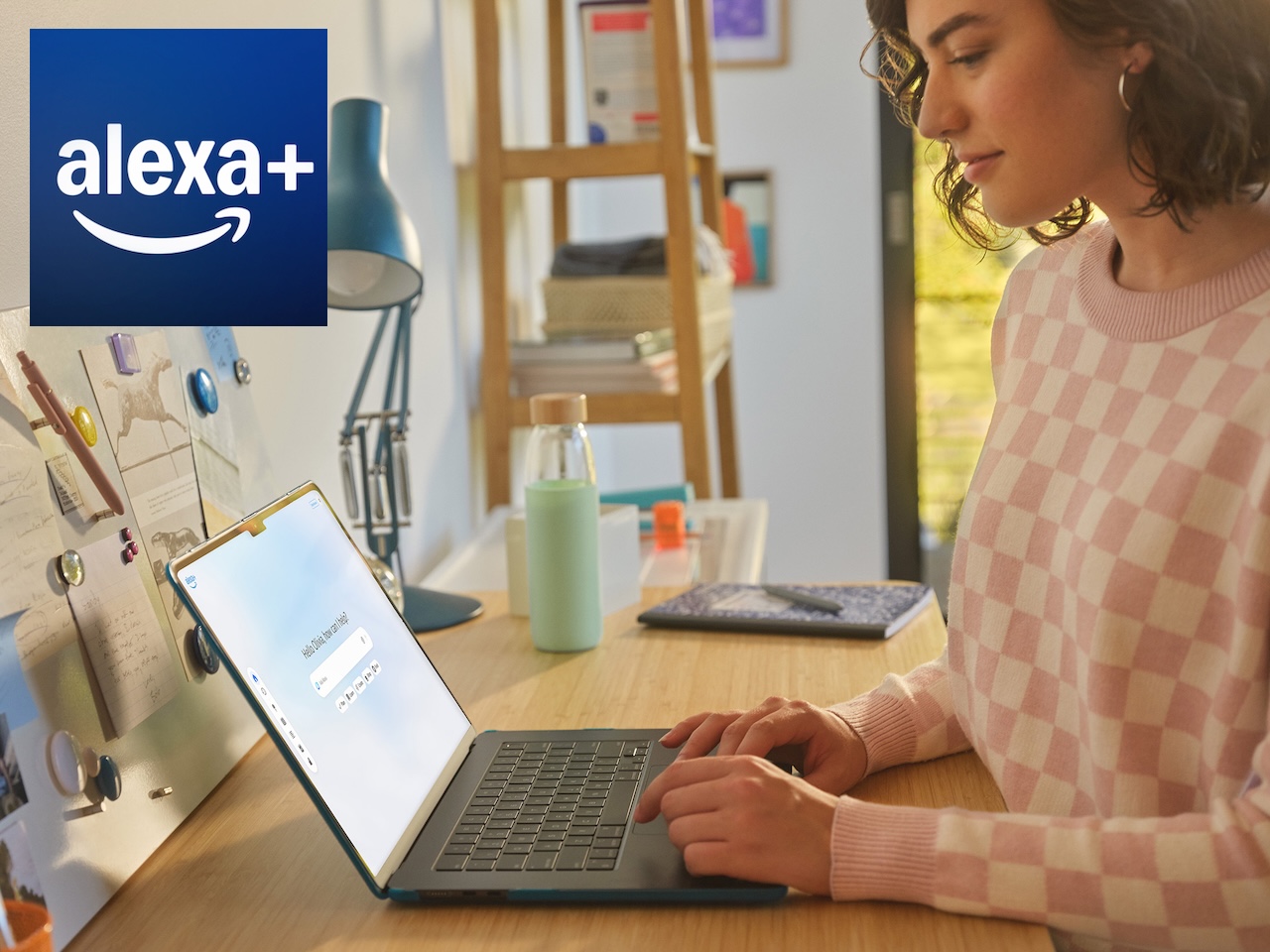 Voice assistants have promised natural conversation for years and delivered rigid command parsing instead. Say the wrong word, skip a keyword, and the whole request falls apart. It’s the single biggest frustration smart home owners share, and it’s the main reason most people use their Echo for timers and weather and nothing else. Alexa+, which started rolling out on Echo Show devices in mid-2025 before expanding to the broader Echo lineup in early 2026, brings generative AI into the Echo ecosystem and fundamentally changes how voice commands work. Instead of requiring precise phrasing, it processes natural language with a contextual engine that interprets intent, so you can speak naturally and the system figures out what you mean. It’s the kind of update that makes existing hardware feel like a different product entirely.
Multi-step routines are where it gets genuinely useful. You can say “get the house ready for bed” and Alexa+ will dim the lights, lock the doors, set the thermostat, and queue your sleep playlist in sequence. Previously, building that kind of chain required tapping through multiple screens in the app. The conversational engine also handles follow-up questions without losing context, so you don’t have to restate your full request every time you adjust one detail.
Ring doorbell integration adds another practical layer. Alexa+ can greet visitors, ask what they need, and relay a message to your phone. It handles delivery drivers and unexpected visitors differently based on learned patterns, and the voice sounds natural enough that most people don’t realize they’re talking to an assistant.
The upgrade is included free for Amazon Prime members, initially on the Echo Show 8, 10, 15, and 21, with broader Echo device support rolling out over time. That makes it the easiest recommendation on this list. Non-Prime users pay $19.99 per month, but even at that price, Alexa+ addresses most of the frustrations people have carried about the assistant for years.
Price: $19.99/month
Where to Upgrade: Amazon
What it all adds up to
The pattern running through all seven of these devices is hard to miss: the smart home is moving past “connected” and into “actually helpful.” Locks recognize you before you reach for a handle. Vacuums prep the floor before they clean it. Voice assistants understand complete thoughts instead of rigid command phrases.
Most of these products will ship within the next few months, and a handful are already available to order. If you’re shopping for smart home devices in 2026, this is the batch to keep on your radar.