
Wearable technology has a visibility problem. Apple, Samsung, and Garmin watches dominate so much of the conversation that it is easy to miss products trying something genuinely different: technology you wear that remains useful without constantly competing for your attention.
That experimentation appears to have accelerated in 2026. Smart rings are becoming more interactive, screenless fitness bands are returning, and smart glasses are exploring what happens when you remove the camera instead of adding more sensors.
Some of these devices still rely heavily on manufacturer claims for battery life or health accuracy, so specifications should not be mistaken for proven real-world performance. Still, all six products below have reached retail availability in 2026, and each addresses a problem that a conventional smartwatch may not handle especially well.
1. RayNeo iO AI Glasses
Smart glasses have a social problem. A camera can make an AI assistant more aware of your surroundings, but it also makes everyone nearby wonder whether they are being recorded.
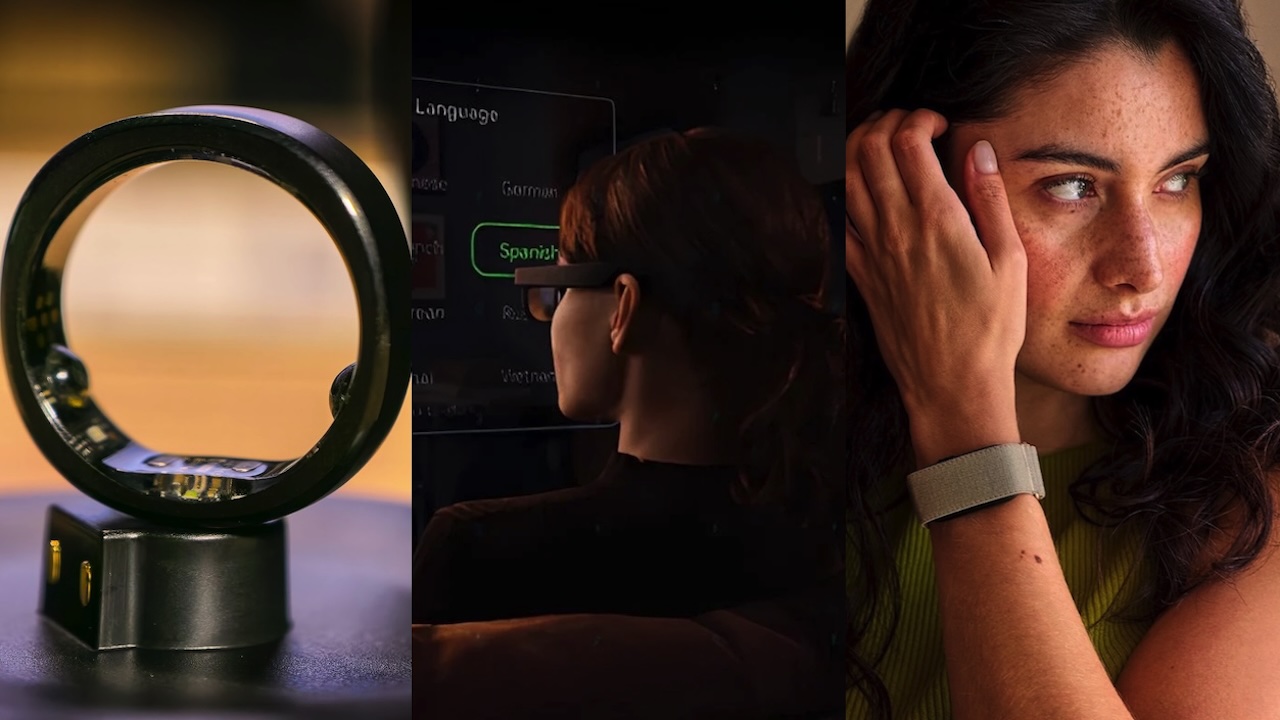
RayNeo removes that concern with the iO. RayNeo says the glasses went on sale September 4, and they have no camera. Instead, a near-eye display can show notifications, navigation, live captions, translations, meeting notes, and teleprompter text. The standard model sells for $449.

Price: $449
Where to Buy: RayNeo
At 33 grams, the glasses are much closer in weight to ordinary eyewear than a mixed-reality headset. RayNeo claims up to two days of everyday battery life, although that figure still needs independent long-term testing.
The appeal of the camera-free design is easy to understand without waiting for benchmark data. You can get glanceable information and AI features without walking around with an outward-facing camera on your face.
Buyer fit: RayNeo iO makes sense for someone interested in heads-up information, live captions, and AI glasses but uncomfortable with the privacy baggage of camera-equipped eyewear.
2. RingConn Gen 3
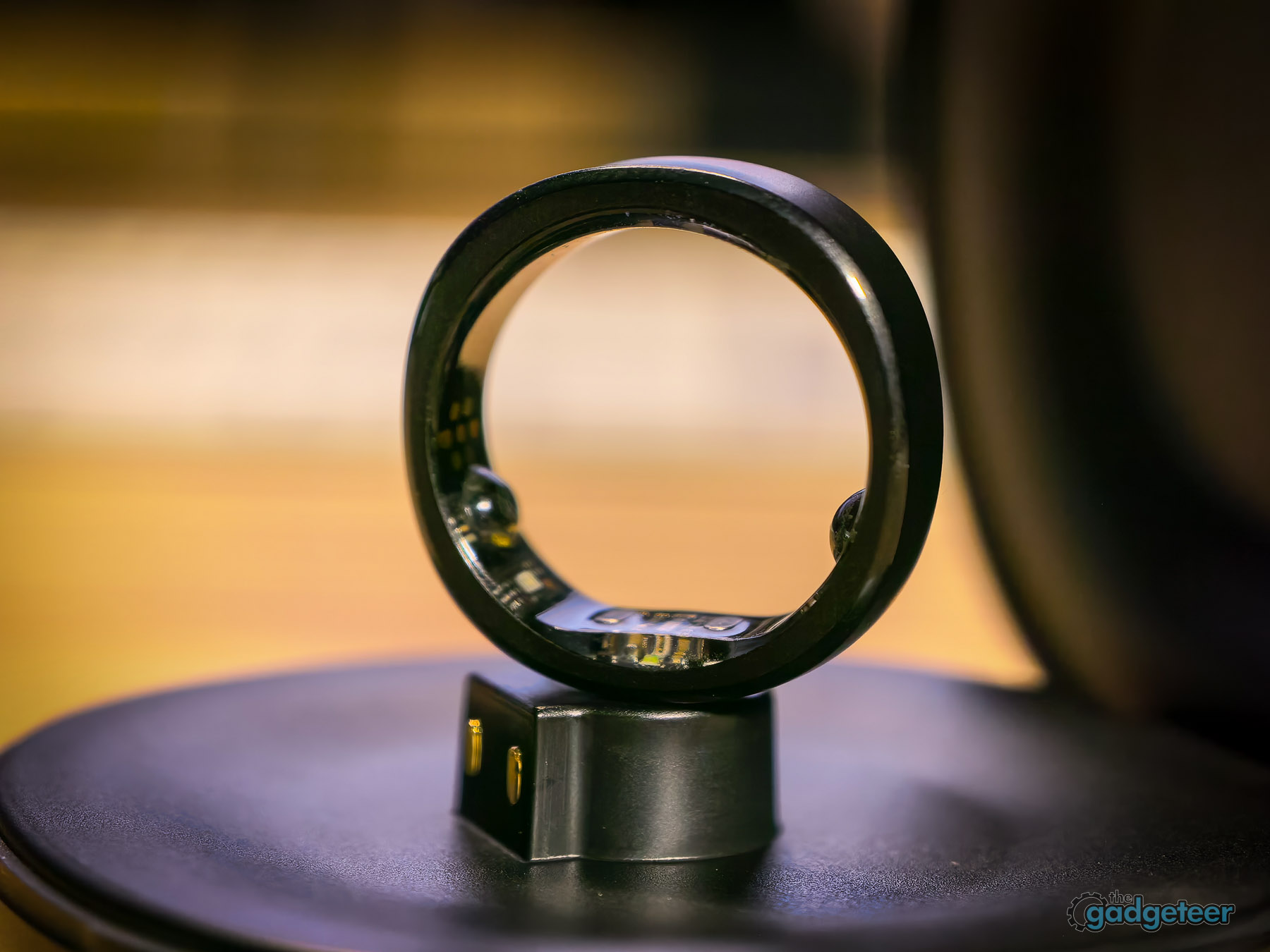
Smart rings excel at collecting data quietly, but that creates another problem: most rings have almost no way to communicate with you until you open an app.
RingConn Gen 3 adds a vibration motor to change that. The company says it launched worldwide on May 29. The $349 ring can use haptic alerts for selected health notifications, inactivity reminders, and low-battery alerts. RingConn also rates it for up to 14 days of battery life and includes a universal wireless charging case.
Price: $349
Where to Buy: Amazon
The more ambitious feature is Vascular Health Insights. RingConn combines nighttime vascular patterns, lifestyle information, and optional manually entered blood-pressure readings to generate longer-term trend information.
That should not be mistaken for direct blood-pressure measurement with a cuff. RingConn states that the Gen 3 is not a medical device, so the useful interpretation is trend awareness rather than diagnosis.
The vibration feature may ultimately have more immediate everyday value because it gives a screenless ring a way to get your attention without involving your phone.
Buyer fit: Gen 3 is a strong option for someone who wants discreet sleep and wellness tracking but wishes a smart ring could occasionally communicate back.
3. Ultrahuman Ring PRO
A smart ring is supposed to collect health information continuously, yet every charging session creates a gap in that supposedly continuous record.
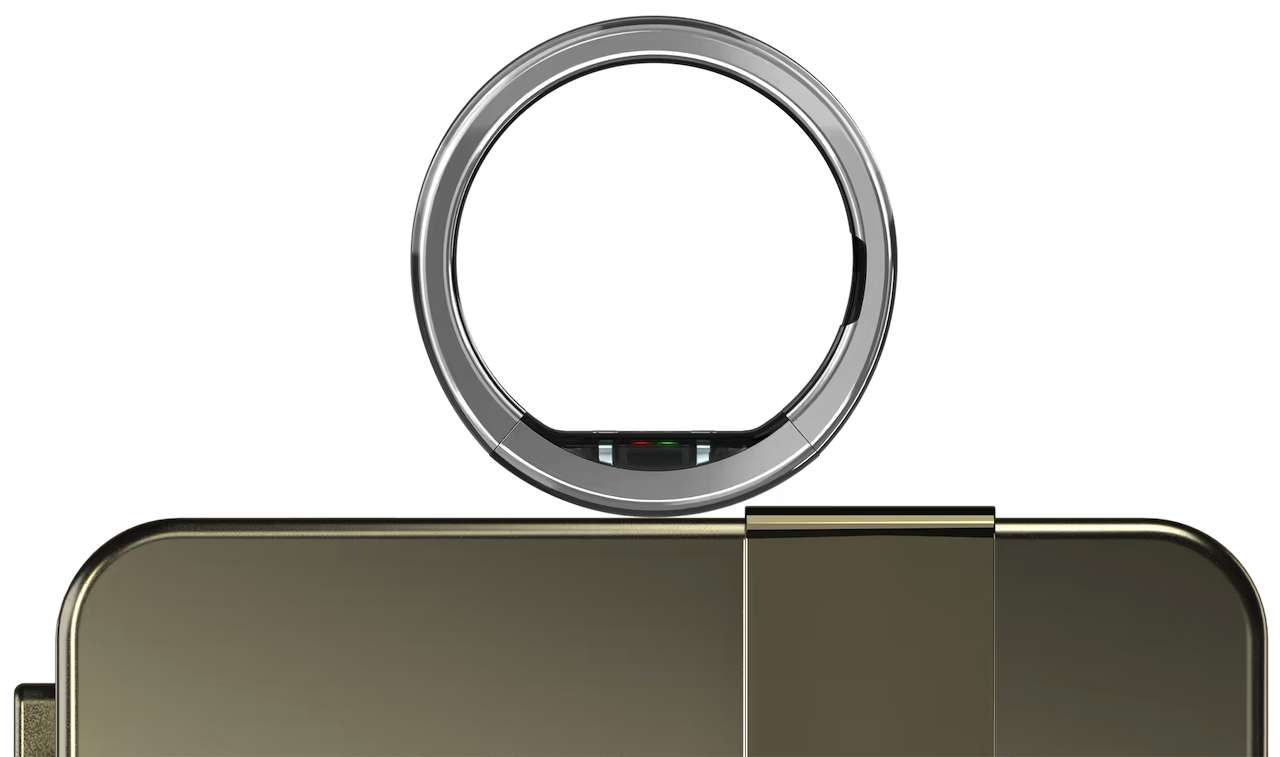
Ultrahuman Ring PRO tackles that problem with an aggressive battery claim. The company rates its new $479 ring for up to 15 days per charge, while the included PRO Charging Case can extend time away from a wall outlet to as much as 45 days. U.S. orders are listed as shipping from September 15.
Price: $479
Where to Buy: Ultrahuman
The Ring PRO also includes a dual-core processor with on-chip machine learning, redesigned PPG sensing, temperature monitoring, a six-axis motion sensor, 100-meter water resistance, and up to 250 days of onboard data storage.
Those figures come from Ultrahuman, particularly the battery-endurance and improved-sensing claims. Until independent reviewers spend weeks wearing the final hardware, they should remain specifications rather than established real-world results.
Still, the direction is interesting. Ultrahuman is treating the smart ring less like a tiny activity tracker and more like an independent health-computing platform.
Buyer fit: Ring PRO is aimed at committed smart-ring users who prioritize long battery life and are willing to spend premium smartwatch money to avoid wearing a screen.
4. Garmin CIRQA Smart Band
Some people want Garmin’s health and training data without wearing a Garmin watch all day. Maybe you already own a mechanical watch, cannot wear a smartwatch during your sport, or simply do not want another display on your wrist.
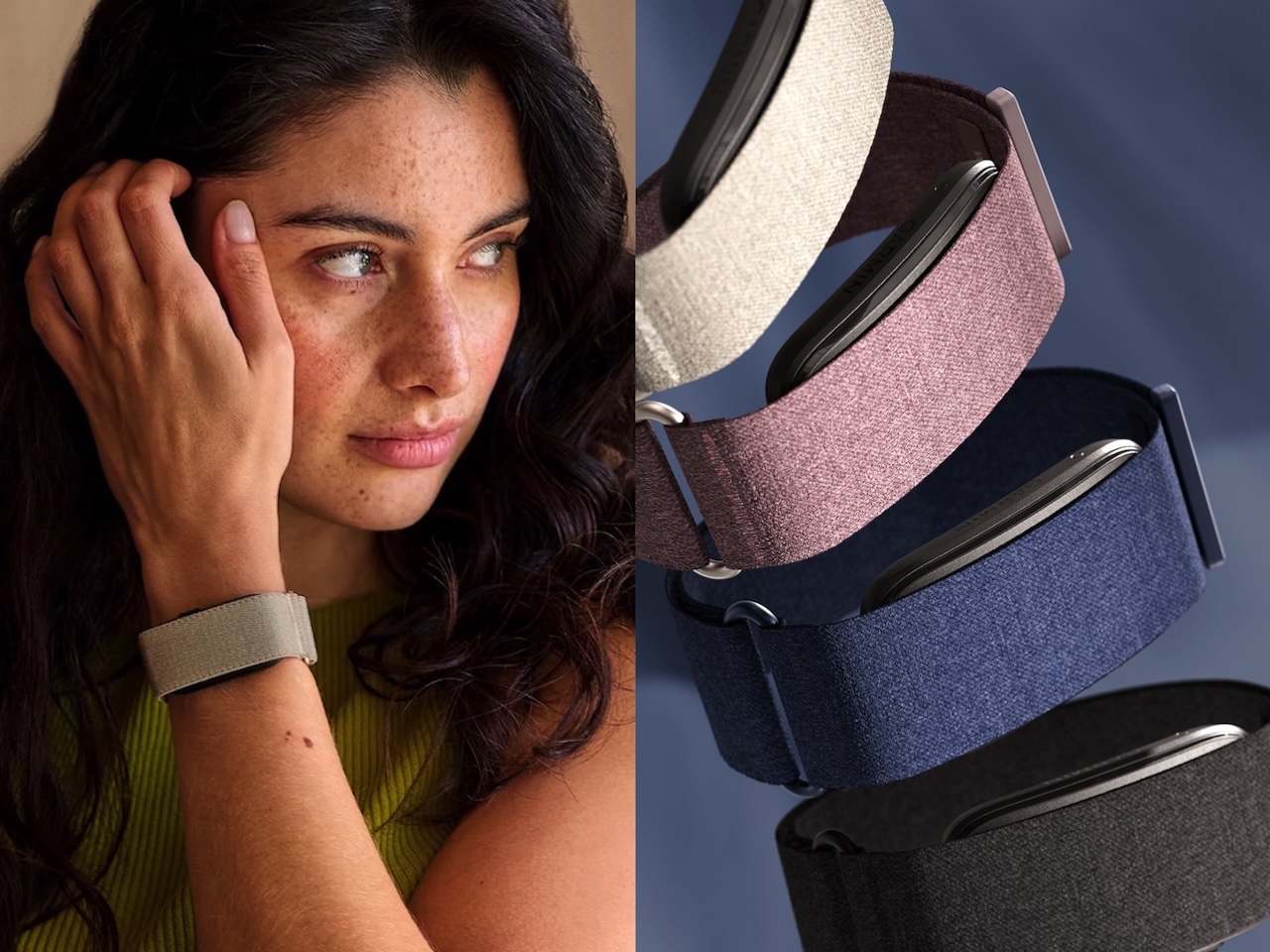
CIRQA is Garmin’s answer. Garmin’s first screenless smart band became available beginning August 14, 2026, and is priced at $279.99 in the U.S.
Price: $199
Where to Buy: Amazon
Despite losing the screen, CIRQA keeps many features normally associated with Garmin watches. It tracks sleep, HRV, Pulse Ox where supported, stress, Body Battery, training readiness, VO2 max, training status, workout benefit, and recovery time. More than 80 activities can be recorded, while connected GPS uses your phone for outdoor route tracking.
Garmin claims up to 10 days of battery life. The band can also be worn around the wrist or upper arm, which makes it useful for people who want to keep another watch on their wrist.
Health metrics remain wellness information rather than medical diagnoses, something Garmin explicitly states in its documentation.
Buyer fit: CIRQA is the most logical choice here for an existing Garmin user who wants continuous health and recovery data without replacing a favorite watch.
5. Google Fitbit Air
The modern fitness tracker has become surprisingly complicated. Screens have grown, apps have multiplied, and many inexpensive bands now behave like miniature smartwatches. Google went the other direction with Fitbit Air.
Price: $99.99
Where to Buy: Amazon
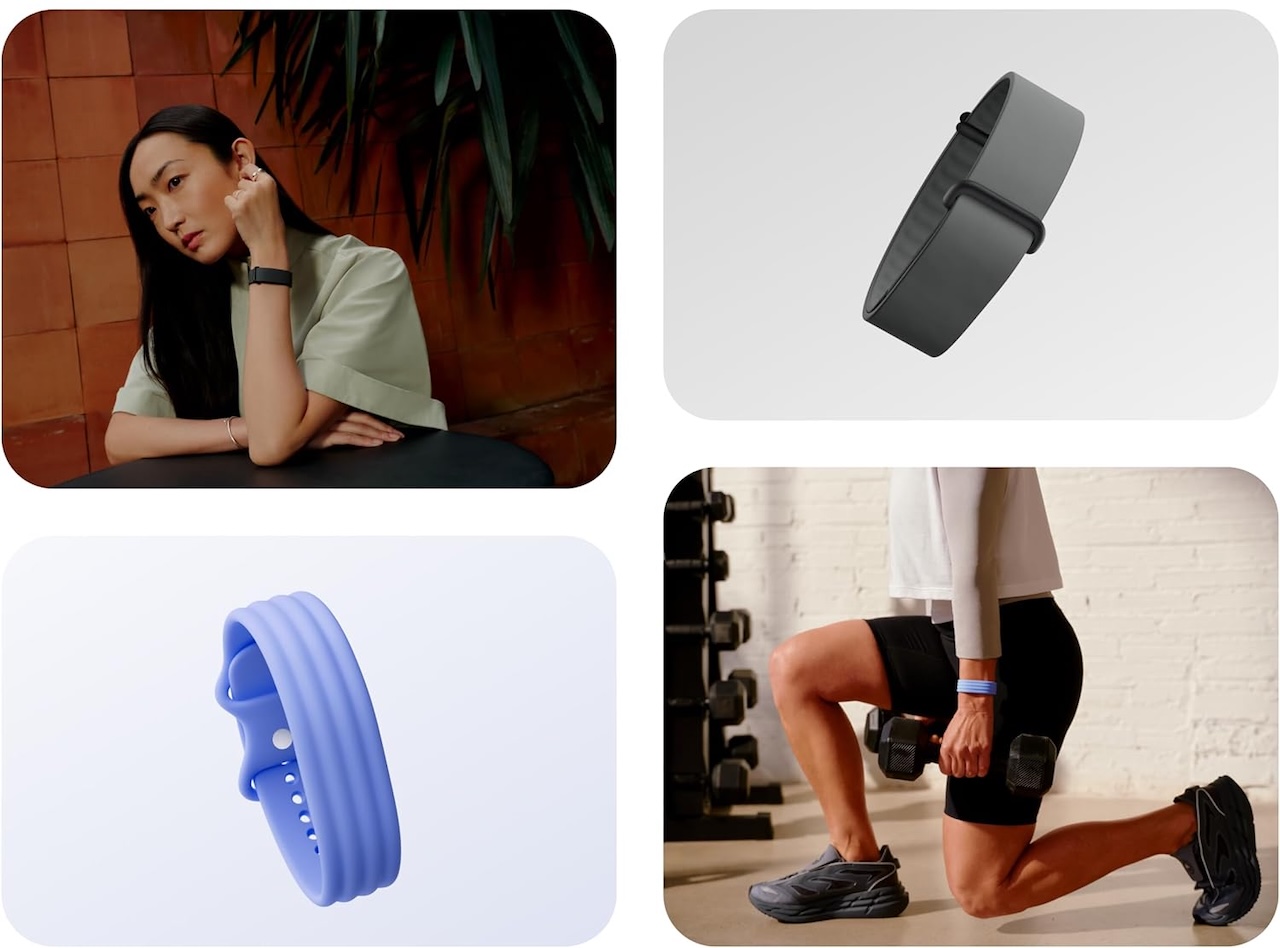
Google says Fitbit Air became available May 26 for $99.99. It is a small screenless tracker designed to passively record heart rate, sleep, workouts, and general health information, then move the interpretation into Google’s health software. Google rates battery life at up to seven days.
Its appeal is straightforward simplicity. There is no display tempting you to check notifications or close another activity ring. Put it on, let it collect information, and check the app when you actually want to engage with the data.
At $99.99, Fitbit Air is among the least expensive entry points into this emerging category of screenless wearables. Google includes a three-month trial of its premium health service, however, so buyers should consider which longer-term insights may require a subscription after that trial expires.
Buyer fit:Fitbit Air is the approachable choice for someone who wants basic passive health tracking and prefers spending around $100 instead of committing to a premium ring or smartwatch.
6. Luna Band
Screenless tracking sounds appealing until the software simply replaces the missing display with another dashboard full of numbers.
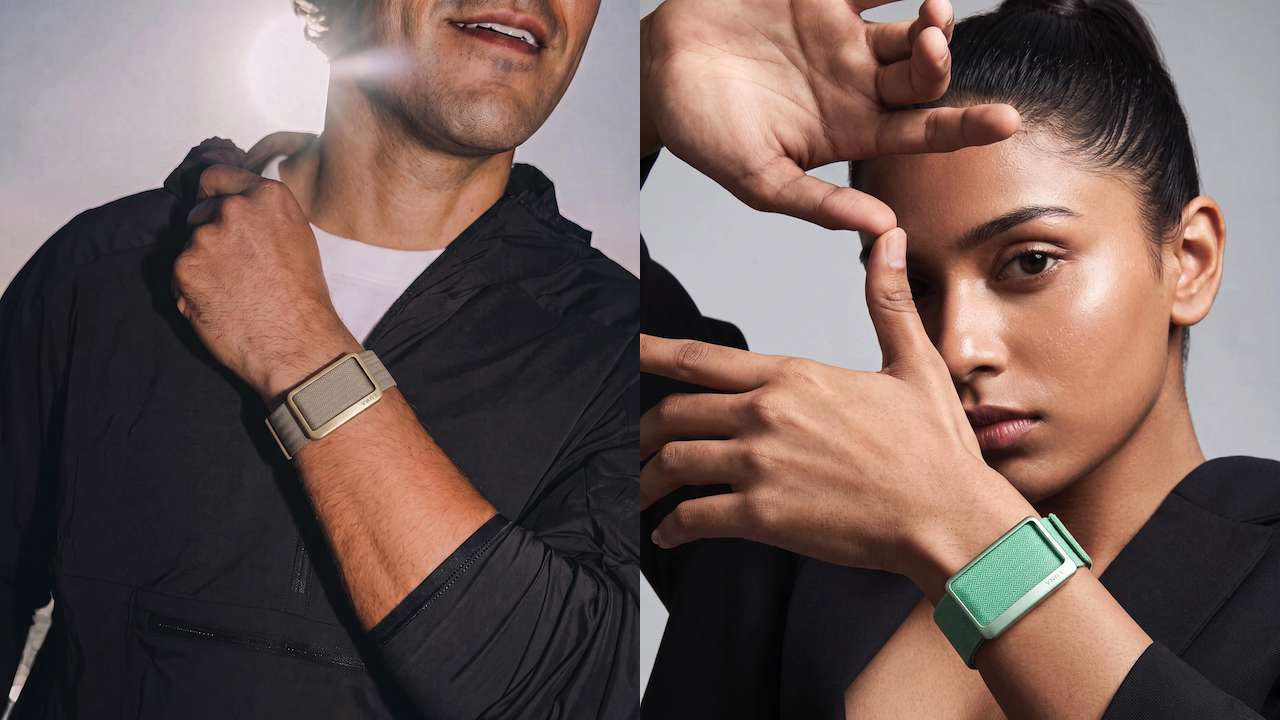
Luna Band tries to solve that interpretation problem. After appearing at CES and going through a limited early rollout, the company says the $149 Band entered worldwide retail availability on September 4.
Price: $99.99
Where to Buy: Amazon
The 24-gram tracker measures heart rate, HRV, blood oxygen, skin temperature, sleep, and activity. It supports more than 60 sports modes and can be worn on the wrist or upper arm. There is no built-in GPS, so outdoor route recording requires your phone.
Luna claims up to 10 days of battery life and 5ATM water resistance. Unlike some screenless rivals, the $149 purchase includes its LifeOS health-coaching platform without a mandatory monthly subscription.
LifeOS is supposed to turn collected information into guidance around recovery, training, hydration, caffeine timing, jet lag, and circadian rhythm. That sounds useful, but it is also the part that requires the most independent evaluation. Longer testing is still needed to determine how well the tracking and coaching perform in everyday use.
Buyer fit: Luna Band is best suited to someone who wants screenless recovery and sleep tracking but would rather pay once than add another wearable subscription.
Wearables Are Becoming Less Like Watches
These six products are connected less by design than by what they leave out.
RayNeo puts information in front of your eyes while leaving the camera out. RingConn adds feedback to the smart-ring formula, while Ultrahuman is pushing battery life and onboard computing. Garmin separates its health platform from the smartwatch display, and Fitbit and Luna are betting that some people want fewer screens rather than more.
Fitbit Air is the lowest-cost entry point. Luna Band makes a stronger case for buyers who want to avoid a recurring subscription, while CIRQA is especially compelling for people already invested in Garmin Connect.
RingConn Gen 3 and Ultrahuman Ring PRO are for buyers who specifically prefer finger-based tracking: RingConn emphasizes feedback, while Ultrahuman emphasizes endurance. RayNeo iO is the outlier, but it may be the most compelling option for people who have avoided smart glasses because of cameras.
The wearable story of 2026 is not simply better watches. It is companies finally asking whether every wearable needs to be a watch at all.
Auto Amazon Links: No products found.
