Apple events can leave you with an awkward question: which announcements actually matter once the presentation ends? New chips get faster, cameras improve, and another generation of familiar products arrives, but that does not necessarily mean you should replace something you already own.
Apple’s September 9, 2026 event was also notable as John Ternus’s first major product presentation as Apple CEO. The company introduced its first foldable iPhone, gave the iPhone 18 Pro a potentially meaningful camera upgrade, improved noise cancellation on AirPods, expanded Apple Watch health features, and put its more capable Siri on a release schedule.
Here are the seven announcements worth paying attention to.
1. The iPhone Duo Is Apple’s First Foldable
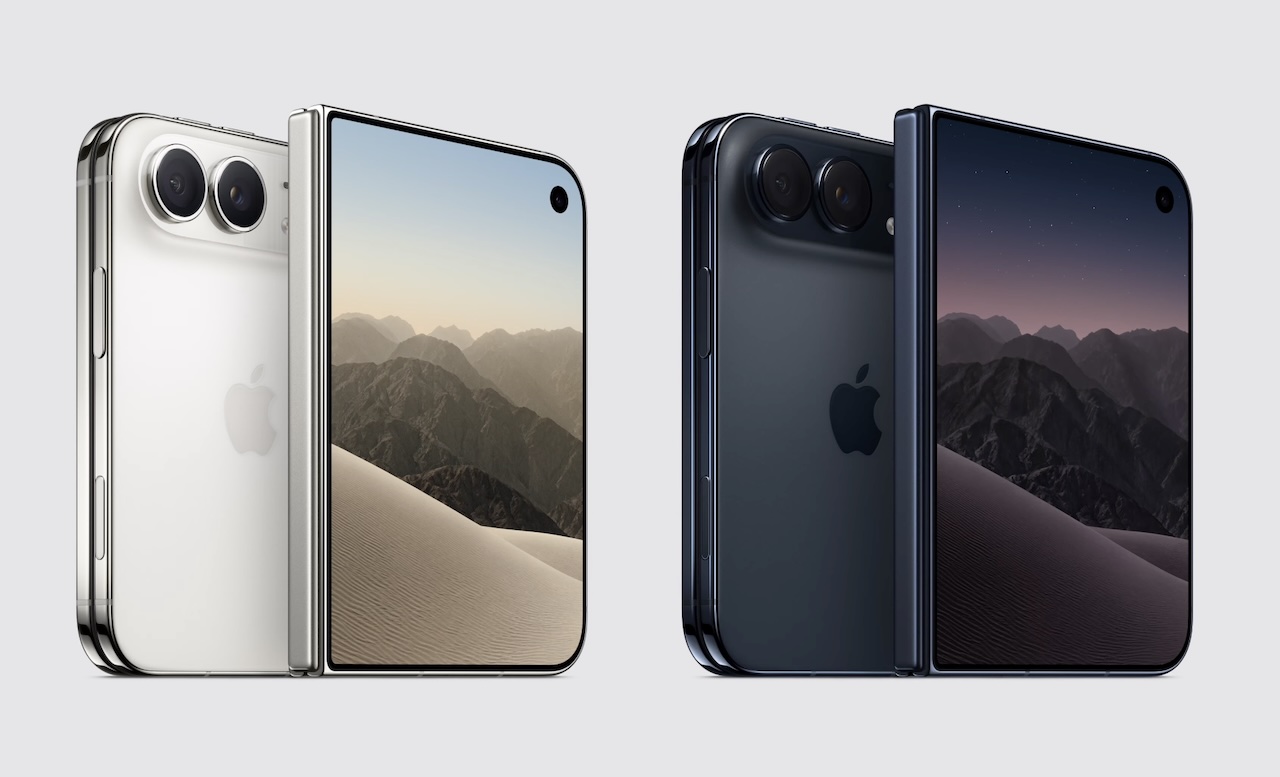
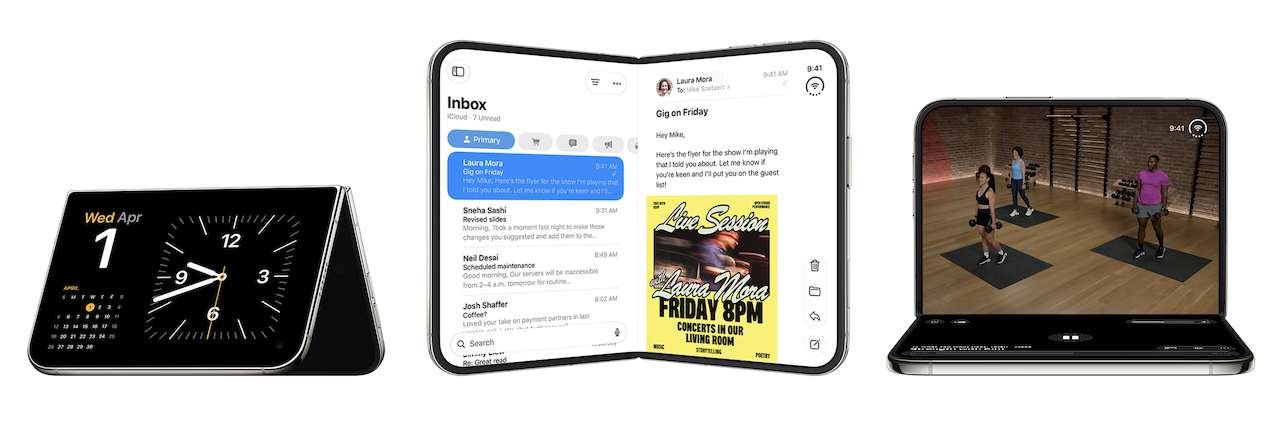
The biggest announcement was also Apple’s biggest departure from the traditional iPhone. The iPhone Duo is Apple’s first foldable phone. Closed, it has a 5.4-inch outer display. Open it, and you get a 7.6-inch inner display, the largest Apple has put on an iPhone. Both screens have the same aspect ratio, helping content scale as you move between them.
Apple adapted iOS 27 for the folding hardware. Split View lets you put two apps next to each other, app pairs can be saved for later, and apps including Netflix, Zoom, and Slack have been adapted for the larger display. Apple also says Apple Pencil support is coming later this year.
Inside is Apple’s A20 Pro chip with a custom vapor chamber and dual-battery architecture. The catch is the price. The iPhone Duo starts at $1,999, with preorders beginning October 16 and availability following on October 23. This is clearly an early-adopter iPhone rather than the default choice for most buyers.
Why it matters: Apple is not simply making another larger iPhone. It is changing the physical format of its most important product and modifying iOS to take advantage of it.
2. The iPhone 18 Pro Gets a More Serious Camera
If folding phones do not appeal to you, Apple’s conventional flagship received an interesting upgrade of its own.
The iPhone 18 Pro and iPhone 18 Pro Max introduce a 48MP Fusion Main camera with a variable aperture. Apple has also added Pro controls that provide more direct control inside the Camera app.
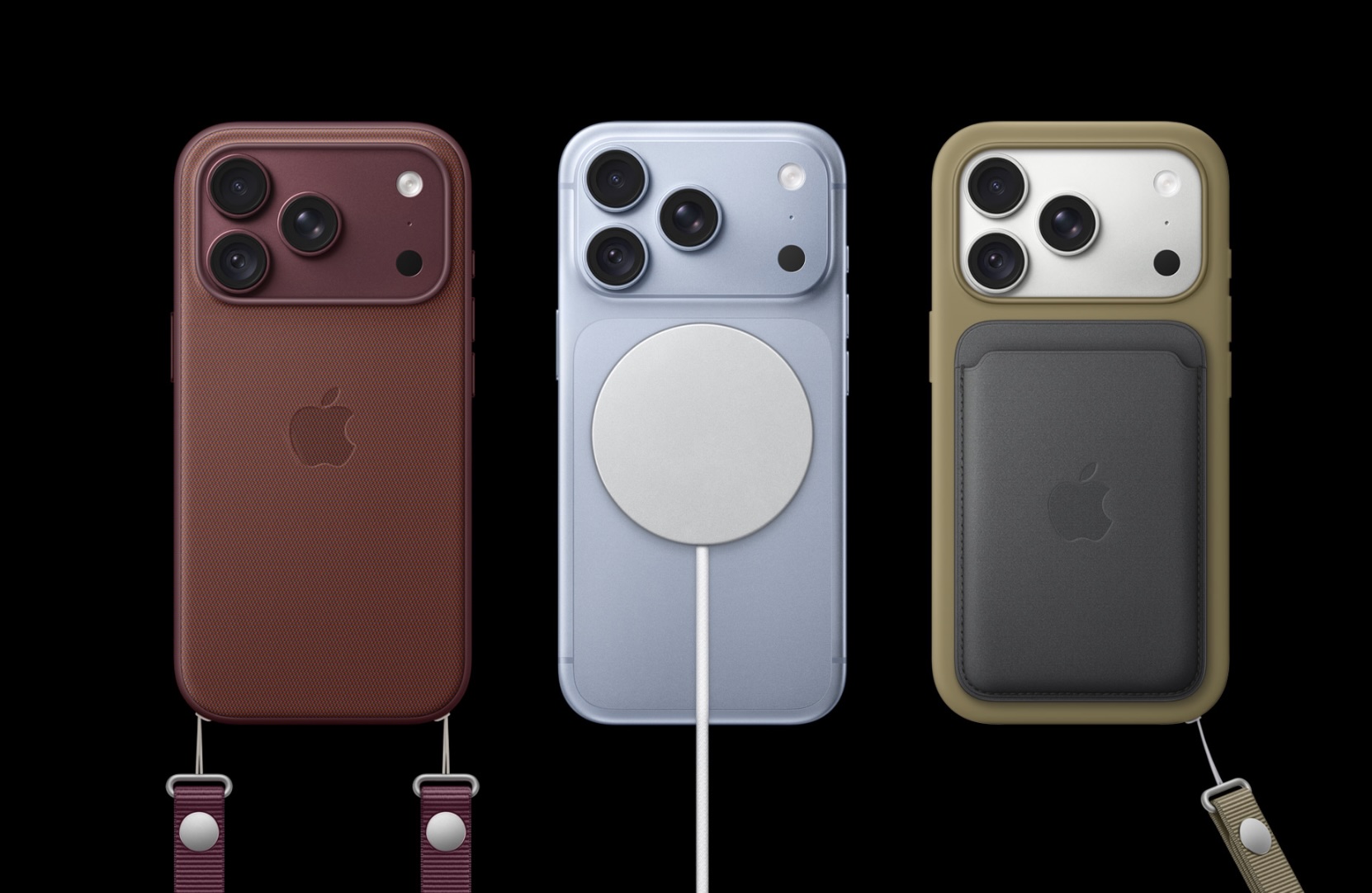 Both phones use the A20 Pro chip and a next-generation vapor chamber designed to improve sustained performance. Apple is also claiming major battery-life improvements, particularly for the Pro Max.
The variable aperture is the more interesting change because it adds another physical element to Apple’s camera system instead of relying entirely on computational photography. How much difference it makes to real photographs will require independent testing.
Why it matters: Photographers are getting something more substantial than another annual processor upgrade. Apple is giving them additional control over how an image is captured.
3. The More Personalized Siri Finally Has a Release Date
Apple has spent years promising a more capable, personalized Siri. Users will soon get to find out whether it delivers.
The new Siri capabilities begin rolling out in beta with iOS 27 on September 14 for supported devices in English-language settings. Apple says the assistant can draw on personal context from messages, emails, photos, and other information, understand what is onscreen, perform related actions, and answer broader questions.
The practical promise is considerable. Instead of using Siri mainly for timers, reminders, and straightforward commands, Apple wants the assistant to find information scattered throughout your digital life and help you do something with it.
Those capabilities remain Apple’s claims until the beta gets into users’ hands. Reliability will matter far more than how impressive Siri looks during a demonstration.
Why it matters: The more personalized Siri could change how people interact with several Apple products without requiring them to buy Apple’s most expensive new hardware.
4. AirPods 5 Improve Noise Cancellation
The new AirPods 5 retain Apple’s open-ear design while promising significantly stronger Active Noise Cancellation.
Apple says AirPods 5 remove up to 50 percent more external noise than AirPods 4 with Active Noise Cancellation, thanks to a new acoustic architecture and updated computational audio. They also get improved Transparency mode, Adaptive Audio, and Live Translation through Apple Intelligence.
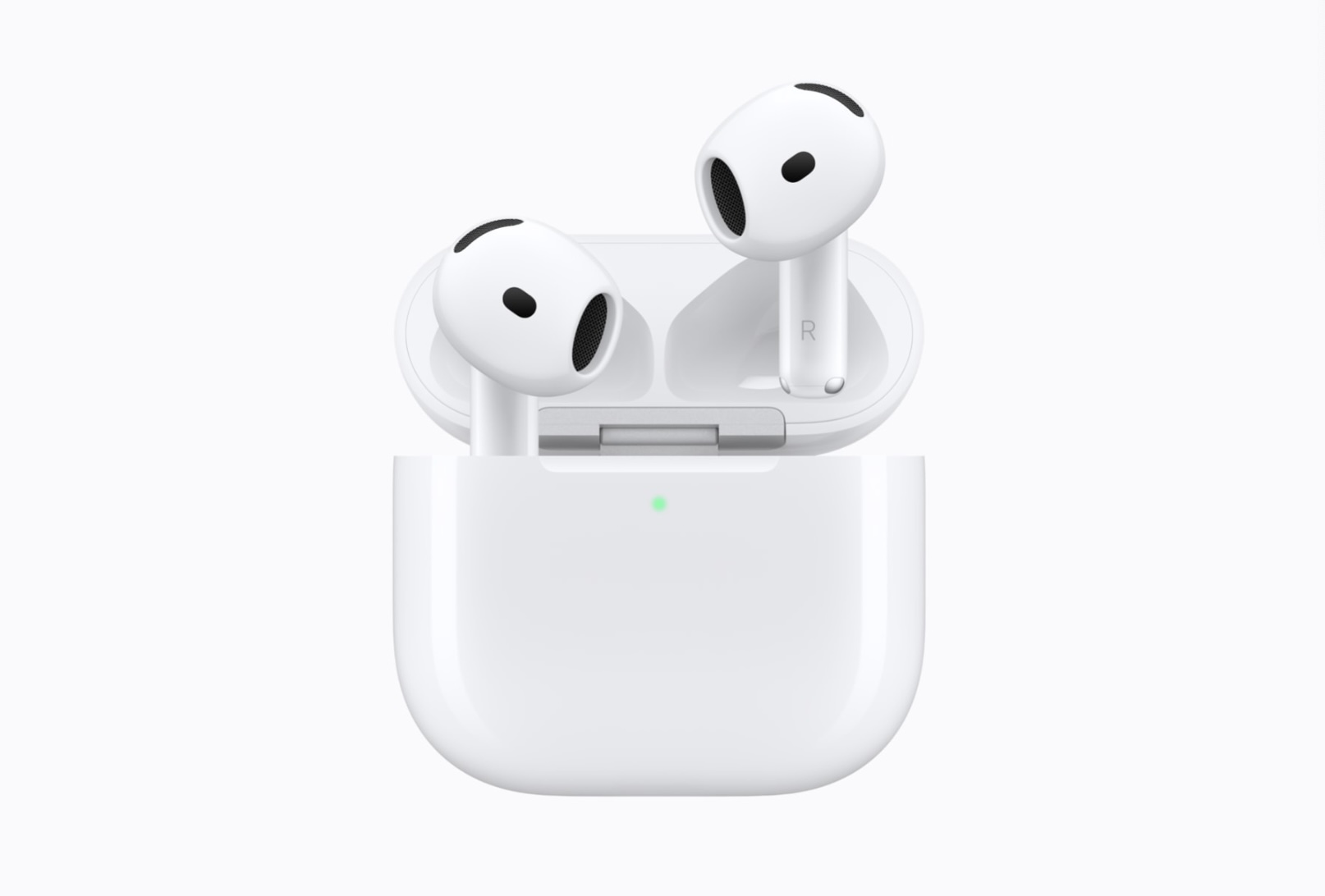 The open design makes that ANC claim particularly interesting because AirPods do not create the physical seal of silicone-tipped AirPods Pro. Apple’s 50 percent figure is a manufacturer performance claim, so independent testing will be needed to determine how noticeable the improvement is in everyday use.
AirPods 5 start at $129, while a $149 version adds a wireless charging case and on-stem volume controls.
Why it matters: People who dislike silicone ear tips do not have to give up noise cancellation, and Apple is making its standard AirPods more capable without pushing buyers toward AirPods Pro.
5. Apple Watch Series 12 Wants to Explain Your Health Data
Collecting health information is not especially useful if you do not know what any of it means. Apple is trying to make interpretation a bigger part of the Apple Watch experience.
Apple Watch Series 12 introduces Apple’s new Health Sensing System and S11 chip. The system takes heart-rate readings every five seconds and provides higher-frequency heart-rate-variability measurements.
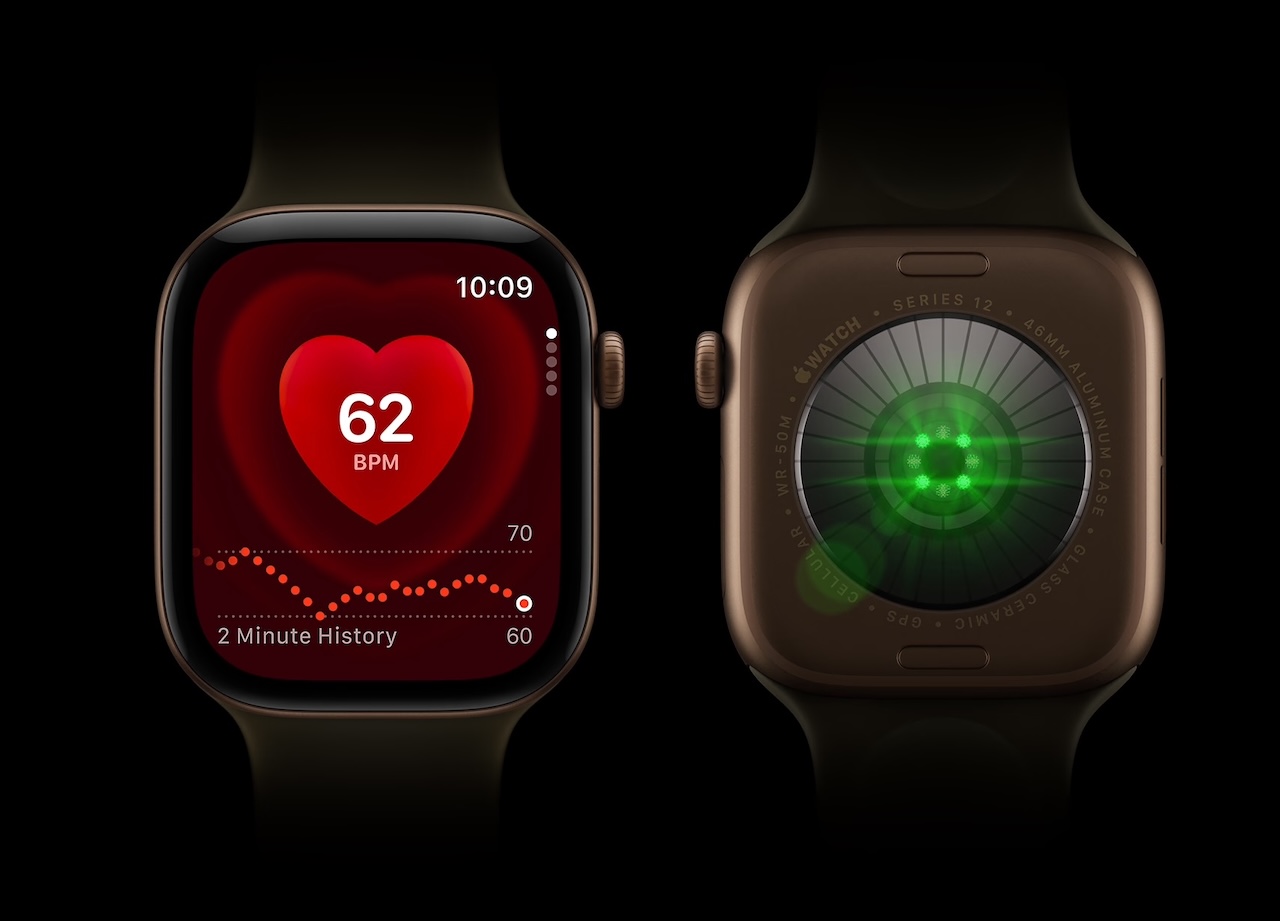
Apple describes it as offering the most accurate heart-rate sensing in a wearable, but that is Apple’s performance claim rather than something that can be treated as independently established. More immediately interesting is the new readiness score, which analyzes factors including sleep, activity, training load, vitals, and other measurements to help users understand their capacity for the day.
Why it matters: Apple Watch is shifting from showing you measurements toward explaining what those measurements might mean. For many people, that could be more useful than another collection of graphs.
6. Apple Watch Ultra 4 Gets More Endurance
Apple Watch Ultra 4 receives the same new Health Sensing System, but battery life remains one of the most relevant upgrades for the people Apple is targeting.
Apple rates Ultra 4 for up to 50 hours of normal use. Its Max Extended Workout mode can provide up to 45 hours of outdoor workout tracking, with GPS and heart-rate measurements continuing during those sessions.
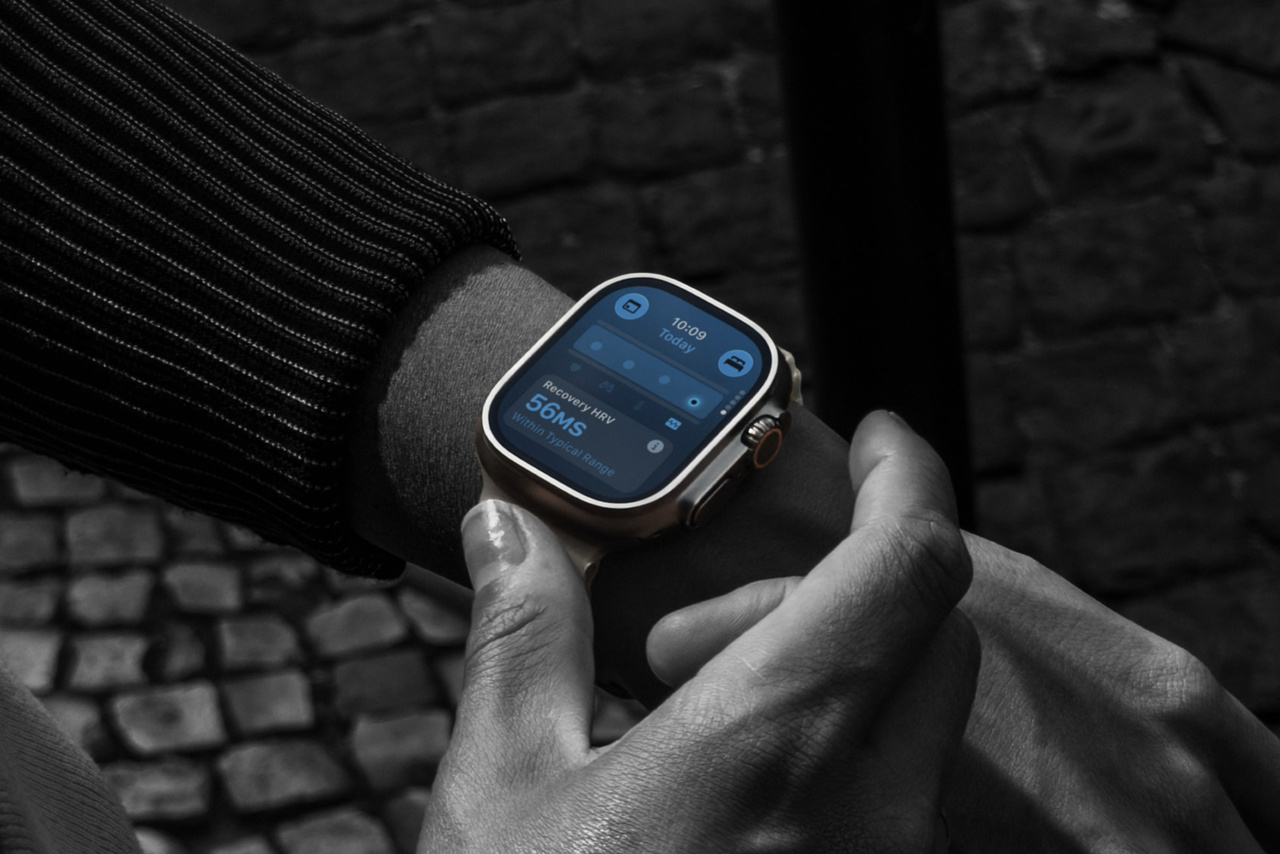 For hikers, endurance athletes, and anyone who bought an Ultra because a conventional smartwatch does not last long enough, those improvements have an obvious practical benefit.
As always, Apple’s battery numbers come from controlled testing. GPS, cellular connectivity, workouts, notifications, temperature, and individual usage can change real-world endurance.
Why it matters: Longer battery life is not as attention-grabbing as AI or a foldable display, but it is exactly the kind of improvement that can make an adventure-focused watch more useful.
7. The Health App Is Becoming More Than a Collection of Numbers
Some of Apple’s biggest health changes are not limited to buying a new watch.
A redesigned Health app arriving later this year adds new Insights and Longevity tabs. Insights surfaces information from areas including heart health, sleep, readiness, fitness, vitals, and cycle tracking.
The Longevity tab looks further ahead. It includes Health Age, which uses Apple Watch data to show how certain health metrics are tracking relative to your chronological age.
That is an interesting way of making years of health data easier to understand, but context matters. Health Age should not be confused with a diagnosis or a literal measurement of how old your body is. Apple describes it as a way of comparing selected health metrics with chronological age.
Why it matters: Apple is increasingly trying to interpret the enormous amount of health information its devices collect instead of expecting users to decipher everything themselves.
What Should You Actually Buy?
The iPhone Duo is the most important hardware announcement because it is Apple’s first foldable iPhone, but its $1,999 starting price makes it best suited to early adopters who specifically want the folding display.
The iPhone 18 Pro is the more conventional choice for photographers interested in greater camera control. AirPods 5 make sense for people who want Active Noise Cancellation without silicone ear tips, while Apple Watch Series 12 is the better fit for everyday health tracking. Ultra 4 earns its premium primarily for people who will genuinely use its extra endurance.
For everyone else, the more personalized Siri may be the announcement that matters most. It has the potential to affect far more Apple users than any single piece of hardware announced at the event, but it also has the most left to prove. If Apple’s promised personal-context and onscreen capabilities work reliably in everyday use, Siri could ultimately be more consequential than any of the new devices Apple unveiled on stage.