Pocket gimbal cameras and wearable cameras solve different problems, which often means creators end up carrying both. A gimbal camera is useful for smooth walking shots, controlled framing, and a screen you can actually see. A wearable camera makes more sense when you need both hands free, want a first-person perspective, or simply cannot hold a camera in front of you.
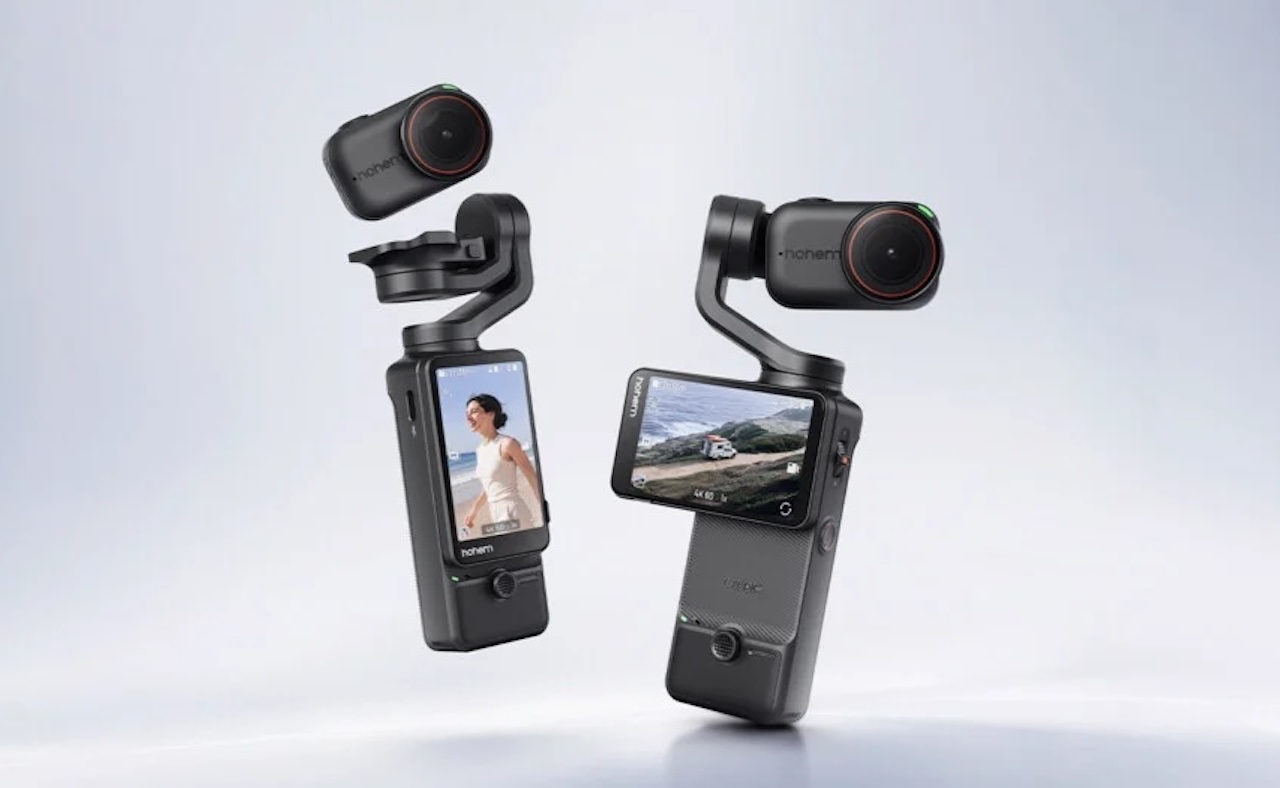
Hohem thinks one camera should handle both jobs. The Hohem Eyepic, unveiled at IFA 2026, combines a three-axis pocket gimbal with a detachable camera module. Keep the camera attached and it works like a conventional handheld gimbal camera. Detach it, and the same camera can be worn, mounted, or placed where the complete gimbal would be awkward to use.
Hohem calls the Eyepic the “world’s first 2-in-1 pocket gimbal camera,” a marketing claim that has not been independently verified. Still, the detachable design offers an interesting answer to a genuine creator problem.
The detachable camera is the feature that matters
The clever part of the Eyepic is not simply that the camera comes off. It is how many different shooting situations that could open up.
Hohem says the camera module can be detached from the three-axis gimbal for hands-free recording. A hat clip and lanyard are among the mounting options shown for the system, while magnetic mounting lets the camera attach to suitable surfaces. According to Hohem, the detachable camera module is also rated for use underwater down to 10 meters.
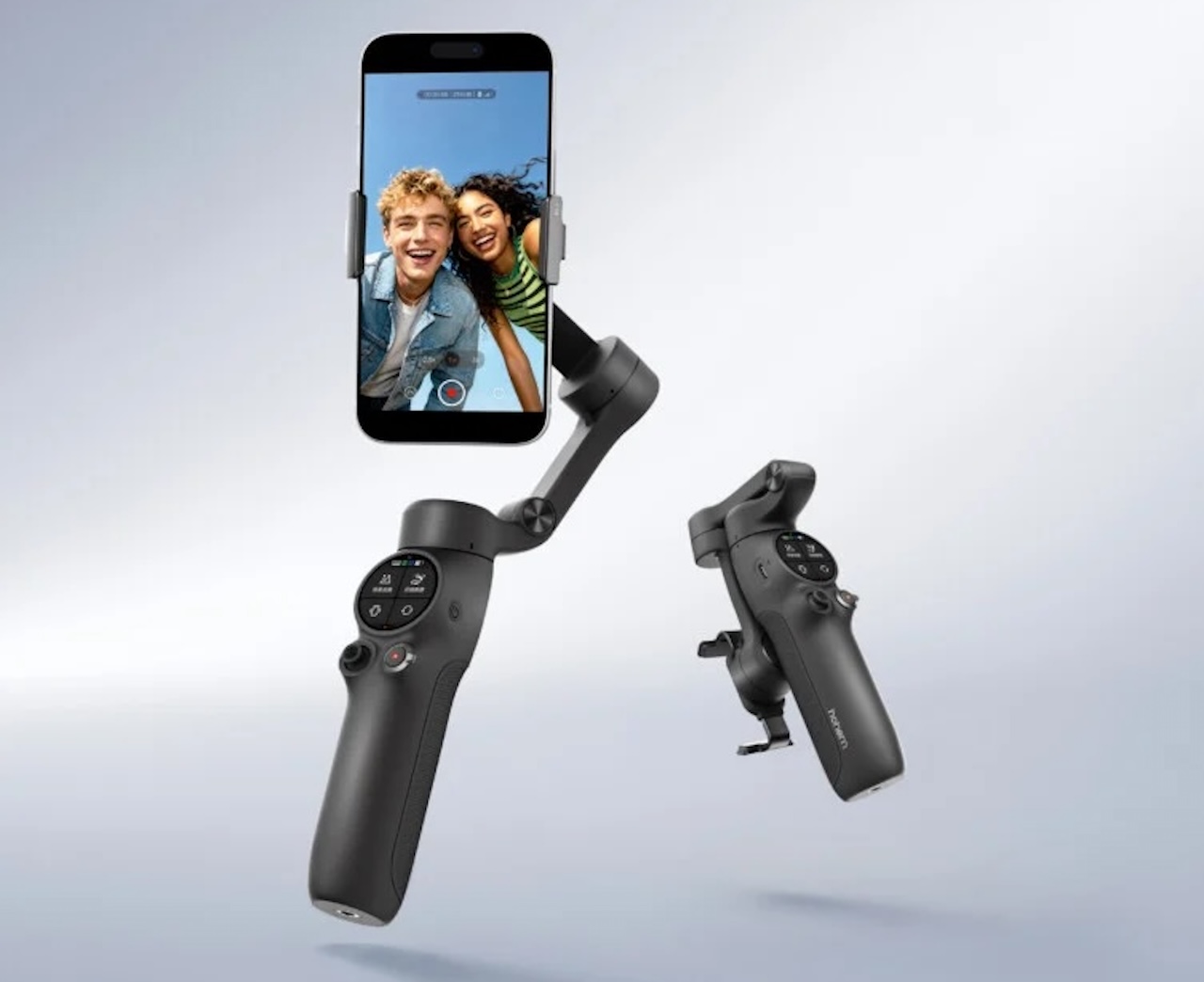 The handle remains useful after the camera is detached. Hohem says its roughly 2.5-inch touchscreen can continue displaying a 1080p live preview and controlling the detached camera from up to about 10 meters away.
That could make the Eyepic useful for shots that would normally require another camera or a trip back and forth to check framing. You could record a walking vlog with mechanical stabilization, detach the camera for a first-person cycling shot, then set it up for a static angle while monitoring the image from the handle. Instead of moving between separate cameras, you would be changing how the same camera is used.
You still get three-axis mechanical stabilization
With the camera attached, the Eyepic uses three-axis mechanical stabilization and records video at up to 4K/60fps. That puts its basic shooting concept in familiar pocket-gimbal territory, although final image quality remains an open question.
Mechanical stabilization is useful because the gimbal physically compensates for movement rather than relying entirely on electronic stabilization and cropping. For walking shots and deliberate camera moves, that can produce the smooth, floating look that draws people to pocket gimbal cameras.
It does not mean the Eyepic will automatically produce better footage than a premium action camera or established pocket gimbal camera. Important imaging details have not yet been disclosed, and specifications such as sensor size, lens characteristics, bitrate, and image processing can matter just as much as stabilization.
For now, the strongest evidence supports the Eyepic’s versatility rather than any claim of superior image quality.
Vertical video gets a more thoughtful solution
Creators producing TikToks, Instagram Reels, and YouTube Shorts face another familiar problem. Shooting horizontally and cropping footage into a vertical frame afterward throws away a substantial portion of the original image.
Hohem’s solution is to rotate the camera rather than rely solely on cropping. The Eyepic’s rotating touchscreen lets users switch between horizontal and vertical shooting orientations. Current information indicates that it can record native vertical video at 2160 x 3840 resolution at up to 60fps.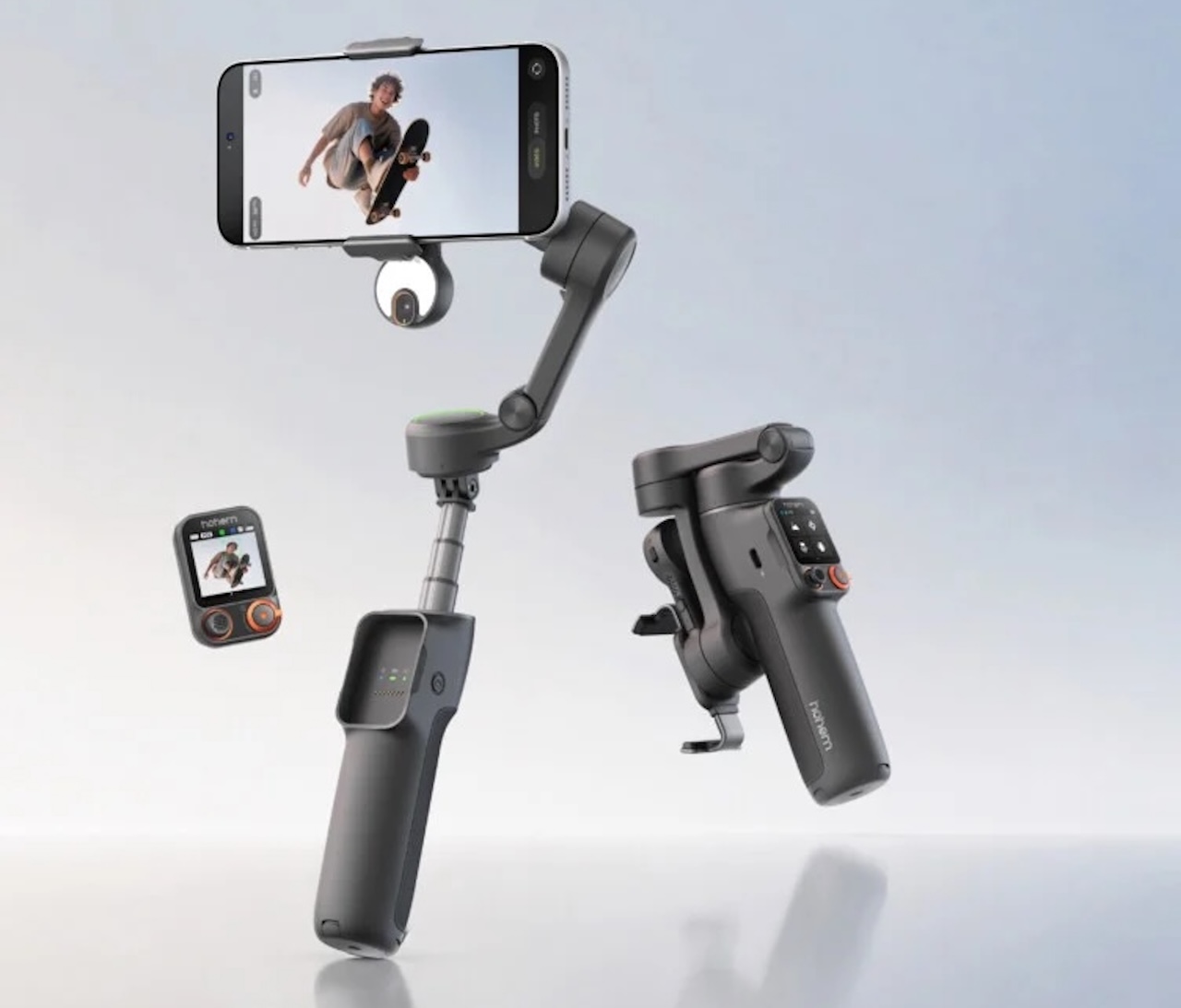
That could be genuinely useful for creators who know their finished video is destined for a phone screen. Recording vertically from the start preserves the camera’s full available resolution in that orientation and lets you compose the shot for the format people will actually watch.
It is a relatively simple idea, but it fits the broader Eyepic concept. Instead of asking creators to adapt one fixed camera configuration to every situation, Hohem is trying to make the hardware change with the shot.
There are still important unanswered questions
The biggest caveat is that the Eyepic remains an IFA preview, not a finished product available at retail.
Hohem has not yet provided enough information to make a meaningful judgment about overall image quality, low-light performance, real-world battery life, durability, or value for money. Final pricing is especially important because the argument for a two-in-one device changes if it costs as much as buying two capable specialized cameras.
 Battery life could be another deciding factor. A camera intended to move between handheld gimbal use, remote monitoring, and wearable recording needs enough endurance to make that flexibility practical. Likewise, the detachable connection and mounting system will need to withstand repeated use if creators are expected to swap configurations throughout the day.
A trade-show announcement cannot answer those questions. The Eyepic is expected to arrive in early 2027, so production hardware will ultimately determine whether its modular design works as well in everyday use as it does as an IFA demonstration.
Who should buy the Hohem Eyepic?
The Eyepic looks most promising for solo creators who regularly switch between handheld vlogging and hands-free footage. Travelers, cyclists, hikers, fitness creators, and behind-the-scenes shooters could benefit from carrying one camera that moves between mechanically stabilized handheld recording, wearable capture, and remotely positioned shots.
Creators focused heavily on vertical video may also appreciate being able to switch orientation and record native 4K vertical video instead of treating social video as a crop of something originally shot horizontally.
Anyone primarily concerned with maximum image quality should wait for more information and independent testing. Hohem has shown enough to make the Eyepic interesting, but not enough to establish how its camera compares with mature pocket-gimbal and action-camera systems.
That is ultimately what makes the Eyepic worth watching. Hohem is not just trying to make another small stabilized camera. It is trying to eliminate a choice creators often make before pressing record: carry a gimbal for smooth handheld footage or use a small mountable camera for hands-free perspectives. If the production version delivers on the concept without compromising image quality, battery life, or price, the Eyepic could make that decision considerably easier.