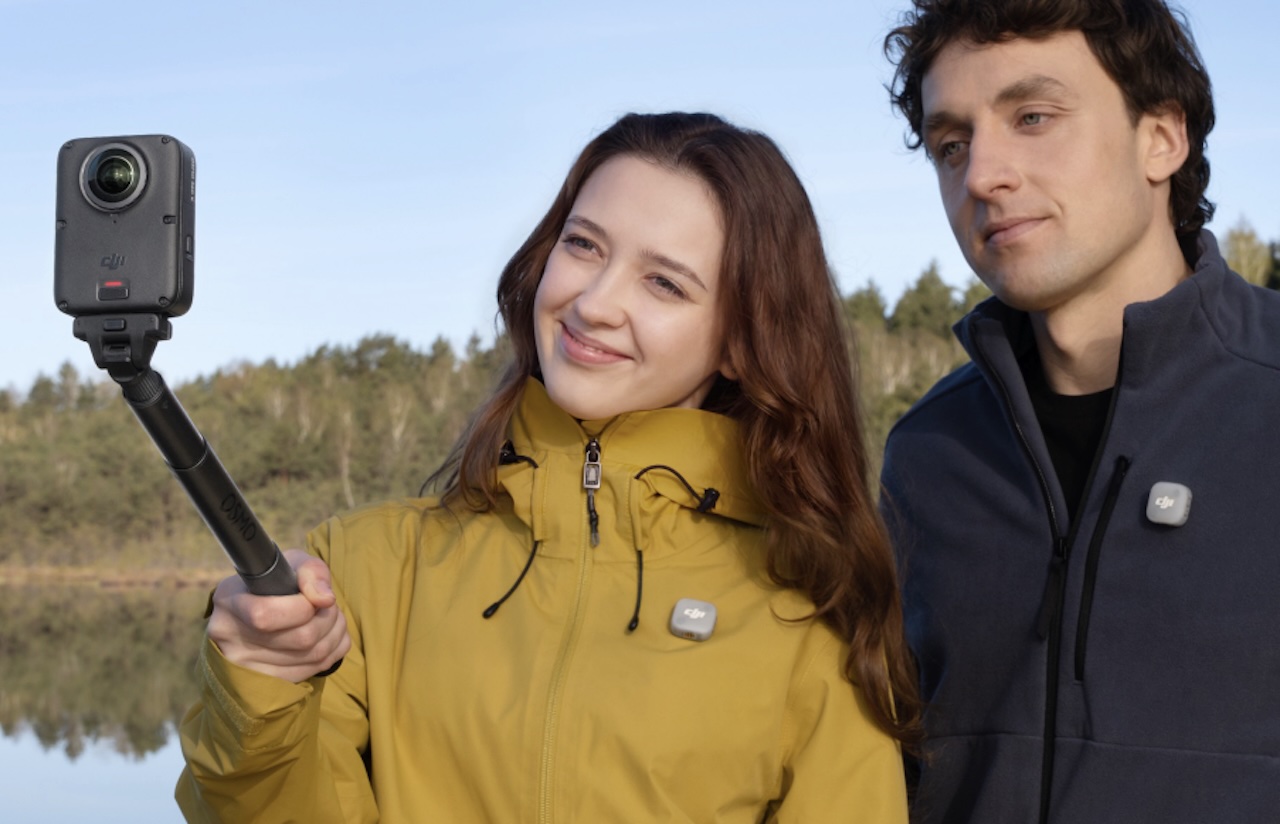
The biggest appeal of a 360-degree camera is also its biggest complication. You can capture everything around you without worrying too much about where the camera is pointed, but you still have to turn that spherical recording into a conventional video people want to watch.
Price: From $499
Where to Buy: DJI
That means reframing clips, tracking subjects, choosing perspectives, and often spending more time editing than you would with footage from a traditional action camera. The new DJI Osmo 360 II aims to ease that burden with 8K/60fps panoramic recording, automatic subject tracking through Spotlight Follow, and user-replaceable lenses. Rather than chasing another huge resolution jump, the new model focuses on practical issues that affect shooting, editing, and long-term ownership.
8K/60fps prioritizes motion
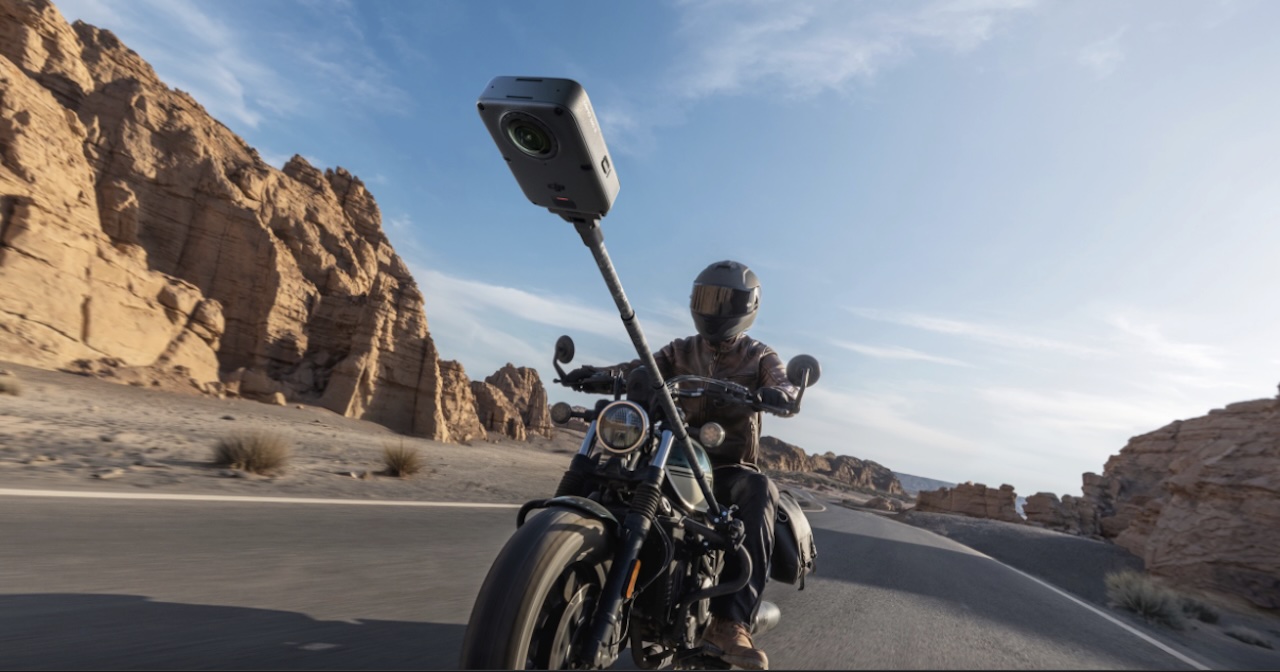
The original Osmo 360 already recorded native 8K panoramic video, so DJI did not need a higher-resolution headline. Instead, the Osmo 360 II raises the maximum 8K frame rate from 50fps to 60fps, a more meaningful change for a camera likely to be mounted on motorcycles, bicycles, helmets, cars, selfie sticks, and other moving platforms.
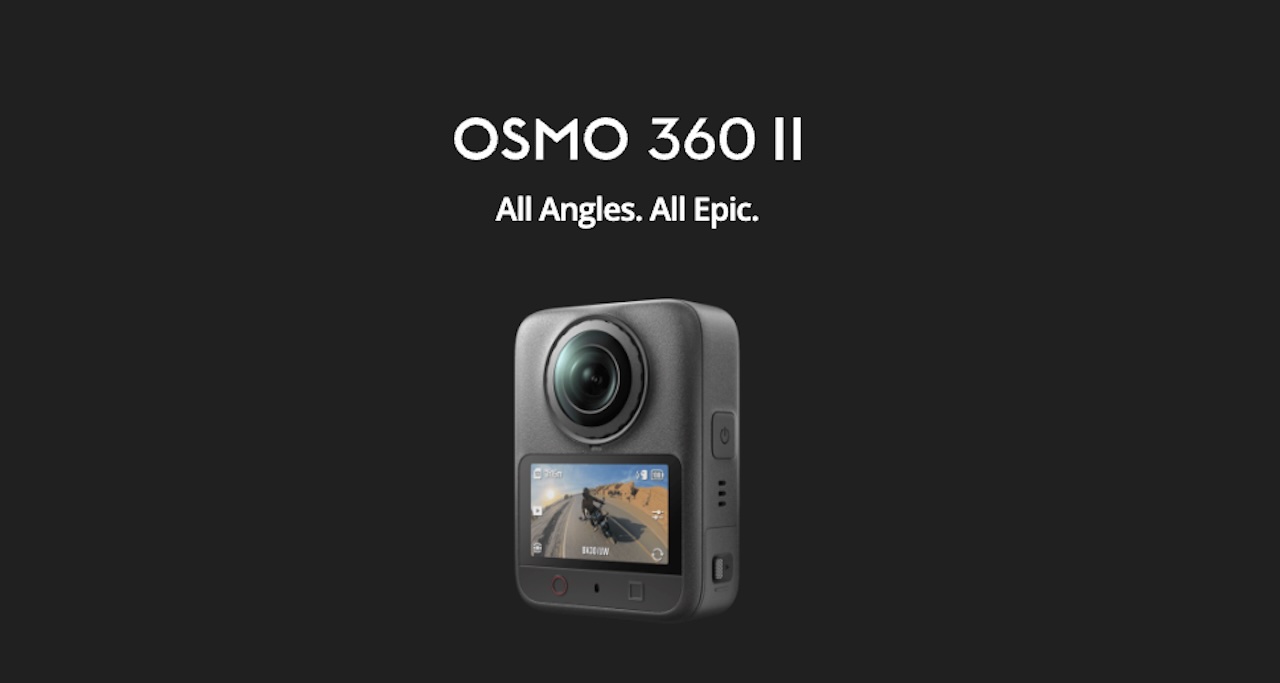
DJI says 8K/60fps should deliver smoother results during fast movement, work more naturally with 60Hz displays, and offer more latitude for slow-motion footage. Those are company claims, rather than proof that every clip will look dramatically better than footage from the first Osmo 360. Still, recording more frames while retaining the camera’s highest panoramic resolution gives creators more flexibility when movement is central to a shot.
Spotlight Follow targets editing
A 360 camera removes much of the need to aim precisely while shooting, but that work simply shifts into post-production. Reframing a long clip manually can mean placing keyframes throughout the footage just to keep a cyclist, skier, child, pet, or yourself centered in the final video.
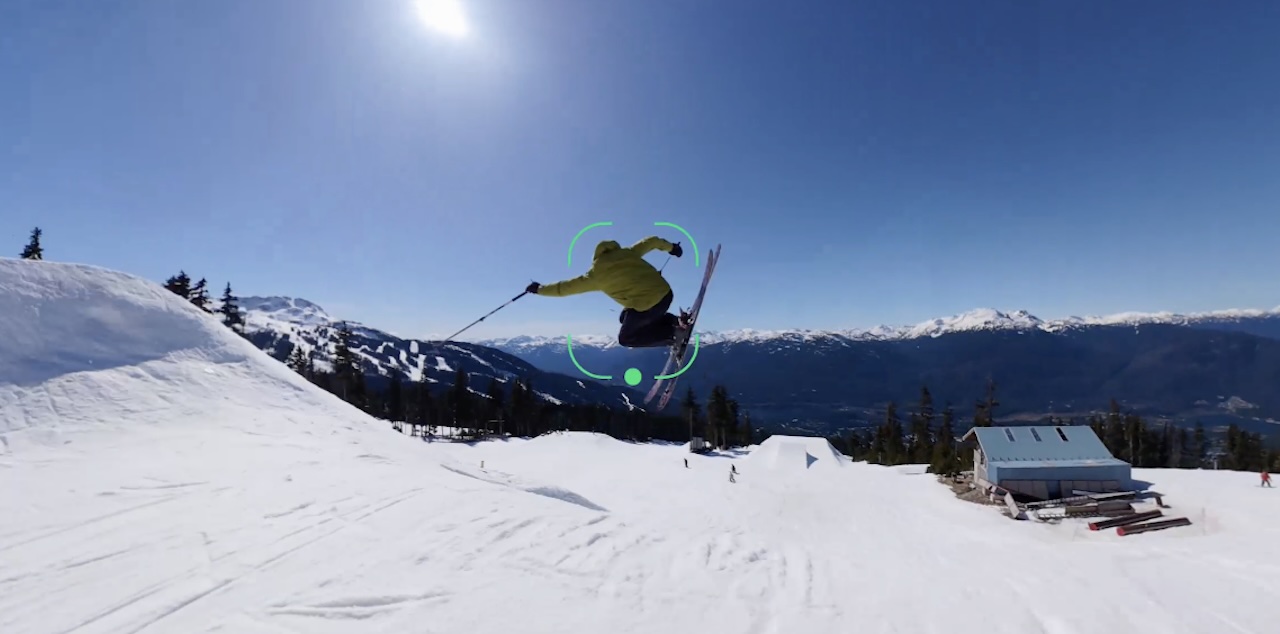
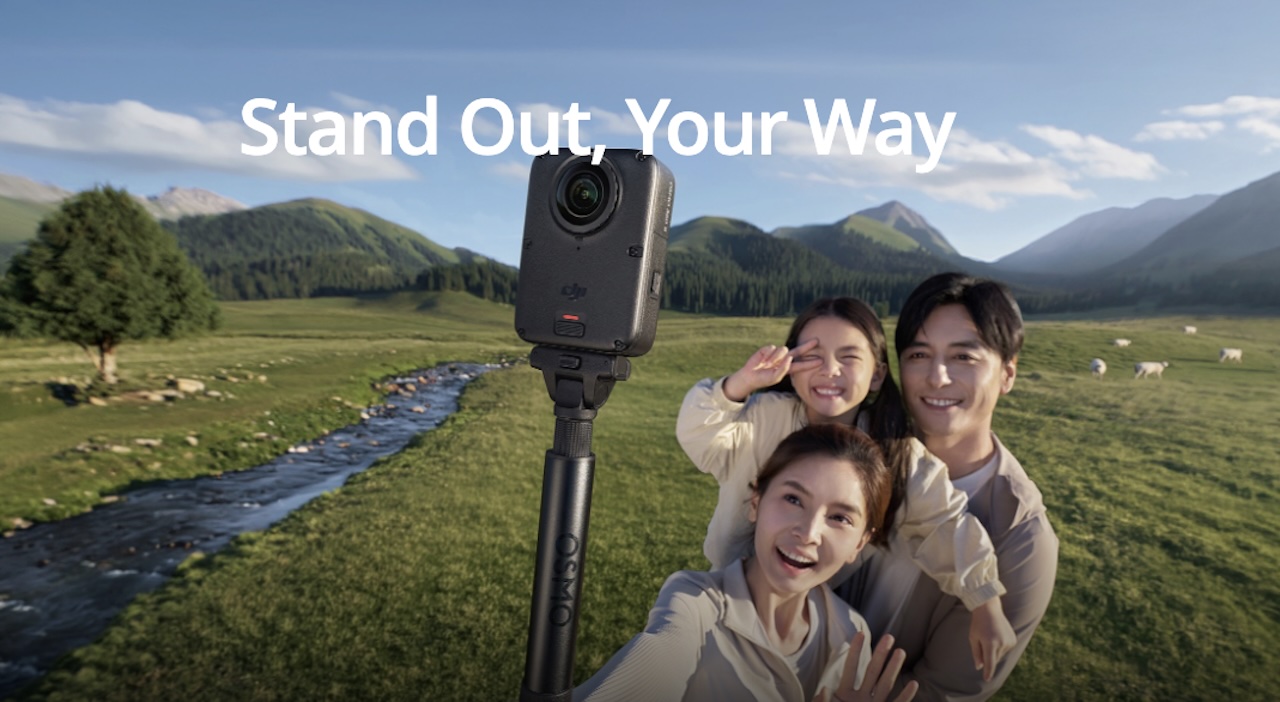
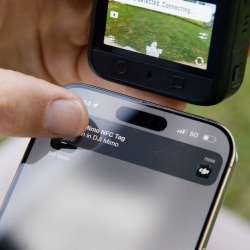
The Osmo 360 II introduces Spotlight Follow, which DJI says can automatically track a selected subject in panoramic footage. It can then export the resulting reframed video at up to 4K/30fps through DJI Mimo or DJI Studio.
If it works reliably outside controlled demos, this could be more useful than the move from 50fps to 60fps. Spotlight Follow will not remove editing entirely, you still need to choose clips, pacing, and viewpoints, but it could take away some of the repetitive reframing that makes 360-degree footage more time-consuming than conventional action-camera video.
Replaceable lenses matter
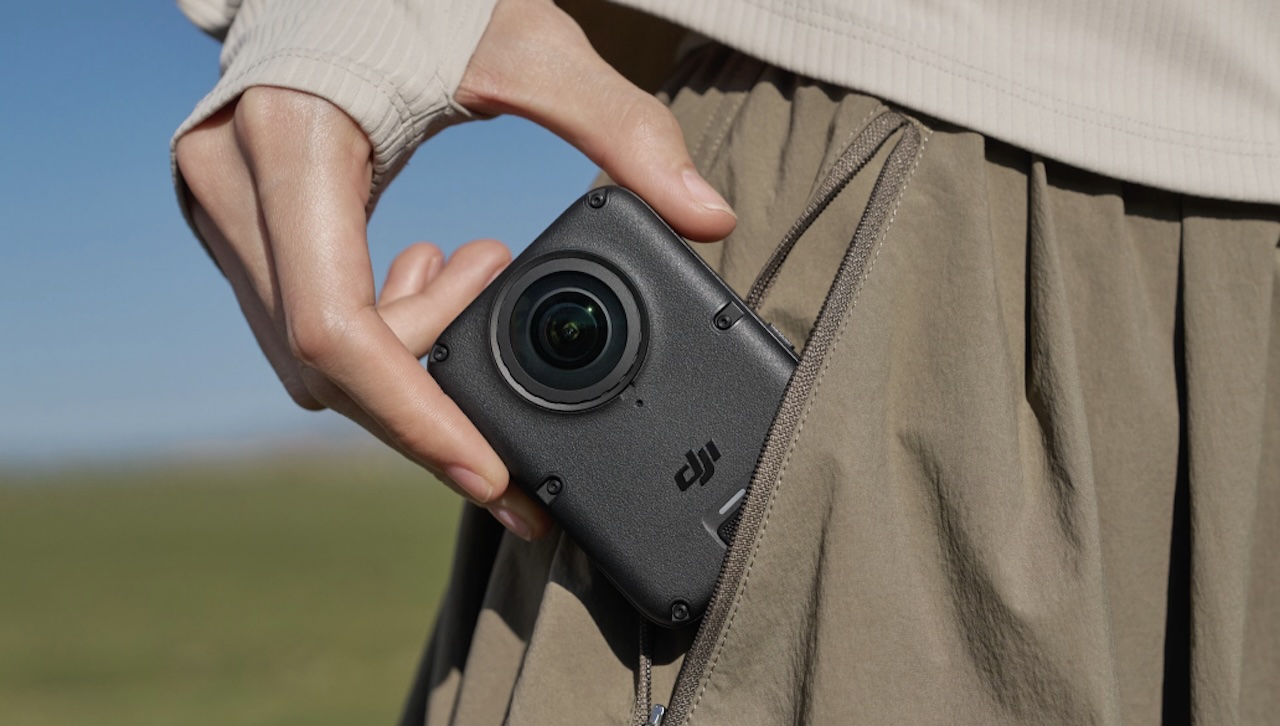
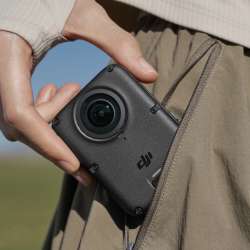
360 cameras have an unavoidable vulnerability: their fisheye lenses protrude from the body. That design is essential for capturing the entire environment, but it also places the glass close to pavement, rocks, branches, and anything else an action camera might encounter.
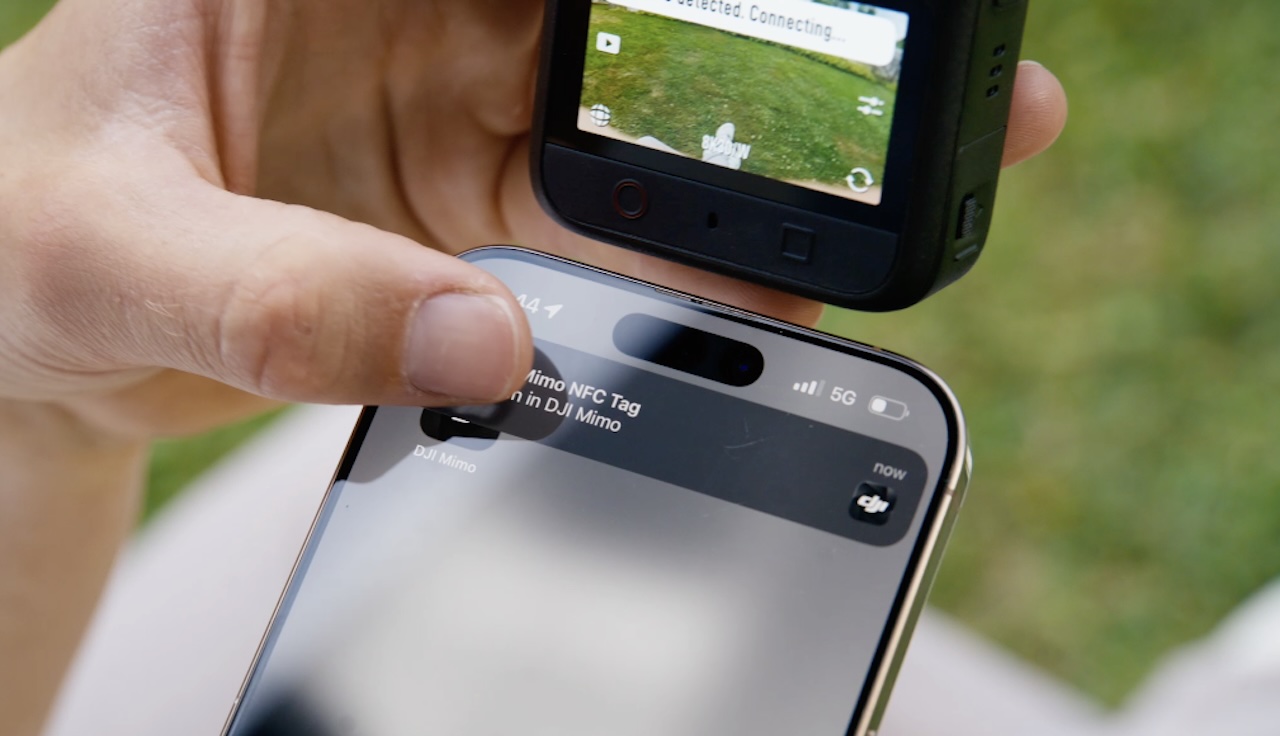
DJI says the Osmo 360 II uses an upgraded ion-sputtering coating to improve scratch and wear resistance. More importantly, the lenses are user replaceable. Damage to the original Osmo 360’s lenses required DJI support, so this change could make an accident far less disruptive.
The scratch-resistance claim needs context because DJI bases it on controlled testing rather than every possible crash or impact. The replaceable design, however, is a more tangible advantage: one of the camera’s most exposed components can now be swapped without necessarily sending the whole camera away. Over several years of ownership, that may matter more than a small specification increase.
Low-light gains need testing
The Osmo 360 II retains the original model’s dual 1/1.1-inch square CMOS sensor configuration and f/1.9 aperture. The bigger second-generation update is processing: DJI replaces SuperNight with AI SuperNight 2.0 and claims up to 14.5 stops of dynamic range, versus 13.5 stops on the first Osmo 360.
That figure comes from DJI’s own testing, not an independent lab measurement, so it is too early to conclude that night footage will be dramatically better based on the specification alone. DJI has changed the camera’s low-light processing and claims a one-stop dynamic-range improvement; comparative real-world footage will show how visible that difference is when lighting gets difficult.
 Storage and battery hold steady
High-resolution 360 video fills storage quickly, which makes the Osmo 360 II’s 105GB of internal storage genuinely useful. Forgetting a microSD card does not automatically end a shoot, since you can record internally and add removable storage when you need more capacity.
This is not a generational upgrade, though, because the original Osmo 360 also offered 105GB of usable built-in storage. The same goes for battery life: DJI rates the Osmo 360 II for up to 100 minutes of continuous 8K/30fps recording with its Extreme Battery Plus, matching the original model’s headline figure.
DJI’s runtime estimate comes from controlled testing with several features disabled and the screen off, so real battery life will vary with temperature, settings, wireless use, and how often you interact with the camera. The takeaway is that DJI has retained one of the original model’s practical strengths rather than transformed endurance.
 Who should consider it?
The Osmo 360 II makes the most sense for cyclists, motorcyclists, skiers, travelers, solo creators, and action-sports shooters who benefit from recording everything first and selecting the final viewpoint later.
New buyers get a higher-frame-rate 8K mode, potentially easier reframing through Spotlight Follow, updated low-light processing, and a more repair-friendly lens design. Existing Osmo 360 owners have a tougher decision: the sensors, storage capacity, claimed battery life, and basic waterproofing are not the main reasons to upgrade.
The strongest reasons to move to the new model are 8K/60fps, Spotlight Follow, AI SuperNight 2.0, DJI’s claimed 14.5-stop dynamic range, and user-replaceable lenses. If you primarily want footage that is ready to share straight from the camera, a conventional action camera remains simpler.
Price: From $499
Where to Buy: DJI
The Osmo 360 II makes more sense when recording first and choosing the framing afterward is valuable enough to justify the additional workflow. DJI has not reinvented the 360-camera category, but it has addressed several of the things that make 360-degree video inconvenient to capture, edit, and maintain, and those improvements may matter more than another resolution headline