

Audio gear in July didn’t move in one clean direction. It split into desk setups, gaming headsets, student earbuds, creator microphones, collectible speakers, and one tiny record player that made a questionable format feel oddly reasonable.
That mix is what made the month interesting. The best audio stories weren’t only about better sound. They were about where people actually listen: at a desk, in a dorm, on a couch, during a stream, or in the middle of a game that can’t wait for a battery swap.
At a Glance
- ASUS ROG Gjallar: a compact Dolby Atmos soundbar for desk-first gaming setups
- Audeze Maxwell 2 ANC: planar gaming headphones with active noise cancellation
- Marshall Acton III Hendrix Edition: a limited-edition shelf speaker built around rock-history styling
- Tiny Vinyl Player: a $50 mini turntable for 4-inch records
- Sennheiser MOMENTUM 5: premium wireless headphones with a replaceable battery
- Lenovo Headphone YOGA PC Edition: a $199.99 headset aimed at Yoga PC owners
- Razer Seiren V3 Chroma 32-Bit DSP: a creator mic with onboard cleanup
- JBL Live 4: three earbud fits with the same smart charging case
- Glorious GHS Wireless InfinitePlay: a gaming headset with swappable batteries
- Skullcandy Crusher 720: bass-first headphones with THX Spatial Audio
1. ASUS ROG Gjallar: The Desk Soundbar Finally Gets Serious
Most gaming desks are built around screens first and audio second. ASUS’ ROG Gjallar pushed against that habit by turning the soundbar into a compact 2.1.2 desktop system with Dolby Atmos height channels, a wireless subwoofer, and enough inputs to sit at the center of a PC and console setup.
The hardware is more ambitious than a typical under-monitor bar. ASUS packed in four 50mm full-range drivers, two 27mm tweeters, up-firing channels, a 65-watt wireless subwoofer with a 165mm driver, and a 5GHz wireless link for the sub. The control hub also handles EQ, playback, input switching, and RGB without forcing you into a menu maze.
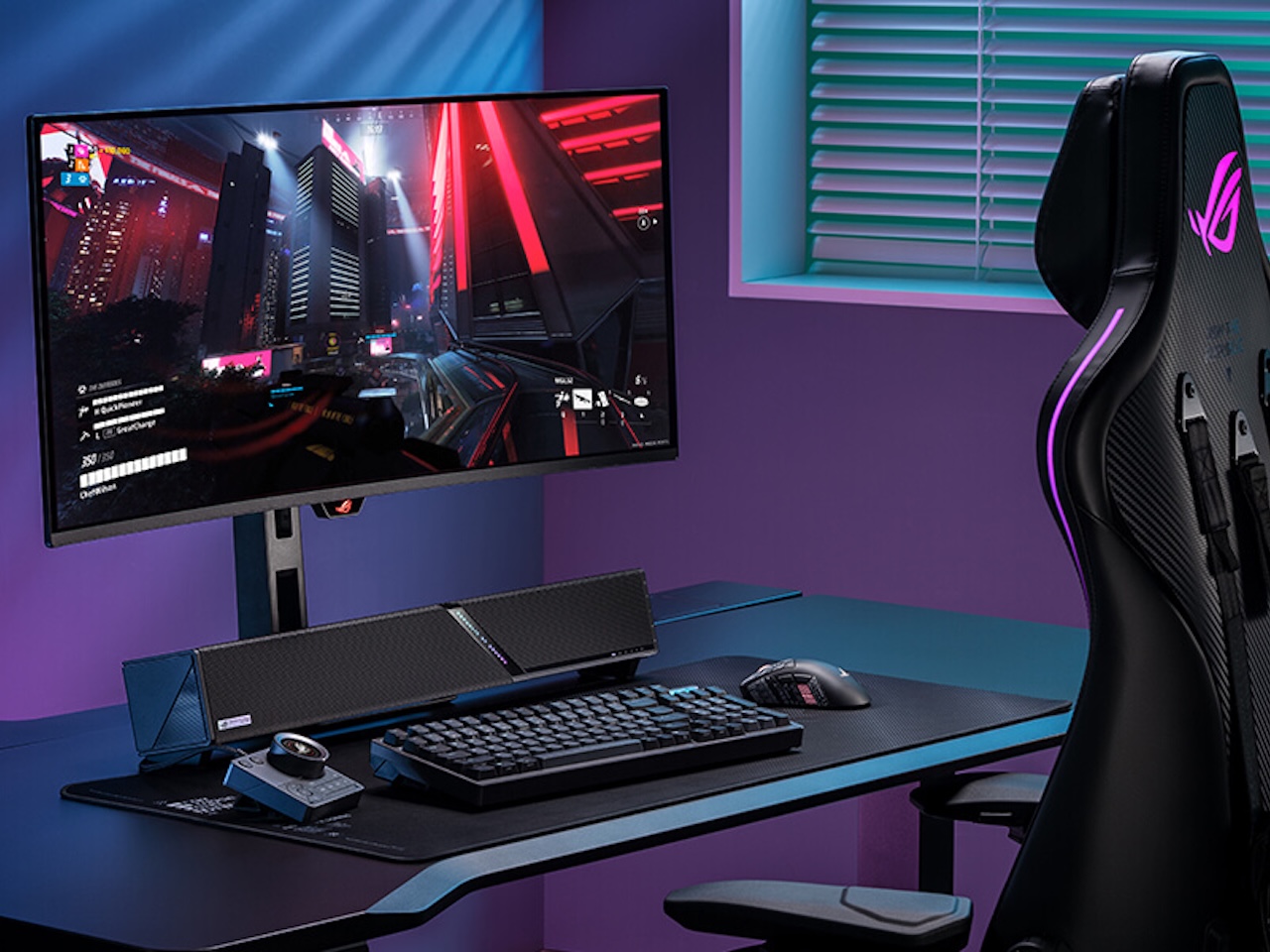 Connectivity is the real desk win. USB-C, HDMI 2.1 with eARC and 4K 120Hz passthrough, optical, AUX, and Bluetooth 5.3 mean the Gjallar can sit between a PC, console, phone, and display instead of acting like a single-purpose speaker. ASUS hadn’t announced price or release timing in the July coverage, so the value case still needed a number.
ASUS ROG Gjallar
Price: TBD
Where to Buy: ASUS ROG
2. Audeze Maxwell 2 ANC: Planar Gaming Gets Noise Cancellation
The Audeze Maxwell 2 ANC mattered because it added the one feature the Maxwell line had been missing. Active noise cancellation finally joined the planar gaming formula, and Audeze priced that upgrade at $429 for PlayStation and $449 for Xbox.
Audeze’s claim is specific: the Maxwell 2 ANC keeps its frequency response consistent whether ANC is on or off. That matters because noise cancellation can change how headphones sound once processing kicks in. Audeze also frames it as the world’s first full-range planar headphone with ANC, which stays a brand claim until independent testing confirms the broader comparison.
The headset keeps 90mm planar magnetic drivers, SLAM bass technology, FILTER AI voice cleanup, built-in head tracking with auto-calibration, and listed battery life of 40 hours with ANC off or 35 hours with ANC on. The tradeoff is weight. At 560 grams, it’s heavier than the original Maxwell, so anyone sensitive to headset weight should treat comfort as the deciding question.
Audeze Maxwell 2 ANC
Price: $429 to $449
Where to Buy: Audeze
3. Marshall Acton III Hendrix Edition: The Shelf Speaker Becomes the Object
The Marshall Acton III Hendrix 60th Anniversary Edition wasn’t chasing better audio than the standard Acton III. It was selling the Acton III as an object: purple crushed velvet, silver hardware, cosmic artwork, and a Hendrix tie-in that makes the speaker feel more like shelf decor with an amplifier inside.
Underneath the limited finish, the hardware stays familiar. The Acton III uses one 30W Class D amplifier for the woofer, two 15W Class D amplifiers for the tweeters, outward-angled tweeters, updated waveguides, Dynamic Loudness, Bluetooth 5.2, and a 3.5 mm input. It doesn’t have Wi-Fi, a microphone, a voice assistant, or a water resistance rating.
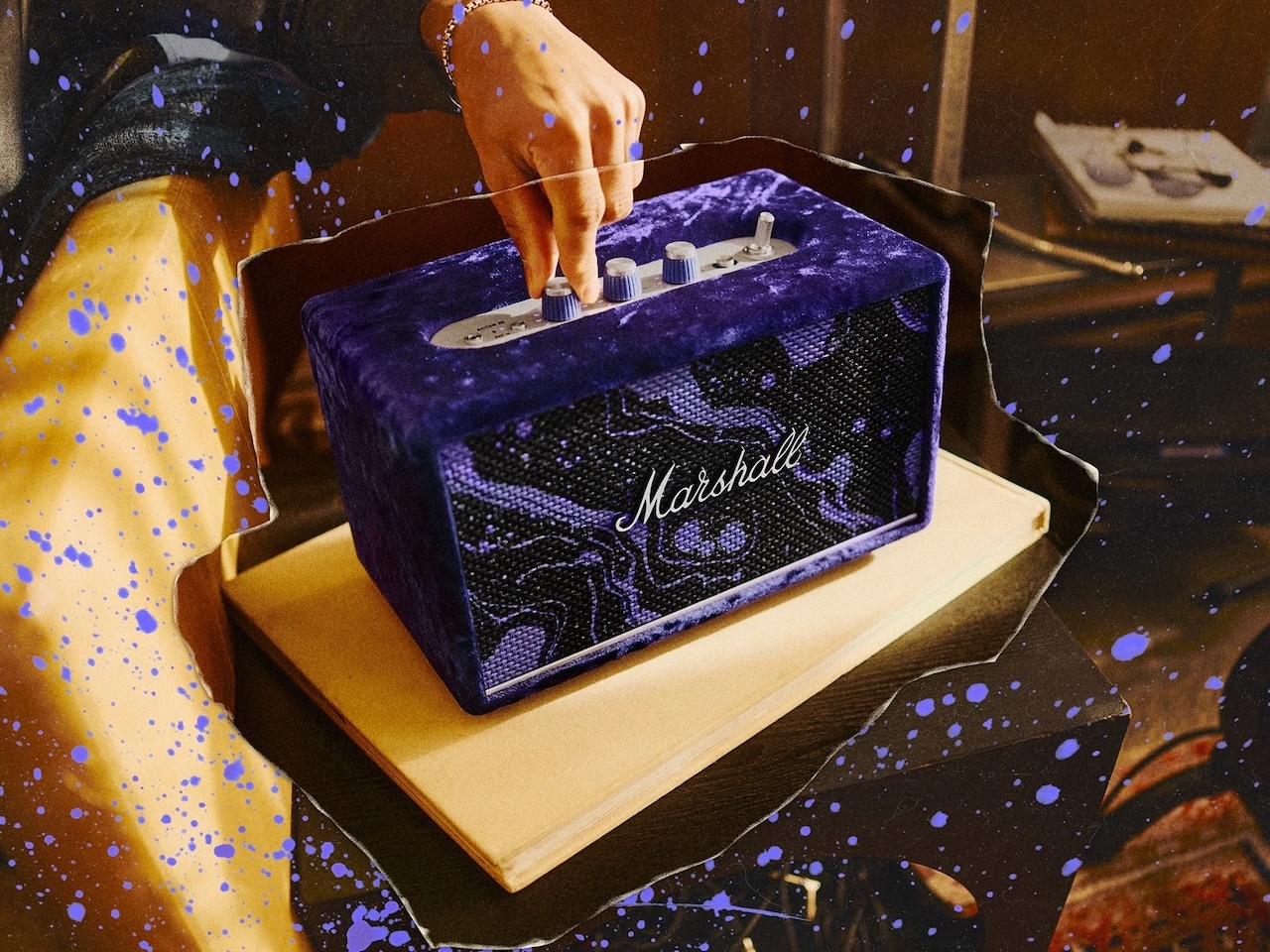 That makes the buying logic simple. If you want the lowest price on Acton III sound, the standard model is the better target. If the Hendrix finish is the reason this belongs on your shelf, the $299.99 price is paying for the look as much as the speaker.
Marshall Acton III Hendrix 60th Anniversary Edition
Price: $299.99
Where to Buy: Marshall
4. Tiny Vinyl Player: The $50 Collectible That Happens to Spin
The Tiny Vinyl Player was July’s strangest audio pick because it made the smallest promise. It doesn’t play LPs, 45s, or 7-inch singles. It plays 4-inch Tiny Vinyl records at 33 1/3 RPM, which makes it more collectible object than serious turntable.
That sounds limiting because it is. Tiny Vinyl’s own guidance says the mini records can play on many standard manual turntables as long as the tonearm reaches the platter’s center and auto-stop is turned off. In other words, the $50 player isn’t strictly required if you already own the right full-size deck.
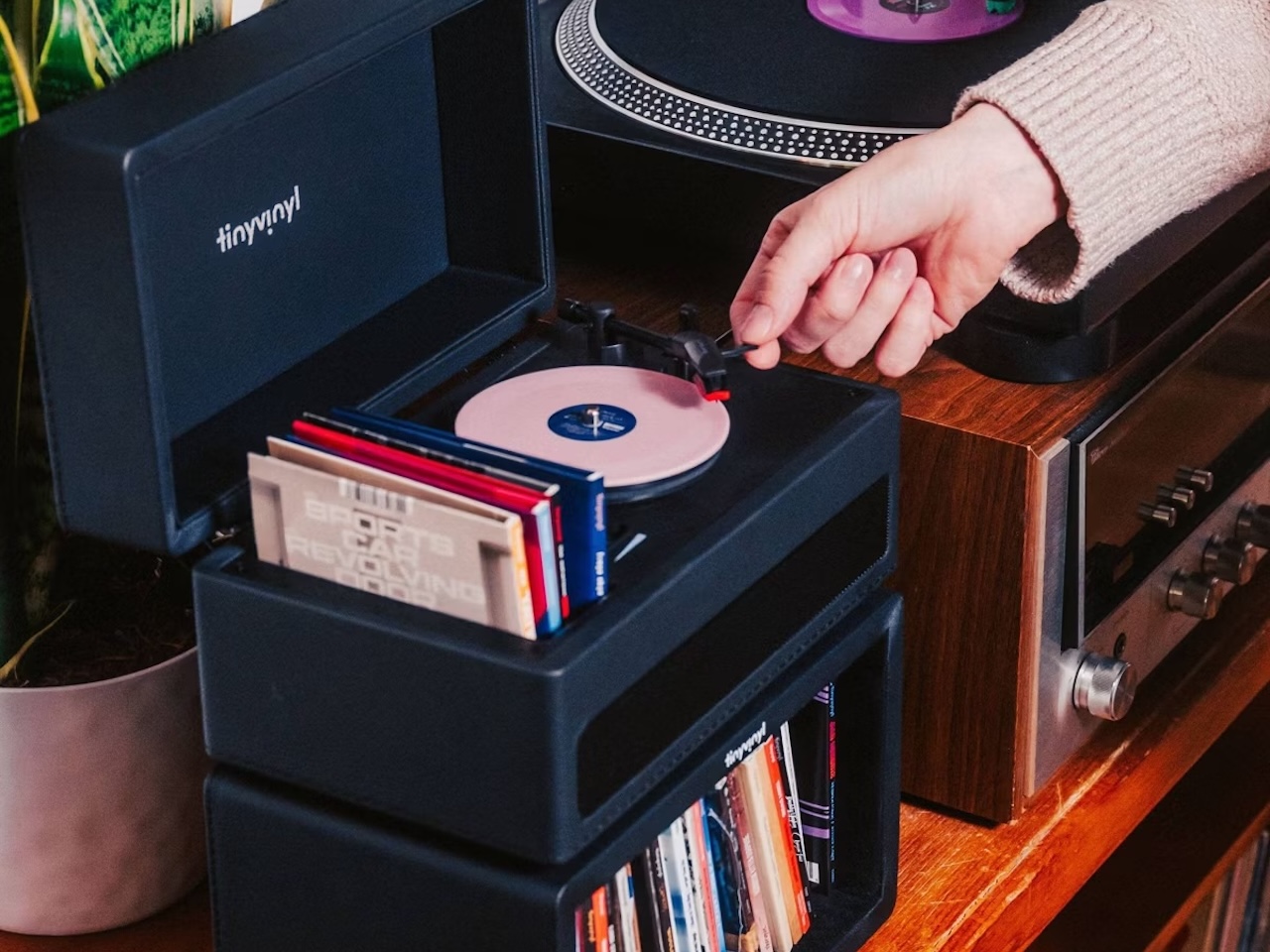
The appeal is ritual. Built-in stereo speakers and Bluetooth out make it easy to use on a desk, while $14.99 mini records keep the format closer to a collectible than a high-fidelity music habit. For anyone starting a real vinyl collection, the better move is still a full-size entry turntable. For someone who wants a tiny object that turns one song into a small ceremony, the price starts to make sense.
Tiny Vinyl Player
Price: $49.99
Where to Buy: Target
5. Sennheiser MOMENTUM 5: Premium Headphones With a Serviceable Battery
The Sennheiser MOMENTUM 5 stood out because it treated battery aging as part of the product design. A $399.95 wireless headset usually asks you to accept a sealed battery. Sennheiser instead lists a replaceable battery alongside adaptive noise cancellation, Bluetooth 5.4, a 42 mm driver, Dolby Atmos support, a 3.5 mm wired option, and eight microphones.
That serviceable-battery angle gives the MOMENTUM 5 a longer view than another travel headset chasing the same checklist. Sennheiser rates battery life at up to 57 hours and says a 10-minute USB-C charge can add up to seven hours of playback. Those figures still need real-world testing, especially with ANC and software features active.
 At $399.95, the MOMENTUM 5 sits in premium territory. The strongest case isn’t that it undercuts rivals. It doesn’t. The stronger case is that a replaceable battery gives the headset a reason to remain useful after years of charging cycles, which is exactly where many premium wireless headphones start to feel disposable.
Sennheiser MOMENTUM 5 Wireless
Price: $399.95
Where to Buy: Sennheiser
6. Lenovo Headphone YOGA PC Edition: Laptop Audio Gets a System Match
The Lenovo Headphone YOGA PC Edition was the kind of accessory that only makes full sense if you care about the computer it was built around. At $199.99, it’s a wireless headset designed to complement Yoga PCs, with Cosmic Blue styling and Lenovo’s CES 2026 material crediting Sound by Bose technology for tuning.
The spec sheet is stronger than the usual laptop-brand accessory. Lenovo lists 40 mm drivers, 20 Hz to 20 kHz frequency response, 32-ohm impedance, 115 dB SPL sensitivity, Bluetooth 5.3, a 3.5 mm wired input, five omnidirectional microphones, and active noise cancellation. Weight lands at 0.27 kg, which is light for a set with ANC.
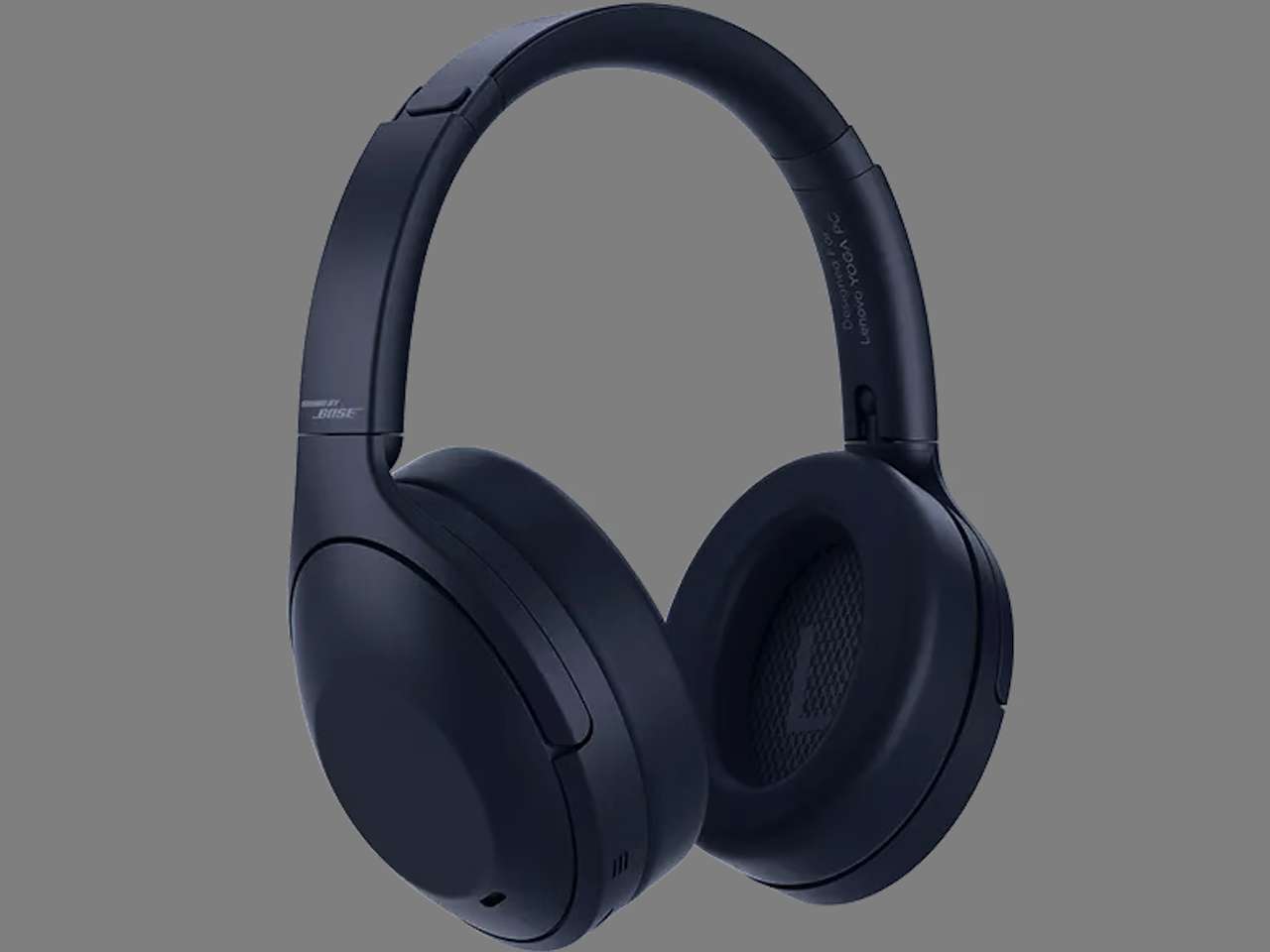 Battery life is the practical hook. Lenovo quotes up to 38 hours with low noise cancellation or 28 hours with high noise cancellation from a 640 mAh cell, with a two-hour USB-C recharge. The open question is what the Yoga integration actually does beyond positioning, since Lenovo also lists support for Windows, Android, and iOS.
Lenovo Headphone YOGA PC Edition
Price: $199.99
Where to Buy: Lenovo US
7. Razer Seiren V3 Chroma 32-Bit DSP: Cleanup Starts at the Mic
Razer’s Seiren V3 Chroma 32-Bit DSP was a creator-audio story more than a pure microphone story. The point wasn’t only capturing sound. It was putting AI noise reduction, automatic EQ, compression, and limiting on the microphone itself before the signal reaches your streaming setup.
The mic starts at $119.99 in Black, with White and Quartz costing $10 more. Razer says the onboard DSP works at 24 or 32 bit depth and 48 or 96 kHz sample rates, while the 16 mm supercardioid condenser capsule is meant to keep keyboard and mouse noise lower in the mix. Razer’s own FAQ lists 120 dB max SPL and 112 dB signal-to-noise ratio for the DSP model.

The lighting also does some practical branding work for streamers. Chroma effects can react to stream events, chat, and supported games, which matters when the mic sits in frame. The pricing story is less clean because the older Seiren V3 Chroma has been selling lower at retail, so the DSP model is best viewed as a paid upgrade for onboard cleanup.
Razer Seiren V3 Chroma 32-Bit DSP
Price: $119.99
Where to Buy: Razer
8. JBL Live 4: One Earbud Line, Three Fits
JBL’s Live 4 series made the list because it treated fit as the product decision. Buds, Beam, and Flex all carry the same touchscreen Smart Charging Case, six-microphone call system, Hi-Res Audio support, Bluetooth 6.0 with LE Audio and Auracast, Personi-Fi 3.0 tuning, and the same €199.99 price.
The difference is physical. Live Beam 4 uses a sealed in-ear stem design, Live Flex 4 uses an open stem design, and Live Buds 4 drops the stem for a compact in-ear shape. That matters for students because a sealed fit helps in a noisy shared kitchen, while an open fit is easier to live with on a bike commute or during a long study day.
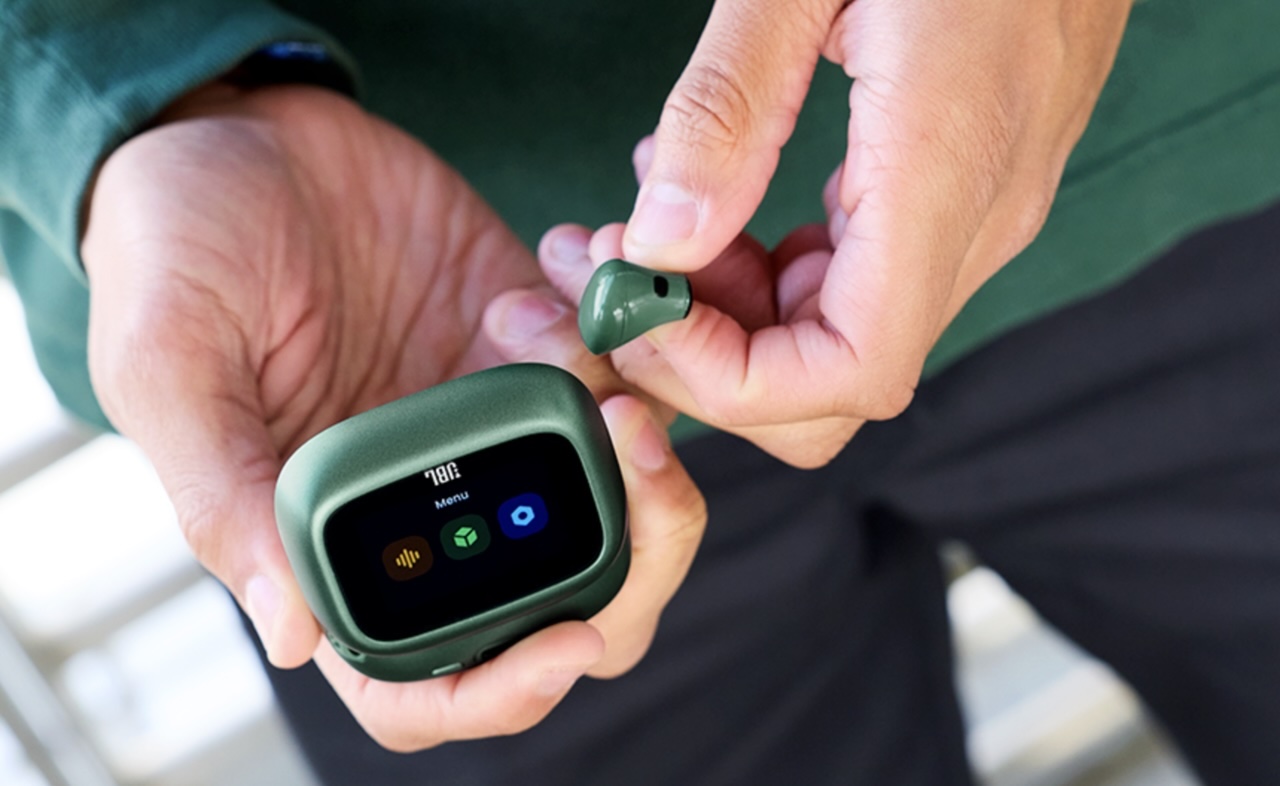 Battery specs separate the three too. JBL lists up to 10 hours from the Beam earbuds with ANC on and 48 hours total with the case, 8 hours and 40 hours for Buds, and 7 hours and 50 hours for Flex. US pricing wasn’t confirmed in the source coverage, so American buyers still needed a clean local listing.
JBL Live 4
Price: €199.99 (about $227)
Where to Buy: Amazon UK for Live Buds 4
9. Glorious GHS Wireless InfinitePlay: The Headset That Swaps Batteries Mid-Session
The Glorious GHS Wireless InfinitePlay went after one very specific gaming failure: a wireless headset dying during a session. Its answer is two swappable battery packs plus a built-in reserve battery that keeps audio running while you change packs.
Glorious rates each pack for 85 hours of play, though the same product page’s box contents listed them as 70-hour packs in the July coverage. That conflict should stay flagged until the final retail spec is settled. The Guardian Battery System is the clever part because it gives more than three hours of reserve power during a swap, according to Glorious.
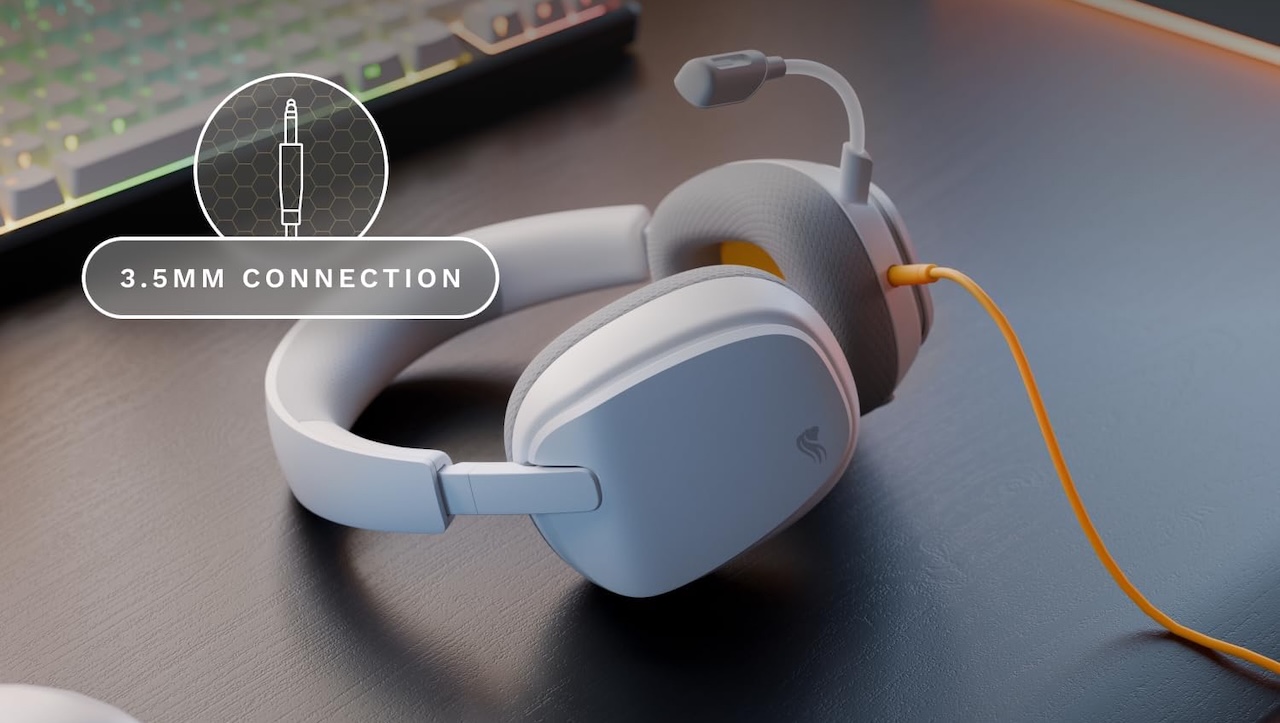 The rest of the package covers 2.4GHz wireless, Bluetooth, USB-C wired use, 40 mm custom-tuned angled drivers, a detachable noise-canceling microphone, a suspension headband, and memory foam ear cups. At $229.99, the InfinitePlay is for gamers who care less about having the cheapest wireless headset and more about never having a battery dictate the end of a session.
Glorious GHS Wireless InfinitePlay
Price: $229.99
Where to Buy: Amazon
10. Skullcandy Crusher 720: Bass Gets a Spatial Audio Upgrade
Skullcandy’s Crusher 720 kept the brand’s most recognizable trick and added a different kind of immersion. Adjustable Crusher Bass is still the headline for people who want low end they can feel, but the $209.99 Crusher 720 also embeds THX Spatial Audio for movies, music, sports, games, and console use.
That pairing is the point. Plenty of bass-first headphones stop at impact, while plenty of spatial audio products feel built for phone demos. Skullcandy positioned the Crusher 720 as the more affordable sibling to the $279.99 Crusher 1080 ANC, trading active noise cancellation for a lower price and the THX angle.
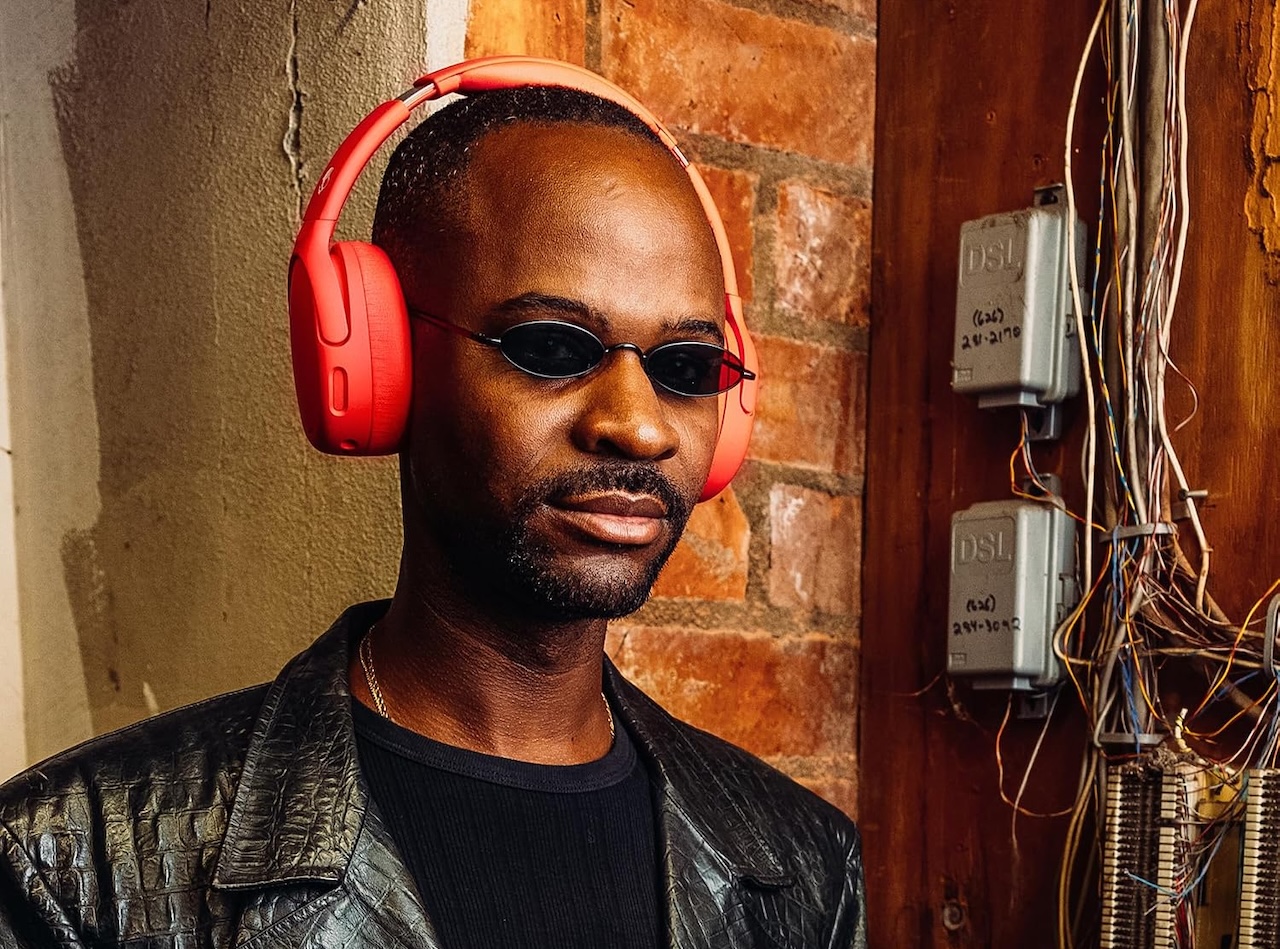
Battery life is listed at 65 hours, with a rapid charge feature that adds up to four hours from 10 minutes. It also includes swappable EQ modes, Stay-Aware mode, Personal Sound tuning, Bluetooth 5.3, a 40.7 mm driver, and a 20 Hz to 20 kHz frequency range. If you wanted a Crusher model that treats spatial sound as more than a footnote, this was July’s one to watch.
Skullcandy Crusher 720
Price: $209.99
Where to Buy: Amazon
What These July Picks Say About Audio Gear Now
The common thread isn’t one feature. It’s specialization. July’s audio gear didn’t ask one product to cover every kind of listener, gamer, student, collector, and creator. It showed products getting sharper about where they belong.
That split is good for buyers. A soundbar can be for a desk instead of a living room. A headset can solve battery swaps instead of chasing every codec. A speaker can admit it’s partly a collectible. A mic can clean the signal before software touches it.
The risk is that sharper products also make wrong purchases easier. If you don’t own a Yoga PC, Lenovo’s headset loses much of its pitch. If you don’t collect Tiny Vinyl, the $50 player is just a very limited turntable. If you need active noise cancellation, Skullcandy’s Crusher 720 isn’t the right Crusher.
The Bottom Line
July’s best audio gear stories were less about universal upgrades and more about fit. The right pick depends on where you listen, how long you listen, and what kind of compromise you’re willing to accept.
For desk audio, ASUS had the most interesting swing. For premium headphones with a repairability angle, Sennheiser carried the bigger idea. For gaming endurance, Glorious made the battery swap the whole point. For collectible appeal, Marshall and Tiny Vinyl understood that audio gear can be as much about the object as the sound.
