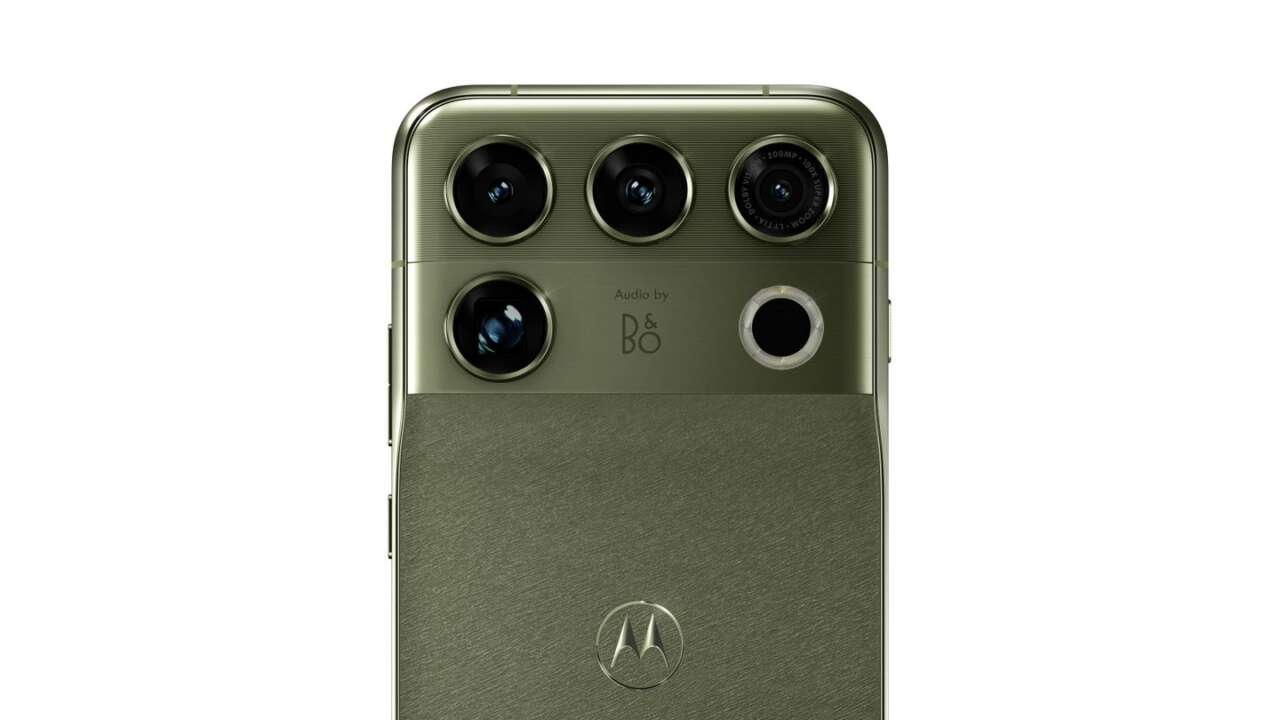
Motorola built the Signature 27 around its cameras and priced it like a Samsung Ultra, and the first full lab verdict says the bet landed. DXOMARK has finished its complete camera test of the phone, and the Signature 27 comes out with 173 points, second place in the lab’s global ranking, and the strongest camera Motorola has ever shipped.
The number is a headline. The breakdown underneath it is the story, because the 173 is not one big score propped up by a single trick. Photo and video land on the same 173, the use-case scores stay high everywhere except long-range zoom, and the weaknesses the lab found are specific enough to plan around. We covered the phone itself at launch; this is what the lab found when it took the cameras apart.
Price: $1,599.99
Where to buy: Motorola
An even scoreboard with one thin corner
Photo scores 173 overall, built from a main camera at 178, bokeh at 175, ultra-wide at 166, and telephoto at 157. Video matches the stills at 173, with the main camera’s video score at 182, the strongest component mark on the card. Nothing on the photo side drags the average down except the telephoto, and that gap reads as a hardware limit rather than a processing miss.
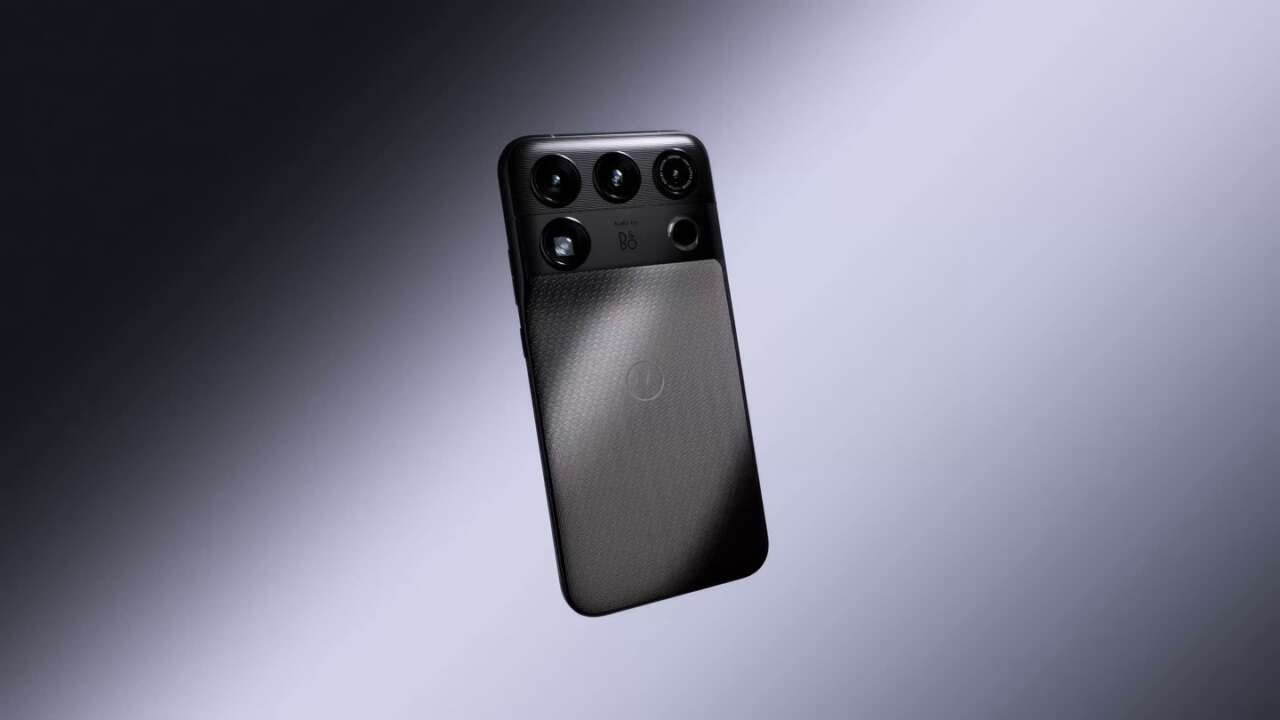
The use-case scores tell the same story in plainer terms. Outdoor shooting scores 190 and indoor 180, the two conditions most phone photos actually happen in. Portraits score 169 and zoom 161. A camera that is merely good does not post an outdoor number like that. The exposure, color, and autofocus work the lab praised shows up exactly where buyers will use the phone most.
Portraits are the strongest suit

Portrait performance is the finding Motorola will quote, and for once the quote is earned. DXOMARK found accurate exposure, natural skin tones, and a convincing level of fine detail, with faces keeping their texture instead of smoothing into the waxy finish cheaper portrait modes produce. Skin tones are the first thing a portrait buyer notices, and the lab put them at the top of this camera’s strengths.
Group shots hold up too. The camera keeps an extended depth of field when several people are in frame, and its processing sharpens secondary subjects so the person at the edge of the group stays sharp instead of going soft. The limit shows up with movement: motion blur in portraits is more pronounced here than on the strongest rivals, so a kid who won’t sit still beats this camera some of the time.
The zoom is honest to 6x and outgunned past it
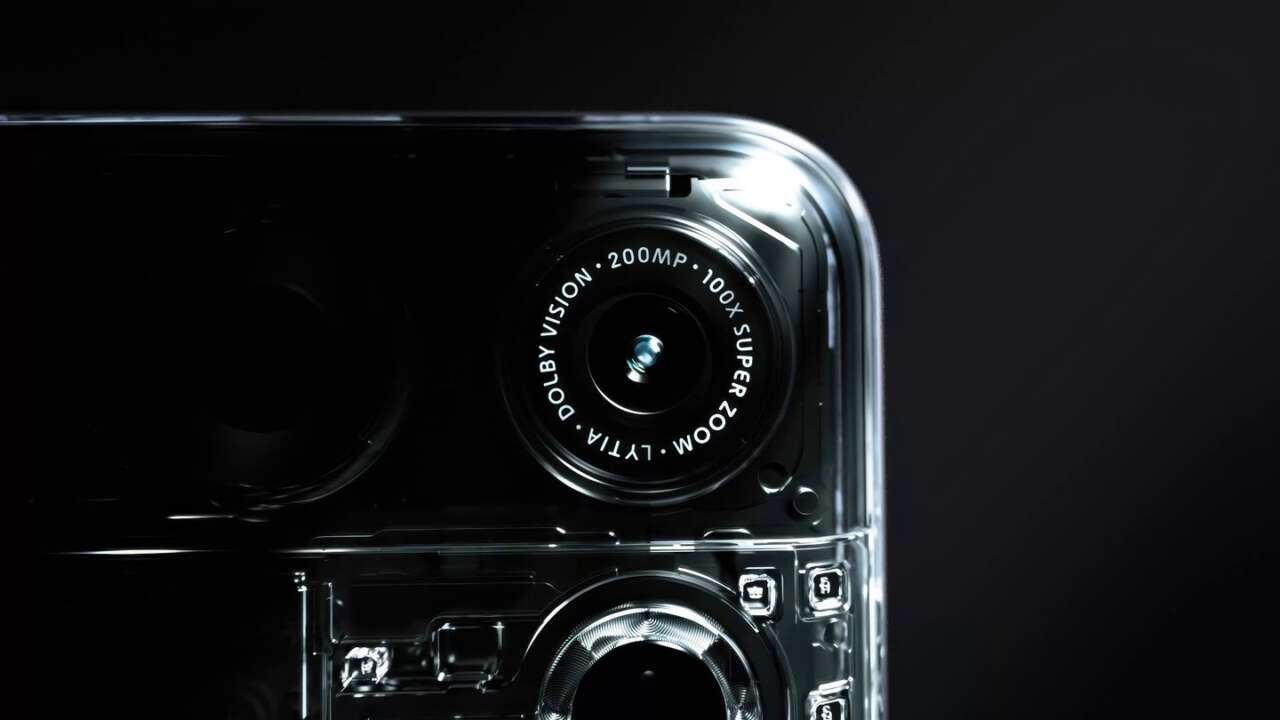
The 200MP periscope telephoto shoots at 3x optical, and that is the range where this camera earns its zoom reputation. Detail holds from 3x through the early long range, and at around 6x the camera switches sensor modes to recover texture and keep the image together. Through the distances most people actually zoom to, a concert seat or a sideline, the results stay convincing.
Past that, the hardware runs out. Telephoto scores 157, the lowest mark on the photo card, and the lab is blunt about why: rivals carrying dedicated long-range telephoto modules preserve fine detail at distances where the Signature 27 starts to lose it. One telephoto module doing every job from 3x to 100x is the design Motorola chose, and the lab score is the price of that choice, printed in numbers.
Video holds the same line

Video matching the photo score is rarer than it sounds, and it is the quiet strength of this result. Exposure stays stable, color stays consistent, autofocus stays reliable, and the stabilization is efficient on most movements, so footage does not fall apart the moment the scene changes. In static low-light scenes the noise control is genuinely good, with footage keeping a clean look without scrubbing the detail out.
Movement is where video gives points back. Noise becomes visible in low light when the subject moves, very dark scenes soften, and panning can produce a frameshift the lab could see in its test footage. None of that breaks the camera. It does draw the boundary of the 173: shoot still or move slowly at night and the footage holds; chase action in the dark and the better rivals pull ahead.
Low light and backlight collect the toll
Every weakness the lab logged lives in hard light. Noise shows up in low-light scenes and dark areas, and again near the corners of ultra-wide shots. Deep skin tones can render inaccurately in low light, and color can drift when mixed light sources fight each other. Shoot into a bright background and veiling glare can flatten the contrast across the frame.
Context counts here. These are the same conditions that tax every phone camera, and the lab still scored the phone’s low-light photos as well balanced overall, with accurate exposure and controlled color. The findings read as the difference between second place and first, not as a warning label. A buyer cross-shopping the top of the Android market should weigh them. A buyer upgrading from a two-year-old phone will never see most of them.
What second place is worth at $1,599
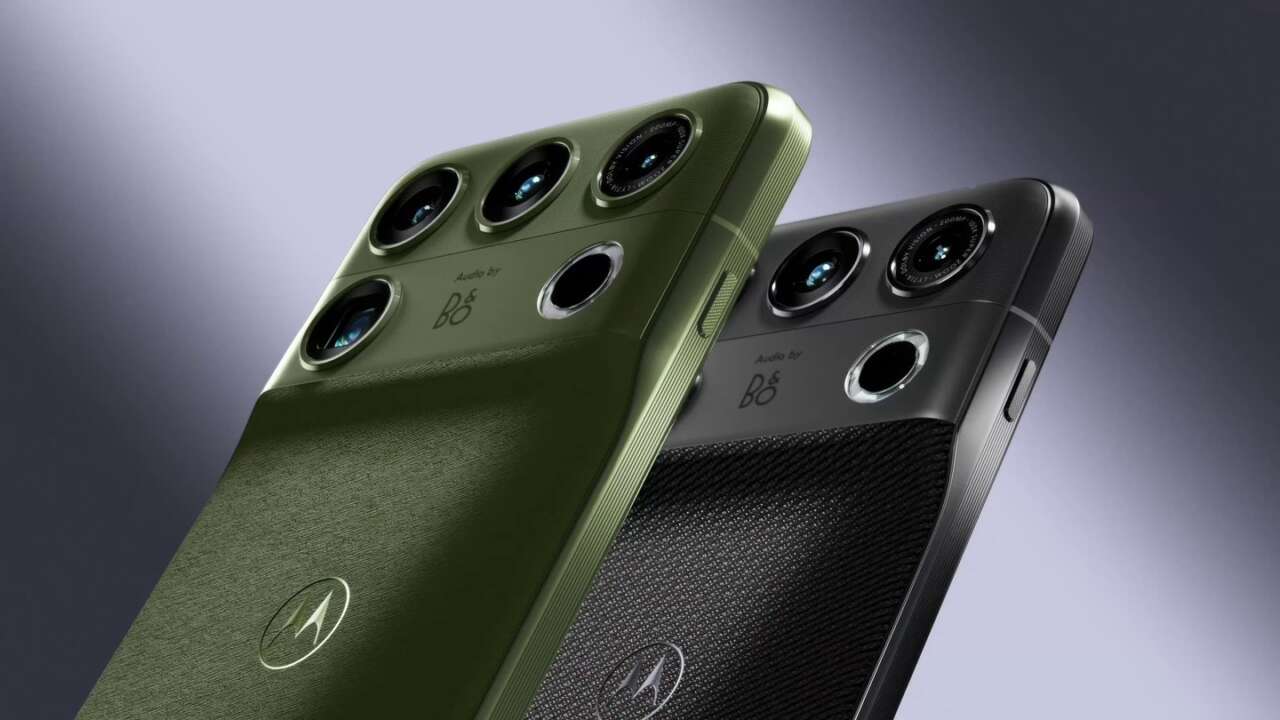
A lab score is not a hands-on verdict, and we will hold ours until a Signature 27 is in our hands. What the DXOMARK result settles is narrower and still useful: Motorola’s camera claims survive contact with the most methodical test in the business, and the phone’s $1,599.99 price now has a number to stand next to the Galaxy and Pixel hardware it was always going to be compared against.
Price: $1,599.99
Where to buy: Motorola
Preorders open November 19 at Motorola, Amazon, and Best Buy, with the phone on sale November 26 in the single 12GB and 512GB configuration. Motorola’s own store is the launch-window play: orders there bundle the Moto Watch Ultra at no extra cost and a free year of MotoCare. The camera ranking is the reason to look. The bundle is the reason to buy early.