
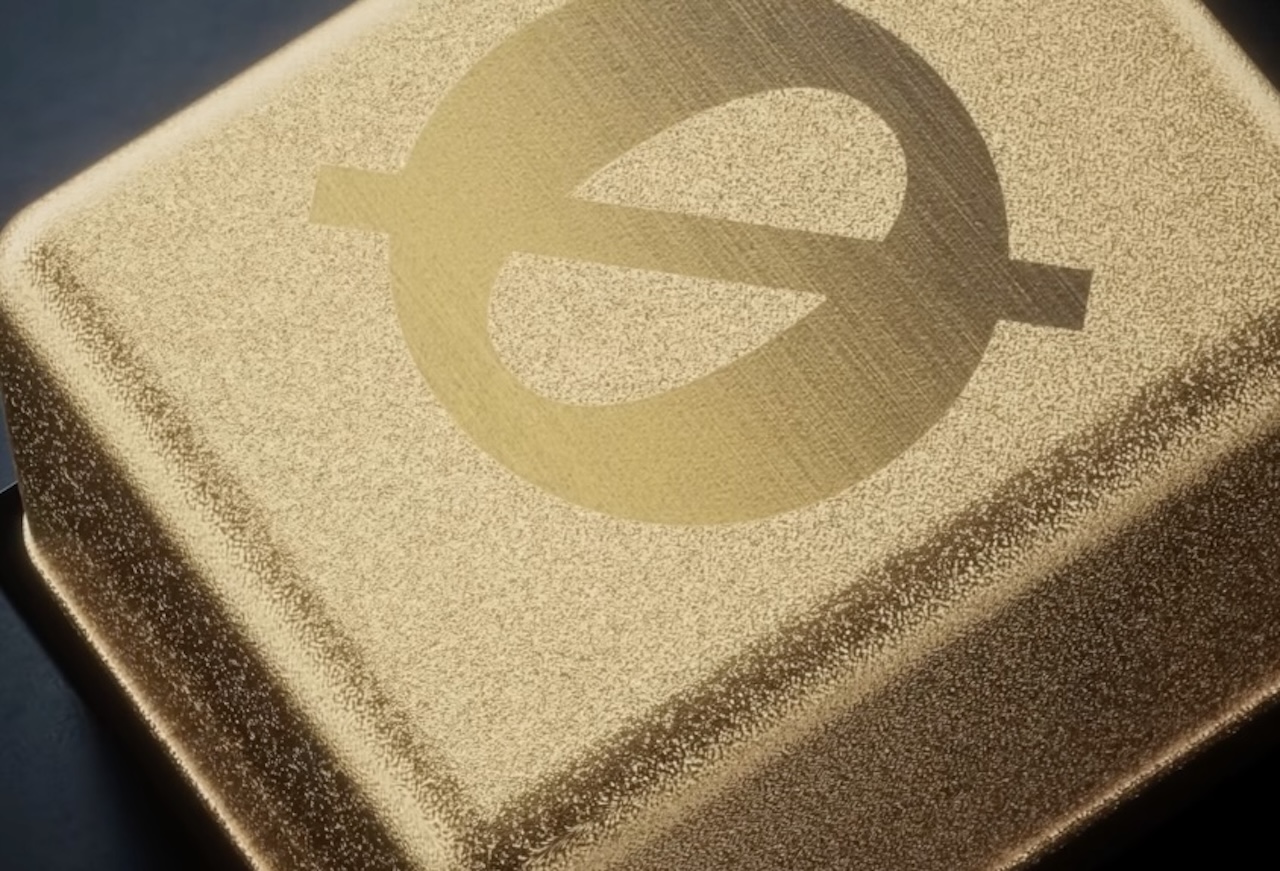
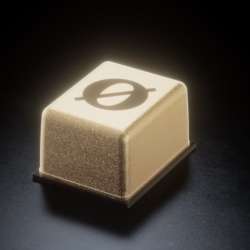
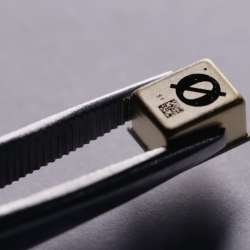
The next microphone upgrade may be almost invisible. RØDE has introduced Sonaura, a studio grade MEMS microphone platform that puts a 4mm by 5mm capsule at the center of its next generation of creator and production gear.
This isn’t a new camera mic or a new wireless kit. It’s the component RØDE says will sit inside future products, beginning with the Lectrosonics L1 lavalier microphone.
That’s a shift from selling finished microphones to supplying the core technology other hardware gets built around. A 4mm by 5mm component is the point.
A Microphone Capsule Is the Story
Why should a microphone capsule get the spotlight? Because the capsule sets the limits for everything built around it.
MEMS, short for micro electro mechanical systems, means the microphone’s mechanical parts are etched directly onto a silicon chip instead of assembled from separate components, which is what lets RØDE shrink a professional grade capsule down to millimeter scale.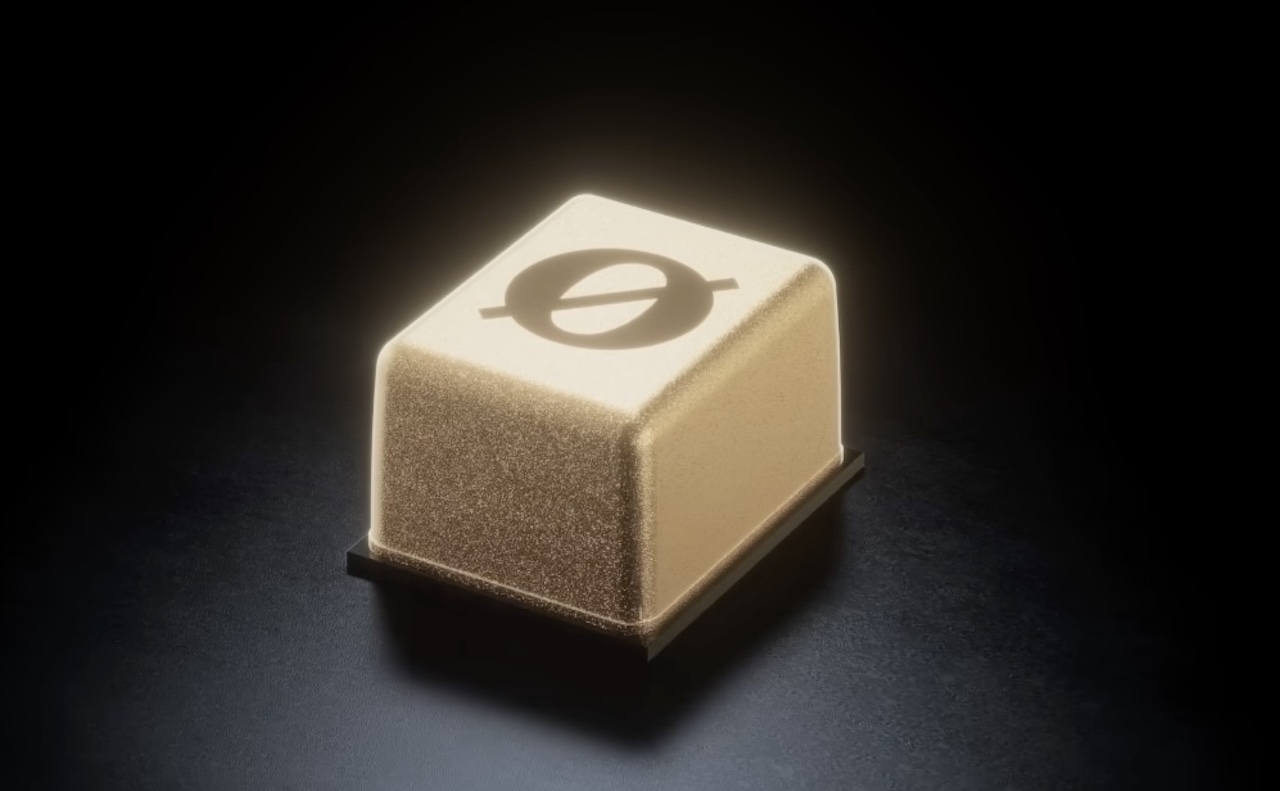
Sonaura starts earlier in the chain than a normal creator gear launch. RØDE is presenting the microphone technology itself as the change that could shape the products creators use later.
The company says Sonaura combines a low noise ASIC with its Sealed Dual Membrane design. The practical target is a tiny capsule meant for professional recording environments, not a compact substitute that asks users to accept less.
The Numbers Show RØDE’s Target
83dB signal to noise ratio. 11dBA self noise. RØDE also calls out high sound pressure level handling, a flat frequency response, and resistance to radio frequency interference. Those are manufacturer specifications, not hands on results. That points the platform toward field work creators can’t redo later.
“Its clarity, resilience and sonic precision combined with its ultra-compact form heralds the bright future of microphone technology,” said Ryan Burke, Freedman Group portfolio manager.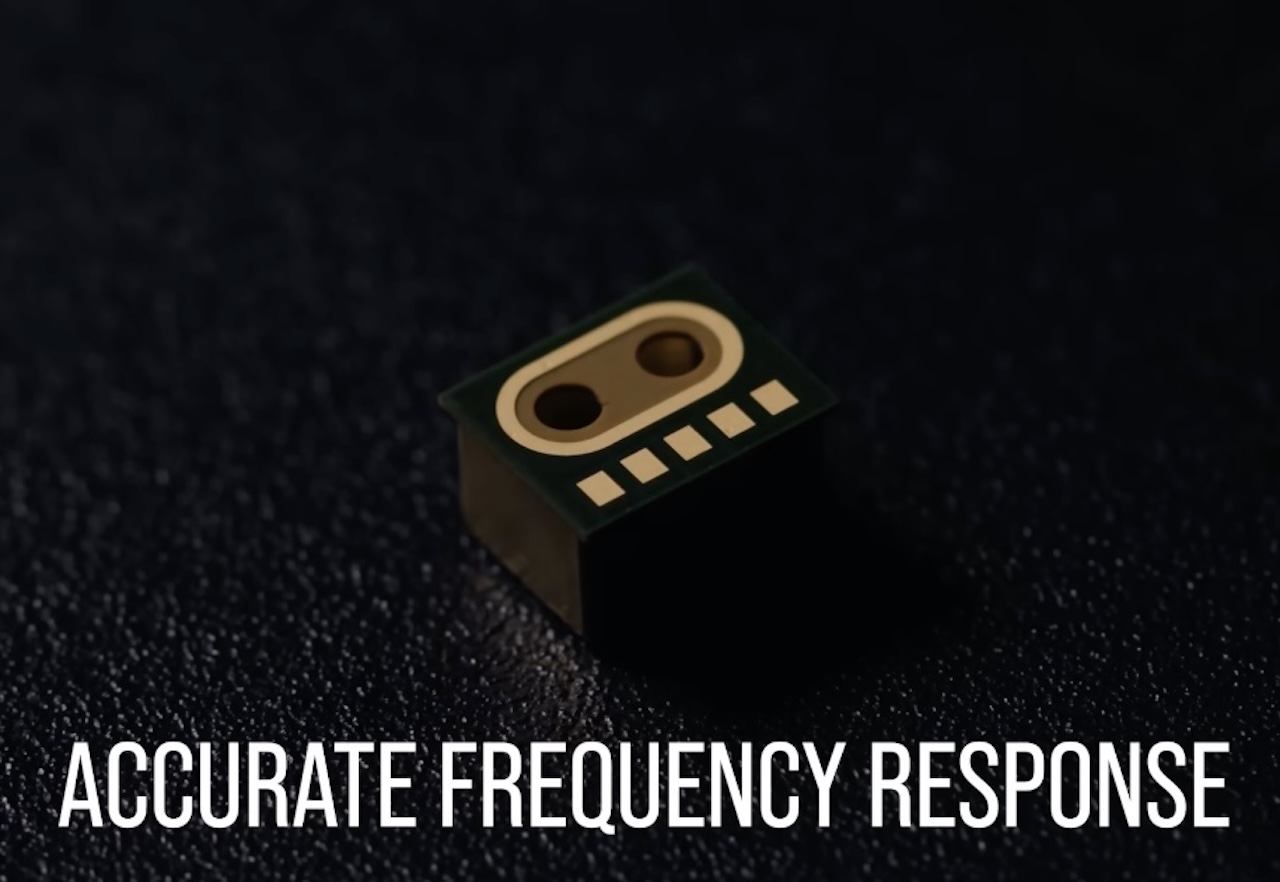
This Is a Platform Play
Infineon manufactures Sonaura in Germany, according to RØDE. The company positions a semiconductor component as the foundation for several future products.
“We’ve created a foundational audio platform on which the future of sound will be built,” said Freedman Group founder and chairman Peter Freedman.
Small lavaliers have almost no room to hide a larger capsule. Camera microphones and wireless systems face a different set of packaging limits. A shared capture technology could let RØDE address both without making every product family look or feel the same.
The company hasn’t named its full rollout list. It has, however, framed Sonaura as technology for select future RØDE and Freedman Group products. The announcement treats that as the start of a later product direction.
The L1 Gets the First Deployment
Lavalier microphones are where size stops being an abstract specification. RØDE says the first Sonaura product will be the Lectrosonics L1 lavalier microphone. The announcement doesn’t give a release date, price, or full L1 specification list. It’s too early to buy.
RØDE frames the L1 as the first step in a broader rollout, with Sonaura eventually reaching wireless, broadcast, and production gear across the wider Freedman Group lineup.
Creator Gear Gets the Downstream Benefit
The capture chain begins with a microphone, then moves through transmitter, receiver, camera, and edit. Sonaura focuses on the first link. If RØDE’s stated performance carries into shipping products, the payoff would be more capable capture hardware without pushing creators into bulkier microphones. A cleaner signal at the capture stage means less noise for every downstream step, from mixing to the final export, to clean up later.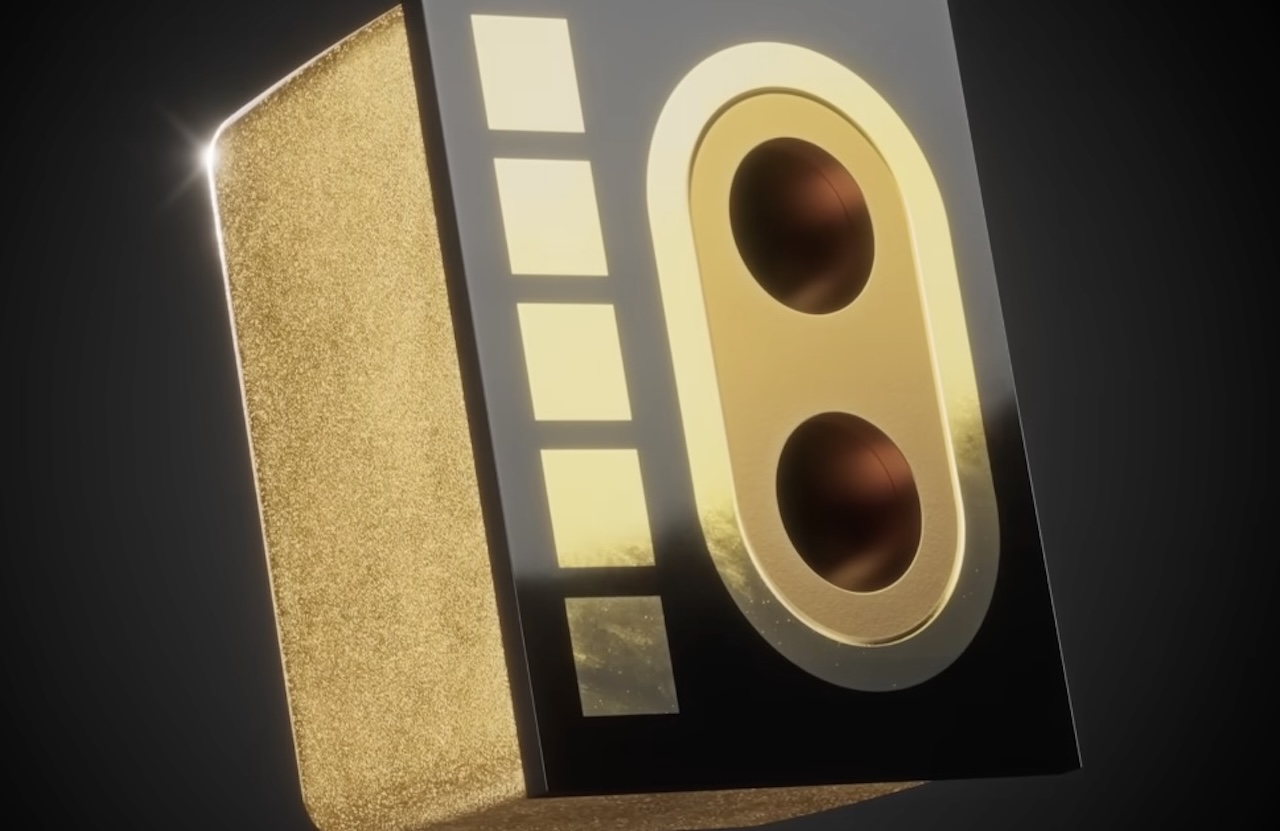
TG has covered RØDE’s compact camera microphone work before, including the VideoMicro II. That history gives Sonaura useful context because it recasts the component inside the gear, not just the feature list printed on its packaging.
The same question touches the wider creator setup. A digital mixer changes how creators shape audio after it is captured. Sonaura is an attempt to improve the capture stage before those tools take over. That order keeps capture ahead of the tools that shape audio later.
What RØDE Hasn’t Said Yet
What’s missing? A price, a release date, a list of later products, and independent audio comparisons. RØDE hasn’t announced which of its own products will receive Sonaura after the L1. Those gaps keep this in the technology category, not the buying guide category.

TG Take
RØDE makes a bet beyond one product cycle. Sonaura puts a small professional grade component at the start of a larger claim about what creator gear can sound like.
The next useful question isn’t whether a 4mm by 5mm capsule sounds impressive on a spec sheet. It’s which RØDE product gives creators a reason to hear the difference.
A lavalier is a low visibility test case. If Sonaura holds up in a mic that small, the bigger claim about broadcast and production gear gets easier to believe.
Auto Amazon Links: No products found.
