
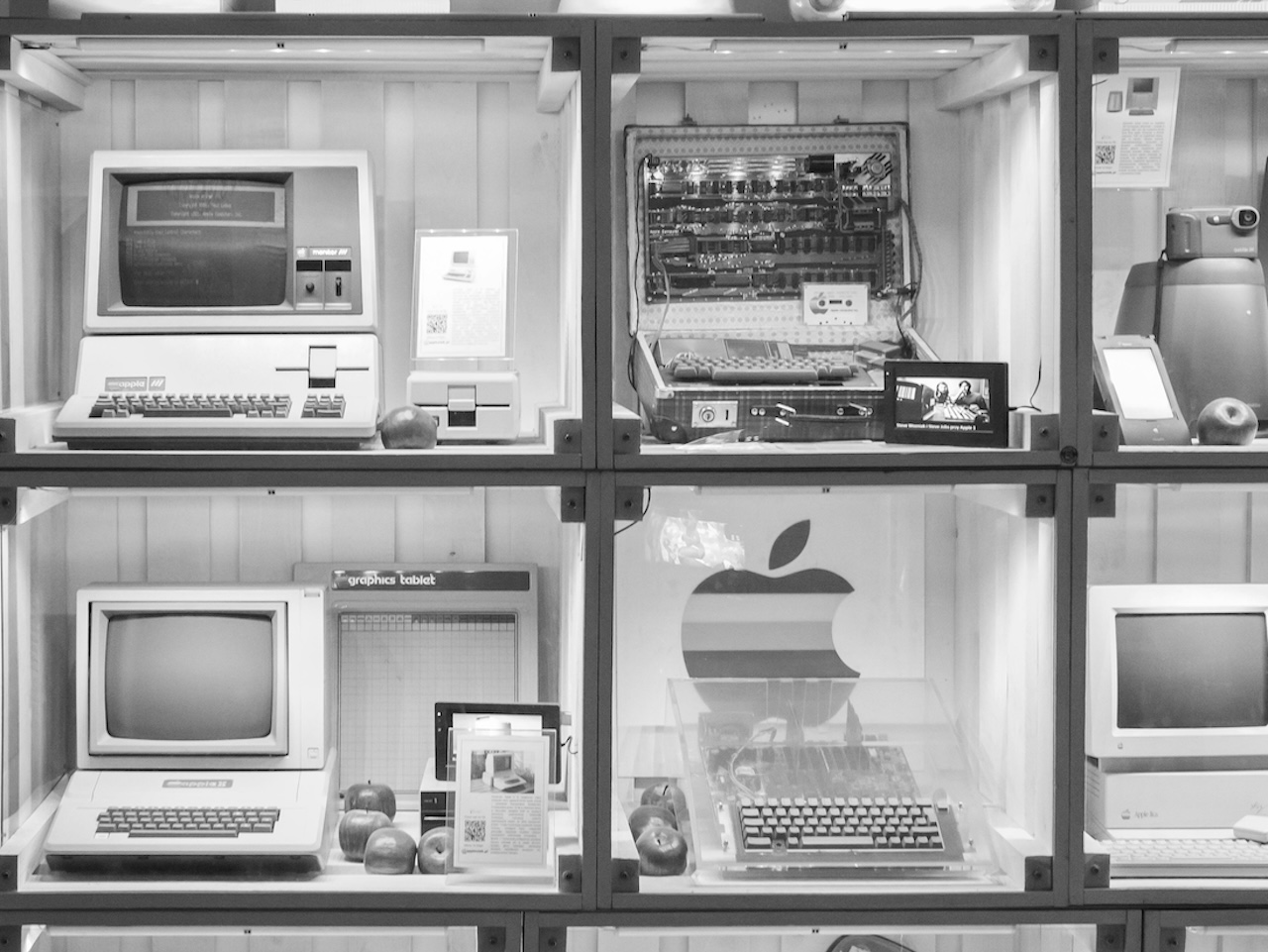
Apple turns 50 tomorrow, April 1, 2026. Half a century since Steve Jobs, Steve Wozniak, and Ronald Wayne signed a partnership agreement in a Los Altos garage and accidentally started one of the most consequential companies in modern history. Fifty years of Apple history written in products that made people line up around the block, argue on the internet, and occasionally cry when the headphone jack disappeared.
Some of these products defined entirely new categories. Others rescued a company that was weeks away from bankruptcy. All of them changed how people interact with technology in ways that still ripple through the industry today. Here are eight Apple products that earned their place in the permanent collection.
The Apple I Started Everything in a Garage
Before Apple was a trillion-dollar company with a spaceship campus, it was Steve Wozniak hand-soldering circuit boards on a workbench. The Apple I arrived in 1976 as a bare circuit board, no case, no keyboard, no monitor. Buyers had to supply their own peripherals and assemble the thing themselves. It retailed for $666.66, a number Wozniak chose because he liked repeating digits, and only about 200 units were ever produced.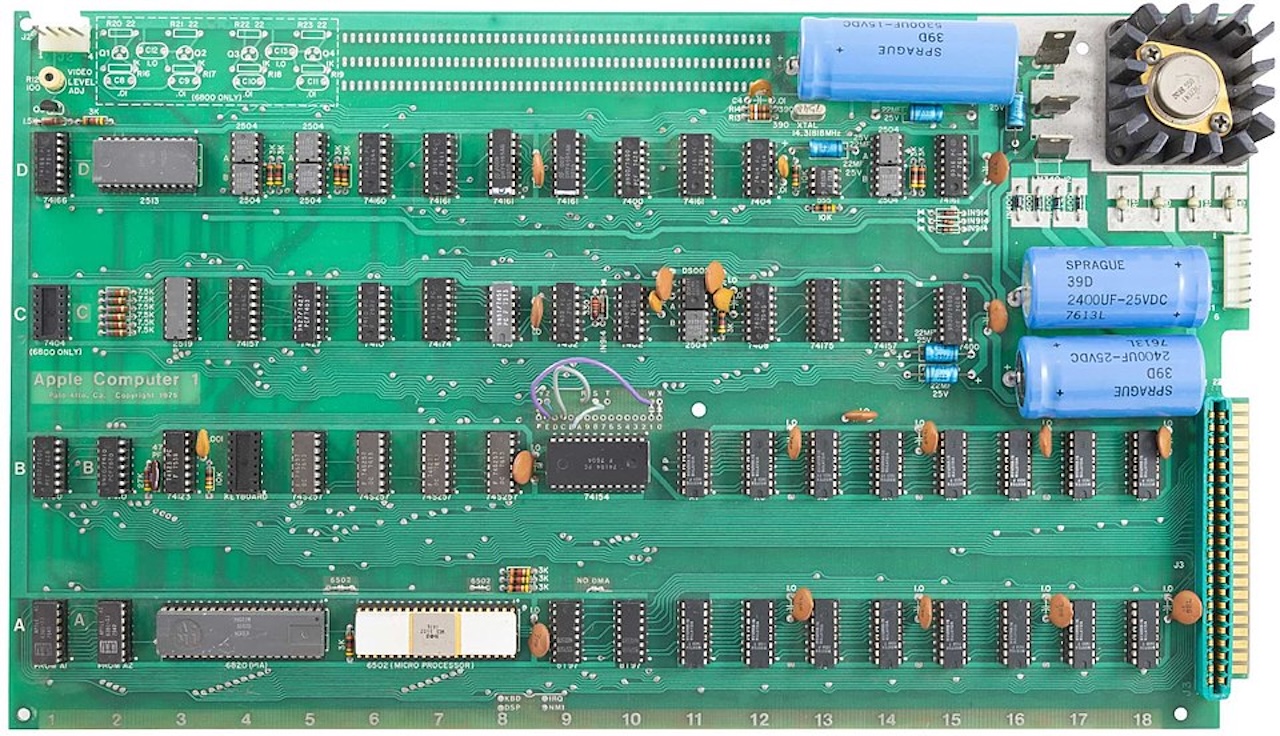
What made the Apple I matter wasn’t its specs. It was the idea behind it. Wozniak and Jobs believed personal computers shouldn’t be reserved for hobbyists and engineers. That conviction, radical at the time, became the philosophical backbone of everything Apple built afterward. Today, surviving Apple I units sell at auction for hundreds of thousands of dollars, making them some of the most valuable pieces of computing history on the planet.
The Macintosh 128K Made Computers Friendly
The original Macintosh didn’t just launch a product line. It launched an argument about what computers were supposed to be. When it arrived in January 1984, introduced by that famous Ridley Scott Super Bowl commercial, most personal computers still required users to type commands into a blank screen. The Mac replaced all of that with a graphical interface, a mouse, and icons you could click. It made computing visual, intuitive, and genuinely accessible to people who had never touched a keyboard before.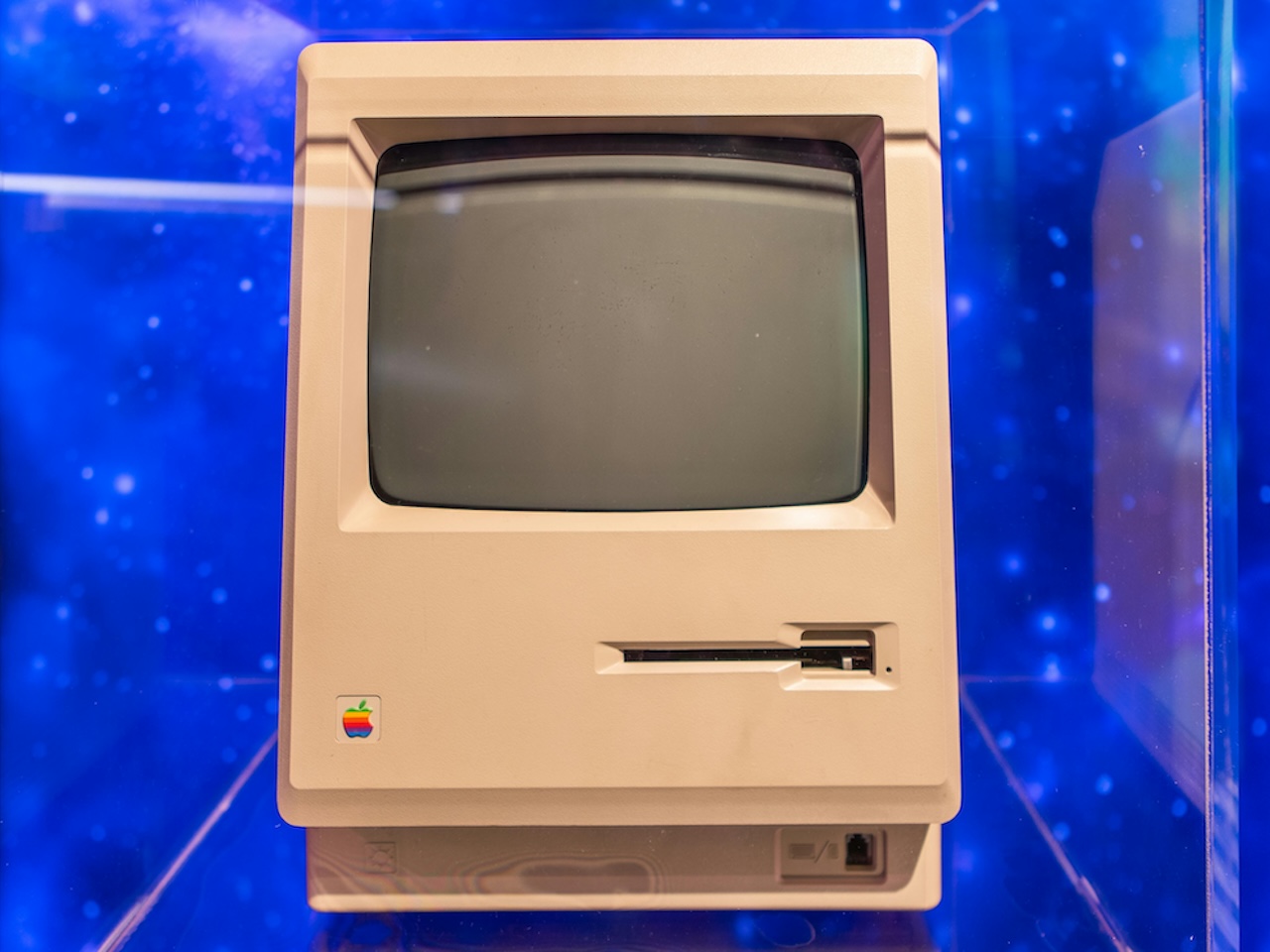
The 128K of RAM was limiting even by 1984 standards, and the original Mac couldn’t run the business software that dominated the IBM PC world. Critics called it a toy. But designers, publishers, and creatives saw something else entirely: a machine that understood how humans actually think. Desktop publishing was born on the Mac, and the creative industry never looked back. Every windowed operating system that followed, including Windows itself, owes a debt to what Apple shipped that January.
The iMac G3 Saved Apple From Extinction
By 1997, Apple was losing money, losing market share, and losing the confidence of everyone who still believed in the brand. Steve Jobs returned as interim CEO, slashed the product line, and staked the company’s survival on a single machine. The iMac G3 arrived in 1998 in Bondi Blue, a translucent, rounded, all-in-one desktop that looked like nothing else in a market dominated by beige boxes.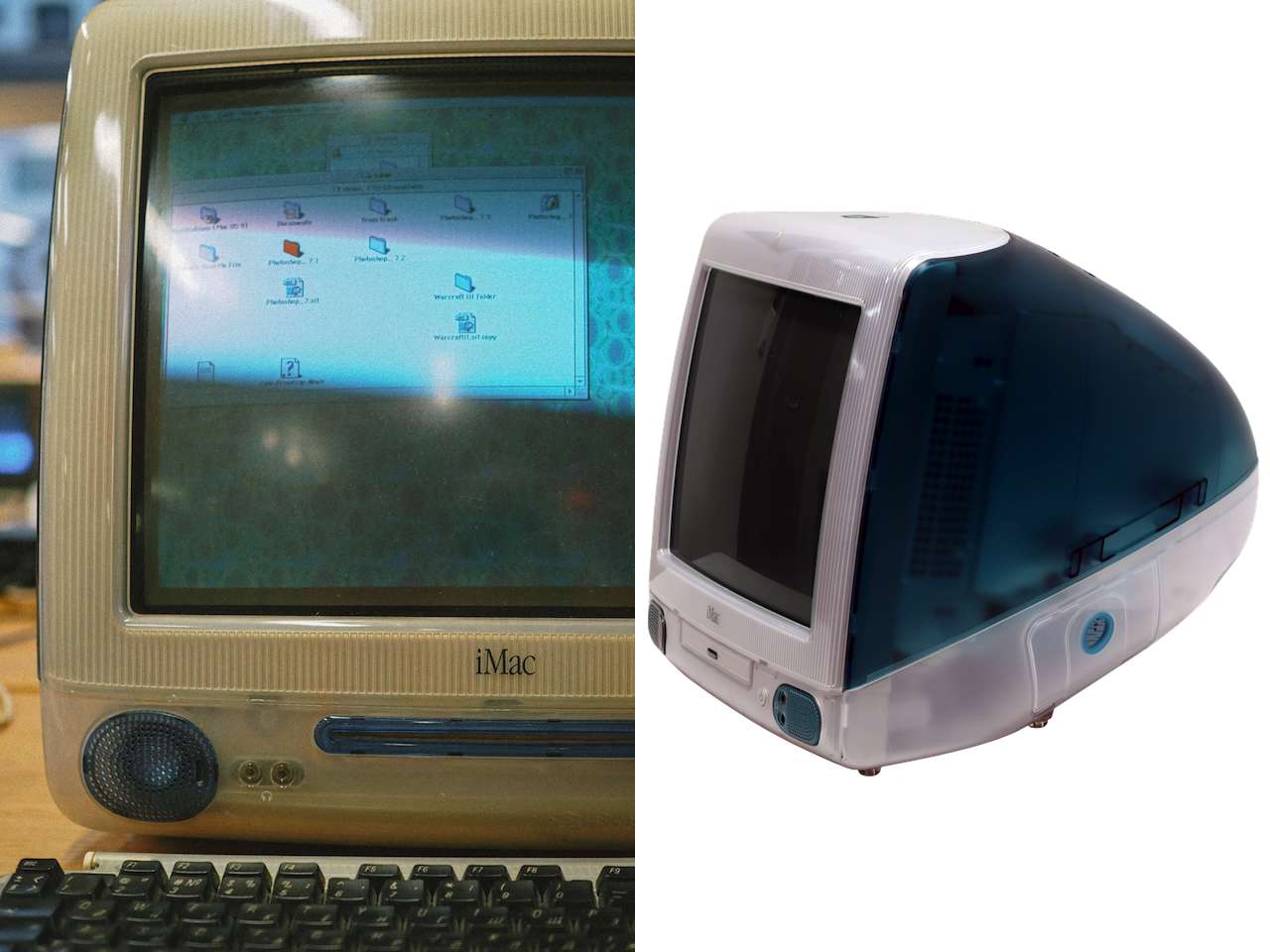
It was the first mainstream computer to ship without a floppy drive, a decision that generated howls of protest from the tech press. It was also the first consumer computer to bet entirely on USB connectivity and the first to treat industrial design as a feature rather than an afterthought. The iMac sold 800,000 units in its first five months and proved that people would pay for a computer that looked as good as it performed. More importantly, it proved that Apple could still surprise people. The company’s entire modern identity, the obsession with design, the willingness to kill legacy ports, the bet on simplicity, started right here.
The iPod Put 1,000 Songs in Your Pocket
MP3 players existed before the iPod. None of them mattered. When Apple unveiled the original iPod in October 2001, the tech world shrugged. It was Mac-only, it cost $399, and critics pointed out that cheaper alternatives already existed. What those critics missed was the experience. The scroll wheel was instantly intuitive, the interface was clean, and the integration with iTunes turned the messy process of managing digital music into something effortless.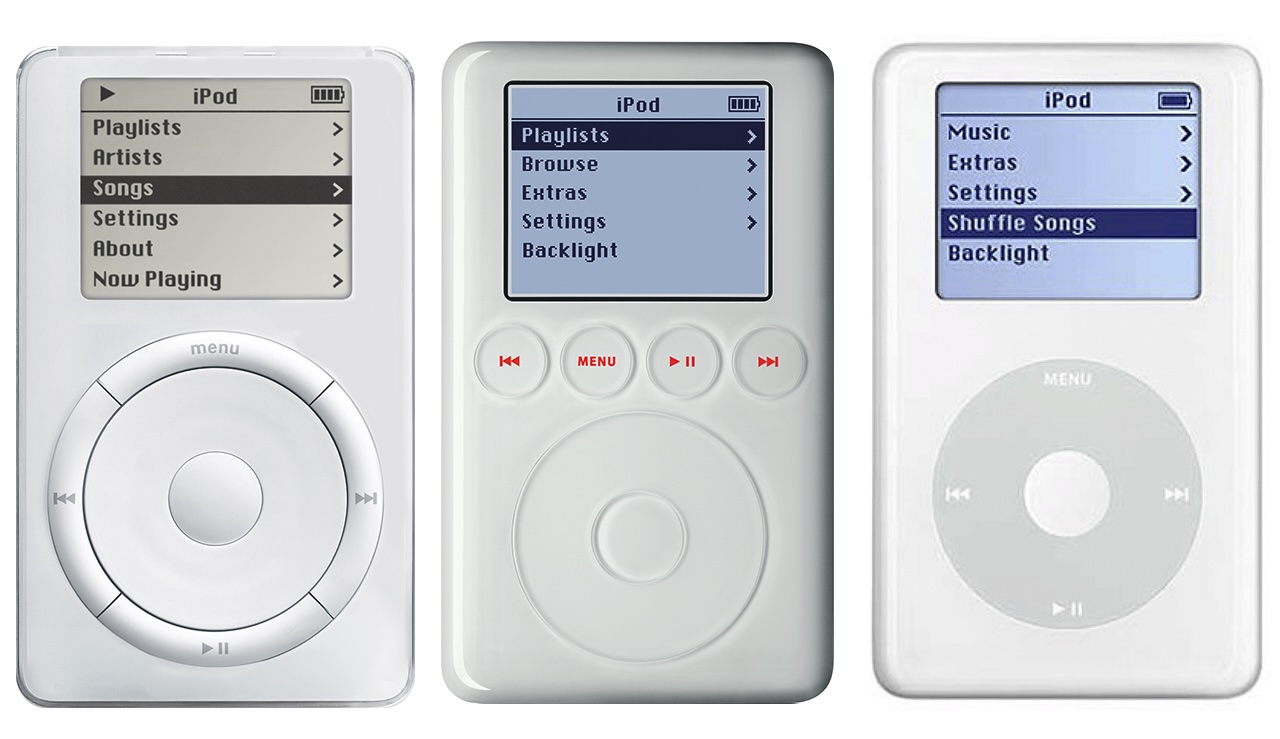
The iPod didn’t just change how people listened to music. It changed the music industry itself. The iTunes Store, which arrived in 2003 as the iPod ecosystem expanded, gave labels a legal alternative to piracy at 99 cents per song and fundamentally restructured how music was sold, distributed, and consumed worldwide. At its peak, the iPod owned over 70% of the portable music player market. Apple officially discontinued the last iPod model in 2022, but its influence lives on in every streaming interface and every phone that replaced it.
The iPhone Rewrote the Rules of Mobile Computing
There is a clear dividing line in consumer technology: before the iPhone and after the iPhone. When Steve Jobs pulled the original model out of his pocket in January 2007, smartphones existed but they were clunky, stylus-driven devices built around physical keyboards. The iPhone replaced all of that with a 3.5-inch capacitive touchscreen, a full web browser, and an interface so intuitive that a toddler could figure it out.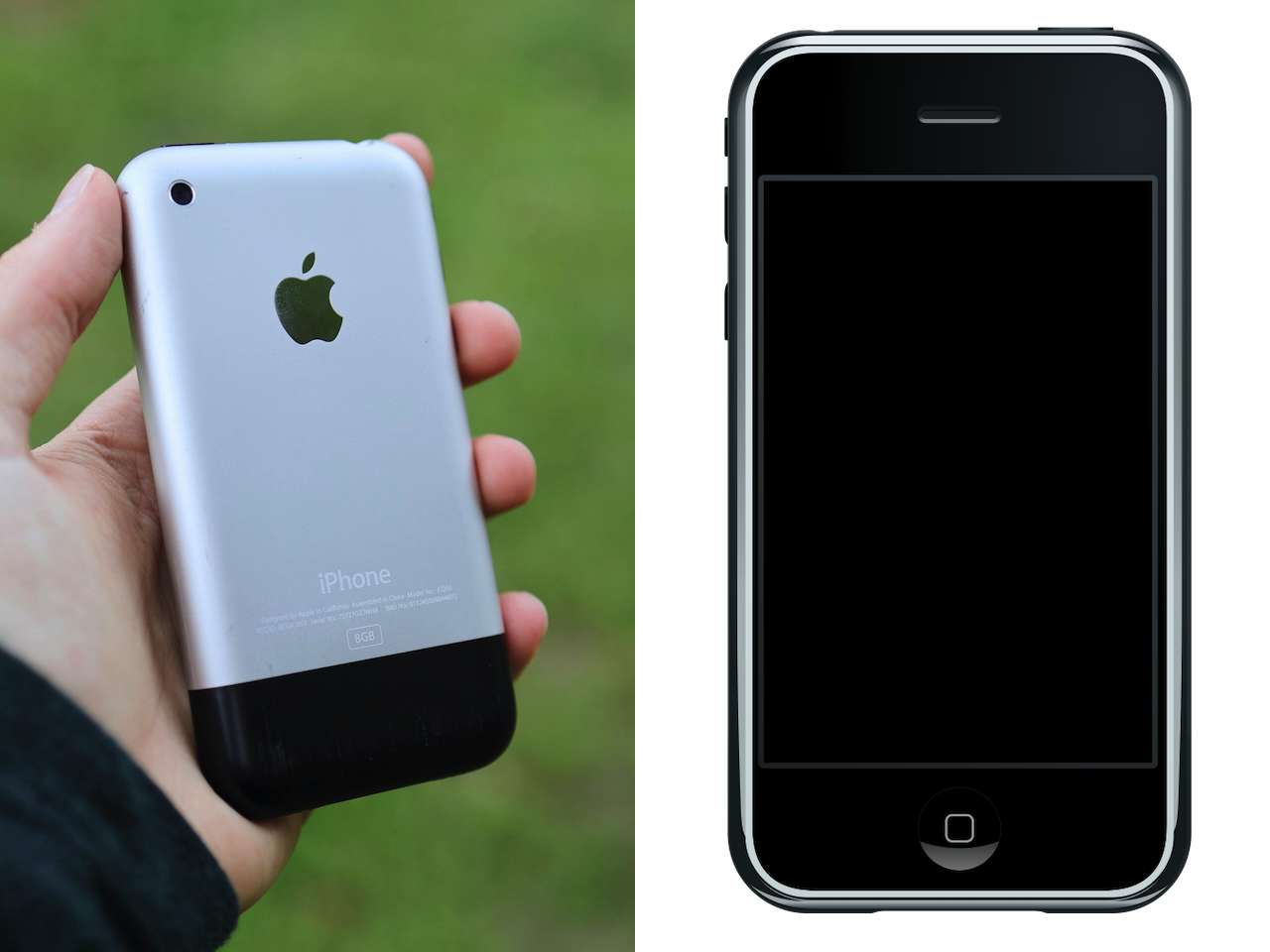
The first model didn’t even have an App Store, copy and paste, or 3G connectivity. None of that mattered. The iPhone demonstrated that a phone could be a pocket computer, a camera, a music player, and an internet device all at once, and that people would happily pay a premium for something that worked beautifully. The App Store arrived with the iPhone 3G in 2008 and created an entirely new economy of mobile software. Nearly two decades later, the iPhone remains Apple’s most important product, responsible for more than half the company’s revenue and the anchor of an ecosystem that touches nearly every corner of daily life.
The MacBook Air Redefined What a Laptop Could Be
Steve Jobs pulled the original MacBook Air out of a manila envelope at Macworld 2008, and the audience gasped. At 0.76 inches at its thickest point and 3 pounds, it was the thinnest laptop anyone had ever seen. The wedge-shaped aluminum body became one of the most imitated designs in computing history, inspiring an entire generation of ultrabooks from every major manufacturer.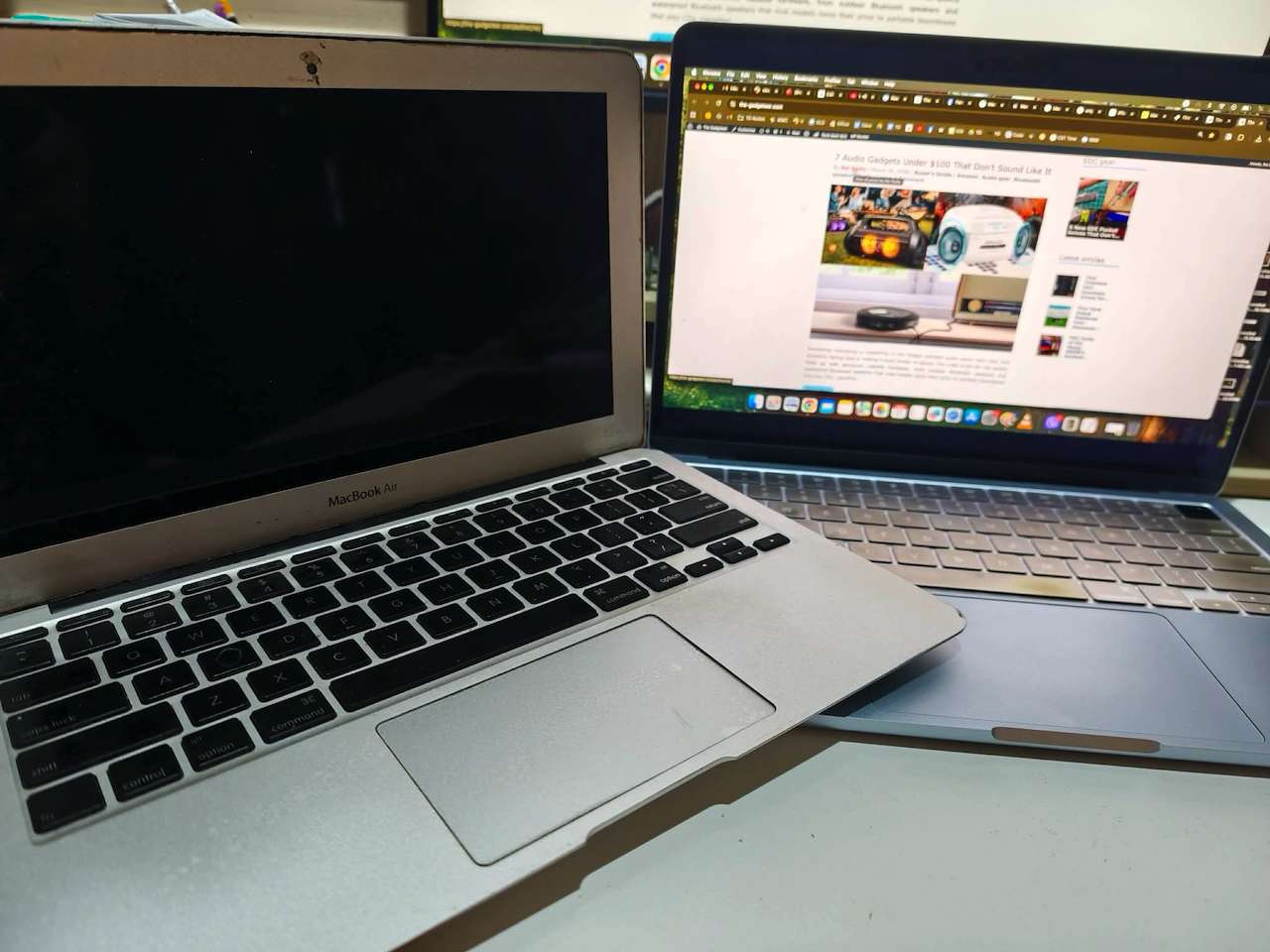
The original Air had trade-offs. It shipped with a single USB port, no optical drive, and a relatively slow hard drive in the base configuration. But the point was never raw performance. The point was that a laptop could be genuinely portable without feeling like a compromise. Apple refined the Air over subsequent generations, eventually pairing it with the M1 chip in 2020 to create what many consider the best value in the entire laptop market. The MacBook Air proved that thin and light didn’t have to mean weak, and the rest of the industry spent the next decade trying to catch up.
The iPad Created a Category Nobody Knew They Wanted
When Apple announced the iPad in January 2010, the reaction was mixed at best. A giant iPod touch, critics called it. No USB ports, no file system, no multitasking. Tablet computers had failed repeatedly before, and there was genuine skepticism that Apple could succeed where Microsoft and others had stumbled.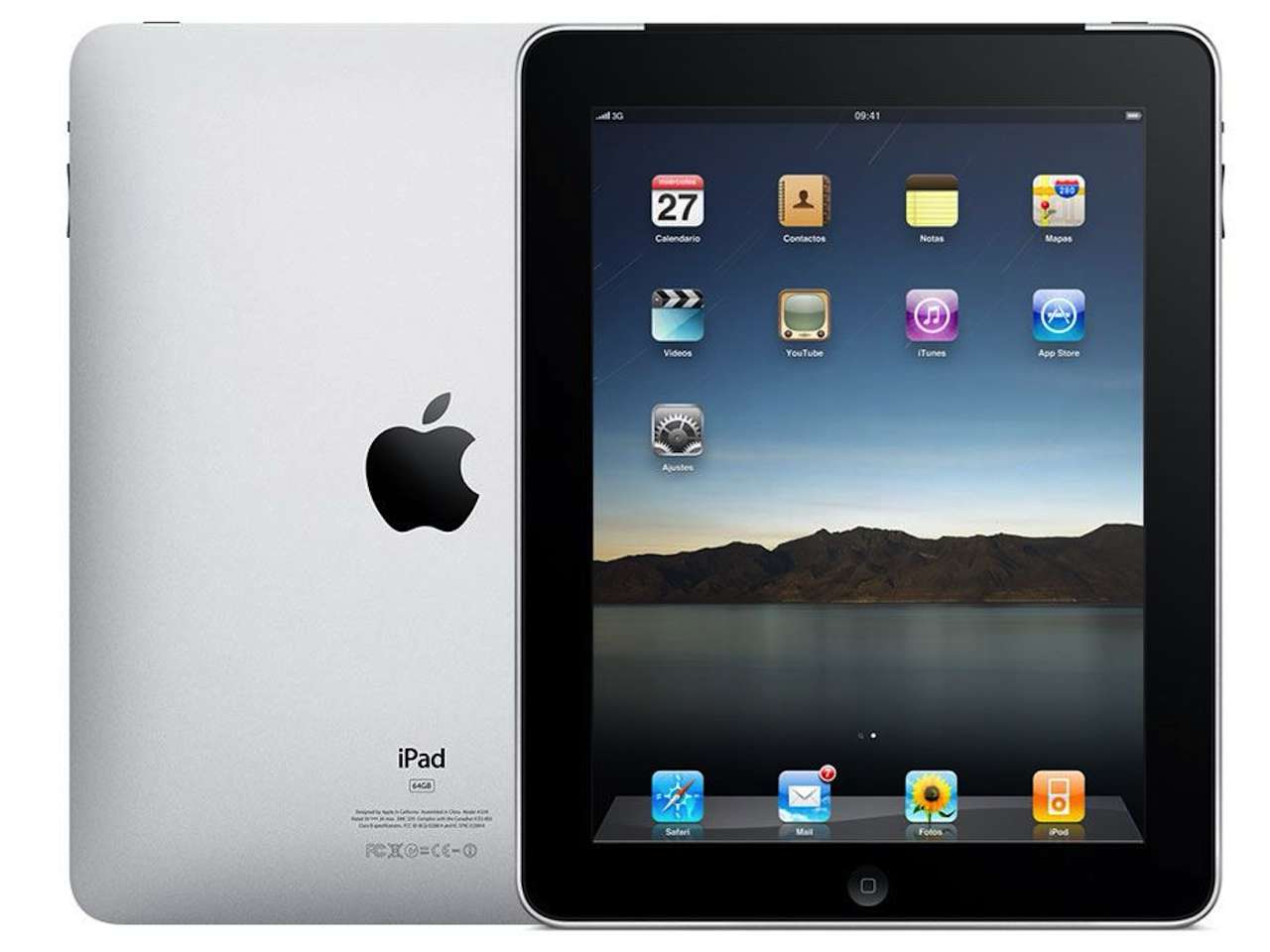
Then people actually used it. The iPad turned out to be the perfect device for the space between a phone and a laptop, ideal for reading, browsing, watching video, and casual productivity. It created an entirely new product category and dominated it so thoroughly that competitors spent years trying to figure out what a non-Apple tablet was even for. The iPad has since evolved into a genuine productivity machine with Apple Pencil support, keyboard accessories, and desktop-class chips. It remains the best-selling tablet line in history, and the category it created has become a permanent part of how millions of people consume content every day.
AirPods Made Wireless Audio the Default
Apple removed the headphone jack from the iPhone 7 in September 2016, and the internet lost its collective mind. Three months later, AirPods arrived, and the complaining mostly stopped. The original AirPods weren’t the first wireless earbuds, but they were the first ones that actually worked the way wireless earbuds were supposed to work. Pop open the case, put them in your ears, and they connect instantly. No pairing menus, no Bluetooth frustration, no dangling wires catching on everything.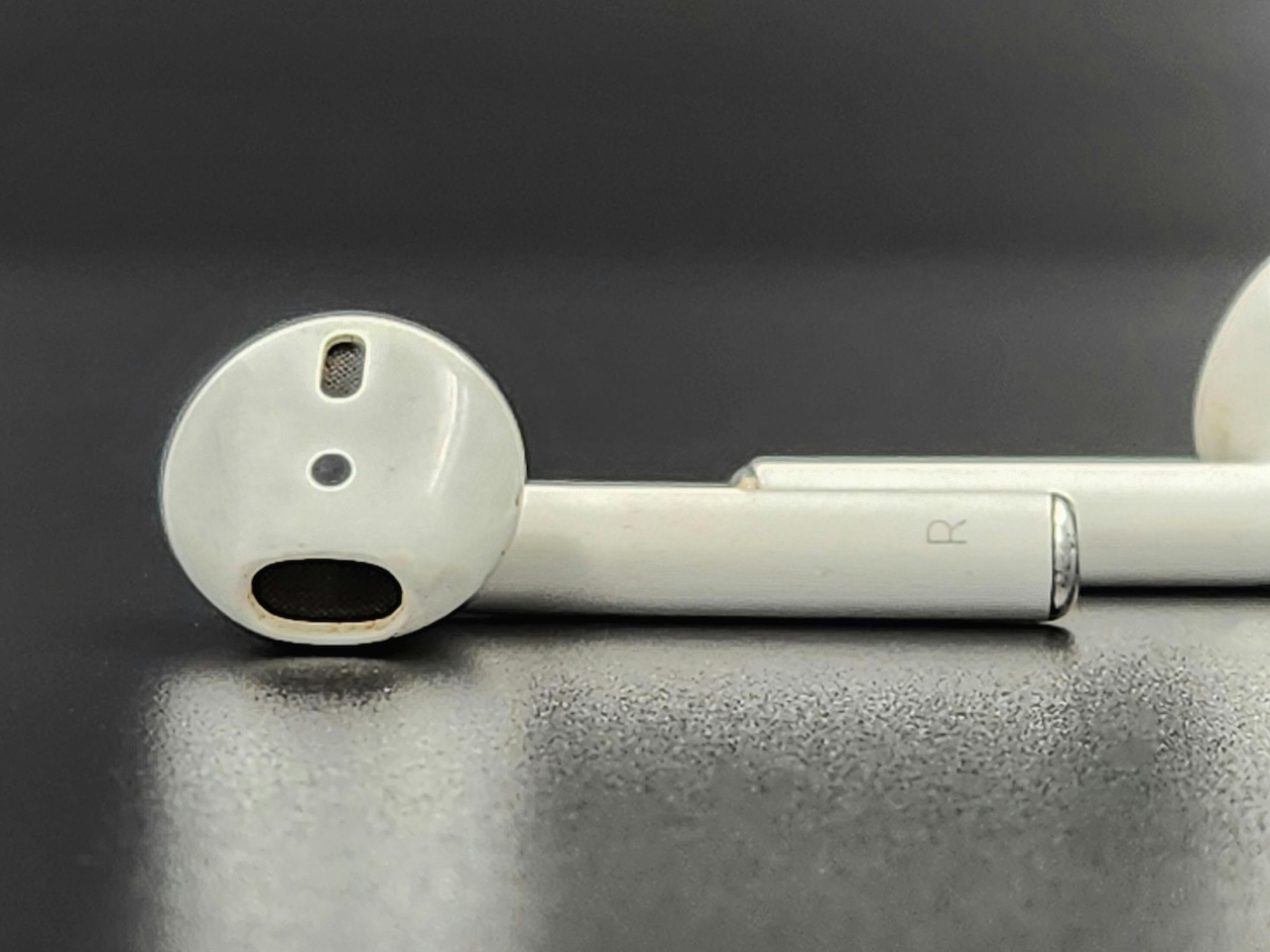
The W1 chip handled the seamless connectivity, and the charging case solved the battery anxiety that plagued every wireless earbud before it. Critics mocked the design when renders leaked before launch, comparing them to electric toothbrush heads. Then Apple sold tens of millions of pairs and turned AirPods into one of the most recognizable consumer electronics products on earth. The AirPods Pro added active noise cancellation and transparency mode, pushing the line even further into audiophile-adjacent territory. AirPods didn’t just succeed as a product. They normalized wireless audio across the entire industry and made the wired earbud feel like a relic almost overnight.
How Apple Is Celebrating at 50
Apple is not letting the milestone pass quietly. CEO Tim Cook published an open letter on apple.com reflecting on the company’s founding values and the people who shaped its first half-century. The message leans into the same theme that runs through every product on this list: technology should be personal, and the best chapters are written by the people who use it.
The celebrations kicked off on March 13 with a surprise performance by Alicia Keys on the iconic steps of Apple Grand Central in New York City. From there, Apple hosted events at stores around the world, including appearances by Mumford & Sons at Apple Battersea in London and gatherings in Tokyo, Washington D.C., and Chengdu. Each event spotlighted human creativity powered by Apple products rather than the products themselves.
The grand finale is expected this week at Apple Park in Cupertino, where Bloomberg’s Mark Gurman reports a legendary performer will headline a private event for employees. Gurman’s hint points strongly to Paul McCartney, a nod to Steve Jobs’ lifelong love of The Beatles and the moment their catalog finally landed on iTunes in 2010. If the first 50 years ended with a garage and a circuit board, this chapter closes with a spaceship campus and one of the most famous musicians on the planet.
Fifty Years and Counting
Eight products across five decades, and the evolution of Apple comes down to the same thread Wozniak and Jobs pulled when they were working out of that garage in 1976. Make technology personal. Make it intuitive. Make it feel like it was designed for actual human beings rather than spec sheets. Not every Apple product has lived up to that standard, and the company has shipped its share of misfires along the way. But these eight got it right in ways that reshaped entire industries, and their influence isn’t going anywhere.
Apple at 50 is a very different company than Apple at one. The garage is now a $5 billion campus. The two Steves are down to zero at the helm. But the instinct that made these eight products iconic, the belief that technology should disappear into the experience of using it, still drives the work. And if the next 50 years produce even a fraction of the hits the first 50 did, the rest of the industry should probably stay nervous.

Apple iPhone 15, 128GB, Black - Unlocked (Renewed)
(as of March 30, 2026 19:46 GMT -05:00 - More infoProduct prices and availability are accurate as of the date/time indicated and are subject to change. Any price and availability information displayed on [relevant Amazon Site(s), as applicable] at the time of purchase will apply to the purchase of this product.)
