
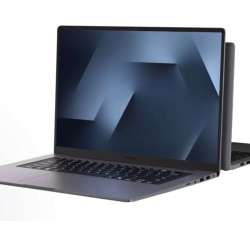
 Most people stopped expecting Samsung to make an interesting laptop years ago. The Galaxy Book line has always been competent but forgettable, overshadowed by phones and tablets at every launch event. That assumption cracked at CES 2026 when Samsung unveiled the Galaxy Book6 series. Samsung launched the Galaxy Book6 on March 11, 2026 alongside the Galaxy S26 phones and Galaxy Buds4, with pricing starting at $1,049 for the base model, $1,599 for the Pro, and $2,449 for the Ultra. All three run Intel’s Core Ultra Series 3 silicon.
Price: From $1,049
Where to Buy: Samsung
So we ask: did Samsung actually build something worth paying attention to, or is this another spec refresh with better marketing?
Here are nine details that stood out most.
1. The first six-speaker system ever in a Galaxy Book
Samsung has been content letting its laptop speakers exist as functional but forgettable for years. The Galaxy Book6 Ultra changes that with a six-speaker array of four woofers and two tweeters, tuned with Dolby Atmos support. That’s a first for the entire Galaxy Book line, and it signals Samsung is finally treating audio as a selling point rather than an afterthought.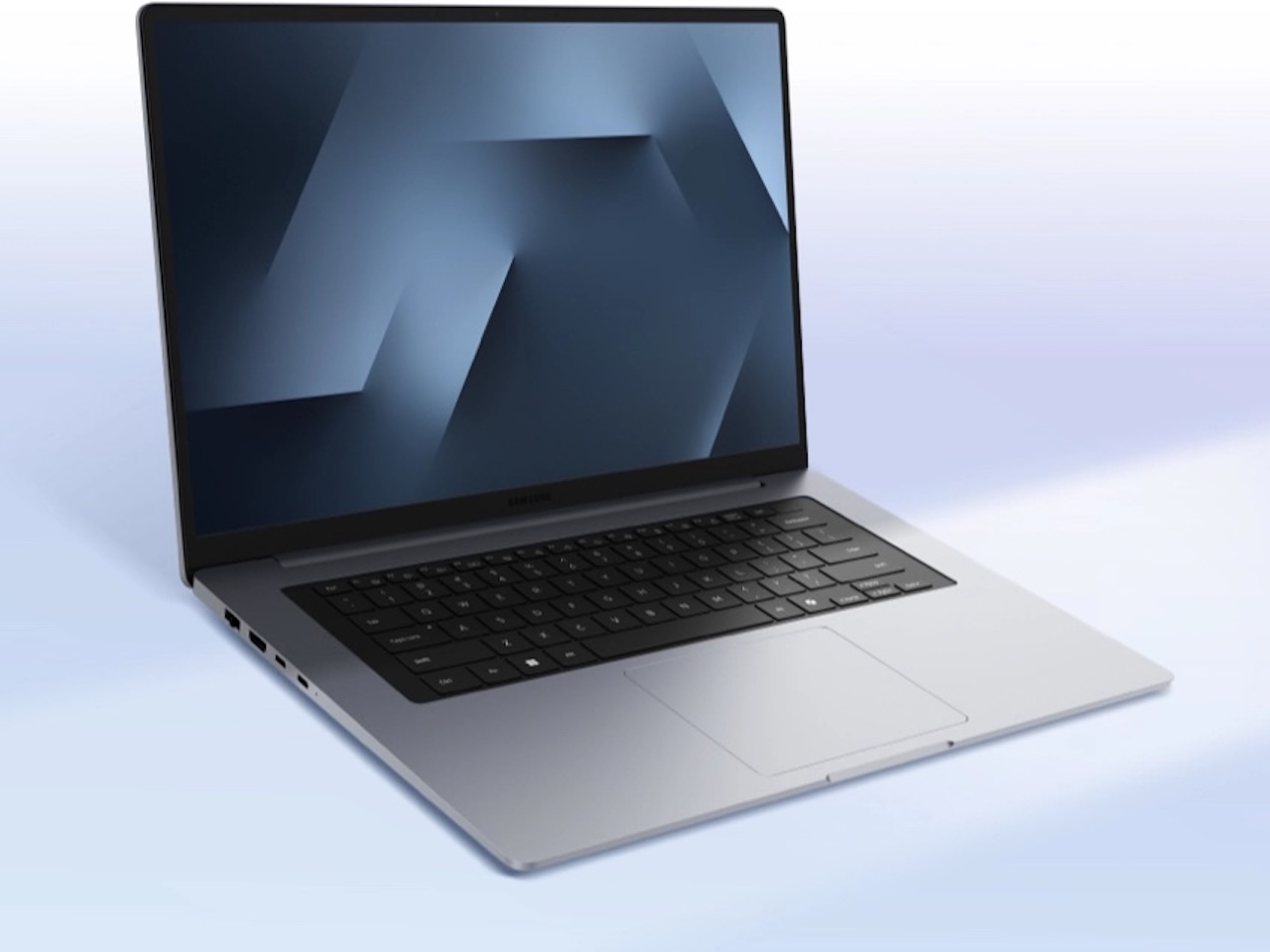
Samsung paired the hardware with spatial audio processing, so the Ultra delivers a wider soundstage than predecessors managed with quad-speaker configurations. For anyone who watches video or takes calls without reaching for headphones, this is the kind of upgrade that changes daily habits.
2. RTX 5070 and 5060 graphics in a chassis under 16mm thick
The Galaxy Book6 Ultra ships with NVIDIA GeForce RTX 5070 or RTX 5060 discrete graphics. Getting that GPU horsepower into a laptop measuring 15.4mm thin puts Samsung in direct competition with the creative-focused ultrabooks from ASUS, Dell, and Lenovo. The RTX configurations weigh 4.17 pounds, while the Intel Arc Graphics version comes in at 3.95 pounds.
Samsung credits an improved vapor chamber cooling system for the extra thermal headroom. Discrete GPUs in thin chassis tend to throttle under sustained loads, so whether the cooling holds up during long rendering sessions remains the real test. The spec sheet suggests Samsung took the challenge seriously this time around.
3. A 30-hour battery life claim that raises eyebrows
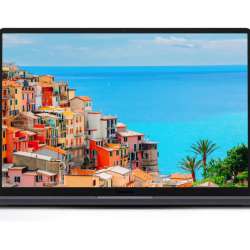
Samsung rates the Galaxy Book6 Ultra and Pro for up to 30 hours of video playback, with the base model reaching up to 24 hours. Even accounting for best-case benchmark conditions with brightness dialed down and radios off, 30 hours is ambitious for a laptop packing discrete NVIDIA graphics and a 16-inch Dynamic AMOLED 2X display.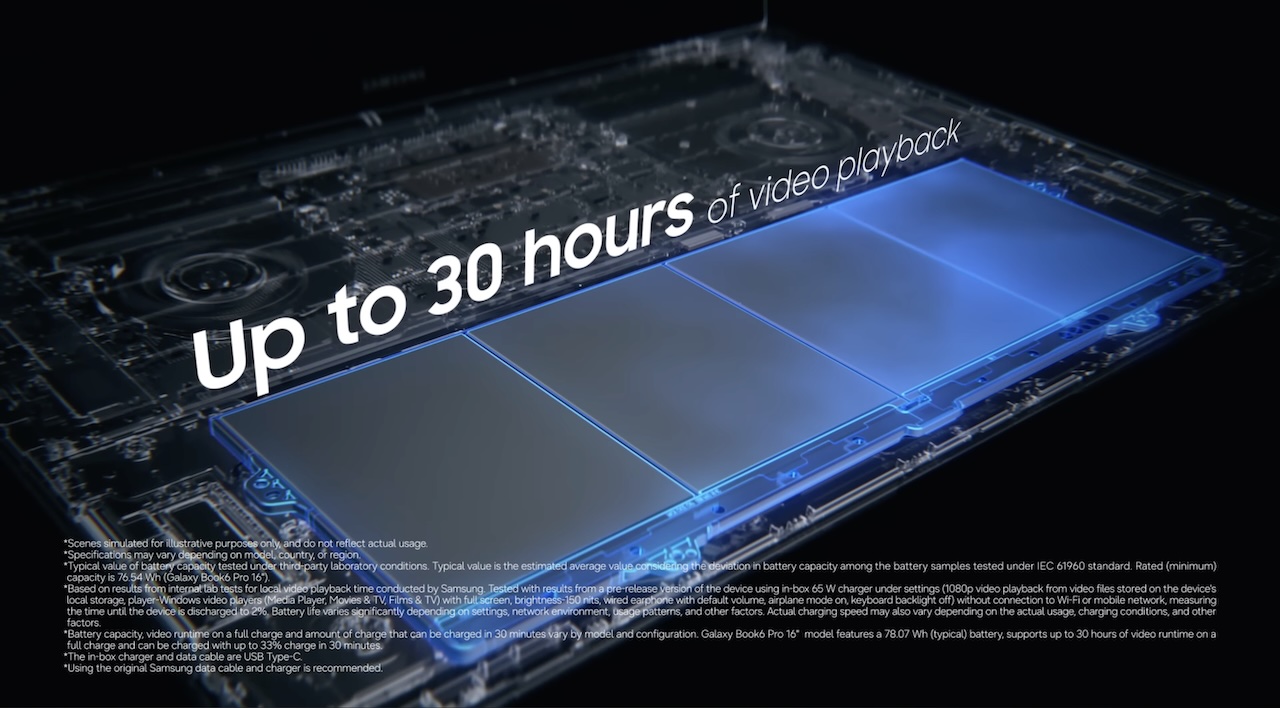
The base model’s 24-hour rating is still strong for a laptop starting at $1,049 with integrated graphics. Real-world numbers will land lower across the board, but Samsung clearly gave power management serious engineering attention at every tier.
4. Three distinct models that actually feel distinct
Too many laptop lineups differentiate tiers by swapping one component and adjusting the price. Samsung structured the Book6 series so each model occupies its own territory. The base starts at $1,049 with a 14 or 16-inch touchscreen, Core Ultra 7 355 or Core Ultra 5 325 processors, and integrated graphics for everyday productivity buyers.
The Pro steps up to a Dynamic AMOLED 2X display, Core Ultra 7 356H with Intel Arc graphics, and 16 or 32GB of RAM starting at $1,599. The Ultra goes all in with RTX graphics, 32GB standard, 1TB storage, and that six-speaker system. Each tier has a clear identity rather than feeling like a slightly different version of the same machine.
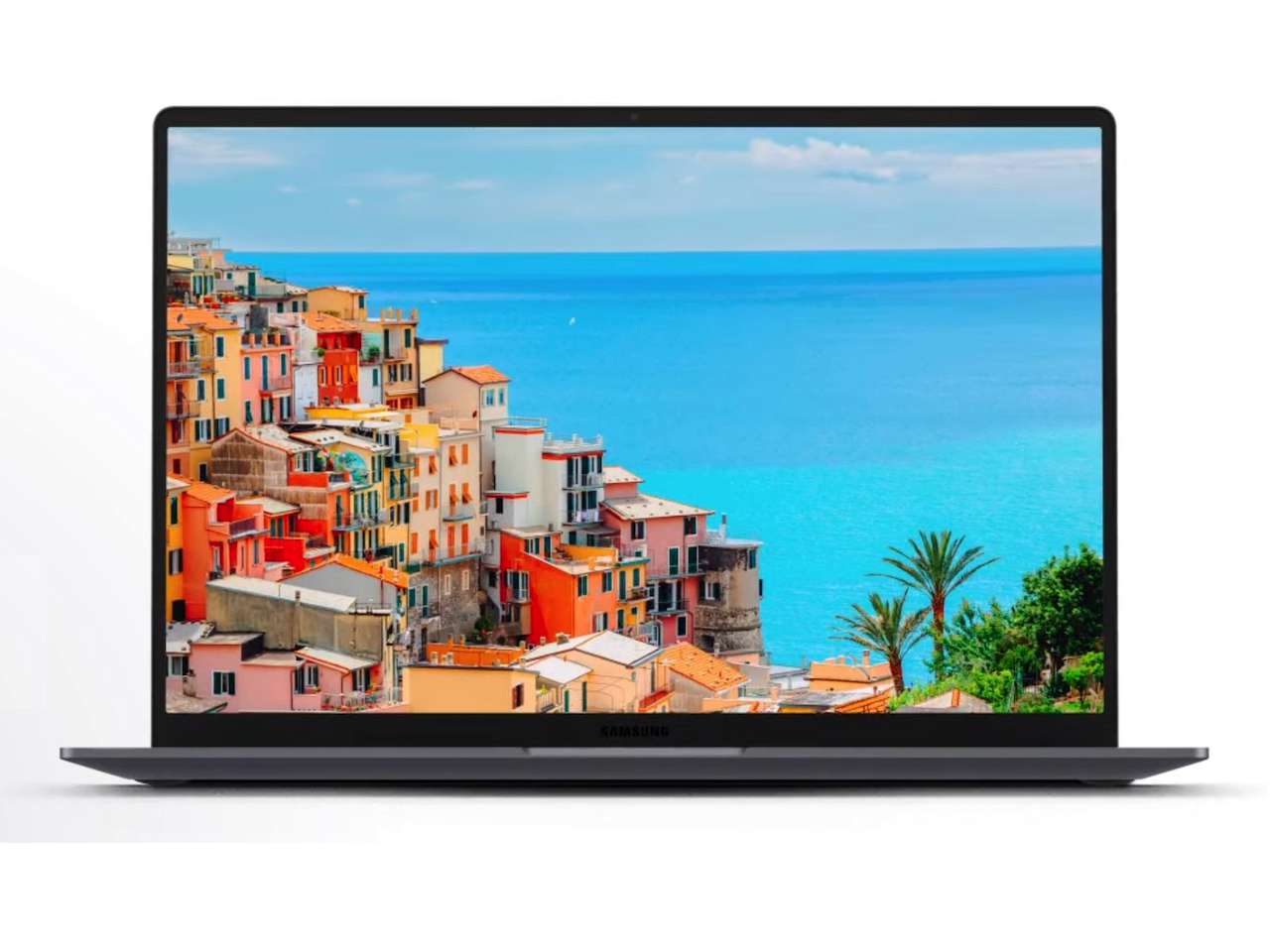
Every model shares the same Core Ultra Series 3 silicon and full Galaxy AI software stack, with NPU performance reaching up to 50 TOPS on the Pro and Ultra. You don’t lose AI features or Copilot+ capabilities by choosing the base over the Pro, which removes the usual pressure to overspend just to stay current with software updates.
5. Intel’s Core Ultra Series 3 with a 50 TOPS NPU
Every model runs Intel’s Core Ultra Series 3 processors with a fifth-generation NPU delivering up to 50 TOPS on the Pro and Ultra, and 49 TOPS on the base. All three earn Copilot+ PC certification from Microsoft, unlocking AI features like live captions, image generation, and on-device language processing.
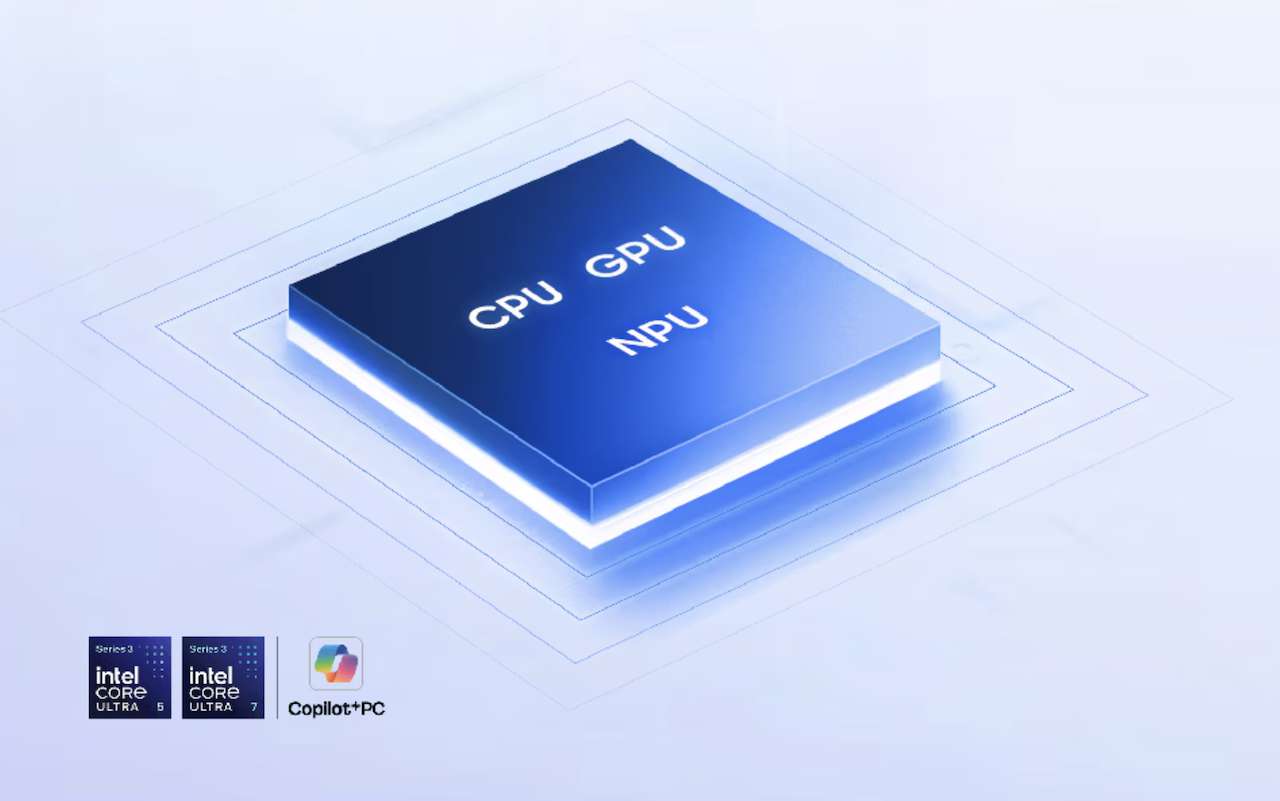
Local AI processing means faster response times for creative tools, better video call enhancements, and improved battery efficiency since tasks stay on the NPU instead of taxing the CPU or GPU. Samsung is betting the software will mature fast enough to make 50 TOPS feel essential rather than aspirational.
6. Super Fast Charging 2.0 hits 63% in 30 minutes
Samsung brought its phone-world charging philosophy to the Book6 Ultra and Pro with Super Fast Charging 2.0, pushing the battery from empty to roughly 63% in 30 minutes with a 65W USB-C charger. The base model gets standard Fast Charging at 33% in 30 minutes. Either way, Samsung is closing the gap between laptop and smartphone refueling expectations for anyone who works in short bursts between meetings, classes, or flights.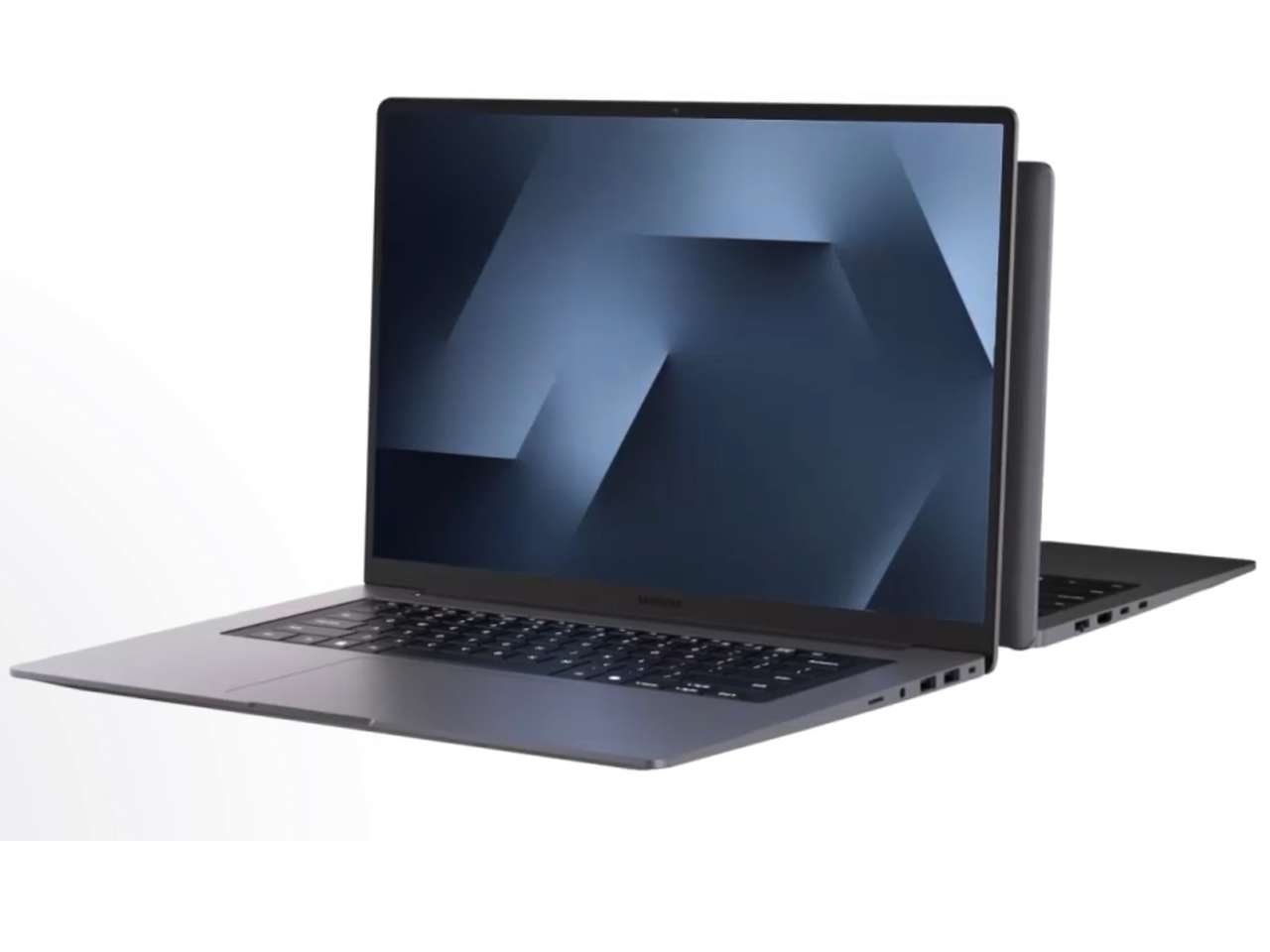
Having fast charging across the full lineup rather than reserving it for the Ultra makes it a genuine series-wide feature. The 65W charger also works with Samsung’s phones and tablets, so frequent travelers who already carry a Galaxy phone charger can share one cable and adapter for everything.
7. A haptic touchpad and Corning Gorilla Glass with DXC
The Galaxy Book6 Ultra introduces a haptic touchpad to Samsung’s laptop line. Unlike mechanical touchpads that physically click downward, haptic touchpads use vibration motors to simulate the click sensation, delivering uniform feel across the entire surface with no dead zones near the top edge. Apple popularized this with the Force Touch trackpad, and Samsung joining in signals haptic is becoming the expected standard for premium laptops.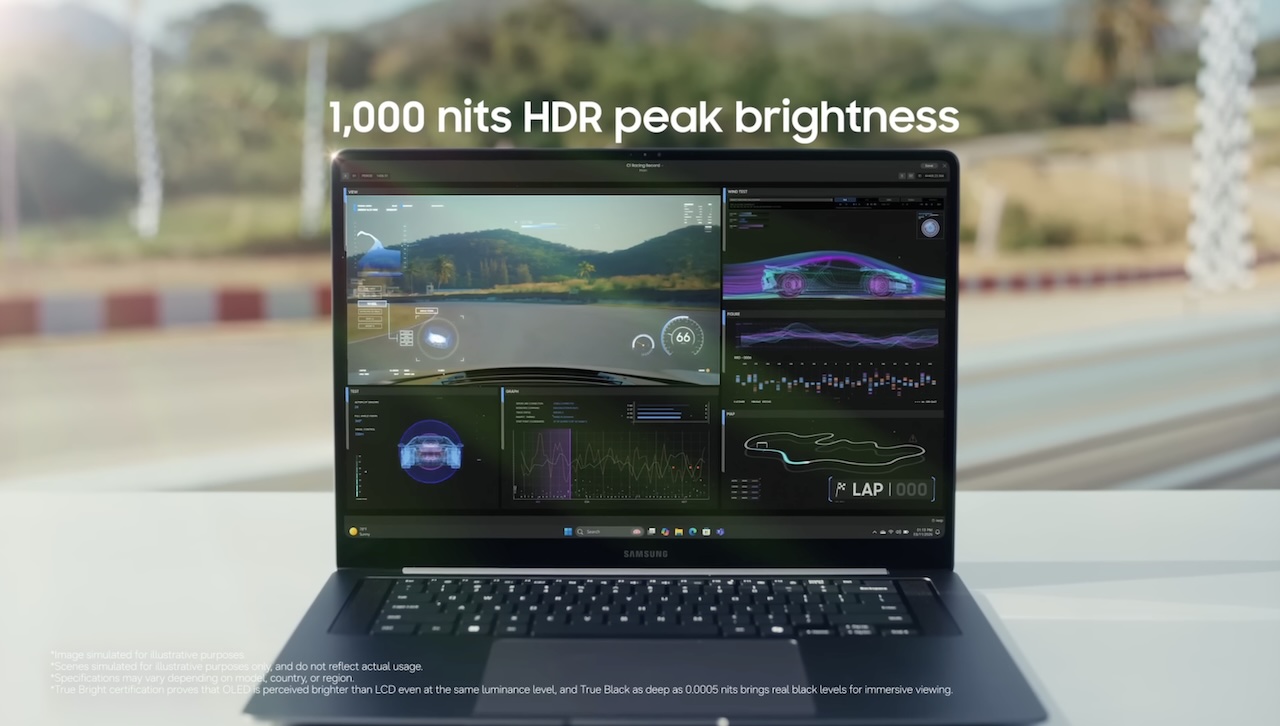
Samsung also protects both the Ultra and Pro displays with Corning Gorilla Glass featuring DXC coating, which cuts reflections while improving scratch resistance. For laptops positioned as portable workstations, better ambient light handling is a practical touch that daily use rewards.
8. The Pro gets its first vapor chamber cooling system
Samsung reserved vapor chamber cooling for the Ultra tier in previous generations. The Galaxy Book6 Pro breaks that pattern with a vapor chamber, redesigned fins, and a quieter fan that Samsung says dissipates heat 35% faster than the Book5 Pro. For a laptop measuring 11.9mm thick in the 16-inch configuration, that’s a meaningful thermal upgrade.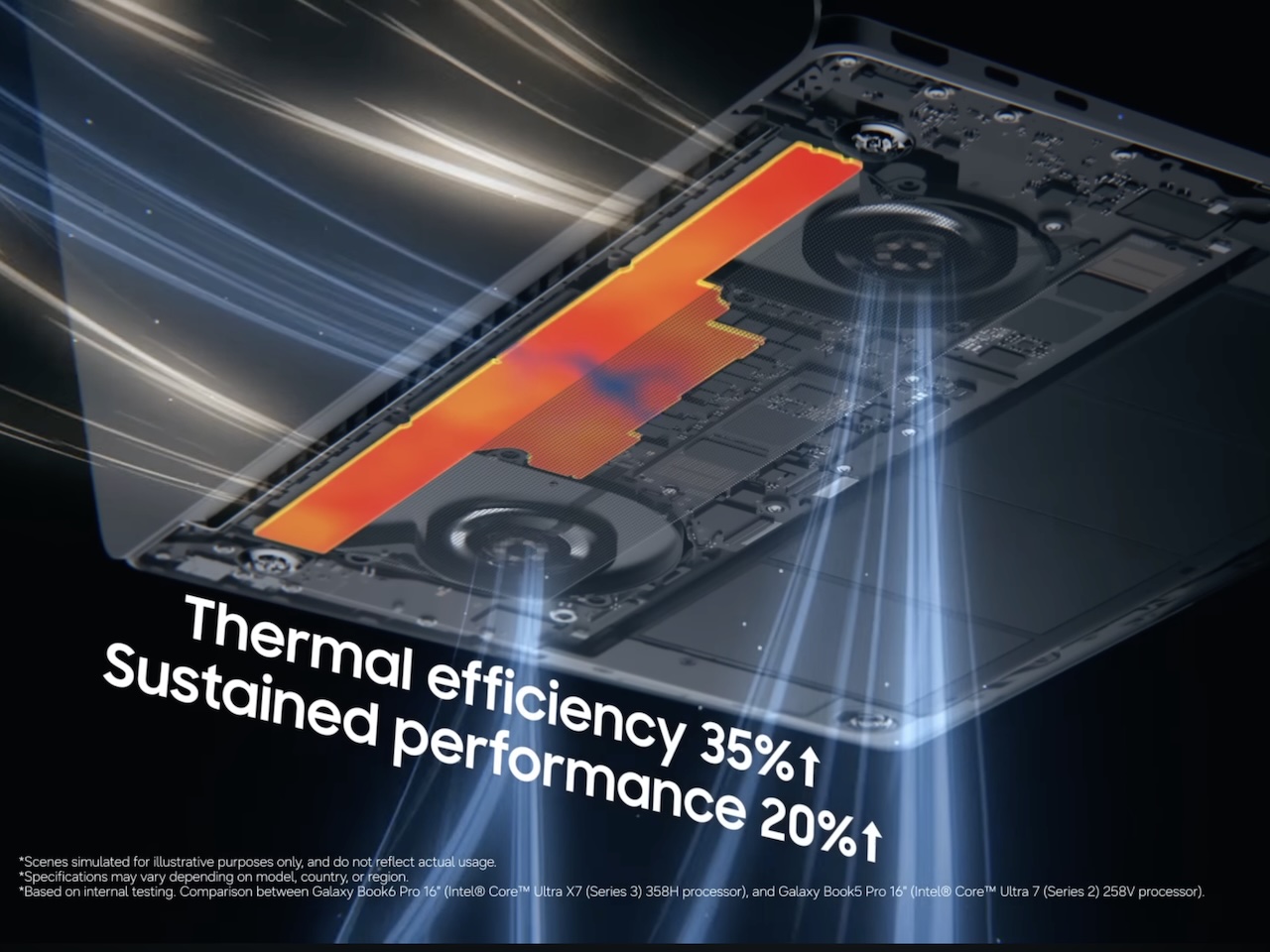
Better cooling lets the Core Ultra Series 3 processor sustain higher clock speeds longer without the fan spinning into distraction during video calls, heavy browser sessions, or editing in Lightroom and Premiere. Bringing this tech down from the Ultra tier means sustained performance no longer requires Ultra money.
9. Galaxy AI runs locally across every model in the series
Samsung loaded every Galaxy Book6 with Galaxy AI features powered by on-device NPU processing. The toolkit includes AI Select for screen content capture, Note Assist for meeting summaries, and Chat Assist for message cleanup before sending. Running these locally means faster responses and zero cloud reliance, which matters on hotel Wi-Fi or at packed conference halls.

The cross-device layer adds depth for anyone already carrying Samsung hardware. Multi Control drives a phone or tablet from the Book6’s keyboard, Second Screen turns a Galaxy Tab into a wireless display, and Storage Share moves files without cables or cloud uploads. Having these optimized for Panther Lake and included across every tier makes the Book6 feel more like a platform investment than a standalone purchase.
Who this is for
The Galaxy Book6 series fits best if you’re already carrying Samsung hardware and want a laptop that connects to your phone and tablet without workarounds. Creative professionals will find the Ultra competitive with the best Samsung laptop alternatives from ASUS or Dell in the same price range, and the AMOLED display handles color-critical work without an external monitor. Pro buyers land comfortably at $1,599, while the $1,049 base doesn’t feel stripped down the way entry-tier laptops often do.
Price: From $1,049
Where to Buy: Samsung
Who should skip this
Anyone locked into Apple’s hardware family won’t find enough here to justify switching, since the cross-device features only pay off inside Samsung’s world. Gamers chasing maximum frame rates should look at dedicated gaming laptops where cooling takes priority over thin design. Budget shoppers under $800 won’t find an entry point. If your laptop needs start and end with documents and browsing, a simpler machine will serve you just as well.



INIU Mini Portable Charger, Small 45W PD Power Bank, 10000mAh USB C in&Out Fast Charging Pocket Size Battery Pack, Travel Essentials Powerbank for iPhone 17 16 15 14 Pro Air, Xiaomi, Samsung S24 etc
(as of March 16, 2026 18:30 GMT -05:00 - More infoProduct prices and availability are accurate as of the date/time indicated and are subject to change. Any price and availability information displayed on [relevant Amazon Site(s), as applicable] at the time of purchase will apply to the purchase of this product.)
