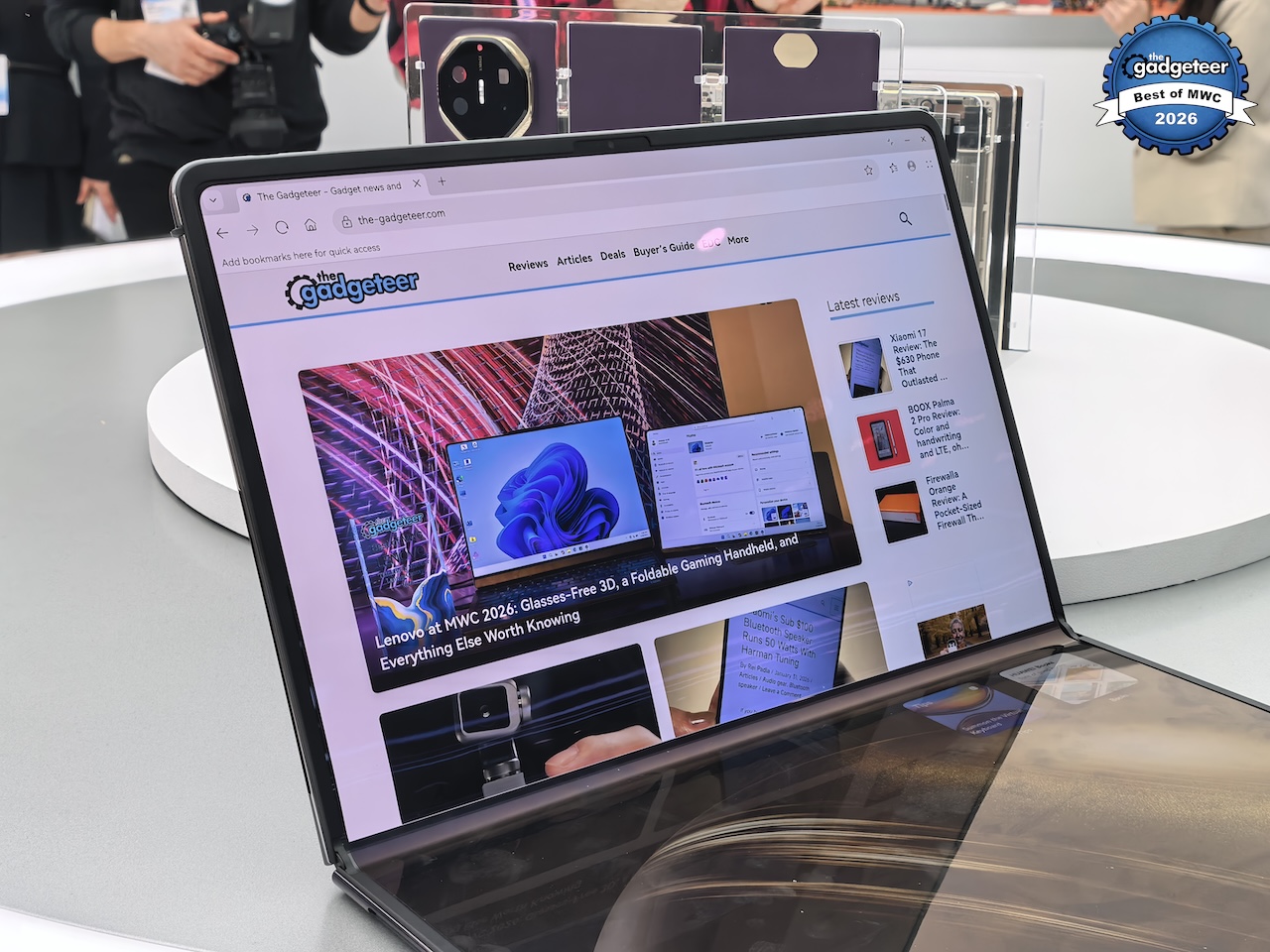
The foldable laptop is one of those ideas that sounds incredible in a pitch meeting and usually disappoints in person. Screens crease, hardware feels compromised, and the whole package ends up heavier than the traditional laptop it was supposed to replace. Huawei clearly studied those failures before building its answer: the Huawei MateBook Fold Ultimate Design, which launched in mid-2025 and sidesteps nearly every complaint the category has earned.
Price: CNY 24,000 (S3,479)
Where to Buy: Huawei China
We ask again: can a foldable laptop actually replace a traditional one without making you carry more weight or accept worse build quality? At 1.16 kilograms without the keyboard, the MateBook Fold weighs less than a 13-inch MacBook Air while unfolding into an 18-inch OLED workspace. That’s not an incremental improvement. It’s a category reset arriving at a moment when portable productivity tools are overdue for a serious rethink.
The timing matters because foldable laptops aren’t new, but credible ones are. Previous attempts from Lenovo and others proved the concept while exposing its limits. Huawei isn’t first to fold a laptop. It’s first to make the tradeoffs feel genuinely worth it.
What the MateBook Fold actually is
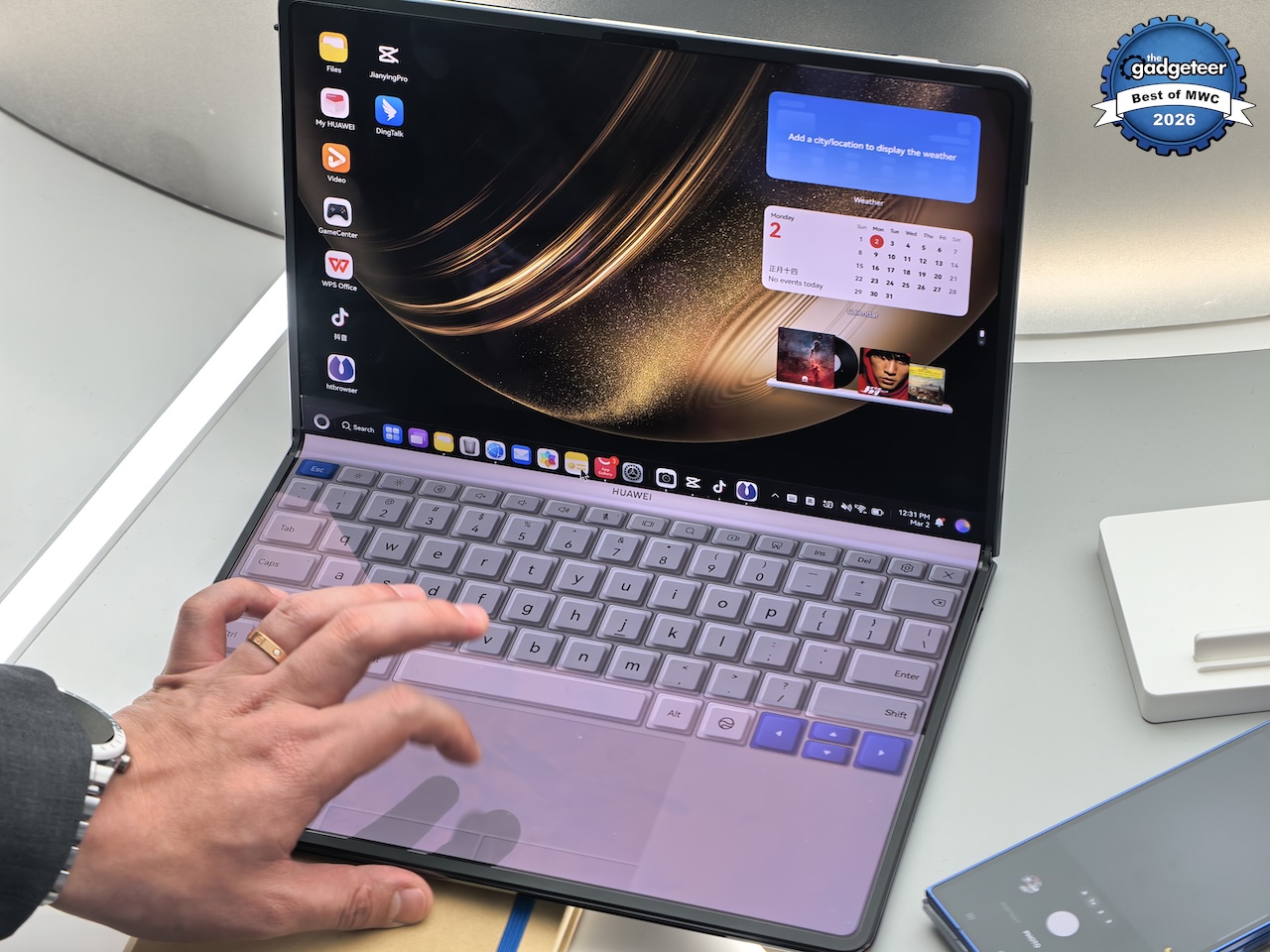
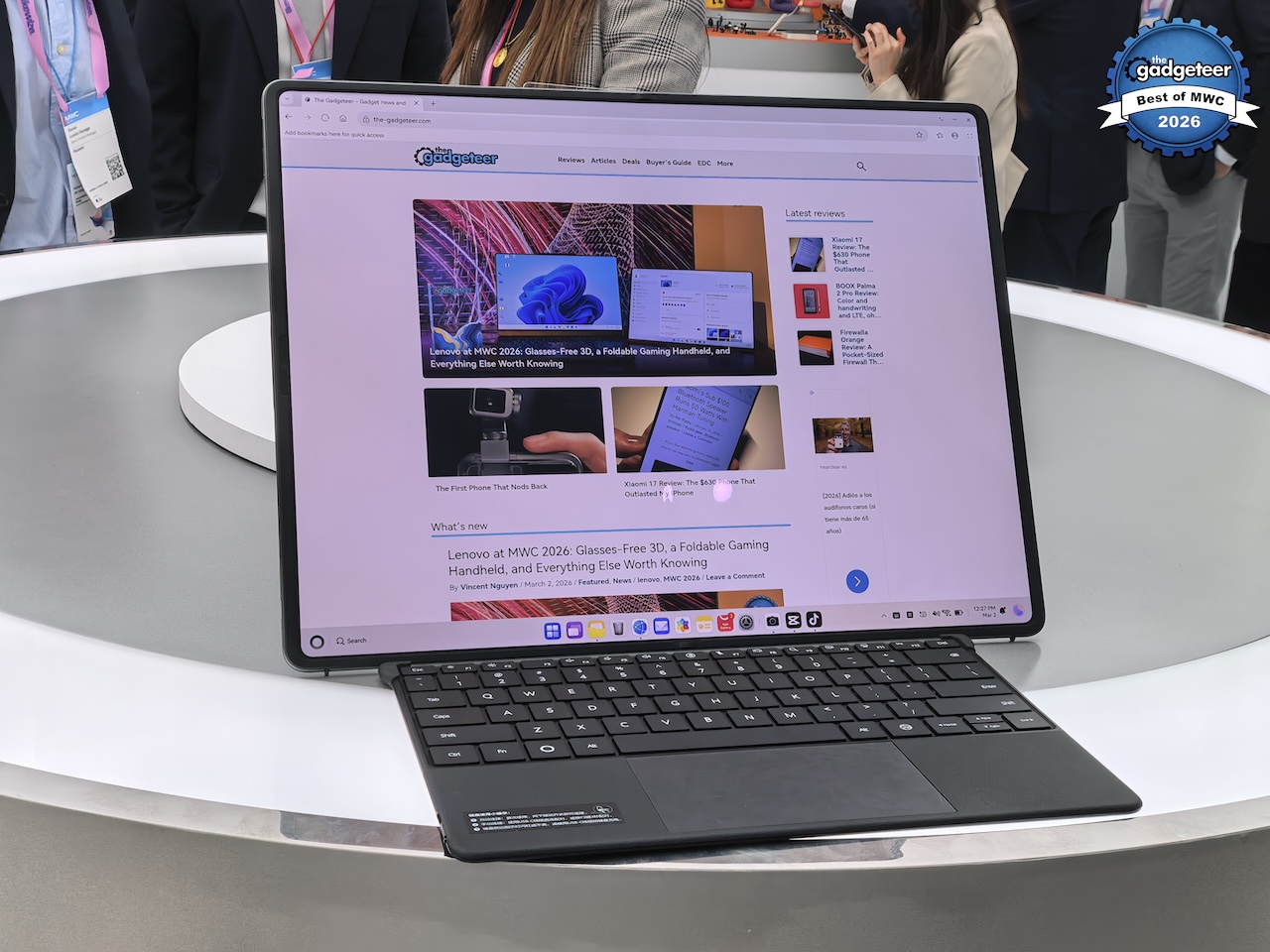
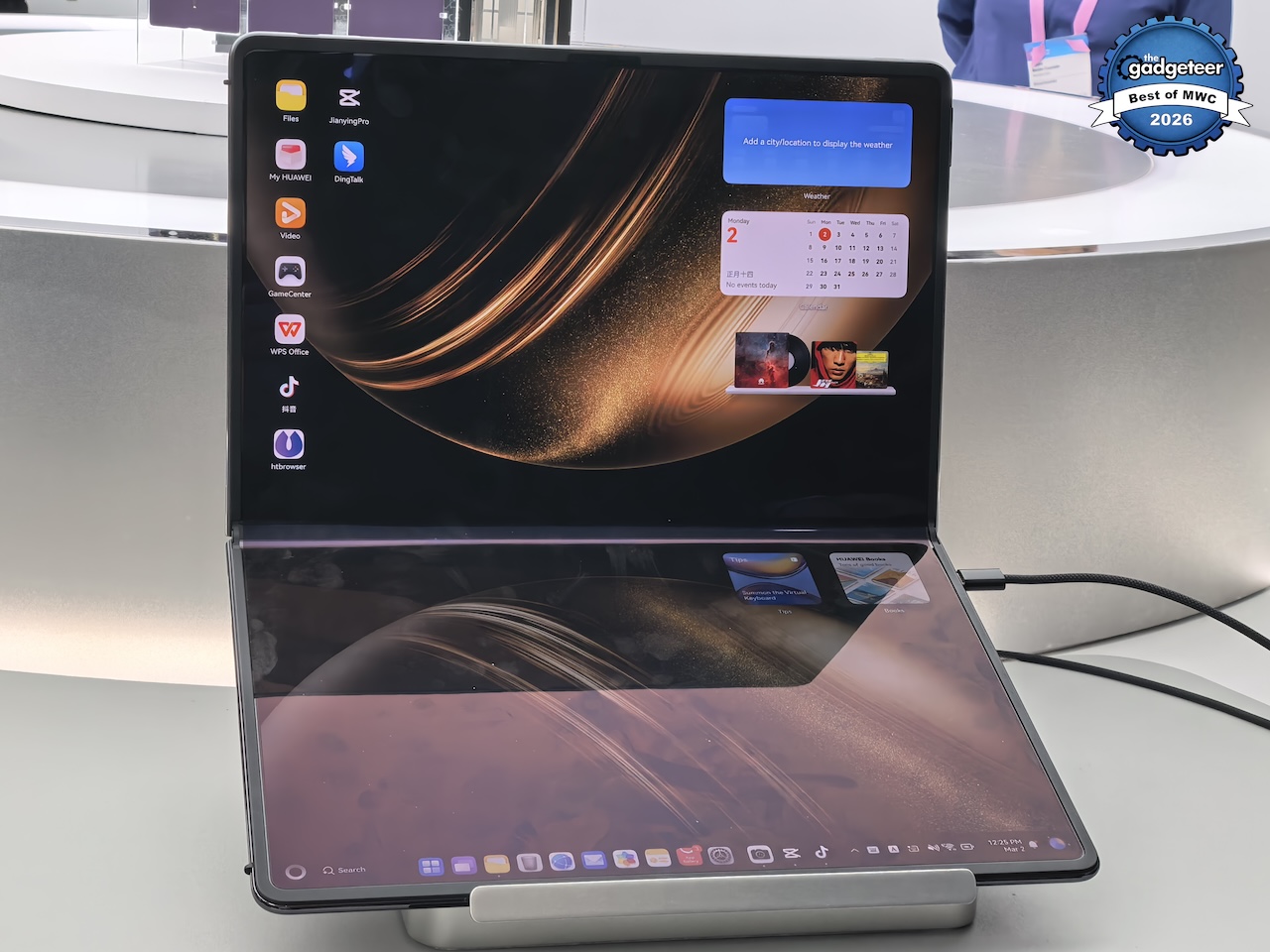
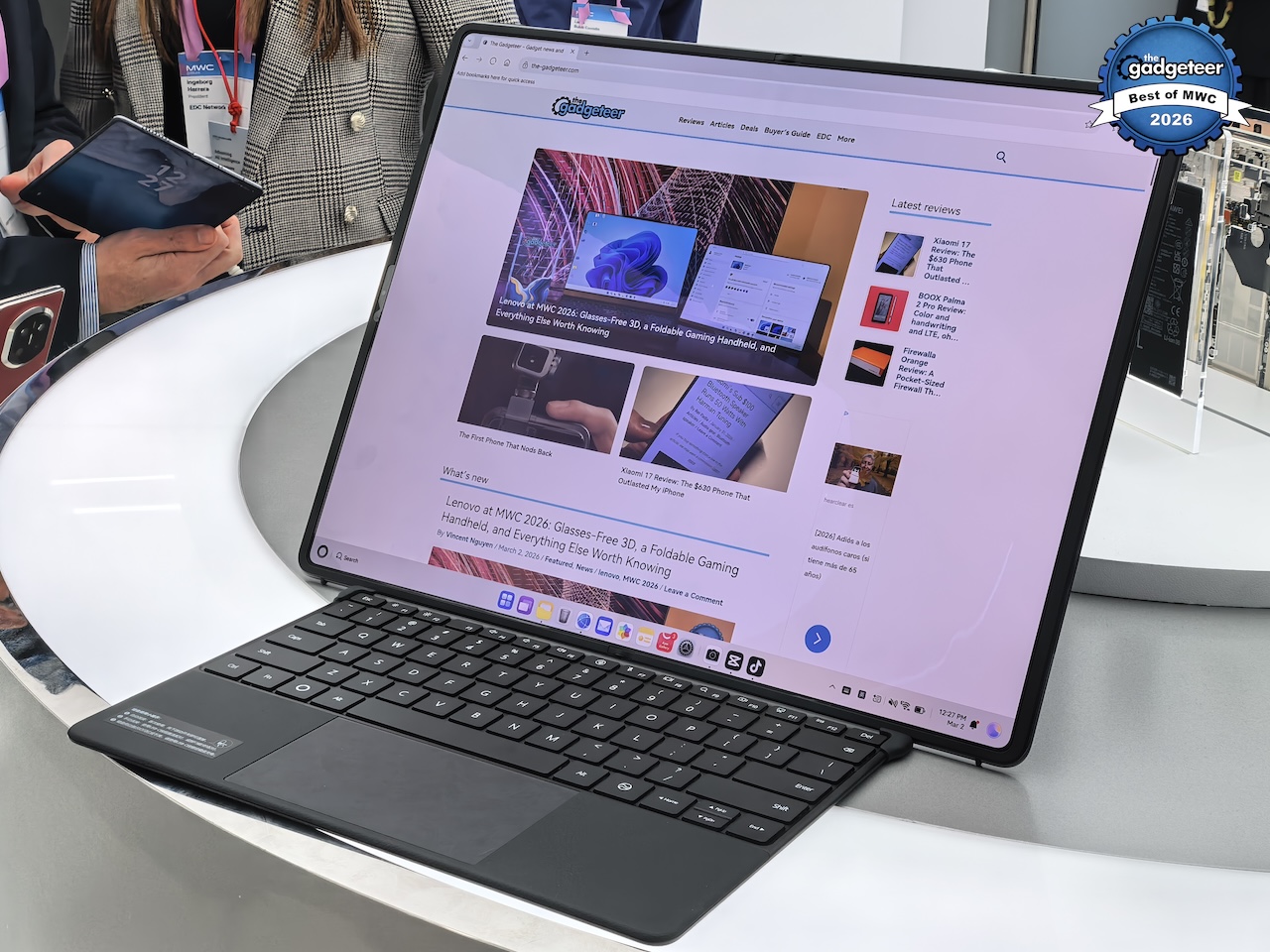
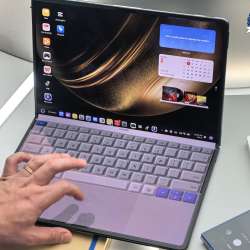
The MateBook Fold Ultimate Design is Huawei’s foldable PC, a machine that opens from a 13-inch laptop form factor into an 18-inch OLED workspace. It ships with a detachable wireless keyboard, runs HarmonyOS 5 for PC instead of Windows, and wraps everything in leather with precision-machined metal accents. Total weight with keyboard attached hits 1.45 kilograms, which puts it comfortably below most conventional 15-inch laptops. That’s a strong opening argument for anyone skeptical about foldable practicality.
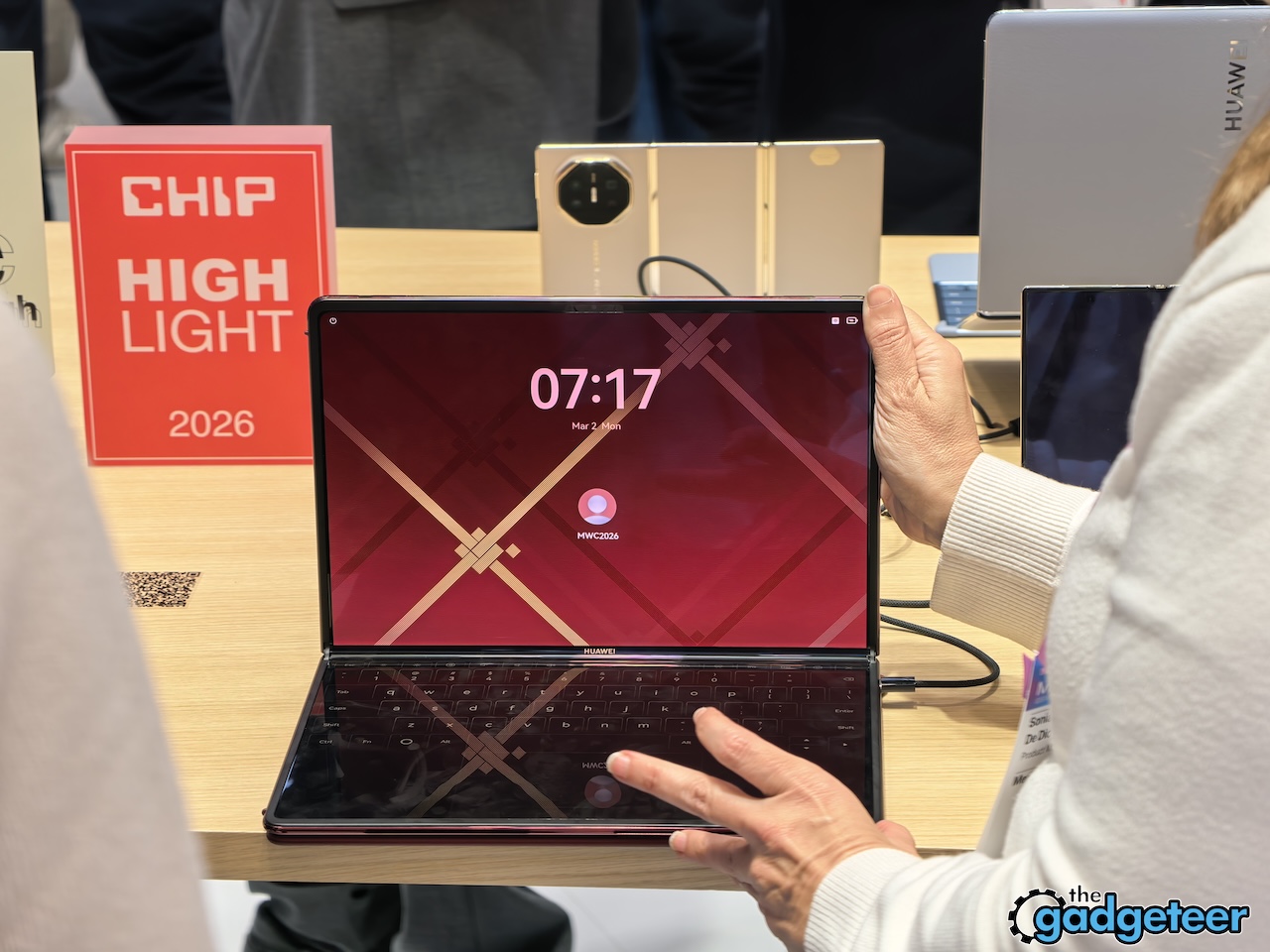
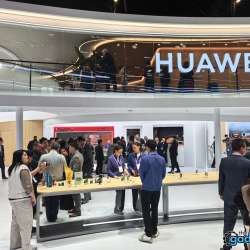
Foldable form factors aren’t limited to laptops right now. MWC 2026 showed the same engineering philosophy pushing into phones, tablets, and wearables, with each category finding new uses for flexible display panels. The MateBook Fold sits at the ambitious end of that trend, combining what Huawei claims is the largest hinge, the lightest chassis, and the highest resolution foldable display in a single device. It’s a useful reference point for where portable computing wants to go next, regardless of whether it reaches every market this year.
A foldable laptop display that earns the footprint
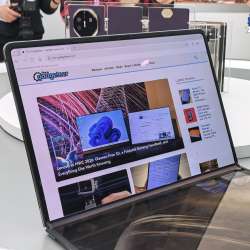
The 18-inch panel uses a dual-layer OLED structure, a first for PCs, which Huawei says triples expected display lifespan while cutting power consumption by 30 percent. Resolution hits 3,296 by 2,472 pixels fully unfolded in a 4:3 ratio, then shifts to 3:2 at 2,472 by 1,648 when folded into laptop mode. Peak brightness reaches 1,600 nits with P3 color gamut coverage and a 2,000,000:1 contrast ratio. If you look closely at the fold line, you’ll notice it’s far less visible than what early foldable phones trained people to expect. That’s a welcome change.
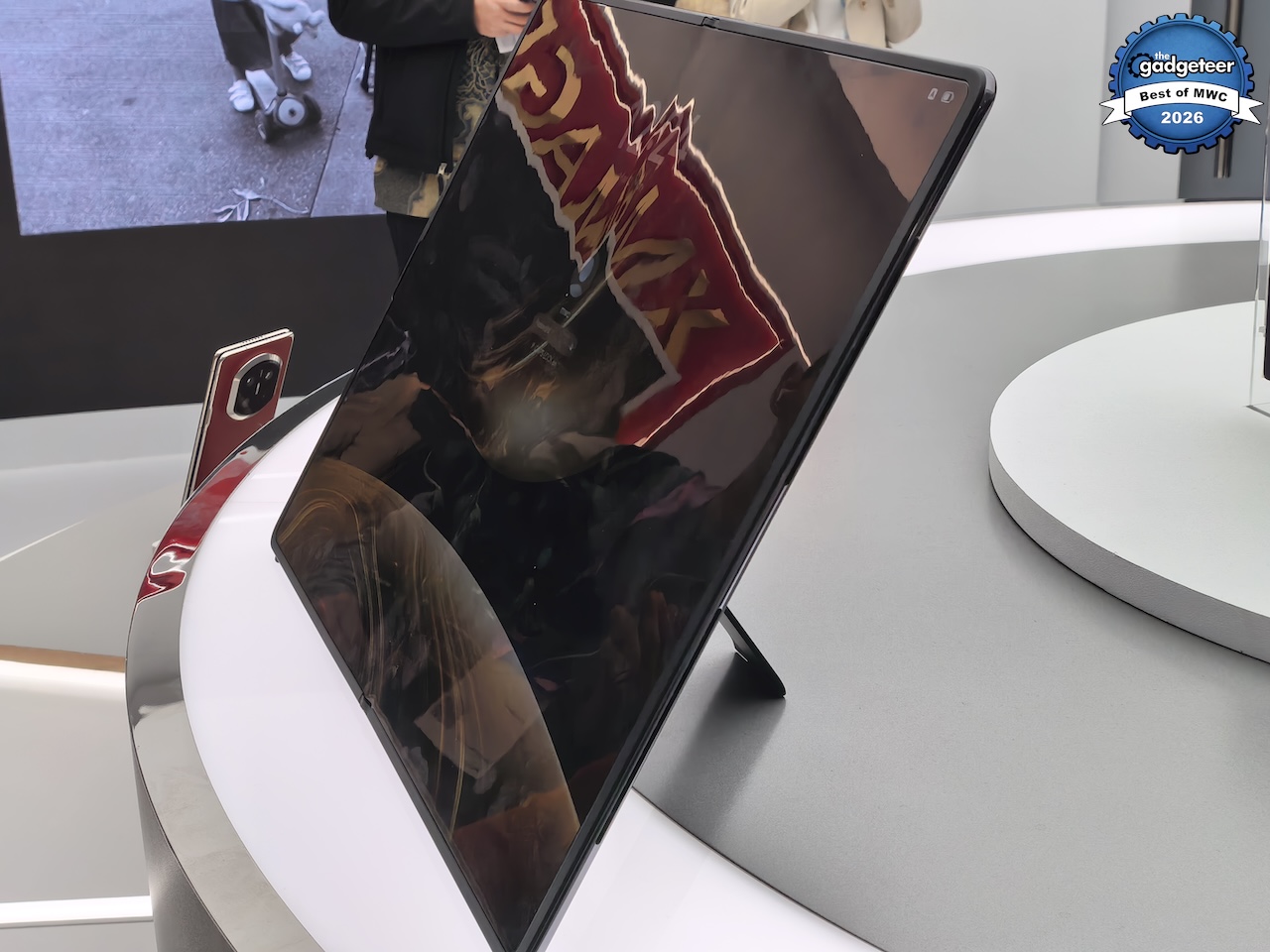
Protection comes from a non-Newtonian fluid shield layered over a carbon fiber support structure. The screen absorbs impact energy rather than transferring it to the OLED underneath. LTPO adaptive refresh rates round out the display tech, keeping battery drain in check during lighter tasks. It’s a smart combination that treats the screen as something worth protecting, not just powering.
Built to travel, not just to fold: MateBook Fold hardware
The 285-millimeter hinge is the largest the laptop industry has seen, using a three-stage shaft design that Huawei says delivers a 400 percent increase in hovering torque. Stable positioning runs from 30 to 150 degrees, with full flat mode available beyond that range. You notice the confidence immediately when adjusting angles. Nothing wobbles, nothing drifts.
Flip it over and the rear panel tells a different story than most computing hardware. Leather with precision-machined metal spans three color options, each paired with a matching wireless keyboard. Huawei says the leather is stain-resistant and water-resistant, which addresses the obvious durability concern without sacrificing that premium tactile quality. Huawei markets the material as high-end, though some sources describe it as artificial leather rather than traditional hide. An integrated kickstand sits flush when closed and deploys for multiple viewing angles, a thoughtful detail that eliminates the need for a propping accessory.
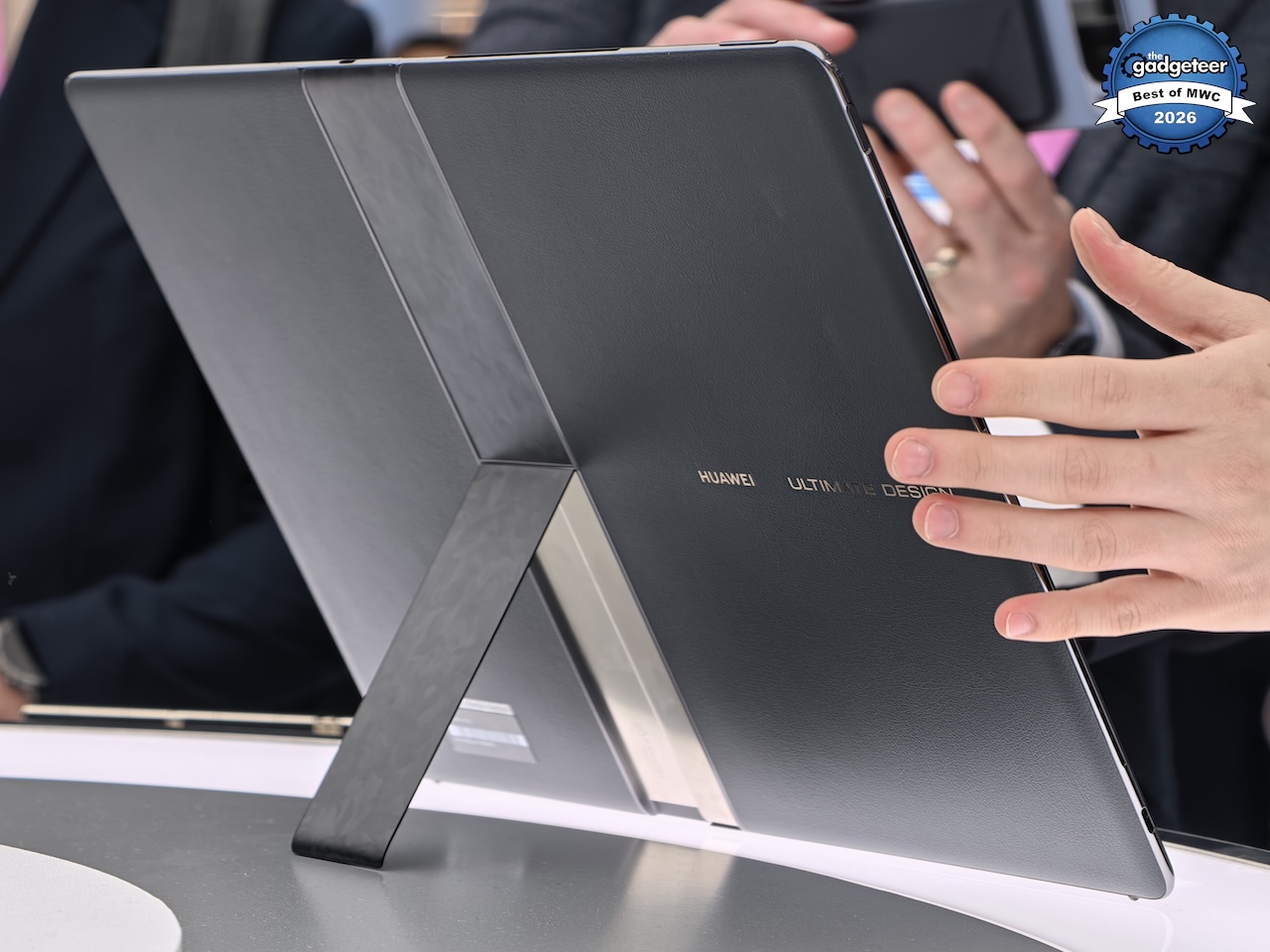
The detachable wireless keyboard measures just 5 millimeters thick with 1.5 millimeters of key travel and aluminum alloy construction. Total weight with keyboard reaches 1.45 kilograms. For context, that’s an 18-inch OLED display, full keyboard, and integrated kickstand weighing less than many standard 15-inch laptops. When the keyboard is removed, a virtual keyboard appears on the lower display half, keeping the device fully self-contained.
Under the surface, an unspecified Kirin processor pairs with 32 gigabytes of RAM and up to 2 terabytes of SSD storage. Diamond aluminum dual fans and an ultra-thin vapor chamber handle thermals inside a chassis just 7.3 millimeters thick when open. Six speakers, four microphones, and an 8-megapixel camera cover communication needs across every usage mode. HarmonyOS 5 for PC runs the software side with fast ecosystem connectivity between Huawei devices. It’s a capable spec sheet that doesn’t compromise to fit the form factor.
Pricing and availability
The MateBook Fold launched in China at 24,000 yuan (roughly 3,400 dollars) for the 1-terabyte model and 27,000 yuan (approximately 3,900 dollars) for 2 terabytes. Both include the wireless keyboard, matching cases, and a 140-watt USB-C charger. Third-party resellers currently list it between 3,300 and 3,500 dollars.
Global availability remains limited, which is the biggest practical barrier right now. Community interest keeps building around broader regional launches, but Huawei hasn’t confirmed specific markets or timelines beyond China. That gap between the product and its reach is the one real frustration here.
Who should skip this
If you need native Windows app compatibility for work, HarmonyOS will be a dealbreaker regardless of how impressive the hardware is. Reports suggest dual-boot Windows capability exists, but Huawei hasn’t made it a headline feature, and relying on workarounds for your primary productivity tool isn’t a strong foundation.
The 3,400-dollar starting price also puts this firmly in premium territory. Anyone looking for a solid productivity laptop at a reasonable price point will find better value in conventional ultrabooks that don’t ask you to pay for the folding engineering. The keyboard’s detachable design might also frustrate anyone who prefers a permanently attached typing surface.
Price: CNY 24,000 (S3,479)
Where to Buy: Huawei China
Who this is for
The Huawei MateBook Fold Ultimate Design speaks to anyone who’s wanted a genuinely portable large-screen workspace without the backpack weight that normally comes with 17 or 18-inch laptops. Creative professionals, frequent travelers who present or edit on the go, and early adopters living inside the Huawei ecosystem will get the most from this form factor. It’s not a device for everyone, but for the right user, it’s the strongest argument yet that foldable laptops aren’t just a gimmick.


Apple iPad 11-inch: A16 chip, 11-inch Model, Liquid Retina Display, 128GB, Wi-Fi 6, 12MP Front/12MP Back Camera, Touch ID, All-Day Battery Life — Blue
(as of March 13, 2026 18:26 GMT -05:00 - More infoProduct prices and availability are accurate as of the date/time indicated and are subject to change. Any price and availability information displayed on [relevant Amazon Site(s), as applicable] at the time of purchase will apply to the purchase of this product.)