 The smart home category spent years chasing convenience for people who didn’t really need it. Dim the lights from the couch, start a playlist without touching your phone, check who’s at the door while you’re upstairs. Nice features, but not exactly life-changing for most households. That calculus is shifting now, and the reason has less to do with technology than demographics.
A growing wave of smart home devices for seniors is turning connected tech into something genuinely useful: tools that help older adults stay independent, safe, and comfortable in their own homes for longer. The 65-and-older population in the U.S. is projected to reach 82 million by 2050, according to the U.S. Census Bureau, and roughly 75% of adults over 50 want to age in place, according to AARP’s 2024 Home and Community Preferences Survey. Tech companies are finally catching on, building products and features specifically designed around accessibility, health monitoring, and simplified interfaces that don’t require a computer science degree to operate.
Voice assistants changed the whole equation
The moment smart speakers learned to make phone calls, set medication reminders, and call for help hands-free, they became genuinely valuable for seniors living alone. Amazon’s Echo Show 8, now in its fourth generation, pairs a 13 MP camera with an 8.7-inch touchscreen that handles video calls, visual reminders, and smart home controls through voice or tap. Google’s Nest Hub Max runs a similar playbook with a 10-inch display, built-in Nest camera functionality, and Google Assistant responding to natural language commands.
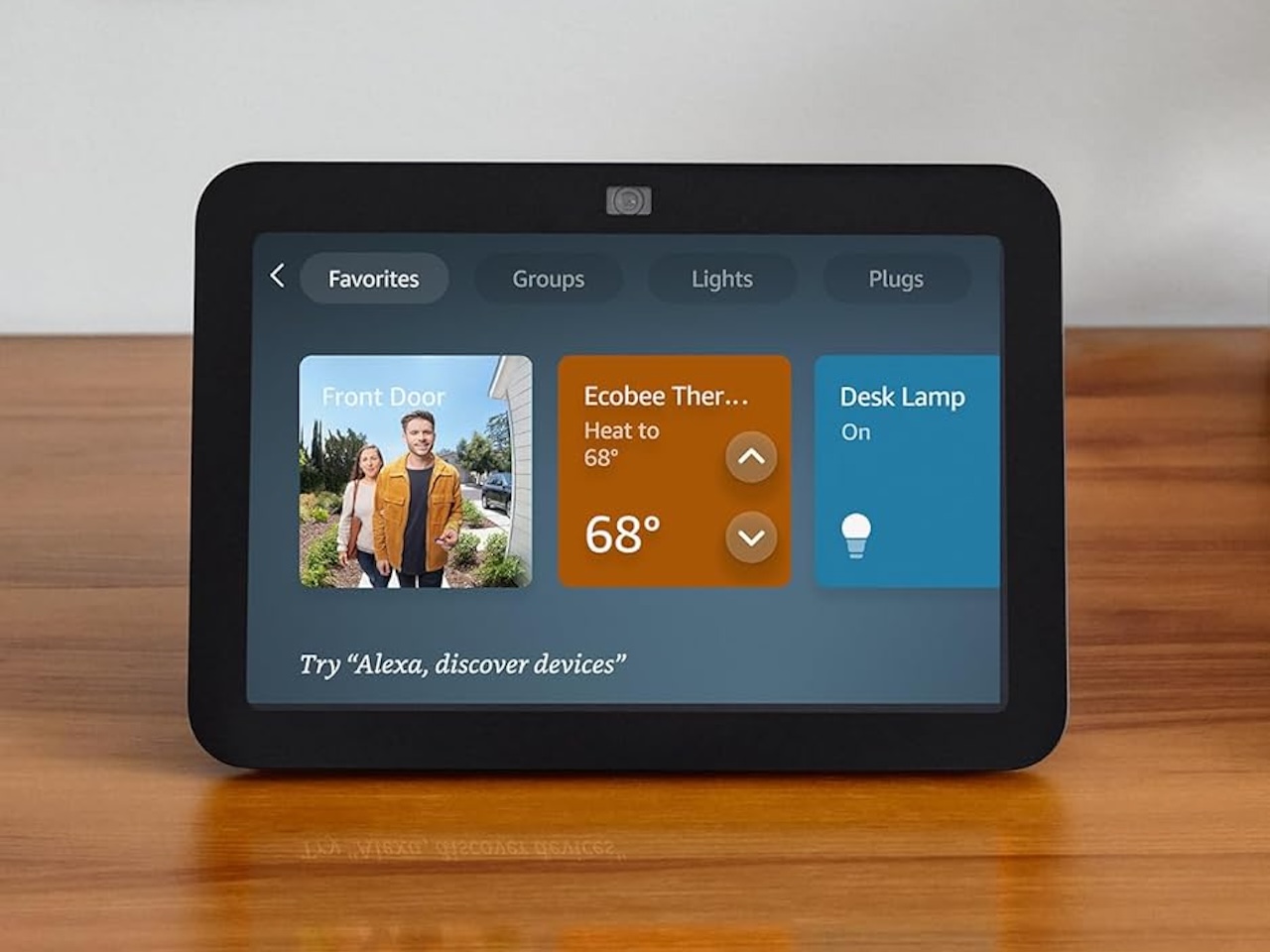
What makes these devices land with older adults isn’t the hardware specs. It’s the zero-learning-curve interaction model. Saying “call my daughter” or “remind me to take my blood pressure medication at 9 AM” requires no app navigation, no menu digging, no tiny buttons. For someone with limited mobility or declining vision, that kind of simplicity isn’t a convenience feature. It’s an accessibility breakthrough that happens to live on a kitchen counter.
Smart lighting quietly became a safety tool
Philips Hue and similar smart lighting systems can automate lights to turn on when someone gets out of bed at night, reducing fall risk in dark hallways and bathrooms. Motion-activated lighting isn’t new technology, but the smart home version adds scheduling, brightness control, and integration with other devices that basic motion sensors can’t match.
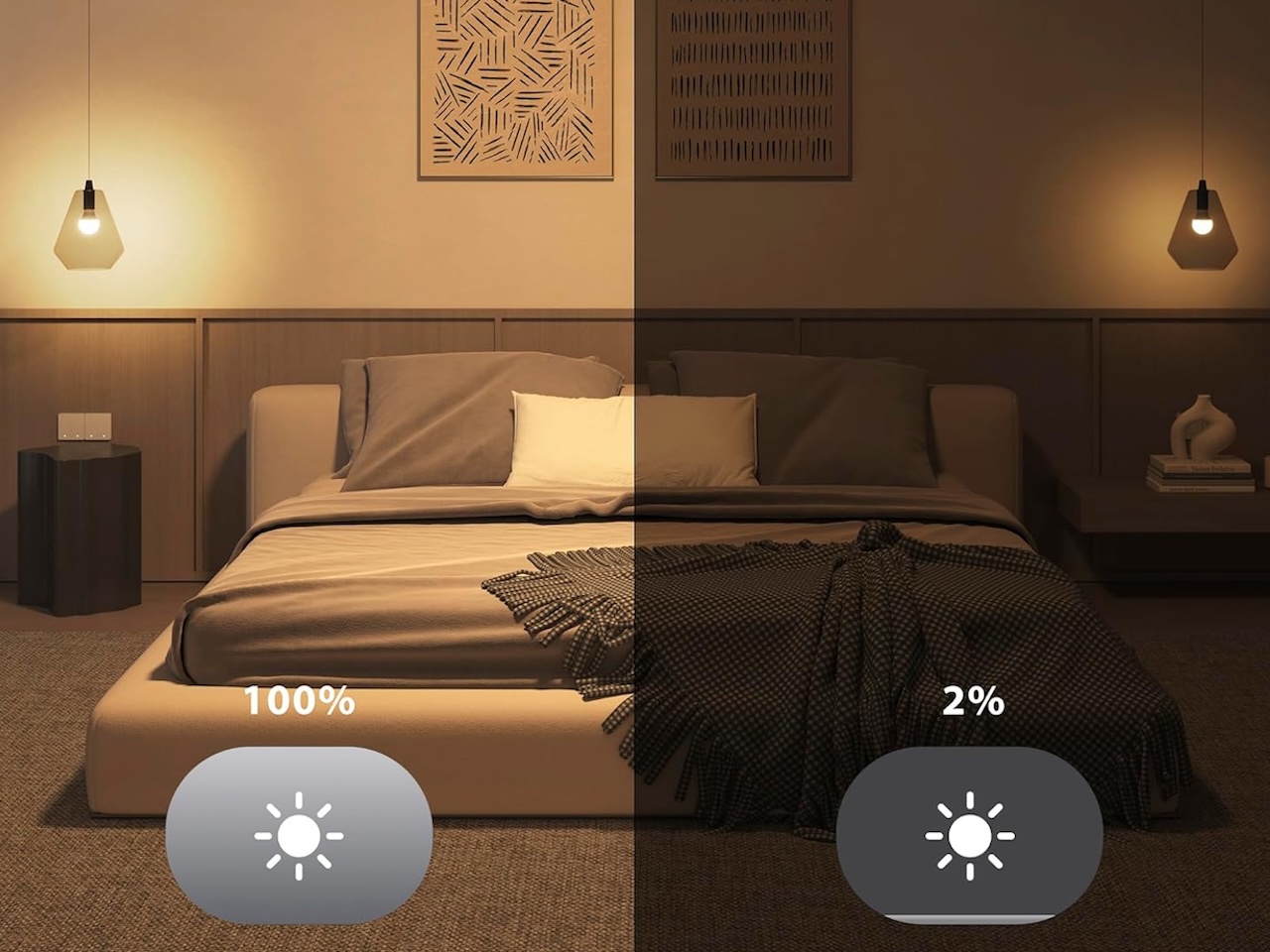
A system can gradually brighten bedroom lights at 7 AM, illuminate a path to the bathroom at 2 AM, and turn everything off automatically when no motion is detected for 30 minutes. The practical impact goes beyond convenience into genuine safety territory. Falls are the leading cause of injury among adults over 65, according to the CDC, and poor lighting is a well-documented contributing factor. Smart bulbs that respond to routines and motion sensors address that risk without requiring any physical modification to the home, which matters for renters and anyone who doesn’t want to rewire their house.
Video doorbells bring peace of mind on both sides
Ring, Google Nest, and Arlo all offer video doorbells that let seniors see and speak with visitors without approaching the door. That functionality serves two audiences simultaneously: the older adult who can screen visitors from a chair or bed, and the family member who can check in remotely through a shared camera feed.
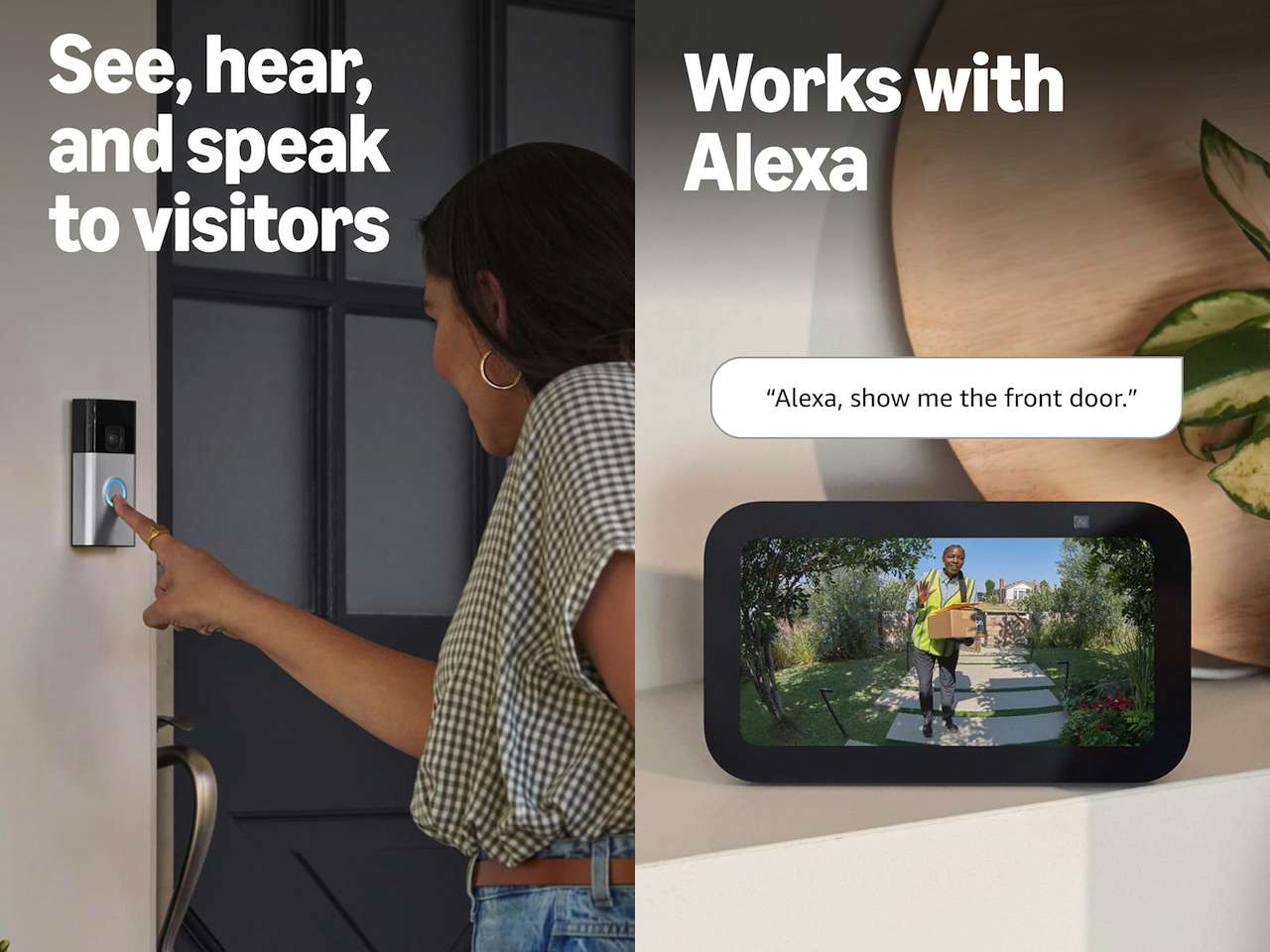
Ring’s battery-powered models install without any wiring, which removes one of the biggest barriers to adoption for older homeowners. Indoor cameras add another layer for families managing care from a distance. The ability to check in visually without making a phone call, which can feel intrusive on both ends, fills a gap that traditional wellness checks don’t cover. Privacy concerns are real and worth navigating carefully, but the category has matured enough to offer features like activity zones, scheduled recording windows, and two-way audio that give both parties control over what gets monitored and when.
Medical alert systems for seniors are going mainstream
Medical alert systems for seniors have existed for decades, but the technology is catching up to modern expectations. Companies like Medical Guardian and Bay Alarm Medical now offer wearable pendants and smartwatch-style devices with automatic fall detection, GPS tracking, and cellular connectivity that works without a home base station. The entire category is moving away from the old “I’ve fallen and I can’t get up” model toward devices that look and feel like regular wearables.

Apple Watch has turned a mainstream consumer product into a legitimate safety device for older adults. Its fall detection feature identifies hard falls, asks the wearer if they need help, and automatically contacts emergency services if there’s no response within 60 seconds. It’s not marketed as a medical alert, but it functions as one for millions of users who wouldn’t consider wearing a traditional pendant. That kind of passive safety layer, built into something people already want to wear, is exactly where the category is heading.

The Matter protocol is quietly fixing the biggest frustration
One of the persistent headaches with smart home devices for seniors, or anyone, has been the compatibility mess. A Ring doorbell doesn’t natively talk to Philips Hue lights. An Amazon Echo can’t always control Google-ecosystem devices smoothly.
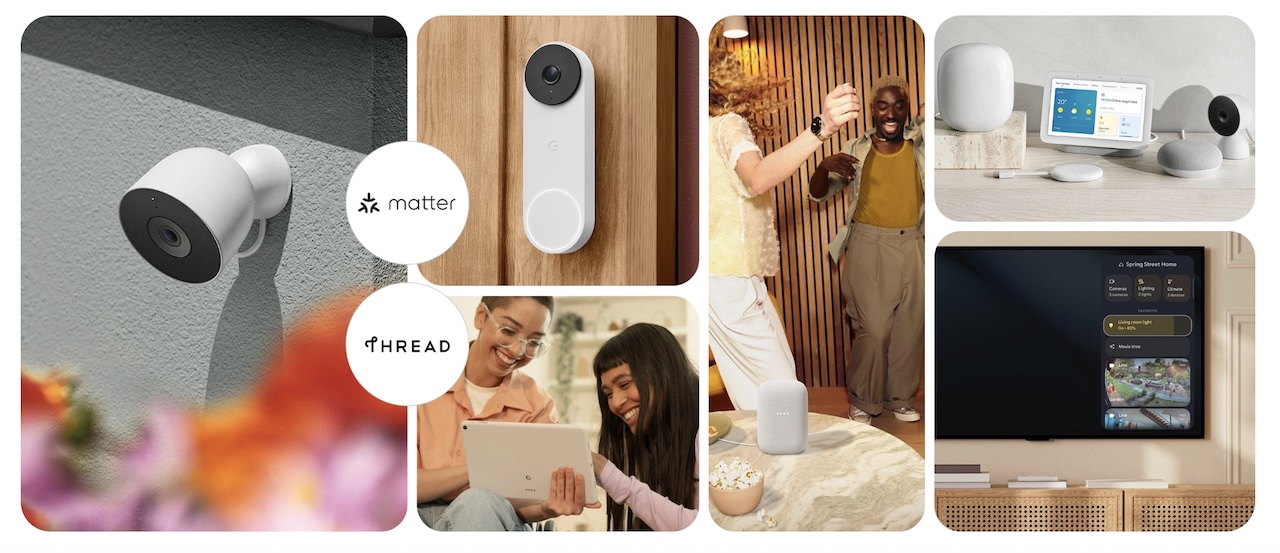
Matter, the connectivity standard backed by Apple, Google, Amazon, and Samsung, is designed to solve exactly that problem by creating a universal language for smart home devices. For seniors and the family members helping them set up these systems, Matter means fewer apps, fewer compatibility headaches, and more devices that just work together out of the box. The standard has been rolling out across new products since late 2022, and the device library is growing steadily. It’s not a product anyone buys directly, but it’s the infrastructure layer that makes a multi-device smart home for elderly users actually manageable without a tech-savvy person on call.
Cost is less of a barrier than it used to be
The “is there a monthly fee” question comes up constantly in smart home conversations, and the answer varies depending on the category. Voice assistants and smart speakers require no subscription. Smart lighting systems have no ongoing cost after the initial hardware purchase. Video doorbells and cameras often offer basic functionality for free with optional cloud storage subscriptions ranging from $5 to $10 per month. Medical alert systems for seniors generally start around $25 per month and can run up to $50 or more depending on features, though a small number of newer devices now offer no-subscription models with cellular connectivity built into the purchase price.
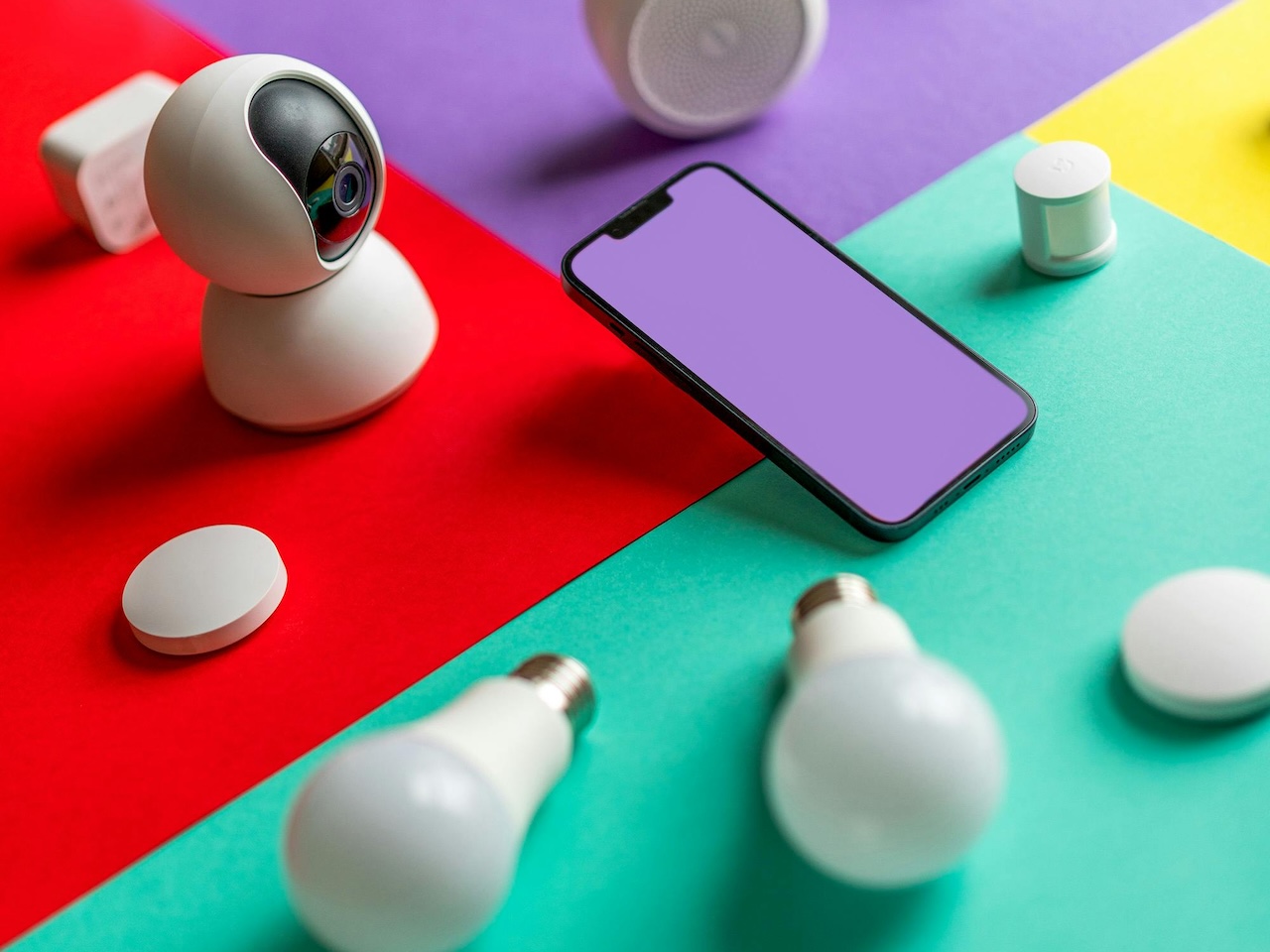
A functional smart home setup for an older adult doesn’t have to break the bank. An Echo Show 8 runs around $180, a starter kit of smart bulbs costs $60 to $80, and a battery-powered video doorbell sits in the $100 to $200 range. The total investment for a basic safety-and-communication setup can land under $450 before any optional subscriptions, which is a fraction of the national median for a single month of assisted living, currently around $6,200 according to CareScout’s 2025 Cost of Care Survey.
What’s actually changing
The real story isn’t any single device. It’s that the smart home category is finally building with older adults in mind rather than treating accessibility as an afterthought. Larger text options, simplified setup flows, voice-first interfaces, and health-adjacent features are showing up across product lines from Amazon, Google, Apple, and dozens of smaller companies targeting the aging-in-place market specifically.

The technology isn’t perfect, and it’s not a replacement for human care when that’s what someone needs. But for the millions of seniors who want to stay in their homes independently, and the families who want to support that decision without constant worry, smart home devices are filling gaps that didn’t have good solutions five years ago. The devices for seniors living alone have matured past the novelty stage. The category has grown up, and it’s finally pointed in the right direction.

Zip Ties Assorted Sizes(4”+6”+8”+12”), 400 Pack, Black Cable Ties, UV Resistant Wire Ties by ANOSON
(as of March 13, 2026 10:46 GMT -05:00 - More infoProduct prices and availability are accurate as of the date/time indicated and are subject to change. Any price and availability information displayed on [relevant Amazon Site(s), as applicable] at the time of purchase will apply to the purchase of this product.)