
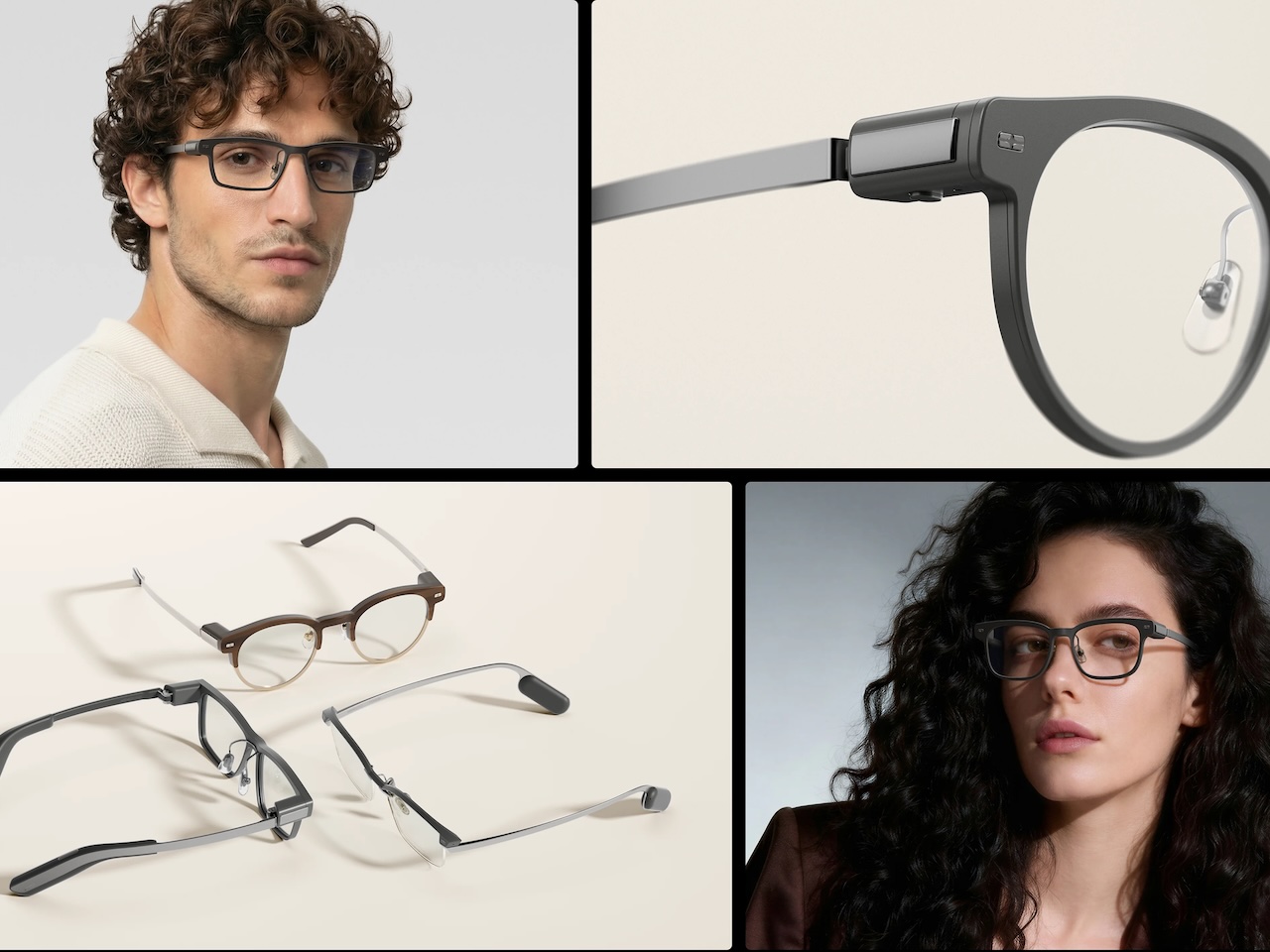
ARTICLE – Every smart glasses maker at MWC 2026 brought the same formula. Camera next to the lenses, built-in speakers, an AI chatbot, and the ability to record whatever crosses your line of sight. XGIMI walked into Barcelona and ditched that playbook entirely. The company built its name on home projectors, and now it’s channeling a decade of optical engineering into AR glasses that deliberately leave out the one thing every competitor considers essential.
Price: $599
Where to Buy: MemoMind
The MemoMind One doesn’t have a camera, and according to XGIMI, that’s not a limitation. It’s the product thesis. What you get instead is a waveguide display, live translation, a multi-LLM operating system, and frames that actually look like something you’d pick off a shelf at an optician. Priced at roughly $599 with an April 2026 ship date, it’s the kind of debut that catches you off guard from a brand with zero history in wearables.
So the real question is: can a projector company pull off smart glasses better than the brands that have been trying for years? Here’s what stood out at MWC.
1. There’s no camera, and that’s the whole point
Most smart glasses treat the camera as the centerpiece. XGIMI stripped it from every model in the MemoMind lineup. The company thinks the camera is the single biggest reason smart glasses still feel socially awkward, and building around that belief meant removing it before anything else. There’s an invisible tension whenever someone wears camera-equipped glasses around other people. Strangers notice. Friends wonder if they’re being recorded. That friction has followed the category for years, and no amount of LED indicators or privacy features has dissolved it.
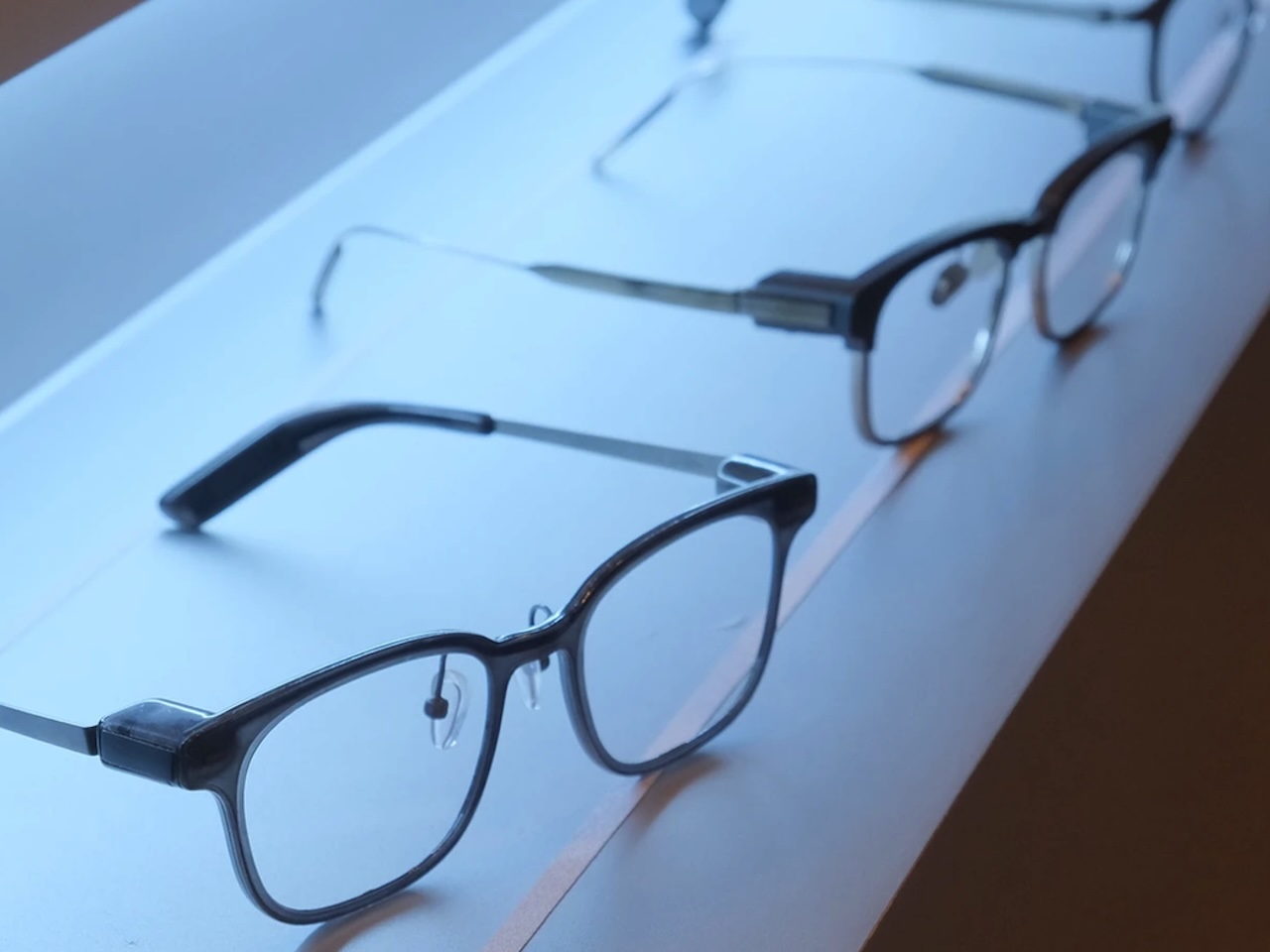
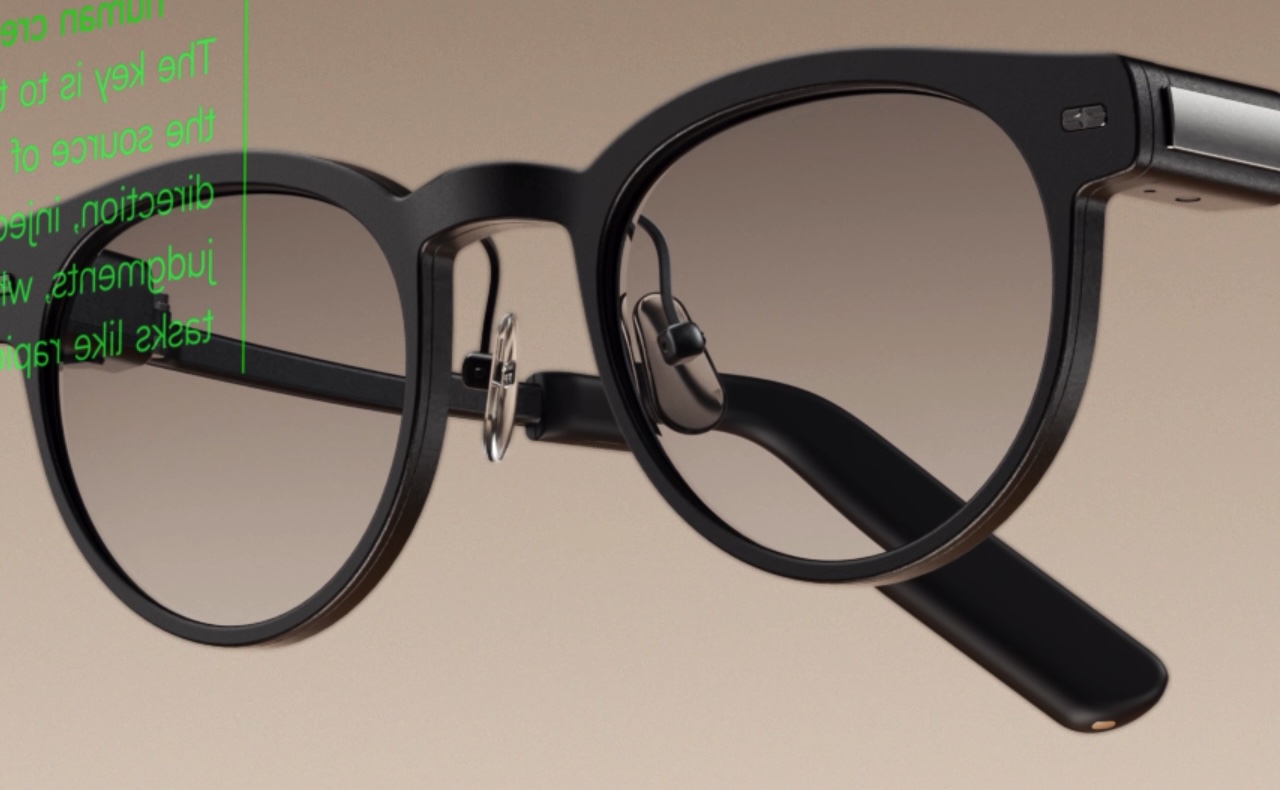
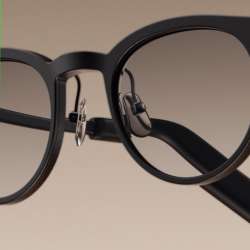
XGIMI founder and MemoMind lead investor Apollo Zhong put it plainly when the brand first launched at CES 2026, calling glasses the most natural and lowest-friction form factor for intelligence. You feel the conviction behind that statement when you see the MemoMind One sitting on a display table at MWC. It looks like a regular pair of glasses with slightly thicker stems. Nothing about the physical form announces wearable tech.
The decision shapes everything else about the product: features, design, target audience. It gives the MemoMind One a clarity of purpose that most competitors haven’t found, even if it narrows the feature set in ways some buyers won’t love.
2. The display is a tiny projector behind the lens
XGIMI spent ten years refining how light lands on surfaces, and the MemoMind One applies that knowledge at a smaller scale. Miniature projectors sit near where the stems connect to the frames, pushing light through a waveguide layer built into the lenses. When activated, a small overlay of green text floats in your line of sight: time, date, notifications, calendar events, weather. It’s like a heads-up display from a luxury car, except it’s sitting on your nose.
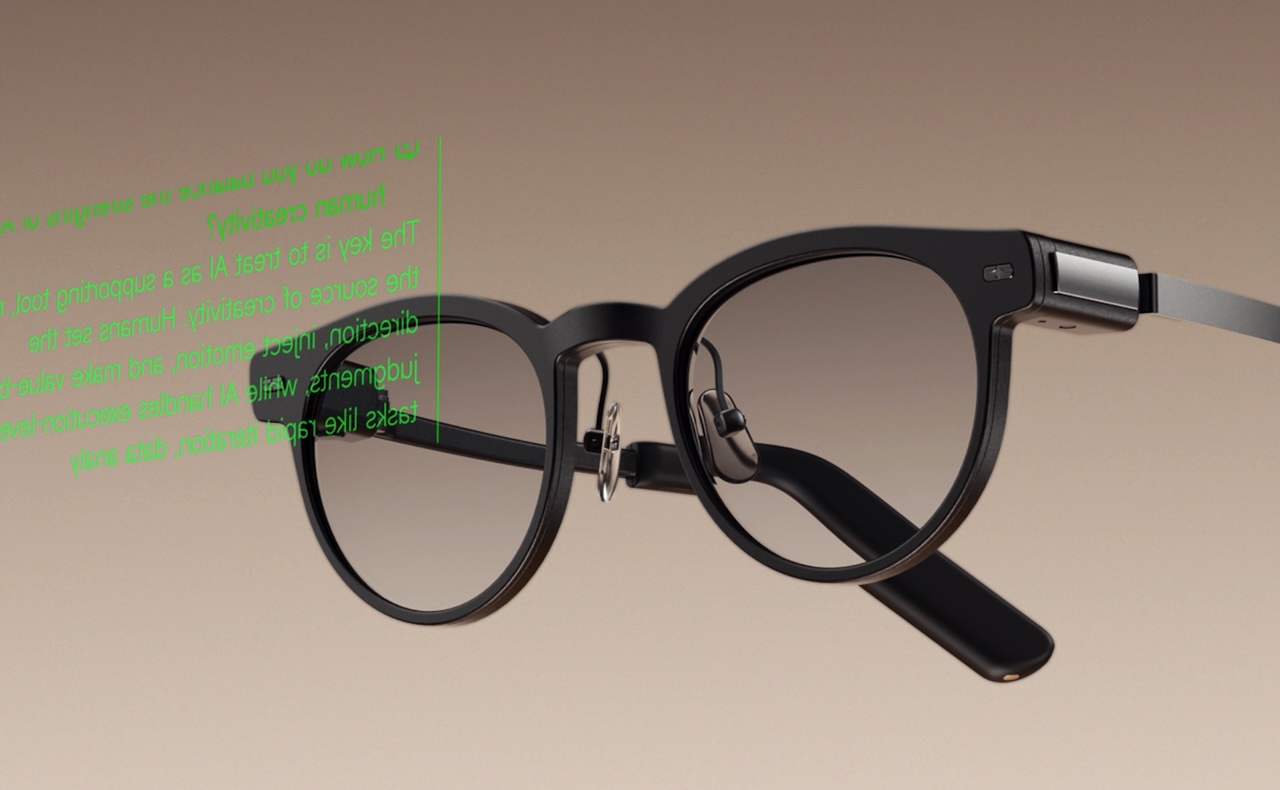
The green tint has a retro quality, closer to a Pip-Boy screen than a modern OLED, but that restraint feels intentional. Bright environments don’t wash it out, and the low visual footprint means you’re reading quick bursts of information rather than staring at a screen. For glasses designed around brief interactions, the minimalist display is a smart match.
3. It picks which AI model to use for you
The MemoMind One runs what XGIMI calls a multi-LLM hybrid operating system. Instead of routing every task through a single AI engine, the system selects between OpenAI, Azure, and Qwen depending on the request. Translation might pass through one model while a voice summary pulls from another. Most AI wearables tie everything to one engine, which means you inherit whatever it does well alongside whatever it doesn’t.
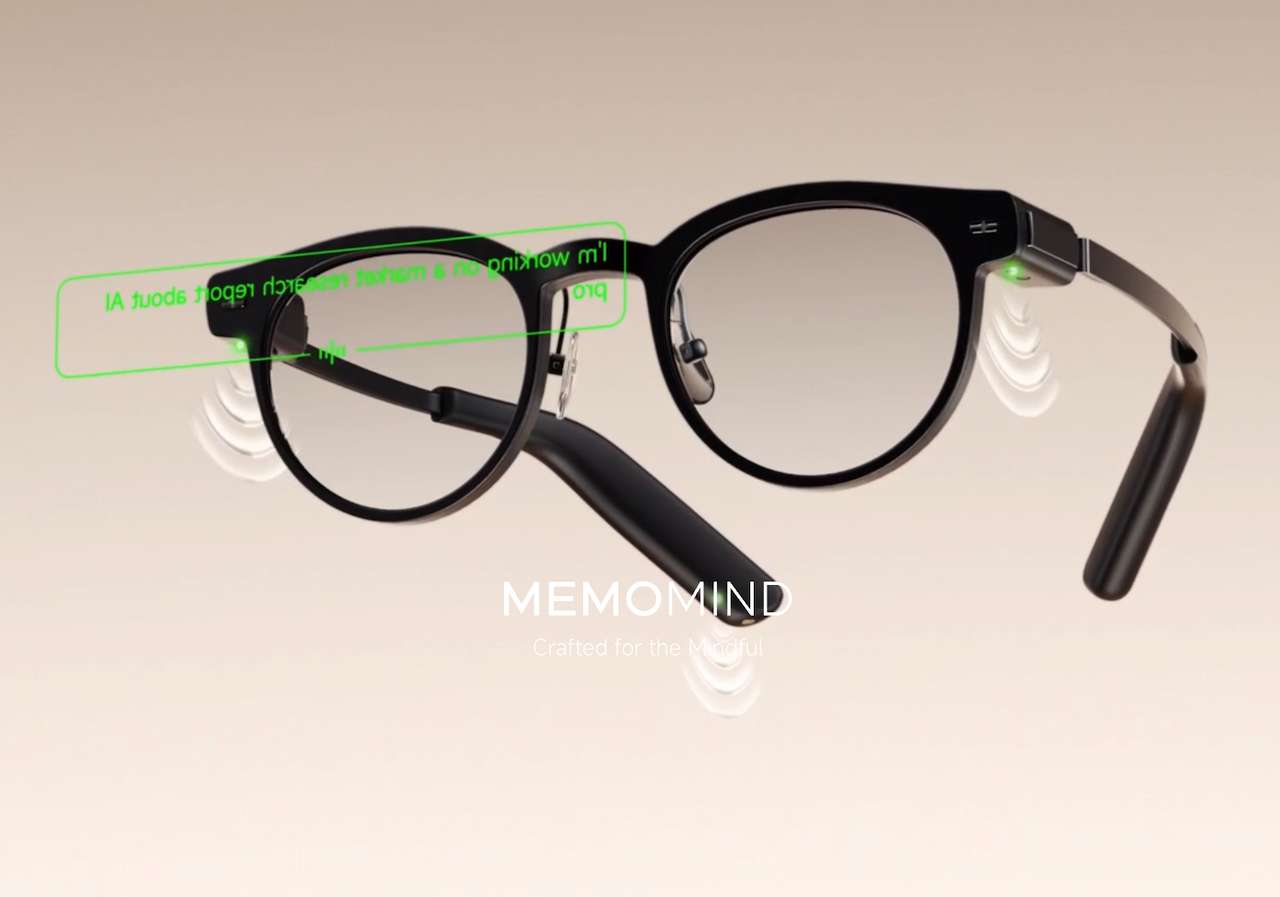
During the MWC demo, model switching happened in the background without any visible input from the user. It’s a quietly ambitious architecture for a first-generation product, and if you’ve hit the ceiling of what a single AI model can handle on other wearables, this addresses a real friction point. How consistently it performs outside a controlled environment is still an open question.
4. Live translation worked at MWC, and it doubles as a teleprompter
A demo showed Chinese-to-English translation running through the MemoMind One’s microphone and waveguide display in real time. Text appeared fast enough to follow a natural conversation, floating in the wearer’s line of sight without blocking the surrounding world. Seeing it work inside lightweight glasses made the demo more convincing than a spec sheet alone.
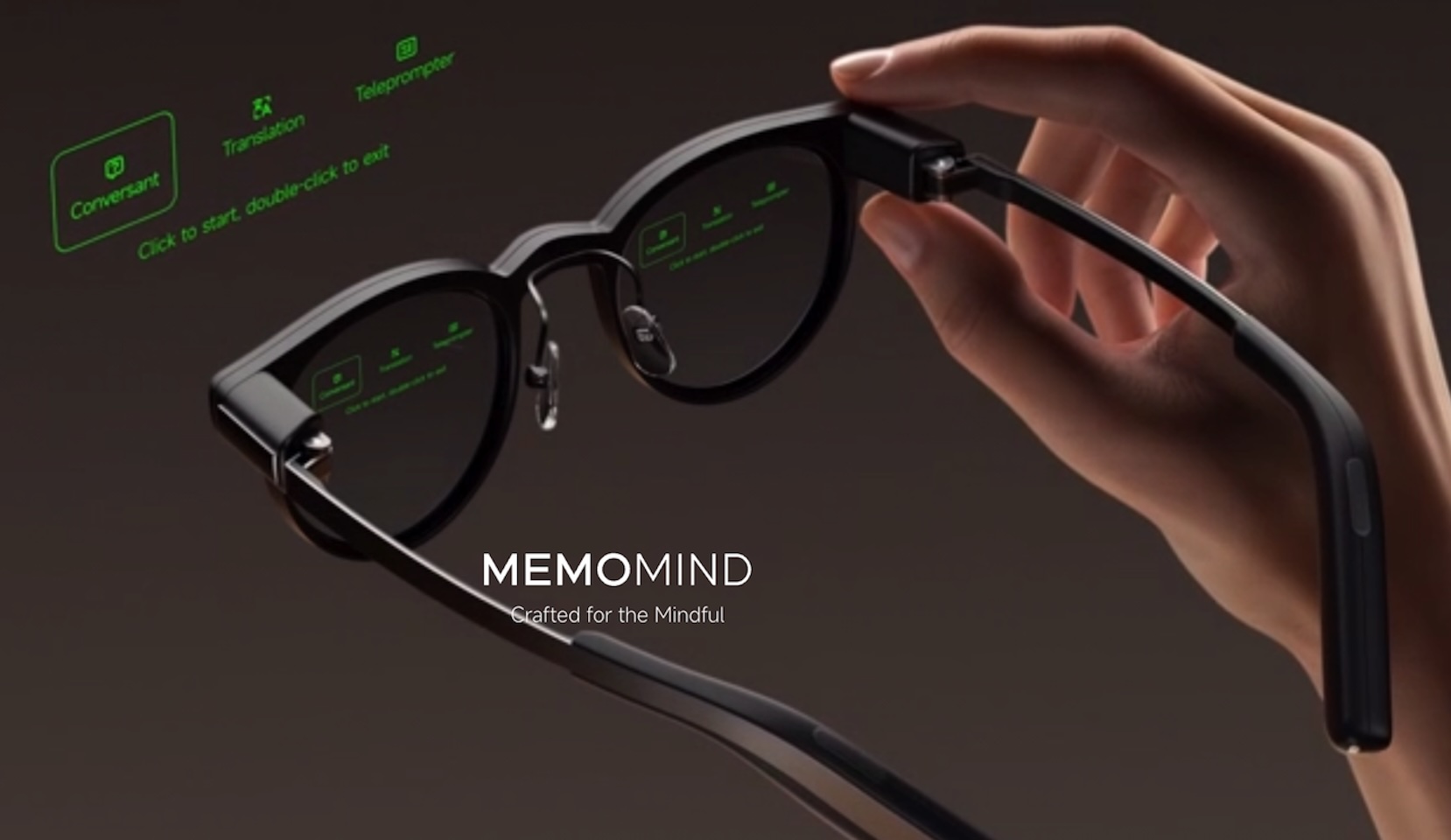
Beyond translation, the glasses double as a teleprompter: load a script and text scrolls in front of your eyes while you speak. XGIMI also added a memory function to the right stem, where a tap and hold saves a voice reminder that surfaces at whatever time you set. These aren’t flashy capabilities, but they’re built around how people actually move through a day.
5. Three models are coming, and you can customize all of them
XGIMI revealed three models when MemoMind debuted at CES 2026. The MemoMind One sits at the top with a dual-eye waveguide display and integrated speakers for full visual and audio AI interaction. Below that, the MemoMind Air Display strips down to a single monocular display and weighs only 28.9 grams, making it one of the lightest AI glasses available. A third model designed to feel even closer to traditional eyewear is in development.
All three share a customization system most smart glasses brands haven’t attempted. Eight frame styles, five interchangeable temple designs, prescription lens support from day one, and a sunglasses attachment arriving later. Full-rim, half-rim, square, round: you choose the shape that fits your face. If you’ve ever felt like smart glasses treat their frames as an afterthought, XGIMI clearly agreed. The frames don’t look like they belong in a tech demo. They look like glasses you’d actually want to wear outside.
6. XGIMI MemoMind One: $599, 16 hours of battery, and an April 2026 ship date
XGIMI says the MemoMind One delivers around 16 hours of battery life on a single charge. Charging runs through two-pin connectors at the end of the stems. A charging case that extends total battery to roughly a week ships alongside the Air Display model, though XGIMI hasn’t confirmed whether the same case will be ready for the MemoMind One at launch.
At roughly $599, the MemoMind One lands in competitive territory for smart glasses with an actual display. A more affordable version will ship at the same time. Preorders open soon, with a release date set for April 2026 and the remaining models following later in the year. For anyone tracking the math, $599 for camera-free AR glasses with a multi-model AI system undercuts several competitors offering less.
7. What you actually lose without a camera
Skipping the camera isn’t free. Camera-equipped smart glasses can identify objects, read signs, scan documents, and give the AI visual context about your surroundings. The MemoMind One can’t do any of that. No visual search, no snapping a whiteboard after a meeting, no pointing at a foreign menu for an instant readout. Anyone coming from the Meta Ray-Ban side of the market will notice the gap immediately.

What you get in return is a pair of glasses nobody around you will think twice about. No awkward glances at dinner, no social friction at work events or coffee shops. XGIMI is betting that social comfort matters more to most people than visual AI features they’d rarely use in public. Whether that bet holds depends on how fast camera-based AI improves over the next year.
8. Who the MemoMind One is actually for
Frequent travelers who want real-time translation without pulling out a phone, professionals who give presentations and take voice notes throughout the day, and anyone who wants ambient intelligence rather than a screen strapped to their face. The glasses work best for people who value information that appears when needed and disappears when it doesn’t.
Price: $599



Where to Buy: MemoMind
Buyers who need visual AI or want to record video should look elsewhere. The MemoMind One picks a lane and commits to it, shipping fewer features with sharper focus than most of the category. For a first-generation wearable from a projector company, that restraint is worth more than a crowded feature list.

KAMRUI Pinova P2 Mini PC 16GB RAM 512GB SSD, AMD Ryzen 4300U(Beats 3500U/3550H/N150/N95,Up to 3.7 GHz) Mini Computers,Triple 4K Display/HDMI+DP+Type-C/WiFi/BT for Home/Business Mini Desktop Computers
(as of March 6, 2026 09:38 GMT -06:00 - More infoProduct prices and availability are accurate as of the date/time indicated and are subject to change. Any price and availability information displayed on [relevant Amazon Site(s), as applicable] at the time of purchase will apply to the purchase of this product.)
