
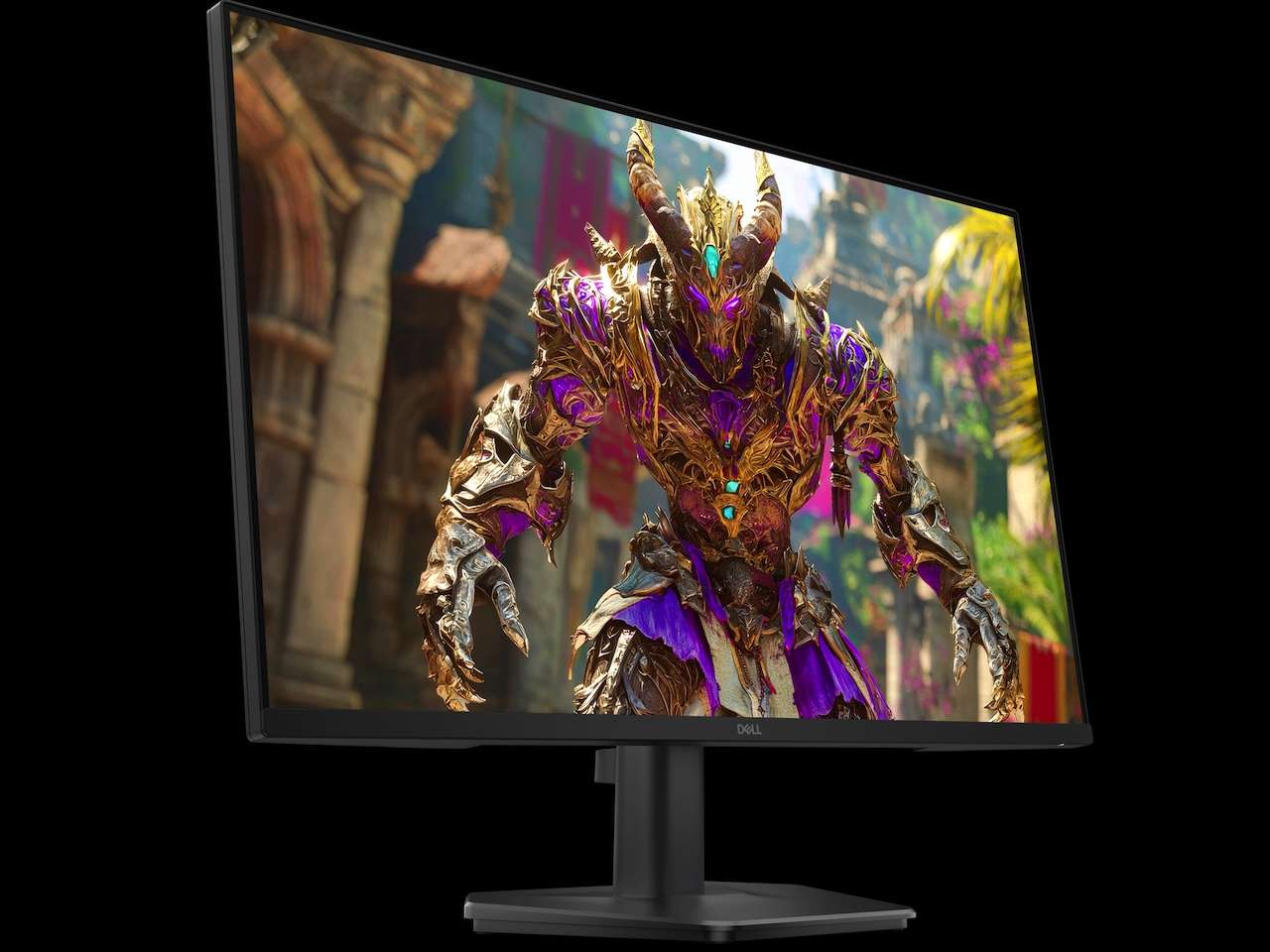
ARTICLE – Most people still think 240Hz is a luxury. It’s the kind of spec you see on $350 panels at Micro Center, sitting next to “gaming” tags and RGB lighting that pulses like a nightclub entrance. That price wall kept high refresh rates locked inside the competitive FPS crowd. Dell wants to change that.
Price: $119.99 | $129.99
Where to Buy: Amazon, Dell
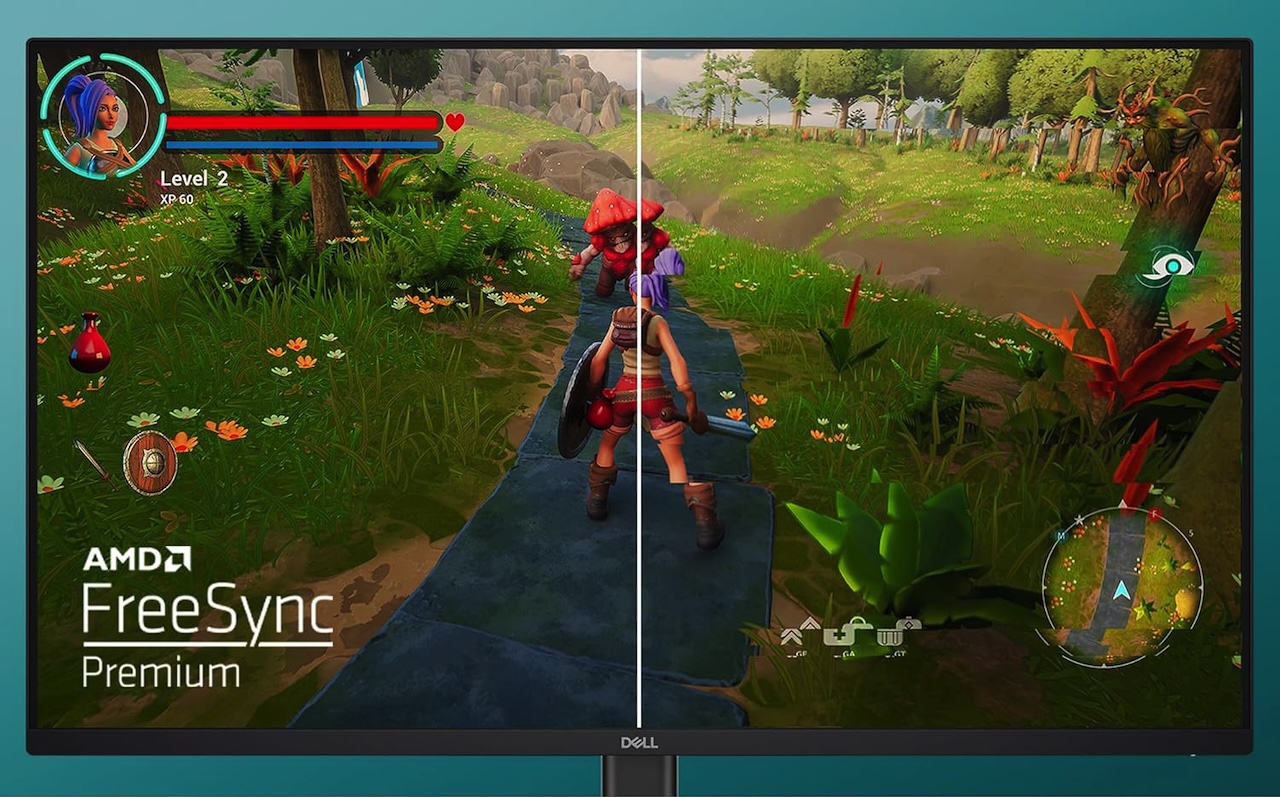
The SE2726HG is a 27-inch IPS monitor that hits 240Hz for $130. A year ago, that combo didn’t exist at this price. You’d find 165Hz panels in this range, maybe a 180Hz VA with weak viewing angles, but nothing touching 240Hz without crossing $200. Dell hasn’t pulled this off by gutting the panel, either. IPS technology keeps colors and viewing angles solid from any reasonable seated position, and AMD FreeSync Premium comes baked in. So the real question is: can a $130 panel deliver the speed that pricier monitors have been hoarding?
That question matters more than the spec sheet. The answer is more fun than a flat yes or no.
What it is
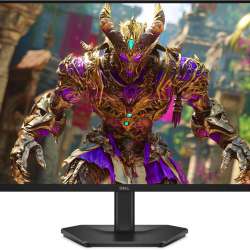
The Dell 27 240Hz Monitor SE2726HG uses a Fast IPS panel at 1080p with a 0.5ms gray-to-gray response time. Brightness lands at 300 nits, enough for indoor gaming but not built to fight direct sunlight. Contrast sits at 1000:1, a fair trade against the deeper blacks a VA panel would give you. Color coverage hits 99% sRGB, so games and streaming look accurate without manual calibration. HDR10 is on the spec sheet, but at 300 nits, treat it as a label rather than a visual feature. If you’ve ever tilted a cheap TN panel and watched colors dissolve, the 178-degree viewing angles here feel like a relief.
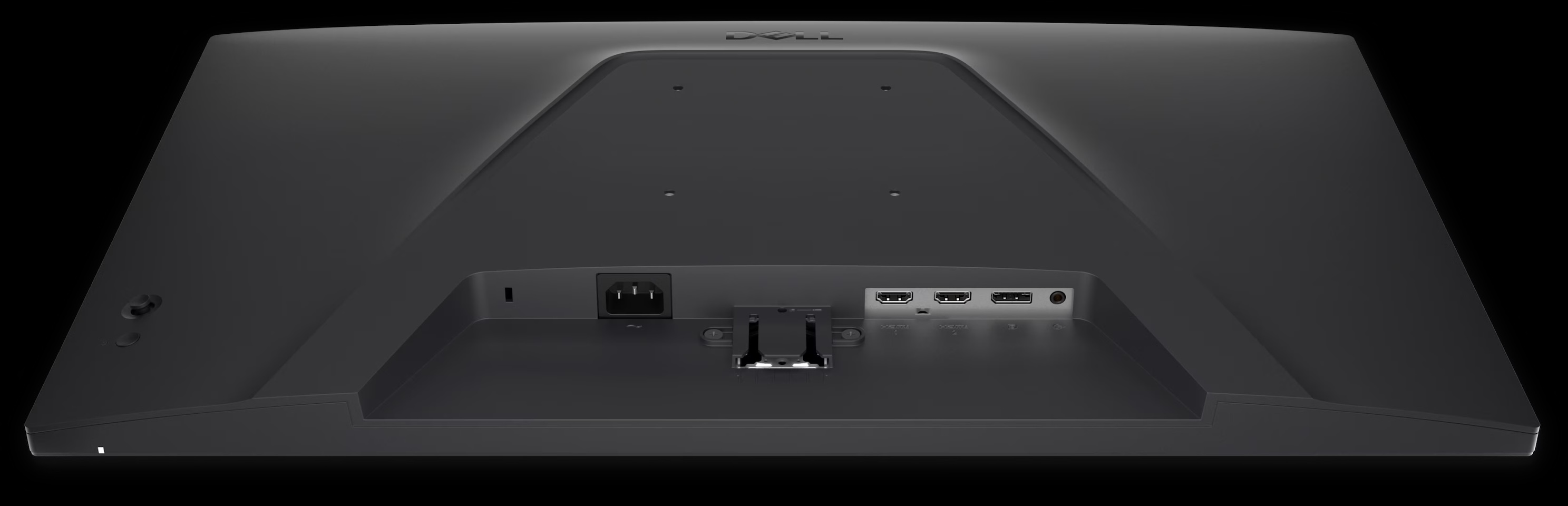
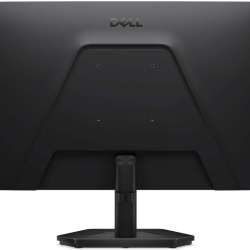
Connectivity is clean. Two HDMI 2.1 ports and one DisplayPort 1.4 cover your setup without cable swapping. At this price, the lack of USB-C or a built-in hub is a fair boundary.
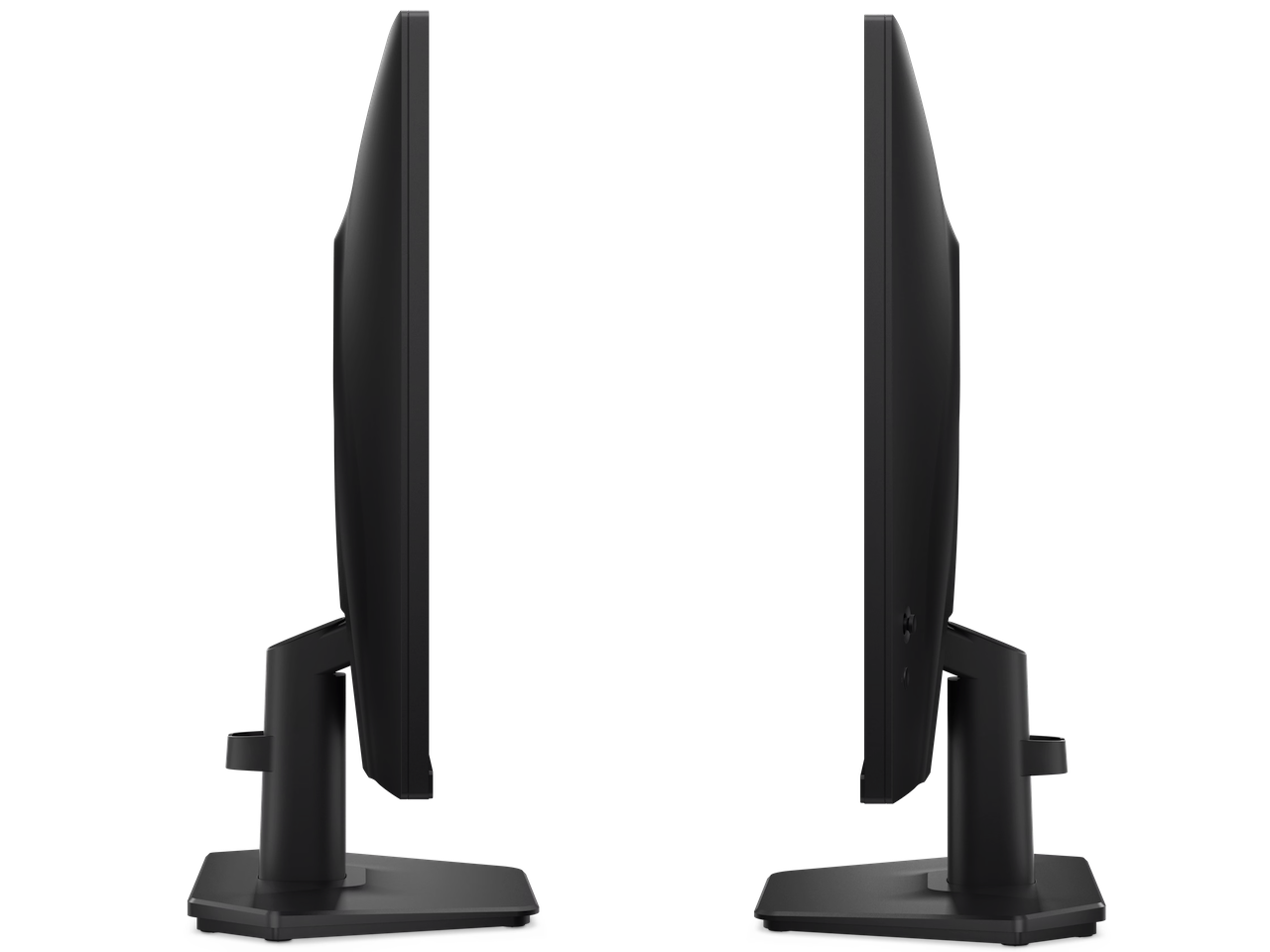
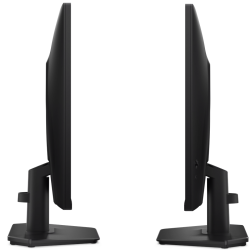
The base model ships with a tilt-only stand in smooth matte black. It doesn’t raise, lower, or swivel. Dell offers the SE2726HGS for $170 with full height adjustment and 173 degrees of rotation, or you can grab a $25 VESA arm since the 100x100mm mount accepts standard arms cleanly. Smart path for anyone who plans to add a second display later. TÜV Rheinland gave it a 3-star eye comfort rating, and Dell’s ComfortView Plus filter handles blue light at the hardware level without a color shift. No built-in speakers, which is the right call since monitor speakers rarely outperform a phone leaned against a mug.
You notice the 240Hz once you stop looking for it and start using it. Camera swings in shooters track tighter with less blur. Desktop scrolling feels like text is painted on glass. The difference from 144Hz is subtler than the big 60-to-144 jump, but your hands register the responsiveness before your eyes fully catch up.
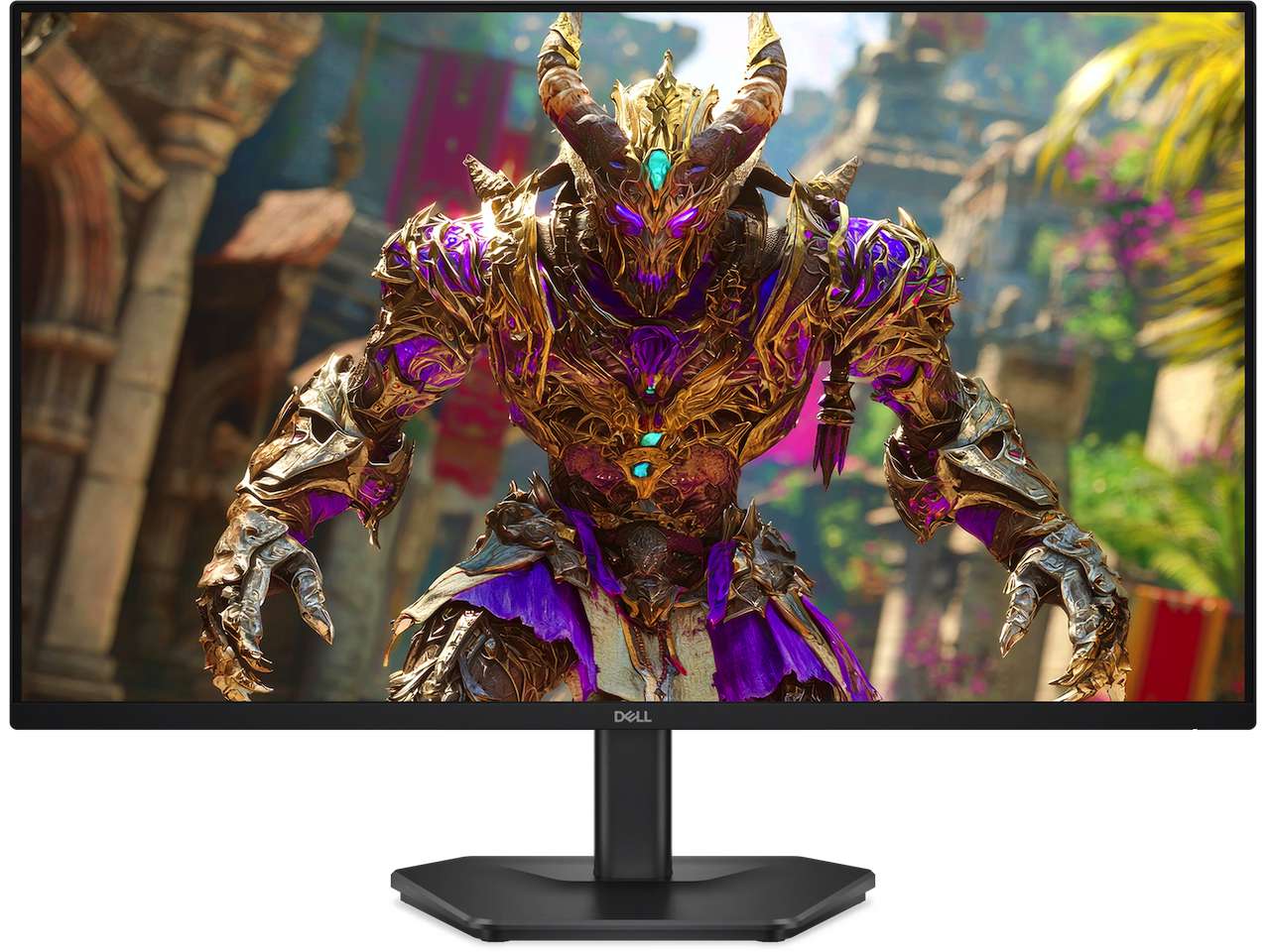
The biggest honest trade-off is resolution. At 1080p across 27 inches, pixel density drops to 82 PPI, noticeably softer than the 109 PPI you’d get at 1440p. Gaming motion masks the gap well. Desktop work and small text, not so much. Color accuracy at 99% sRGB handles casual use nicely but won’t satisfy professional creative workflows. If sharp text and wide gamut matter more than raw speed, this isn’t your primary display.
Who should skip this
Content creators, professional editors, and anyone working in wide color gamut should pass entirely. Players already running 1440p at 240Hz shouldn’t step down in resolution to save money at this stage. The sharpness difference at 27 inches is too visible in daily desktop use to feel like anything other than a downgrade.
Console gamers capped at 120Hz won’t touch the extra headroom on most titles. Ultrawide fans won’t find immersion in a flat 16:9 panel. If your GPU can’t consistently push past 144fps in the games you play most, you’re paying for speed you won’t use. Multi-monitor productivity setups take a hit too, since dual 1080p at this size makes text feel soft across long workdays compared to 1440p pairs. If work comes first and gaming sits second, a 1440p 165Hz panel around $200 splits the difference better.
Who this is for
This is the monitor for the person who priced 240Hz panels last year and closed the tab when everything started above $280. It’s for the college student building a first gaming desk, the parent upgrading a teenager’s setup without financing a display, and the budget player who’d rather put the savings toward a better GPU. Dell priced the SE2726HG to kill the last real excuse for staying at 60Hz.
At $130 base and $170 for height-adjustable, the gap between “good enough” and “actually fast” compresses to almost nothing. The IPS panel keeps colors honest. The 240Hz keeps motion clean. The price keeps the decision simple. It doesn’t try to cover every use case, and that restraint is what makes it land so well.
Price: $119.99 | $129.99
Where to Buy: Amazon, Dell
The SE2726HG is available now from Dell starting at $129.99 and through Amazon (discounted!).For anyone tracking the price floor on high refresh rate panels, Dell redrew the line. The rest of the market is going to feel it.

Zip Ties Assorted Sizes(4”+6”+8”+12”), 400 Pack, Black Cable Ties, UV Resistant Wire Ties by ANOSON
(as of April 8, 2026 19:41 GMT -05:00 - More infoProduct prices and availability are accurate as of the date/time indicated and are subject to change. Any price and availability information displayed on [relevant Amazon Site(s), as applicable] at the time of purchase will apply to the purchase of this product.)
