
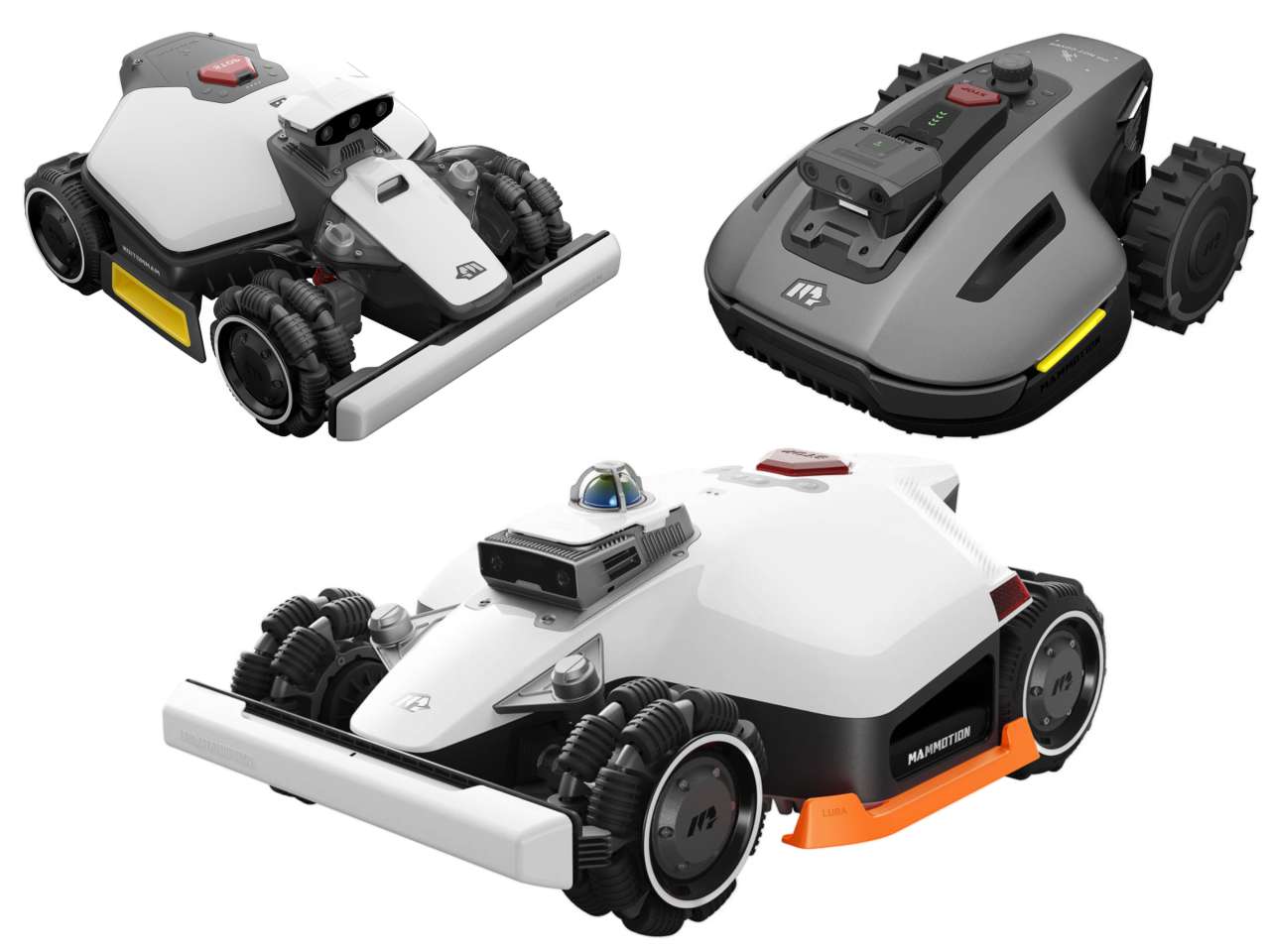
CES 2026 NEWS – Most robotic mowers still need babysitting. They get stuck on roots. They panic at garden gnomes. They mow the same strip seventeen times while ignoring the patch by the fence. And when the GPS drifts, you’re out there with your phone trying to convince a premium robot that your property line hasn’t moved. The promise was automation. The reality is supervision with extra steps.
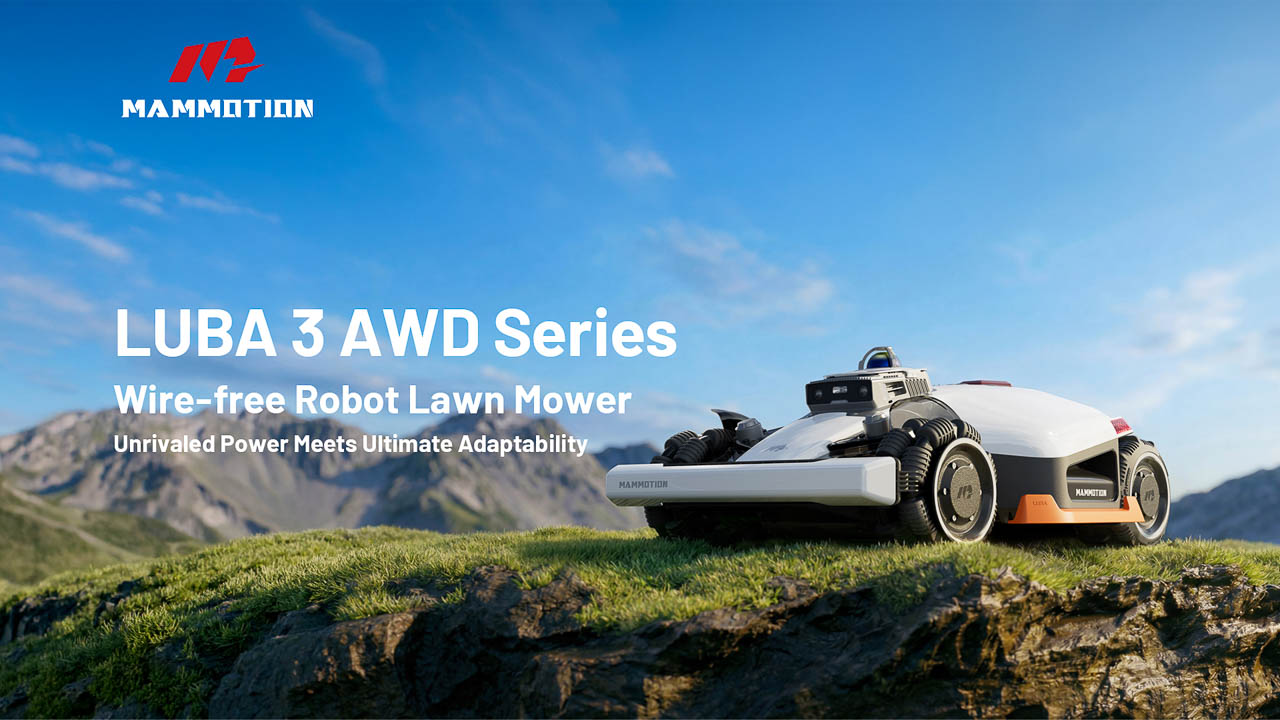
MAMMOTION’s answer at CES 2026 is a complete navigation overhaul across three new mowers, and the flagship LUBA 3 AWD might be the first robotic mower that actually earns the “set it and forget it” promise.
Add The Gadgeteer as a preferred source to see more of our coverage on Google.
Why This Exists
MAMMOTION’s original LUBA made waves by ditching perimeter wires entirely, a genuinely useful leap that most competitors still haven’t matched. The LUBA 2 refined that approach with RTK positioning and basic obstacle detection. But owners kept running into the same frustrations: the mower would lose its signal under tree cover, confuse shadows for obstacles, or struggle on slopes that looked manageable on paper. Wire-free was the headline. Reliability was the fine print.
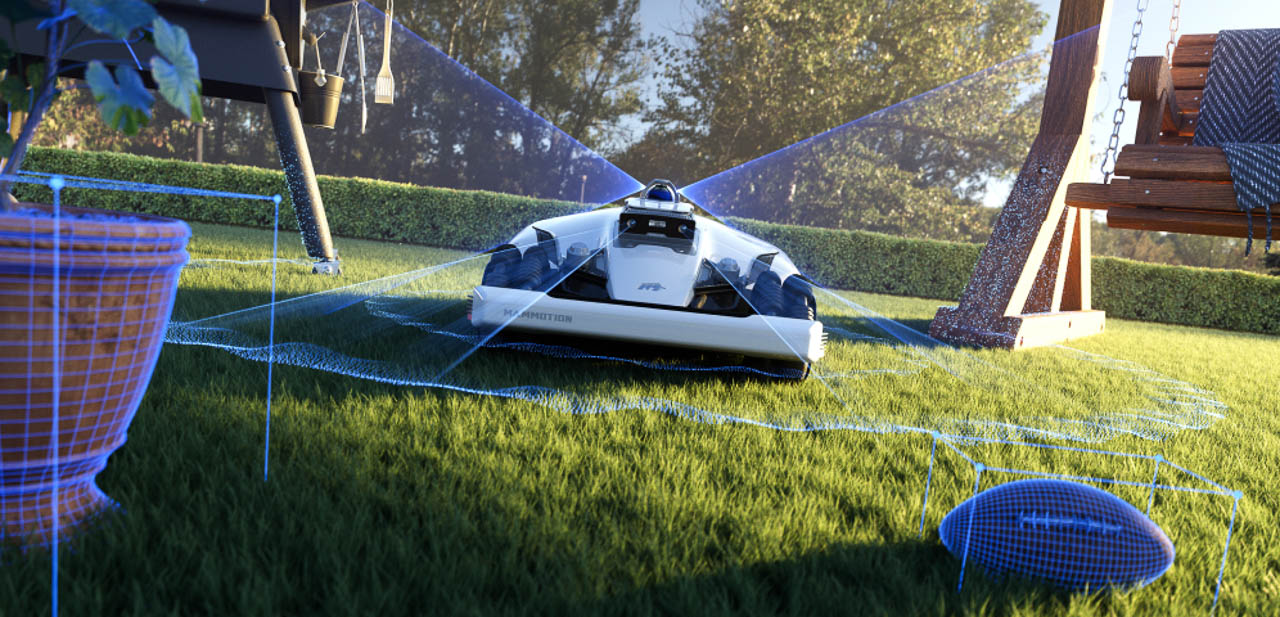
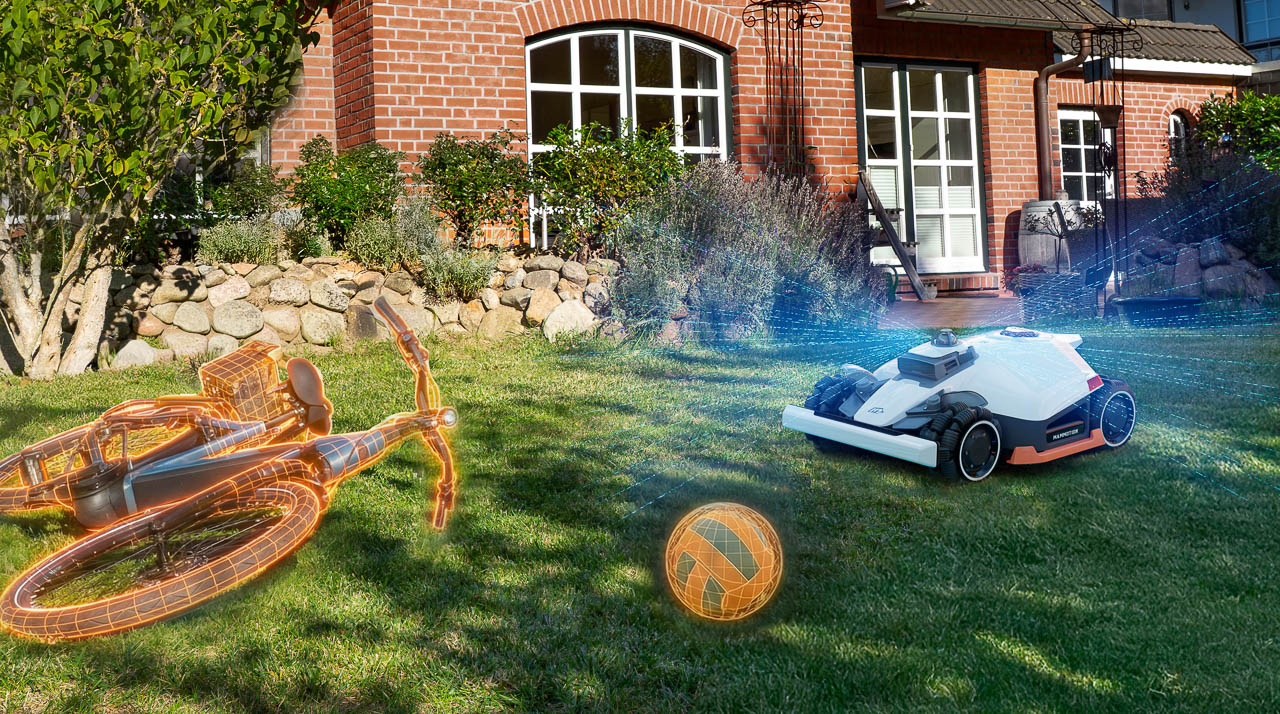
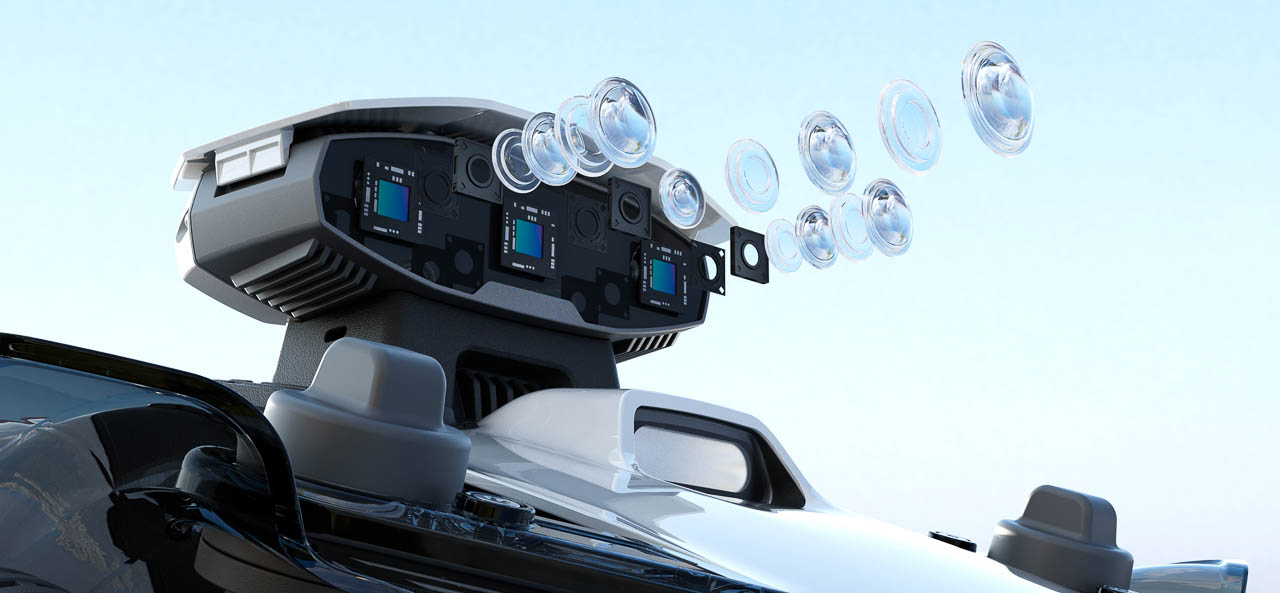
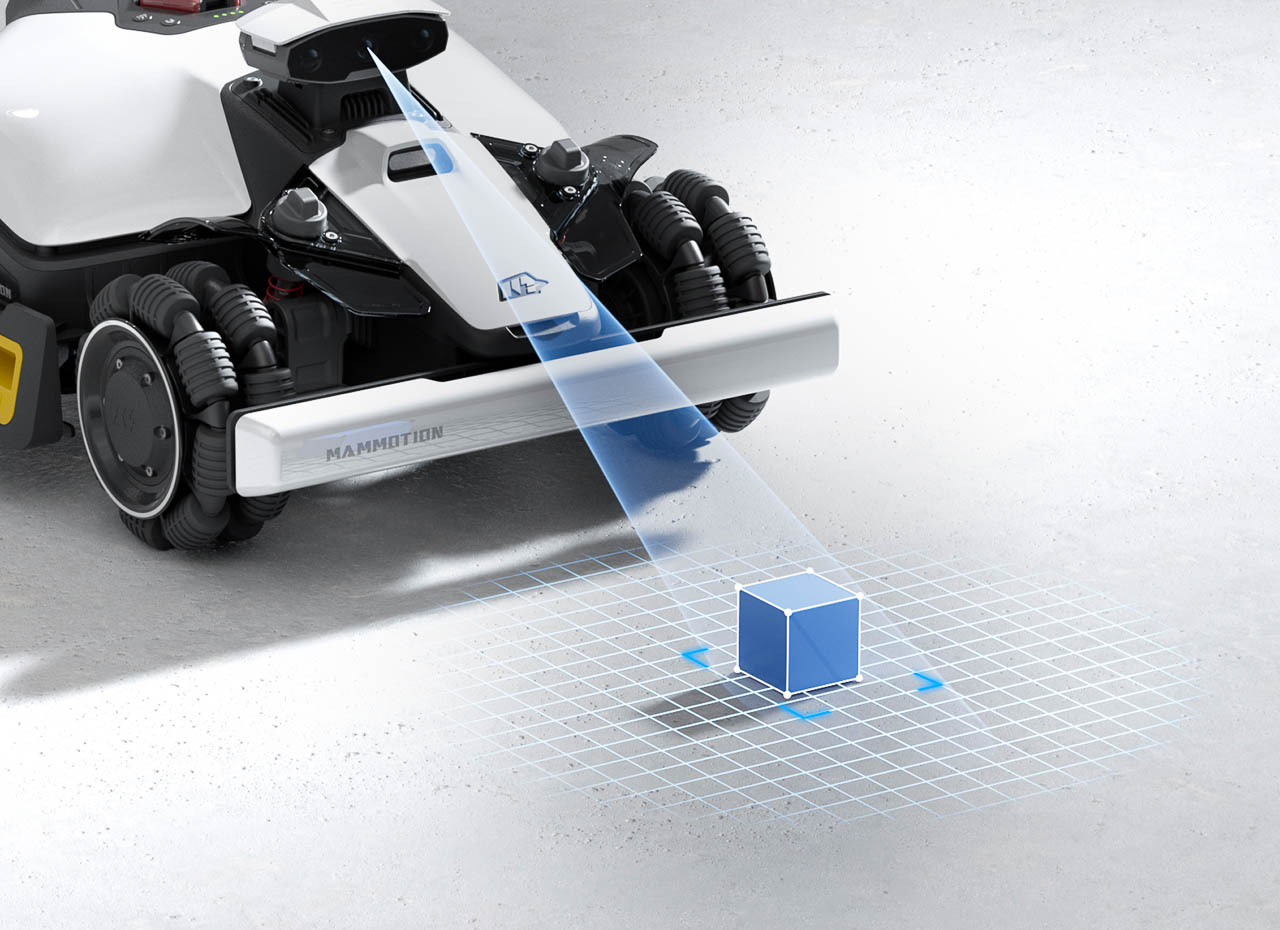
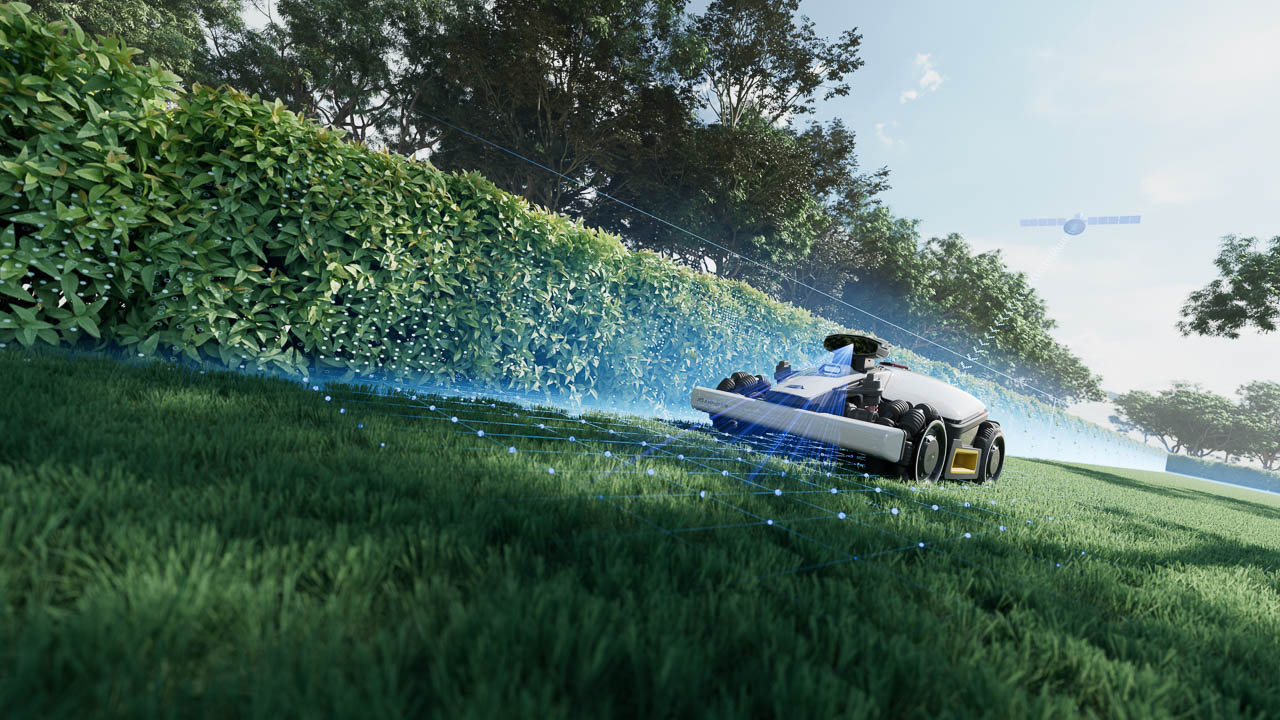
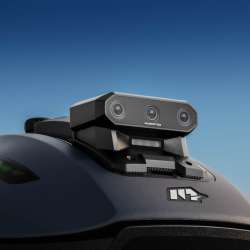
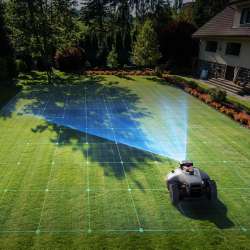
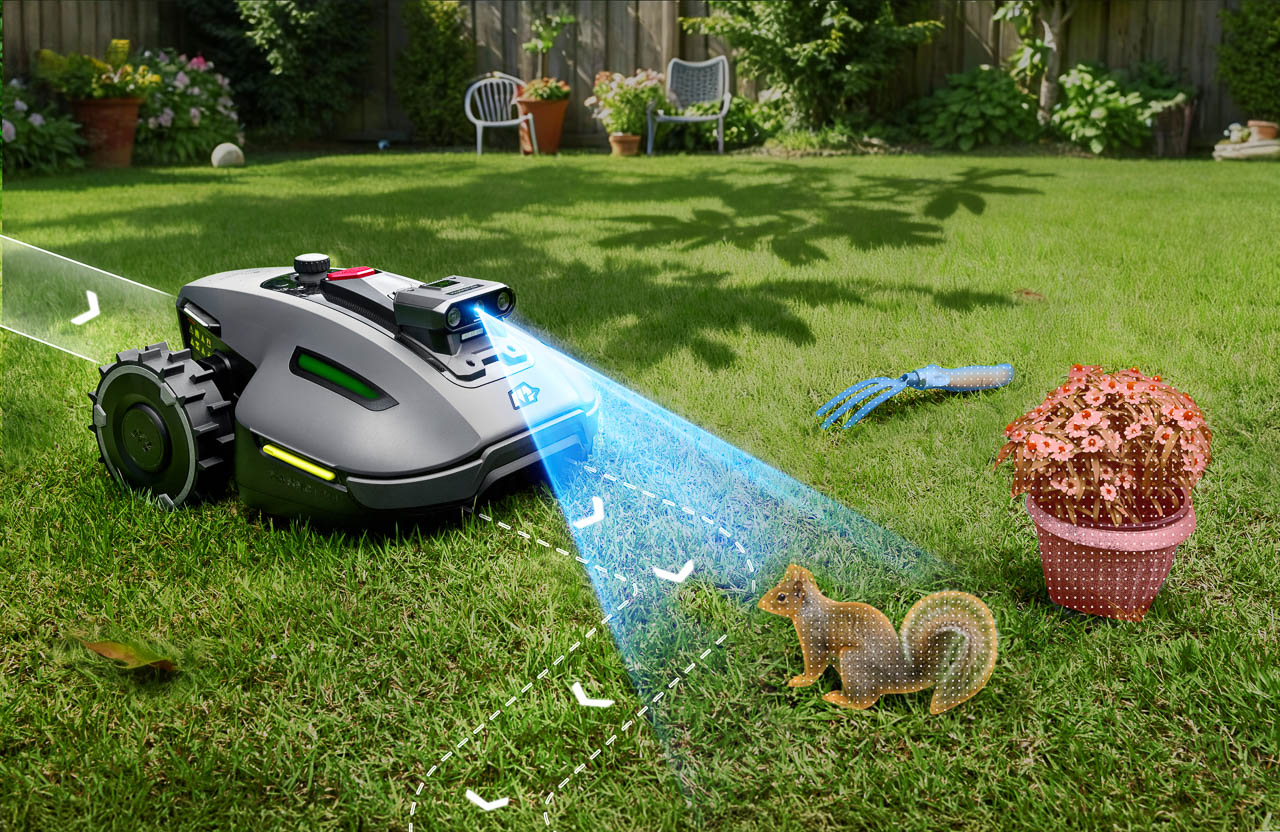
What MAMMOTION calls Tri-Fusion 2.0 attacks all three problems simultaneously. This navigation system combines 360° LiDAR scanning, centimeter-accurate RTK positioning (down to 3cm, according to the company), and dual AI vision cameras into a single decision-making loop. The processing runs on dual quad-core chips, doubling the compute power of previous generations. In practical terms, the mower doesn’t just know where it is. It builds a real-time 3D map of what surrounds it and makes judgment calls about how to respond.
What Actually Changed
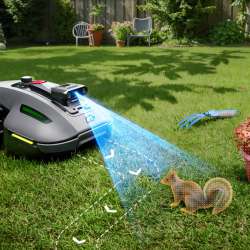
Visual processing is where the LUBA 3 diverges most clearly from earlier models. Previous generations made educated guesses about obstacles. A fallen branch and a garden hose looked roughly the same to the sensors, which meant the mower treated everything as a potential threat or ignored it entirely. MAMMOTION claims the new AI vision system distinguishes between object types in real time, adjusting behavior based on what it actually sees rather than defaulting to caution.
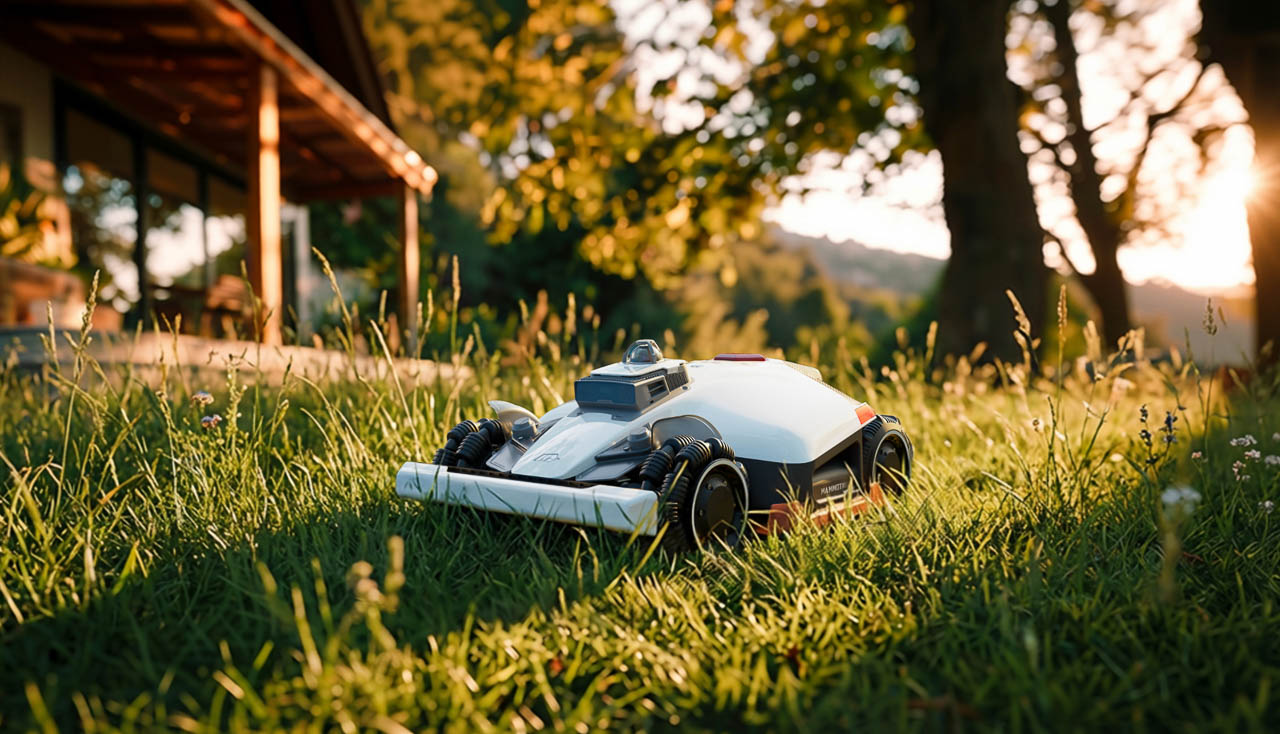
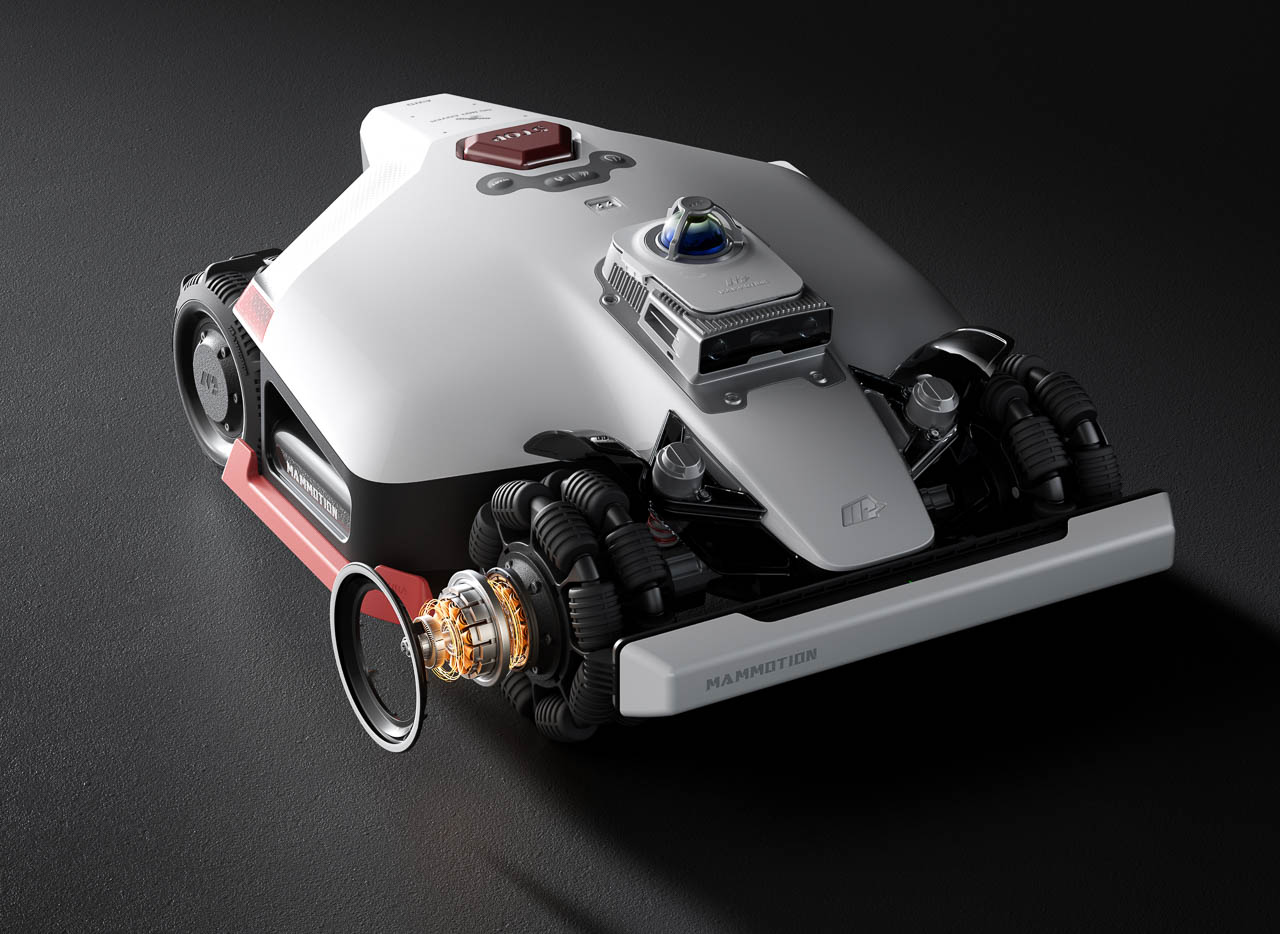
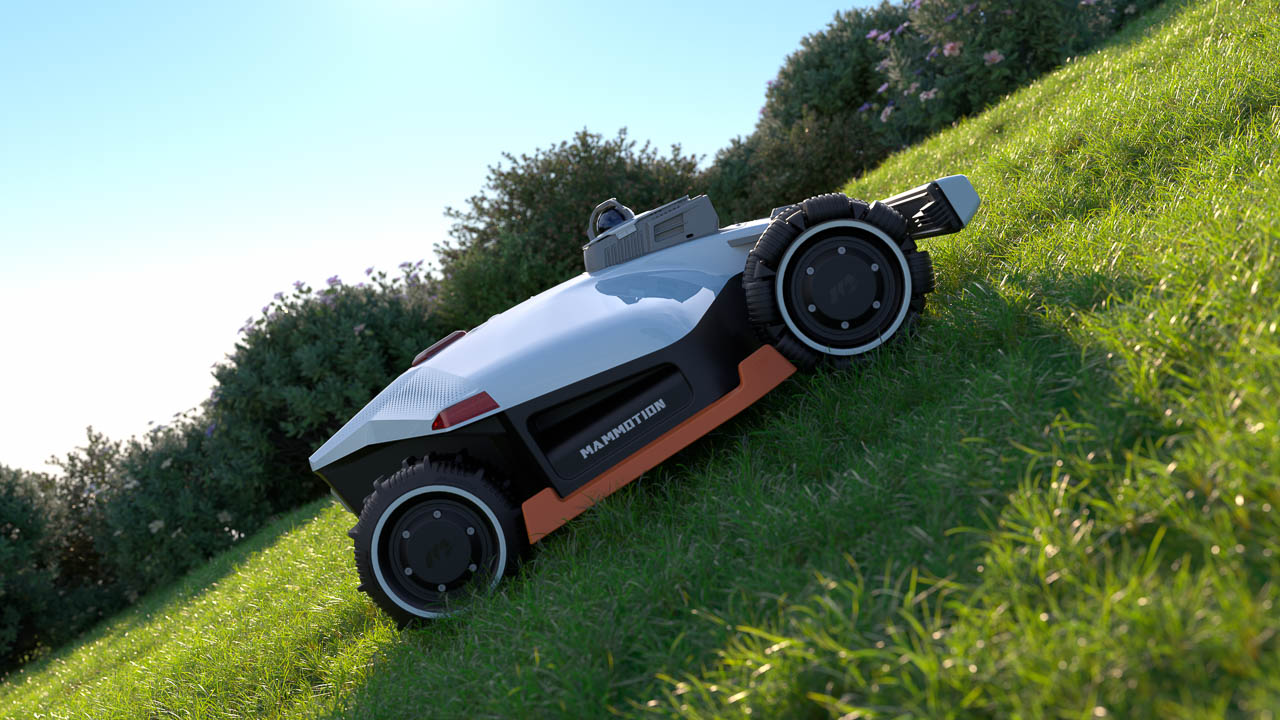
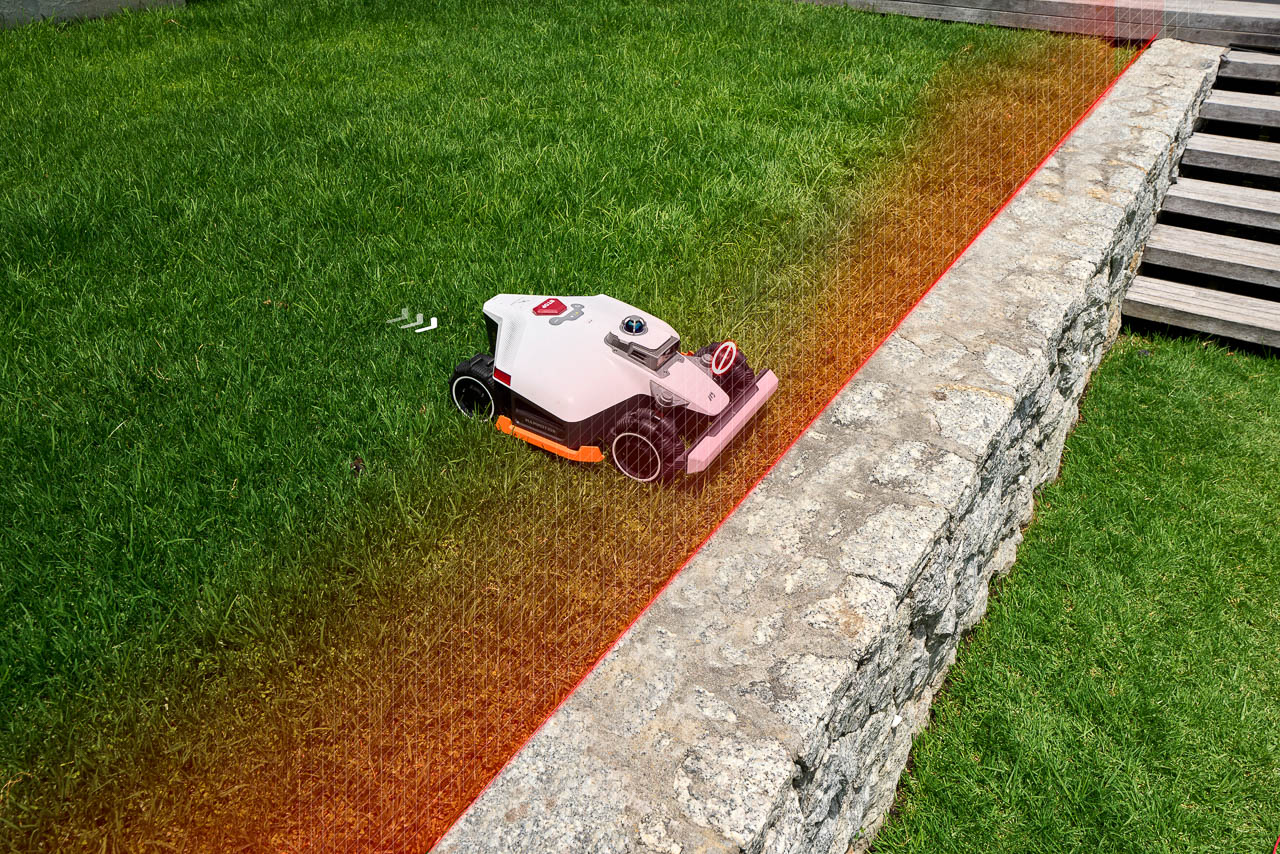
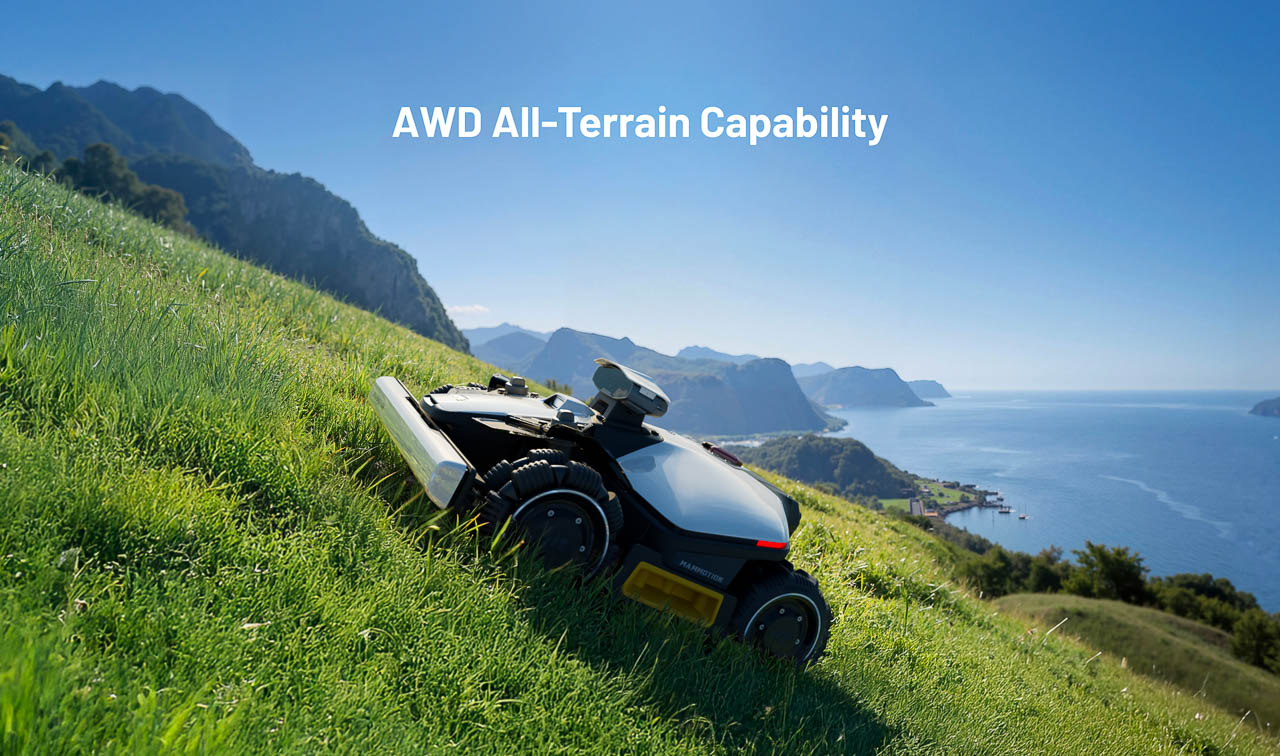
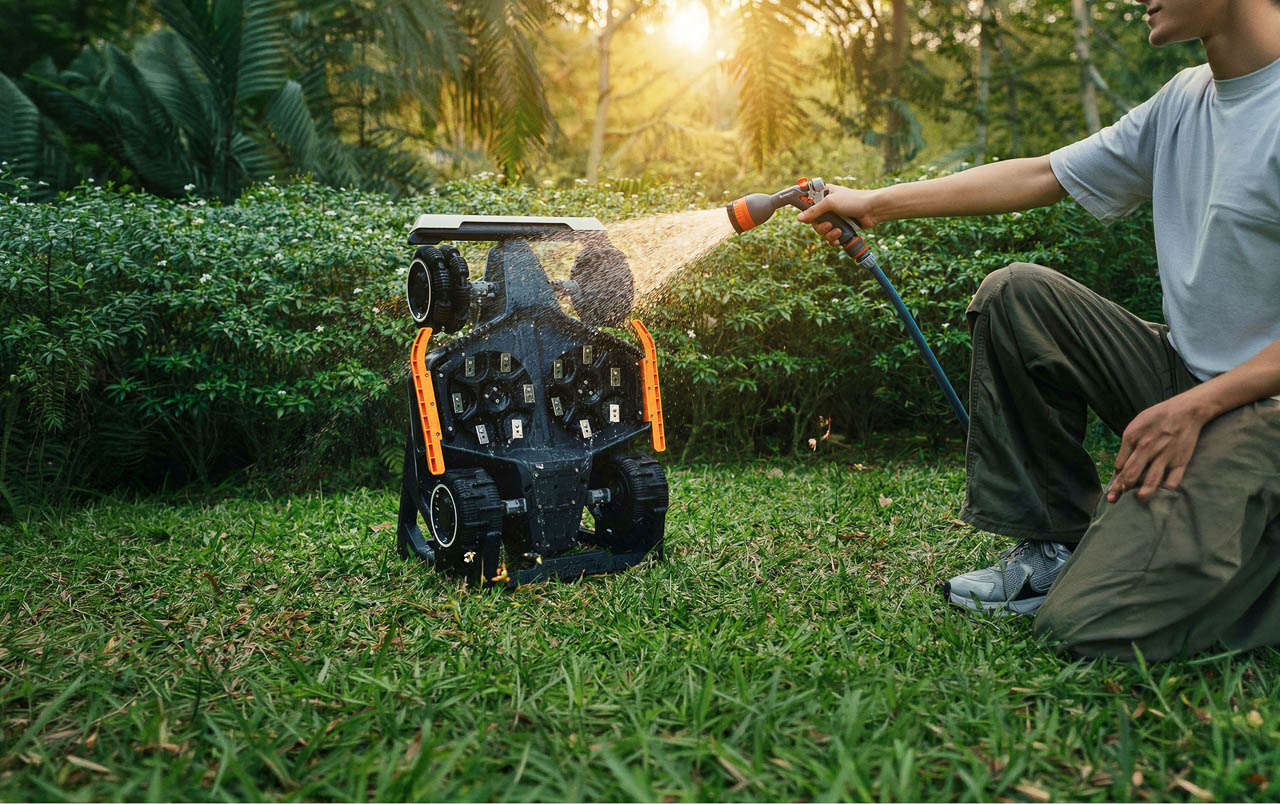
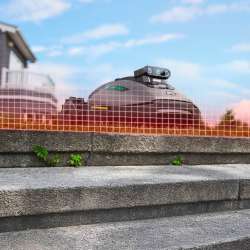
Slope performance has reportedly improved as well, though MAMMOTION hasn’t released specific grade numbers for the flagship. The AWD system redistributes torque across all four wheels, which should reduce the wheel-spin that plagued earlier models on wet grass or loose soil. You can feel the difference in how confidently the mower commits to inclines rather than hesitating at the base.

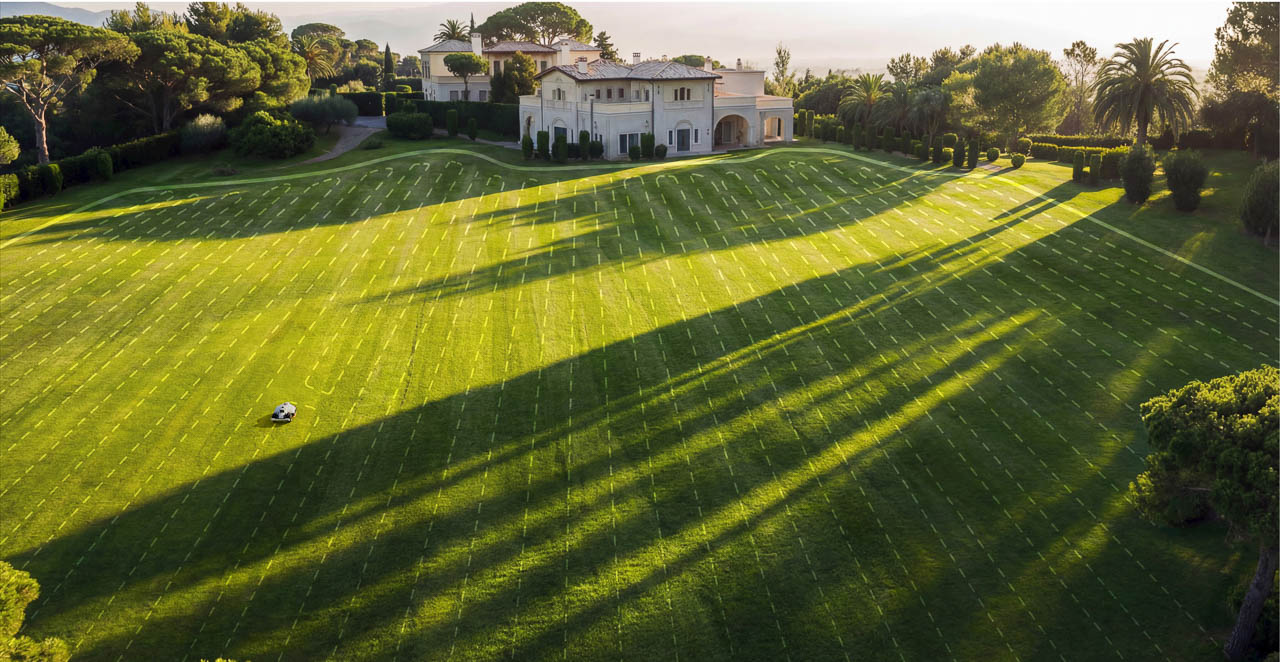
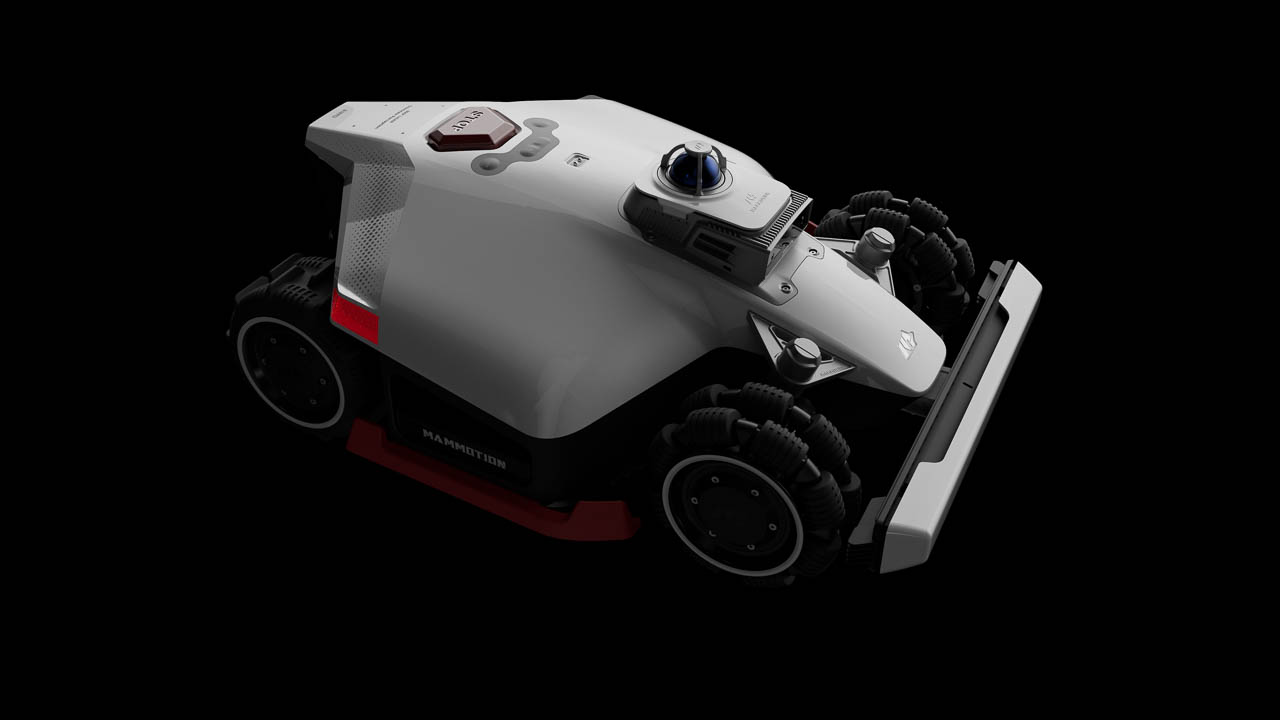
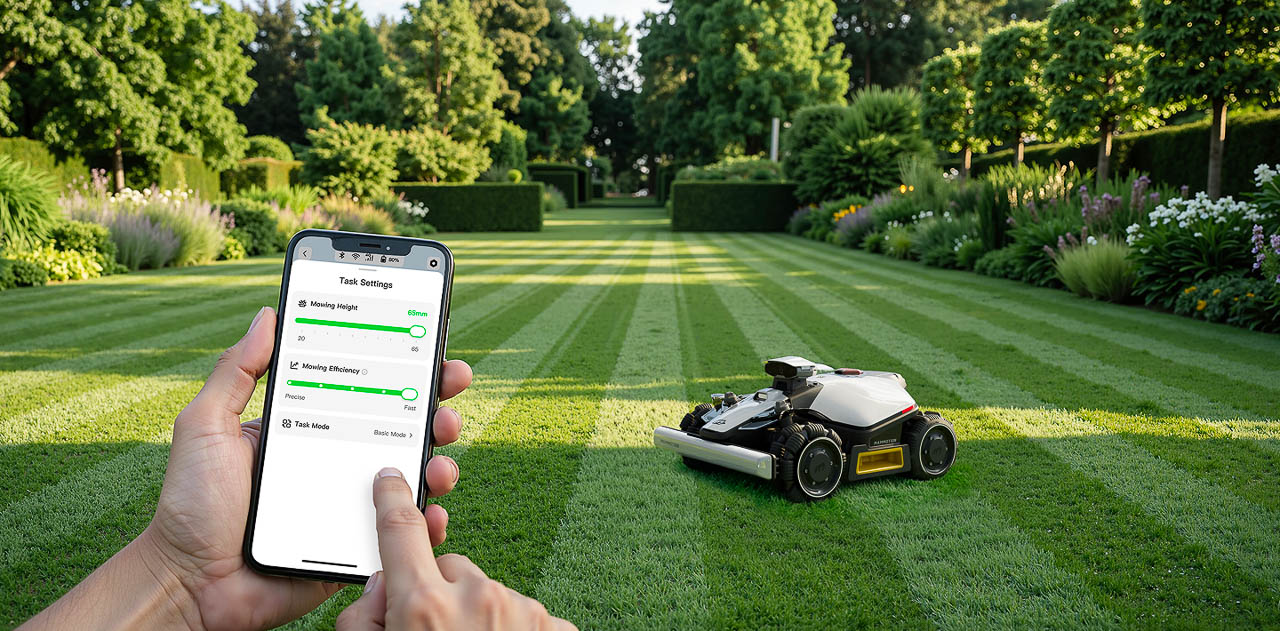
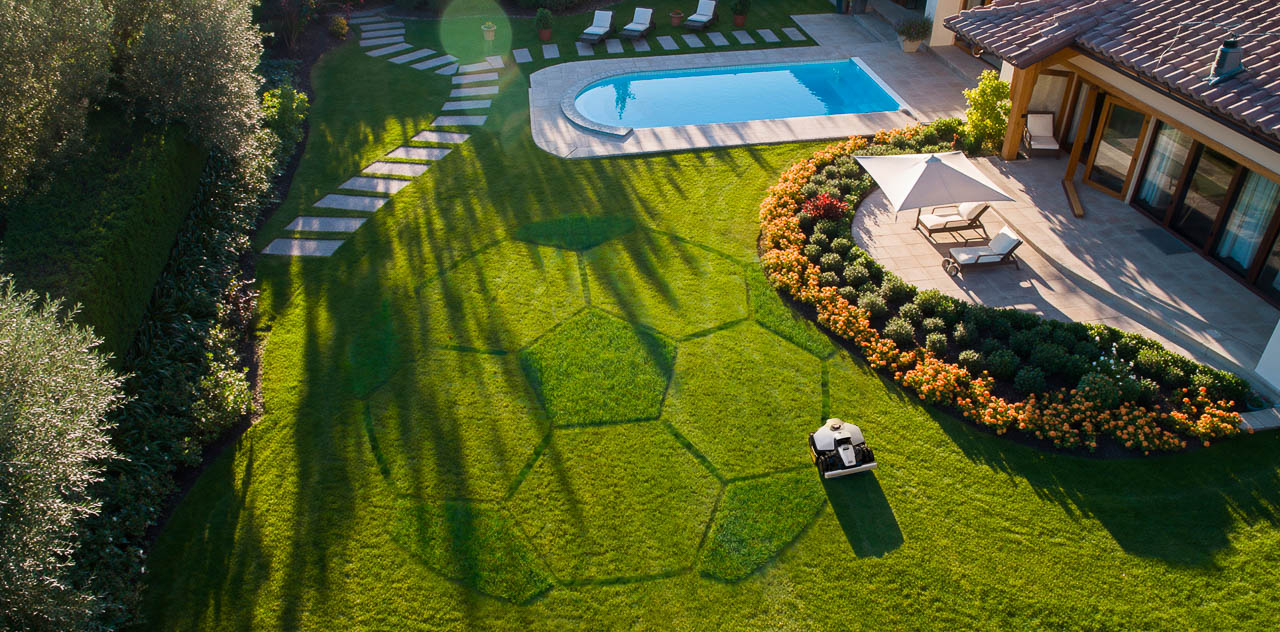
Parallel mowing patterns now come standard, leaving those satisfying stripes that make neighbors assume you hired a service. The cutting deck handles the work, though exact dimensions haven’t been confirmed. What matters more is the visual result: clean, professional lines instead of the chaotic crisscross patterns that older robotic mowers tend to produce. This is the detail that changes how your yard actually looks, not just how it gets maintained.
The Smaller Options
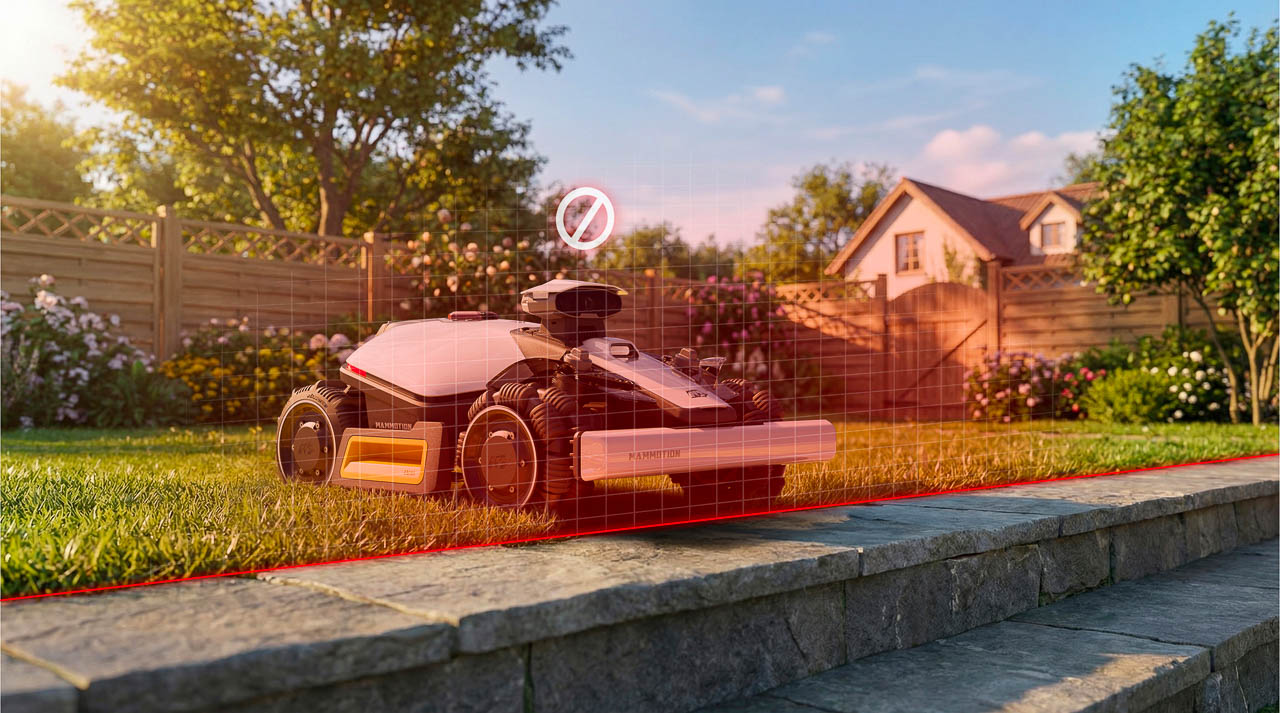
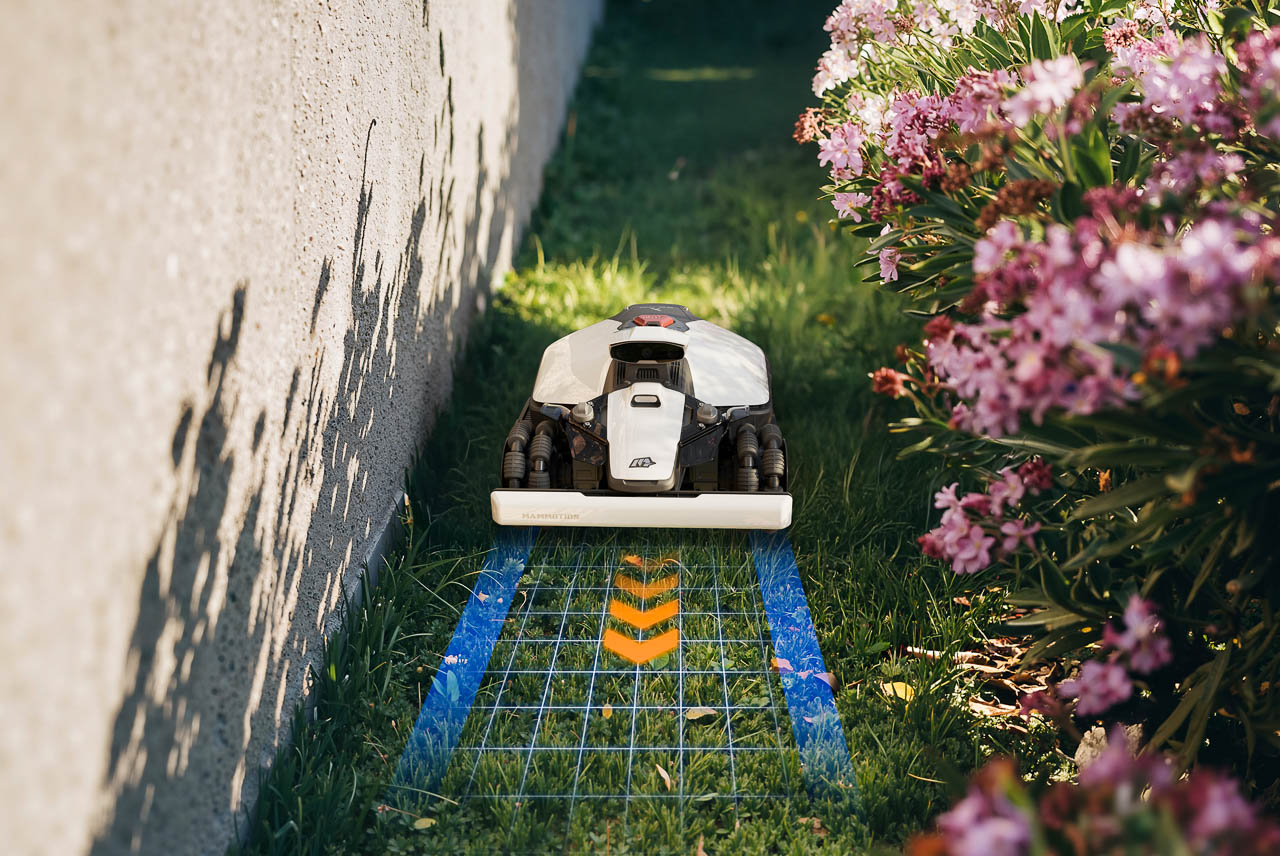
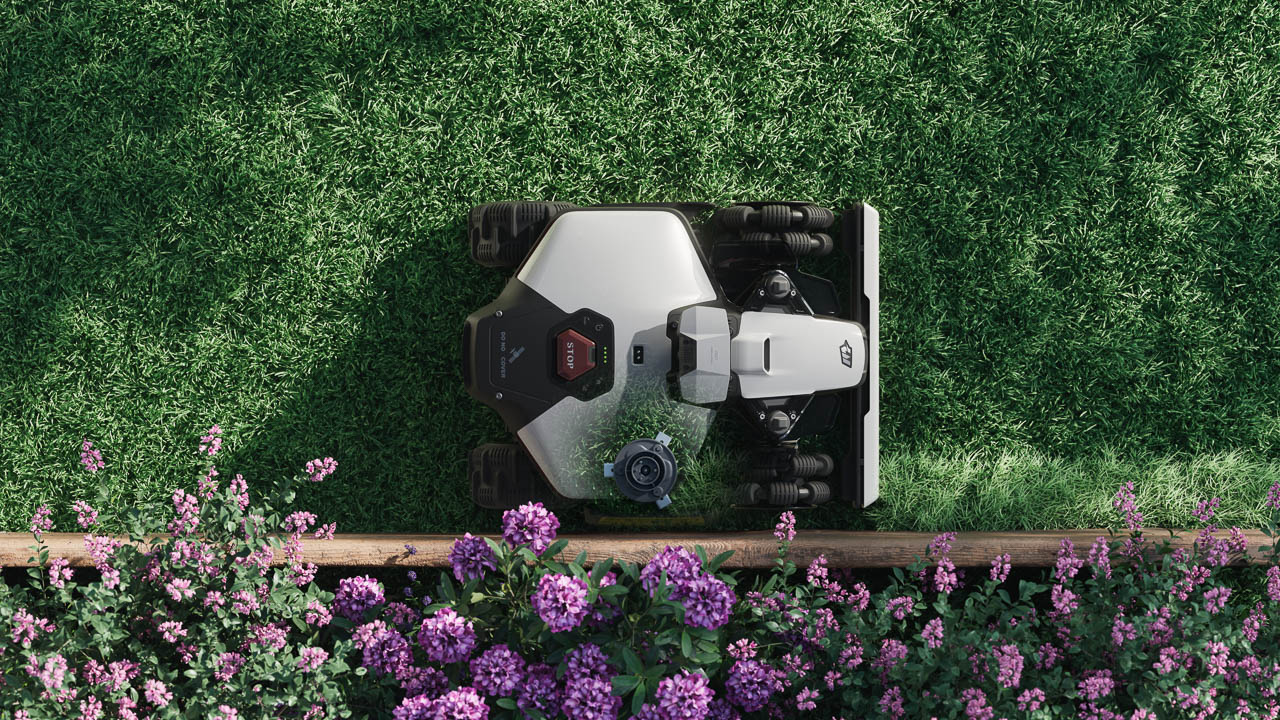
Not everyone needs the flagship, and MAMMOTION seems to understand that overkill is a real concern in this category. The LUBA mini 2 AWD brings dual-sensing navigation (LiDAR plus AI vision) to a more compact frame, designed for yards under half an acre with tight turns and narrow passages. It handles slopes up to 45°, which covers most suburban terrain, and features what MAMMOTION calls Ultra-Close Edge Cutting for getting near borders and flower beds. The smaller footprint also means it fits through gates and around obstacles that would stall larger units.

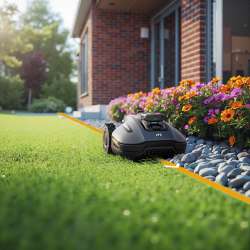
Entry-level buyers get the YUKA mini 2, which ships with two navigation variants: a full 360° LiDAR model and a tri-camera AI vision option. The LiDAR version offers more precision in complex yards; the vision model costs less and works fine for simpler layouts. Both include auto grass collection, a surprisingly practical feature that eliminates the clumping problem that makes some robotic mowers leave ugly piles behind. The standout feature is DropMow mode: place the mower anywhere in your yard and let it figure out the boundaries on its own, useful for oddly shaped lots or rental properties where permanent mapping feels like overkill.
The Integration Question
All three models run MowOS 3.0 with Matter support. Matter is the new smart home standard that lets devices talk to Apple Home, Google Home, and Alexa without requiring manufacturer apps as middlemen. You can trigger mowing from a routine, pause it with a voice command, or check status from whatever dashboard you’ve already committed to. The setup feels less like adding another app and more like extending what your home already does.
Whether that matters depends on how deeply you’ve wired your house. For most people, the native MAMMOTION app handles scheduling fine, and the interface is cleaner than most robotic mower software. But if you’re running automations that pause outdoor equipment when the sprinklers kick on, or you want mowing to start automatically when you leave for work, native Matter support removes a friction point that third-party integrations rarely solve well.
Who Should Skip This
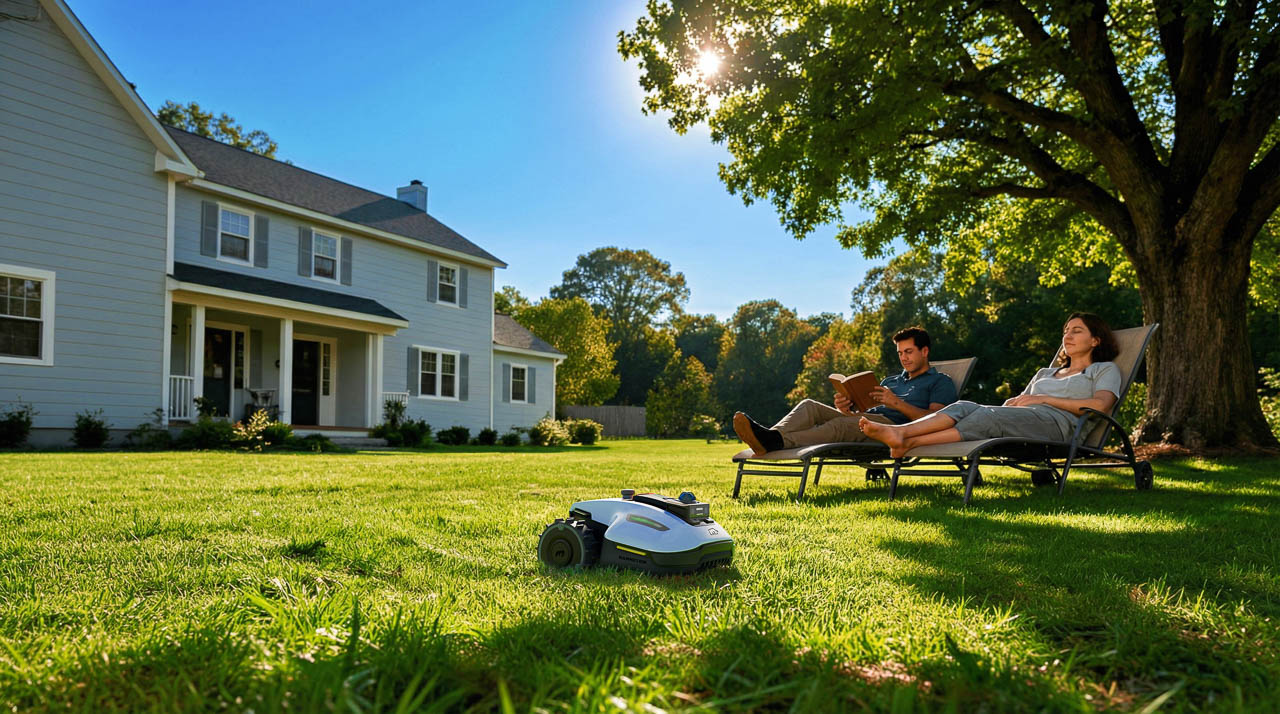
If your lawn is small, flat, and rectangular, you don’t need Tri-Fusion navigation. A basic robot mower, or even a well-scheduled push mower, will handle it fine at a fraction of the cost. The LUBA 3’s advantages show up on complex terrain, not simple geometry.
Renters should also pause. These mowers work best when you can map your yard once and let the system learn over time. The AI improves with repeated passes, learning where problem spots tend to appear and adjusting its approach accordingly. Moving every year resets that advantage and leaves you paying for capability you never fully unlock.
And if you’re primarily buying for the tech novelty, know that the LUBA 3’s best features are invisible during normal operation. There’s no flashy display, no dramatic obstacle avoidance theater. It’s impressive because you stop thinking about it, which means the dopamine hit fades fast if gadget satisfaction is what you’re after.
Pricing and Availability
MAMMOTION hasn’t released final pricing for the LUBA 3 AWD series, though previous flagships in this category have landed between $2,000 and $3,000. Expect announcements closer to the January 4 embargo lift.
All three models will be on display at CES 2026 in the Venetian Expo. If you’re attending, this is worth a hands-on look, particularly to see how the AI vision responds to real obstacles in a demo environment.
MAMMOTION earned spots on TIME’s Best Inventions list in both 2024 and 2025 for its robotic mower technology. Whether the LUBA 3 extends that streak depends on how well Tri-Fusion 2.0 performs outside controlled conditions. The navigation sounds right. The proof will be in the grass.
📡 CES 2026 Coverage
Want more from the show floor?
We’re covering the biggest announcements, wildest concepts, and gear that actually matters from CES 2026.

HP 14 Laptop, Intel Celeron N4020, 4 GB RAM, 64 GB Storage, 14-inch Micro-edge HD Display, Windows 11 Home, Thin & Portable, 4K Graphics, One Year of Microsoft 365 (14-dq0040nr, Snowflake White)
(as of April 5, 2026 11:16 GMT -05:00 - More infoProduct prices and availability are accurate as of the date/time indicated and are subject to change. Any price and availability information displayed on [relevant Amazon Site(s), as applicable] at the time of purchase will apply to the purchase of this product.)
