Your fitness tracker doesn’t care what you’re wearing. You might.
Price: $149
Where to Buy: Whoop
A fabric WHOOP band makes perfect sense during a workout, on a run, or while sleeping. Put on a suit, dress, or something sharper for dinner, however, and that same sporty band can suddenly become the most athletic-looking thing on your wrist.
Taking it off fixes the outfit clash. It also halts the tracking.
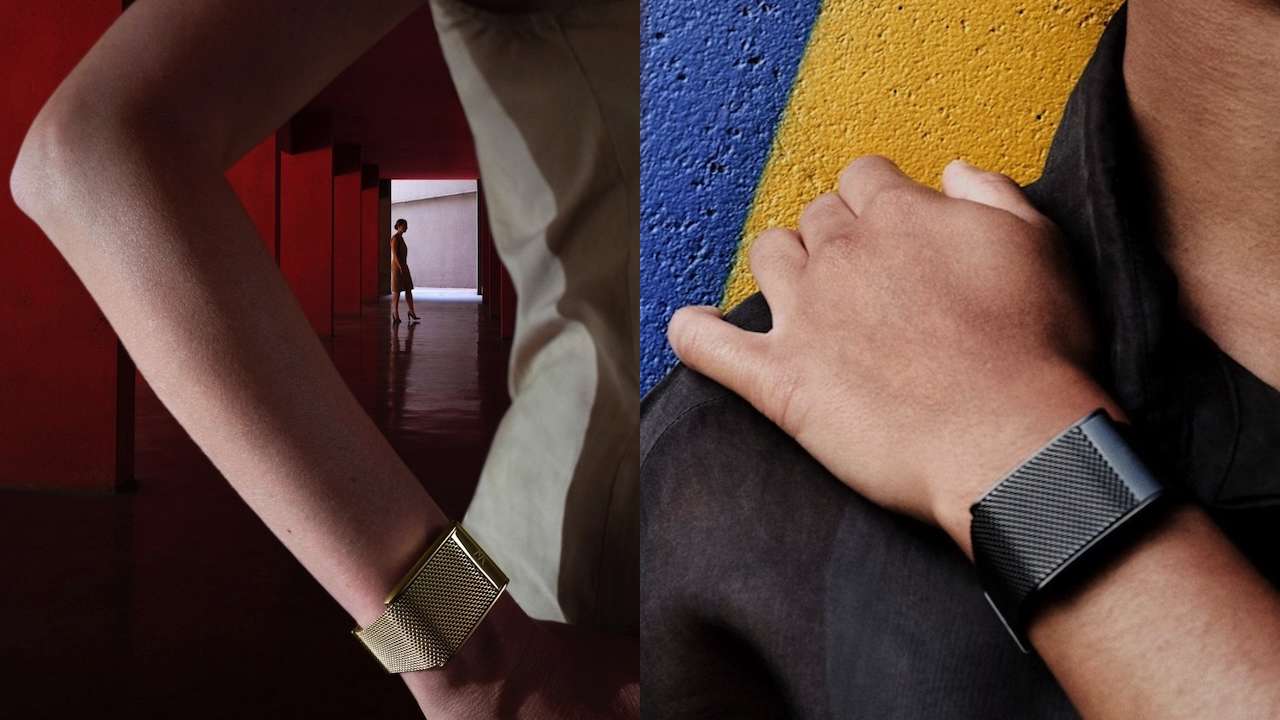
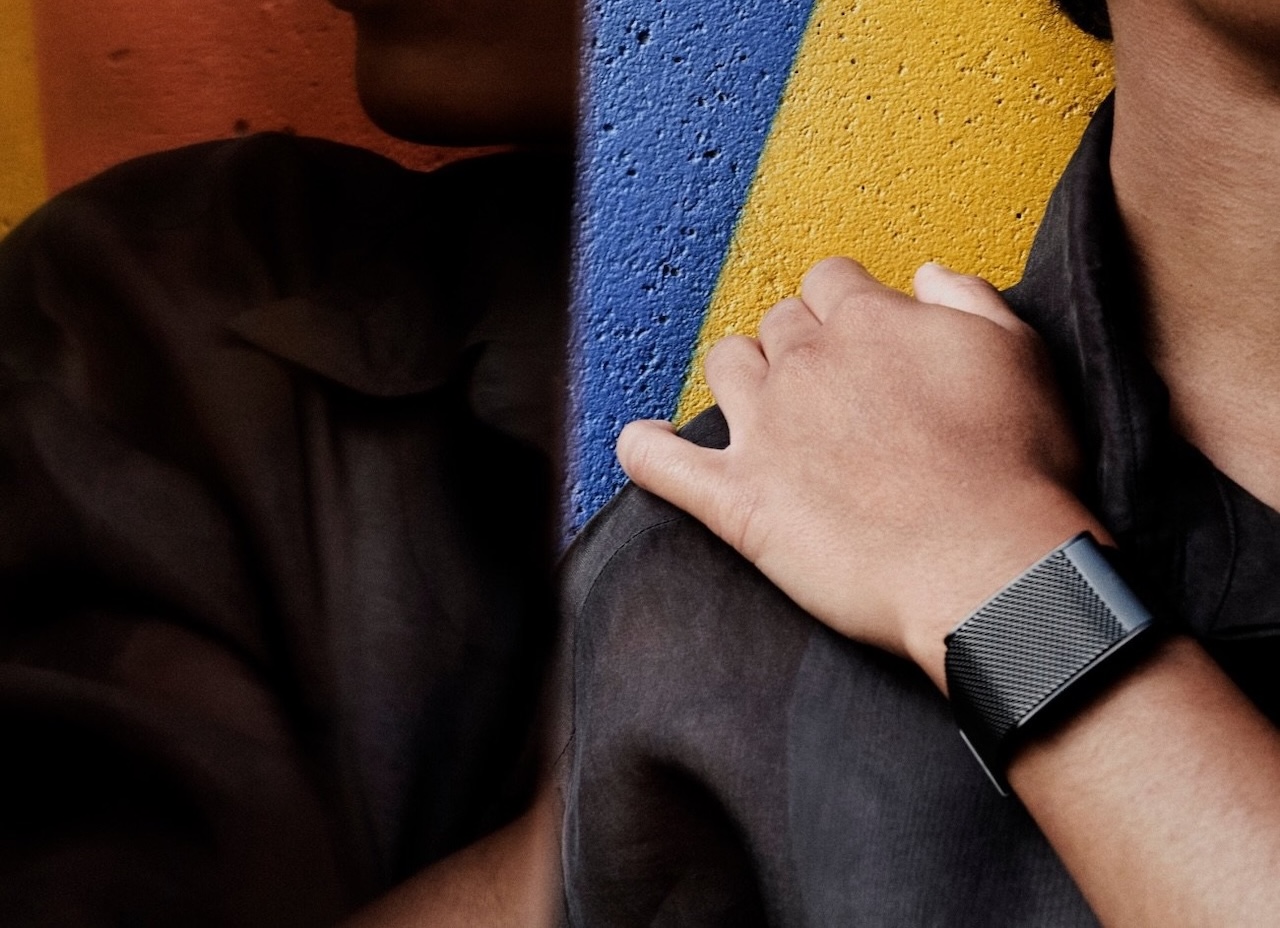
That’s the problem behind the WHOOP Meridian, a $149 premium metal accessory designed to give the screenless tracker a dressier appearance. It doesn’t make WHOOP smarter or unlock hidden metrics. Instead, it tries to make WHOOP easier to live with when gym gear isn’t part of the dress code.
The Sensor Doesn’t Care That You Changed Clothes
WHOOP is built around continuous, unbroken wear. When the device stays on your body, it continuously collects the biometric data that powers sleep, strain, recovery, and daily health insights.
Meridian doesn’t introduce a new sensor. That distinction matters because $149 is real money for a strap. Meridian itself doesn’t add new health sensors, battery capacity, or software features to the WHOOP hardware inside it.
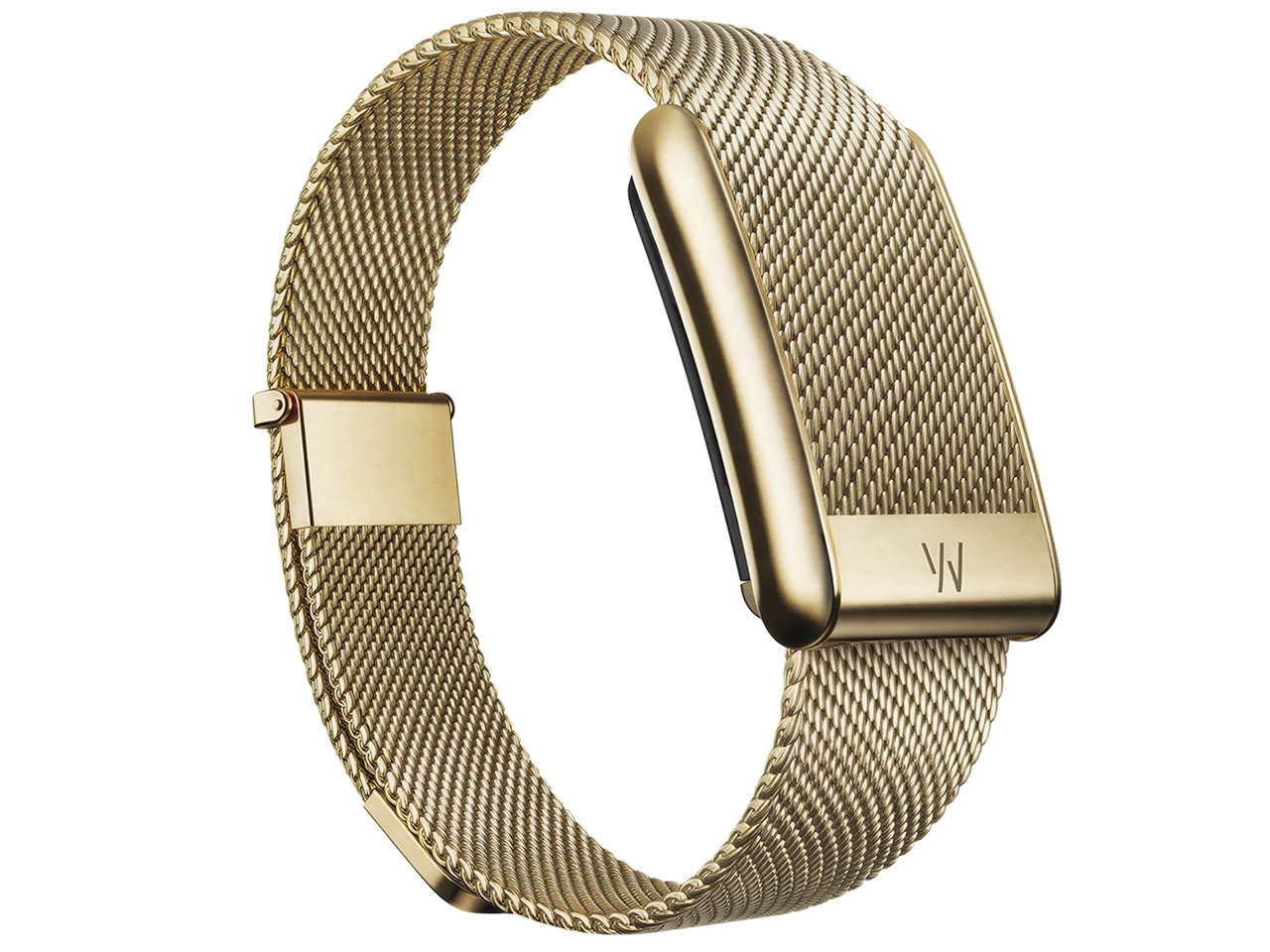 What changes is where you’re willing to wear it. Consider a long day that starts with a workout, moves through the office, and ends at dinner. The physiology WHOOP tracks doesn’t stop when you change clothes, but your willingness to wear a neon or fabric band might. Meridian’s core pitch is straightforward: don’t remove the tracker; change its clothes.
It Makes WHOOP Look Less Like Fitness Equipment
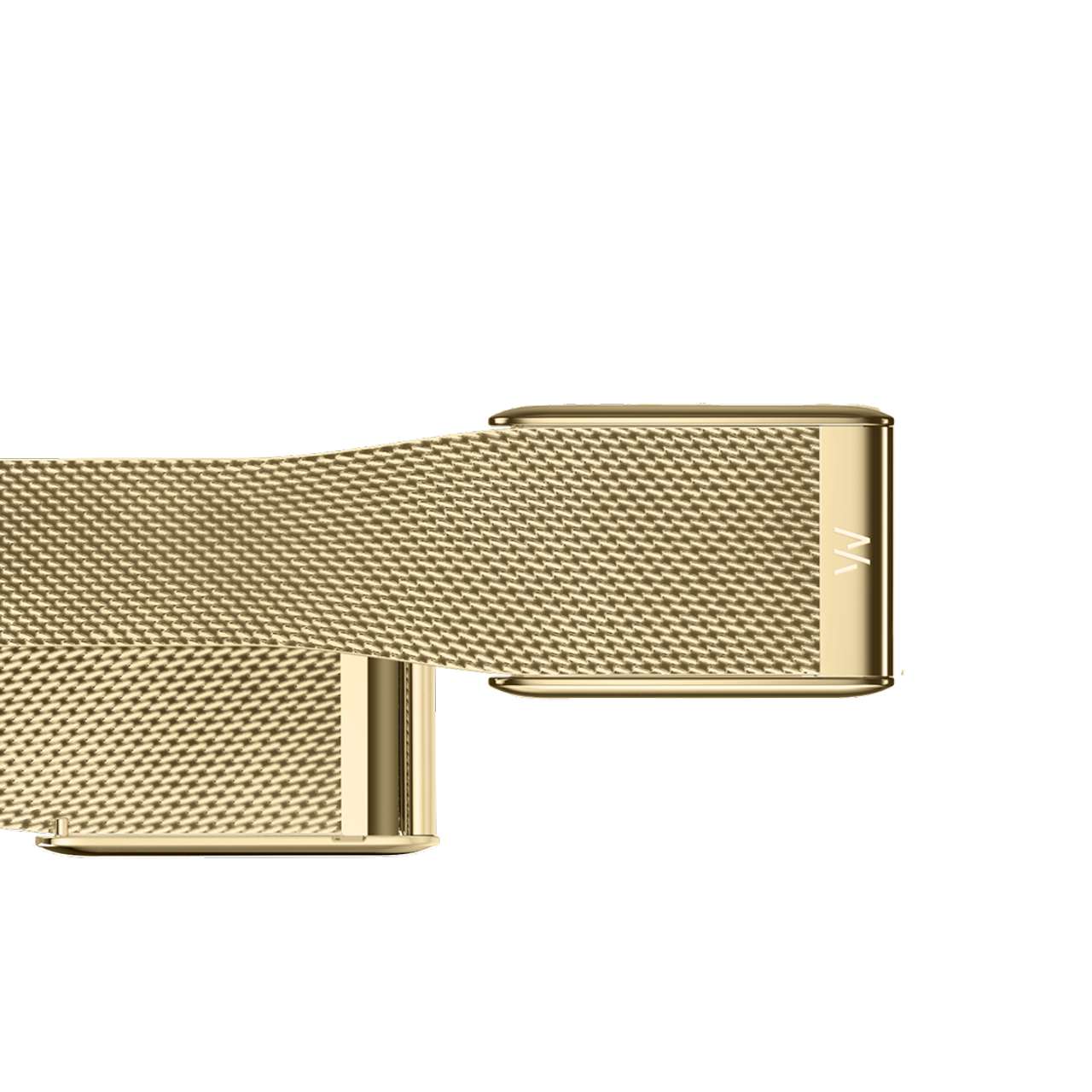
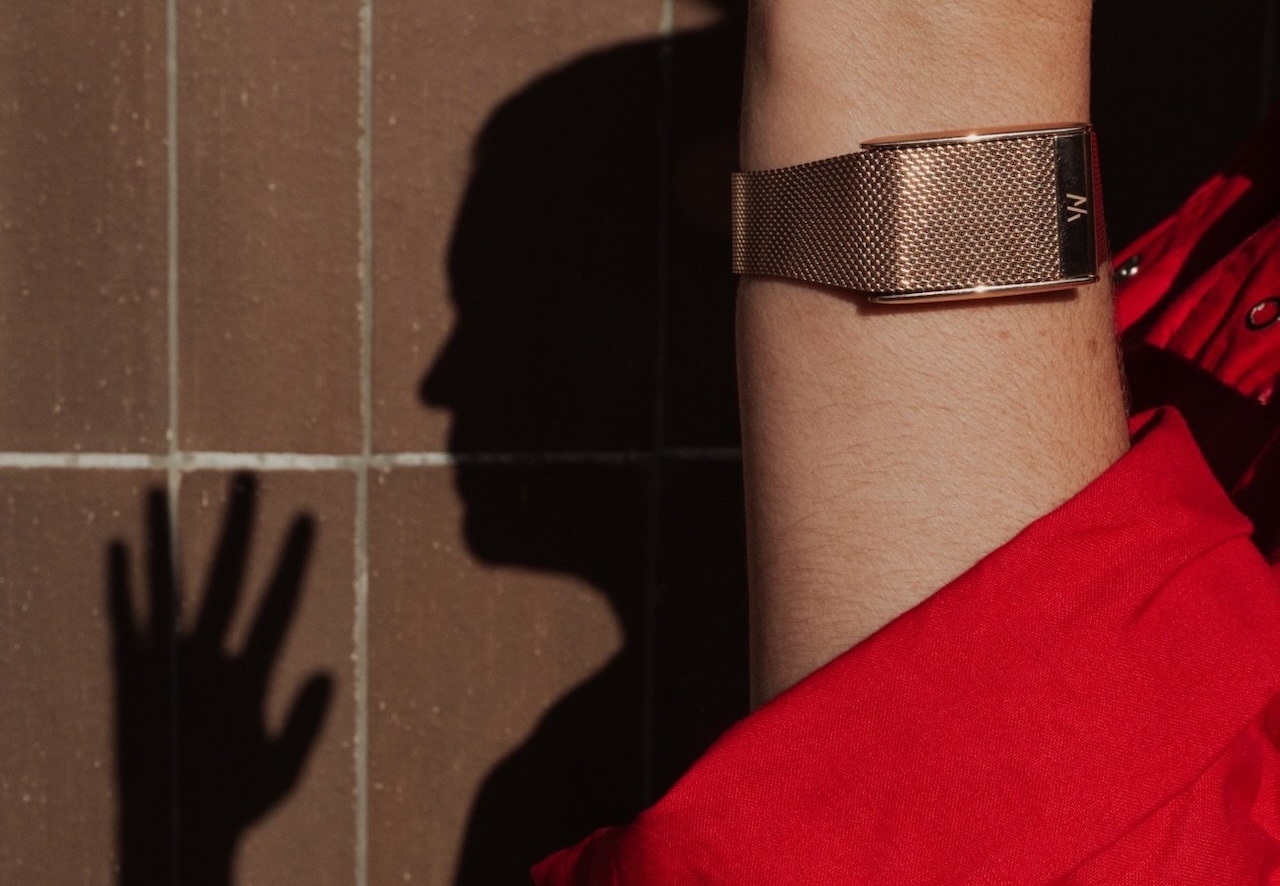
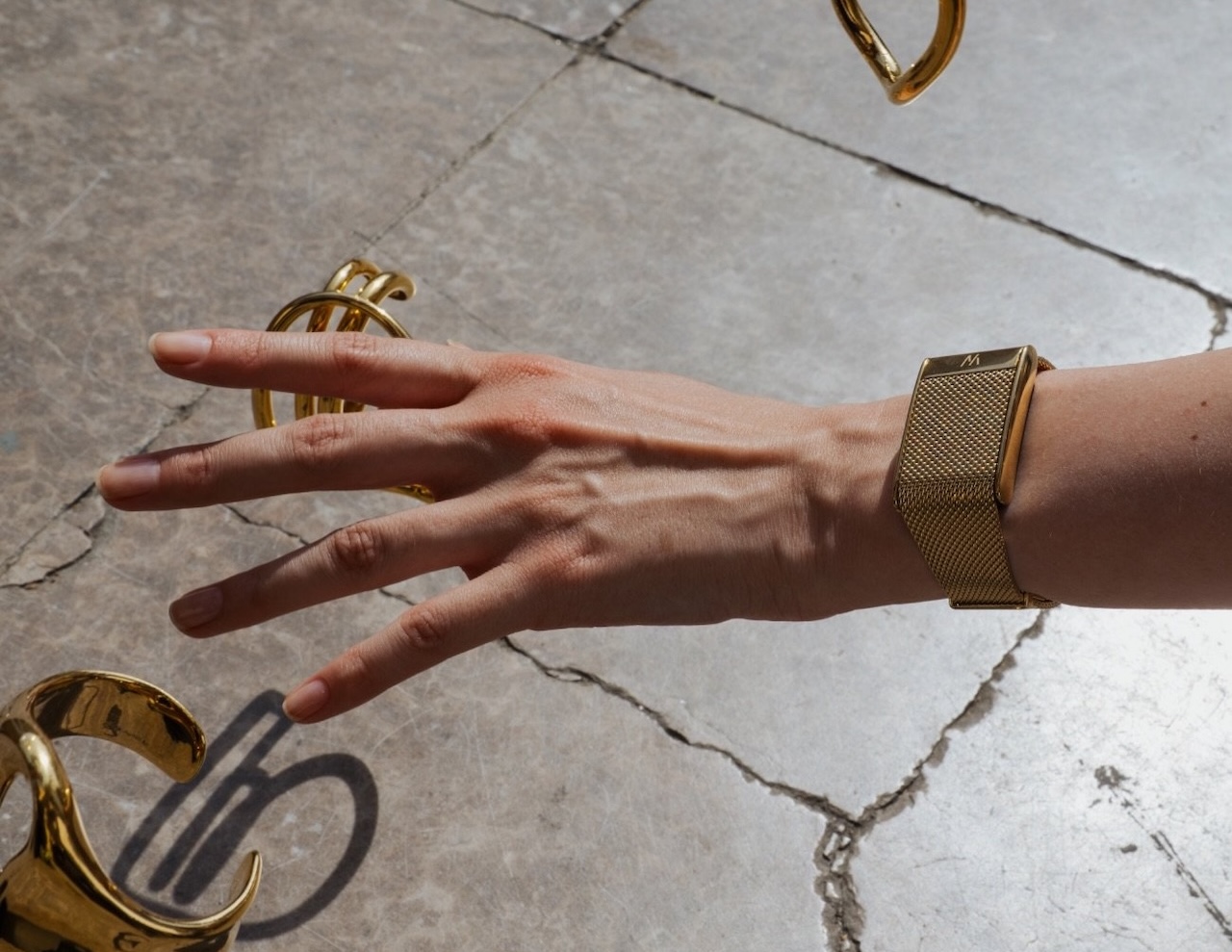
The screenless WHOOP hardware works unusually well with this approach. Because there’s no smartwatch screen to disguise, Meridian replaces the sporty strap with a clean metal-mesh design. It makes WHOOP look more like an intentional piece of jewelry or a luxury bracelet rather than gym leftovers.
WHOOP offers Meridian in multiple metal finishes, but the goal is identical across the board: blend with tailored clothing, formal wear, and business attire. That’s especially appealing if you wear a mechanical watch on the other wrist. Meridian doesn’t try to look like a second watch dial because WHOOP has no screen in the first place.

Still, the sensor hasn’t vanished. The real test is whether the metal casing makes the device unobtrusive enough that you never feel compelled to unclip it.
The Real Benefit Is Continuity, Not Better Tracking
The real-world case for Meridian is narrower than its premium finish suggests. It’s reasonable to assume that someone who dislikes wearing fabric straps to formal events will log more tracking hours if given a stylish alternative.
However, Meridian doesn’t magically enhance the algorithm. There’s no independent data showing that Meridian owners produce more accurate or actionable health metrics simply because their band is made of metal.
 The practical value depends entirely on your habits. If you already wear WHOOP everywhere without caring how it looks, Meridian is purely an aesthetic indulgence. If you regularly leave your tracker on the nightstand before heading to dinner or client meetings, Meridian solves a legitimate data-gap problem.
That’s the calculation when deciding whether to spend $149.
Meridian’s Biggest Design Compromise Appears When the Battery Runs Low
Here’s where things get tricky. WHOOP’s on-wrist charging system is one of its best features. With standard bands, the Wireless PowerPack slides directly over the sensor, charging the device while you go about your day.
The WHOOP 5.0 Meridian breaks that convenience. WHOOP explicitly states that Meridian is not compatible with on-body charging. You must swap out the band before sliding the charger onto your WHOOP.
 Its promise of all-day wear runs into a practical interruption at charging time. WHOOP claims 14+ days of battery life for the WHOOP 5.0, so you won’t have to deal with this swap every day. But the contradiction remains: Meridian improves aesthetic continuity while complicating the charging routine.
$149 Looks Massive Beside Standard Bands
Meridian sits at the very top of WHOOP’s accessory pricing ladder. A CoreKnit band costs $39, SuperKnit is $49, SportFlex is $59, and Navigator runs $79. Even the LeatherLuxe band tops out at $129. At $149, Meridian costs nearly four times as much as an entry-level strap.
 That puts the buying decision in sharp perspective. You aren’t paying for advanced biometric features. You’re paying for materials, finishing, and the freedom to keep WHOOP on your wrist in formal settings.
Keep in mind: Meridian is strictly a band accessory, not a standalone tracker. Since WHOOP requires an ongoing membership, Meridian only makes sense as a tailored upgrade for dedicated users who already rely on the platform.
Who Should Buy the WHOOP Meridian?
The WHOOP 5.0 Meridian Band targets a specific niche, but it fills that role well.
Skip it if you’re happy with standard fabric bands, if you wear WHOOP only during training sessions, or if you expect $149 to unlock new sensors.
Meridian makes sense for the daily WHOOP user who values continuous health tracking but hates pairing athletic bands with formal outfits. For that user, style becomes functional: the hardware stays the same; the situations in which you will actually keep wearing it may expand.
Price: $149
Where to Buy: Whoop
The charging trade-off is annoying, but if you want 24/7 recovery tracking without ruining your outfit, Meridian delivers where it counts.