A dead battery is a lousy reason to be stuck outside your own front door. But a smart lock’s backup only helps if you can reach it. A spare key inside the house and a USB cable in a drawer won’t do much for you on the porch.
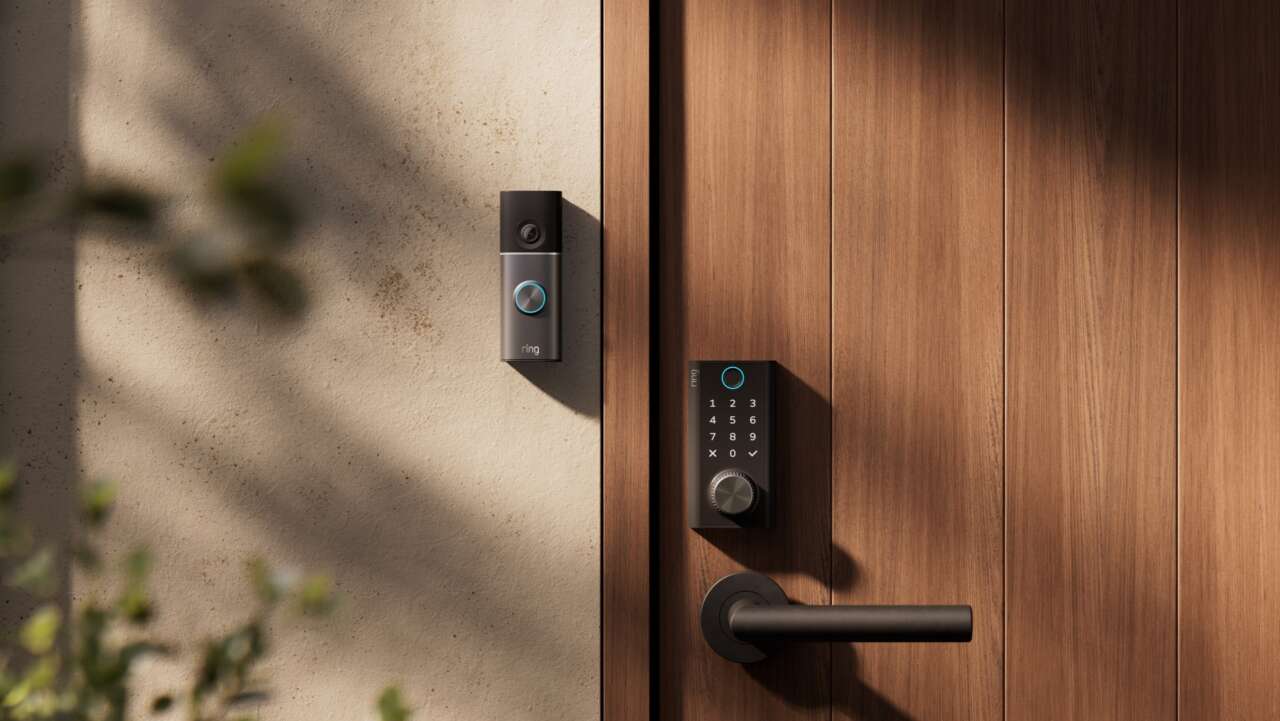
Ring’s newly announced Smart Lock puts a hand-powered dial on the door itself. Yale’s Google Home-friendly Smart Lock with Matter keeps a physical key. Schlage’s Sense Pro relies on a USB-C jumpstart, while Aqara’s U400 gives you both a key and external emergency power. Those differences matter more on a bad evening than another way to unlock with your phone.
Here’s how the four compare, including what you need for everyday access and what stops working when the connection drops. These are their documented features and backup methods; we haven’t conducted a hands-on reliability test.
Ring Smart Lock: the backup stays on the door
The appeal is easy to understand. Ring says a few turns of the built-in dial restore power to a drained lock, so you don’t have to carry a spare key, cable or battery for that emergency. Restoring power doesn’t grant access by itself: you still need an authorized way in, such as your fingerprint or PIN.
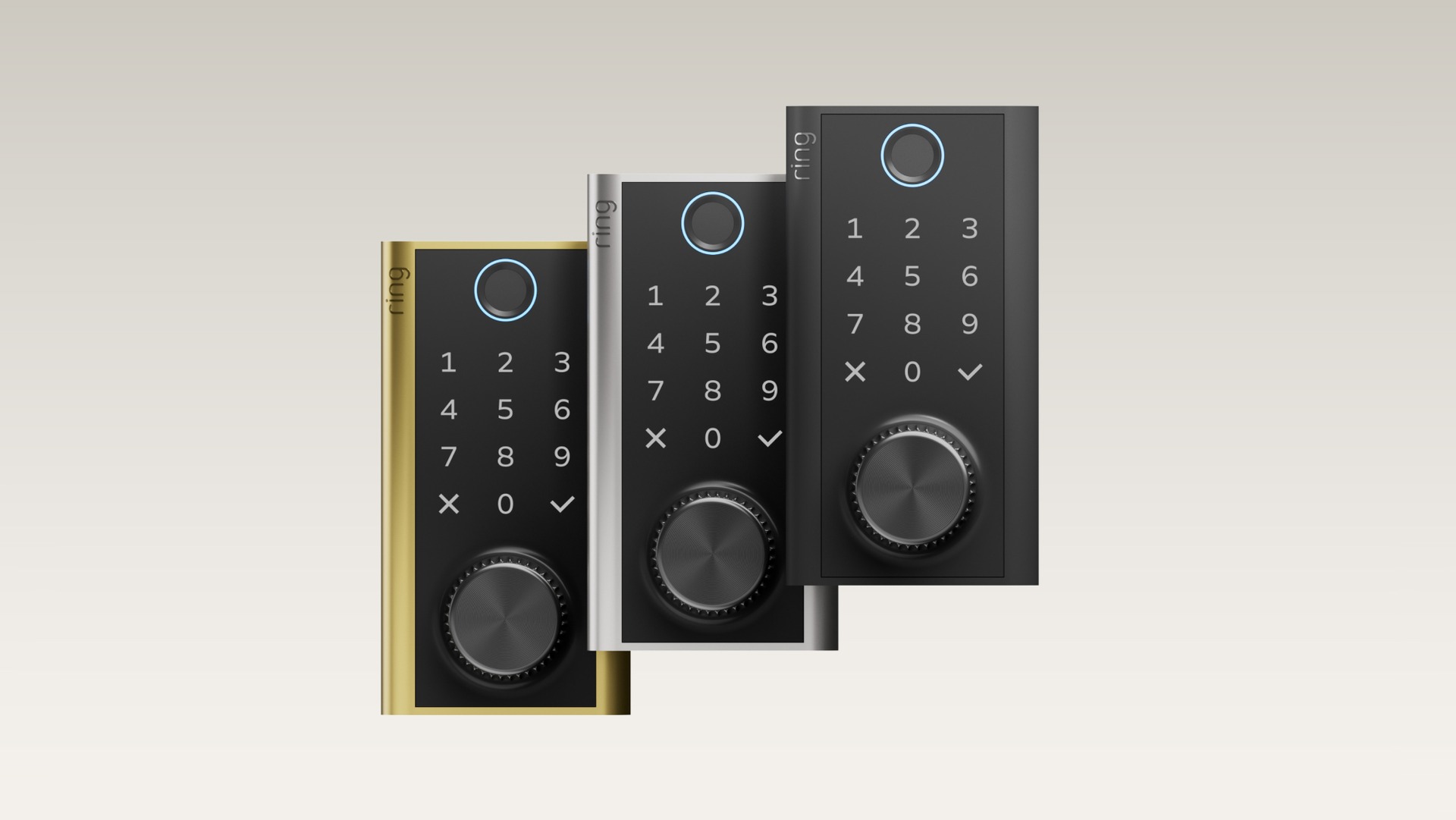
For daily use, Ring lists a fingerprint reader, touchscreen keypad, Ring app and Alexa. Local unlocking happens on the device. Remote locking, status updates and PIN syncing use Amazon Sidewalk rather than your home’s Wi-Fi, but Sidewalk coverage can vary or be interrupted. A neighborhood power outage is no reason to assume remote access will remain available.
This is the option to watch if you’re already using Ring and the backup you might forget is the part that worries you. The unanswered question is how convenient the dial feels in practice. Ring’s October 7 announcement doesn’t specify an exact turn count or how long the restored power lasts.
Announced price: $249.99
Availability: US launch planned for early 2027; FCC authorization is pending and it isn’t offered for sale.
More information: Ring Smart Lock
Yale Smart Lock with Matter: Google Home, with a key in reserve
For a Google Home household, the relevant current option is the Yale Smart Lock with Matter sold through Google’s store. It’s a Yale lock, model YRD510, rather than a Google-branded lock. The Snow version here has a physical keyway, so a dead set of its four AA batteries doesn’t require finding an external power source.
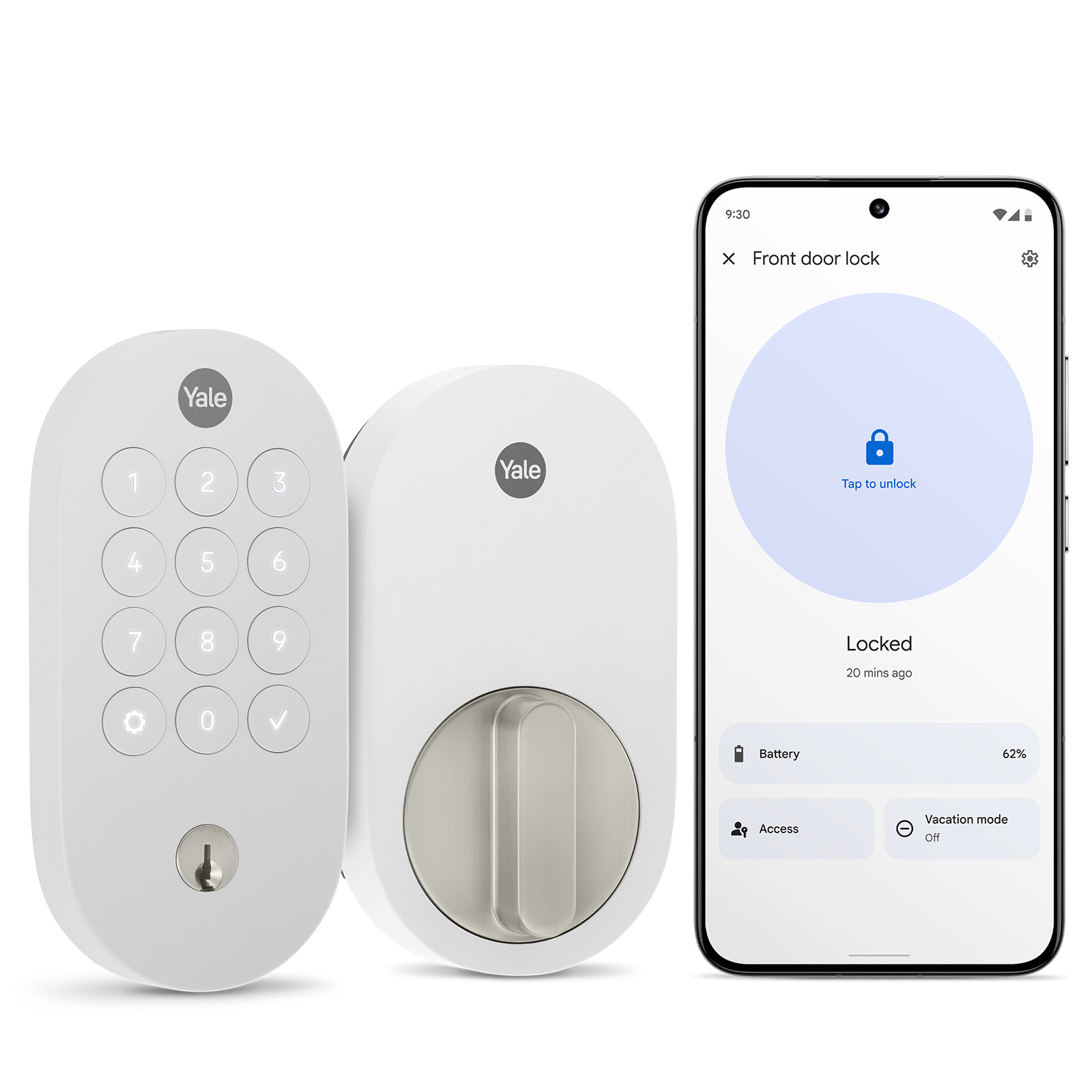
That makes Yale the familiar fallback: carry the key, or arrange access to one somewhere secure outside the locked home. Everyday entry uses the keypad or app. There isn’t a fingerprint reader or an Apple home key feature in this model’s listed entry methods.
Google Home integration lets you manage guest codes and check the lock remotely, but it needs a compatible Matter hub and Thread border router. A Nest Hub second generation or Google TV Streamer can fill that role; owning just any Google speaker isn’t enough. Yale also warns that you must choose Yale Access over Bluetooth or a Matter ecosystem, rather than using both simultaneously. Budget for the hub if you don’t already have one.
Price: $177.99, checked October 11
Where to buy: Yale Smart Lock with Matter, Snow, at Amazon
Sold and shipped by Amazon.com.
Schlage Sense Pro: leave the key, plan for USB-C
Sense Pro has no mechanical keyway. If its four AA batteries run flat, the exterior USB-C port supplies temporary power. That shifts the emergency kit from a spare key to a charged power source and cable you can actually get to.
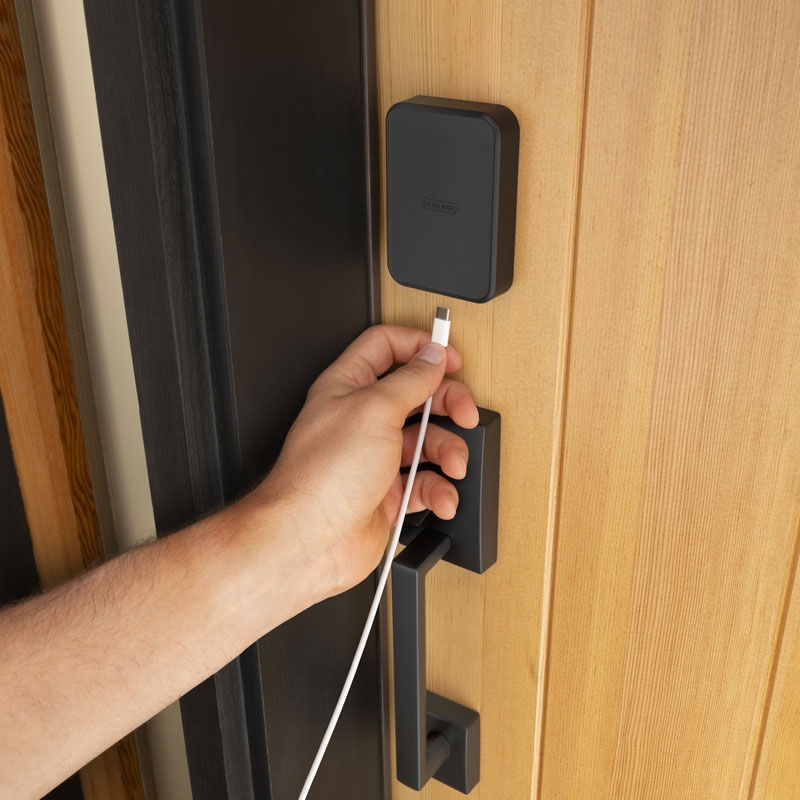
The everyday attraction is Apple home key and hands-free UWB entry with a compatible iPhone or Apple Watch and a Thread-enabled Apple home hub. You also get a keypad and Schlage Home app. Built-in Wi-Fi supports remote management through Schlage’s free app, while Matter over Thread provides another smart-home connection.
Schlage explicitly says keypad, Bluetooth and hands-free entry continue through a home power or Wi-Fi outage, provided the lock has battery power. That’s a different problem from flat batteries. Its current technology page still describes Google Wallet and Samsung Wallet support as expected later in 2026 after certification. Don’t buy it today on the assumption that an Android phone will unlock it on approach.
Price: $338.74, checked October 11
Where to buy: Schlage Sense Pro, Matte Black, at Amazon
Sold and shipped by Amazon.com; single deadbolt, without a handleset.
Aqara U400: a key, a power port and more ways in
Aqara’s U400 keeps a mechanical key and adds an exterior USB-C emergency-power port. Fingerprint and keypad entry give household members ways in without a phone, and Matter over Thread explicitly supports Google Home with the appropriate controller and Thread border router.
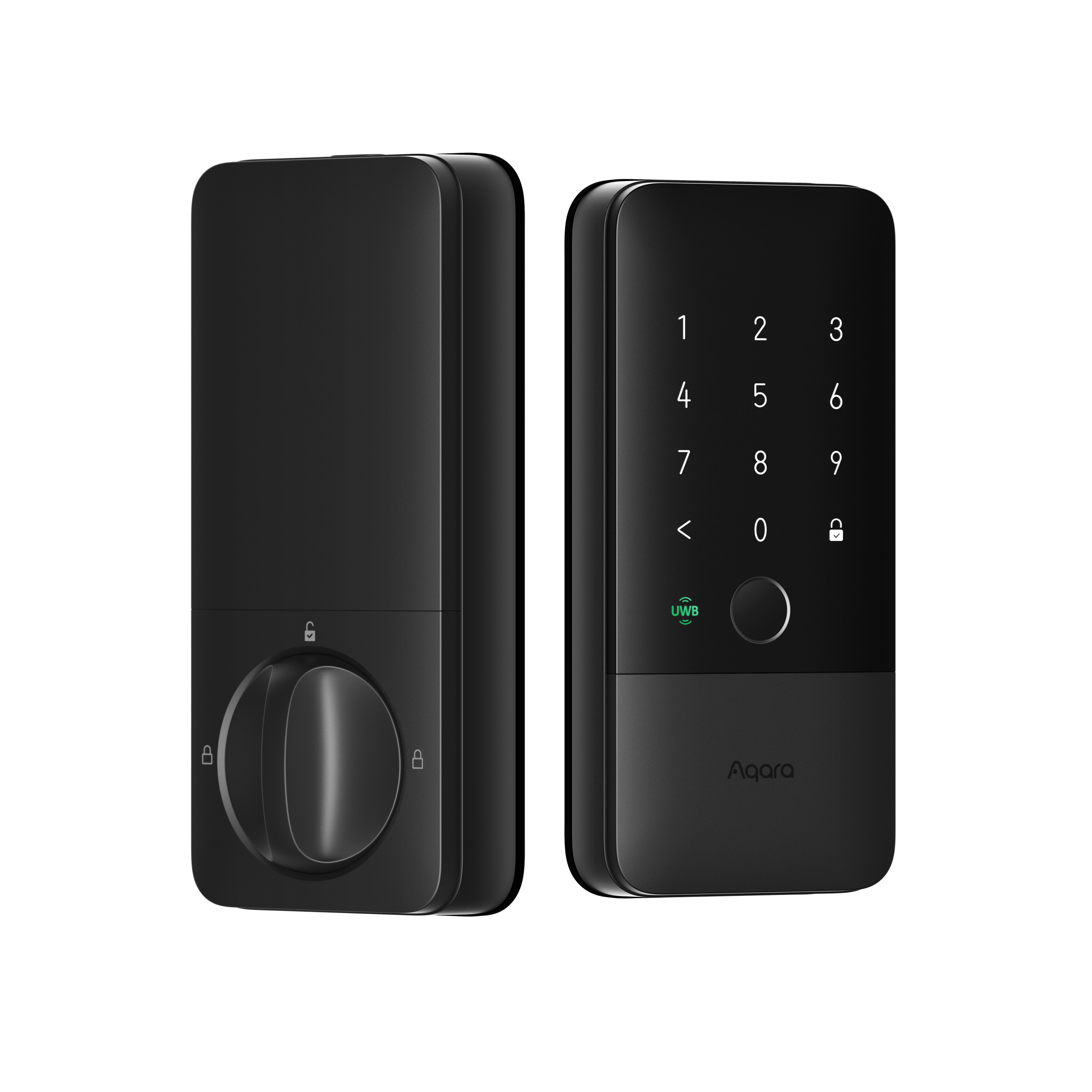
The battery detail is worth knowing before you need it. The U400 manual says the outside USB-C port cannot recharge the main battery; it only supplies emergency power. Recharge the removable lithium-ion pack from inside, or take it out to charge. Electronic operation stops while the pack is removed, so keep the key accessible.
U400 also supports Apple home key and UWB hands-free entry with a compatible iPhone or Apple Watch and a Thread-enabled Apple home hub. Its manual says UWB switches off below 8% battery, so the most convenient entry method can disappear before the lock is completely dead. Compatible Samsung phones now support Samsung Wallet NFC tap through SmartThings; Samsung UWB remains in development. Google Home support doesn’t mean Google Wallet or Android walk-up unlocking.
Local Bluetooth settings don’t require an Aqara hub, but remote access needs a compatible controller. Some Aqara-specific remote functions require an Aqara Thread controller.
Price: $269.99, checked October 11
Where to buy: Aqara Smart Lock U400, Black, at Amazon
Sold by AqaraDirect and shipped by Amazon.com; single lock, no hub included.
The checks that matter before replacing your deadbolt
All four replace a deadbolt rather than slipping over the inside of your existing lock. Ring currently specifies a standard single-cylinder deadbolt. Check the other models’ exact door thickness, bore and backset requirements before buying: Schlage lists a narrower 1-3/8 to 1-3/4-inch thickness range, while Aqara’s installation guide reaches 2-1/8 inches. A bolt that drags against the strike plate can turn battery upkeep into a much more frequent chore.
Separate the lock’s battery from the house’s network. A physical key needs neither. Powered local credentials can still work without internet, but checking the door from work, changing access remotely and running cloud-dependent routines need their respective connections. Matter support doesn’t make every platform expose the same controls.
Ongoing costs and privacy need the same model-by-model approach. Schlage offers a free management app, and Aqara says its locks don’t require a subscription. Yale’s Google Home setup may add a hub purchase. Ring’s announcement doesn’t settle every service or subscription detail, so camera-plan pricing shouldn’t stand in for the lock’s terms. Local unlocking also doesn’t mean every connected feature is cloud-free. If you’d rather avoid enrolling a fingerprint, all four offer PIN entry.
Yale is the least expensive checked lock-only option here for a Google Home household happy to keep a backup key. Aqara adds fingerprint entry and a second battery-failure fallback. Schlage suits an Apple household that wants a keyway-free lock and is willing to plan for emergency power. Ring’s promise is the simplest to picture when the battery runs flat: the backup is already on the door. Whether that convenience is worth waiting for depends on how well the finished dial works, which remains the part to test.