
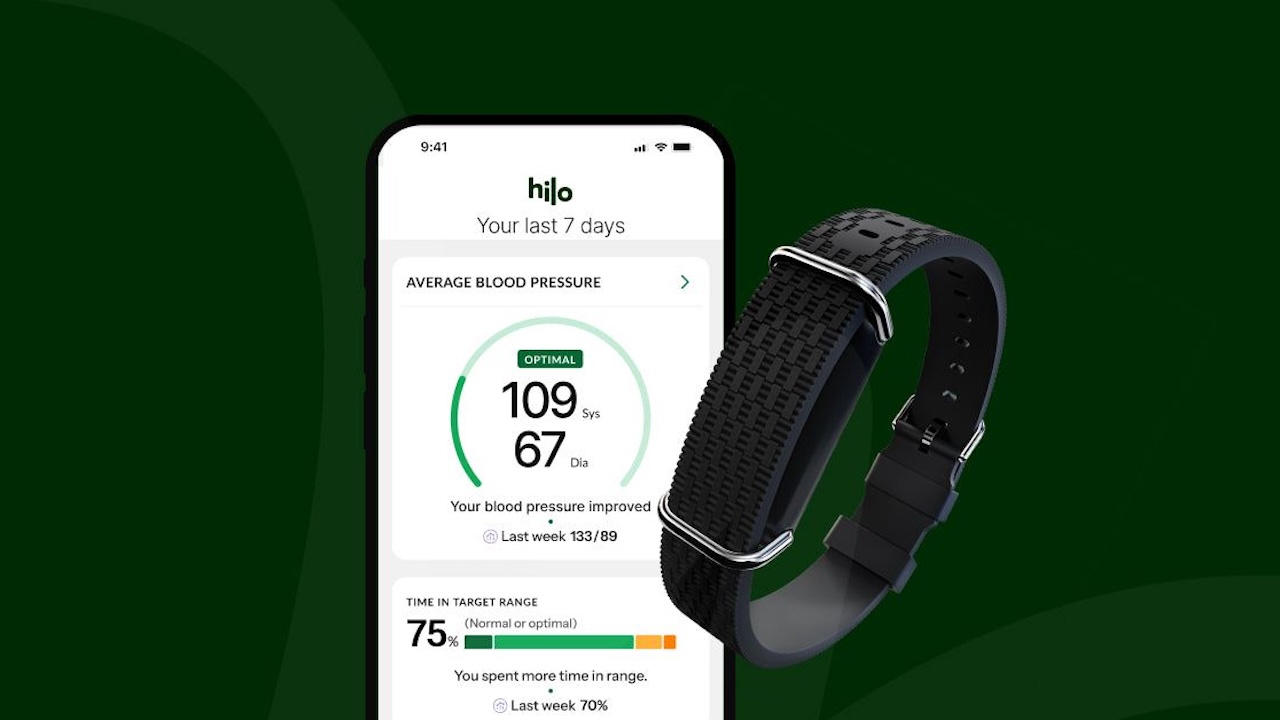
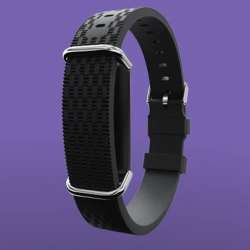
A blood pressure cuff gives you a number after you sit still. Hilo Core wants to turn that familiar ritual into a longer story, using a wrist band for ongoing signals and a connected cuff for calibration.
Price: $89.99 | $149.99 annual subscription
Where to Buy: Hilo
Hilo launched the system in the United States on July 21. The company positions it as a wellness product for awareness and lifestyle context, not as a replacement for medical diagnosis or treatment.
A cuff still anchors the system
The interesting choice is that Hilo hasn’t tried to erase the cuff. Its system combines a lightweight wearable band, mobile app, and FDA-cleared connected cuff, with cuff readings taken daily for the first four days after setup, then just once a month after that, used to calibrate the wrist based experience.
That split makes more sense than treating a wrist sensor as a magic answer. Hilo says its optical blood pressure technology uses photoplethysmographic signals at the wrist, while the cuff supplies the reference readings that keep the system grounded. Samsung is chasing a similar formula with the Galaxy Watch 9’s cuff-calibrated Blood Pressure Trend feature, a sign that wrist-plus-cuff monitoring is headed for a much bigger audience than one wearable brand.
The goal is a pattern, not one lucky reading
Hilo says Core can capture 30 to 35 readings a day, including overnight readings, then place those trends beside sleep, steps, and heart rate. A single cuff reading can reflect a calm moment or a hectic one. A longer view could give users a clearer prompt to talk with a clinician.
The company says the platform is designed to show weekly and monthly averages, trend changes, and doctor ready reports. Those are practical tools if the data stays understandable instead of becoming another dashboard full of unexplained alerts.
More than 200,000 people globally have used the underlying technology, though Hilo’s own materials disagree on how many clinical studies back it. The company’s US launch announcement cites eight clinical studies, while Hilo’s own international science page cites four, stating that “4 clinical trials were required during the design, development and validation of Hilo technology.” Both numbers come from Hilo, so treat either count as unverified until the company reconciles them rather than as a settled fact or an independent verdict on Core.
The price starts low, then shifts to a subscription
The hardware costs $89.99, according to Hilo’s launch announcement. The required annual subscription costs $149.99, bringing the first year to $239.98 before tax.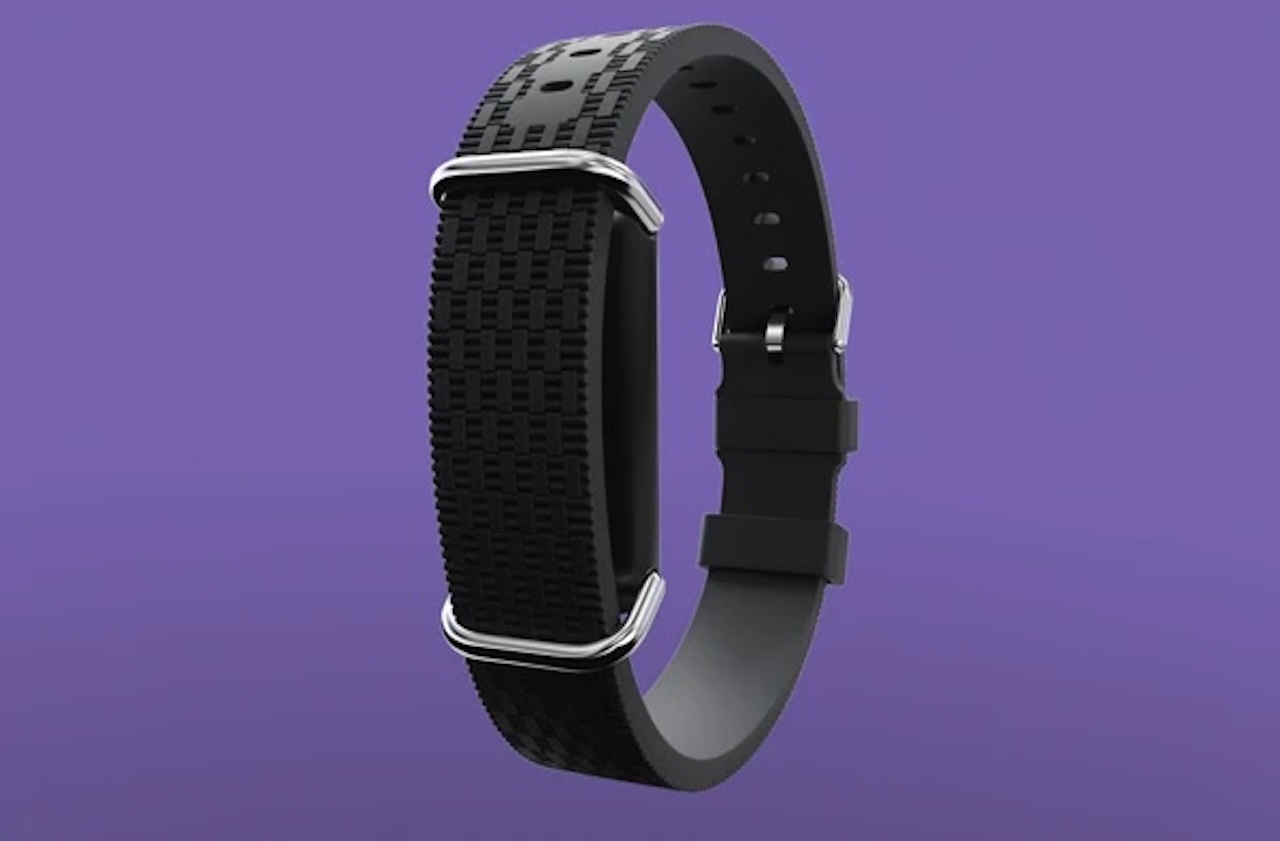
That changes the buying question. Readers aren’t only choosing a wearable. They’re choosing whether ongoing blood pressure context, reports, and app access justify a recurring annual charge after the band is already on their wrist.
What Hilo still needs to prove
Core is positioned as a wellness system, not a diagnostic one, and that distinction matters for anyone tempted to trust its numbers over a doctor’s judgment. Hilo says it plans to expand into a regulated medical platform in the future, which means buyers shouldn’t mistake a trend tool today for a device that can diagnose hypertension or direct treatment.
Hilo’s own support materials confirm that calibration cadence, but the launch material doesn’t spell out how readings will vary across activities or what happens when the wrist signal quality falls short. Those details will shape the daily experience far more than the headline reading count.
The TG take
Hilo Core’s strongest idea is restraint. It doesn’t ask people to abandon the cuff they already recognize. It tries to make that cuff useful between appointments by giving the rest of the day some context.
Price: $89.99 | $149.99 annual subscription
Where to Buy: Hilo
If Hilo can keep the calibration routine simple and the reports clear, it could make blood pressure tracking feel less like a chore reserved for a clinic visit. The first year price is modest enough to invite curiosity, but the annual subscription needs to earn its place every year. Readers who want a cheaper way to start tracking daily health metrics, including a few options with no ongoing subscription, can check TG’s best fitness trackers under $100 roundup.
Auto Amazon Links: No products found.
