
Heat pumps don’t get the attention they should in the smart home conversation. Most of the buzz lands on thermostats, voice assistants, and app-controlled lighting. But the actual hardware that heats your water and warms your rooms is where the real efficiency gains live.
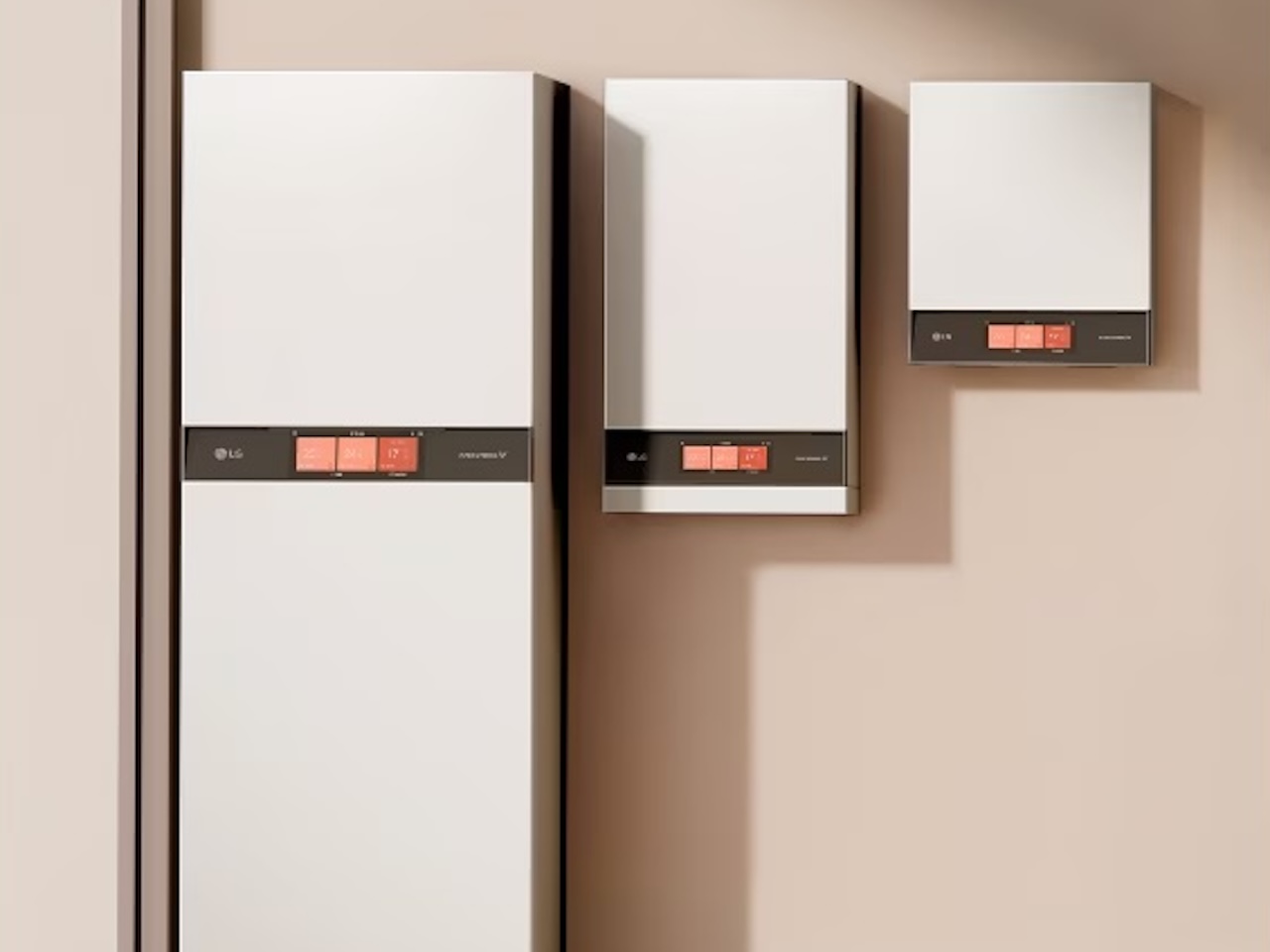
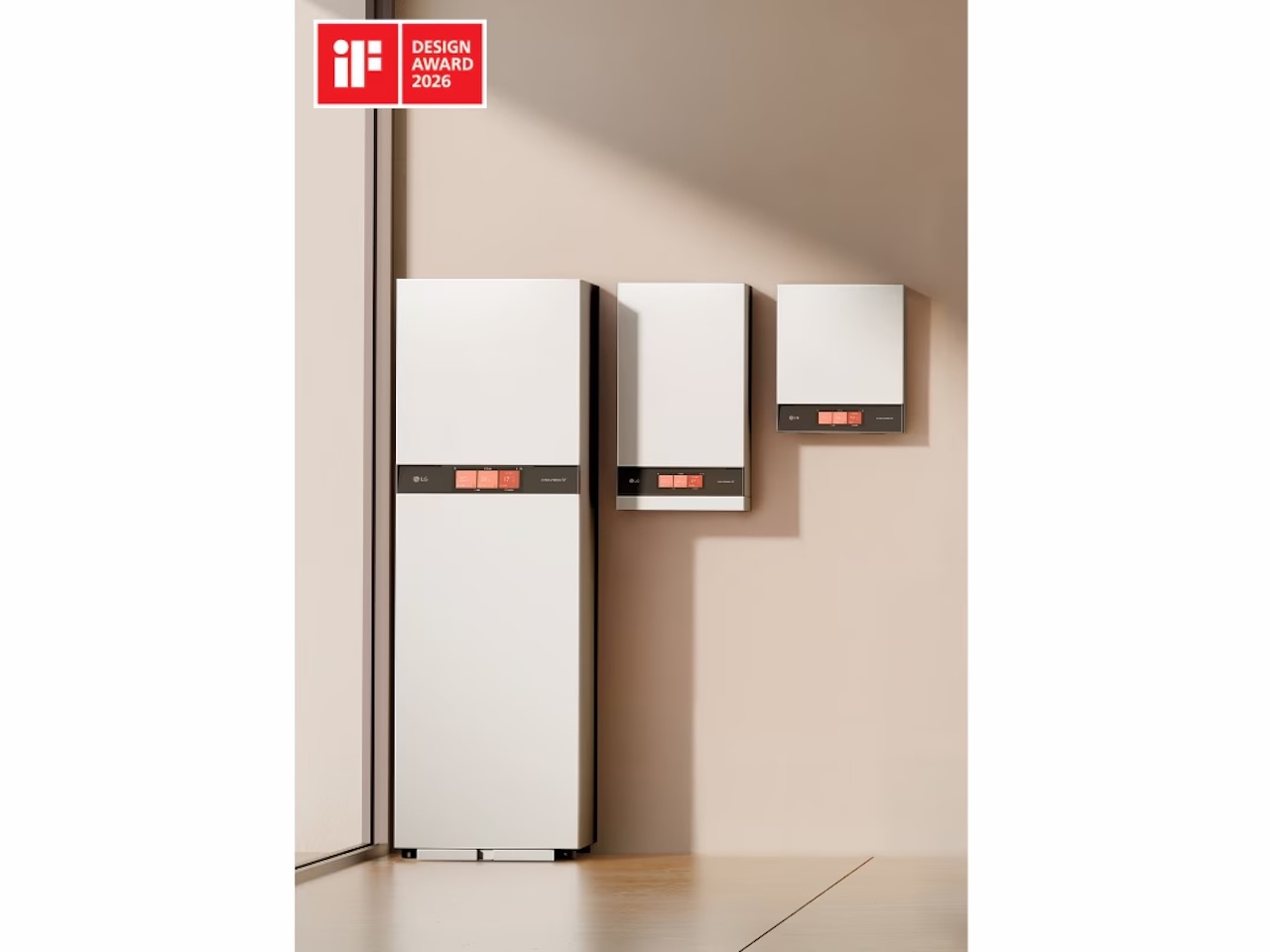
LG’s stepping into that gap with three new indoor units for air-to-water heat pump systems, debuting at MCE 2026 in Milan from March 24 to 27: the Combi Unit, Hydro Unit, and Control Unit. All three share a unified design language that picked up a 2026 iF Design Award. Each one connects to LG’s R290 Monobloc outdoor systems, running on a propane-based refrigerant with a global warming potential of 0.02. The big upgrade is a 6.8-inch color touchscreen with built-in Wi-Fi, giving you remote control through the LG ThinQ app.
So the real question isn’t whether these units heat water well. It’s whether LG’s made them small enough and smart enough for the cramped utility rooms that define most European homes.
LG’s new indoor heat pump units: what actually changed
The previous generation wasn’t exactly compact or built around the R290 heat pump platform the way this lineup is. European utility rooms tend to be tight, sometimes barely larger than a closet. LG’s engineers went after that constraint directly by integrating more hydraulic components and rethinking the internal layout. You feel the difference when you compare spec sheets, but it’ll matter more on installation day.
The Hydro Unit tells that story best, with a volume reduction of more than 30 percent over its predecessor. It now packs a built-in three-way valve, drain pan, and a 12-liter expansion tank inside a smaller shell. Front-access panels and a new bracket mounting system make it realistic for a single installer to handle the job in most setups.
The Combi Unit bundles heating, cooling, and domestic hot water into one configuration with a 200-liter Duplex stainless steel tank and water temperature sensors for stable output. If you’ve dealt with inconsistent water temps from older setups, that sensor integration should catch your eye. The Two-Zone model integrates the mixing pump group and buffer tank directly into the unit, cutting down on external parts and simplifying the wiring.
The Control Unit skips direct hydraulic connections entirely, relying on terminal block wiring to manage the heating system. Built-in heater control logic removes the need for separate accessory components. That’s the kind of engineering choice that doesn’t show up in marketing photos but matters when the installer is knee-deep in your utility closet. LG‘s clearly thinking about the full system lifecycle, not the showroom spec sheet.
Smart home features on LG’s heat pump indoor units
All three units feature that 6.8-inch color touchscreen, which LG describes as an upgrade over earlier models. The display and built-in Wi-Fi handle control and monitoring without needing a phone. You can manage everything remotely through the LG ThinQ app from the couch or across town. An LED status indicator on the front panel gives a quick visual check. You notice it fast when you walk past the utility closet.
For heat pump indoor units, this kind of app integration and display quality is still uncommon. Putting these units on your home network makes them feel like actual smart home devices rather than hidden utility boxes.
Who LG’s new heat pump units are for
These units target European homeowners running or upgrading to air-to-water heat pump systems. The R290 heat pump compatibility is the standout spec. LG’s R290 Monobloc systems can push heating performance down to minus 28 degrees Celsius and hot water output up to 75 degrees. Because the R290 refrigerant stays contained in the outdoor monobloc unit, only water piping runs between indoor and outdoor components. No refrigerant lines through your walls.
Apartment dwellers with limited utility space should look at the Control Unit first. Homeowners who need an all-in-one solution will likely gravitate toward the Combi Unit. The Hydro Unit sits in between for standard residential setups.
LG’s treating heat pump indoor units as real home technology, not utility hardware you hide behind a closet door. The iF Design Award signals that someone cared about how these units look on your wall, not just how they perform. The touchscreen and app connectivity reinforce that approach. Whether it translates into a better ownership experience will depend on real-world install conditions, but the intent is clear.
European availability begins in the first half of 2026, with timing that varies by country. If you’re planning a heat pump install or upgrade, these units are worth tracking.
