NEWS – We keep hearing about AI in the cloud, but SwitchBot’s new AI Hub flips that model. It runs a Vision Language Model directly on the device, processes up to eight camera feeds locally, and hosts Home Assistant without needing a separate server. That challenges the assumption that serious AI work requires cloud infrastructure. The company is betting you’ll pay $259.99 for that shift, more than double their next hub at $119.99.
Price: $259.99
Where to Buy: SwitchBot
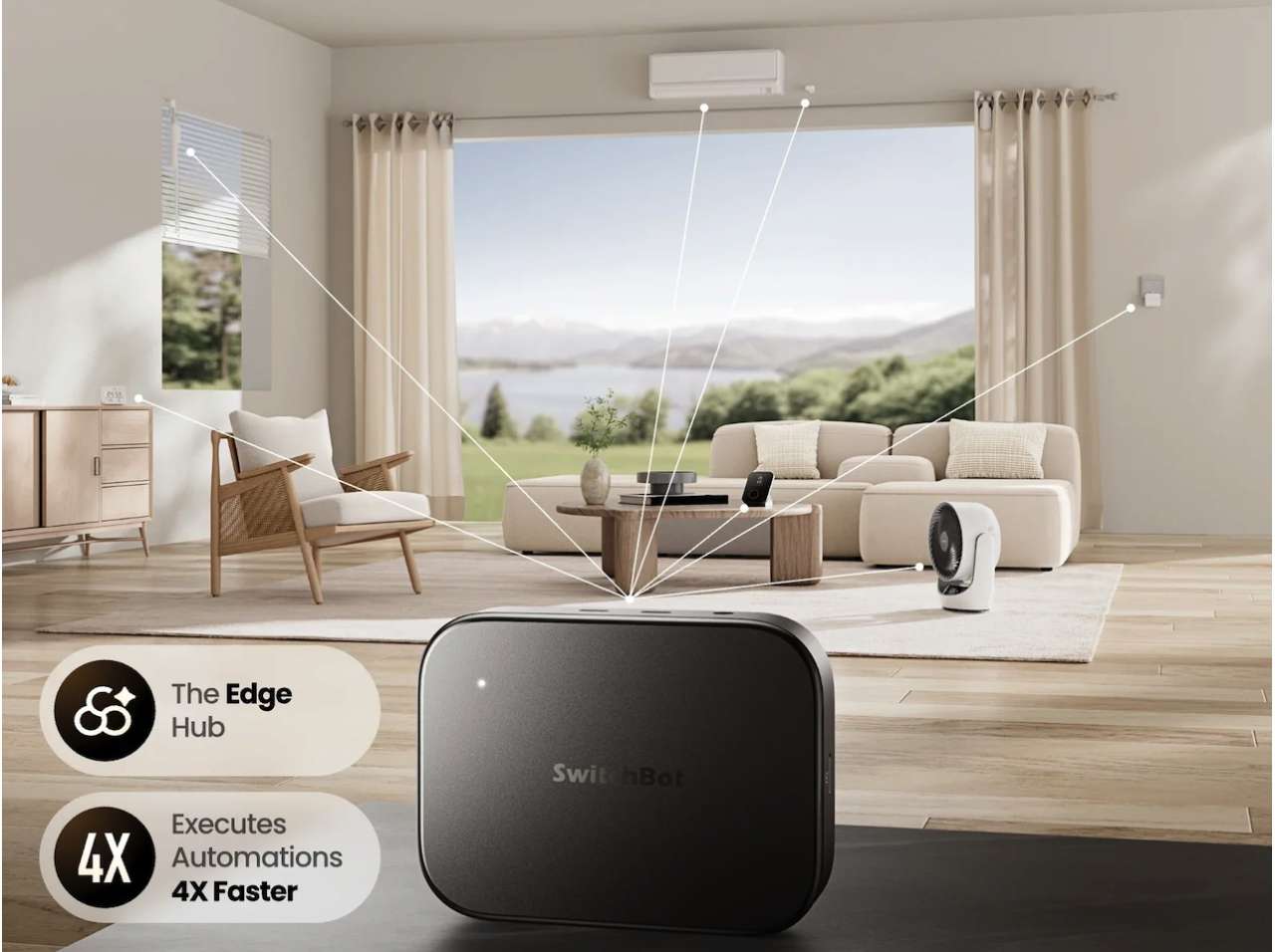
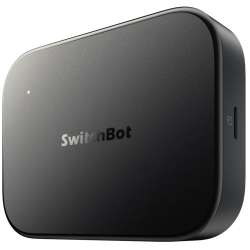
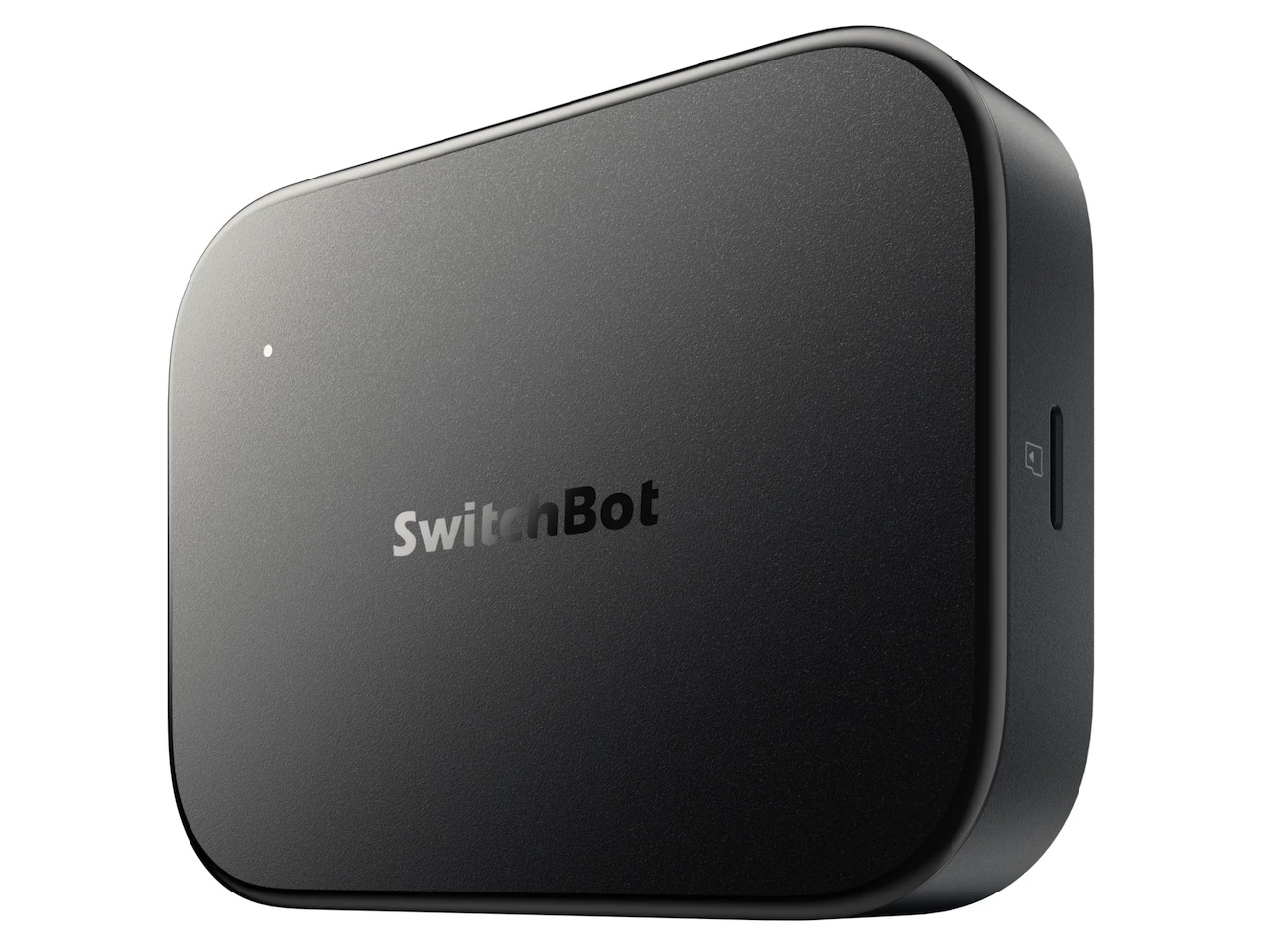
The SwitchBot AI Hub looks simple: rounded edges, matte black finish, small enough to sit on a shelf without drawing attention. What makes it different is inside. The chip analyzes video in real time instead of sending it to remote servers, running constantly when cameras are connected. The device measures 126 x 94 x 26 mm and weighs 235 grams. There’s no fan noise, no heat exhaust, no visible sign the box is working hard. Minimal design works if you want smart home gear out of sight. It has started shipping this Febraury after a September 2025 announcement.
The real question is: who needs local AI processing enough to pay double the price?”
What Local AI Means Here
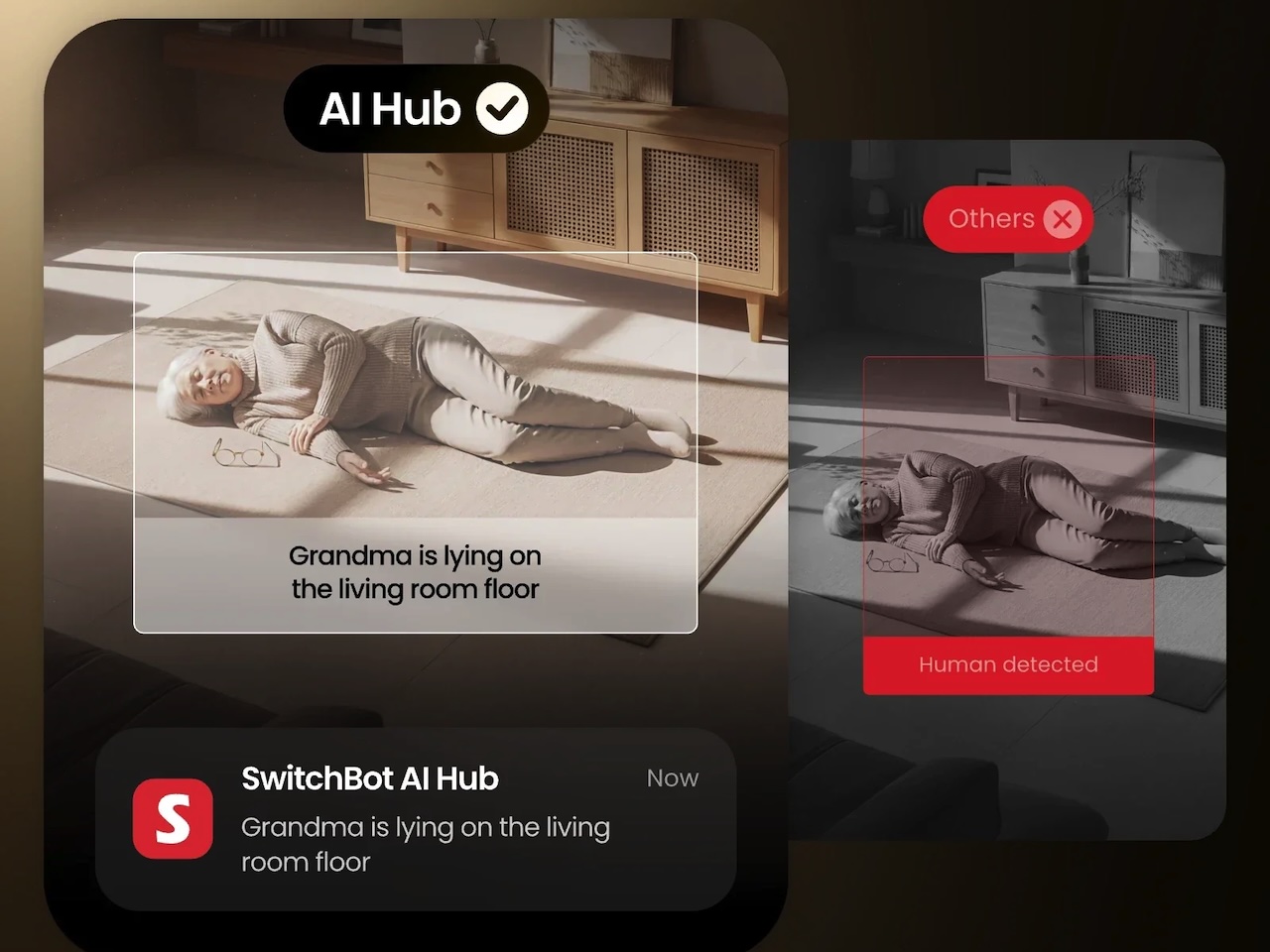
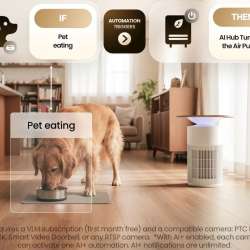
SwitchBot’s system analyzes live camera feeds on the device itself, processing everything locally instead of sending video to remote servers. You connect the company’s cameras or any camera supporting standard protocols. Once connected, it identifies faces, pets, vehicles, and objects in real time, then triggers automations based on what it sees, not just motion.
Recognition runs continuously when cameras are active, analyzing frames fast enough that there’s no lag between events and automations. Processing video locally keeps feeds private and reduces internet dependency. The hardware handles this without overheating, using a 6T AI chip that stays cool enough to skip active cooling entirely.
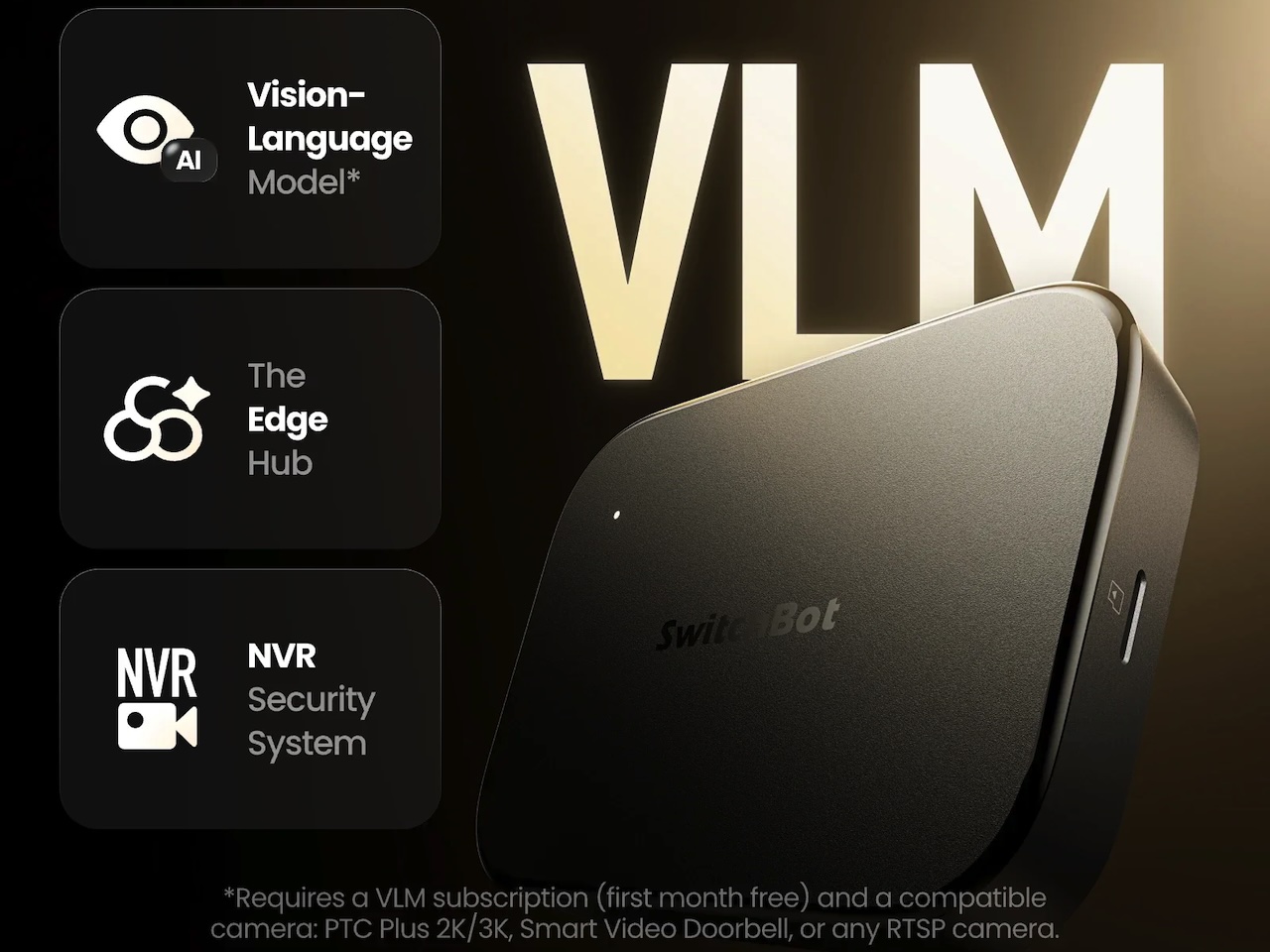
You set up rules using plain language instead of menus. “Turn on the hallway lights when someone is lying on the sofa” is SwitchBot’s example, going beyond simple motion sensing. The plain language interface removes the learning curve of advanced automation. You describe what you want in everyday language, and the system translates that into working automations. That makes it accessible to users who don’t write code or navigate complex setups. It’s a smart inclusion that broadens the audience beyond Home Assistant experts.
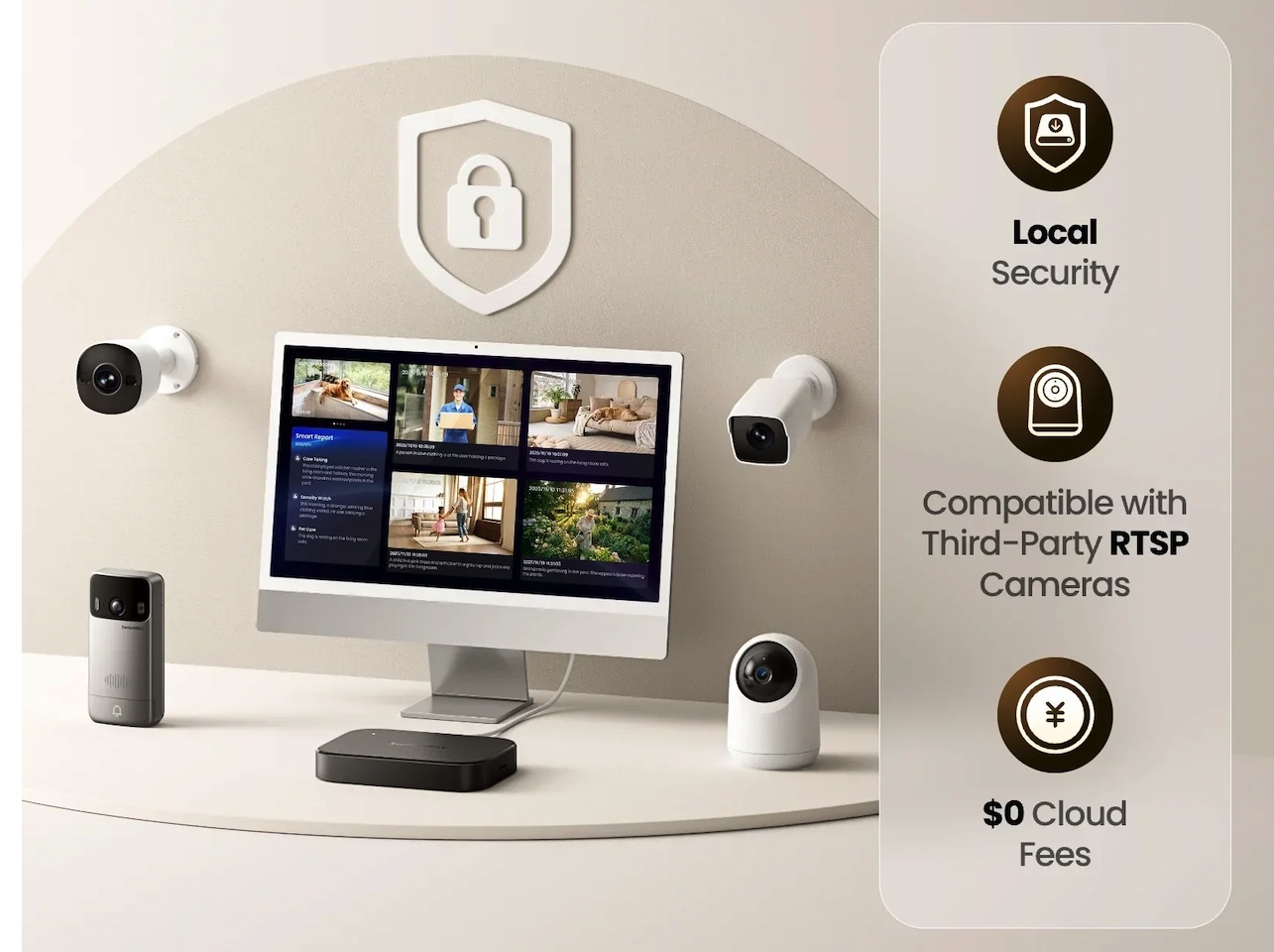
Processing stays local, with footage on 32GB built-in storage expandable via memory cards to 1TB or external drives to 16TB. No cloud subscription required for basic storage and detection, a fair move given the upfront cost. You’re managing your own data and backups instead of automatic cloud sync. Running multiple cameras at 2K with continuous recording fills 32GB in days. Two cameras exhaust built-in storage faster than expected. Extra storage becomes necessary beyond two or three feeds.
So what’s the catch? Subscription pricing. Advanced AI features come with a one-month free trial, then require a subscription at undisclosed pricing. You’re buying into unknown cost structure. Hidden pricing matters for long-term commitment, and the sticker price tells part of the story. For those already invested in Home Assistant, Frigate AI integration provides an open-source escape route. Power users get backup options if they don’t like the company’s AI. That’s a smart inclusion given how particular that community is about their setups.
Matter Bridge and Built-in Home Assistant
SwitchBot’s hub acts as a Matter bridge, exposing up to 30 devices to Apple Home, Google Home, Alexa, and SmartThings while managing over 100 SwitchBot devices through Bluetooth and Wi-Fi. That bridge function isn’t new since the Hub Mini Matter and Hub 3 already do this, but it’s expected at this price. The 30-device limit is tight for large setups with multiple rooms. Dual-band Wi-Fi means the hub connects to either 2.4GHz or 5GHz networks, giving flexibility for placement and reducing congestion.
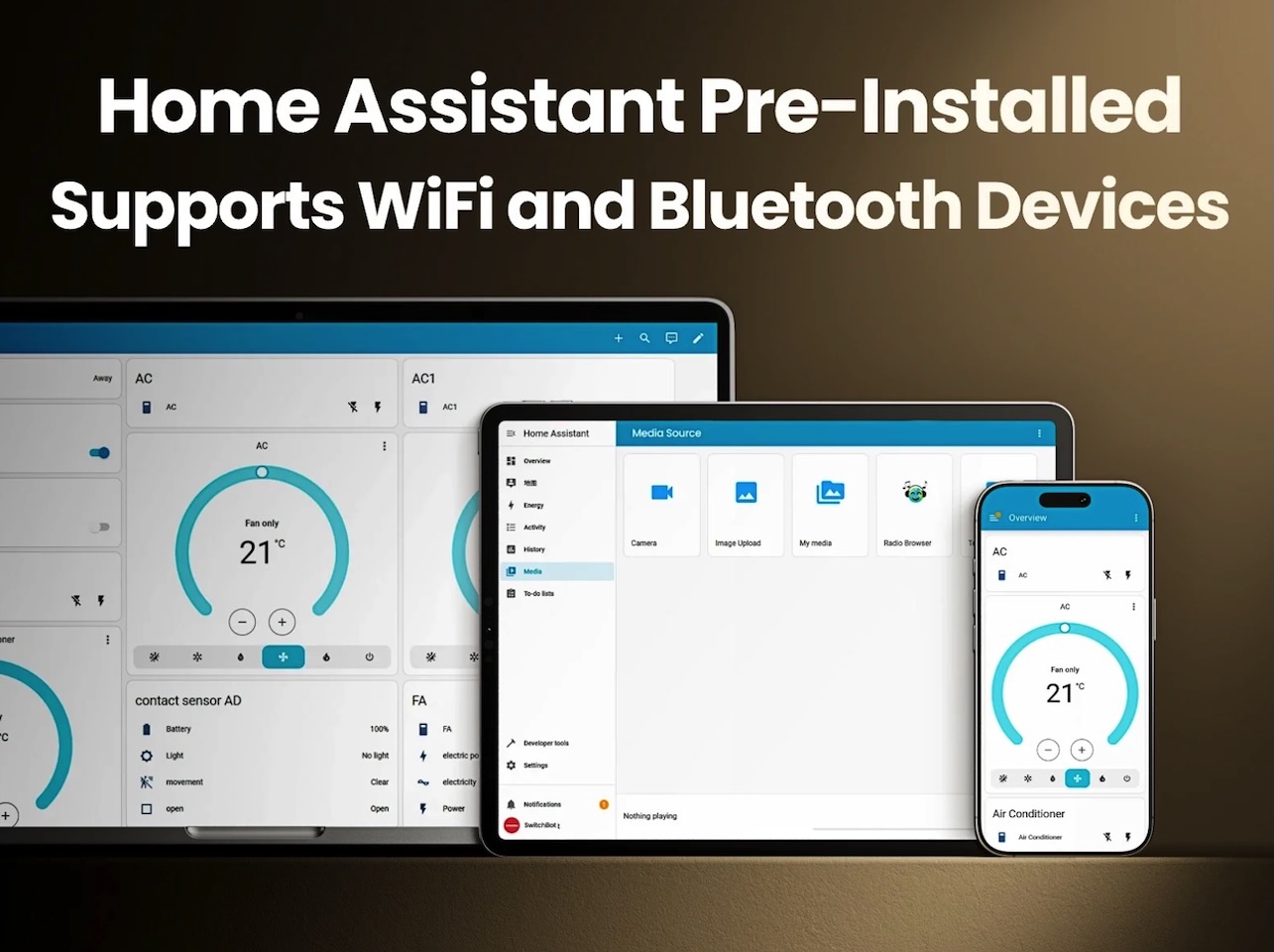
Built-in Home Assistant runs natively. No Raspberry Pi or separate server required, collapsing two devices into one box. Wi-Fi and Bluetooth work out of the box. Zigbee, Z-Wave, and Thread need external dongles, limiting how far this replaces dedicated Home Assistant setups. Automation rules run on the hub itself, so routines keep working when internet drops. That fixes a frustration with cloud hubs, where brief outages kill entire setups.
Who This Is For
Camera support through Matter doesn’t extend to Apple Home yet. SwitchBot’s cameras won’t appear in the Home app until both hub firmware and Apple Home support the newer standard. That limitation applies across the industry, not just SwitchBot. It matters if you’re building around Apple Home as your primary smart home platform.
The gap affects anyone investing in Matter cameras for Apple’s ecosystem. You’ll need to use SwitchBot’s app for camera access instead of consolidating everything in Apple Home. That split workflow defeats part of the integration benefit. It’s worth tracking firmware updates if Apple Home camera integration is important to your setup.
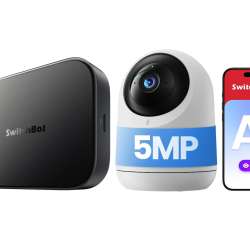
Pricing clarifies where this fits. Hub Mini sells for $39, Hub Mini Matter for $59.99, Hub 2 for $69.99, Hub 3 for $119.99. The jump from $119.99 to $259.99 is steep, reflecting local AI processing and camera analysis cheaper models don’t offer. That’s more than double for features most users won’t use. Bundle deals soften the cost slightly: hub plus Pan/Tilt Cam Plus 3K costs $299.99, hub with two cameras costs $339.99.
Hardware alone is manageable if you’re certain about the feature set. Subscription uncertainty turns straightforward buying into gambling on future costs you can’t calculate before purchase.
What does subscription cost after the trial? That number matters more than hardware price over three years.
The target audience is narrow. Buyers who only need Matter bridge and basic control already have Hub 3 at $119.99, handling the job without subscription commitment. The AI Hub aims at people wanting advanced camera automations without cloud dependencies plus built-in Home Assistant without extra hardware.



You’re paying for capabilities that either transform your setup or sit unused, with little middle ground. If you’re already running Home Assistant on Raspberry Pi and using Frigate for camera AI, this duplicates existing solutions instead of solving new problems. This setup may probably work for users starting fresh who want integrated hardware without assembling DIY stacks.
Price: $259.99
Where to Buy: SwitchBot
If those features don’t match your needs, the SwitchBot Hub 3 we reviewed last year at half the price, handles everything else just as well.