ARTICLE – Every adventure motorcyclist knows the math. You calculate fuel range, map gas stations, and accept that eventually the wilderness wins. Run out of fuel fifty miles from the nearest pump and your dual-sport becomes a very expensive piece of sculpture. Electric motorcycles promised freedom from fossil fuels but introduced a new limitation: finding charging infrastructure in places specifically chosen for their lack of infrastructure.
Designer: MASK Architects
MASK Architects, an Istanbul-based design firm known for pushing conceptual boundaries, believes they have found an elegant solution. The Solaris is an adventure motorcycle concept that carries its own power plant, deploying a radial solar array from beneath the seat whenever you stop to rest. The idea sounds ambitious because it is. Whether this concept ever reaches production remains uncertain, but the design thinking behind it deserves serious examination.
The Solar System That Changes Everything
How the Retractable Array Works
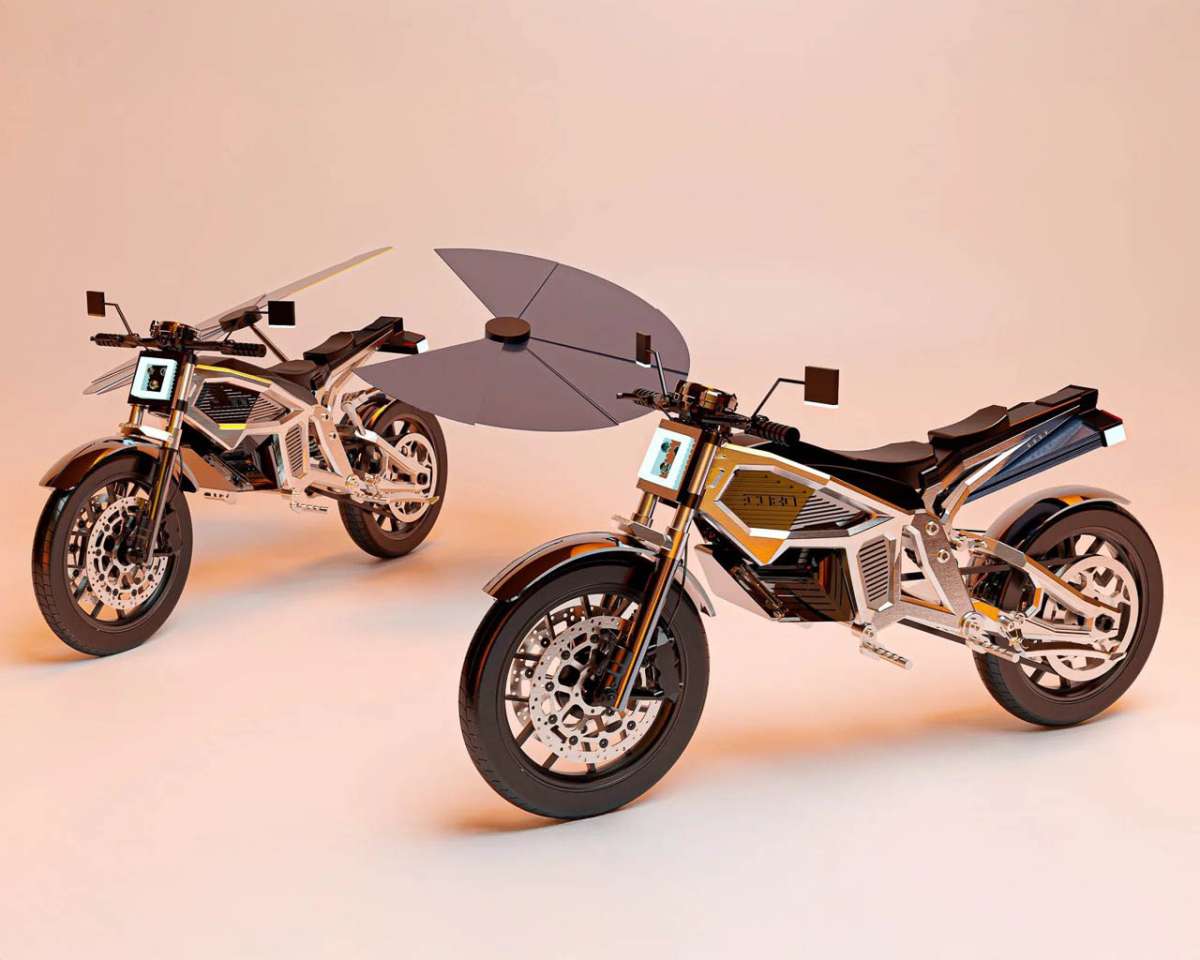
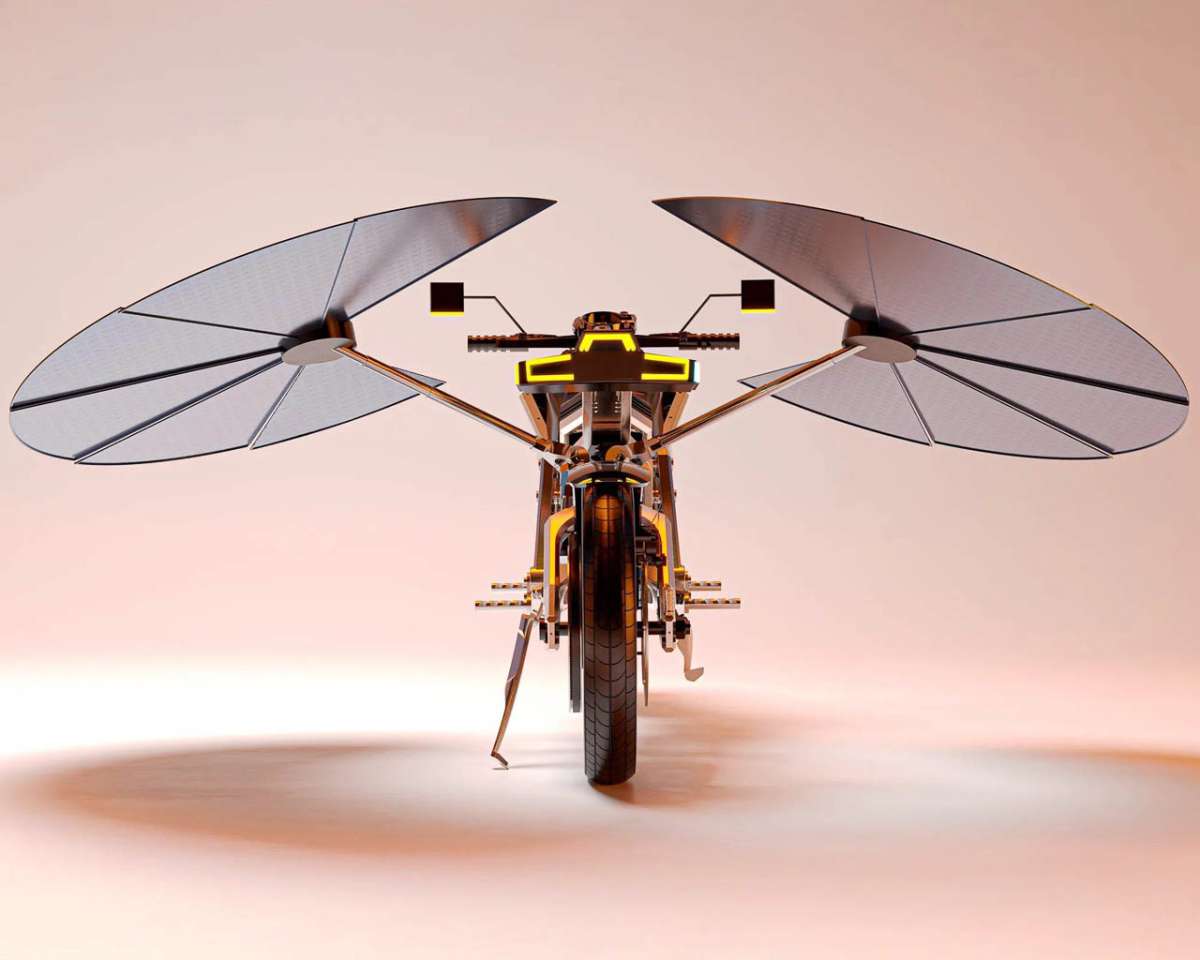
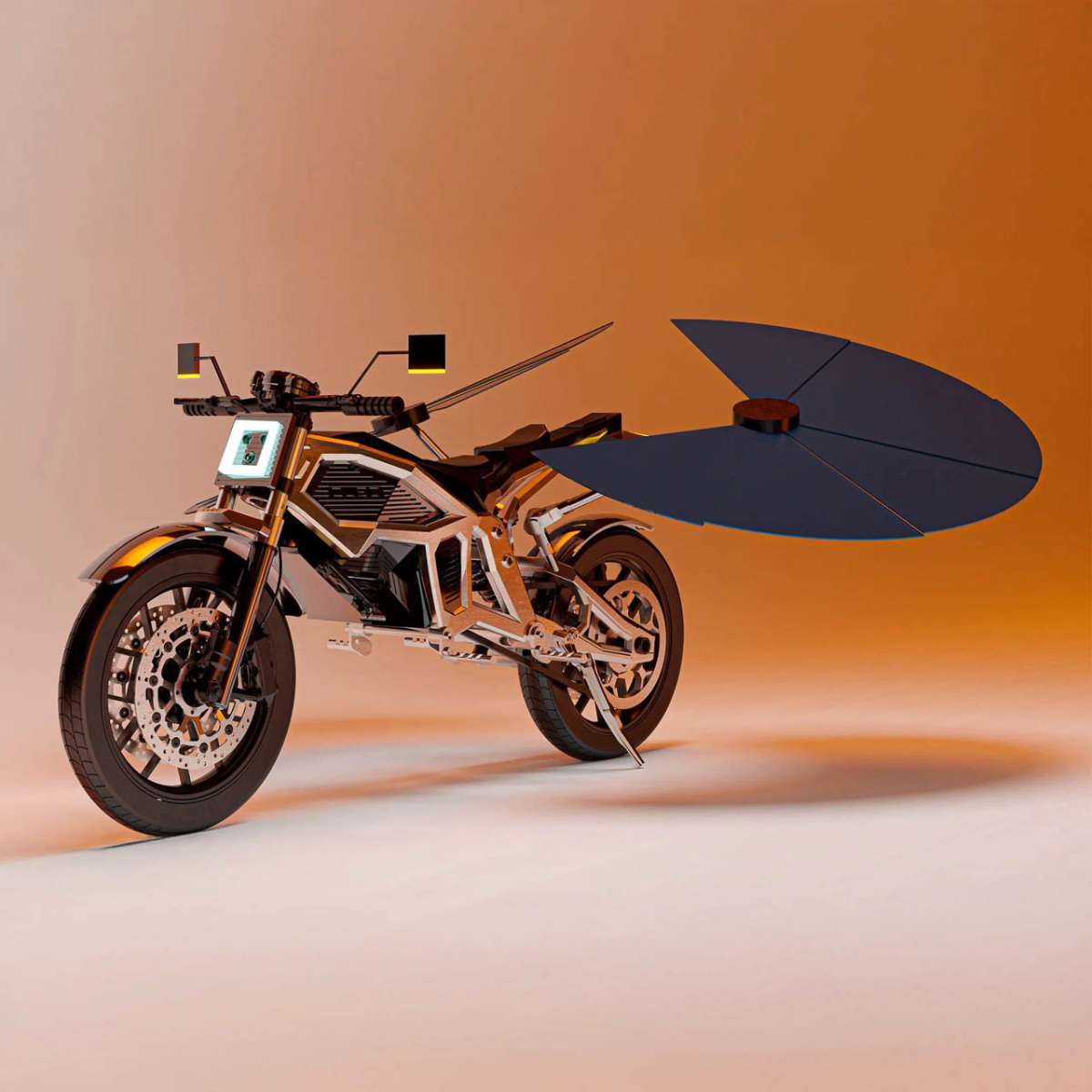
The Solaris hides its most striking feature until you need it. Tucked beneath the tail section, a pair of photovoltaic wings wait in a low-profile configuration that preserves the motorcycle’s aggressive silhouette. When parked, these wings deploy outward in a circular radial pattern, transforming the stationary bike into what looks like a mechanical flower opening toward the sun. According to MASK Architects, this circular geometry captures up to 150% more solar energy than conventional flat panels, though the firm has not disclosed the specific methodology behind that efficiency claim.
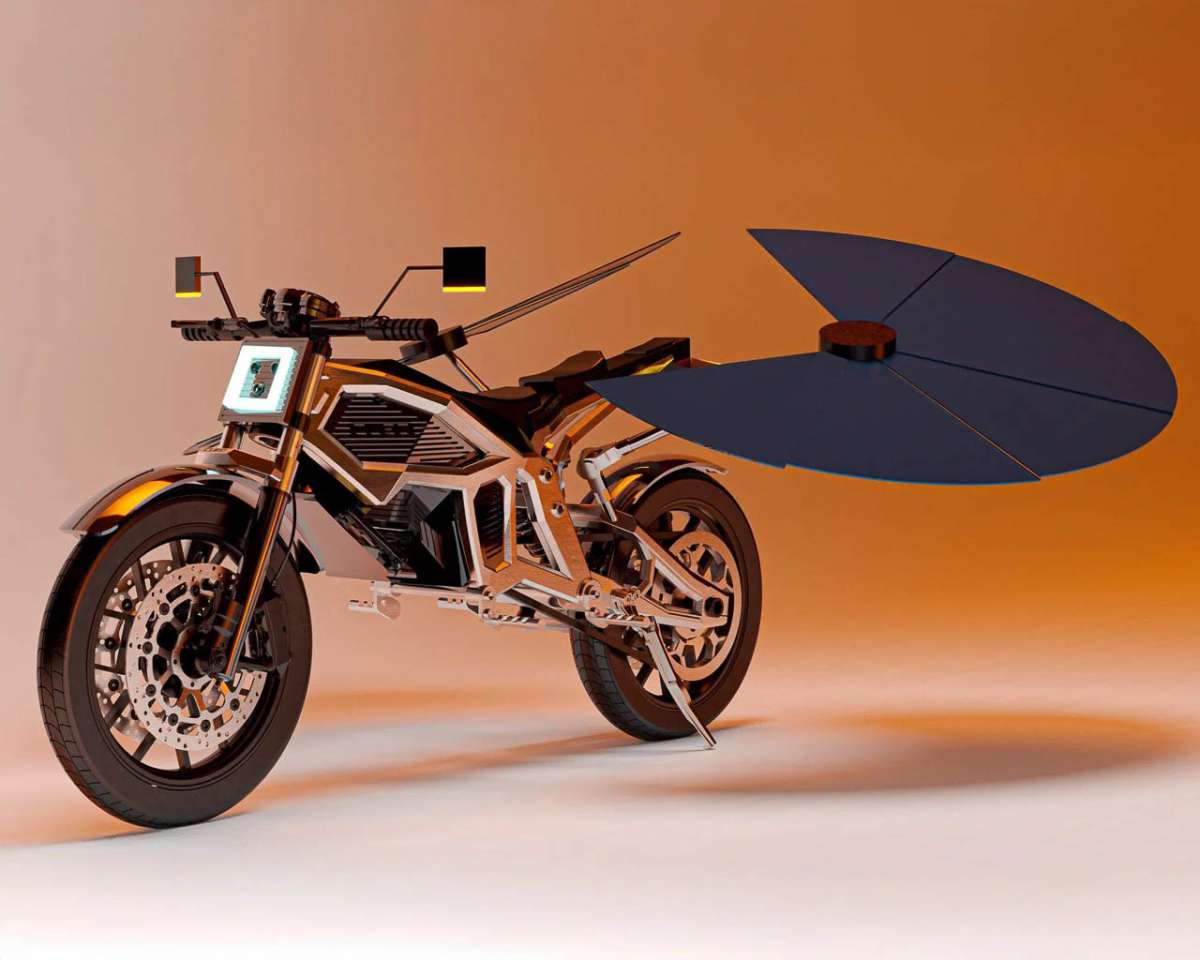
The deployment mechanism itself represents careful engineering compromise. Solar panels need surface area to generate meaningful power, but motorcycles demand compactness for maneuverability. By designing wings that fold completely beneath the seat, MASK Architects achieved both goals. When retracted, you would struggle to identify this as a solar-powered vehicle at all.
The visual transformation from aggressive adventure bike to energy-harvesting station happens only when the rider decides the bike needs charging. Park for lunch, deploy the wings, eat while the battery gains range. The ritual reframes waiting as productive rather than frustrating, turning a limitation of electric motorcycles into a feature that aligns with how adventure riders actually travel.
Supporting Energy Architecture
Solar collection addresses only half the energy equation. The Solaris pairs its photovoltaic system with regenerative braking technology, capturing kinetic energy during deceleration and feeding it back into the battery pack. This dual-source approach means the motorcycle harvests energy both when moving (through braking) and when stationary (through solar). MASK Architects suggests this combination could theoretically enable unlimited range under ideal conditions, though that claim requires significant caveats.
Real-world solar charging depends on variables no designer can control. Cloud cover reduces output dramatically. Winter sun angles in northern latitudes provide a fraction of equatorial intensity. Parking in shade eliminates solar gains entirely. The Solaris works best as a range extender rather than a primary charging solution, adding meaningful distance during lunch stops or overnight camps rather than replacing grid charging entirely. For adventure touring, where stops for rest and exploration come naturally, this limitation matters less than it might for commuting.
Design Analysis: Biomimicry Meets Function
The Leopard in the Machine
MASK Architects describes the Solaris design language as biomimicry, specifically drawing inspiration from leopards. This influence appears in the angular yet organic body lines that create visual tension between mechanical precision and natural fluidity. Where most electric motorcycles adopt either aggressive sportbike aesthetics or utilitarian adventure styling, the Solaris occupies unusual territory: predatory grace rendered in aluminum and carbon fiber.
The biomimicry extends beyond surface aesthetics into structural philosophy. Leopards balance power with efficiency, speed with endurance. They represent a highly optimized hunting machine shaped by evolutionary pressure. MASK Architects applied similar thinking to the Solaris, treating every component as subject to both functional and aesthetic refinement.
The result feels alive in a way most concept vehicles do not manage. Stand beside the Solaris in renders and you sense intentionality in every line, every junction, every negative space. Whether that presence survives translation to physical prototype remains to be seen, but the design ambition is unmistakable.
Exposed Structure as Design Statement
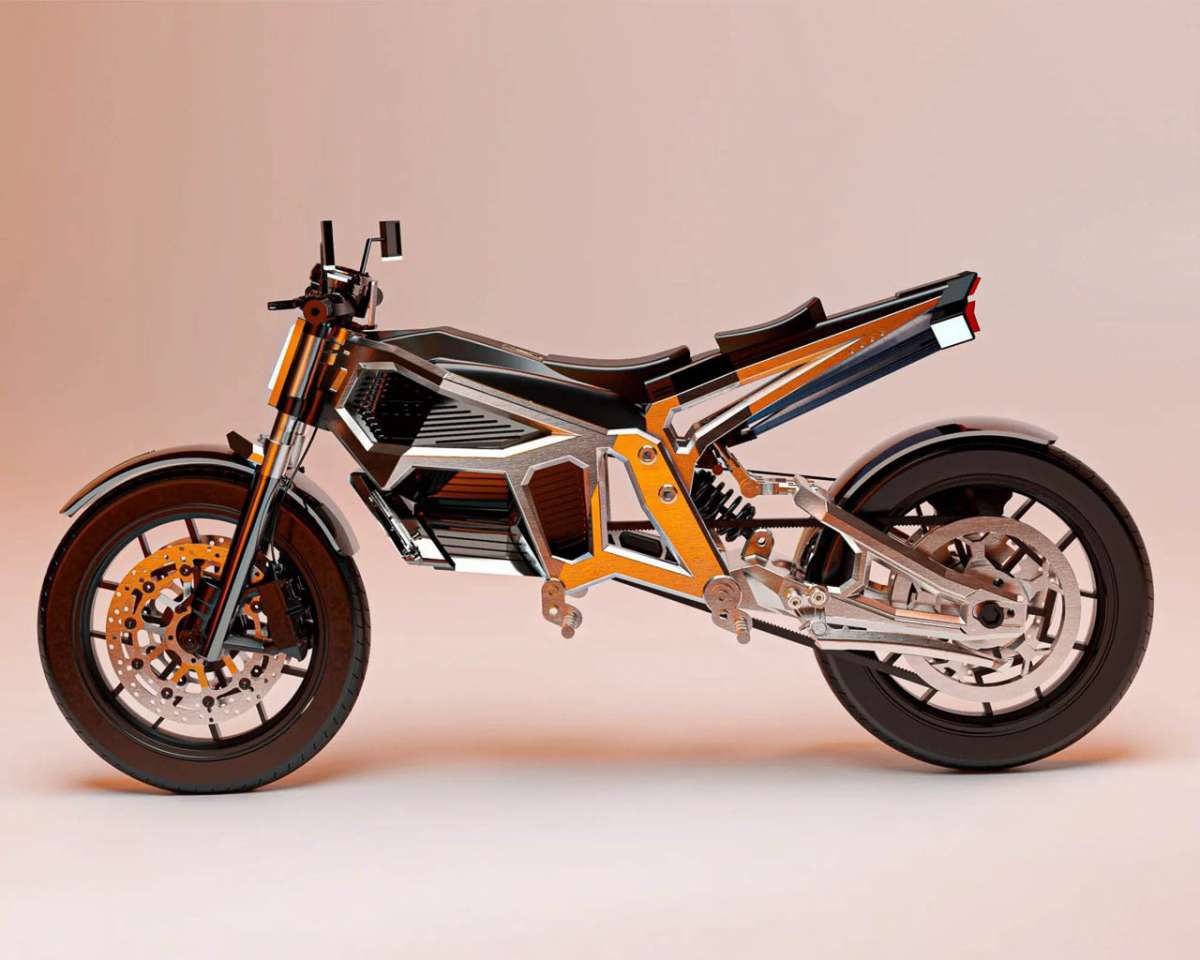
The aluminum-carbon composite frame sits partially exposed, visible through minimal bodywork that covers only what absolutely requires covering. This approach serves multiple purposes. Visually, it communicates engineering integrity and mechanical honesty. Functionally, it reduces weight while showcasing the material quality that justifies premium positioning. The lightweight aluminum swingarm continues this philosophy, left visible as a structural sculpture connecting the chassis to the rear wheel.
Carbon fiber appears sparingly, concentrated in the tail section where its combination of stiffness and lightness provides the most benefit. The restraint here matters. Where some electric motorcycle concepts drown themselves in carbon weave patterns, the Solaris uses carbon as accent rather than primary surface. The material hierarchy reads clearly: aluminum dominates, carbon supports, and minimal plastic bodywork floats above both.
Lighting as Integrated Sculpture
The LED lighting package demonstrates how functional requirements can enhance rather than compromise design intent. A square headlight defines the front face, departing from the rounded shapes that dominate motorcycle lighting. This geometric choice connects to the angular body language established throughout the design. Integrated indicators in the side-view mirrors continue the squared-off theme, creating visual consistency from front to rear.
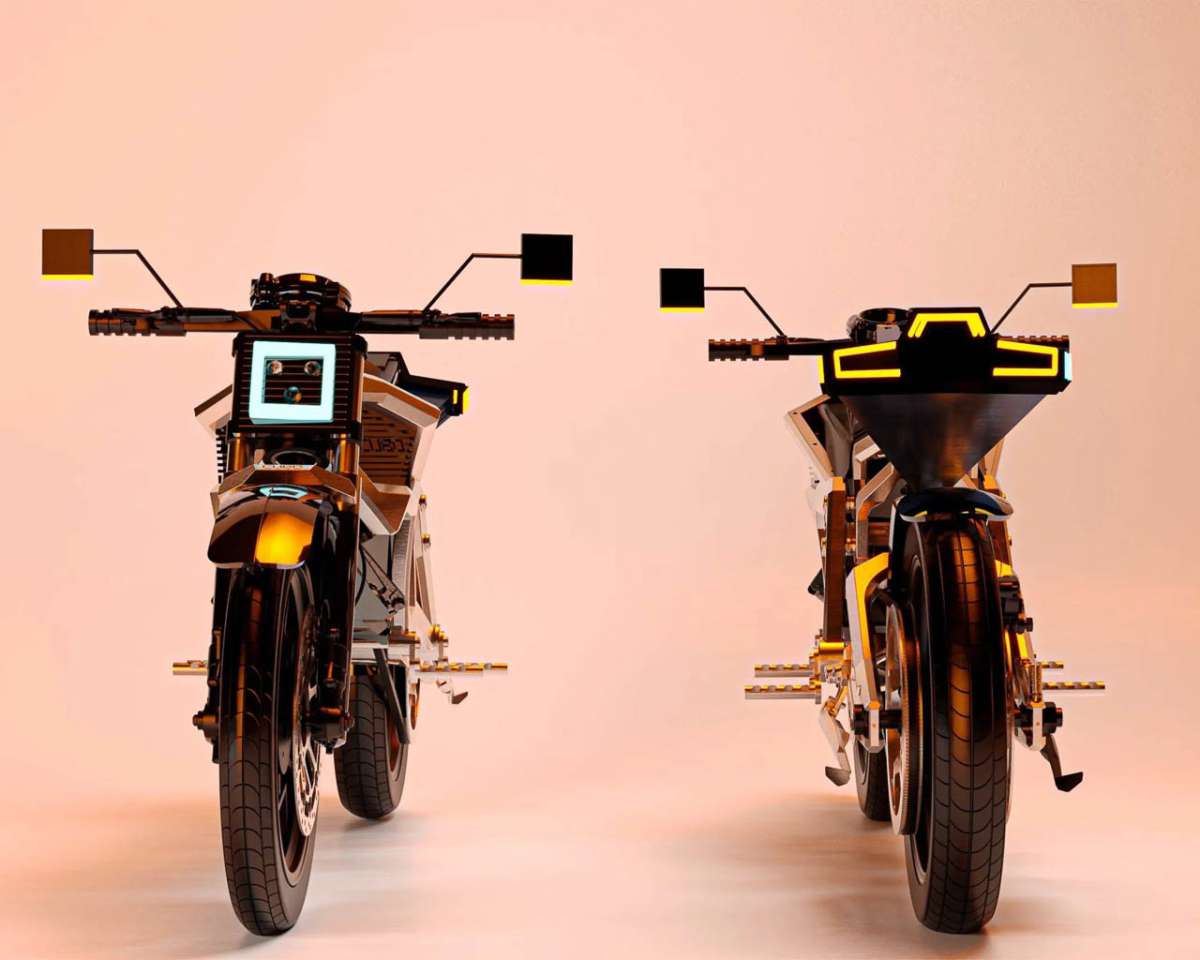
The tail light shares this rectangular vocabulary, positioned to read as a design element rather than a regulatory afterthought. Most motorcycles treat lighting as necessary equipment to be minimized and hidden. The Solaris treats it as an opportunity for visual signature.
At night, the lighting package would create a distinctive appearance recognizable from any angle. During the day, those same fixtures read as deliberate design choices rather than regulatory compliance. The consistency matters because it signals confidence in the overall vision.
Technical Foundation
Powertrain and Chassis
MASK Architects specifies a high-torque electric motor delivering instantaneous acceleration, though specific output figures remain undisclosed. The absence of horsepower and torque numbers reflects the concept’s current development stage rather than evasiveness. Electric motors deliver their torque characteristics differently than combustion engines, and the experience of riding an electric motorcycle often exceeds what specifications suggest. The aluminum-carbon composite chassis prioritizes strength-to-weight ratio, essential for both off-road capability and the efficient use of available battery capacity.
The battery system uses high-capacity lithium chemistry with intelligent energy management, balancing solar input, regenerative capture, and motor demands across varying terrain and riding conditions. Again, specific capacity figures are not available. What matters more than raw numbers is the integration: the battery serves not as a separate component but as part of the overall energy ecosystem that includes solar collection and kinetic recovery.
Observable Design Features
Beyond the major systems, the Solaris includes details that reveal thoughtful development. A front mud guard protects the rider and electronics from debris, essential for any motorcycle claiming off-road capability. Zero-drag handlebars minimize wind resistance while maintaining the upright riding position adventure touring demands. An integrated aluminum kickstand matches the exposed frame aesthetic rather than appearing as a bolted-on afterthought.
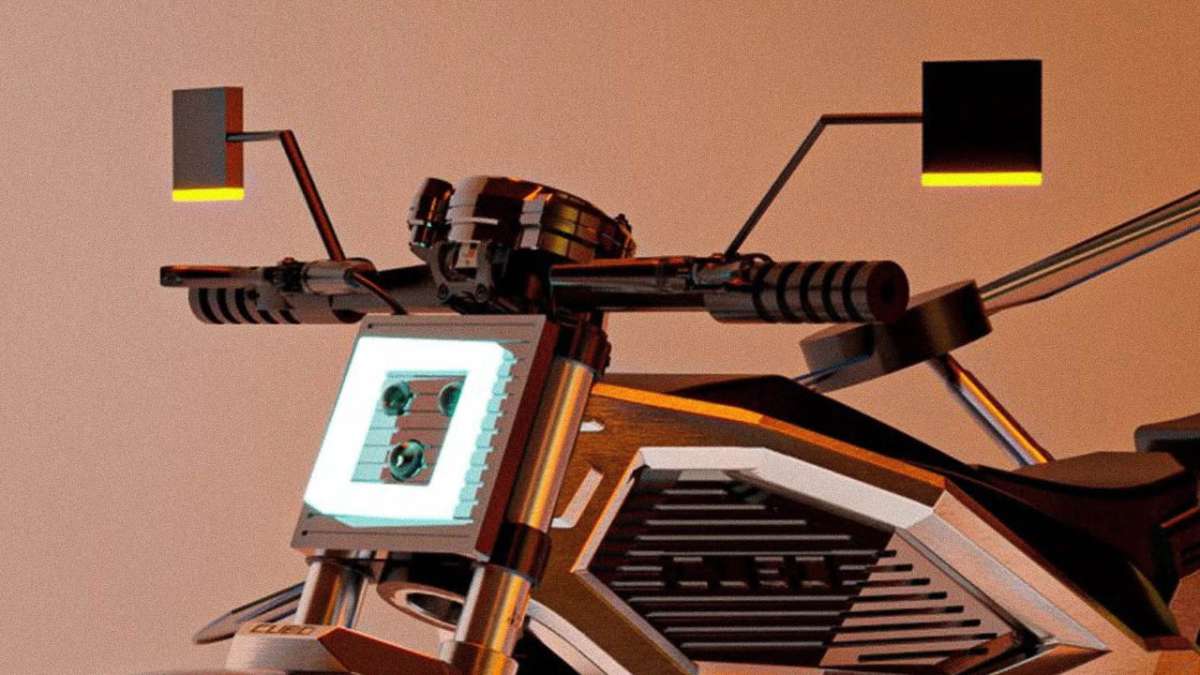
The digital cockpit provides performance metrics and presumably solar charging status, though interface details remain unpublished. Optional app connectivity suggests the kind of smartphone integration now standard in premium motorcycles, allowing riders to monitor charging progress remotely or plan routes based on available sunlight. The side-view mirrors demonstrate attention to proportion, appearing intentional rather than regulatory compliance.
The Production Question
Who Makes This Real?
MASK Architects is fundamentally an architectural firm, not a motorcycle manufacturer. Öznur Pınar Cer and Danilo Petta lead the studio with a focus on what they call “Invent and Integrate,” a design philosophy that generates concepts across multiple industries without necessarily bringing them to production themselves. The Solaris exists as a fully realized design, complete with engineering specifications and rendered in convincing detail, but it remains a concept waiting for a manufacturing partner.
This origin creates both opportunity and uncertainty. Architectural thinking brings fresh perspective to motorcycle design, unconstrained by industry assumptions about what adventure bikes should look like. However, the gap between concept render and production vehicle spans thousands of engineering decisions, manufacturing compromises, and safety certifications. Crossing that gap requires resources and expertise MASK Architects does not possess independently.
What Would Production Require?
Bringing the Solaris to market would demand partnership with an established motorcycle manufacturer or substantial independent investment. The solar system alone requires validation: does the 150% efficiency claim hold across real-world conditions? How does the deployment mechanism survive vibration, dust, and impacts? What happens when a rider drops the bike on the panel side? These questions multiply across every system. The answer likely involves simplification and compromise that would alter the concept’s purity.
The electric motorcycle market remains small but growing, with established players including Zero, Energica, and LiveWire competing for early adopters. A solar-charging adventure bike would carve out genuinely unique positioning, assuming the technology performs as promised.
The rider willing to wait for solar charging rather than seek outlets represents a specific demographic: patient, environmentally motivated, and drawn to technical novelty. Whether that demographic supports production volumes remains uncertain. The answer probably depends less on the Solaris itself than on broader shifts in adventure riding culture and charging infrastructure development.
Looking Forward
The Solaris demonstrates that electric motorcycle design has not exhausted its possibilities. MASK Architects found genuinely new territory in the solar-charging adventure segment, creating a concept that addresses real limitations in existing electric motorcycles through elegant mechanical and visual solutions. Whether this particular design reaches production matters less than what it represents: proof that fresh thinking applied to mature product categories can still yield surprising results. The motorcycle industry would benefit from manufacturing partners willing to take the Solaris from render to road.
Specifications
| Frame | Aluminum-carbon composite |
| Swingarm | Lightweight aluminum |
| Motor | High-torque electric (output undisclosed) |
| Battery | High-capacity lithium with intelligent management |
| Charging | Retractable circular solar array + regenerative braking |
| Solar Efficiency | Up to 150% vs. conventional flat panels (claimed) |
| Lighting | Full LED: square headlight, tail light, mirror indicators |
| Cockpit | Digital display with performance metrics |
| Connectivity | Optional app integration |
| Additional Features | Front mud guard, zero-drag handlebars, integrated aluminum kickstand |
| Status | Concept only |
| Designer | MASK Architects (Öznur Pınar Cer and Danilo Petta) |
| Design Philosophy | Biomimicry inspired by leopards; “Invent and Integrate” approach |