A new chip can make headlines. A camera that lets you skip printing the photo where everyone blinked might do more for your next family gathering. October’s gadget news had room for both, along with a security camera that screws into a porch-light socket and a power bank that doubles as a campsite light.
These ten picks from The Gadgeteer’s October 2026 coverage range from Apple’s M6 computers to Waffle Home’s take on the family phone. Some update familiar hardware; others give an everyday device a different job. Logitech’s Developer Edition mouse, for instance, puts the change on the shell rather than adding features over the standard model.
These are products announced or covered in October, not ten devices that all reached stores that month. Some won’t arrive until November. Here’s what each offers, who it’s for, and which compatibility requirements or ongoing costs you’ll need to factor in.
1. Apple M6 MacBook Pro and iMac offer two approaches to computing
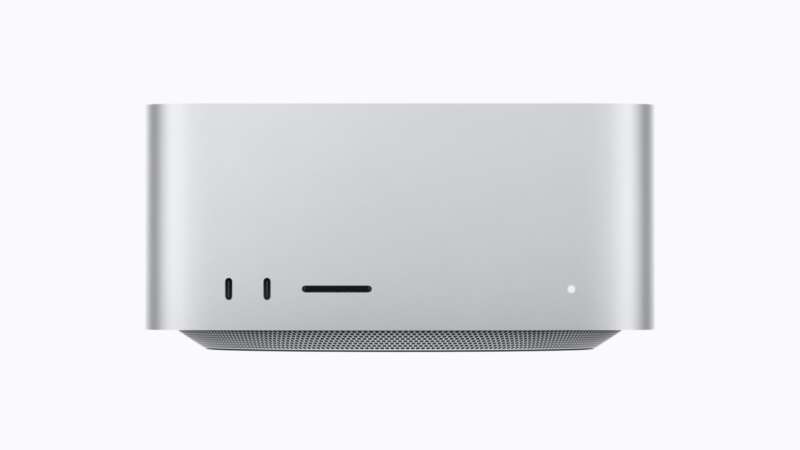
Replacing an aging computer often means choosing between portability and a permanent workspace. Apple’s October 27 announcement introduced M6-powered versions of the 14-inch MacBook Pro and 24-inch iMac, giving buyers updated options for both.
The MacBook Pro starts at $1,999 with 16GB of memory, a 1TB SSD, and a 12-core CPU and GPU. Its Liquid Retina XDR display makes it suitable for users who need a portable computer for demanding work.
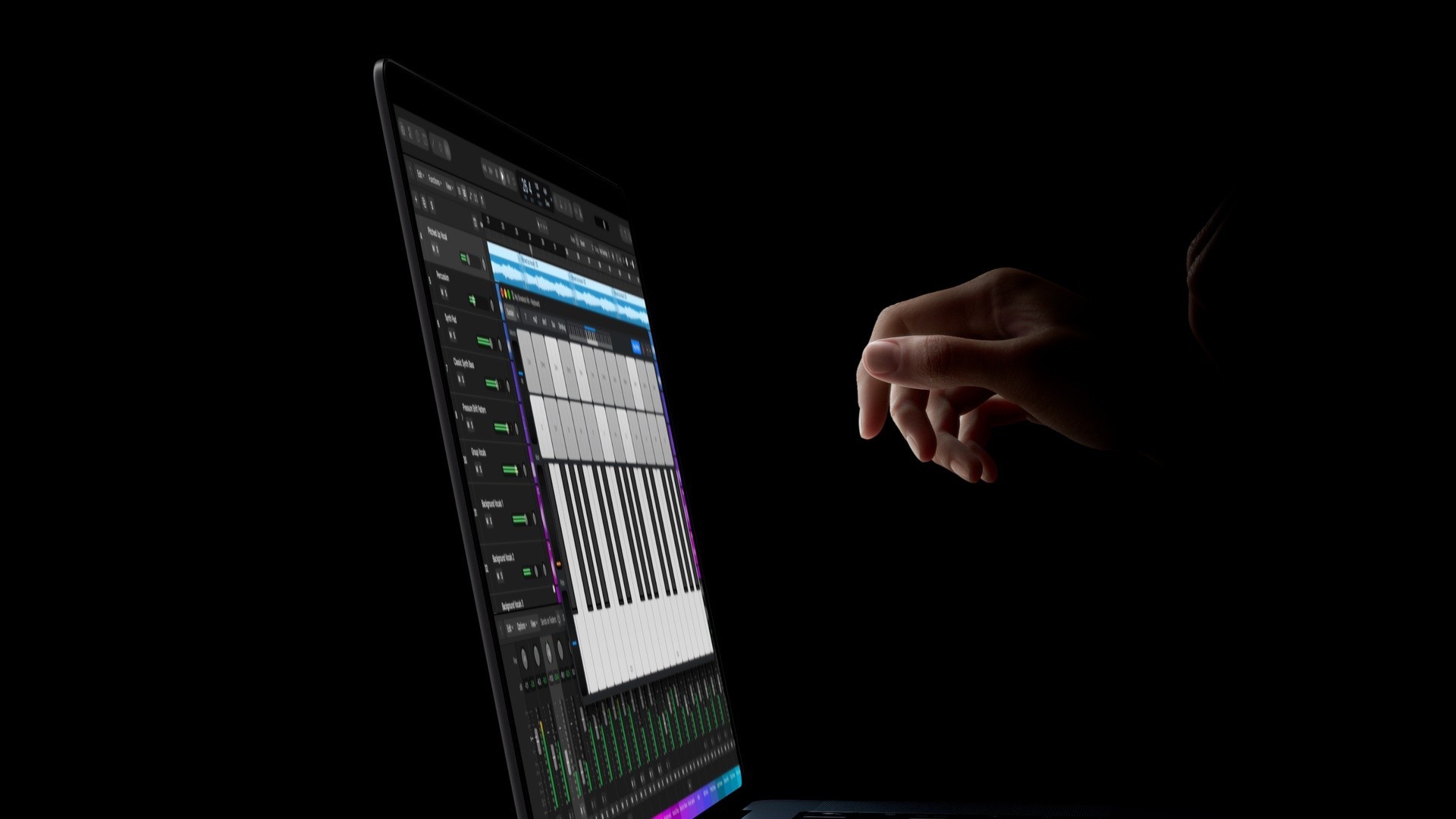
Price: M6 MacBook Pro from $1,999; M6 iMac from $1,499 (US; preorders October 28, availability November 6)
Where to buy: Apple — MacBook Pro | Apple — iMac
The M6 iMac starts at $1,499, combining a 4.5K display with the computer itself. A $1,699 configuration adds processing cores, ports, and support for additional external displays.
Both introduce Wi-Fi 7 and Bluetooth 6, with US availability scheduled for November 6.
Apple’s performance and battery estimates are manufacturer claims. The base iMac’s 256GB storage is another consideration for users managing large media libraries.
These Macs are most relevant to people replacing older computers, particularly when their current hardware limits productivity.
Read The Gadgeteer’s Apple coverage.
2. Fujifilm Instax Mini Evo 2 makes instant photography less wasteful
Instant photography becomes expensive when unsuccessful pictures consume film. Fujifilm’s Instax Mini Evo 2 addresses that frustration by capturing photographs digitally before users choose which images to print.
Announced in October, the hybrid camera introduces a 4.5-inch touchscreen, 100 lens and film effect combinations, and Expanded View for checking the surrounding scene while composing photographs.
Its Immersive Movie feature records the four seconds before a picture is taken, preserving brief movement associated with the still image. A compatible microSD card is required.

Price: $299.95
Where to Buy: B&H
The camera can also print smartphone photographs through the Instax Mini Evo app, extending its usefulness beyond pictures captured with its built-in lens.
Fujifilm’s suggested US retail price is $289.95, with availability expected in late November. Retailer pricing may differ, and film and memory cards are additional expenses.
The Mini Evo 2 suits photographers who enjoy physical prints but want greater control over which pictures use film.
Read The Gadgeteer’s Fujifilm coverage.
3. Google Fitbit Edge brings a larger screen to fitness tracking
Basic fitness bands can feel restrictive when their displays are too small for useful workout information. Full-sized smartwatches offer more functions, but their size and charging requirements aren’t ideal for everyone.
Google’s Fitbit Edge, announced October 12, occupies the space between those categories. Starting at $179.99, it combines a larger OLED display with built-in GPS, an altimeter, health sensors, and more than 50 exercise modes.

Price: $179.99
Where to Buy: Amazon
Google rates battery life at up to seven days and has introduced a replaceable battery design intended to improve long-term serviceability.
The Edge lacks NFC payments. Independent testing found substantially improved GPS, although heart-rate tracking was less consistent during some workouts.
Some advanced health coaching functions also require Google Health Premium, while certain health features depend on regional availability.
The Fitbit Edge is worth considering for people who want a compact fitness tracker with a readable display. Buyers who rely on contactless payments should look elsewhere, while those focused on workout heart-rate accuracy should weigh the reported tracking inconsistencies.
Read The Gadgeteer’s Fitbit Edge coverage.
4. Sony ECM-AX10 brings spatial audio recording to smartphones
Smartphones can capture impressive video, but their built-in microphones may struggle to convey the sound of a busy environment. Concerts, sporting events, and crowded streets often need more than clear speech recording.
Sony’s ECM-AX10 uses four omnidirectional microphone capsules and three recording modes to capture spatial audio through compatible USB-C smartphones.

Price: $249.99
Where to Buy: Sony
Announced in October at $249.99, the microphone is intended for creators who want environmental sound to contribute to their videos.
Its usefulness depends partly on software support. Sony scheduled additional 4K functionality in its Spatial Audio Video Tool app for December 2026 or later, meaning the complete advertised workflow was not available at announcement.
The microphone’s design also makes it a specialized purchase. People recording interviews, podcasts, or ordinary video calls may be better served by a simpler directional or wireless microphone.
For smartphone filmmakers interested in immersive environmental recordings, the ECM-AX10 offers a different approach to mobile audio capture.
Read The Gadgeteer’s Sony coverage.
5. Logitech MX Master 4 Developer Edition gives programmers a distinctive mouse
People working across code editors, documentation, and browser windows can benefit from controls that reduce repetitive navigation.
Logitech’s MX Master 4 Developer Edition, introduced October 27 for $119.99, combines the standard mouse’s productivity features with a design aimed at programmers.

Price: $119.99 (US preorder; shipping starts October 30, 2026)
Where to Buy: Logitech — MX Master 4 Developer Edition
Standard edition: MX Master 4 in Graphite on Amazon
Its limited-edition appearance includes circuit-inspired details and computing references. The hardware retains MagSpeed scrolling, an 8,000 DPI sensor, haptic feedback, and the customizable Actions Ring.
Supported shortcuts can be configured through Logi Options+, although functionality depends on the operating system and application.
The important distinction is that this edition is primarily a visual variation. It does not offer a major functional upgrade over the standard MX Master 4.
Existing owners have little reason to replace their mouse solely for the artwork. Developers already planning to purchase an MX Master 4, however, may appreciate the alternative design.
Read The Gadgeteer’s Logitech coverage.
6. Wyze Bulb Cam Pan Color simplifies outdoor security installation
Installing an outdoor security camera can involve drilling, cable routing, or regularly charging batteries. A device that uses an existing light socket offers a simpler installation option for compatible homes.
The Wyze Bulb Cam Pan Color combines a 2.5K camera, motorized pan-and-tilt movement, and adjustable lighting in one device.
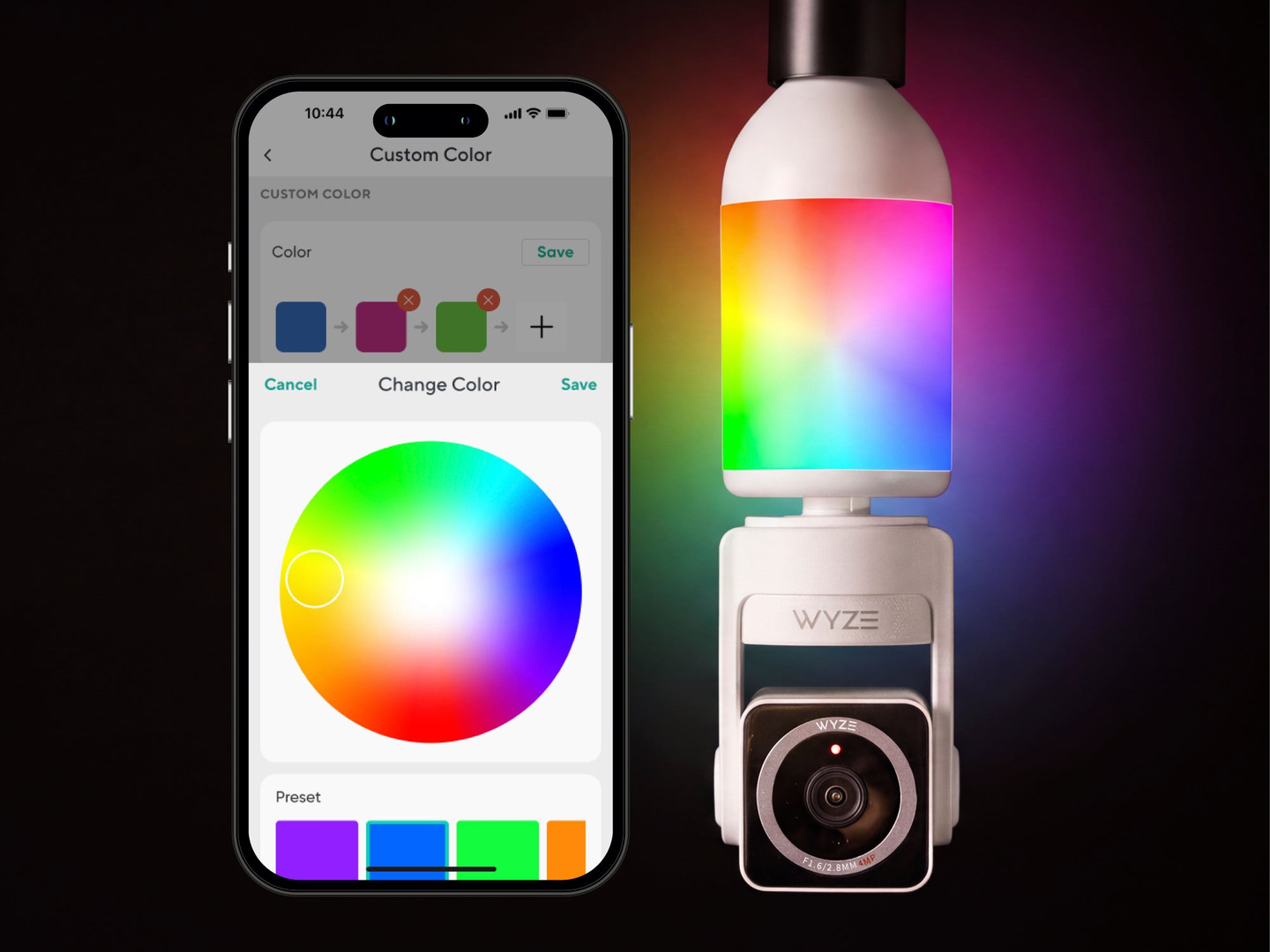
Price: $99.98
Where to Buy: Amazon
Launched at $99.98, it supports movement tracking for people, pets, and vehicles. The integrated light provides up to 1,100 lumens.
Installation requirements are important. The camera needs continuous power and a suitable open E26 fixture that does not obstruct its movement or view. Switching off the socket also removes power from the camera.
The camera portion carries an IP65 rating, but the bulb is rated for damp locations. The complete installation should not be treated as waterproof.
Local recording requires a separately purchased microSD card, while cloud storage and certain AI notifications involve subscription costs.
The Wyze is worth considering for homeowners with compatible porch lighting who want to avoid installing a separate powered camera.
Read The Gadgeteer’s Wyze coverage.
7. INIU Outdoor Rugged 10000 combines charging with camping utility
Ordinary power banks are convenient indoors, but exposed ports and limited mounting options can make them less practical outdoors.
The INIU Outdoor Rugged 10000 combines a 10,000mAh battery with covered USB-C ports, an integrated light, a detachable carabiner, and a tripod mounting thread.
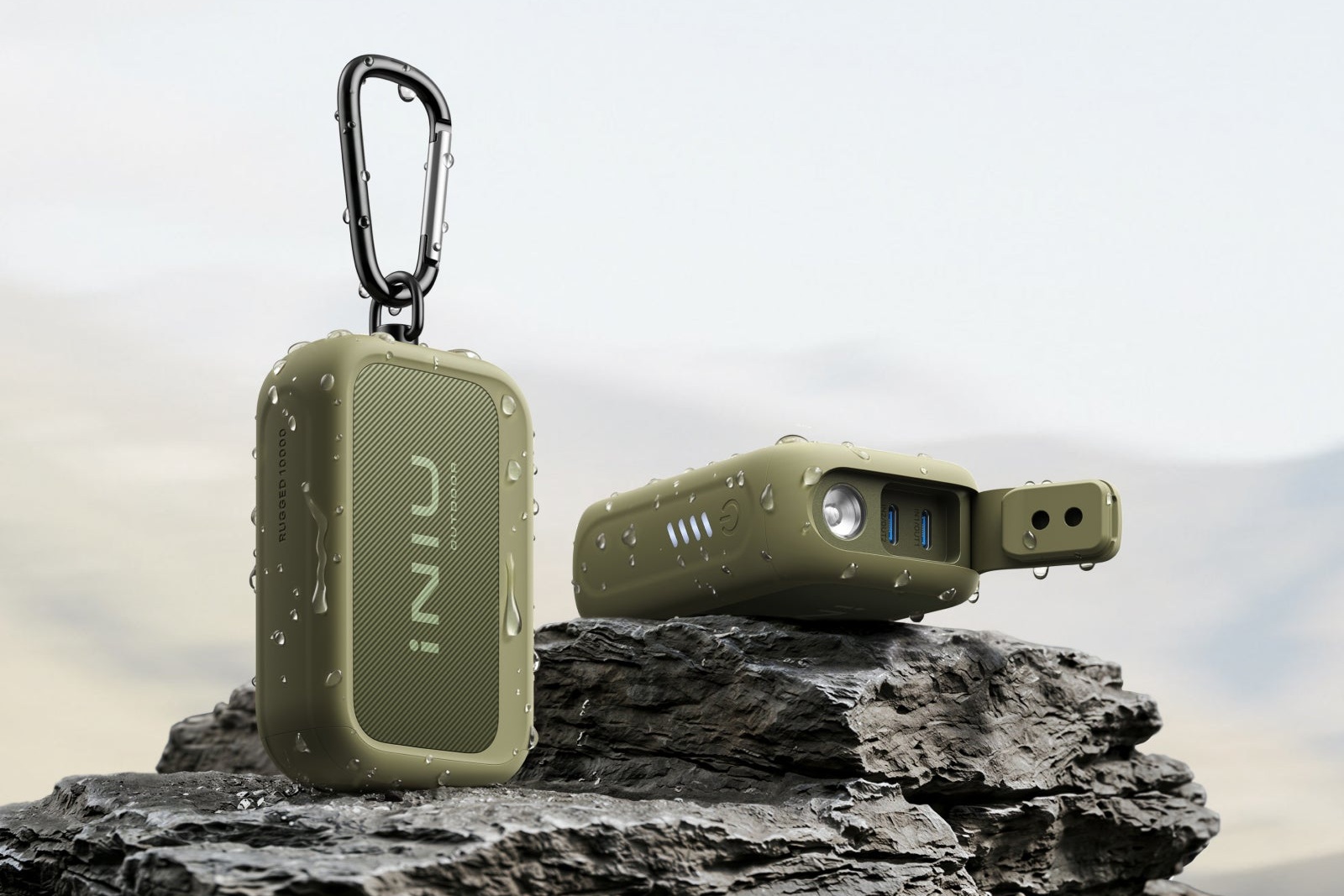
Price: $54.99
Where to Buy: Amazon
Its maximum rated output is 45W when charging one device. Connecting two devices reduces combined output to 15W, divided equally between the ports. Input charging is limited to 20W.
The IP67 rating also has an important condition: the port cover must be completely closed. That protection should not be assumed while charging through exposed connections.
At approximately 6.9 ounces, the power bank is portable enough for a daypack. Its white and red lighting modes and mounting options provide additional campsite utility.
The $54.99 launch price makes it an option for campers and hikers who want more than a basic battery, provided they understand its charging limitations.
Read The Gadgeteer’s INIU coverage.
8. Samsung Galaxy Buds On keep listeners aware of their surroundings
Traditional earbuds can isolate listeners from nearby activity, which isn’t always desirable during walks, commuting, or conversations.
Samsung’s Galaxy Buds On use a clip-on, open-ear design that leaves the ear canal unobstructed. Announced in October for early-November US availability, they are priced at $229.

Price: $229 (Black, U.S.)
Where to buy: U.S. availability begins in early November. Samsung product details
Each earbud weighs approximately 6.65 grams and carries an IP54 rating. Samsung also includes automatic volume adjustment, call-processing features, and voice memo controls.
Some functions require compatible Galaxy devices and specific software versions. Automatic volume adjustment, for example, requires One UI 8.5 or later.
Samsung rates playback at up to 9.5 hours per charge and 38 hours with the case, although actual battery life will depend on use.
The open design also means buyers should not expect the sound isolation of sealed earbuds with active noise cancellation. The Galaxy Buds On suit Galaxy users who prioritize environmental awareness over isolation.
Read The Gadgeteer’s Samsung coverage.
9. McDonald’s and Lenovo turn Happy Meal toys into a French fries mouse
Not every desk accessory needs to look like office equipment. McDonald’s China and Lenovo’s Fry Mark takes the shape of a red French fries carton, complete with yellow fries and the Golden Arches. Underneath that familiar packaging is a working wireless mouse.
It connects over Bluetooth or 2.4GHz wireless and offers three pointer sensitivity settings. The included felt carrying pouch unfolds into a mouse pad shaped like a green McDonald’s serving tray, so the theme follows you across the desk.
The housing uses recycled plastic recovered from old Happy Meal toys. That’s an unusual second life for the material, though it doesn’t make the electronics and battery recycled or establish the complete device’s environmental impact.

Price: 99 yuan
Where to Buy: McDonalds
McDonald’s China offered 4,000 sets across October 22 and 23, with an original promotional price of 99 yuan plus 18 membership points. The promotion was restricted to mainland China and has ended; The Gadgeteer’s October 28 coverage reported no announced US release or additional production.
For collectors and fans of playful desk gear, the fries-carton design is the draw. Treat it as a limited promotional collectible, not a readily available replacement for your everyday mouse.
Read The Gadgeteer’s McDonald’s and Lenovo coverage.
10. Waffle Home offers children a simpler way to stay connected
Parents often want children to communicate with family members without giving them unrestricted access to a smartphone.
Waffle Home addresses that concern with a Wi-Fi communication device designed for children ages five to twelve. US preorders opened in October at $119, with shipping scheduled to begin October 30.
The device supports calls and voice messages with parent-approved contacts while excluding general web browsing and social media.

Price: $119.99
Where to Buy: Best Buy
A free service plan includes Waffle-to-Waffle calling, one approved outside contact, and a listed allowance of 400 minutes per month. The optional $9.99 monthly Home Plus+ subscription adds extended approved contacts and international calling to supported destinations.
Because Waffle Home relies on Wi-Fi, it should not be confused with a cellular phone that works independently across mobile networks. It cannot call 911 if Wi-Fi, internet, or power is down.
Before buying, consider where your child will use it and whether reliable Wi-Fi is available. Keep another working phone available for emergencies.
Waffle Home makes sense for households that want a dedicated communication device without introducing a conventional smartphone.
Read The Gadgeteer’s Waffle Home coverage.
Which gadget from October’s coverage deserves your money?
You don’t need a new Mac to get something out of this month’s lineup. If your porch already has the right open light fixture, Wyze gives that socket a second job. If you’d rather hand someone a photo than send it, Fujifilm lets you choose the shot before using a sheet of film. Those are concrete reasons to buy, even without a faster chip in the conversation.
The tradeoffs can narrow your list just as quickly. INIU’s 45W output drops to 15W shared when you plug in a second device. Waffle Home keeps calls separate from smartphone apps, but it stays dependent on your home’s Wi-Fi and internet connection. And if you already own an MX Master 4, the Developer Edition gives you different artwork, not new capabilities.
Start with the thing you’d actually use. Then check the fit, delivery date, and total cost, including film, storage, or subscriptions. A gadget that earns a place in your daily routine is a better buy than one that only earns a spot in your shopping cart.