Fitness bands are convenient until you need to read workout information on a tiny screen or dig through menus to find a particular feature. Smartwatches solve some of those problems, but they also bring larger cases, higher prices, and more frequent charging.
Price: $179.99
Where to Buy: Google Store
Google’s new Fitbit Edge aims for the middle ground. It brings a larger display, upgraded workout tracking, expanded health monitoring, and a replaceable battery to a device designed to remain smaller than a conventional smartwatch.
Announced on October 12, 2026, the Fitbit Edge starts at $179.99. Preorders are open, with availability scheduled for October 27. Here are five changes that matter for people considering an upgrade.
1. A Bigger Display That Should Be Easier to Use During Workouts
Small screens have always been a compromise with fitness bands. They keep devices lightweight, but checking your pace or heart rate while running can be awkward.
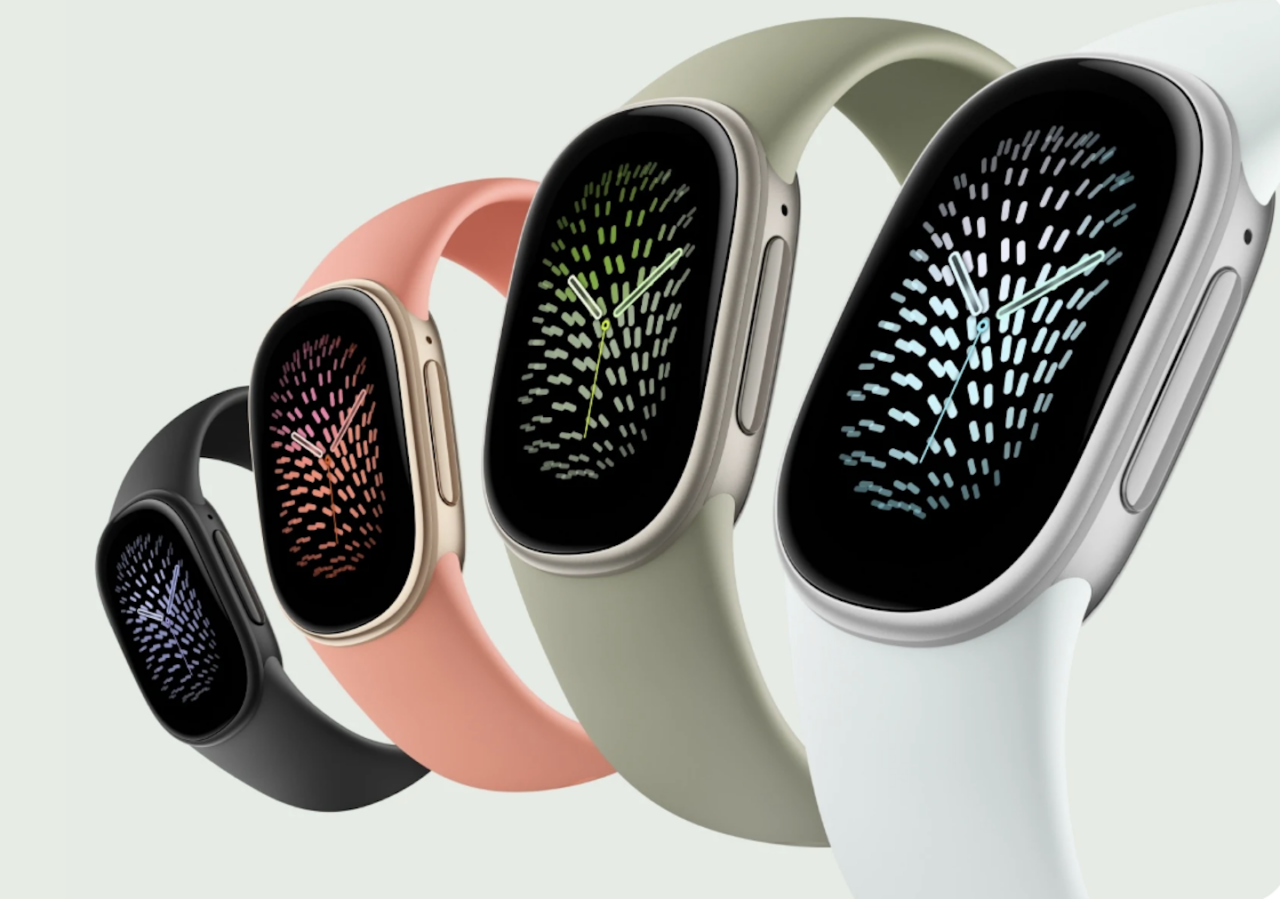
The Fitbit Edge uses a Hybrid OLED display with 46% more viewing area than previous Fitbit trackers, according to Google. Compared with the Fitbit Charge 6, Google specifies a 45% larger screen with more than 40% higher brightness.
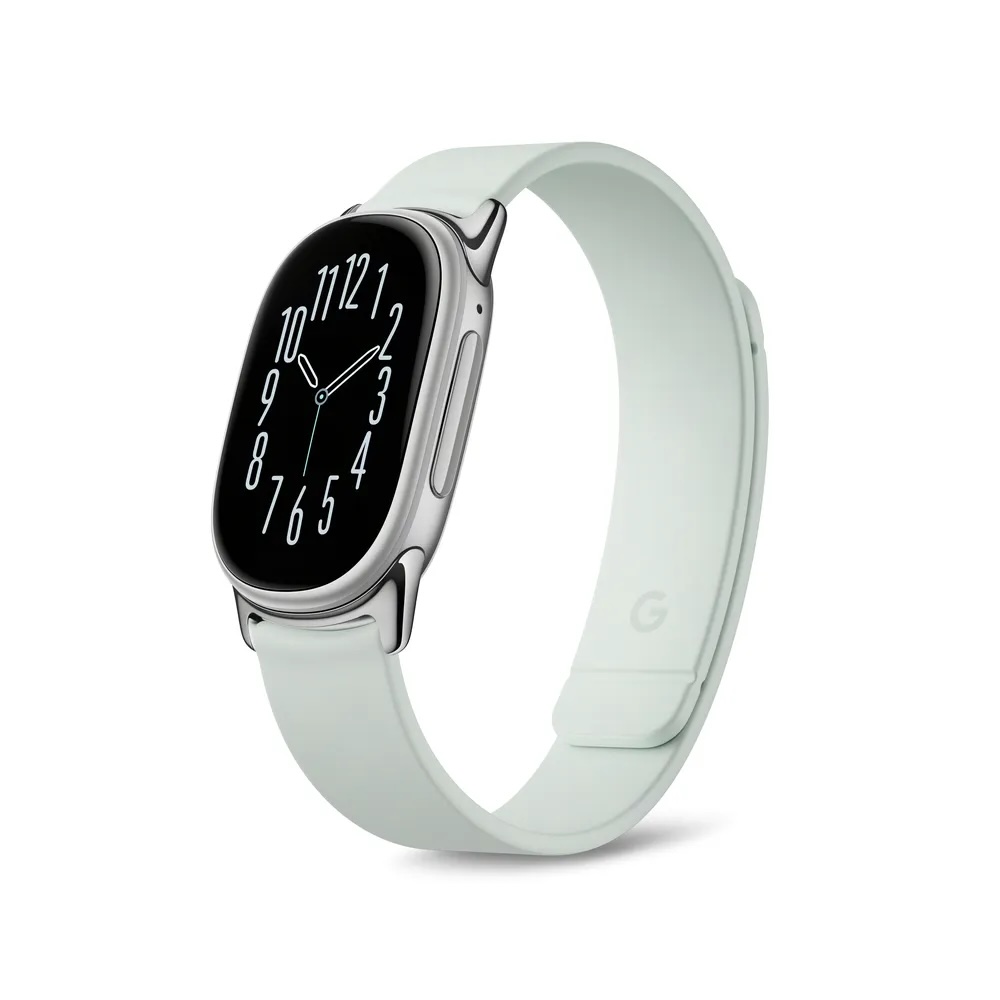
The redesigned interface includes customizable watch faces, information tiles, and a physical side button. These changes should make frequently used features easier to reach, particularly when your hands are sweaty or you are moving.
Media controls and call and message notifications add smartwatch-style convenience, while Google Maps directions are listed as coming soon.
The Edge measures about 11.5mm thick, and Google says its case is 45% lighter than the Apple Watch Series 12. That comparison comes from Google, but the practical question is whether the Edge feels comfortable enough to wear throughout the day and overnight.
For Charge 6 owners who regularly struggle with the display, this is the most immediately noticeable upgrade.
2. More Accurate GPS and Elevation Tracking
GPS accuracy matters when you are training for a race or comparing your running performance over time. If your tracker records inconsistent distances, pace information becomes less useful.
Google says the Fitbit Edge’s upgraded GPS system delivers up to 40% better tracking accuracy than previous generations. Because GPS is built in, you can record outdoor routes without bringing your phone.
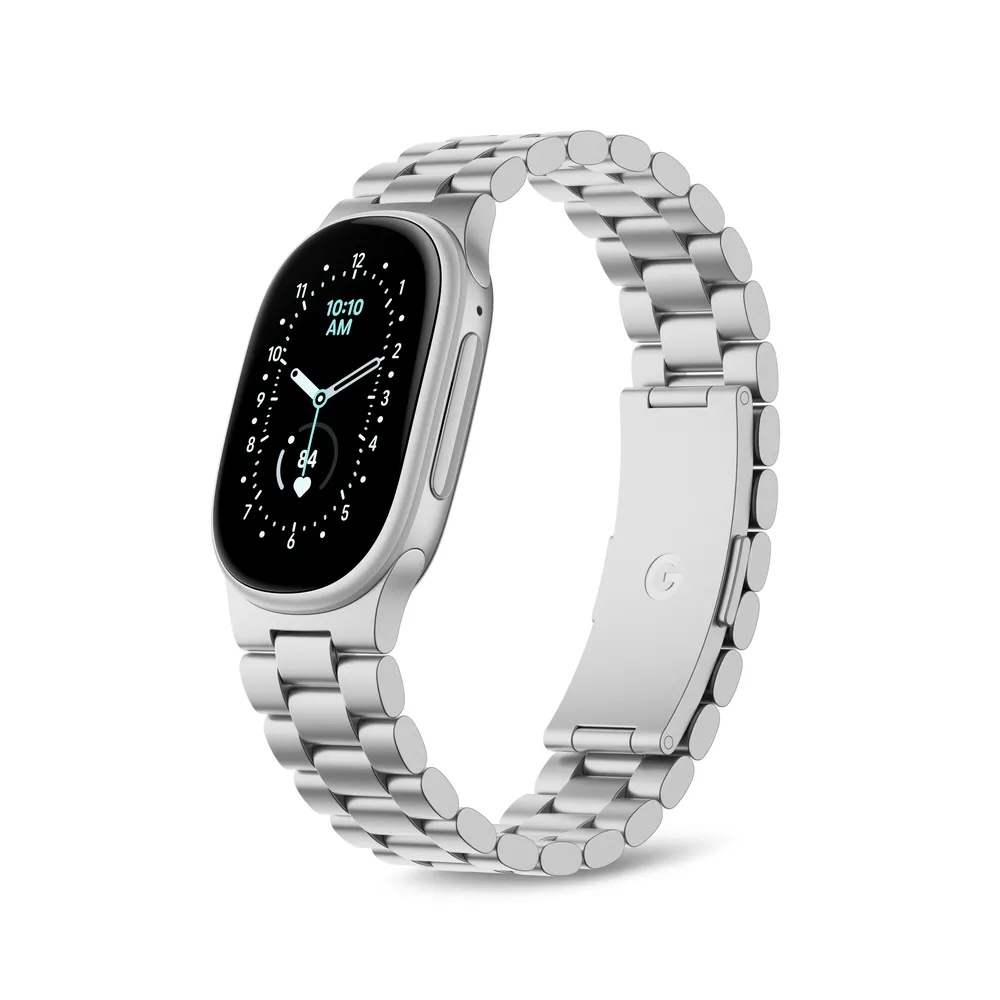
An added altimeter measures elevation changes during activities such as hiking, hill running, and stair climbing.
Google’s launch announcement lists more than 50 exercise modes, with workout screens displaying information such as pace, heart rate zones, and splits.
The up-to-40% figure is Google’s own claim, rather than a guaranteed improvement in every situation.
For runners and hikers, the combination of GPS and elevation tracking is more important than another collection of watch faces. Better route and climbing data can make it easier to compare workouts over time.
3. Automatic Tracking for More Than 100 Activities
Not every workout begins with someone opening an exercise app. Sometimes you take an unexpectedly long walk, play basketball with friends, or spend half an hour exercising without thinking about your tracker.
Google says an automatic activity recognition upgrade will roll out to the Fitbit Edge later in October, expanding detection to more than 100 activity types. The updated system uses activity history and workout patterns to identify exercise without requiring manual recording.
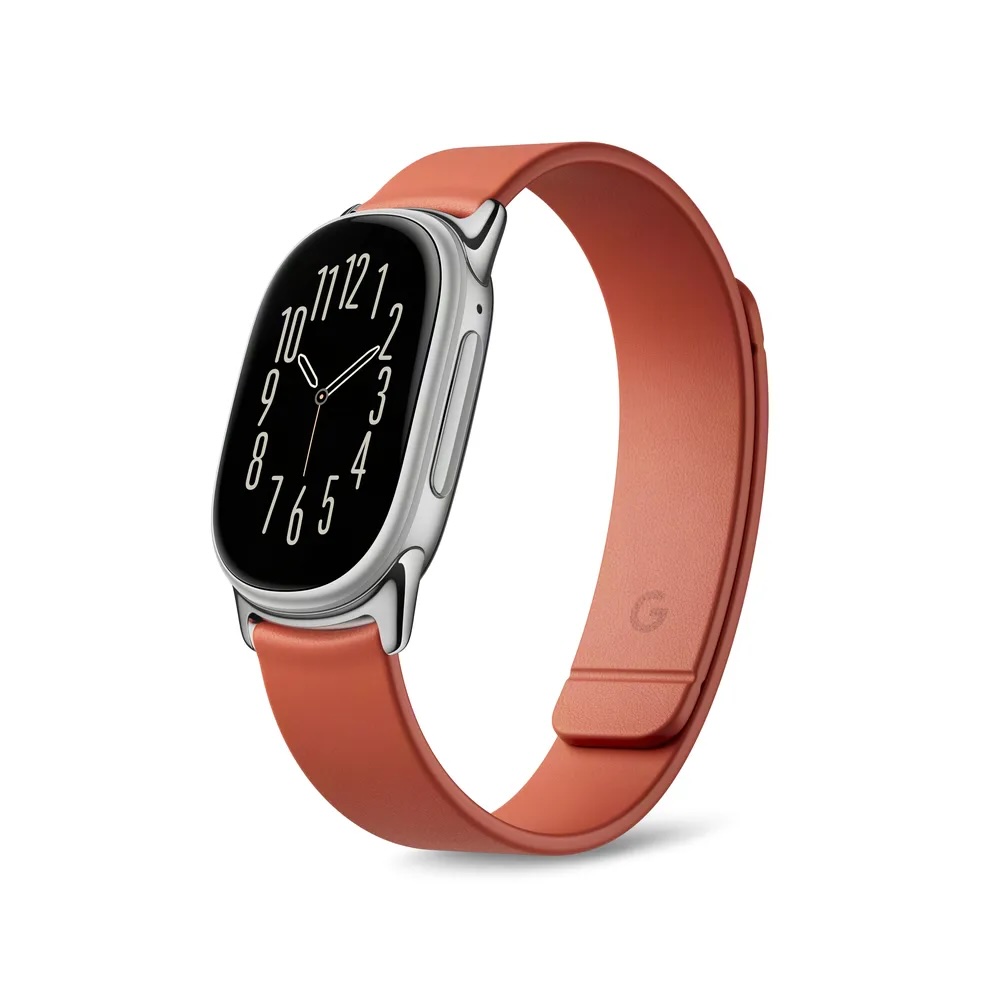
According to Google, the new approach nearly doubles detection accuracy and reduces missed workouts by more than half compared with its previous system.
Those figures describe Google’s reported improvements, not independently verified results. Recognition will still depend on the activity and how consistently the device detects movement and heart rate changes.
Manually selectable exercise modes are separate from the larger number of activities the updated automatic recognition system is designed to identify.
Automatic logging generally requires a minimum workout duration, set to 15 minutes by default, along with a sustained elevated heart rate.
For people who regularly forget to start workout tracking, better automatic recognition could mean a more complete activity history without having to manage every session manually.
4. Expanded Health Monitoring With Google Health Coach
The Fitbit Edge includes continuous heart rate monitoring, an ECG app for assessing heart rhythm, and a dedicated skin temperature sensor. It also records sleep stages, heart rate variability, and overnight recovery measurements.
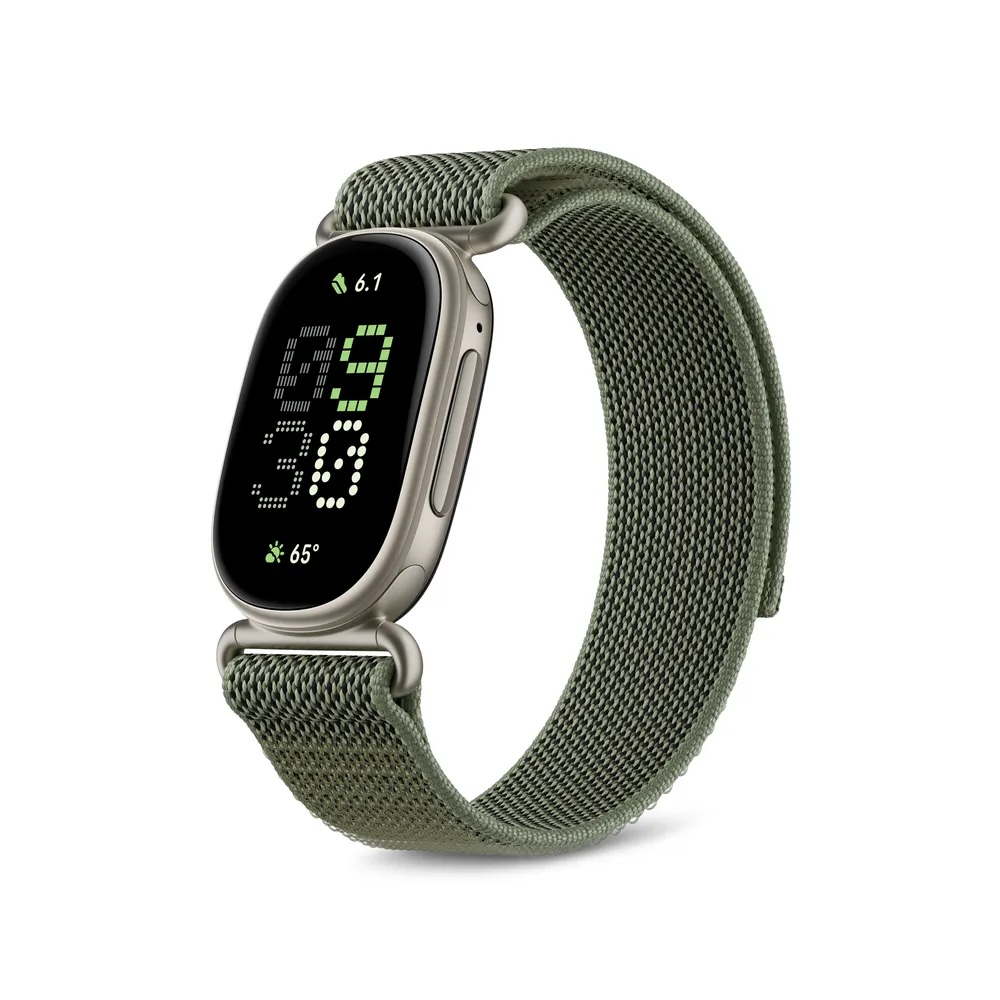
Google says Health Guardian’s blood pressure and insulin resistance trend features will roll out to the Fitbit Edge later in October for Google Health Premium subscribers. Reports arrive at the beginning of each month, provided users meet the monthly wear requirements.
These features have limits. The Edge does not provide clinical blood pressure or blood glucose measurements, and the information should not be used to diagnose hypertension or diabetes.
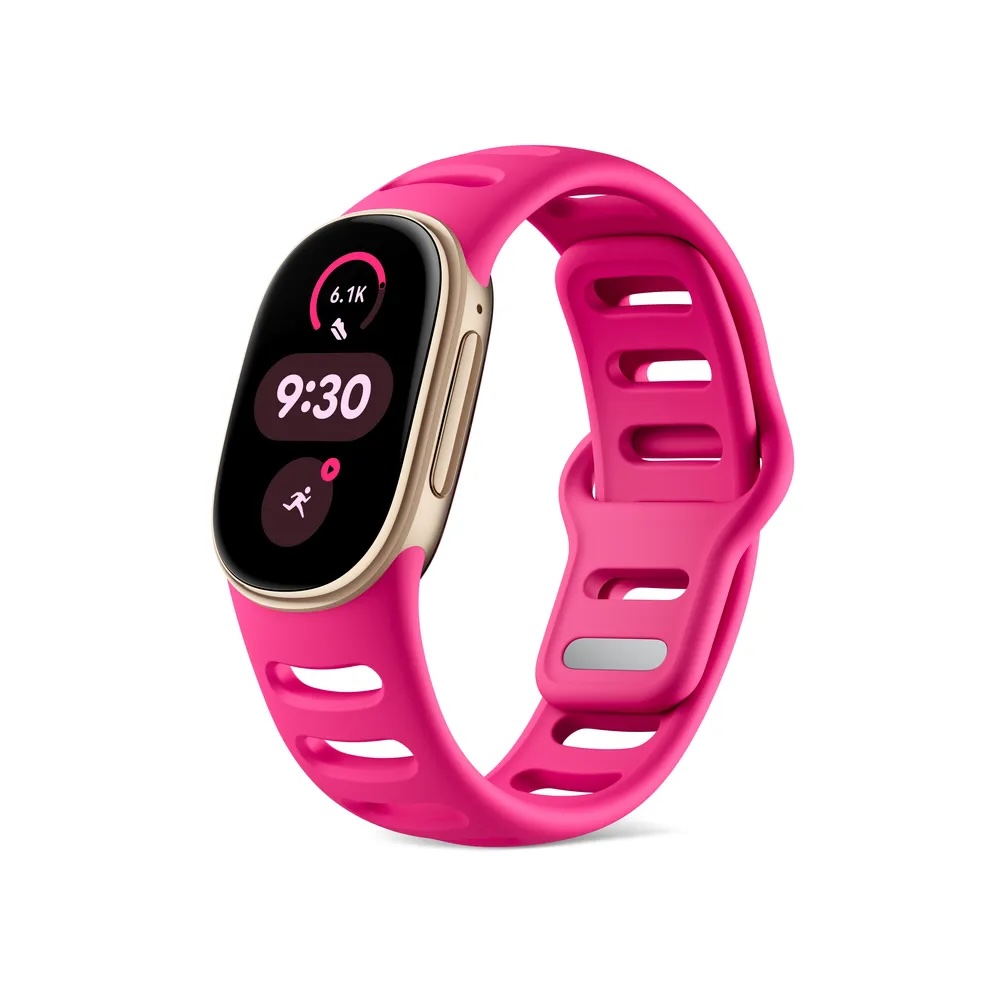
Google Health Coach uses fitness and health information to offer personalized guidance. Rather than simply showing recorded measurements, it aims to help users understand their activity patterns and adjust exercise plans.
Access requires Google Health Premium, although three complimentary months are included with the Edge.
That subscription is worth factoring into the purchase. Buyers who only want basic activity and sleep tracking may not need the additional coaching, while people interested in personalized training guidance may find it more relevant.
5. Seven-Day Battery Life With a Replaceable Battery
The Fitbit Edge promises up to seven days of battery life, giving it an advantage over smartwatches that require daily or near-daily charging.
Google says five minutes of magnetic charging can provide approximately one day of use, while a complete recharge takes around 90 minutes.
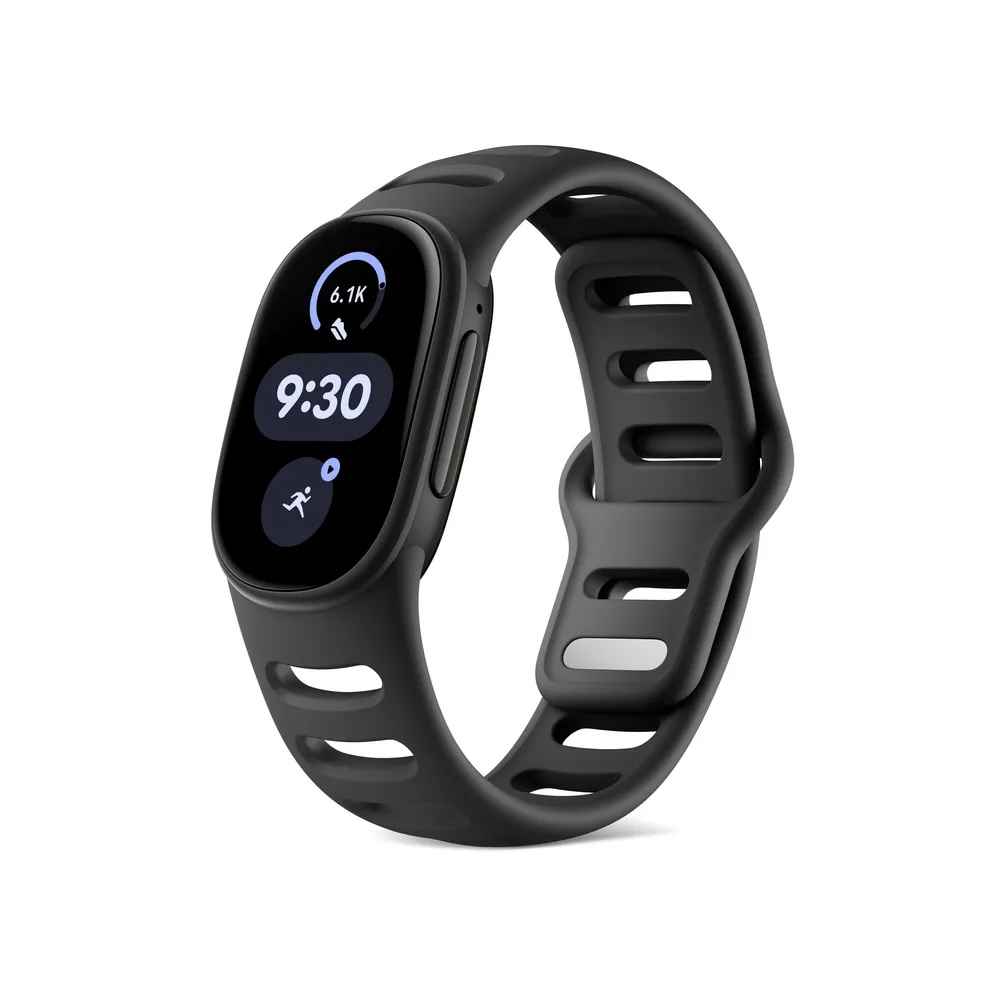
With an advertised up to seven days of battery life, the Edge promises more time tracking workouts and sleep and less time reaching for the charger. Google’s estimate comes from pre-production testing using a typical usage profile involving features default in Battery Saver mode. Actual endurance varies with settings, usage, and environment, including GPS use.
The bigger development is the battery itself. The Edge is Google’s first Fitbit fitness tracker designed with a replaceable battery. Its modular construction is intended to allow battery replacement without discarding the entire device.
That addresses a common weakness of fitness trackers. Batteries lose capacity over time, and devices that still function properly can become inconvenient when they no longer hold enough charge.
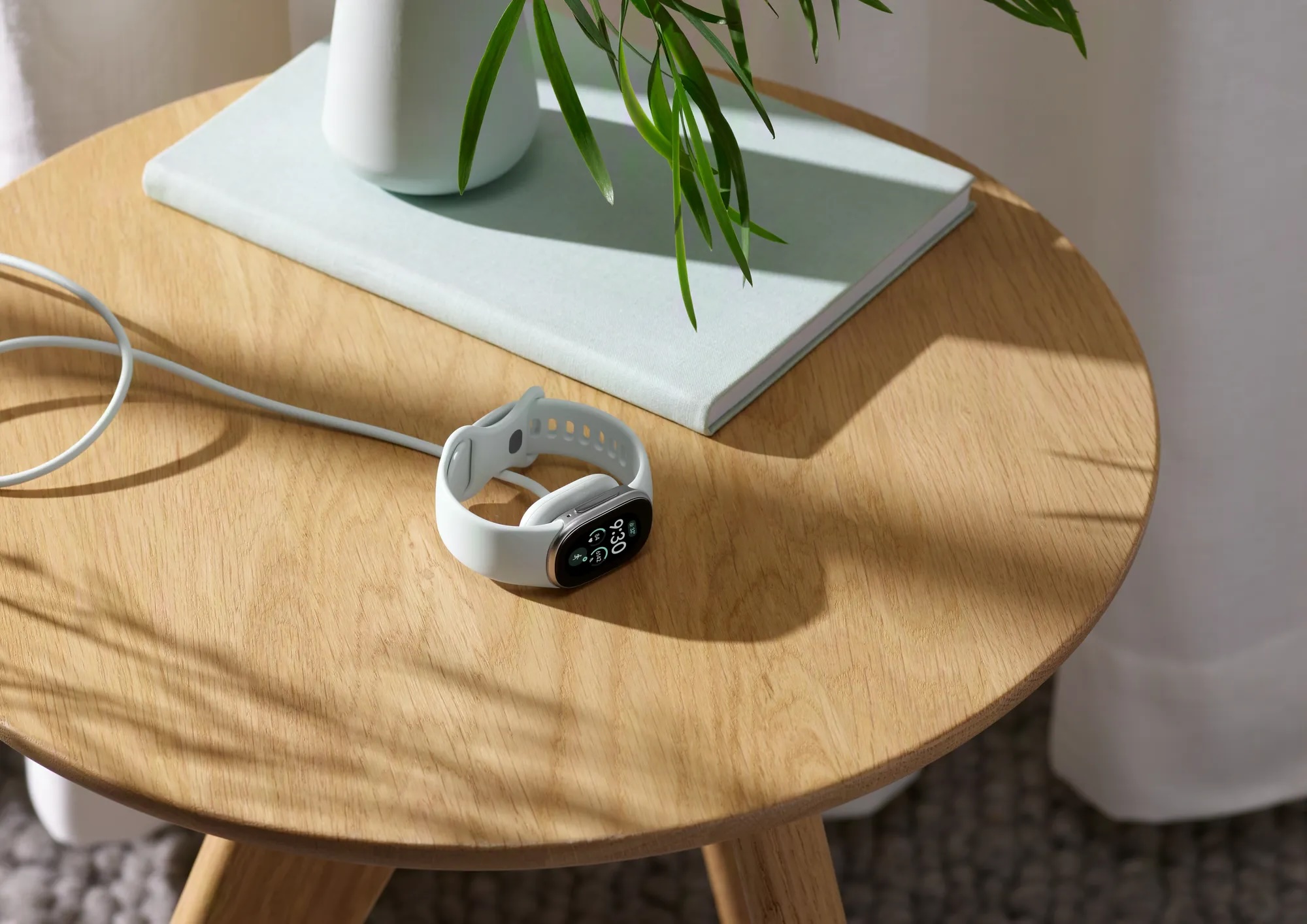
Google lists the battery as user-replaceable, although it cautions that self-service repairs require technical expertise and that repair options vary by region.
The Edge also carries 5ATM water resistance and an IP68 rating. It comes in Obsidian, Fog, Olive, and Canyon, with interchangeable bands available separately.
For someone who keeps a fitness tracker for several years, the possibility of replacing a worn battery may matter more than a minor increase in processing speed or another software feature.
Should You Buy the Google Fitbit Edge?
At $179.99, the Fitbit Edge is aimed at people who want better workout tracking and health information without moving to a full smartwatch.
Existing Fitbit users have the clearest reason to consider upgrading. The larger display, improved GPS, automatic activity recognition, and replaceable battery address limitations of older fitness bands.
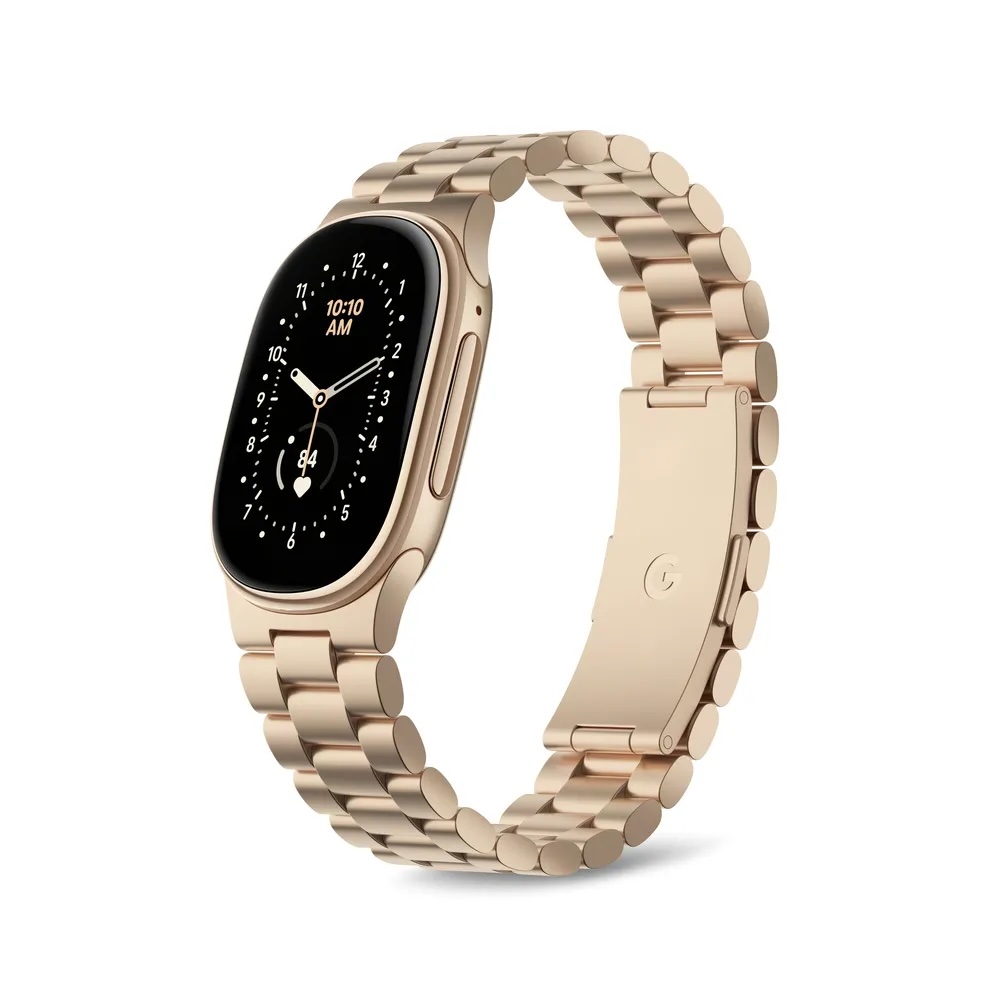
There are reasons to hold off. The Edge lacks NFC support for Google Wallet, making it less convenient than the Charge 6 for contactless payments. Some health features are also region-dependent or scheduled for later release, while personalized coaching requires a subscription after the trial period.
If you mainly track steps, sleep, and occasional workouts, an older Fitbit may already cover your needs. The Edge makes more sense if you regularly exercise outdoors, want easier access to workout information, or plan to keep your tracker long enough to benefit from battery replacement.
Price: $179.99
Where to Buy: Google Store
The Fitbit Edge is best suited to people who want a dedicated fitness tracker with better everyday usability, not a smaller smartwatch that tries to do everything.