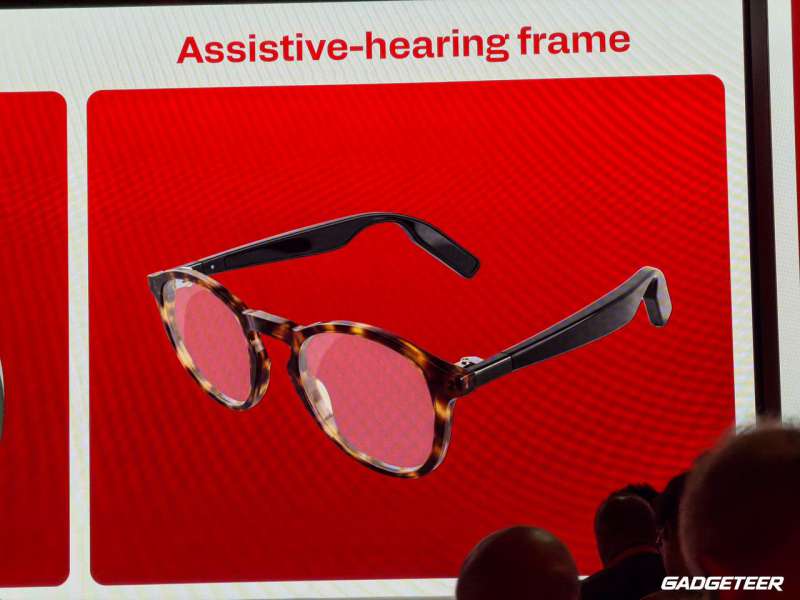
Smart glasses have a social problem that better cameras cannot completely solve. Even when you are not recording, the person sitting across from you still has to trust that the camera pointed in their direction is inactive.
Price: From $349
Where to Buy: Ray-Ban
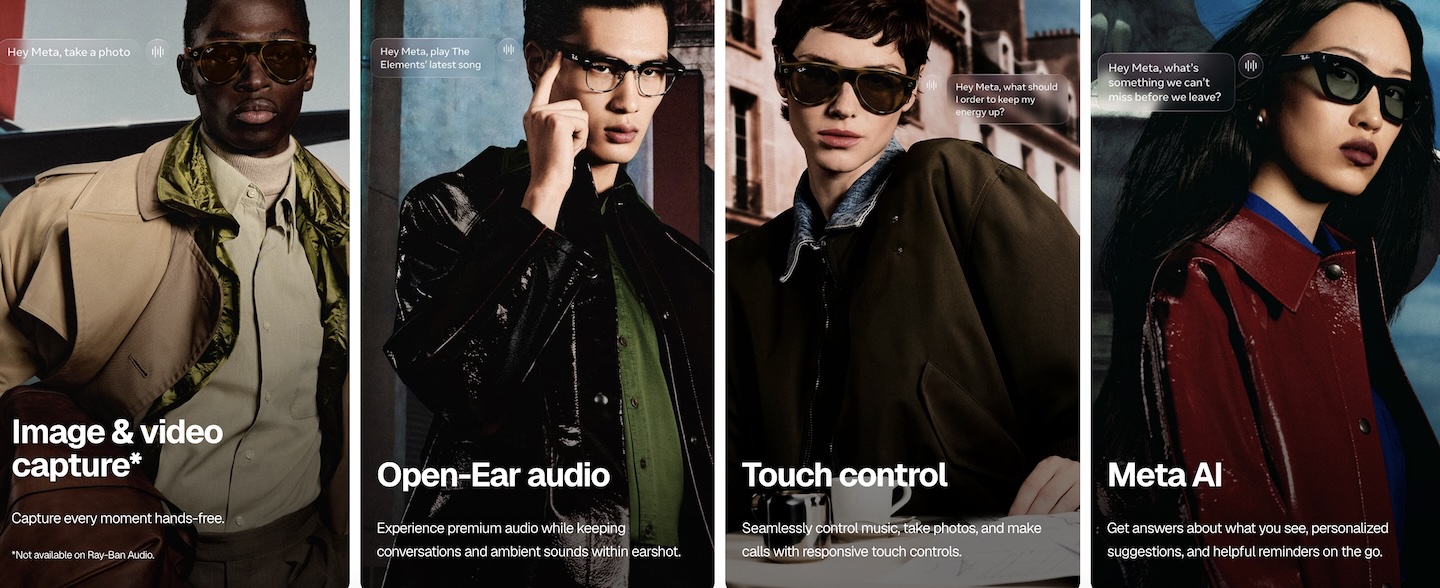
Ray-Ban Meta Audio takes a more focused approach by removing the camera entirely. Starting at $349, the new glasses combine open-ear speakers, microphones, hands-free calling, Meta AI, and familiar Ray-Ban styling without photo or video capture. Meta says they weigh 43 grams and can last up to 12 hours per charge, making them its lightest and slimmest AI glasses yet.
For people intrigued by smart glasses but uninterested in wearing a camera on their face, losing one of the category’s biggest features may actually make the product more useful.
No camera changes the conversation
Camera-equipped smart glasses make first-person photography and video remarkably convenient, but that convenience has created understandable privacy concerns about people being recorded without realizing it. Meta has built recording indicator lights and anti-tampering measures into its camera-equipped glasses, but those safeguards still ask bystanders to trust that the camera is inactive.
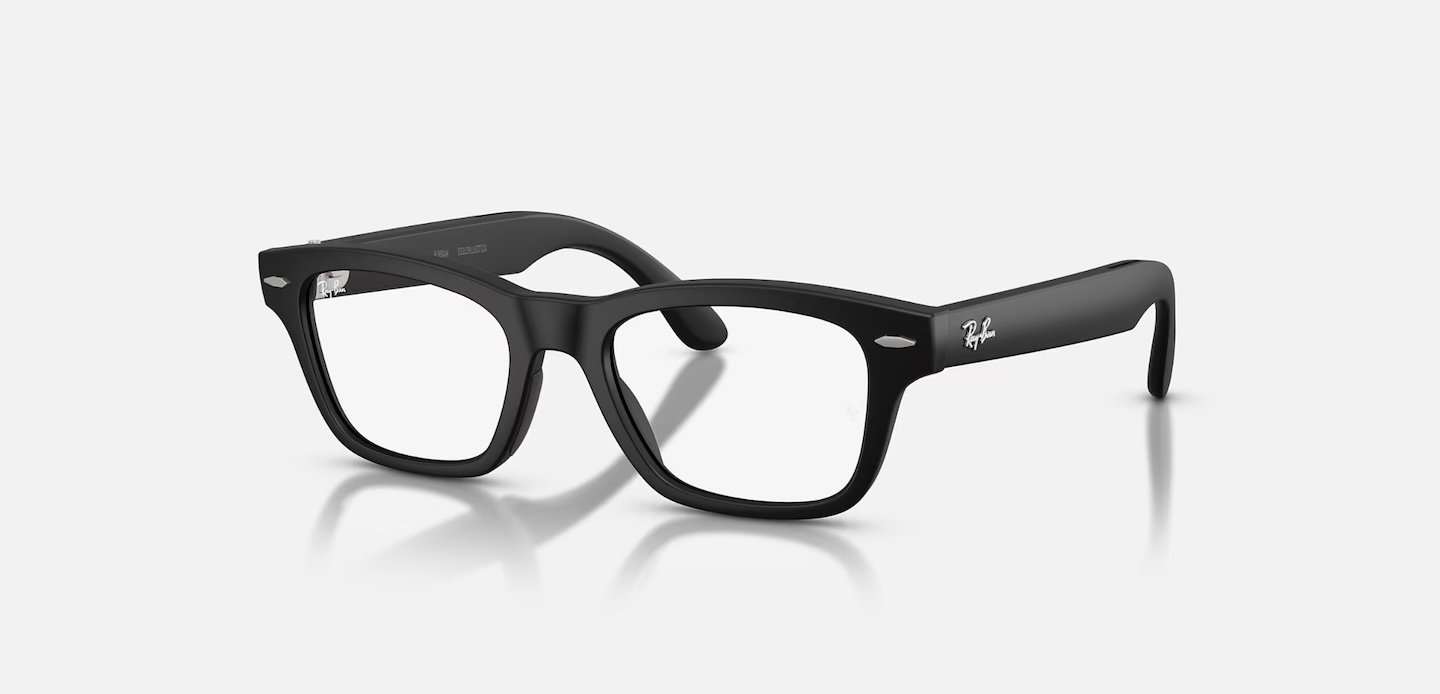 Ray-Ban Meta Audio removes the possibility of visual recording at the hardware level. There is no camera for taking photos or videos, so people around the wearer do not have to interpret a capture LED or wonder whether a lens is recording them.
That does not make the glasses privacy-neutral. They still contain microphones and connect to Meta’s AI services. The difference is narrower, but still meaningful: Ray-Ban Meta Audio cannot visually record the person standing in front of you.
Think of them as earbuds built into Ray-Bans
Without a camera or display, the product is easier to understand. Ray-Ban Meta Audio is essentially a pair of open-ear headphones and a voice-controlled AI assistant built into a pair of glasses.
 Meta says users can listen to music and podcasts, take calls, and talk to Meta AI without reaching for a phone. Because the speakers sit in the frames instead of sealing your ears, the design also leaves you more aware of surrounding sounds. Meta additionally claims the glasses capture your voice more clearly during calls than earbuds, although that comparison will need independent testing.
Open-ear listening brings familiar compromises. It generally provides less isolation from environmental noise than sealed earbuds or noise-canceling headphones, so the real test will be how well the Audio glasses perform on busy streets, public transportation, and in other noisy environments.
Twelve hours could matter more than another camera
Battery life may be one of the Audio model’s biggest practical advantages. Meta rates the glasses for up to 12 hours on one charge, while the included case provides up to an additional 48 hours. Those are manufacturer estimates, and actual endurance will depend on how heavily you use music, calls, and AI features.
 The difference is notable within Meta’s lineup. The newly announced Ray-Ban Meta Gen 3 is rated for up to nine hours, while Ray-Ban lists the previous Gen 2 at up to eight hours of moderate use. On paper, Audio has the longest battery claim of the three, although the products do different things and their ratings should not be treated as directly comparable real-world tests.
Weight could be equally important. At 43 grams, the glasses are designed to function as everyday eyewear rather than technology you tolerate for short periods.
They still need to work as glasses
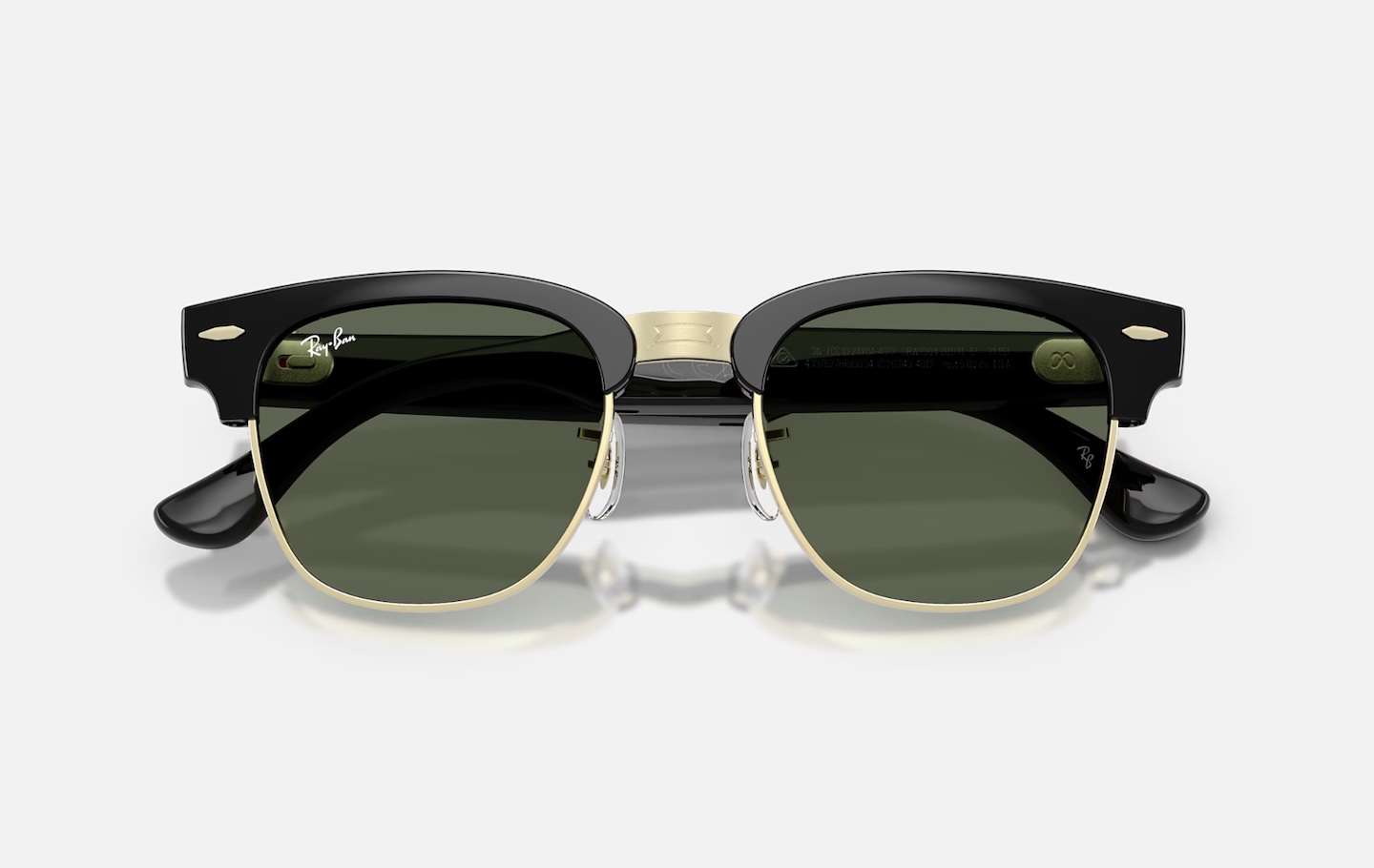
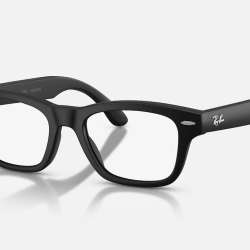
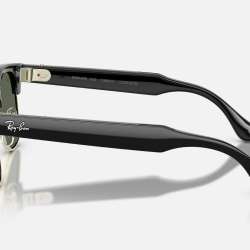
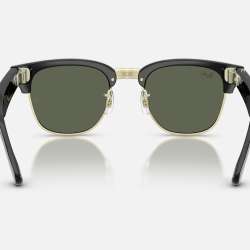
Meta and EssilorLuxottica are offering Ray-Ban Meta Audio in two styles. Clubmaster uses Ray-Ban’s recognizable retro-inspired shape, while Burbank has a more conventional rectangular design.
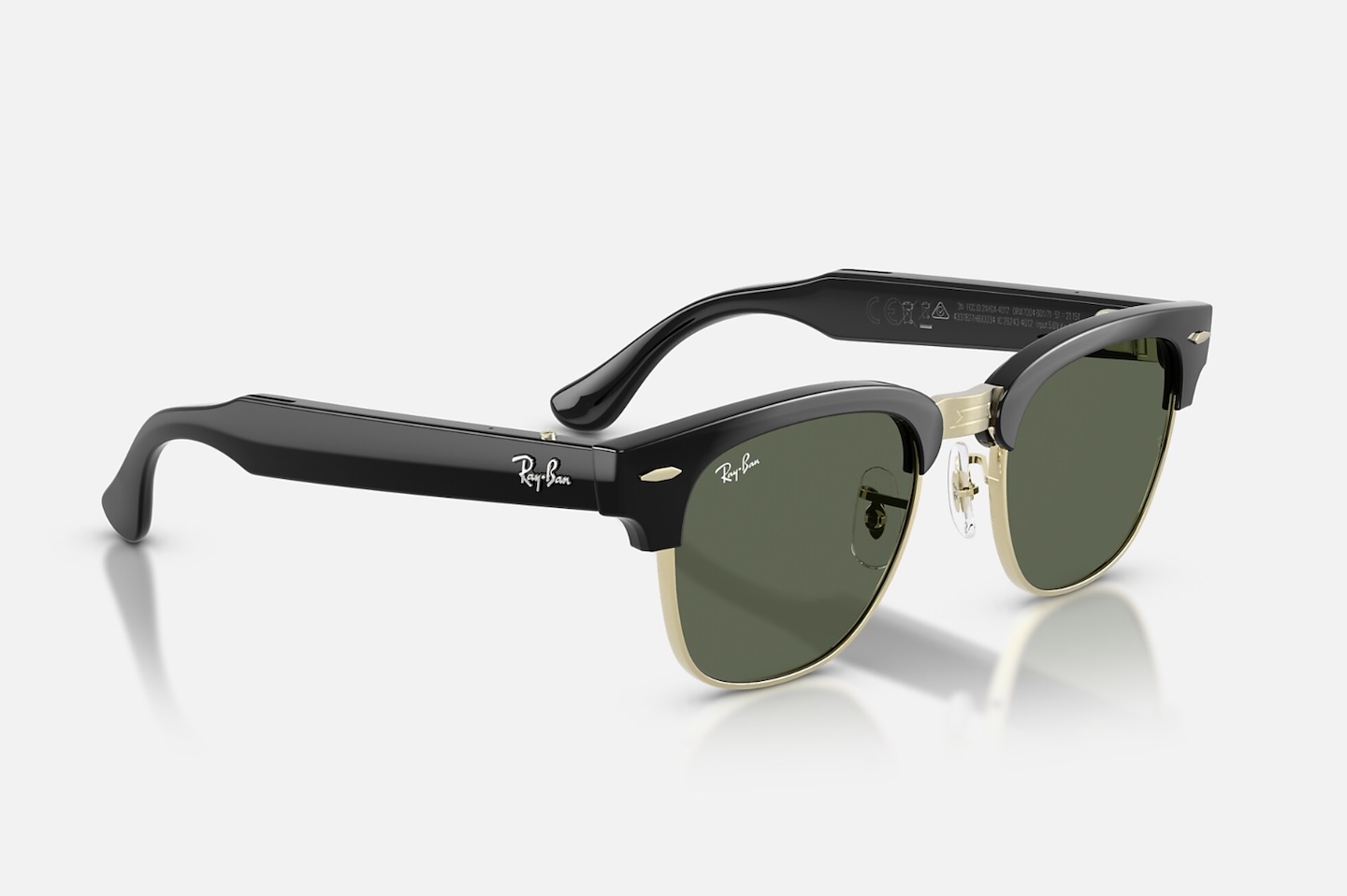 Across the two styles, Meta says buyers can choose from 23 color and lens combinations, with support for a wide range of optical prescriptions. The frames also include professionally adjustable temple tips, adjustable or swappable nose pads, and overextension hinges intended to improve fit.
Those details matter more here than they would on most gadgets. Glasses sit on your face for hours, so weight, prescription support, and fit can determine whether the smart features get used at all.
Meta AI becomes the main smart feature
Removing the camera also removes visual AI capabilities. Camera-equipped Ray-Ban Meta glasses can use visual information about what the wearer is looking at. Audio cannot see your surroundings, making voice interaction much more central to the experience.
Meta is also bringing Muse, its new personal AI agent, to its glasses platform. The company says Muse can help manage everyday tasks and turn longer-term goals into action plans.
Those capabilities are still best treated as developing software rather than a proven reason to buy the hardware. The practical value will depend on how useful Meta AI becomes for everyday tasks, not simply whether you can talk to it from your glasses.
 Who should buy Ray-Ban Meta Audio?
At $349, Ray-Ban Meta Audio is not a cheap substitute for wireless earbuds. The stronger buyer fit is someone who already likes wearing glasses, prefers open-ear listening, wants hands-free access to Meta AI, and has little interest in first-person photography or video.
Creators and anyone who regularly uses hands-free photo and video capture still have a clearer reason to choose camera-equipped Ray-Ban Meta models. Audio goes in the opposite direction, sacrificing visual capture for lighter hardware, longer claimed battery life, and a simpler proposition for people uncomfortable with face-worn cameras.
Meta opened preorders on September 23, with shipments scheduled to begin October 13. Until independent reviews test comfort, audio quality, microphone performance, and real-world battery life, those areas remain open questions.
Price: From $349
Where to Buy: Ray-Ban
Ray-Ban Meta Audio makes a compelling case that smart glasses do not always need more hardware. Removing the feature people are most uncomfortable with may make the category easier to understand and easier to wear.