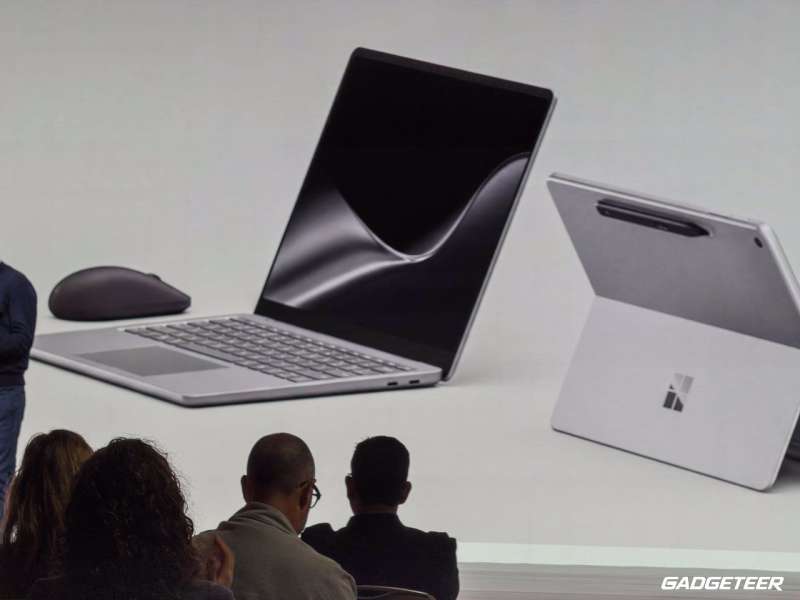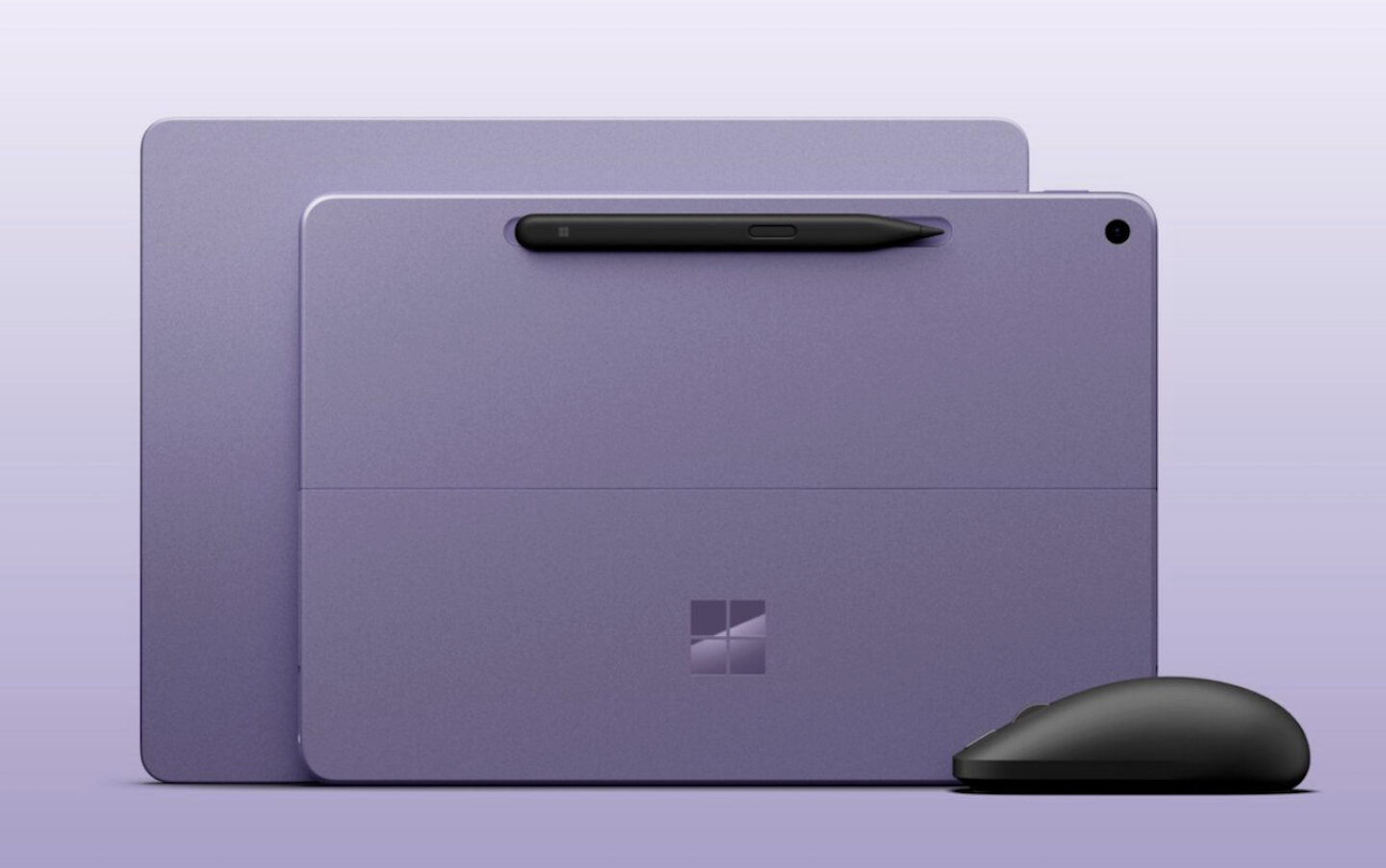
Small laptops are easy to carry, but portability often forces buyers to compromise somewhere else. A compact machine might sacrifice battery life, ports, performance, or screen usability just to shave a little weight from your bag. Microsoft’s updated Surface Laptop 13-inch aims to improve performance and efficiency without making the computer any larger.
Price: From $1,199.99
Where to Buy: Microsoft
The biggest change is Qualcomm’s Snapdragon X2 Plus, backed by an 80-TOPS NPU for supported local AI workloads. Microsoft has also made the display brighter while keeping the laptop at just 2.7 pounds, or 1.22kg.
The U.S. configuration starts at $1,199 with 16GB of RAM and 256GB of UFS storage, with availability beginning October 13 in select markets. That puts it firmly in premium ultraportable territory, where portability alone is not enough to make the case.
Snapdragon X2 Plus Is the Biggest Upgrade
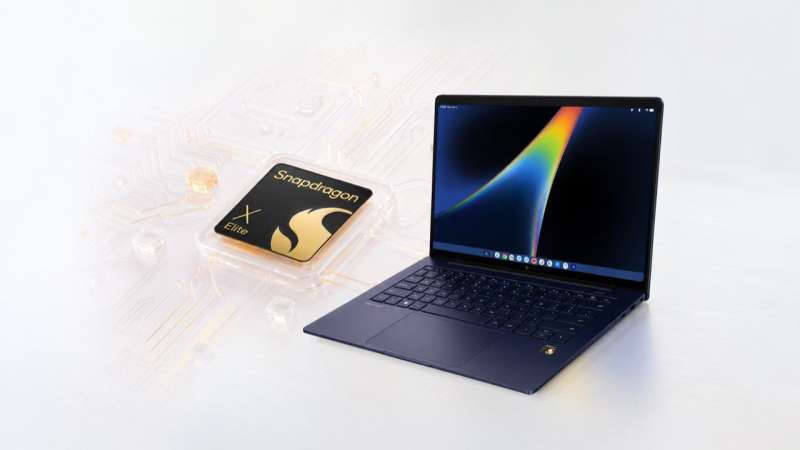
The Surface Laptop 13-inch uses Qualcomm’s Snapdragon X2 Plus with Adreno graphics and a Hexagon NPU rated at 80 TOPS. That comfortably meets Microsoft’s requirements for a Copilot+ PC and gives supported applications substantial dedicated hardware for local AI processing.
Microsoft claims the new generation delivers up to 17% faster Office productivity performance, more than 60% faster graphics, up to 95% faster local AI inference, and up to 18% better battery efficiency compared with the previous Snapdragon X Plus model.
 Those numbers need context. They come from Microsoft’s own testing using workloads including UL Procyon and 3DMark, so they should not be interpreted as evidence that every application will become 17%, 60%, or 95% faster. Independent testing will be needed to establish how much difference the new processor makes in everyday workloads.
There is also the Arm question. Windows on Arm compatibility has improved considerably, but anyone dependent on specialized Windows applications, peripherals, plug-ins, or older software should still confirm compatibility before switching from an x86 laptop.
Battery Life Remains a Major Selling Point
Microsoft advertises up to 22.5 hours of local video playback and up to 18 hours of active web use. Those are two different tests, and the distinction matters.
Microsoft conducted its battery testing on preproduction 16GB/256GB hardware with the display set to 150 nits. The video test continuously played a 1080p file, while the web test involved browsing 12 popular websites across multiple tabs.
Those results provide a standardized comparison point, but they are manufacturer tests rather than a guarantee of everyday endurance. Screen brightness, applications, wireless activity, video calls, and other workloads can substantially change battery life.
The practical goal is nevertheless obvious. A 2.7-pound laptop that can spend more of the working day away from an outlet is particularly attractive for commuters, students, frequent travelers, and anyone moving between meetings.
The Screen Gets Brighter but Remains 60Hz
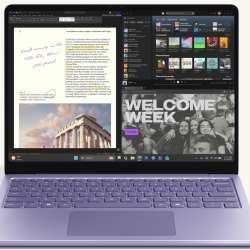
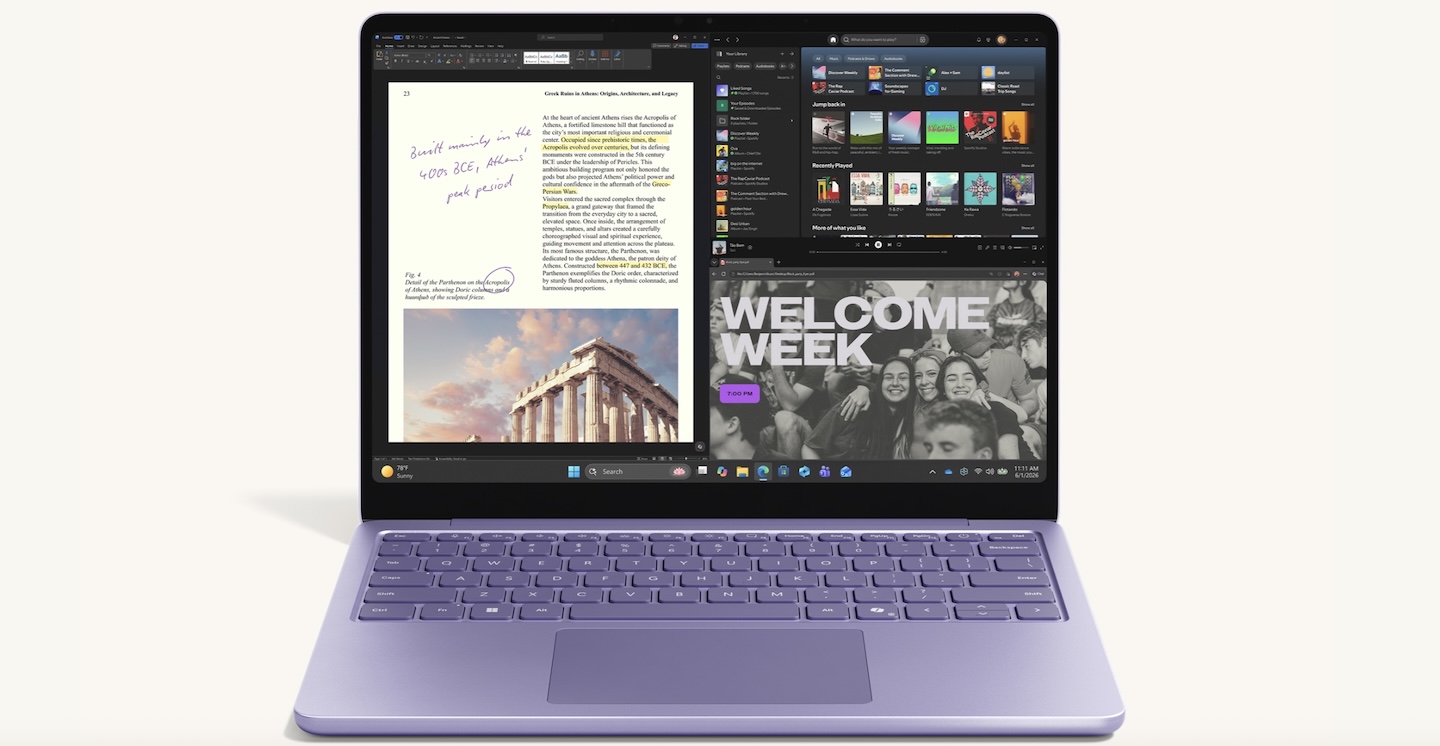 The 13-inch PixelSense touchscreen retains its 3:2 aspect ratio and 1920 x 1280 resolution. The taller shape provides useful vertical space for websites, documents, spreadsheets, and other productivity applications without requiring a physically larger laptop.
Microsoft has increased typical maximum brightness to 500 nits, which it describes as 25% brighter than the previous model. The display also supports adaptive color and adaptive contrast.
The notable compromise is refresh rate. This remains a 60Hz display, so buyers looking for smoother scrolling and animation do not get the 120Hz experience available on Microsoft’s larger Surface Laptop models.
Microsoft also specifies that this touchscreen is optimized for touch interaction and does not support Surface Pen or Surface Slim Pen input. That is worth knowing for anyone expecting the laptop’s touchscreen to double as a pen-enabled Surface workspace.
The Ports Cover the Basics
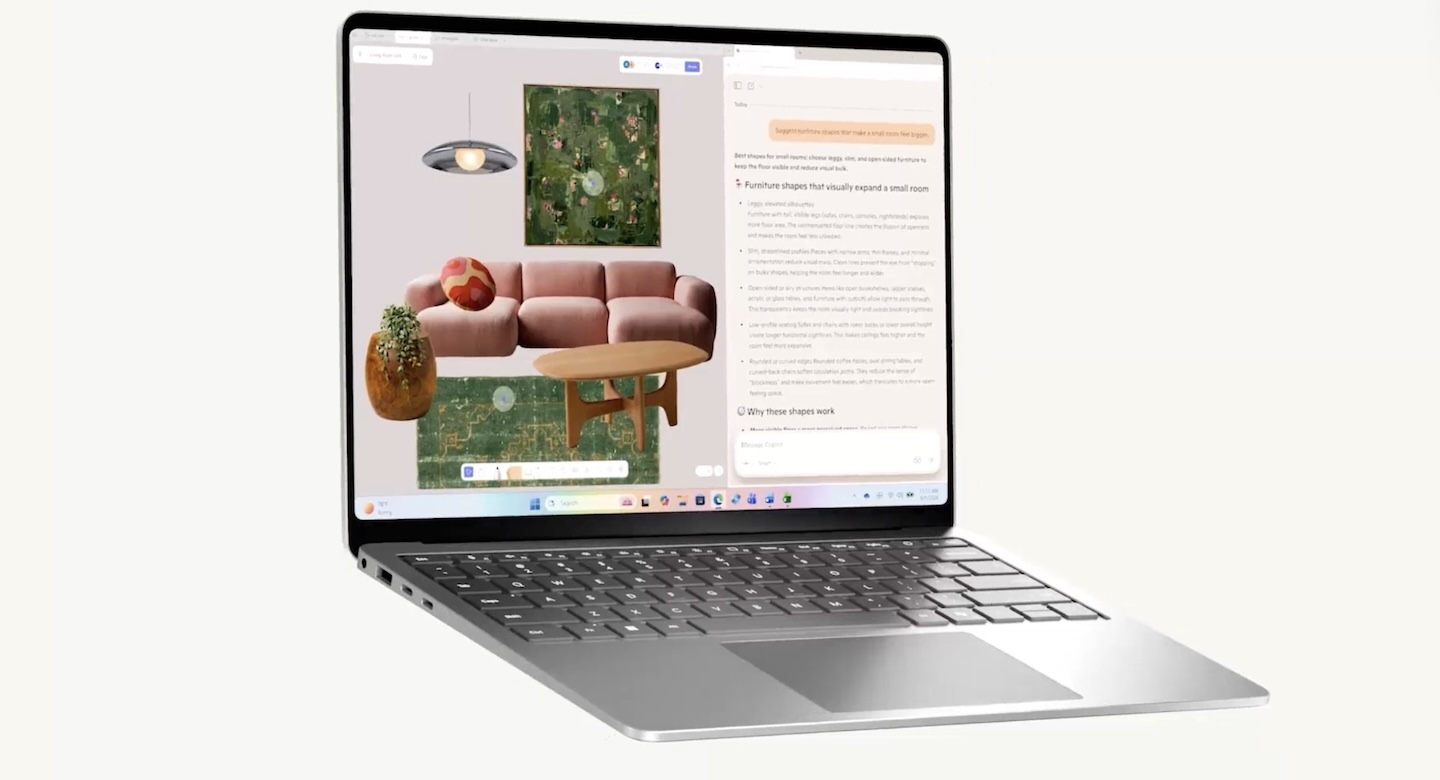
Microsoft has avoided reducing its smallest Surface Laptop to USB-C alone. You get two USB-C/USB 3.2 ports, one USB-A 3.2 port, and a 3.5mm headphone jack, along with Wi-Fi 7.
Keeping USB-A is useful for existing mice, storage devices, and other accessories. However, the USB-C ports are limited to USB 3.2 rather than USB4, which limits their capabilities compared with the ports available on some premium ultraportables.
 The laptop also has a 1080p Full HD front camera. Windows Hello authentication is handled through a fingerprint reader integrated into the power button rather than facial recognition.
Microsoft includes both a USB-C charging cable and a 45W USB-C wall charger, so buyers do not need to purchase the basic power adapter separately.
The Compact Design Stays Familiar
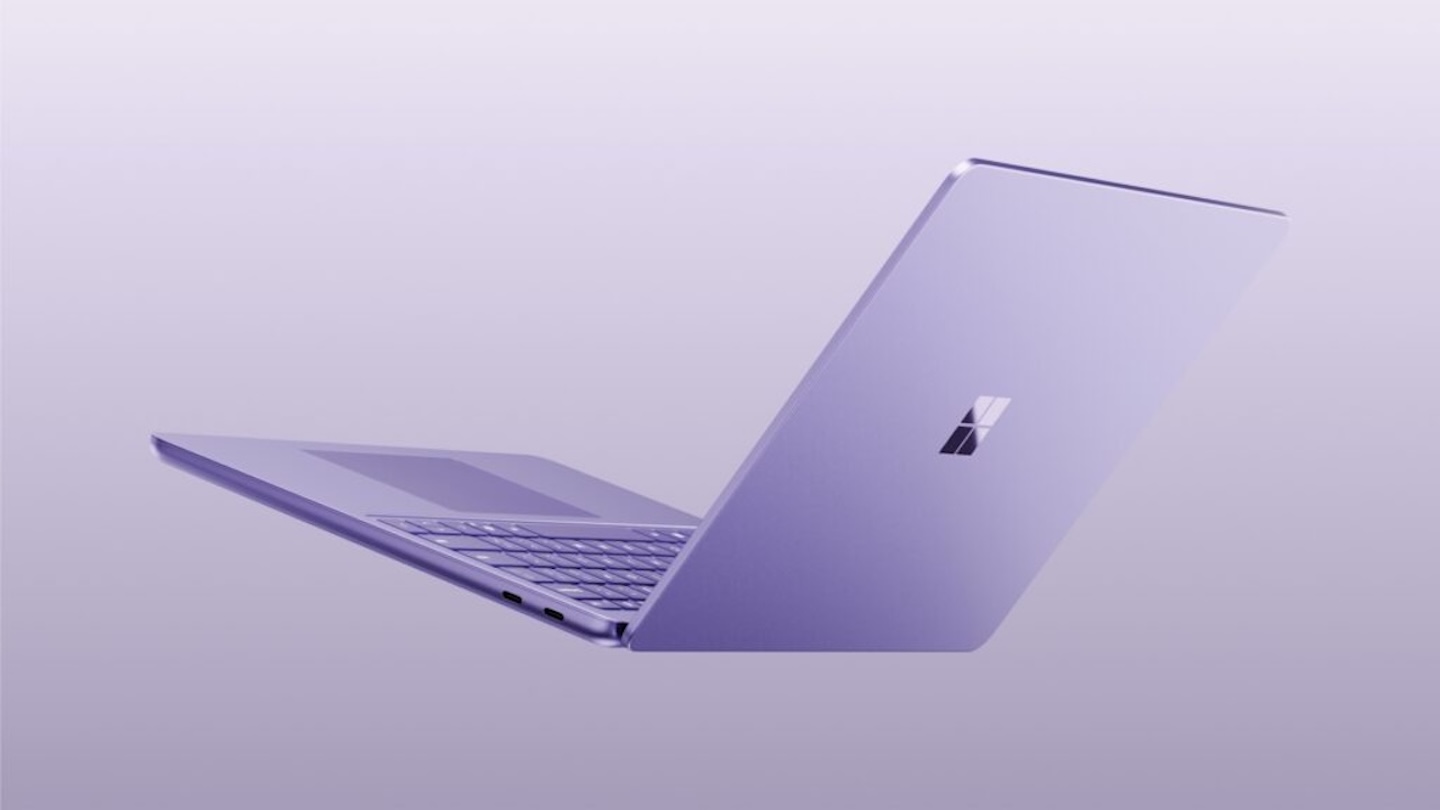
Microsoft has retained the aluminum enclosure, full-size backlit keyboard, precision touchpad, and fanless design. At 2.7 pounds, portability remains one of the strongest reasons to choose this model over a larger Surface Laptop.
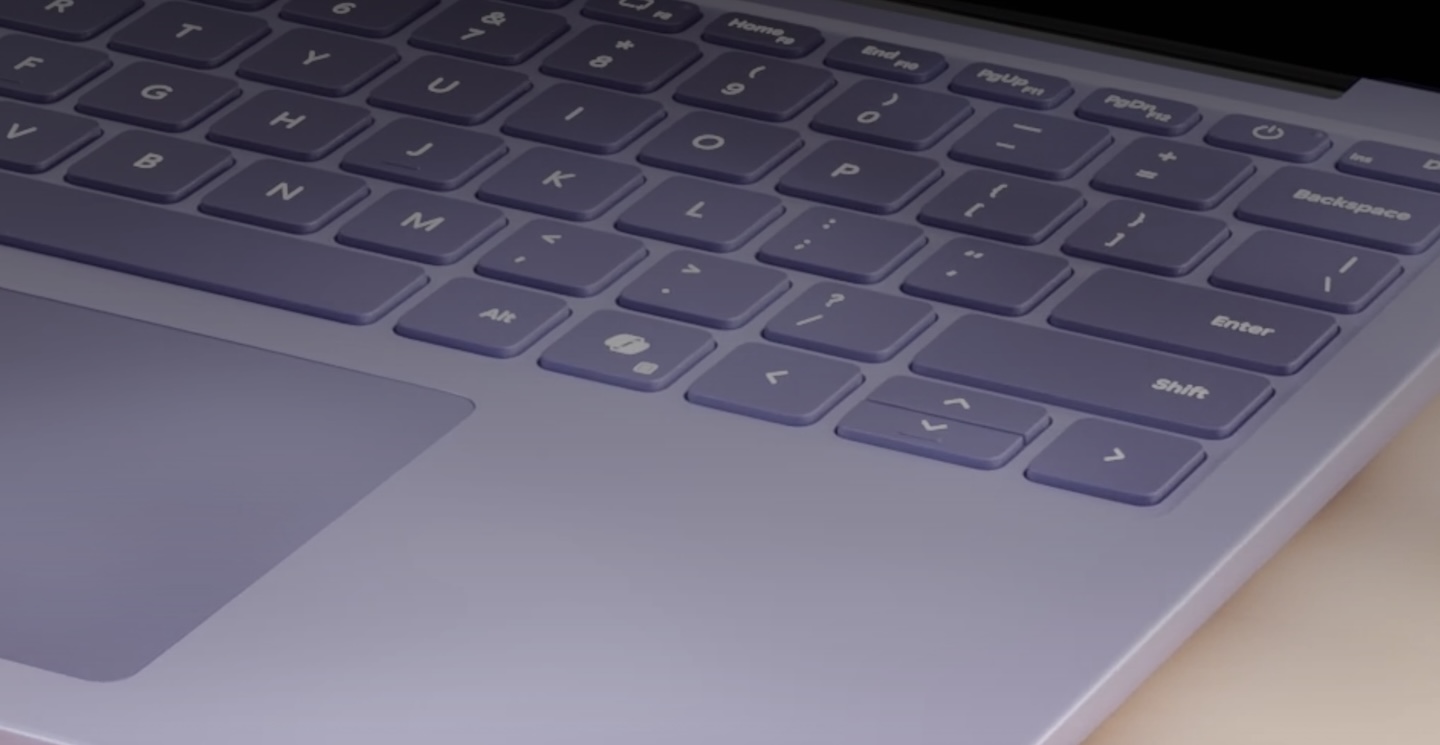 Memory options include 16GB or 24GB of LPDDR5x RAM, while storage choices are 256GB or 512GB of UFS storage. Microsoft describes the storage as removable, although that should not be confused with an easily accessible consumer upgrade slot.
The U.S. consumer configurations currently run from $1,199 for 16GB/256GB to $1,499.99 for 24GB/512GB, with Black, Platinum, and Violet finishes available depending on configuration.
Who Should Consider the Surface Laptop 13-Inch?
The updatedmakes the strongest case for someone who wants a small, fanless Windows laptop that prioritizes portability and battery efficiency without eliminating USB-A or the headphone jack. The 2.7-pound chassis is easy to carry, while the 3:2 touchscreen provides useful vertical workspace despite the compact footprint.
The Snapdragon X2 Plus and 80-TOPS NPU make this generation more capable on paper, particularly for Copilot+ and other supported local AI workloads. Microsoft’s early performance claims are encouraging, but independent testing will determine how large those improvements actually feel.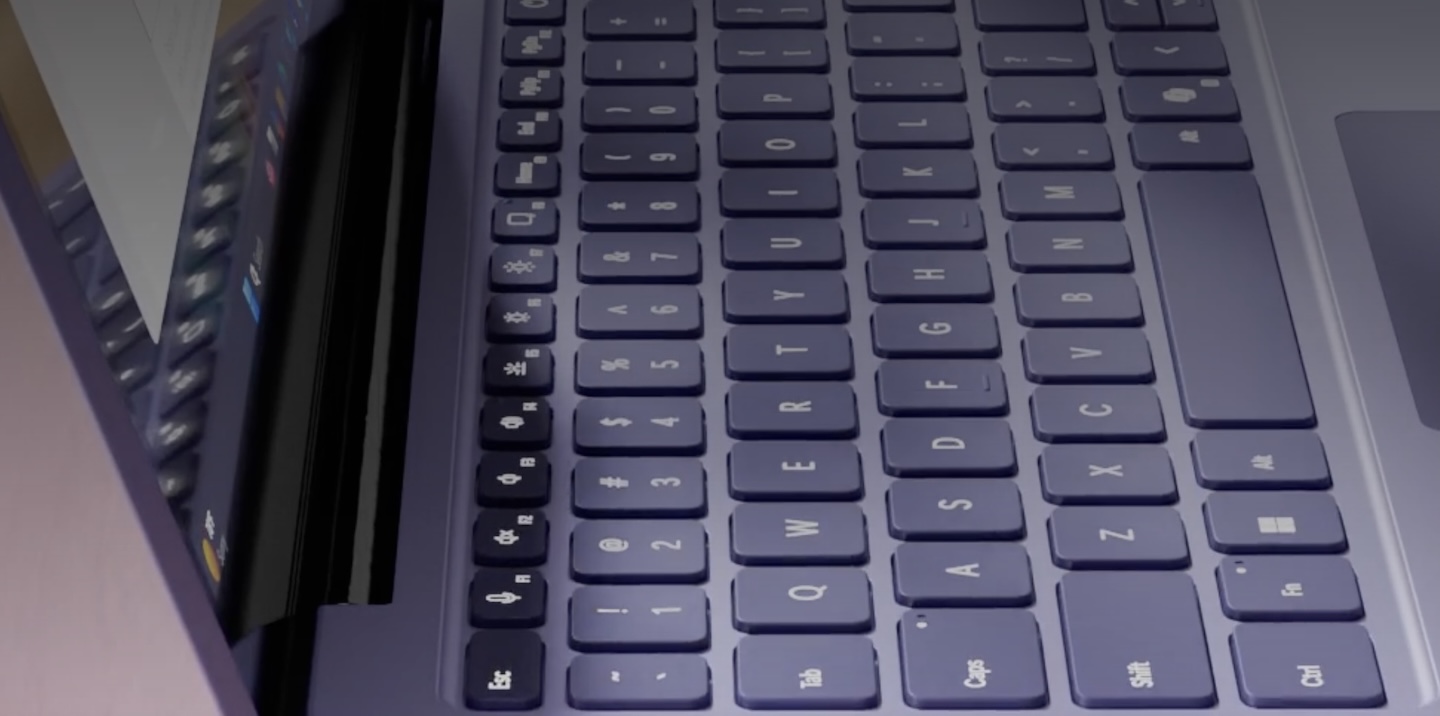
The compromises are equally clear. The display remains at 60Hz, USB-C stops at USB 3.2, consumer storage tops out at 512GB of UFS storage in the current configurations, and the $1,199 starting price puts the laptop against some very capable alternatives. Buyers dependent on specialized Windows software should also verify Arm compatibility before purchasing.
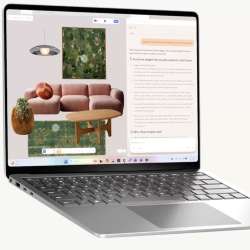
Price: From $1,199.99
Where to Buy: Microsoft
For someone who wants maximum screen space or the fastest possible performance, a larger laptop makes more sense. But if the priority is a compact Windows machine with long claimed battery life, silent fanless operation, a practical port selection, and substantially stronger local AI hardware, the updated Surface Laptop 13-inch has a much clearer reason to exist than a simple processor refresh.