Most of us already carry something that knows the correct time almost everywhere we go. Smartphones update themselves, switch time zones, and handle daylight saving changes with little effort, which creates an obvious problem for an expensive GPS watch.
Price: $2,900
Where to Buy: Seiko
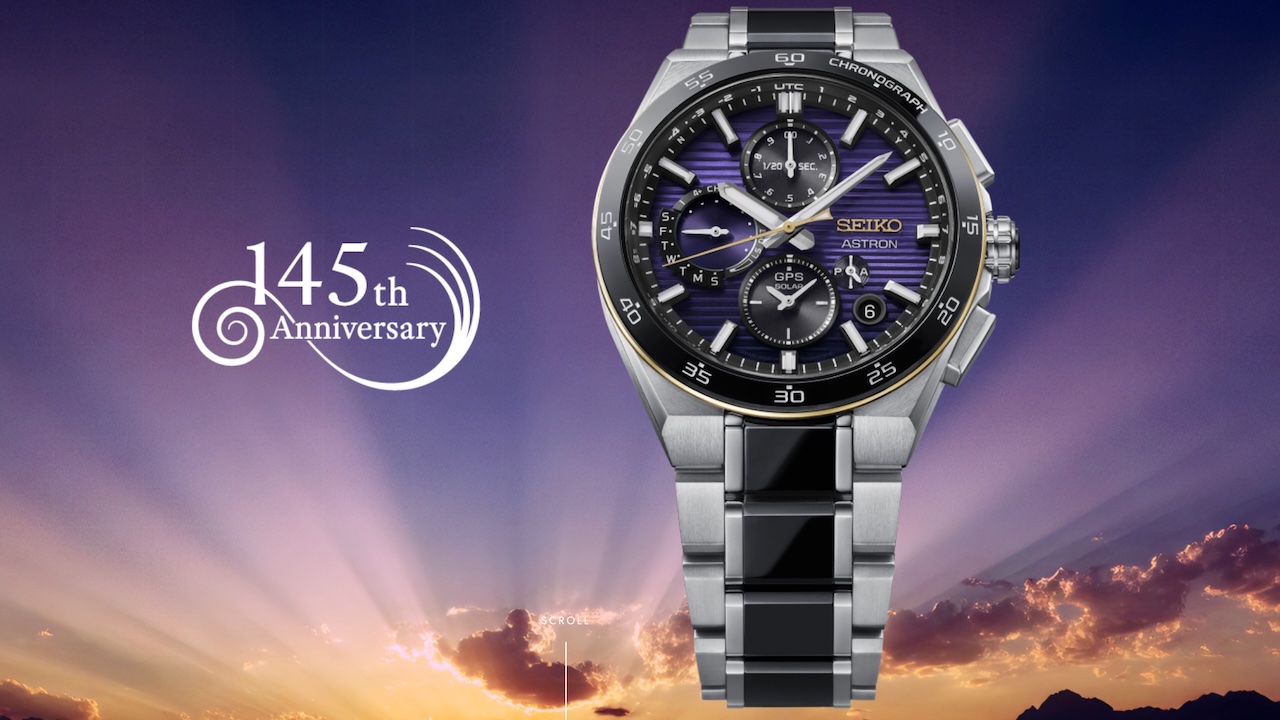
The Seiko Astron HAB011 costs $2,900 and is scheduled for release in October 2026 as part of Seiko’s 145th Anniversary collection, limited to 2,000 pieces worldwide. Its headline feature is GPS Solar timekeeping, something your phone can already accomplish, so accuracy alone is not enough to justify the price. The better question is whether Seiko has turned that technology into a watch that offers something worthwhile beyond simply knowing the time.
GPS Solar is the practical reason to consider it
The HAB011 uses Seiko’s Caliber 5X83 GPS Solar movement, which can receive GPS signals for time-zone adjustment and automatic or manual time adjustment. Because the movement is solar powered, it can generate the energy it needs from light rather than relying on routine battery replacement or the frequent charging associated with a smartwatch.
 That combination is particularly relevant for travelers. The watch includes world time covering 38 cities, dual time, a time-transfer function for switching the main and sub-dial displays, and DST functionality. In practical terms, the Astron is designed to take much of the manual work out of keeping a traditional watch correct while moving between time zones.
When GPS reception is unavailable, Seiko rates the movement at ±15 seconds per month at temperatures between 5°C and 35°C. That is Seiko’s manufacturer specification rather than an independent measurement of this particular watch, and GPS reception speed and reliability in different environments would require hands-on testing.
Solar power means one less device demanding a charger
Seiko rates the HAB011 for approximately six months of operation when fully charged, extending to around two years in power-save mode. Those figures are manufacturer ratings rather than independent battery-life results, but they illustrate an important difference between the Astron and a smartwatch.
 The Astron cannot run apps, answer messages, or stream music, but it also is not designed around a daily or weekly charging routine. For someone who wants sophisticated electronic timekeeping without adding another regularly plugged-in device, solar charging is one of the watch’s more practical advantages.
Edo purple gives the technology an anniversary identity
The HAB011 is part of Seiko’s 145th Anniversary Limited Edition collection. Seiko says the purple dial takes inspiration from Edo purple, connecting the design with the cultural heritage of Edo and modern Tokyo.
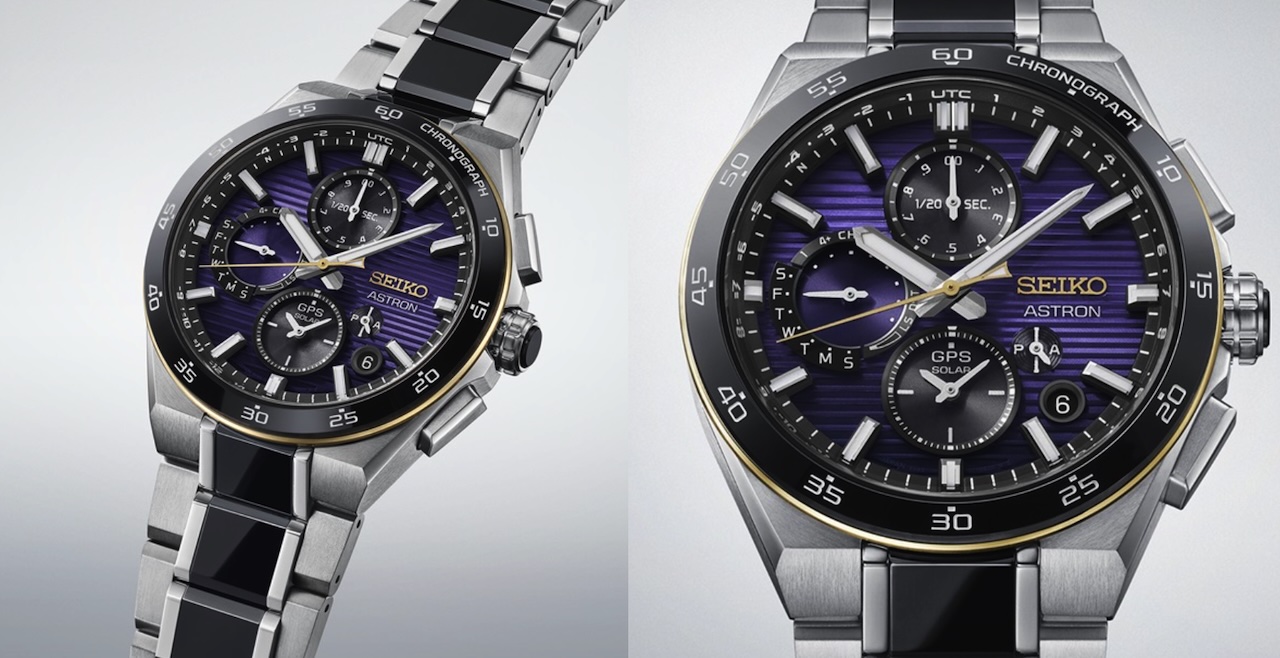
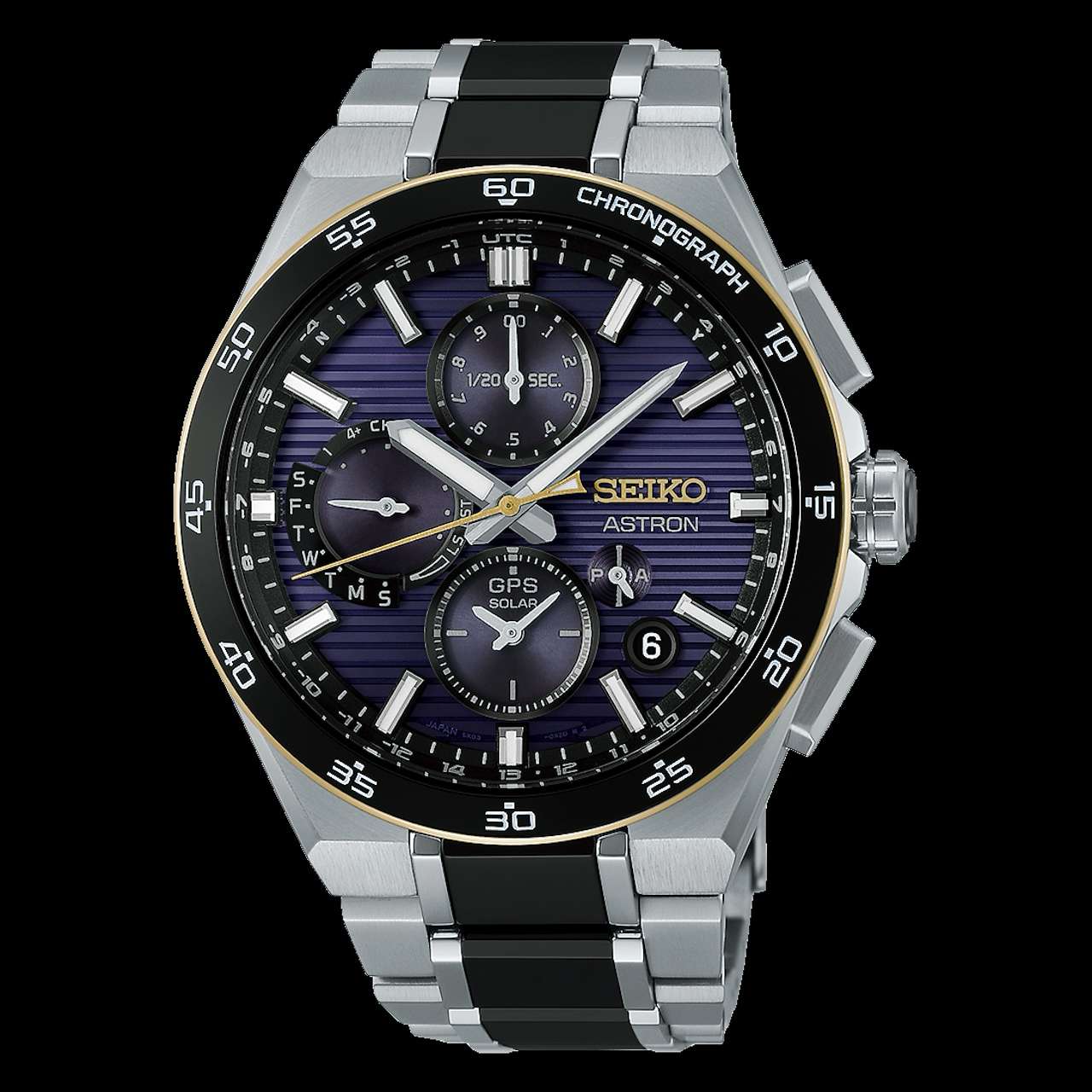
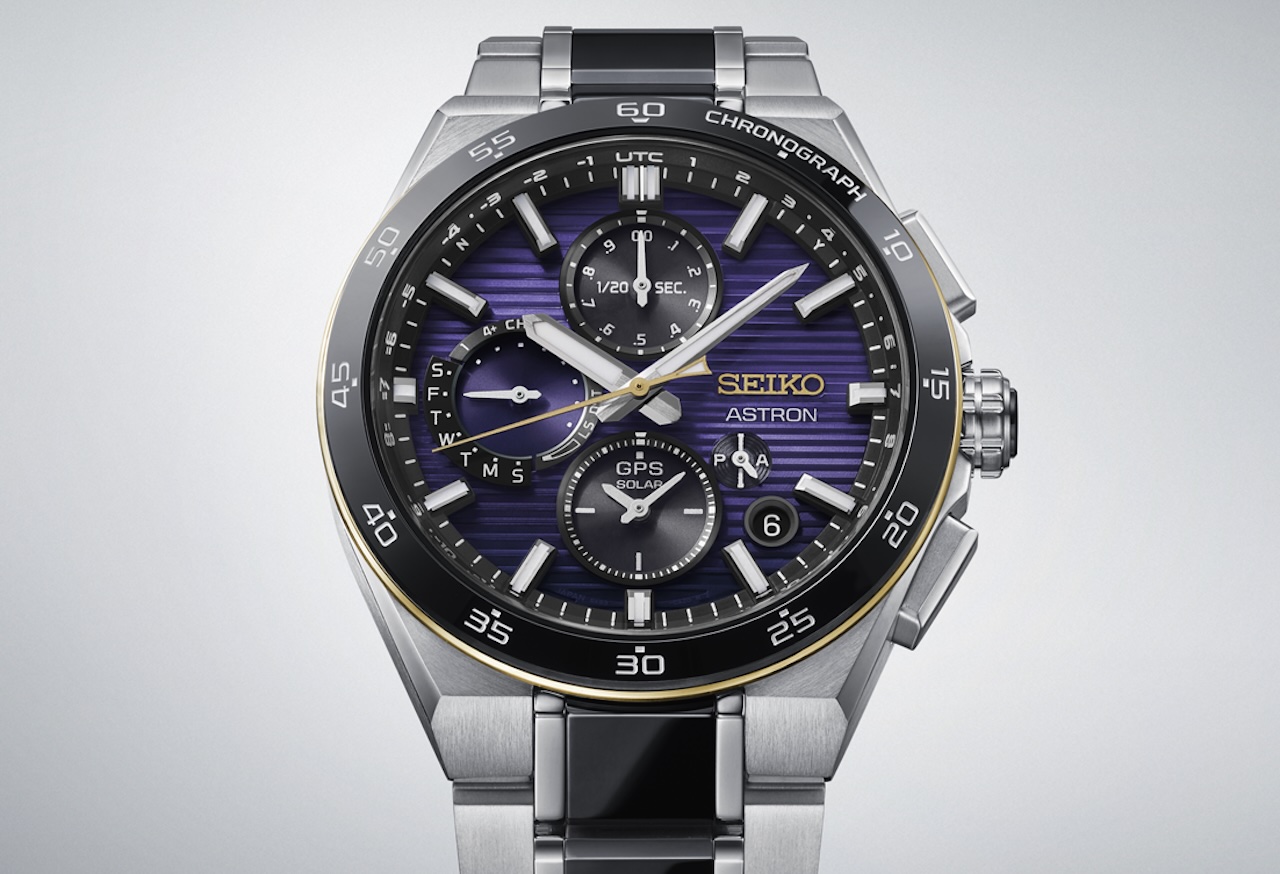
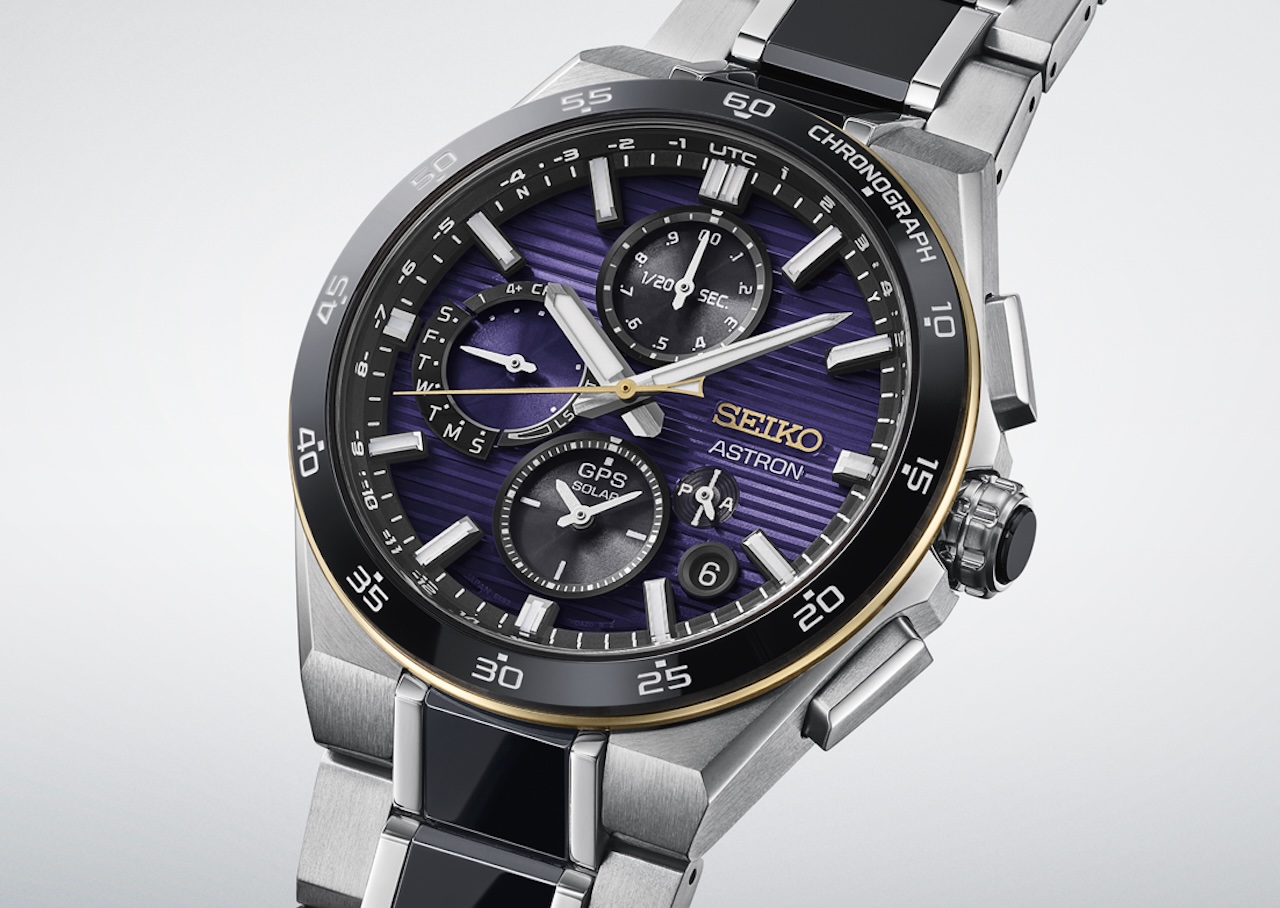
That historical meaning comes from Seiko’s own design story, but the physical execution is easier to evaluate from the specifications and product images. The dial combines a horizontal pattern of varying widths with a gradient finish, while gold-colored accents provide contrast. Seiko also gives the bracelet’s center row a mirror-finished appearance.
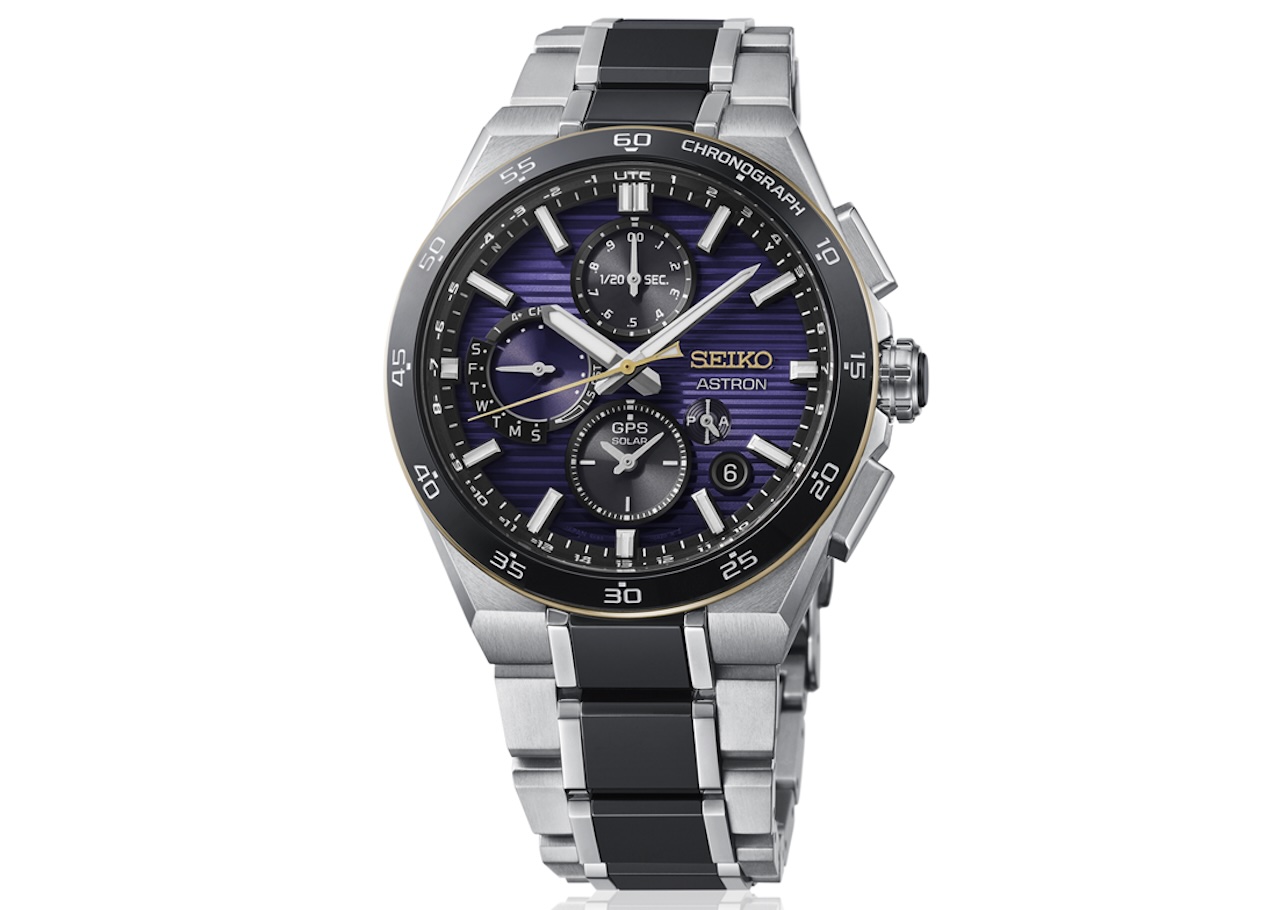 That matters because a limited edition at this price needs more than a different reference number. Whether the purple-and-gold treatment is worth paying for is subjective, but the HAB011 at least has a recognizable visual identity rather than relying solely on its anniversary designation.
Titanium helps address a fairly large case
The HAB011 measures 43.3mm in diameter, 13.4mm thick, and 49.5mm lug to lug, so buyers who prefer compact watches should pay attention to the dimensions. Seiko specifies a titanium case with a ceramic and titanium bezel, using lightweight case materials despite its substantial dimensions.
Seiko does not list the watch’s weight on its US product page, so it would be premature to describe how light or comfortable it actually feels. Titanium is generally lighter than stainless steel, but wrist comfort depends on case shape, bracelet construction, weight distribution, and individual wrist size.
The watch also gets a dual-curved sapphire crystal with Super-Clear coating, LumiBrite on the hands and indexes, and an easy-adjust three-fold clasp with push-button release. Water resistance is rated at 10 bar, providing considerably more protection than the basic splash resistance found on some dress watches.
 The 5X83 does more than correct the time
The movement also includes a 1/20-second chronograph capable of measuring up to 12 hours, a perpetual calendar programmed through February 28, 2100, day display, power-reserve indicator, satellite-acquisition status, reception-result display, in-flight mode, and automatic hand-position alignment.
That is a substantial feature list, but its purpose is very different from a smartwatch. Most of the technology exists to make traditional timekeeping more accurate, adaptable, and convenient rather than turning the watch into another screen for apps and notifications.
Who should buy the Seiko Astron HAB011?
At $2,900, the HAB011 is not a sensible purchase simply because you need accurate time. Your phone already provides that, and considerably cheaper quartz watches can also be highly accurate.
What the HAB011 offers instead is a specialized combination of GPS Solar timekeeping, solar charging, dual time, world time, a 12-hour chronograph, perpetual calendar, titanium construction, sapphire crystal, and a 2,000-piece limited-edition anniversary design. The technology addresses practical travel needs, while the Edo-purple treatment gives collectors something visually distinct from a standard Astron.
Price: $2,900
Where to Buy: Seiko
Buyer fit: Choose the Seiko Astron HAB011 if you travel regularly, appreciate high-end quartz engineering, and want advanced timekeeping without smartwatch-style charging or notifications. Skip it if accuracy alone is your priority, because there are far cheaper ways to know the correct time. At $2,900, the HAB011 makes the most sense when the engineering, limited-edition design, and ownership experience matter as much as its function.