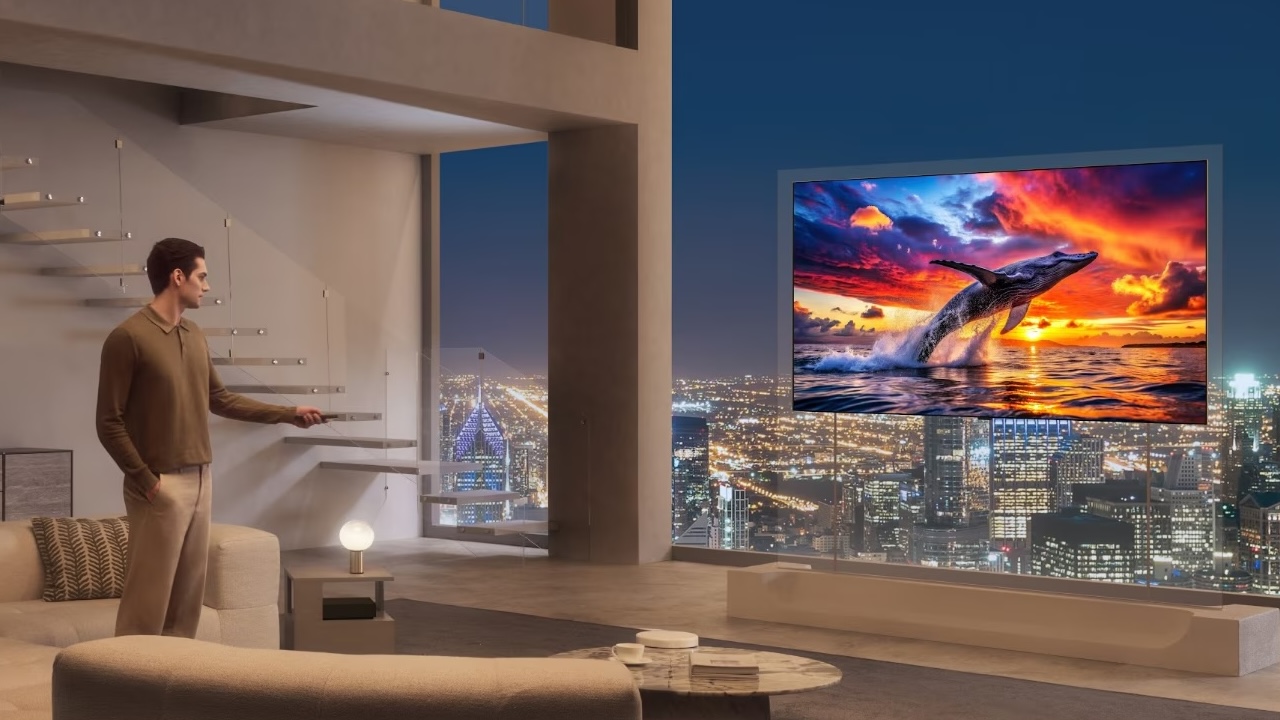
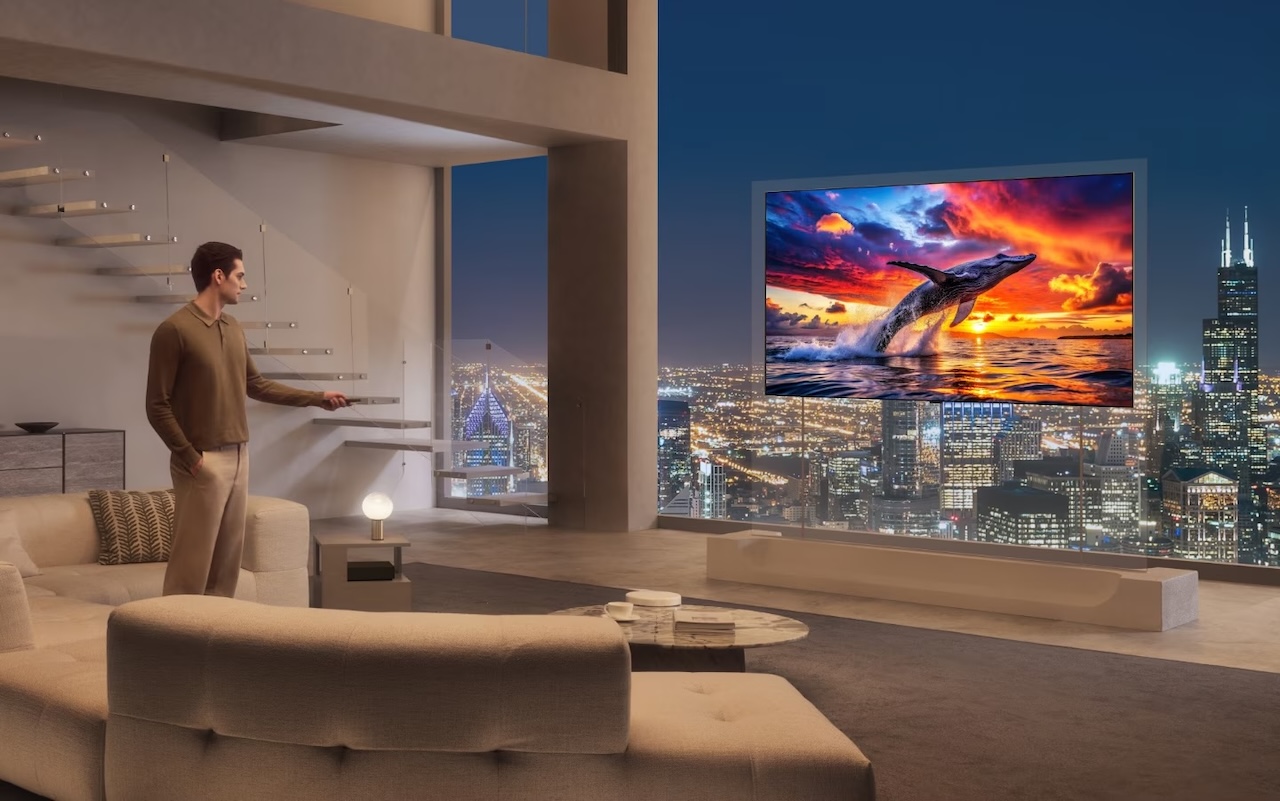
A modern TV can have excellent picture quality and still feel oddly labor-intensive. You hunt for apps, tweak dark-scene settings, search for something everyone will watch, and switch profiles when shared recommendations get messy.
LG’s announcement ahead of IFA 2026 is that its newest AI TVs should make those small tasks easier. The company is highlighting the α11 AI Processor Gen3 in key 2026 AI TV models, alongside personalized webOS features and LG Shield. The practical appeal is not that a TV suddenly becomes a household genius. It is that the software may reduce friction around content discovery, settings, and separate recommendations for different viewers.
The key buyer distinction is between LG’s announced capabilities and what shoppers can confirm on a specific model. The experience will depend on the TV, market, software version, connected services, and whether you want voice-driven features at all. Do not assume every LG television has the same processor or feature set just because it uses webOS.
The reader problem: Powerful TVs can still feel cumbersome
Picture quality still matters most, but daily ownership is increasingly shaped by the operating system. If recommendations are irrelevant, settings are buried, or the interface feels cluttered, even a premium screen can be annoying.
LG says its 2026 AI TVs can recognize individual users, understand context, and recommend apps, shows, settings, and more. The useful part is in the specific features: Voice ID can switch to a personal profile, AI Chatbot can respond to plain-language viewing problems, and AI Concierge can surface recommendations and shortcuts based on viewing habits.
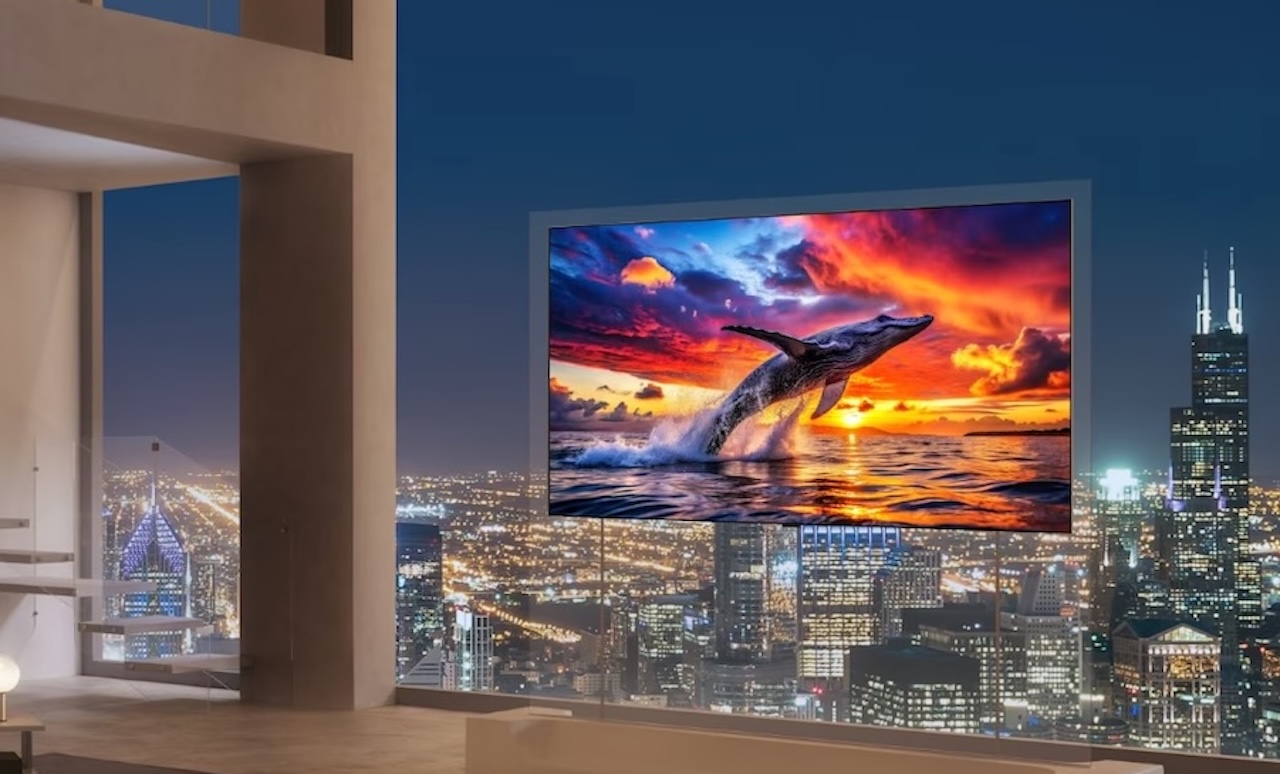 For a family sharing one TV, that could be genuinely useful. Voice ID is meant to move each person into their own profile, where recommendations reflect their viewing history instead of everyone else’s. That could mean fewer kids’ shows in an adult’s suggestions and less time finding your usual content.
But personalization has tradeoffs. It depends on account setup, voice use, viewing history, and data processing. If you prefer a simple, non-personalized TV experience, these tools may not add much value.
The processor claims matter, but only in context
LG’s 2026 AI TV story centers on the α11 AI Processor Gen3. LG says it delivers a 5.6-fold improvement in NPU performance compared with the 2025 α9 AI Processor Gen8, along with enhanced CPU and GPU capabilities.
That is a company comparison, not a promise that every movie will look dramatically better. More AI processing power does not automatically mean a visible improvement in every scene. What matters is how the TV handles the content you actually watch.
LG says the chip enables AI Dual 4K Upscaling, and that it can improve lower-resolution material through the feature’s two AI methods. LG says AI Sound Pro can create virtual 11.1.2-channel sound. Upscaling can help with HD broadcasts, older streaming content, and lower-resolution video on a large 4K screen. Virtual surround can widen the sound, but it is not the same as owning a real 11.1.2 speaker system.
The most useful AI feature may be a plain-language fix
The most practical announcement may be LG’s AI Chatbot. LG says a viewer can describe an issue, such as a screen looking too dark, and the TV will identify the relevant setting and guide the user through a fix.
That sounds modest compared with AI upscaling, but it solves a familiar problem. TV settings often use technical labels that many people do not understand. If the chatbot works reliably, it could save owners from searching a manual or randomly changing picture modes.
AI Concierge is also practical rather than revolutionary. It analyzes viewing history and suggests content, search terms, and relevant features from a card interface accessed with the AI button on the remote. That could help people overwhelmed by streaming choices, though it may feel unnecessary if you already live inside one favorite app.
LG Shield adds a security story, not a guarantee
LG also emphasizes LG Shield, its integrated security system for webOS. The company says it uses seven security technologies covering secure algorithms, secure data storage, secure data transmission, user authentication, software integrity, secure updates, and threat detection.
The honor recognizes LG Shield in CES’s Innovation Awards program; it should not be treated as evidence that the platform is immune to security vulnerabilities. Security still depends on timely updates, account habits, and connected services.
LG says eligible models can receive up to five years of complimentary webOS upgrades through webOS Re:New. LG’s product pages add an important condition: the program applies only to selected models, and the schedule, features, number of upgrades, and duration can vary by model and region. Verify that before making it part of a buying decision.
Buyer fit
Consider an LG 2026 AI TV if you want strong picture processing plus software that may make a shared TV easier to use. Voice profiles, plain-language setting help, and personalized recommendations are most appealing for households with multiple viewers.
Wait for model-specific reviews if your priorities are gaming performance, panel brightness, input lag, or the exact quality of upscaling.
Skip the AI pitch if you mainly want a basic screen with a familiar streaming interface. LG’s new tools are conveniences, not necessities.