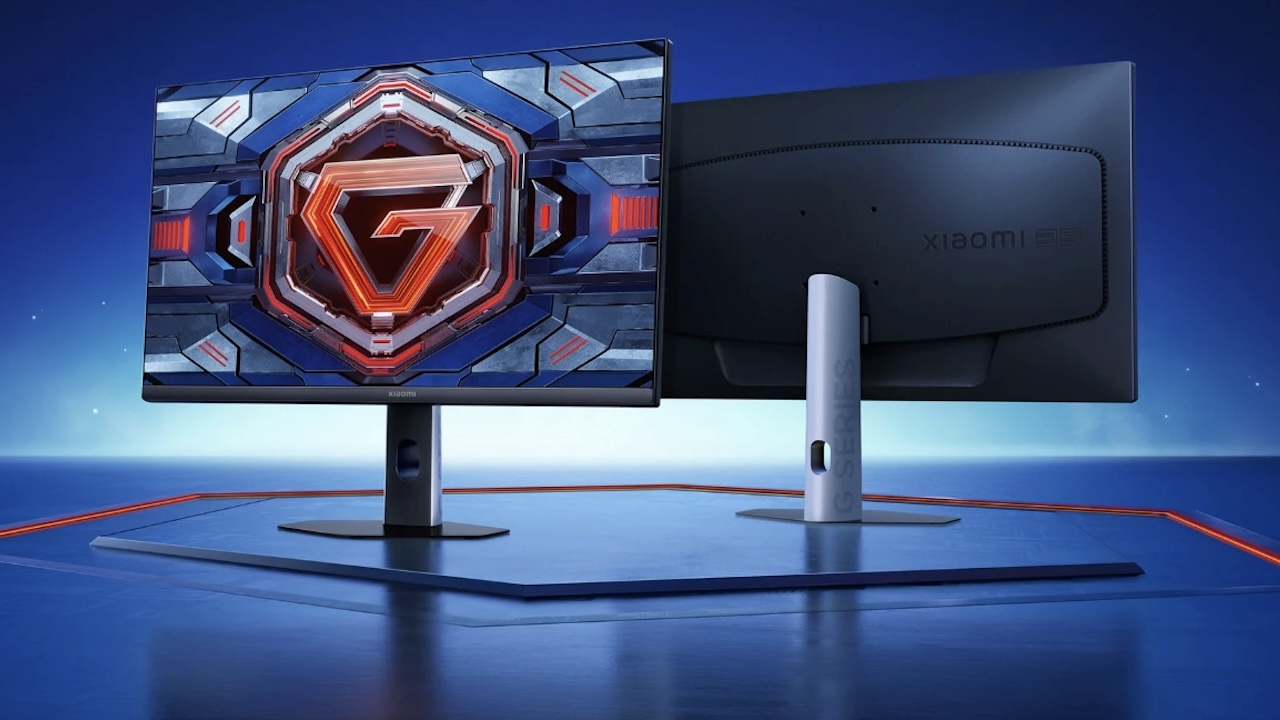
Gaming monitor buyers often face a simple tradeoff. Higher refresh rates can mean spending more money. Going cheaper can mean settling for a slower panel or fewer gaming features.
Price: S$189 (About US $140)
Where to Buy: Xiaomi
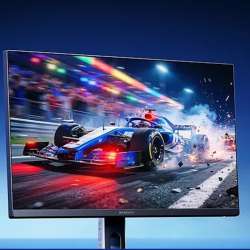
The Xiaomi Gaming Monitor G25i 2026 targets that gap. It combines a 24.5-inch 1920 × 1080 Fast IPS panel with a native 240Hz refresh rate, a claimed 1ms GTG response time, AMD FreeSync Premium, and DisplayHDR 400 certification. Xiaomi is clearly aiming it at competitive gaming rather than buyers chasing maximum resolution.
The practical question is whether you value a higher refresh rate more than a higher-resolution screen.
240Hz Is the Main Attraction
The G25i 2026 has a native 240Hz refresh rate. That allows the screen to update up to 240 times per second. The difference matters most in fast games. Competitive shooters and other titles can benefit when a gaming PC produces very high frame rates.
A higher refresh rate can make motion look smoother. It can also reduce the time between a new frame being generated and appearing on screen.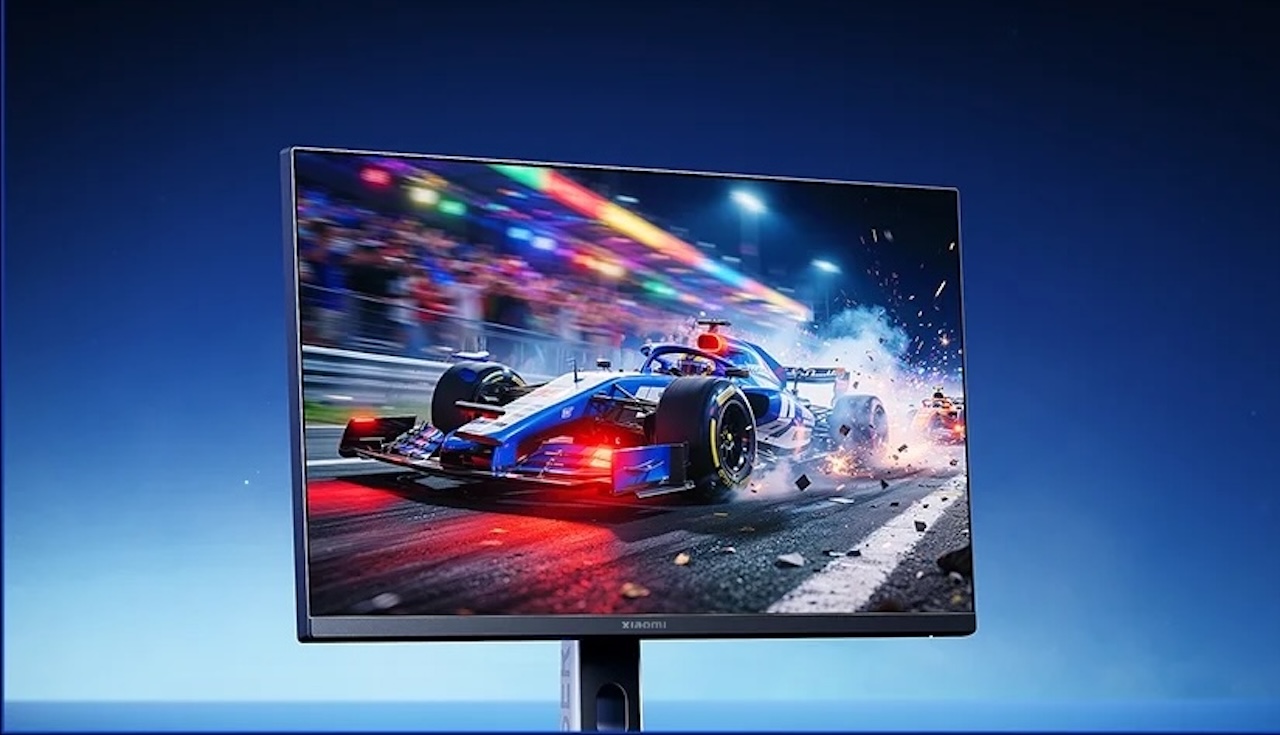
Xiaomi describes this as providing a competitive advantage. That’s a marketing claim. A 240Hz monitor won’t automatically improve your performance.
What is established is the refresh-rate specification. Xiaomi says the monitor supports 1920 × 1080 at up to 240Hz over HDMI, and it also includes DisplayPort 1.4.
The important part for buyers is the hardware driving it. There’s little reason to prioritize 240Hz if your PC can’t produce high frame rates.
That 1ms Number Needs Context
Xiaomi also advertises a 1ms GTG response time. That number needs qualification.
Xiaomi says its measurement was taken at 1920 × 1080 and 240Hz. The monitor was set to its fastest response-time mode. Actual results can vary with the signal source, content, and device configuration.
So 1ms shouldn’t be interpreted as a guarantee that every pixel transition always takes exactly one millisecond. The underlying hardware is more useful information. Xiaomi uses a Fast IPS panel and includes Dynamic Overdrive. The latter adjusts response behavior according to the frame rate.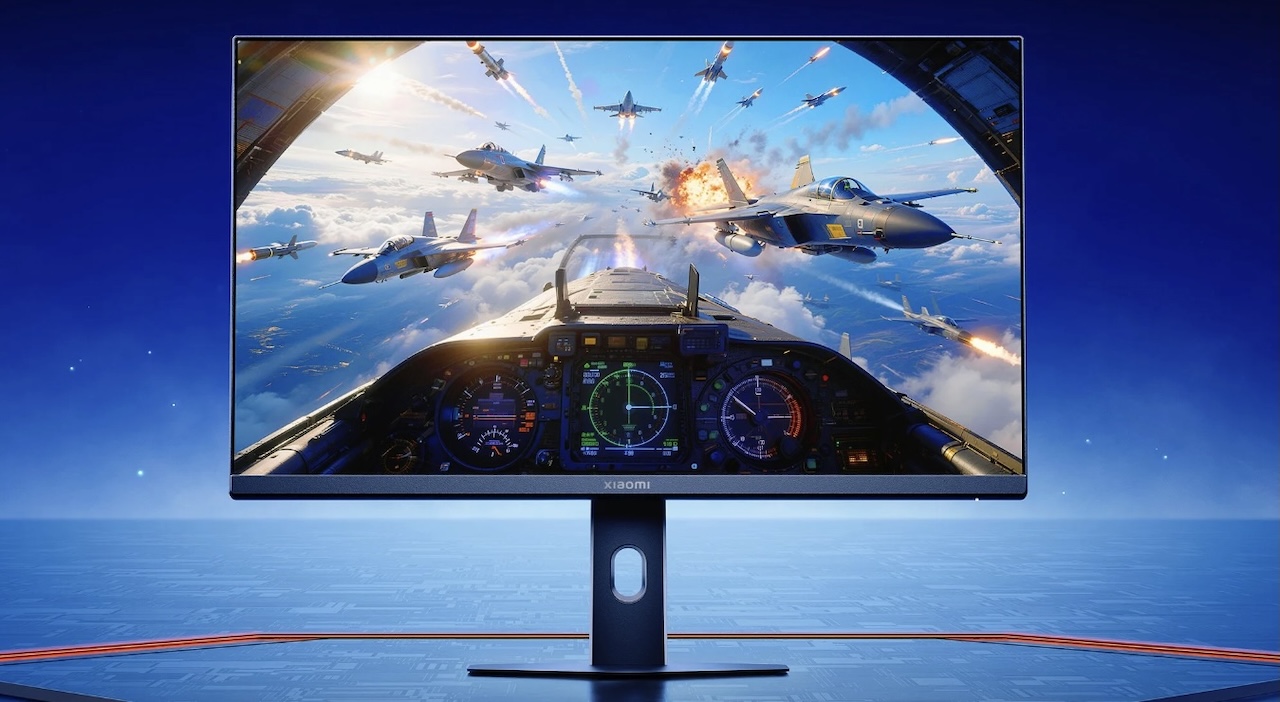
The monitor also supports AMD FreeSync Premium. Xiaomi’s support documentation additionally lists Adaptive-Sync and G-Sync Compatible support. That makes variable-refresh gaming relevant to both AMD and Nvidia users with compatible hardware.
Full HD Is the Biggest Tradeoff
The G25i 2026 stops at 1920 × 1080 resolution. That’s both a limitation and part of the appeal.
Full HD requires less GPU power than 1440p or 4K. That can make reaching the high frame rates needed for a 240Hz display easier.
The 24.5-inch screen size also fits the esports focus. Xiaomi describes it as a mainstream esports size.
Buyers using the same monitor for work may prefer 1440p. The extra pixels provide more desktop space and finer detail. The real decision is whether you’d rather use your GPU’s performance to push very high frame rates at 1080p or drive a sharper 1440p display.
HDR 400 Isn’t the Main Selling Point
The G25i 2026 is VESA DisplayHDR 400 certified. Xiaomi lists typical brightness at 400 nits and typical static contrast at 1000:1.
DisplayHDR 400 establishes a baseline level of HDR capability. It shouldn’t be confused with the HDR performance of more expensive Mini LED or OLED displays.
Xiaomi’s support documentation also says the G25i 2026 doesn’t support HDR10, HDR10+, or HLG. That makes HDR better treated as a secondary feature rather than the main reason to buy this monitor.
Color Coverage Looks Strong on Paper
Xiaomi lists 100% sRGB and 93% DCI-P3 coverage. The panel supports 8-bit color and 16.7 million colors. Xiaomi’s support documentation also specifies factory color accuracy of ΔE < 2. Those gamut figures come from Xiaomi’s own testing. They aren’t a substitute for independent measurements.
Still, the specifications suggest Xiaomi isn’t focusing exclusively on refresh rate. The monitor also carries TÜV Rheinland hardware-level low-blue-light certification. Xiaomi says its backlight design reduces short-wavelength blue-light emission in the 415–455nm range.

The Stand Keeps Things Simple
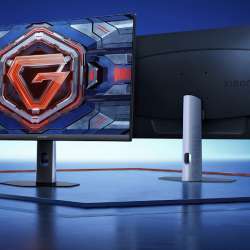
Xiaomi’s current global specifications list -5° to +15° tilt adjustment and 75 × 75mm VESA mounting. The global specification sheet does not list height, swivel, or pivot adjustment.
That means buyers who need more flexible positioning may want to use a compatible monitor arm or VESA stand.
Connectivity remains straightforward. You get one DisplayPort 1.4, one HDMI 2.0, an audio output, and DC power input. There’s no USB-C dock or USB hub.
Who Is the Xiaomi Gaming Monitor G25i 2026 For?
The G25i 2026 makes the most sense for buyers who prioritize high frame rates over high resolution.
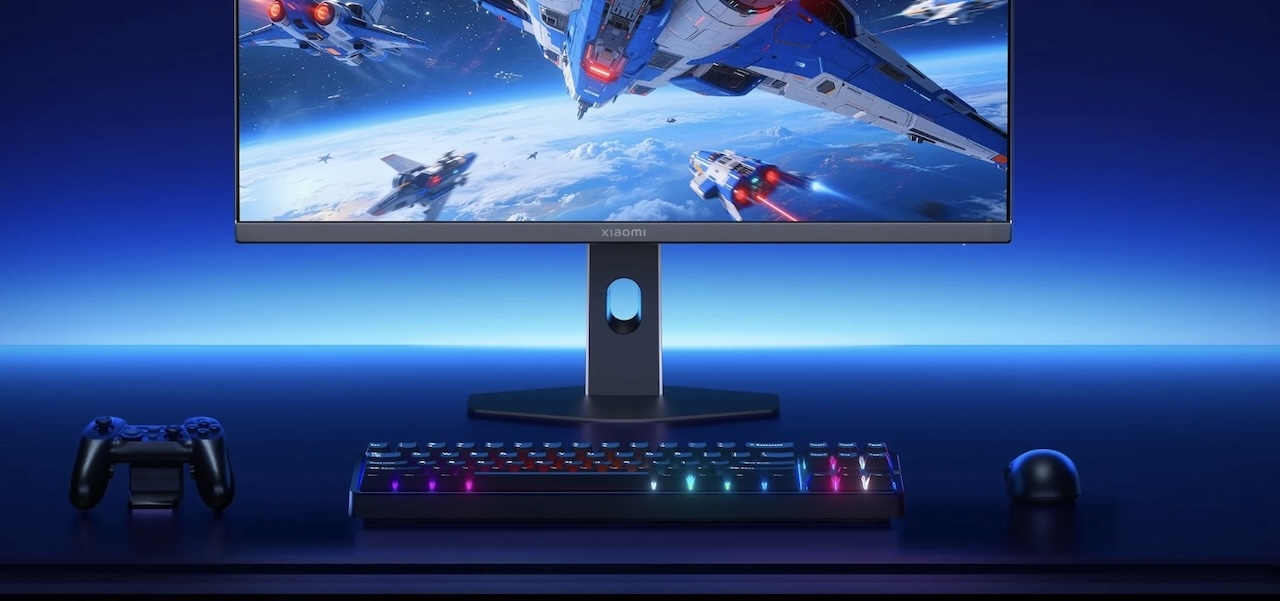
Competitive PC gamers are the clearest audience. The 24.5-inch size, native 240Hz refresh rate, Fast IPS panel, FreeSync Premium, and broader adaptive-sync support all point toward high-frame-rate gaming. It makes less sense if you want 1440p sharpness, premium HDR, extensive connectivity, or a more adjustable stand.
Pricing will also matter. Xiaomi’s global product page doesn’t currently provide a universal price, and availability varies by region.
Price: S$189 (About US $140)
Where to Buy: Xiaomi
The bottom line: the G25i 2026 concentrates on the features that matter for fast PC gaming. You get 240Hz, Fast IPS, adaptive sync, and a compact 24.5-inch panel, but remain at 1080p. If you care more about pushing high frame rates than increasing resolution, that’s the reason to keep an eye on it.