
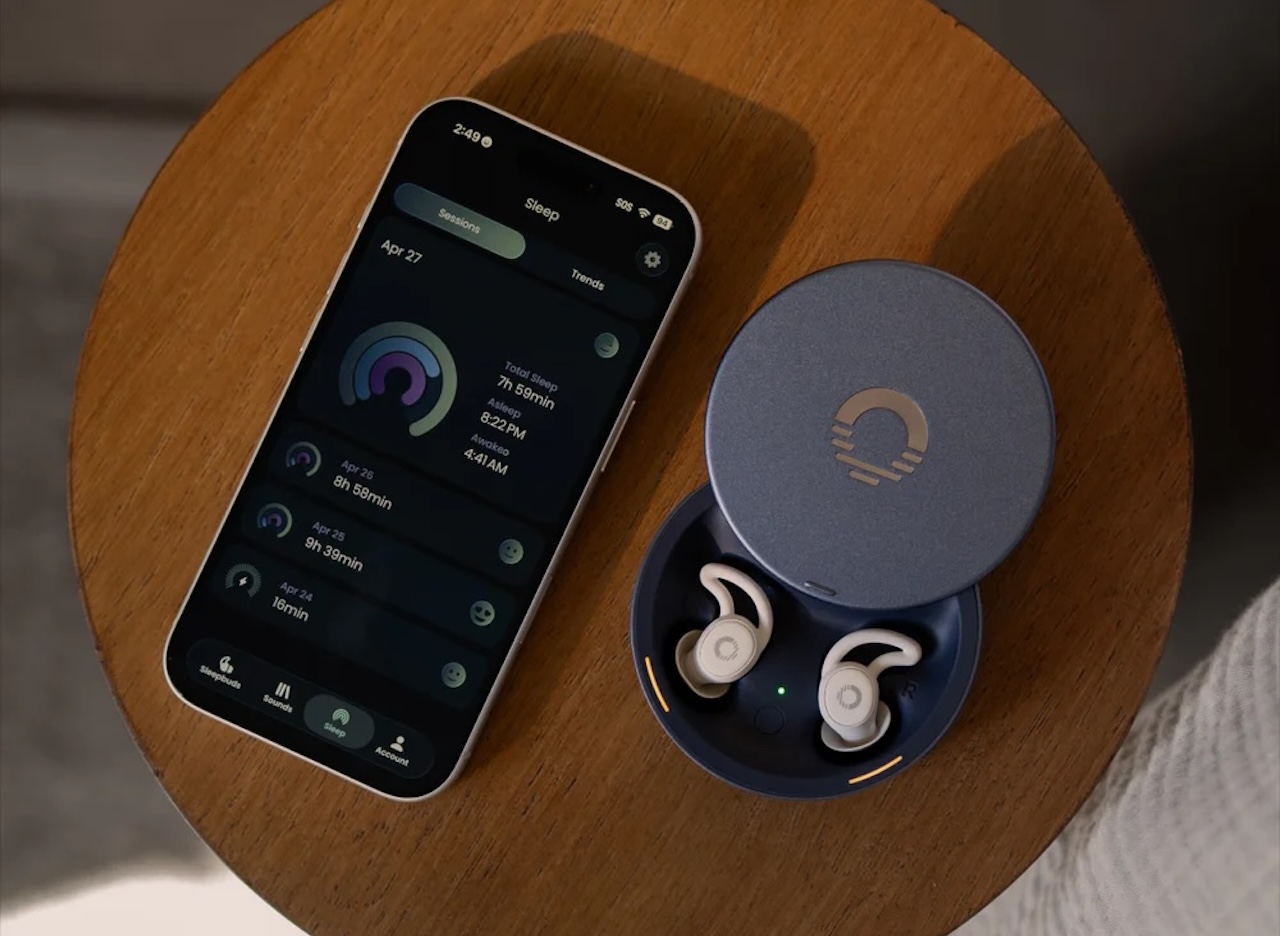
 Sleep earbuds have spent years pretending to be tiny daytime headphones. Most true wireless buds on the market were engineered for calls, workouts, and commutes, then repurposed for bedtime almost as an afterthought, a fit that rarely survives eight hours on a pillow. Ozlo Sleepbuds 2 takes the opposite route: a $279 pair built specifically for bedtime.
The company announced the new model on July 28 as the second generation of a product line narrowly focused on one job. Its pitch: passive noise blocking and masking, not active noise cancellation, plus a system that shifts from streamed audio to sleep sounds once you drift off.
❗Price: $279
Where to Buy: Amazon
What Ozlo changed for the overnight shift
Ozlo says the new buds run for up to 14 hours on one charge, but that number comes from a specific lab scenario: half-volume playback split between streamed audio and the built-in Sleep Sounds. Treat it as a best-case ceiling rather than a promise for every listening habit. Anyone streaming at full volume, or masking a partner’s snoring, should expect less battery life.
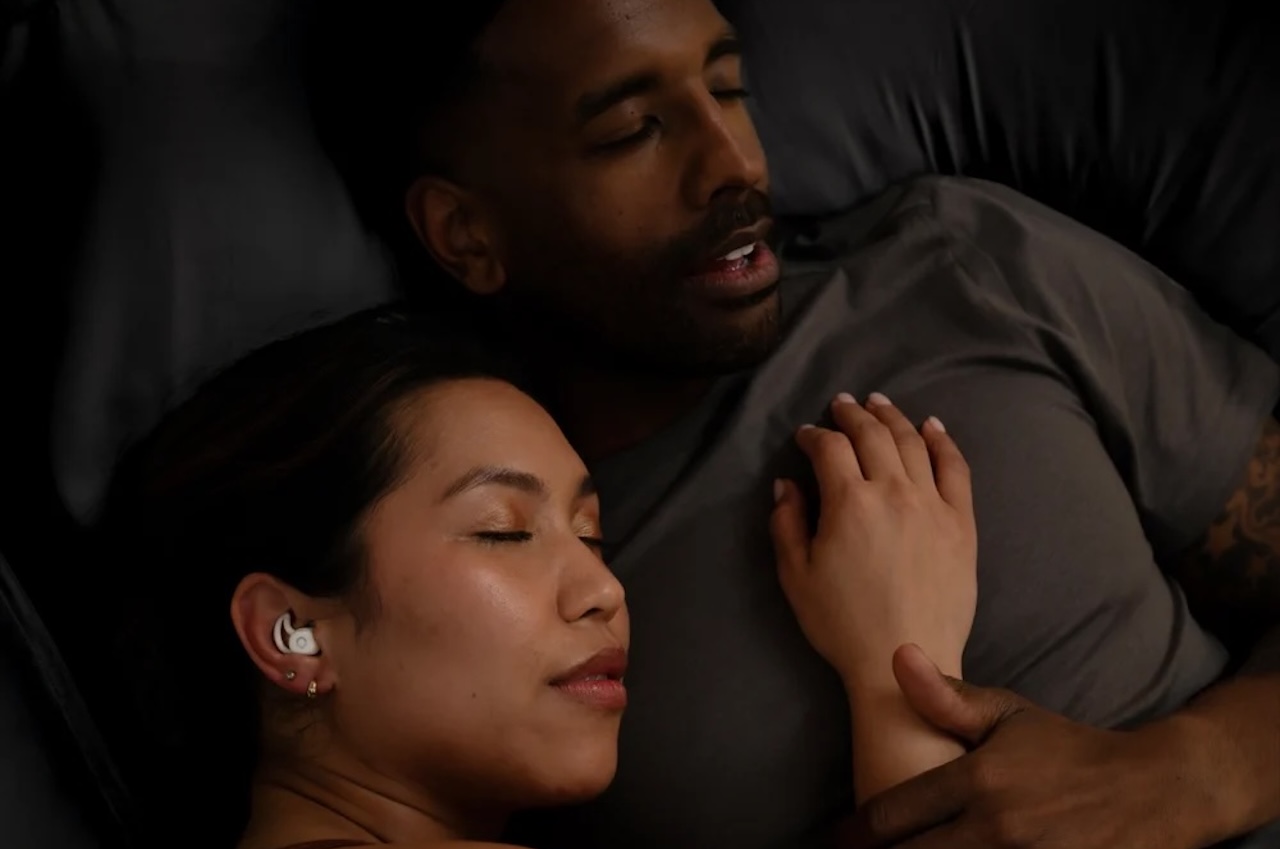 Five customizable Sleep Modes are designed to switch music, podcasts, or audiobooks into masking sounds when sleep is detected, a timer ends, or streaming stops, mirroring how the original Sleepbuds handled the same handoff. That handoff is the core idea: bedtime audio shouldn’t behave like commute audio once you’re asleep. Ozlo is automating that switch instead of relying on manual timers.
The company also lists a redesigned Smart Charging Case with bedside controls, so users can start Sleep Sounds or snooze an alarm without reaching for a phone. A lit phone screen at 2 a.m. is its own sleep disruptor, so a bedside remote removes one more reason to reach for it.
Where this sits next to other sleep earbuds
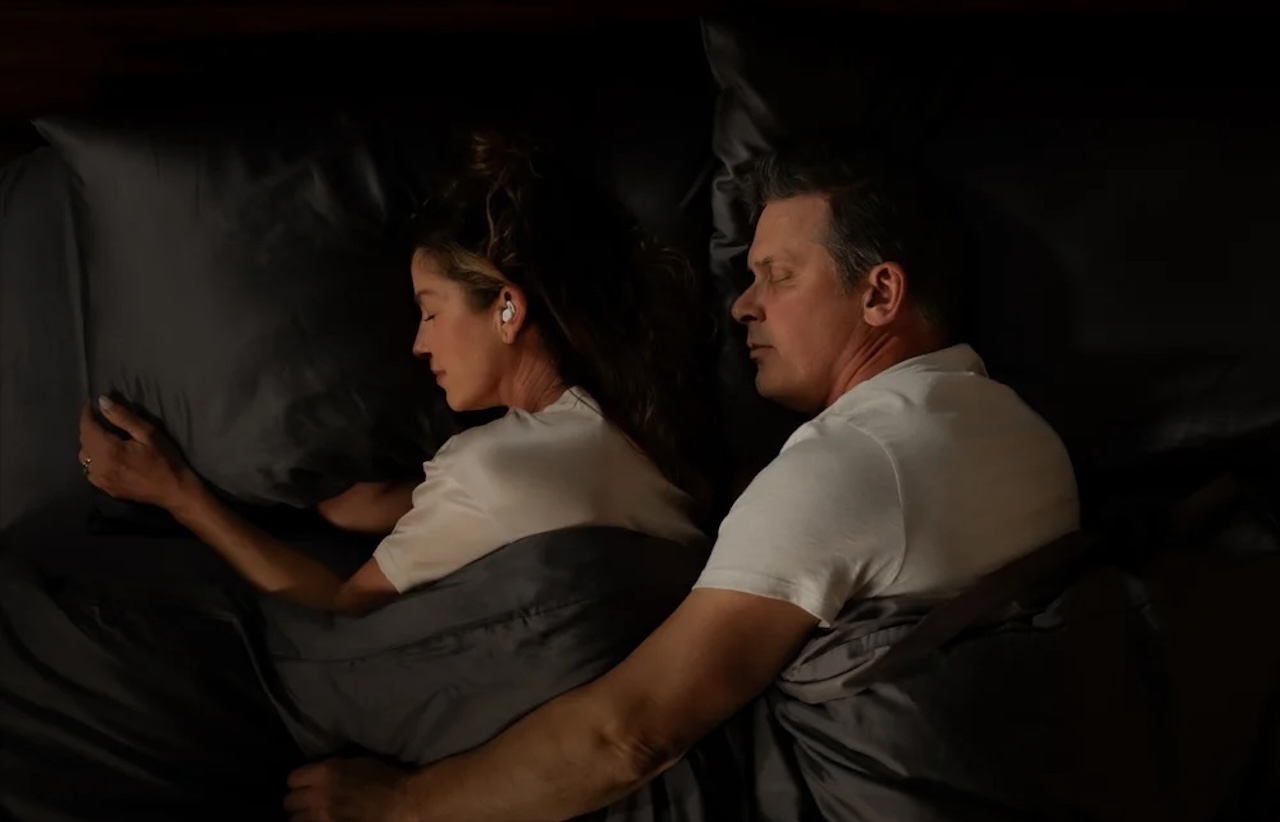 Most sleep-focused earbuds are shrunk-down versions of standard true wireless designs, tuned for calls and daytime battery targets. Ozlo’s pitch is that none of those constraints belong in a product meant to survive a full night of side-sleeping. Skipping calls and ANC is a trade-off, not an omission: those add bulk that a dedicated sleep product doesn’t need.
Whether that restraint reads as focus or as a missing feature list will depend on how the fit and audio handoff perform in practice.
The system is larger than two earbuds
Ozlo says the buds monitor movement, and the company has previously described breathing/respiration sensing as part of its broader sleep-tracking platform, while the Smart Charging Case tracks sound, light, and temperature in the room. Ozlo frames those readings as sleep tracking, not diagnostics, a positioning that keeps it out of the stricter regulatory lane that health-monitoring wearables often face.
That case-as-sensor approach is a small but telling design choice. Instead of cramming more sensors into the earbuds, where size and battery life are already tight, Ozlo pushed room-level tracking to the case.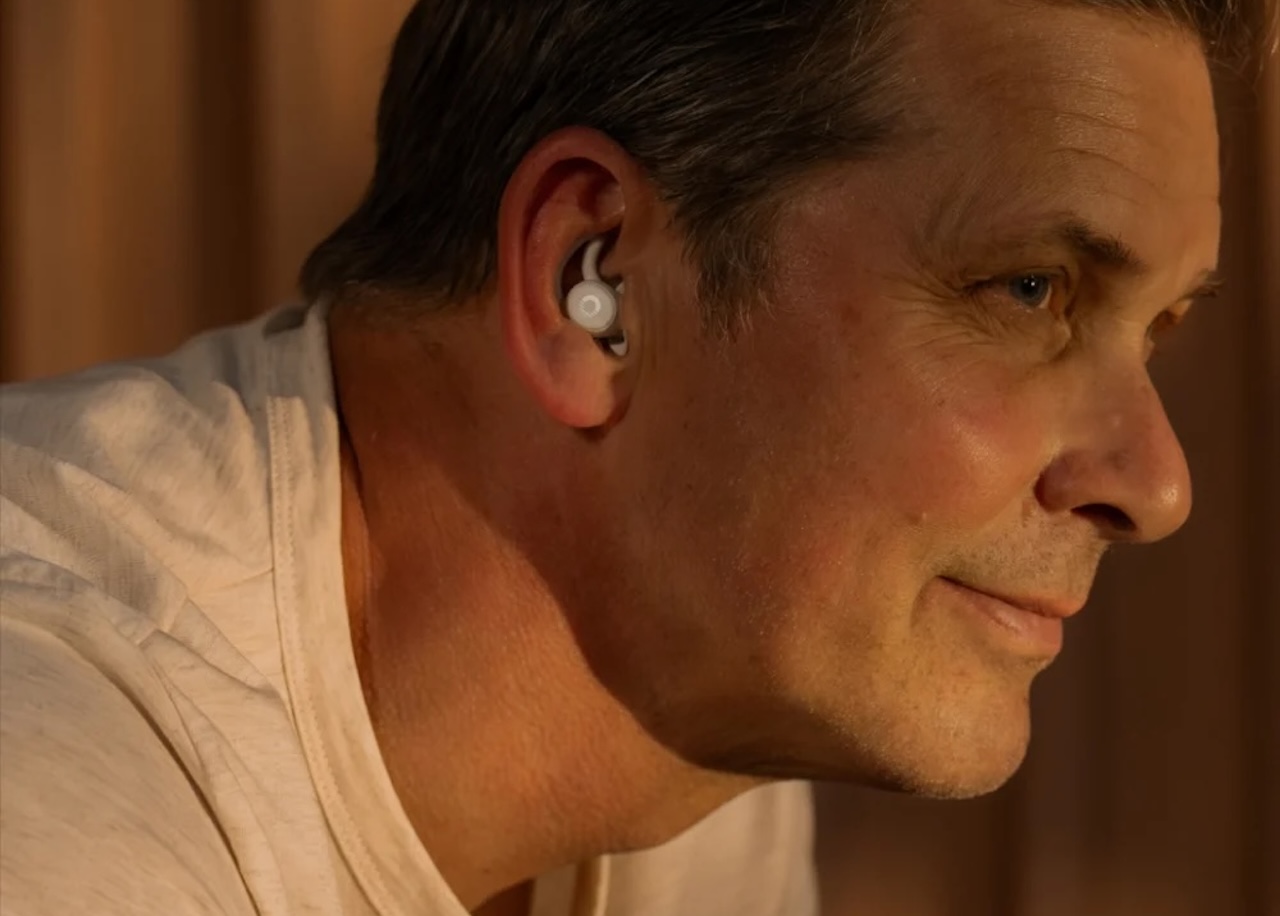
The design also skips the usual call-ready checklist. Ozlo says Sleepbuds 2 are for sleep audio and noise masking, not phone calls. There’s no microphone array, no transparency mode, and no fitness-tracking pitch. The product is scoped tightly around bedtime, leaving daytime use to other earbuds.
What is still unclear
Ozlo has announced the feature set, but it hasn’t supplied independent evidence that the new modes improve sleep. Treat the company’s sleep-outcome claims skeptically until hands-on testing addresses comfort, connection, and reliability.
Several practical questions remain open. How reliably does the sleep-detection handoff trigger: does it wait too long, or cut off audio too early, mid-podcast? How does the fit hold up for side-sleepers over a full night? And how consistent is the masking-sound quality across the five Sleep Modes, especially in bedrooms with variable background noise?
The $279 price also puts a high bar on the overnight experience. Battery life, fit, and the sleep-detection handoff will decide whether it feels like a specialized tool or an expensive accessory. At that price, Ozlo is asking buyers to trust a single-purpose device over the general earbuds already sitting in a drawer.
TG take
The strongest idea behind Sleepbuds 2 isn’t smaller hardware. It’s restraint. Ozlo is betting sleep audio needs a different rulebook: fewer interruptions, less phone handling, a cleaner exit from podcast to soundscape.
That bet only pays off if the execution matches the pitch. A sleep product that needs troubleshooting at midnight (a case that won’t pair, an abrupt mode switch, an uncomfortable fit) fails at its one job, regardless of the feature list.
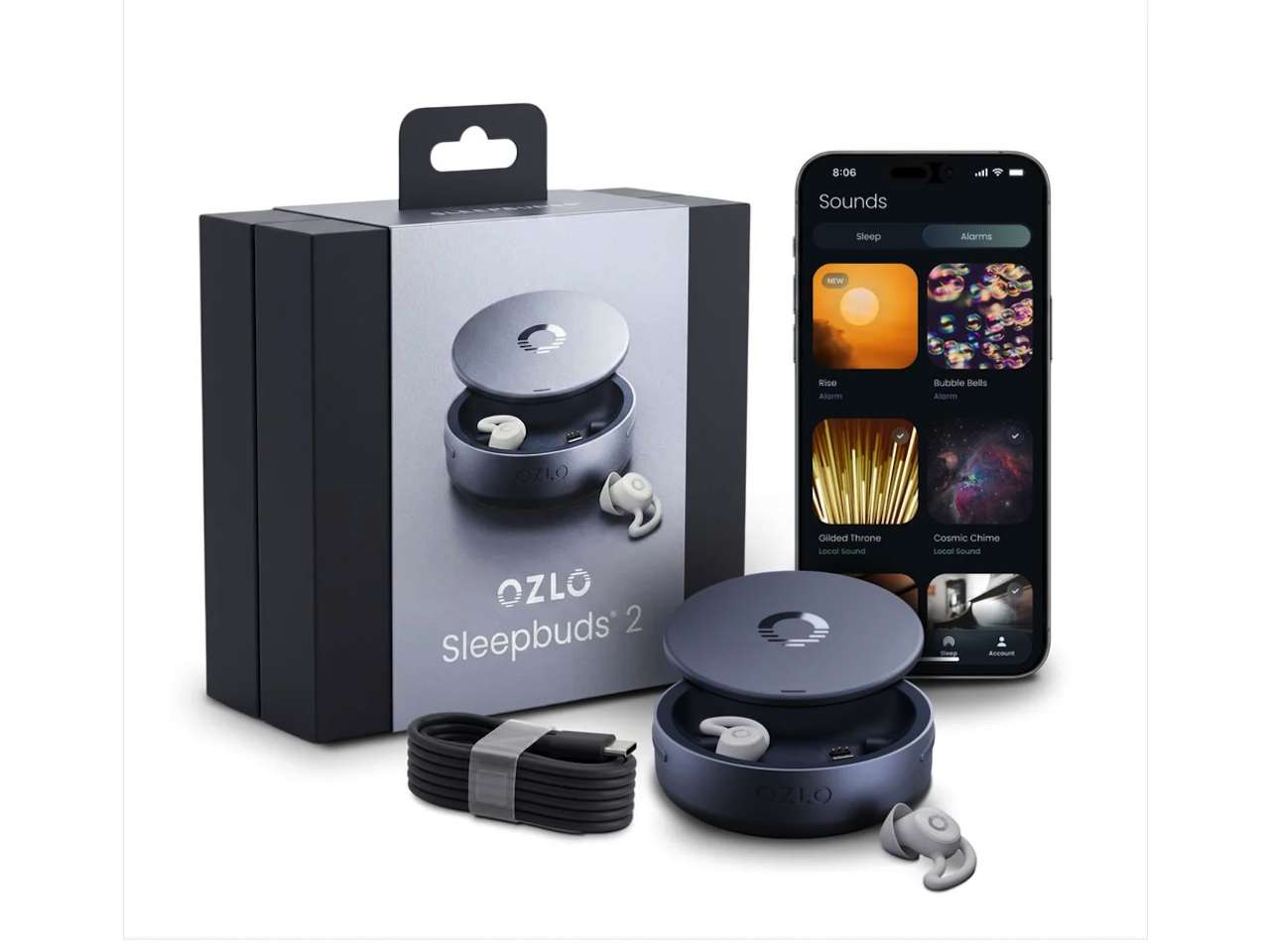
❗Price: $279
Where to Buy: Amazon
If that system works as described, $279 buys more than audio in a pillow. It buys a cleaner boundary between being awake and trying to stay asleep.
Auto Amazon Links: No products found.
