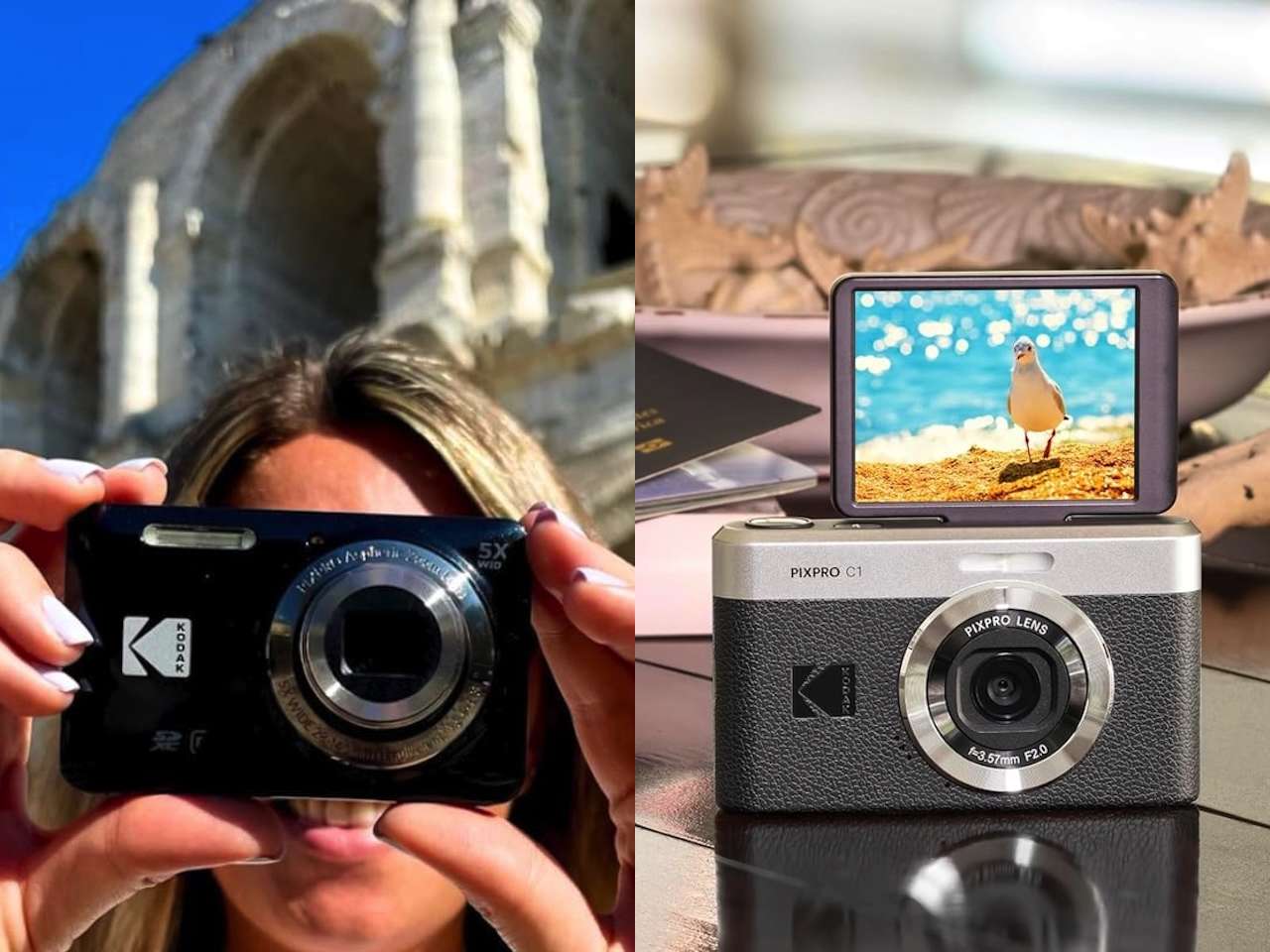
The compact camera outselling everything else in Japan right now isn’t a viral Fujifilm or a cult Ricoh. It’s the Kodak PixPro C1, a point-and-shoot that costs about a hundred dollars and shoots photos your phone would beat without trying. Right behind it sits another Kodak, the PixPro FZ55, and the gap between what these cameras can do and how fast they sell is the whole story.
Japanese retail tracker BCN+R ranked the top-selling compact cameras for the first half of 2026, and Kodak landed four models on the list, more than any other brand. The C1 took the top spot and the FZ55 came in second, both made by JK Imaging under a Kodak license. Neither is new, neither is fancy, and that’s exactly why they’re flying off shelves. Here’s what’s driving the run, and which one fits you.
The rest of the chart tells the same story. A Fujifilm Instax Mini Evo rounds out the top three, while Kodak’s other two entries, the PixPro FZ45 and the waterproof WPZ2, sit further down, so the ranking looks like a lineup of cheap, cheerful point-and-shoots rather than a photographer’s wish list.
Why cheap cameras are suddenly winning
For most casual shots your phone wins, and the camera industry has quietly stopped pretending otherwise. People aren’t buying these Kodaks because they need sharper images, they’re buying them because a dedicated camera is fun in a way a phone isn’t. There’s no feed to check, no notifications mid-shot, and the slightly rough, flash-lit look is the draw, not a defect. Compact camera sales in Japan climbed sharply through 2025, with retail trackers clocking growth anywhere from a third to more than double, and cheap retro models are leading that comeback.
The viral names that rule social media, like the Fujifilm X100VI and the Ricoh GR, barely register on this list, and stock is the reason. Both are so hard to find that shoppers who want a camera today reach for whatever’s on the shelf, and Kodak’s budget lineup almost always is. So the chart rewards cameras you can buy on the spot instead of the ones with the longest waitlists.
This isn’t a one-off spike either, since Kodak also led compact camera sales in Japan through 2025 before the C1 and FZ55 extended the run this year. Much of the demand comes from younger shooters who grew up on phones and now want something tactile and a little retro, where the grainy, direct-flash look reads as a deliberate style.
It’s also a quiet admission from the camera industry, which poured years into higher-resolution sensors and faster shooting, aimed at casual shooters who had already moved on. Phones won that spec race a long time ago. The models selling now compete on something a phone leaves out, the simple enjoyment of using a camera, and cheap Kodaks ride that shift as neatly as the pricey retro bodies do.
1. Kodak PixPro C1: the hundred-dollar camera at the top of the chart
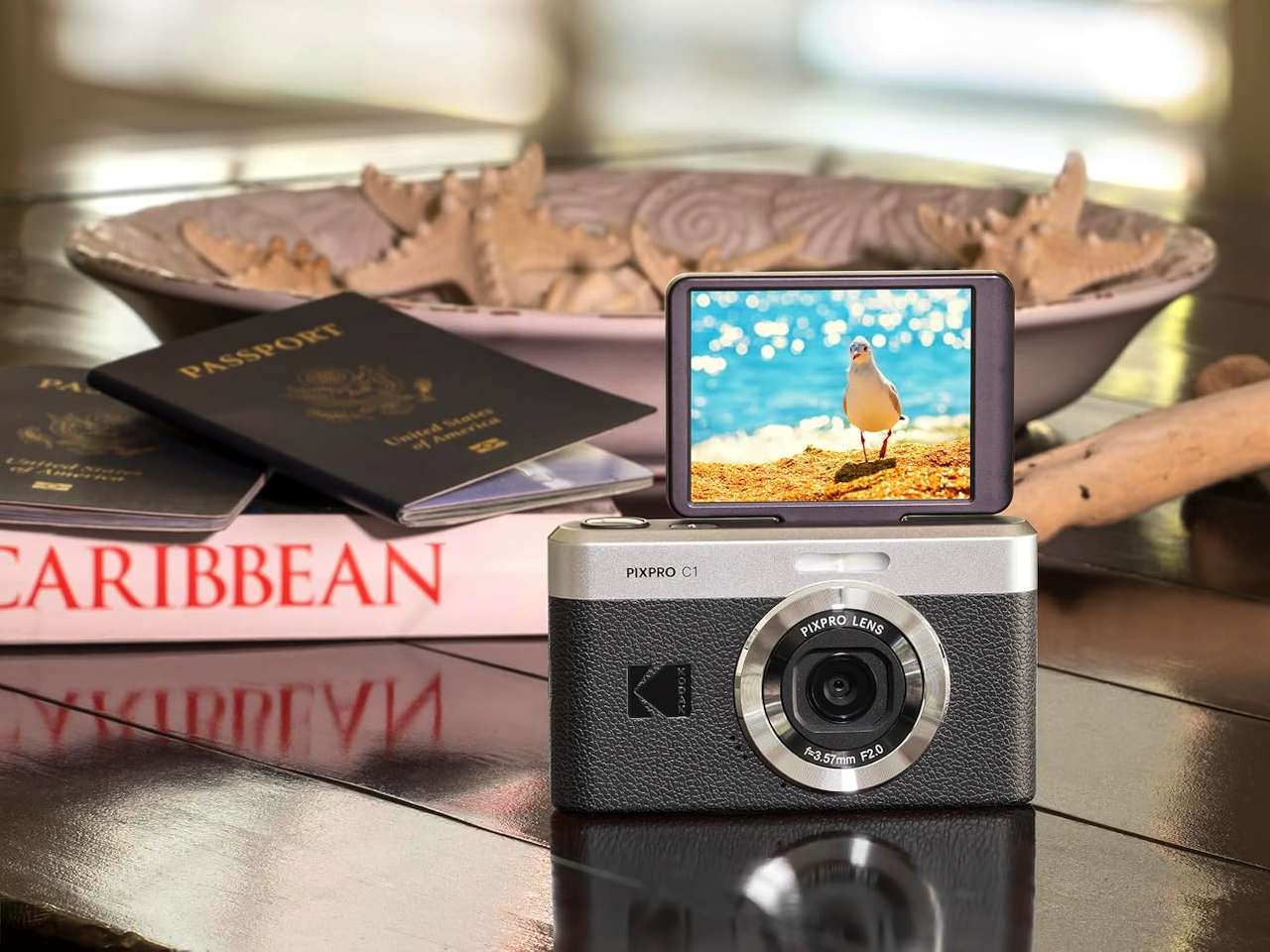
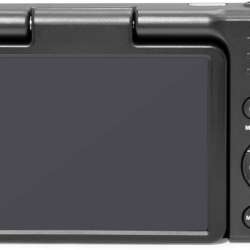
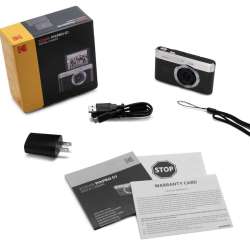
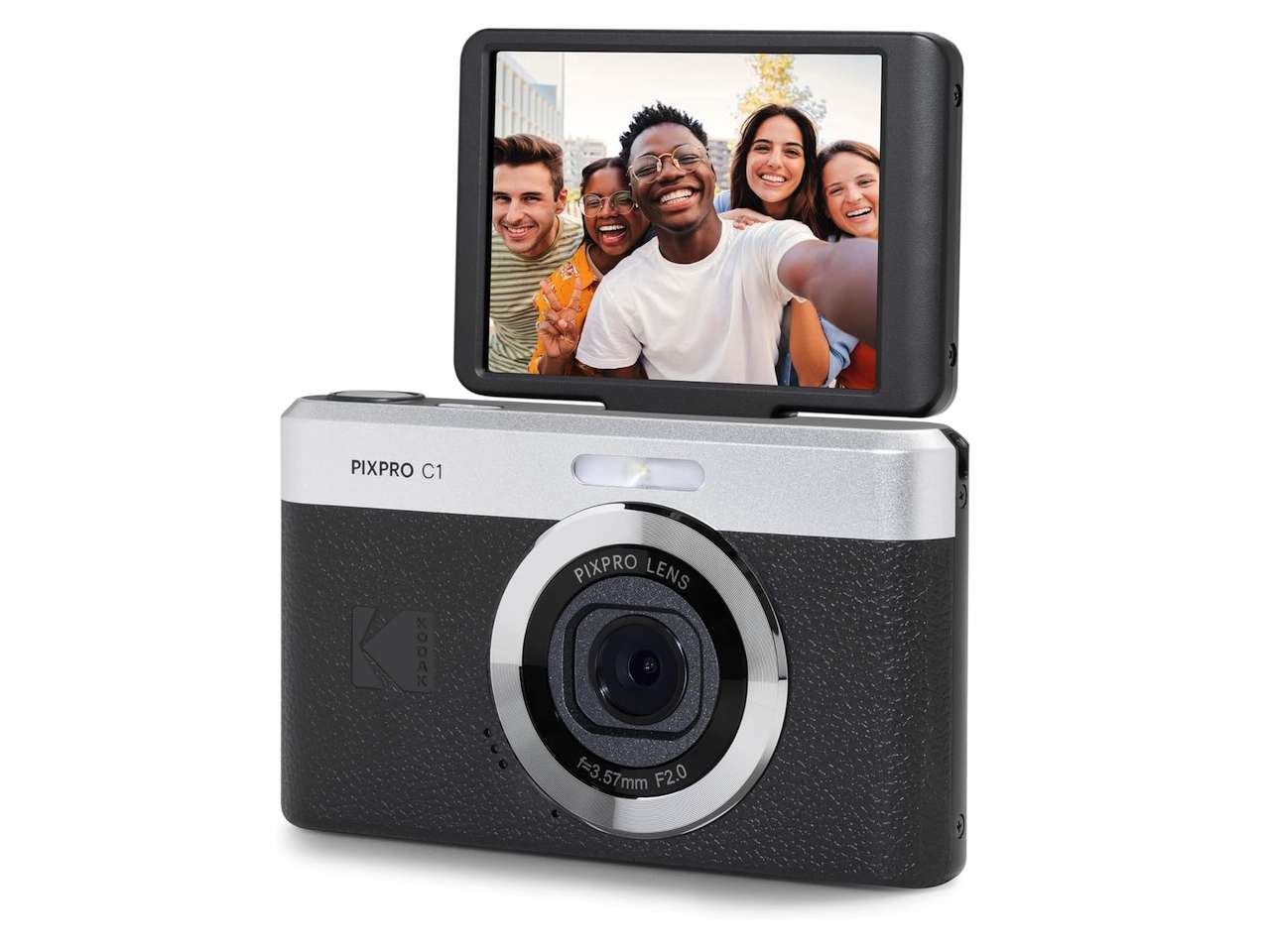 The C1 is the camera doing the heavy lifting on that bestseller list, and its pitch is simple. You get a 13MP sensor, a fixed 26mm f/2 wide-angle lens, and a 2.8-inch screen that flips a full 180 degrees for selfies and vlogging. It records 1080p video, charges over USB-C, and weighs 115 grams, so it slips into a pocket and rides along. Built-in filters like retro, vivid, and black and white bake the look in as you shoot, which is a big part of why younger buyers keep grabbing it.
In practice the C1 leans into that lo-fi look on purpose, so the soft, muted output works in its favor. Storage runs on a microSD card up to 32GB, the built-in battery is rated for roughly 200 shots per charge, and Kodak sells it in black, brown, and tan.
Price: $99
Where to Buy: Amazon
Buy the C1 if you want the cheapest way into the trend and you like a flip screen for selfies and clips. Skip it if you expect phone-level image quality, since that small sensor and 4x digital zoom show their limits in low light and at a distance. Think of it as a fun second camera rather than a phone replacement.
2. Kodak PixPro FZ55: the step-up pick with a real zoom
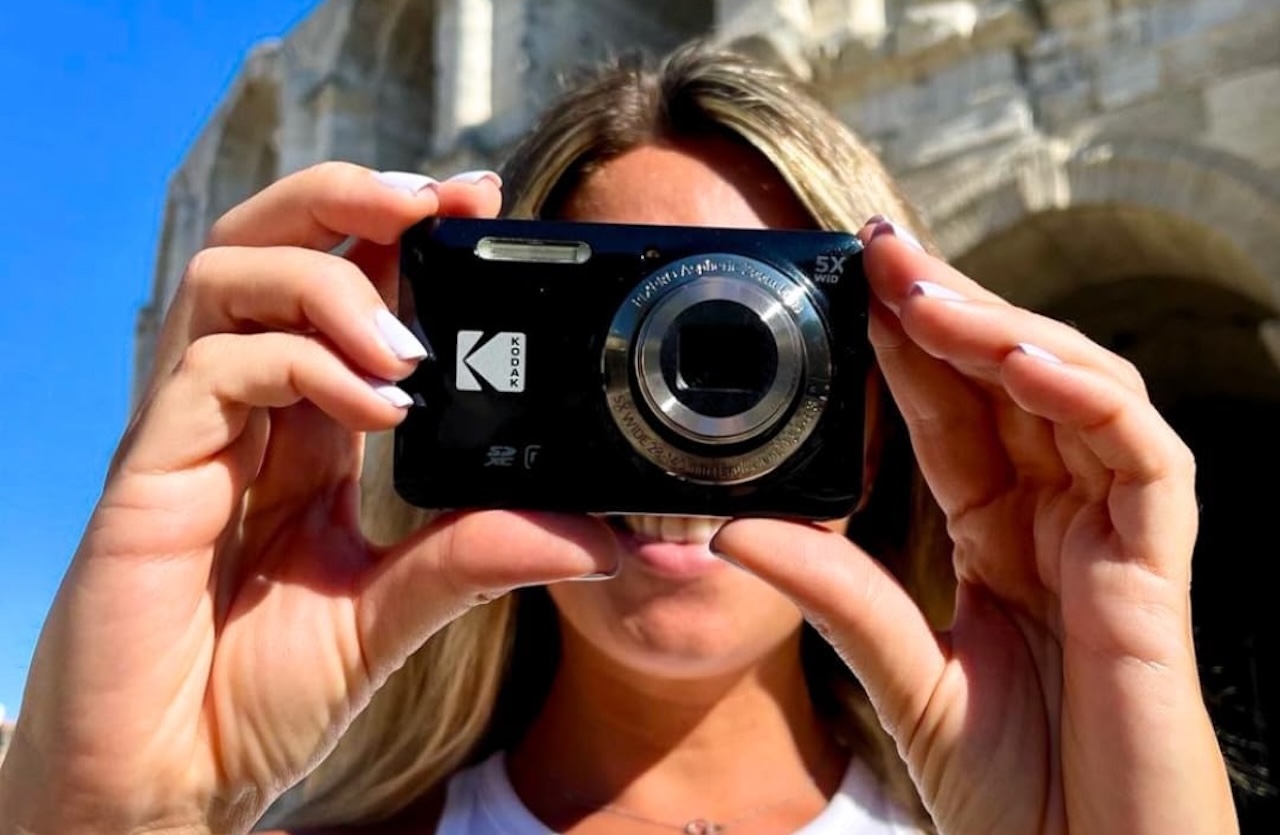
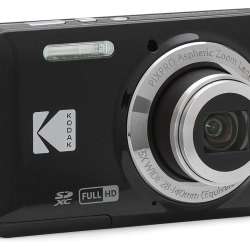
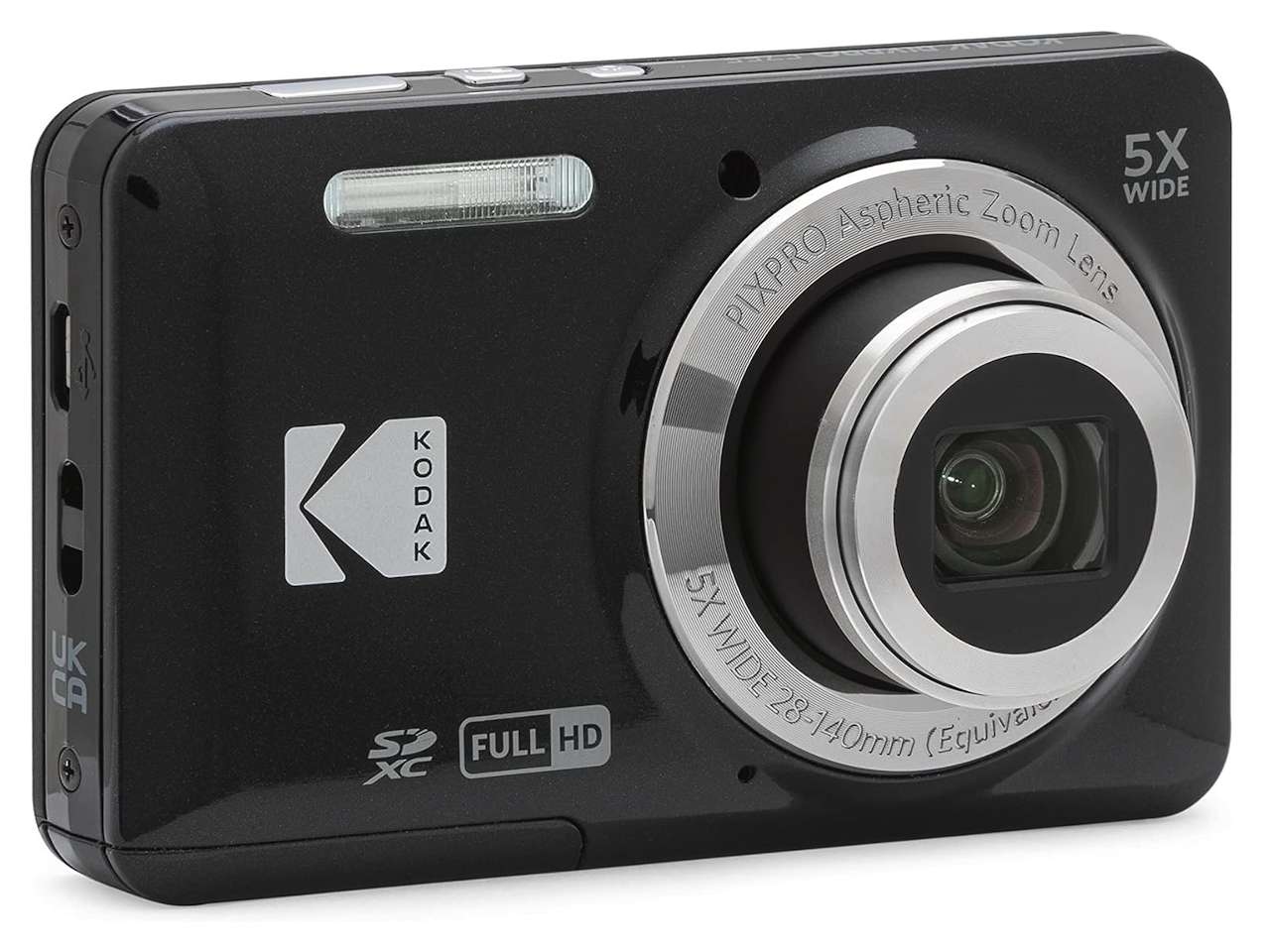 The FZ55 sits one rung up and answers the C1’s biggest weakness, which is reach. It carries a 16MP sensor and a 28mm wide-angle lens with a 5x optical zoom that stretches to 140mm, so you can frame a subject across a room or down a trail. A 2.7-inch LCD, 1080p video, face and smile detection, and a rechargeable battery round it out in a body that weighs 106 grams. It’s the pick for someone who wants the same easy point-and-shoot feel but hates being stuck at one focal length.
Beyond the 5x optical range, the FZ55 adds a digital zoom for extra reach and focuses down to 5cm in macro mode for close-ups the C1 can’t manage. It also takes SD cards up to 512GB, far more than the C1’s 32GB ceiling, and runs on a removable LB-012 battery instead of a sealed cell, in black, blue, and red.
Price: From $128
Where to Buy: Amazon
Go for the FZ55 if optical zoom matters to you and you’d rather not crop into a shot after the fact. The trade is the screen, since the fixed 2.7-inch LCD doesn’t flip for selfies the way the C1’s does, so it’s the weaker vlogging tool. For everyday snapshots with more framing range, it earns that second-place spot on the chart.
What these two have in common
Line the two up and the pattern is clear, since both are cheap, simple, and steadily in stock. Neither chases the spec race that phones already won, and both lean into the easy, character-first shooting a phone can’t quite fake. That’s the same formula pushing disposables and keychain cams back into pockets, which we covered in our roundup of Kodak Charmera alternatives. The Kodaks pull it off with a rechargeable battery and a proper screen.
Which one should you buy?
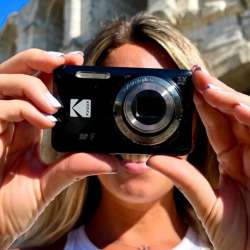
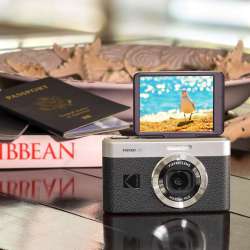
Pick the C1 if price and a selfie-friendly flip screen top your list. Pick the FZ55 if you want optical zoom and don’t mind spending about forty dollars more. Either way, set your expectations for fun over flawless files, the same as you would with any camera in this class, and if you’re shooting a specific event, our guide to better fireworks and party photos leans on the C1 as a standalone pick.