
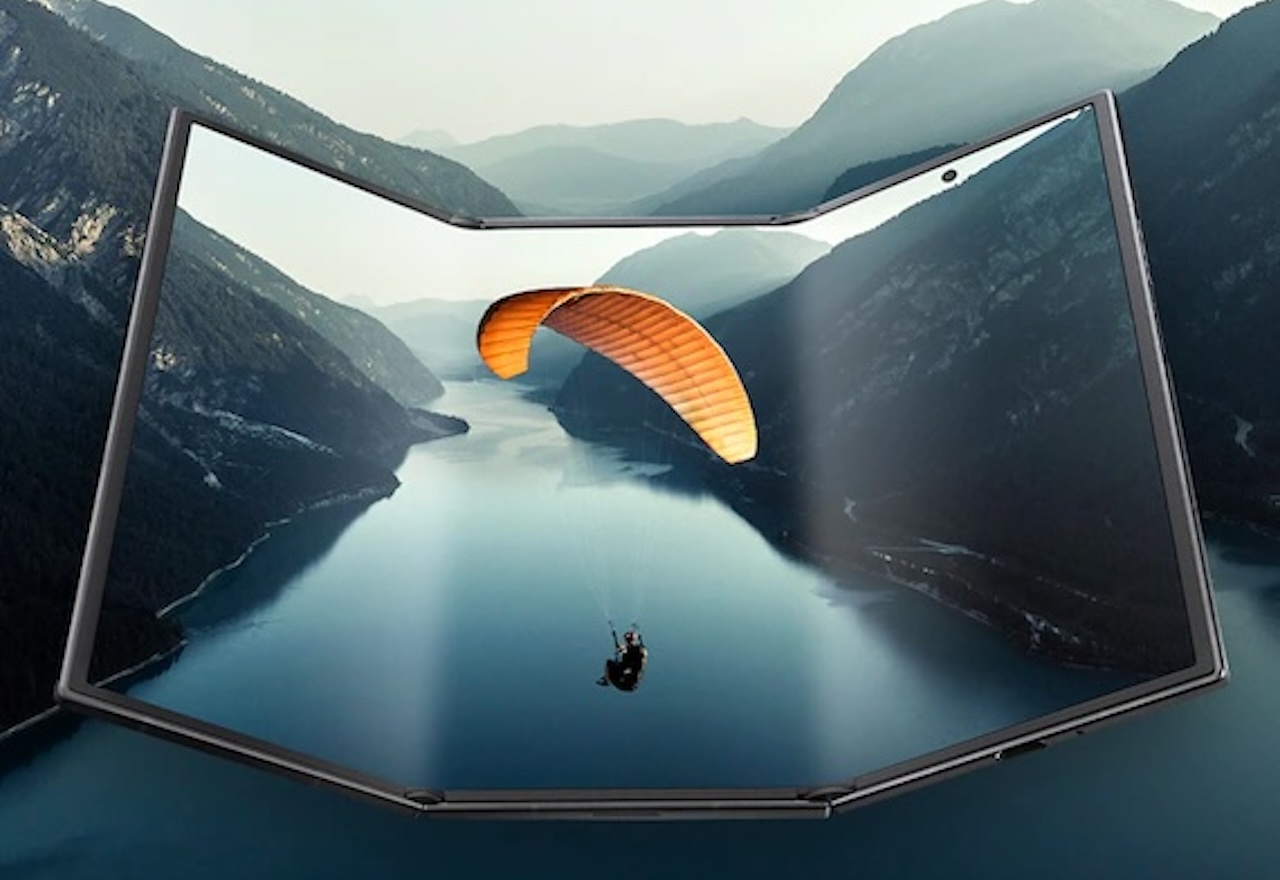
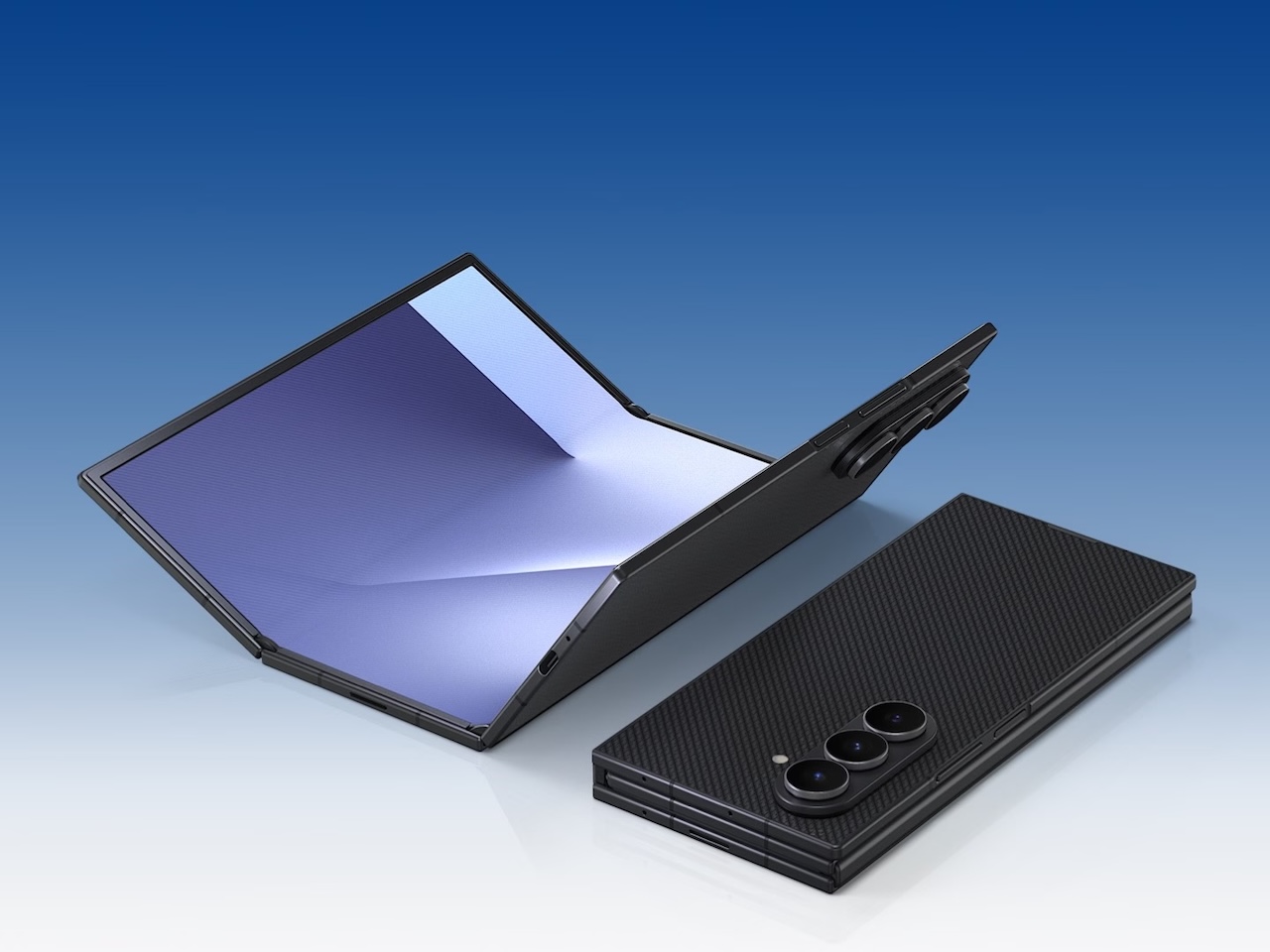
Selling out in minutes normally means a company has a hit on its hands. Samsung’s Galaxy Z TriFold spent three months proving that a phone can sell every unit it makes and still walk away from the market. At $2,899, it was the most expensive phone Samsung had ever sold in the US, and it disappeared almost as fast as it arrived.
Price: From $2,899
Where to Buy: Samsung
A sell-out that never turned into supply
Samsung launched the Galaxy Z TriFold in South Korea in December 2025 and brought it to the US on January 30, 2026, starting at $2,899 for the 512GB Crafted Black model. The online drops sold fast, often in minutes, and Samsung’s own store still greets shoppers with a blunt “sold out” banner instead of a restock date. Buyers who missed a drop kept refreshing for stock that rarely lasted.
The demand looked like the start of a breakout product. Instead, Samsung treated each restock as a countdown rather than a ramp, and by March the company confirmed it was winding down sales in Korea first, then the US once inventory cleared.
Samsung built a statement, not a staple
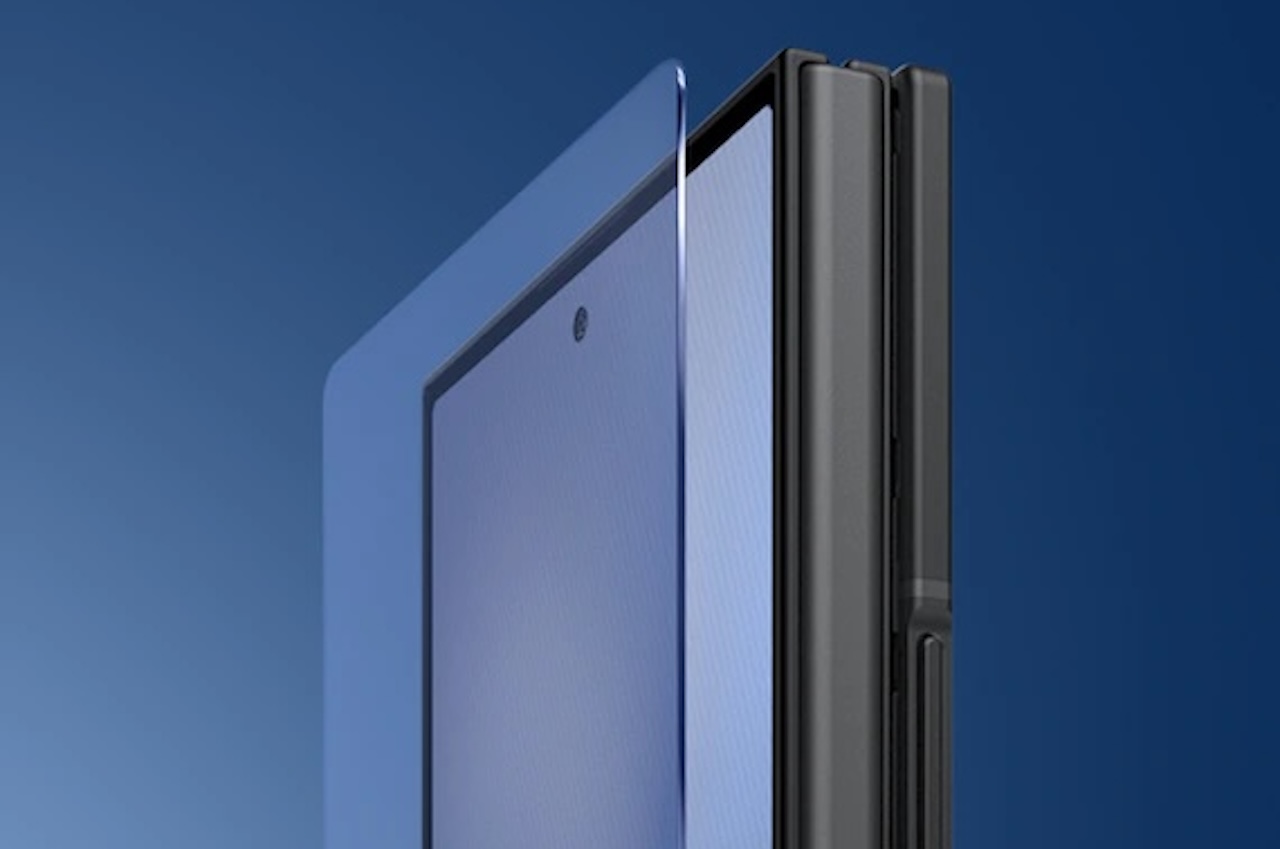
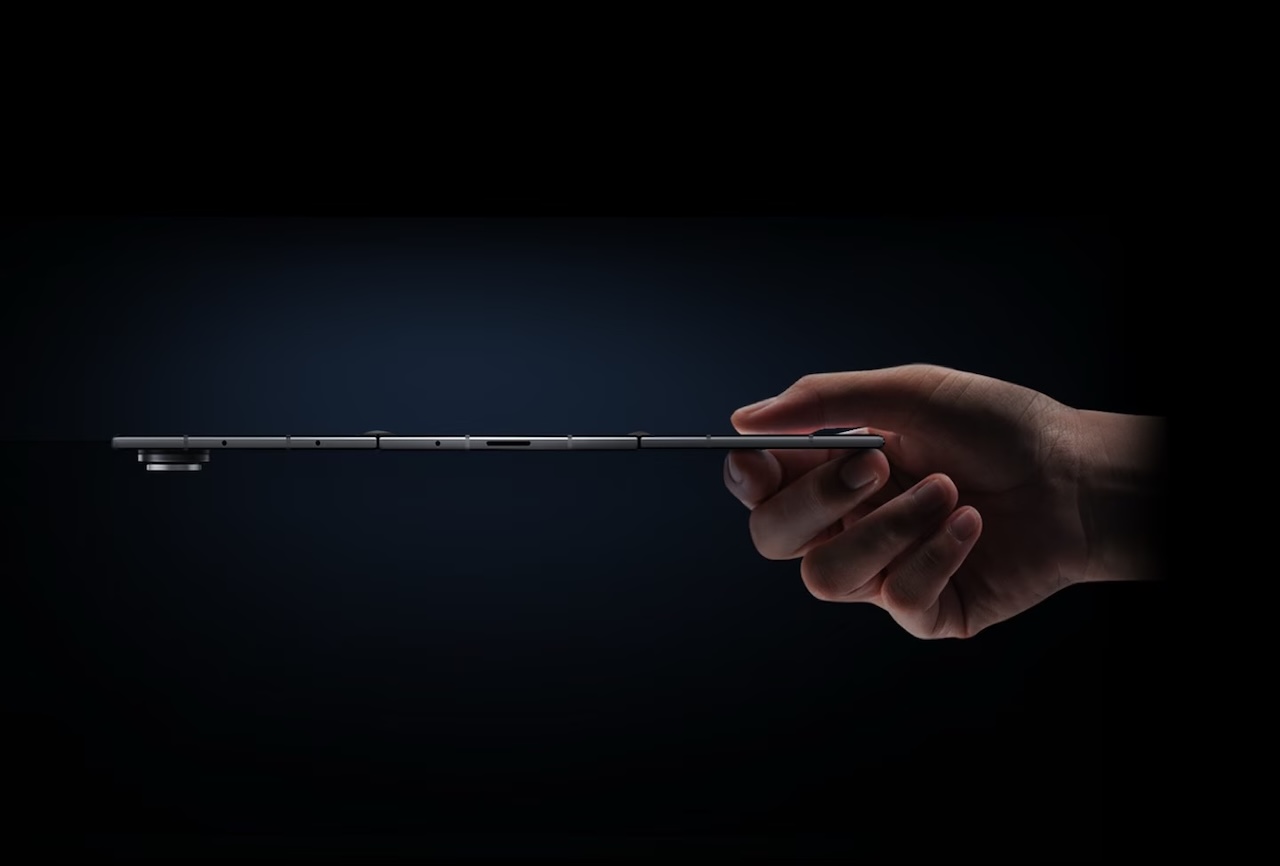
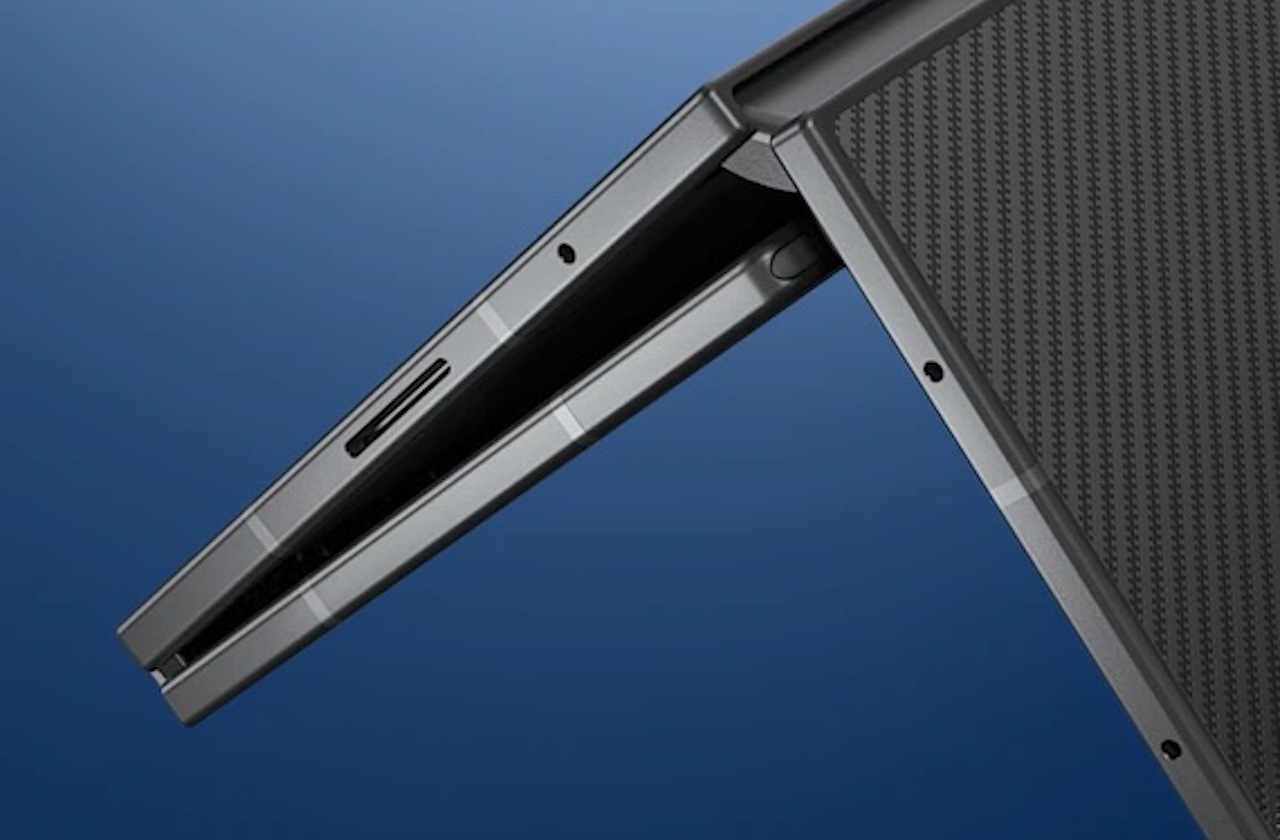
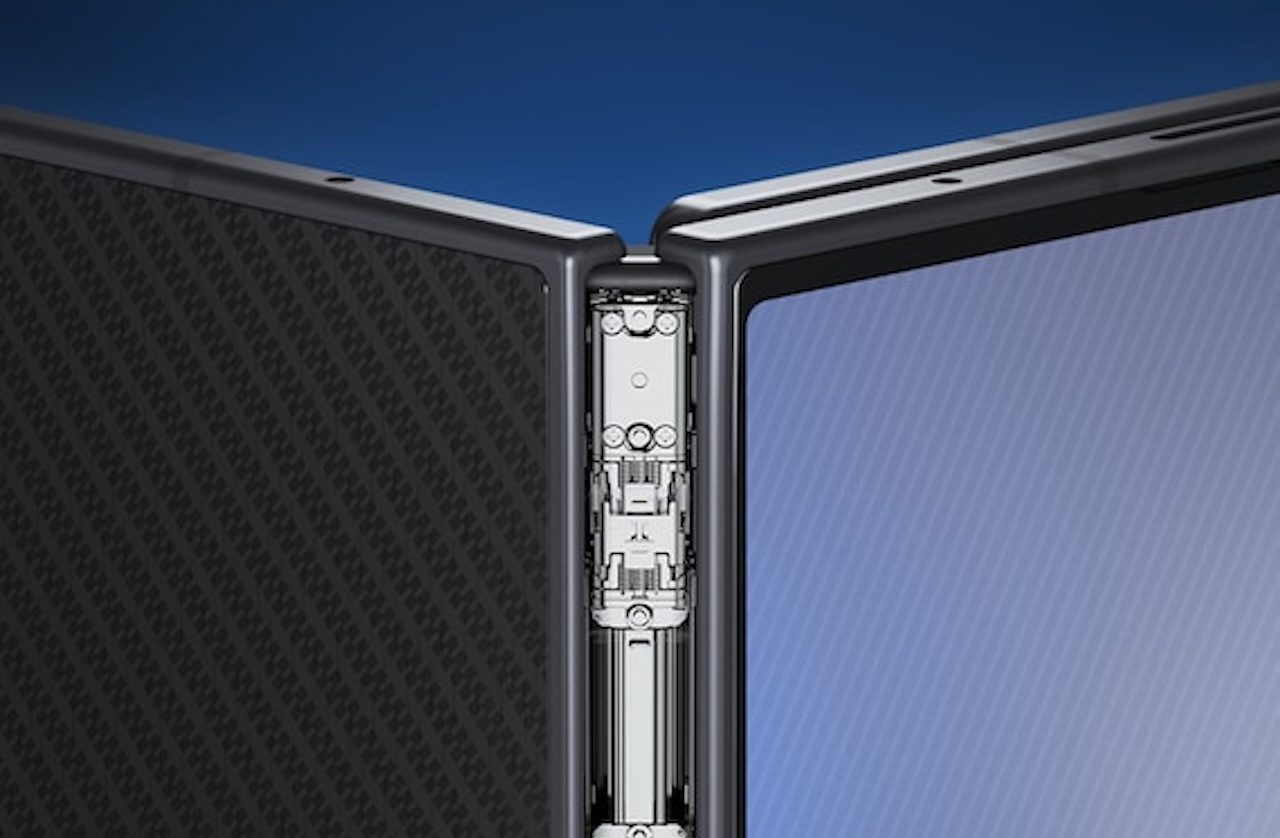
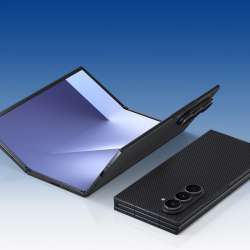
The TriFold was always a proof of concept more than a product line. It folds twice into a 10-inch tablet, runs the Snapdragon 8 Elite for Galaxy, carries a 200MP camera, and measures 3.9mm at its thinnest point, with a 5,600 mAh battery split across its three panels. Every one of those specs costs money, and Samsung reportedly couldn’t make the math work at scale.
That’s the part the sell-out headlines miss. A phone can generate headlines, sell out instantly, and still be a losing product if each unit costs too much to build. Samsung got the attention it wanted, then closed the door before the economics turned against it.
Foldables have always carried a tension between spectacle and staying power. The TriFold pushed it to an extreme by pairing a genuinely new form factor with a price and a supply that were never built to last.
The resale market filled the vacuum
Scarcity did what scarcity always does. With no restocks in sight, used TriFolds started trading well above list, landing somewhere between $3,500 and $4,400 on secondary markets, and Korean listings climbed even higher. Some sellers floated numbers no rational buyer should touch.
Paying a steep premium for a discontinued phone is its own kind of warning. Samsung is still shipping software updates to it, so support isn’t the concern, but resale value on a phone the maker has stopped selling is shaky, and repairs only get harder once production ends. The resale frenzy is less a sign of value than a symptom of a deliberately limited run.
What the next foldable should learn
As Samsung takes the stage at Galaxy Unpacked on July 22 to show its next foldables, the TriFold’s short life is a cautionary tale for the whole category, not just Samsung. A first-of-its-kind form factor can earn goodwill and prove an idea works, but that goodwill fades fast when buyers realize the phone was never meant to stick around.
The next tri-fold, from Samsung or anyone else, has to answer a question the TriFold dodged: can you build this at a price real people will pay, in numbers they can actually get? Samsung already looks stuck on it. Reports in mid-July 2026 say the Galaxy Z TriFold 2 is likely delayed over the same rising component costs, with a slidable phone possibly arriving first. Until a foldable clears that bar, sell-out headlines will keep masking a product that struggled on its own terms.


Price: From $2,899
Where to Buy: Samsung
For anyone weighing a foldable today, the takeaway is steadier than the hype cycle suggests. Buy the foldable you can actually purchase, update, and repair, and let the moonshots prove themselves before you chase them on the resale market.


Gadgeteer Comment Policy - Please read before commenting
Good reminder that phones don’t hold value forever. I work at a used-phone shop in Tehran that buys old handsets, and the pattern we see daily is simple: every month a working phone sits unused, it’s worth a little less, especially once the next generation lands and batteries age. If you’re not going to use a spare, selling sooner almost always beats waiting. We even built a short questionnaire that gives a fair estimate in a few minutes before anyone commits (it’s in Persian, so apologies to non-Persian readers). Honesty about condition is what keeps the quote accurate.