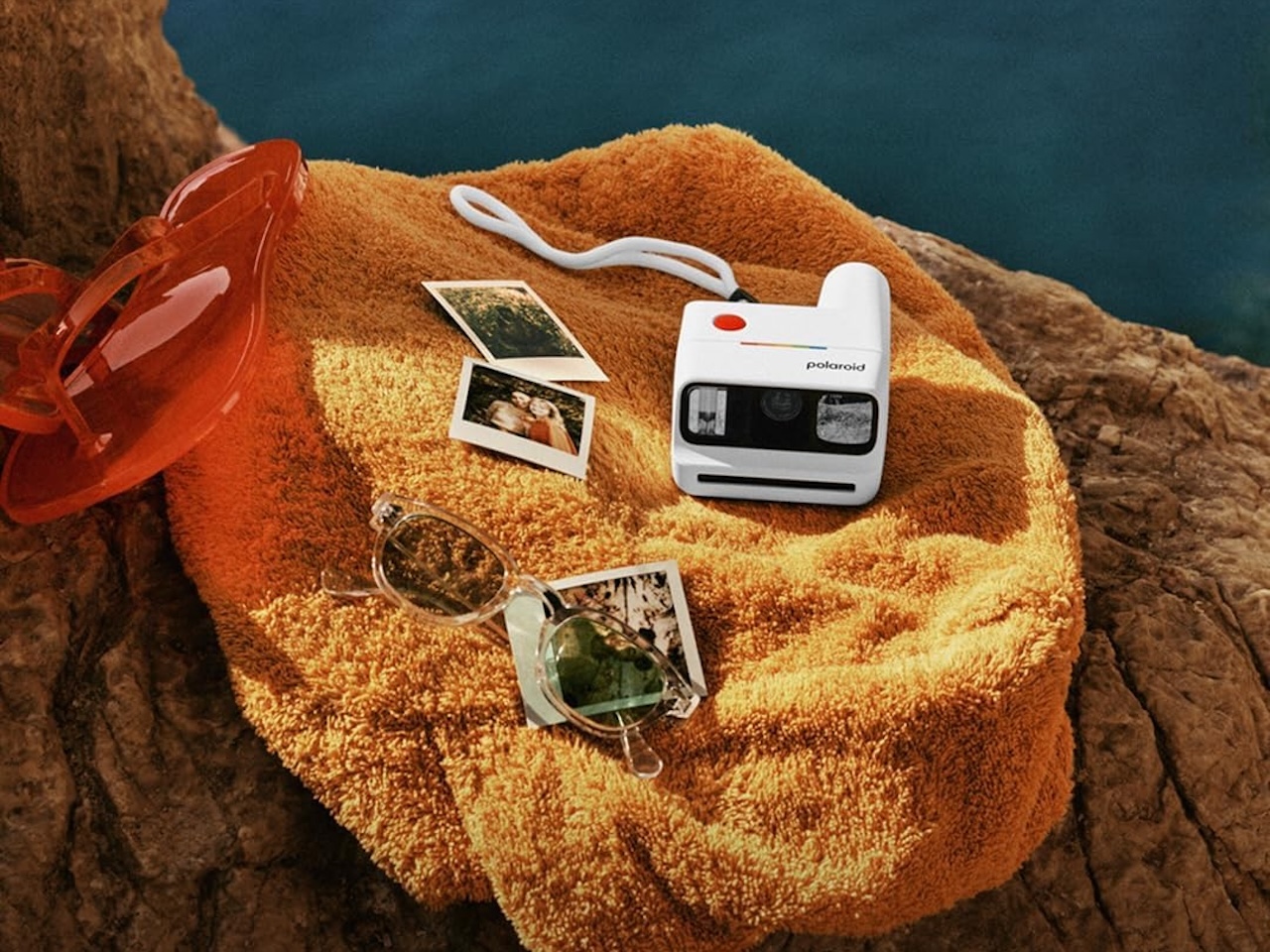
The Polaroid Go was always easy to love and easy to criticize. It was cute, pocketable, and genuinely analog, but the earlier versions made you work around soft shots, tiny prints, and indoor photos that could fall apart fast.
The Polaroid Go Generation 3 doesn’t try to turn that little camera into a serious tool. It does something more useful: it fixes the two things that matter most when you hand an instant camera to friends at a party, on a trip, or around a picnic table.
Instant Camera Buying Options
Price: Polaroid Go Generation 3 camera $89.99 at Amazon
Price: Polaroid Go Generation 3 bundle $109.99 at Amazon
Price: Fujifilm Instax Mini 12 alternative $85.81 at Amazon
Where to Buy: Amazon
The new model gets a deeper-set lens for sharper images with better contrast, a stronger flash for low light, five new colors, and the same small Go film format that lets the prints slide into a wallet, phone case, journal, or gift envelope.
That combination is why this launch has more reach than a normal camera update. It plugs into the current pull toward analog photography without asking buyers to carry a full-size Polaroid.
TG hasn’t tested the Go Gen 3 yet, so this is buying guidance based on official specs, live search data, launch coverage, and early photographer impressions. We’ve watched this category swing from instant-print cameras to portable photo printers, and the practical question hasn’t changed: is a tiny physical print worth the cost and limitations?
Why this tiny camera is getting attention now
Design Milk covered the Polaroid Go Generation 3 because it sits at the intersection of design, nostalgia, and a very current frustration with digital photos. The camera is bright, small, tactile, and easy to photograph. It also gives readers a simple emotional promise: get off the phone, take a real picture, and hand someone a physical object.
That promise is more Discover-friendly than a spec bump. Search data backs it up. `Polaroid Go instant camera` is a high-volume transactional query, while `best instant camera` is a low-difficulty commercial query with fresh 2026 buyer-guide results, AI Overview treatment, People Also Ask boxes, and product modules. Google is already treating instant cameras as an active shopping and comparison topic, not just a retro novelty.
Most launch coverage leaves a useful gap. Design-focused stories nail the vibe. Camera sites cover the specs. Buyer guides focus heavily on Instax. TG can own the practical middle: who should buy the smallest Polaroid, who should buy Instax instead, and when the bigger Polaroid Flip makes more sense.
What’s new in Polaroid Go Gen 3
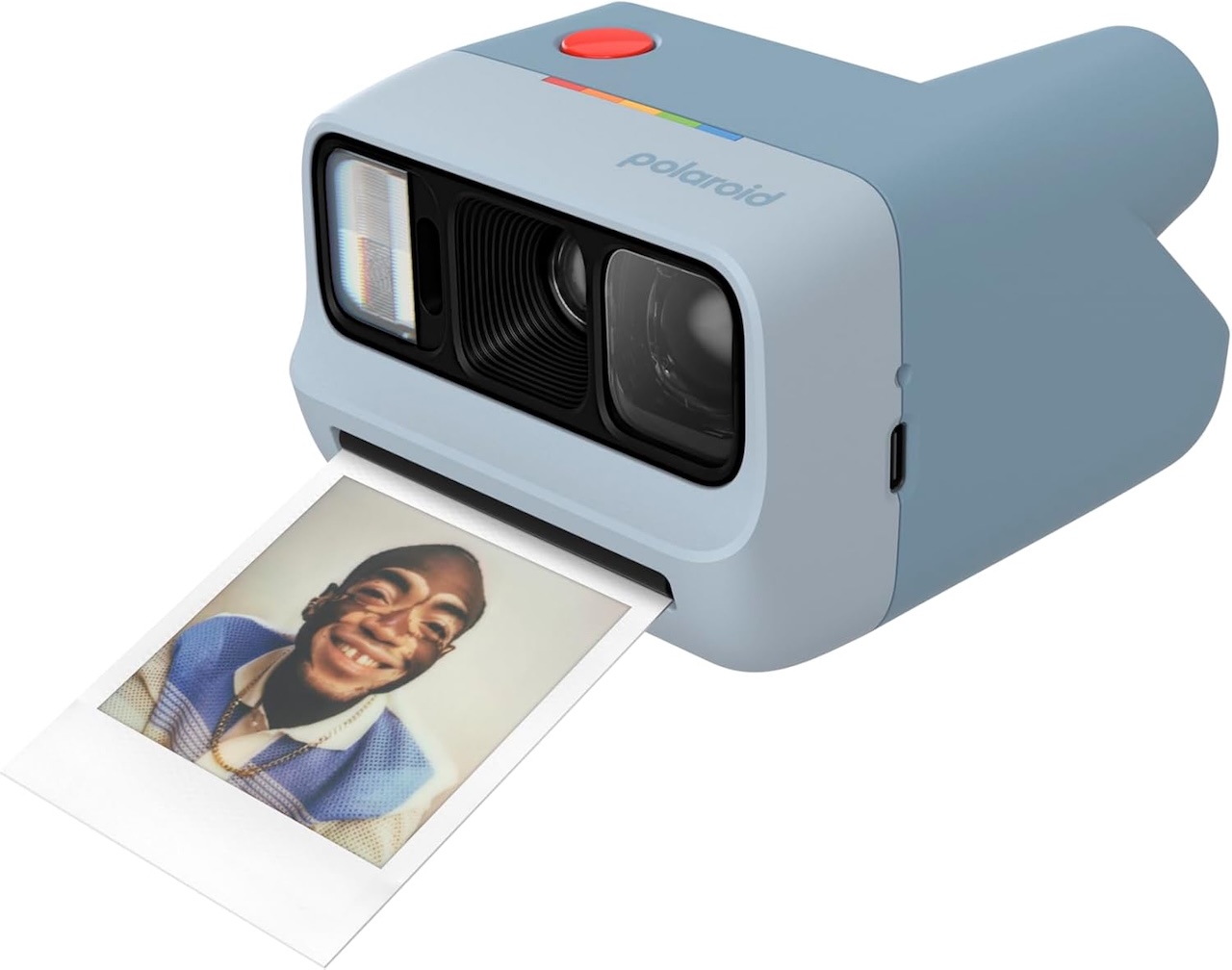
Polaroid kept the Go formula mostly intact. You still get a fixed-focus analog instant camera with a selfie mirror, self-timer, double exposure mode, rechargeable battery, and Go-format film. The changes are aimed at the most common pain points.
Start with the glass. The lens is new and sits deeper inside the body. Polaroid says this helps create sharper, clearer images with better contrast and less glare in bright light. That’s exactly the right fix for a camera that people use outdoors, at golden hour, and at social events where nobody wants to think about exposure.
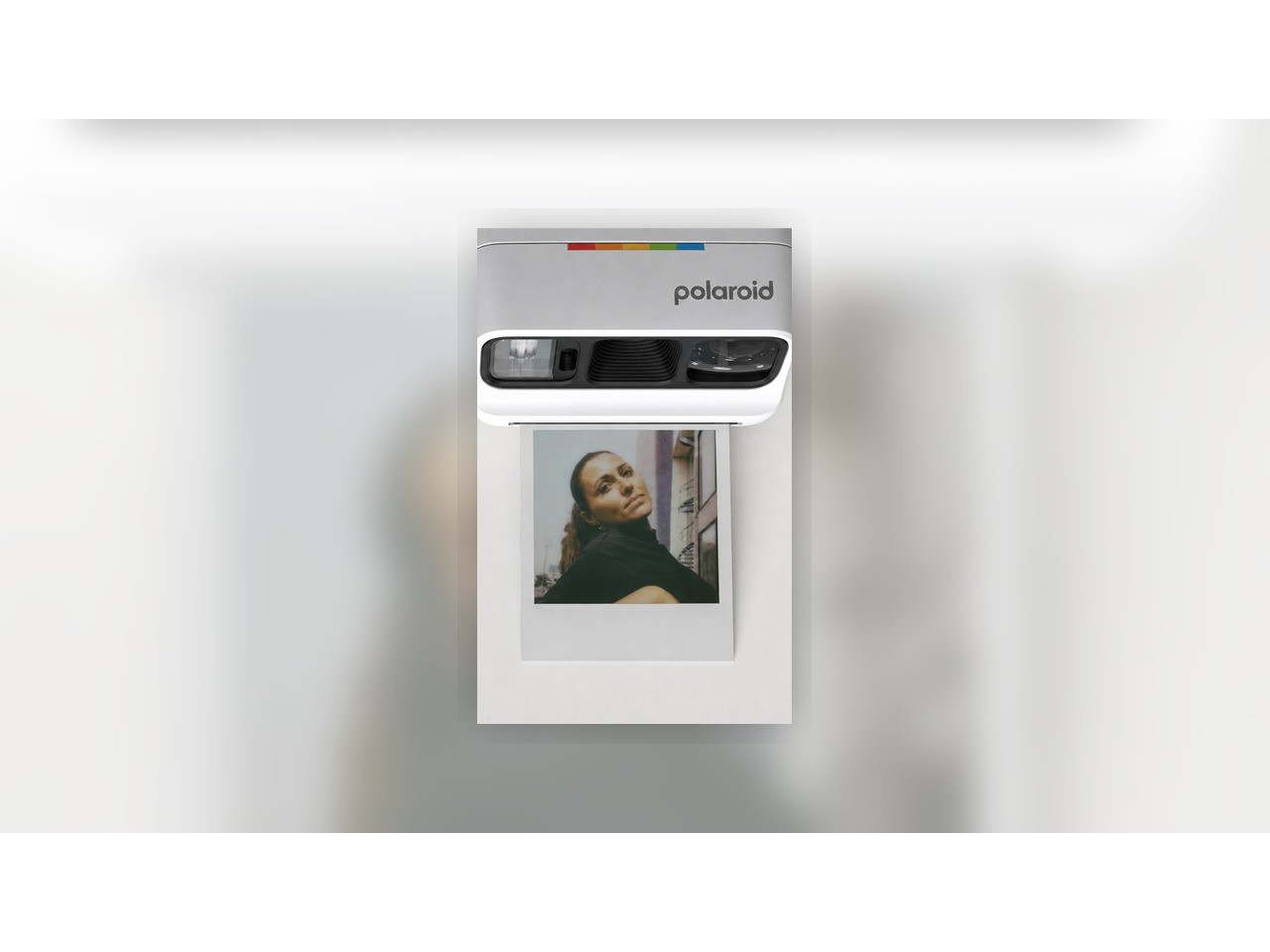
The flash is stronger. Polaroid specifically recommends using it for best results in any light conditions, which tells you how this camera is meant to be used. Instant cameras live at bars, parties, dorm rooms, campouts, and family tables. Those aren’t clean studio environments. A stronger flash is a more useful upgrade than another creative mode.
The selfie experience also gets better. Polaroid says the lens and framing changes help fit up to three friends in a sharper selfie with less glare. That sounds minor until you remember that every missed instant shot costs real film.
Specs that actually affect the experience
| Spec | Polaroid Go Generation 3 |
|---|---|
| Price | $89.99 camera, $99.99 starter set with two Go film packs |
| Film | Polaroid Go film only |
| Image area | 47 x 46 mm |
| Paper size | 53.9 x 66.6 mm |
| Lens | Polycarbonate resin fixed-focus lens |
| Aperture | f/14.4 and f/32 |
| Shutter | 1/500 sec to 1 sec |
| Focal length | 63.75 mm |
| Field of view | 38 degrees horizontal, 38.8 degrees vertical |
| Flash | Vacuum discharge tube storage flash |
| Battery | Built-in lithium-ion battery, up to 15 film packs per charge |
| Size | 106.5 x 83.8 x 64.6 mm |
| Weight | 251.9 g without film pack |
| Colors | Purple, Light Blue, Teal, Black, and White |
The two specs most buyers should notice are the film size and battery claim. Go film is much smaller than classic Polaroid i-Type or 600 film, so the prints are charming rather than display-worthy. The battery rating is generous for casual use, since 15 film packs means up to 120 exposures before a recharge if conditions line up.
Fixed focus is the trade. This isn’t a camera for precise framing, clean close-ups, or technical image quality. It’s for fast social snapshots where the print is the product.
Polaroid Go Gen 3 vs Instax Mini and Polaroid Flip
Pick the alternative by use case, not brand loyalty. Polaroid Go Gen 3 is the smallest and most pocketable. Fujifilm Instax Mini 12 and Instax Mini 41 use the cheaper, widely available Instax Mini film ecosystem. Polaroid Flip is the grown-up option with full-size Polaroid prints, sonar autofocus, a 4-zone lens system, and scene analysis.
| Camera | Best for | Film | Key advantage | Main trade-off |
|---|---|---|---|---|
| Polaroid Go Gen 3 | Travel, parties, journals, casual gifts | Polaroid Go | Smallest body and tiny physical prints | Smallest image area and higher film sting per failed shot |
| Fujifilm Instax Mini 12 | Beginners, kids, easy everyday snapshots | Instax Mini | Simple controls, AA batteries, common film | Less Polaroid character and no true Polaroid print look |
| Fujifilm Instax Mini 41 | Buyers who want Instax Mini in a more grown-up body | Instax Mini | Auto exposure, close-up mode, classic styling | Still a fixed-lens point-and-shoot |
| Polaroid Flip | Larger Polaroid prints and better exposure help | i-Type or 600 | Sonar autofocus, 4-zone lens system, stronger flash | $219.99 and much larger body |
The Instax Mini 12 is the safer gift. Fujifilm lists automatic exposure, close-up mode for 0.3 m to 0.5 m, AA battery power, and roughly 90-second development. Its film is easy to find, and the camera is forgiving.
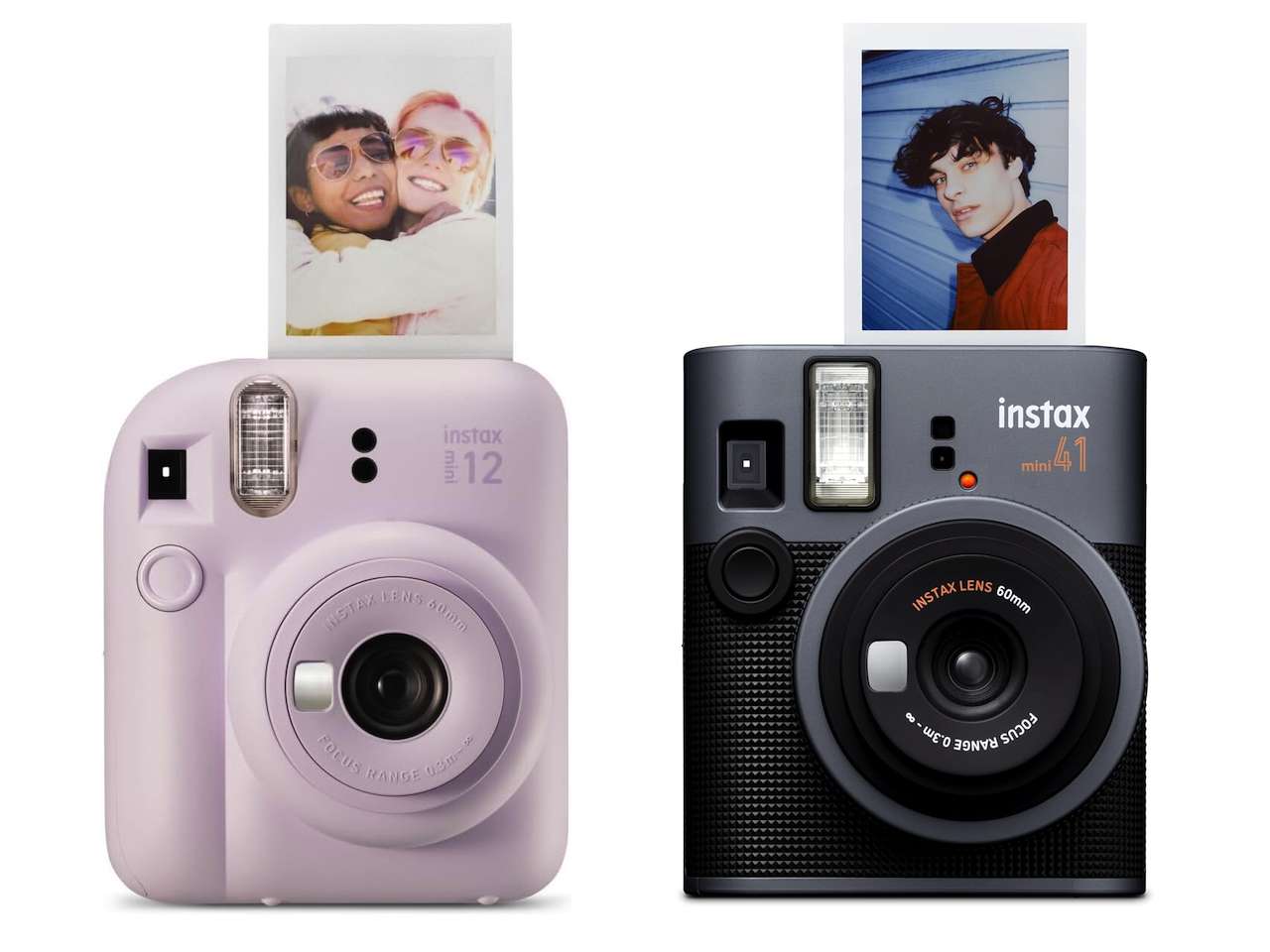
The Instax Mini 41 is the style upgrade inside the Instax Mini lane. Fujifilm’s official specs list a 60 mm f/12.7 lens, 0.3 m close-focus support, automatic exposure, AA batteries, and a 345 g body without batteries, loaded film, or strap.
The Polaroid Flip is for people who want a more serious Polaroid. It uses i-Type or 600 film, weighs 648 g, has a 4-zone auto-switching optical system, sonar autofocus, scene analysis, Bluetooth, and Polaroid’s strongest current flash. It also costs more than twice as much as the Go Gen 3.
The Go Gen 3 wins when the point is to bring it. A bigger camera that stays home loses to a tiny camera that comes along.
Film cost is the real buying decision
The camera price is the easy part. The film is where instant photography gets serious.
Count the frames before you fall for the camera. Polaroid Go film comes in 8-shot packs. The starter set helps because it includes two film packs, but every bad exposure, blink, crooked frame, or half-face selfie still costs money. That’s also part of the charm. You don’t shoot 50 photos and pick one. You take the shot, wait, and live with it.
That ritual is the reason the Go Gen 3 can work. It creates friction in a category where phones removed all friction. For some buyers, that will feel refreshing. For others, it will feel absurd next to a phone that shoots sharper images for free.
Pros and cons
| Pros | Cons |
|---|---|
| World’s smallest analog instant camera | Go prints are tiny |
| New recessed lens targets glare, contrast, and sharpness | Fixed focus limits precision |
| Stronger flash is useful for the places people actually use instant cameras | Film cost makes failed shots sting |
| Rechargeable battery rated up to 15 film packs | Not a replacement for a phone, mirrorless camera, or full-size Polaroid |
| Five colors give it strong gift appeal | Instax Mini remains the safer budget ecosystem |
This is a better update than it looks on paper. Polaroid didn’t add a screen, app controls, or digital preview. It improved the analog parts that make the small format easier to live with.

Who should buy it
Buy the Polaroid Go Gen 3 if you want the smallest possible real Polaroid experience. It makes sense for travel, birthdays, dorm rooms, weddings, scrapbooks, journaling, festivals, and anyone who likes handing someone a tiny print instead of sending another AirDrop.
Already like Polaroid’s softer, moodier look? The Go Gen 3 fits that taste. Early photographer impressions point in the same direction: the Go Gen 3 is charming because it’s imperfect, not because it beats digital cameras on image quality.
Creators get a different benefit. A Go print can become a prop, a scanned texture, a journal insert, or a physical token in a video or newsletter. It’s creator gear because it changes the output, not because it upgrades resolution.
Who should skip it
Skip it if you want the best instant camera for image quality per dollar. The Fujifilm Instax Mini 12 is easier to recommend for kids, casual gifts, and budget buyers because the film ecosystem is simple and widely available.
Skip it if you want larger prints. Polaroid Go photos are intentionally small. If you want the classic bigger Polaroid feel, the Flip, Now, or Now+ families make more sense.
Skip it if you hate waste. Instant film is fun because each frame is final, but that also means mistakes have a cost. If that cost will annoy you after the first pack, buy a pocket photo printer instead.
Instant camera buying options
Price: Polaroid Go Generation 3 camera $89.99 at Amazon
Price: Polaroid Go Generation 3 bundle $109.99 at Amazon
Price: Fujifilm Instax Mini 12 alternative $85.81 at Amazon
Where to Buy: Amazon
The tiny print is the whole argument
This third-gen Go isn’t trying to win the camera spec war. It’s trying to be the instant camera you actually carry. That’s the right target.
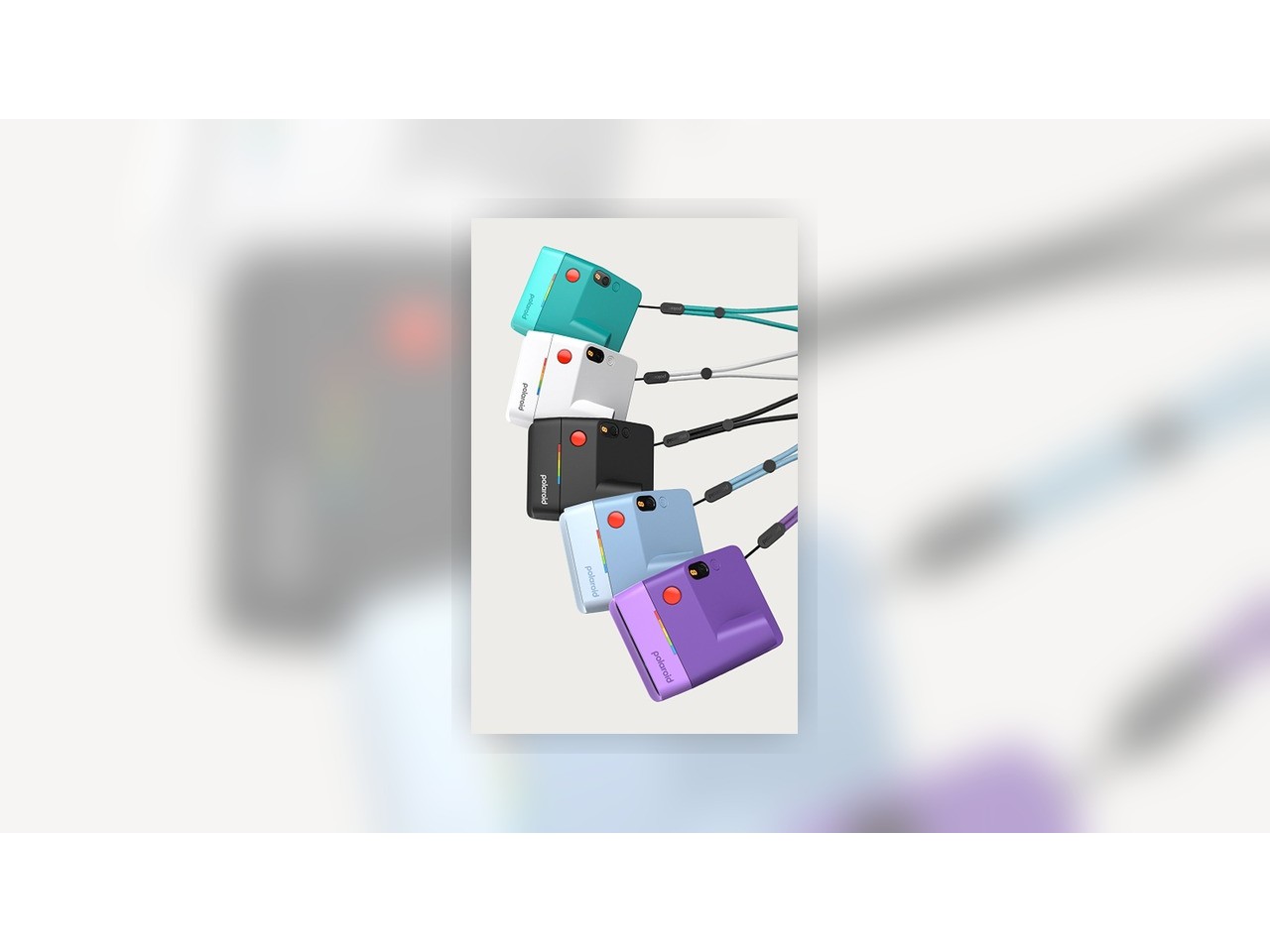
The new lens and stronger flash make that idea more believable. It still sits in gift territory before film costs enter the picture.
My recommendation is simple. Choose the Instax Mini 12 if you want reliable, cheap, easy instant photos. Choose the Polaroid Flip if you want bigger Polaroid prints and better focus help. Choose the Go Gen 3 if the camera being tiny is the reason you’ll carry it, because this is finally the Go that makes the most sense.