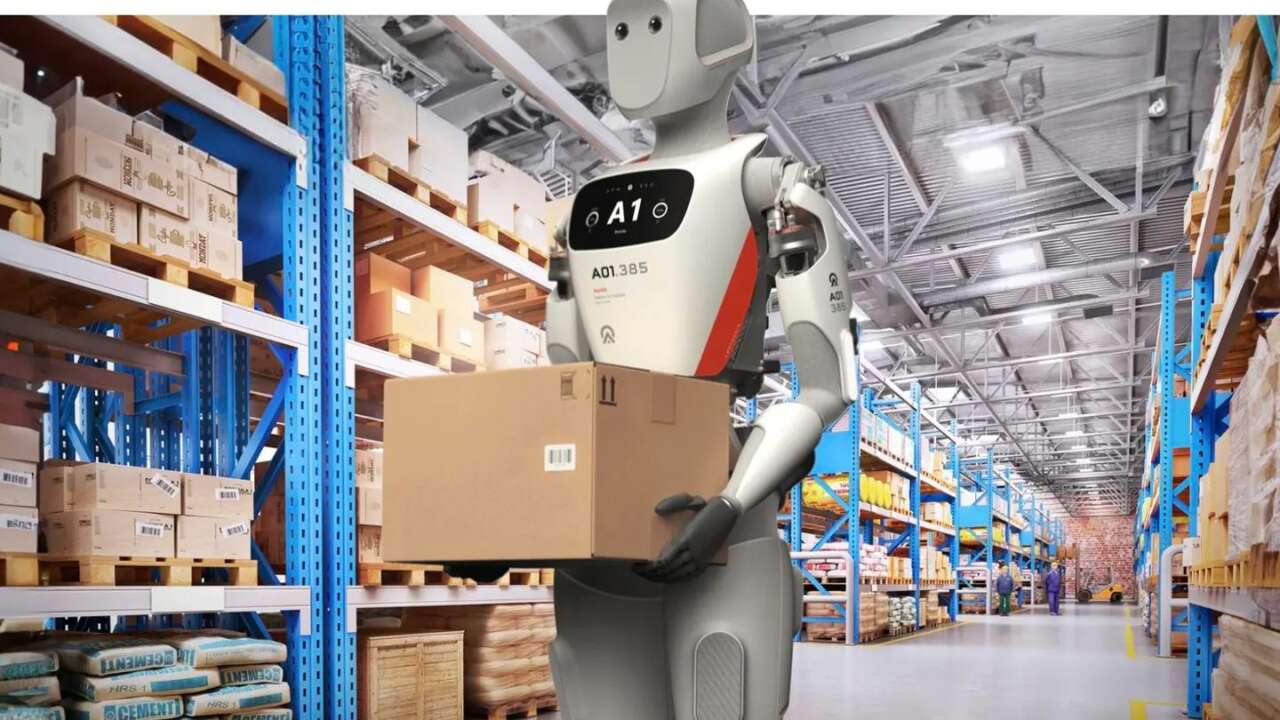
GXO has signed a letter of intent with Apptronik to expand warehouse trials of the Apollo humanoid, with a stated path to as many as 1,000 robots if the trials hit their marks. Scale here is conditional.
The agreement is an intent, not an order, and the companies say deployment follows only after Apollo clears jointly agreed productivity, safety and operational targets in live buildings. The letter also sets up a Robotics as a Service framework for the commercial phase, so GXO can scale humanoid hours as a service line across client sites.
Both chief executives signed their names to the plan in the release, with GXO’s Patrick Kelleher and Apptronik’s Jeff Cardenas framing logistics as the first proving ground for humanoids at scale. Trials start in 2027 across live operations, and the companies list goods to person and person to goods picking, case and tote movement, packing and sortation as the trial work.
What the 2027 trials will test
Each use case gets sequenced against the agreed targets, and the trials also validate safety, security and technical requirements for running humanoids beside existing automation and GXO team members.
Subject to those results, the stated plan runs to a global rollout of up to 1,000 Apollo robots over four years, with initial deployment in North America in late 2027.
The commercial framework is expected to run as Robotics as a Service, a structure that lets GXO scale the fleet as a service instead of a single capital purchase. Apollo’s trial jobs mirror the work GXO crews already do by hand, moving cases and totes between storage and packing stations through a shift. The release frames the humanoid as a coworker inside that flow, working alongside existing automation rather than replacing the conveyor and scanner kit around it.
GXO runs warehouses for client brands under contract, so a robot that proves itself in one building can repeat the same job in the next building on the network. That repeatability is the commercial bet inside the letter, one validated workflow copied across sites instead of a fresh experiment at every address.
No purchase order exists yet.
Two years of joint work sit behind the letter
The partnership began in 2024 with a proof of concept program that looked for practical Apollo jobs inside a warehouse environment, per the companies’ release. Earlier in 2026 Apollo finished a pilot deployment with GXO in the United States, focused on autonomous picking for small consumer goods.
The release describes Apollo as built for repetitive, physically demanding tasks in warehouse environments, the lifting and carrying work that wears crews down across a shift. GXO frames the expected payoff as labor availability help, better throughput and uptime, and staff time freed for higher value work inside the same buildings. The pair also ran data collection and live autonomous evaluations on more than 50 logistics tasks at Apptronik’s Robot Park training facility.
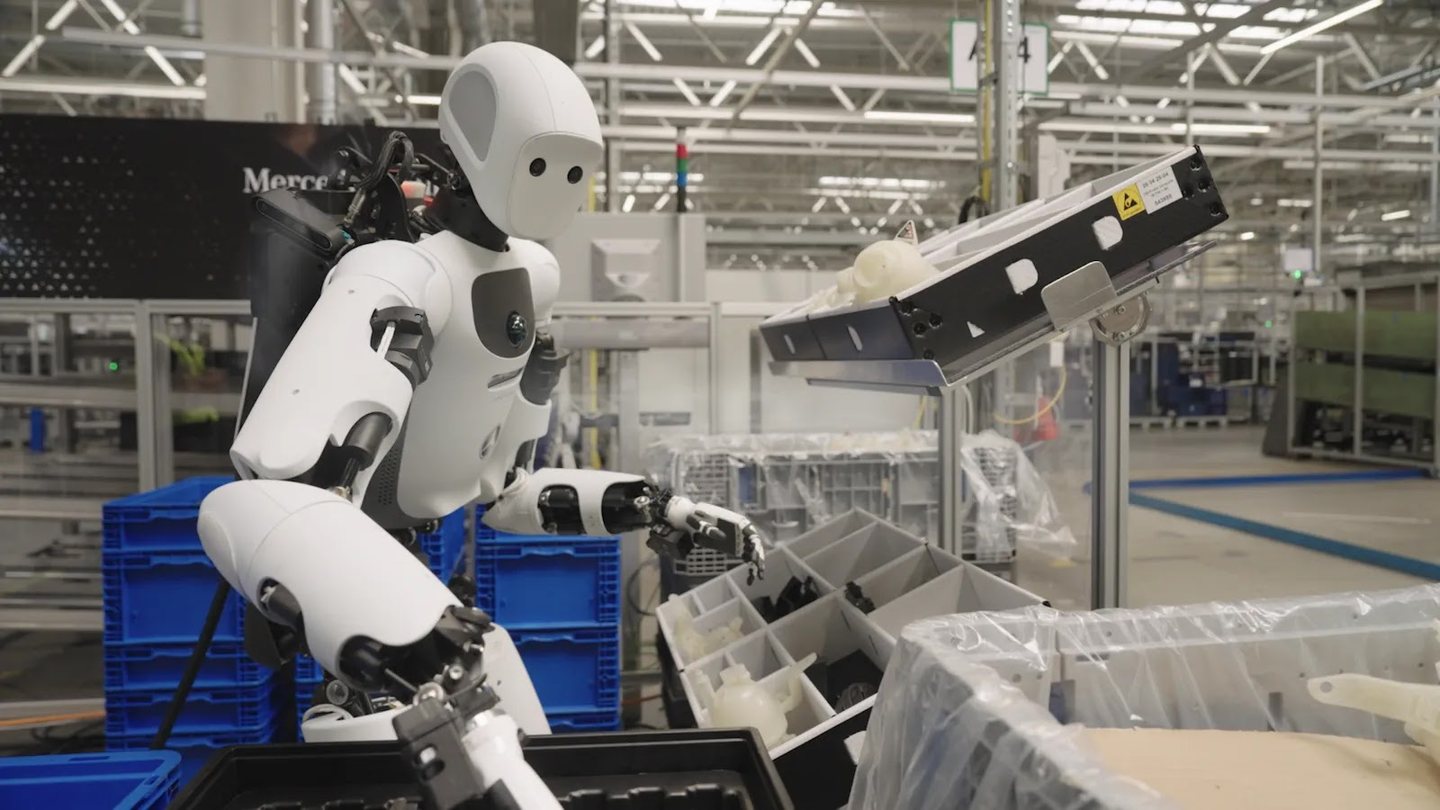
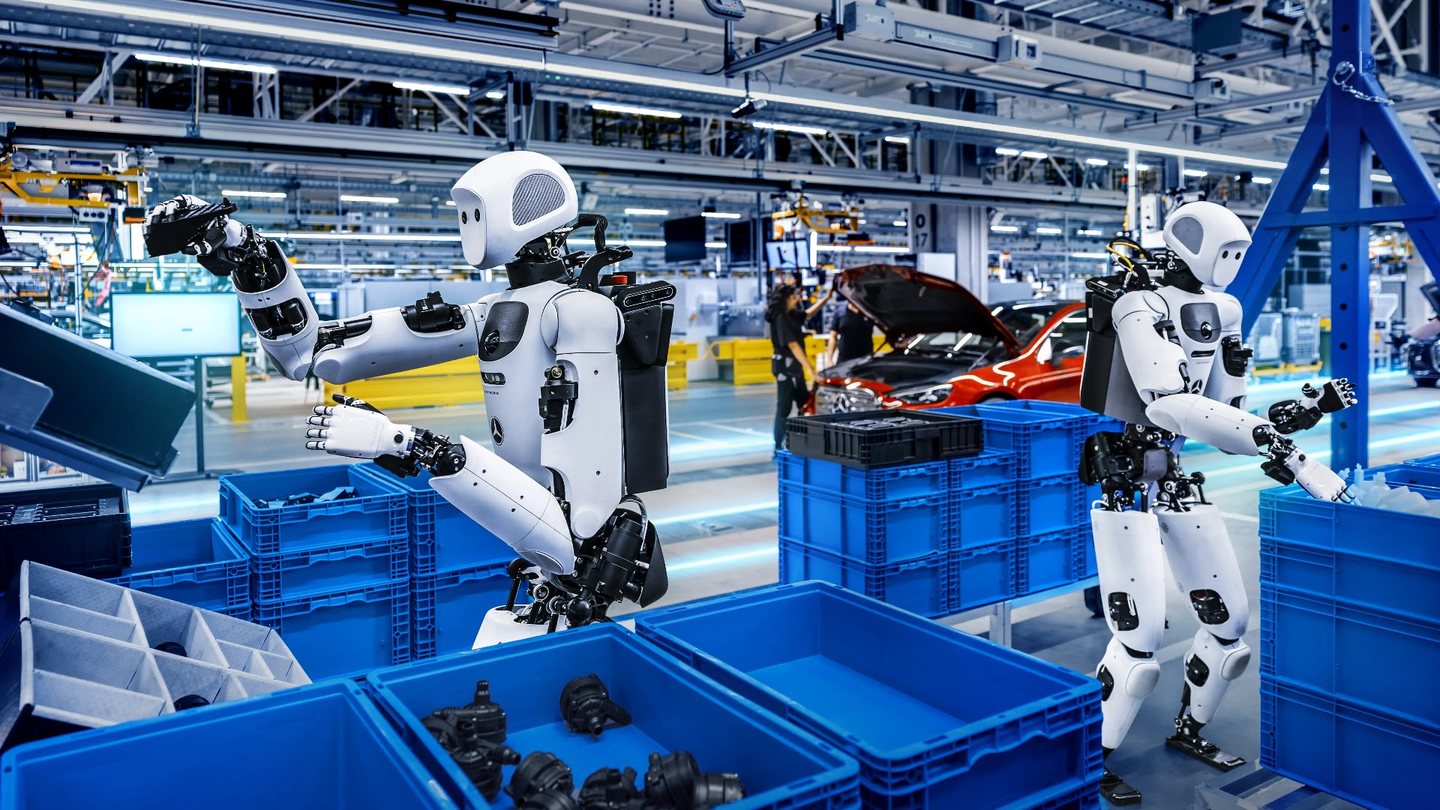
That history gives the 2027 trials a baseline, since both companies can compare Apollo’s picking rates and error counts against the pilot’s own numbers. GXO also brings a long record of testing and scaling automation, robotics and AI across its network, which the release cites as the reason this pairing can move past pilots. We covered Apollo 2 earlier this month, when the humanoid ran parts sequencing work on a Mercedes-Benz production line under Gemini Robotics control.
That coverage tracks the same Apollo platform from a standing start on scored tasks to live line work, and the GXO trials now test the platform in a warehouse instead of a car plant.
One pilot down, a thousand to go.
Why GXO is the test bed that counts
GXO describes itself as the world’s largest pure play contract logistics provider, with more than 150,000 team members across more than 1,000 facilities and over 200 million square feet. Apptronik brings the machine side of the pair, with Apollo as the culmination of 15 earlier robots including NASA’s Valkyrie and a team of nearly 500 employees on staff.
GXO CEO Patrick Kelleher calls humanoids one of the most transformative applications of physical AI in logistics, and Apptronik CEO Jeff Cardenas says the pair is defining what it takes to put humanoids to work against real operational targets. Apollo’s own lineage runs through the Human Centered Robotics Lab at the University of Texas at Austin, where Apptronik started before growing into a standalone company.
The release notes the humanoid is designed to collaborate with people in the buildings it works in, starting with manufacturing and logistics and pointing later at healthcare and the home. Trial sites and KPI thresholds stay with the companies for now, and the release puts no price or per robot cost on the RaaS framework.
2027 is the verdict year.
The next checkpoint is public and dated, since the companies say the expanded trials begin in 2027 and the first North America deployment window sits in late 2027. Until those trials report, the 1,000 robot figure stays a ceiling in a letter of intent, and the KPIs behind it stay unpublished.