
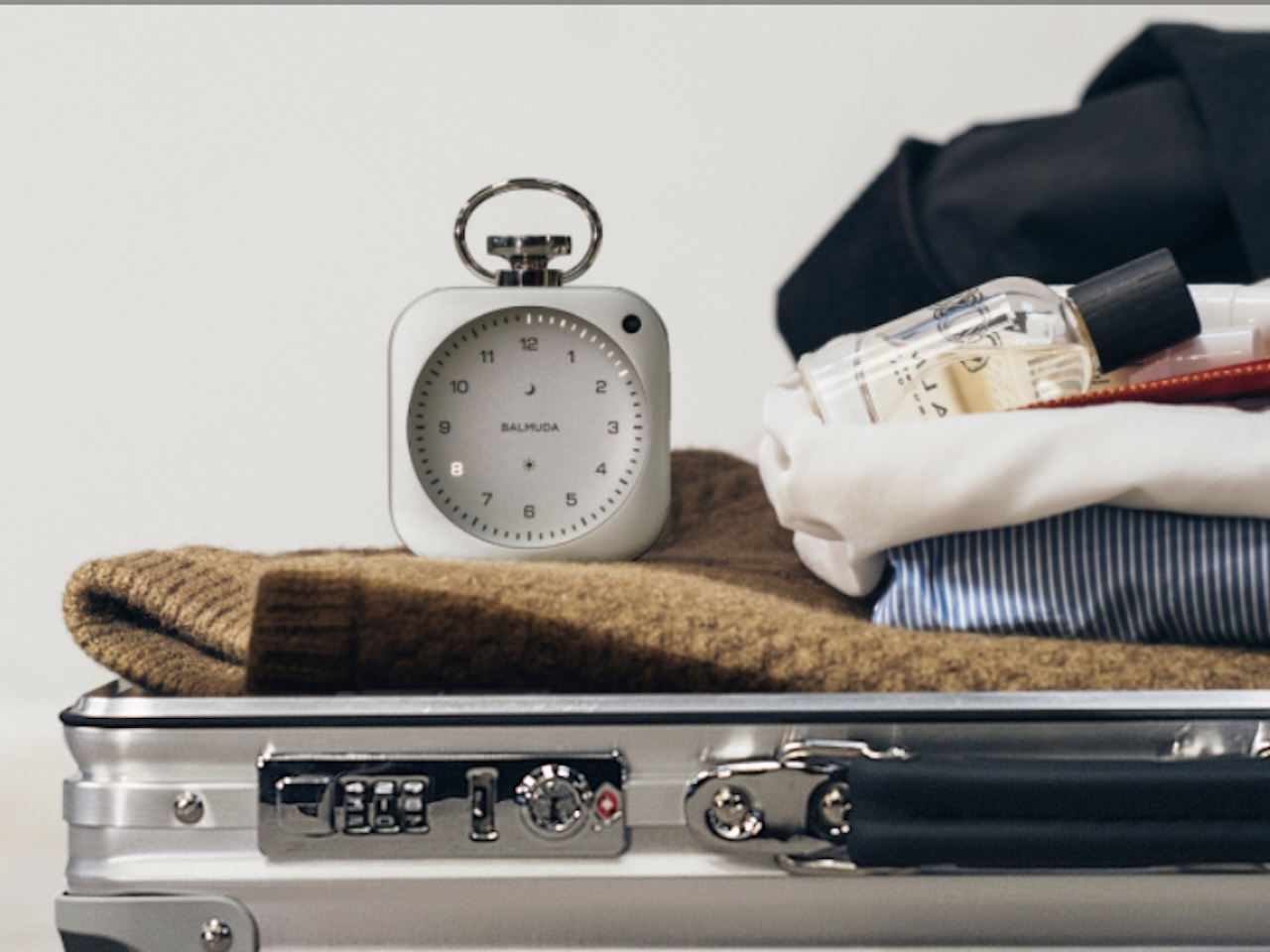
There’s a certain kind of confidence required to look at a clock, remove the one thing that makes it a clock, and then charge $373 for the result. Jony Ive has that confidence. The former Apple chief design officer, the person behind the iMac G3, the iPhone, and pretty much every piece of Apple hardware that made you feel something, now runs a design firm called LoveFrom. His team partnered with Japanese brand Balmuda to create something called, with zero irony, The Clock. It doesn’t have hands. It tells time with light. And it plays the sound of rain while you fall asleep, because apparently your phone was doing that job too well and needed to be replaced by an aluminum puck.
Price: ¥59,400, roughly $373
Where to Buy: Balmuda
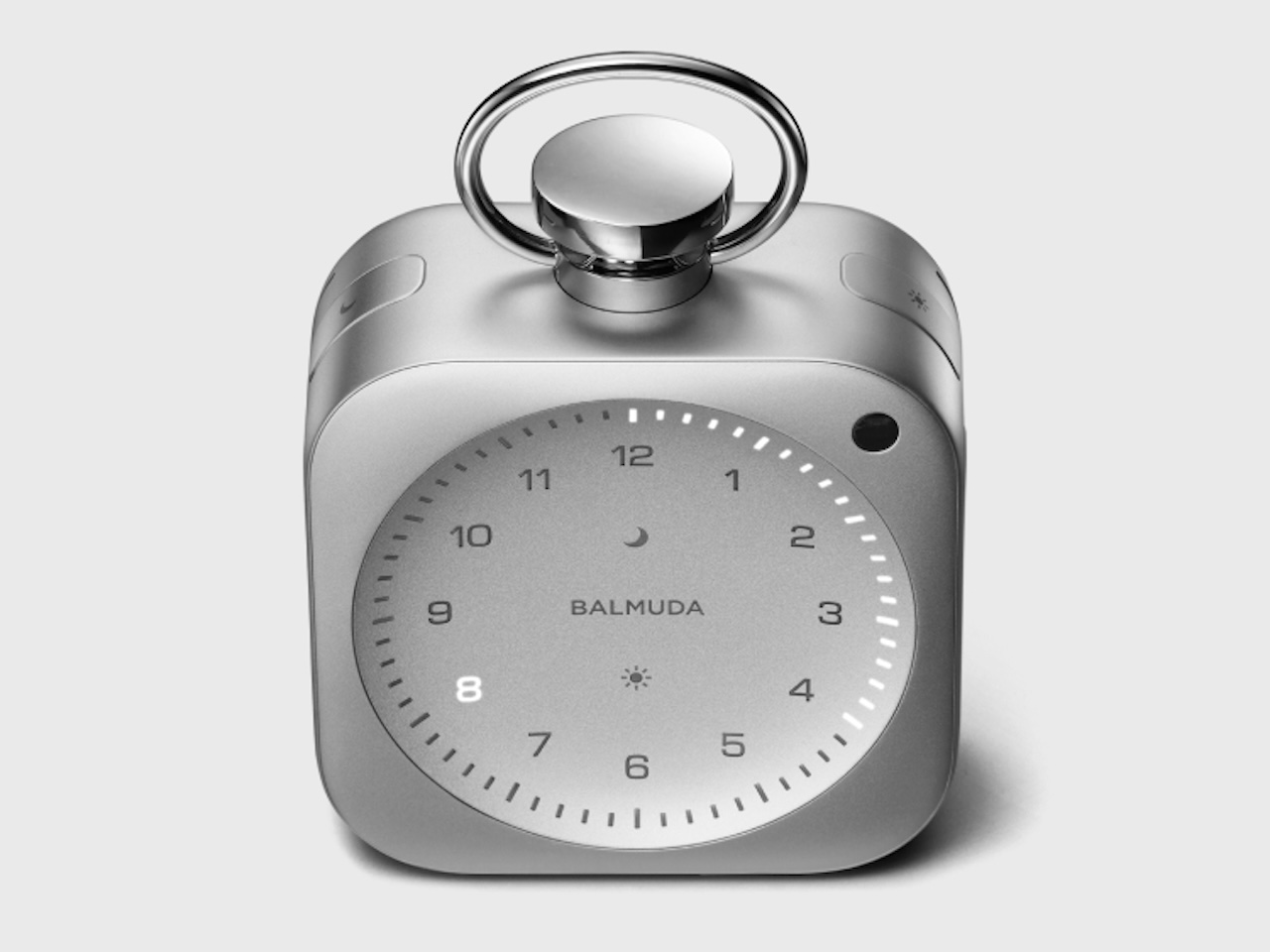
Let’s back up. Balmuda is the company behind The Brew (a coffee maker), The Speaker (a speaker), and The Kettle (you can probably guess). Their naming convention suggests a branding meeting that ended early, but the products themselves are genuinely beautiful pieces of Japanese industrial design. The Clock fits right into that lineage, even if it raises more questions than it answers about how we’re supposed to know what time it is.
How it actually works
Instead of hands sweeping around a dial, The Clock uses LEDs in a system Balmuda calls “Light Hour.” The hour digit illuminates on the face while tick marks around the circumference light up to show the minutes. A single traveling tick acts as the seconds indicator, orbiting the display in a movement reportedly inspired by Foucault’s pendulum at the National Museum of Nature and Science in Tokyo. It sounds gorgeous in theory. In practice, it probably takes about three seconds longer to read than a normal clock, which is an eternity at 6:47 AM when you’re trying to figure out if you can hit snooze.
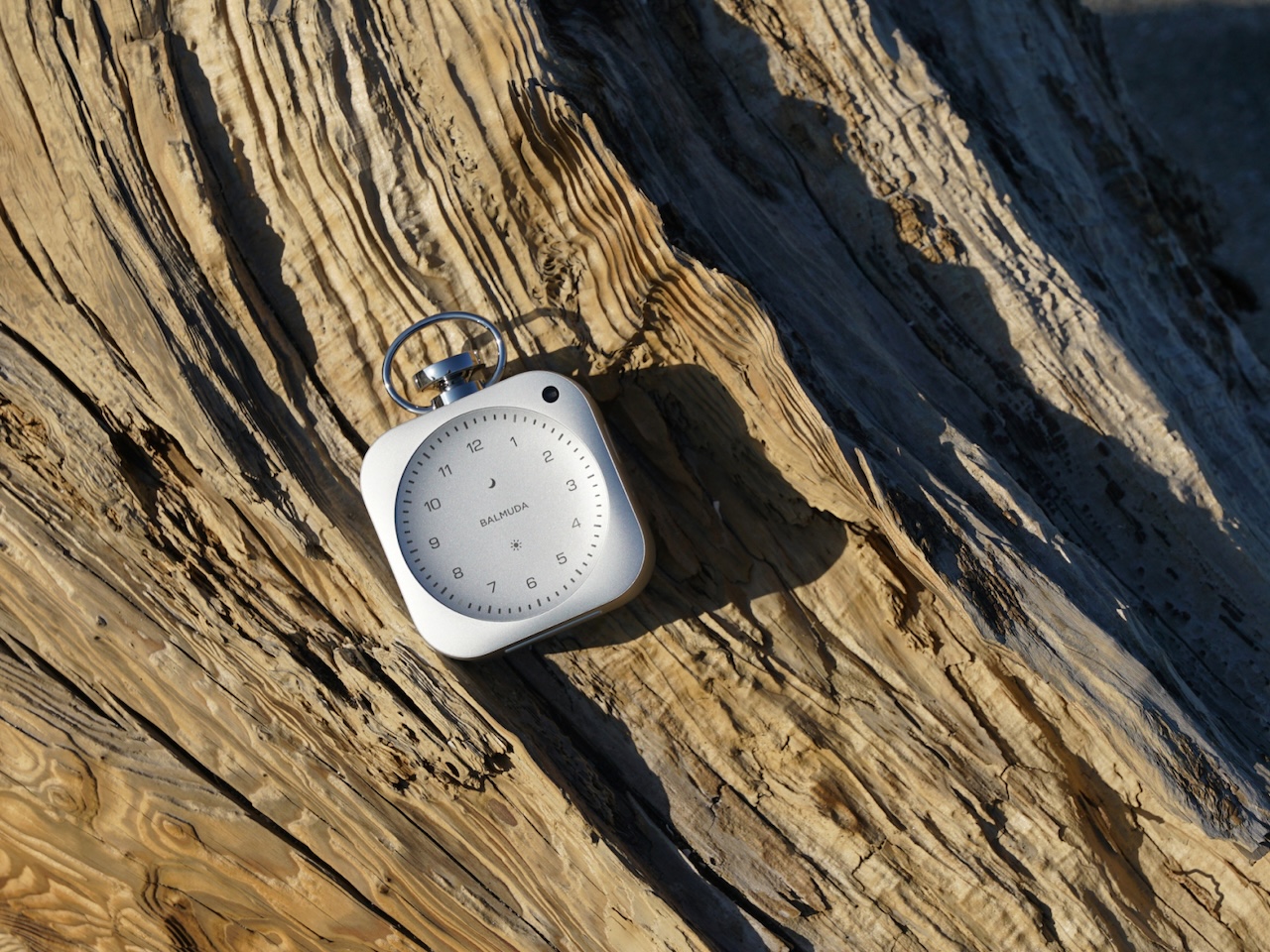
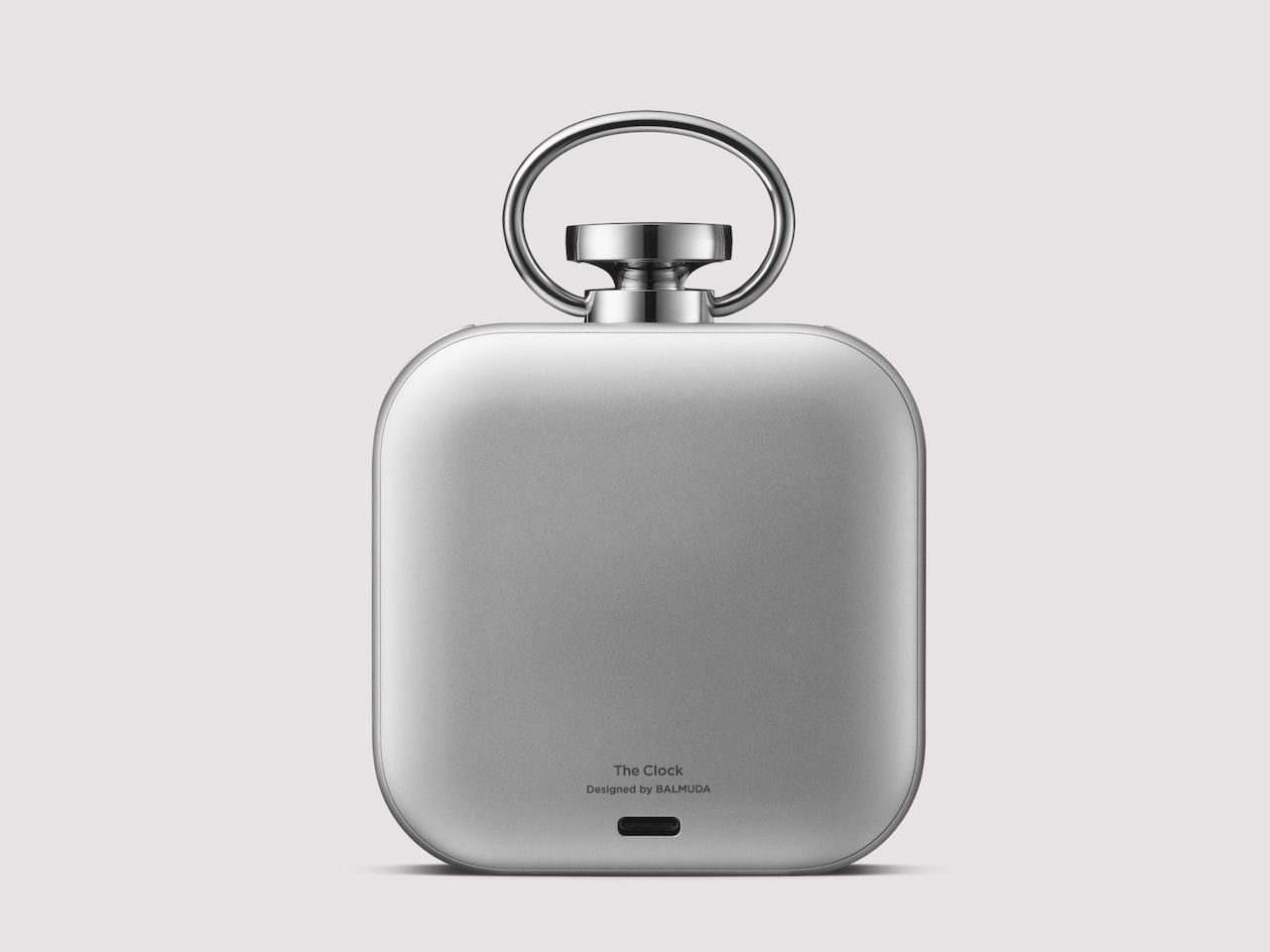
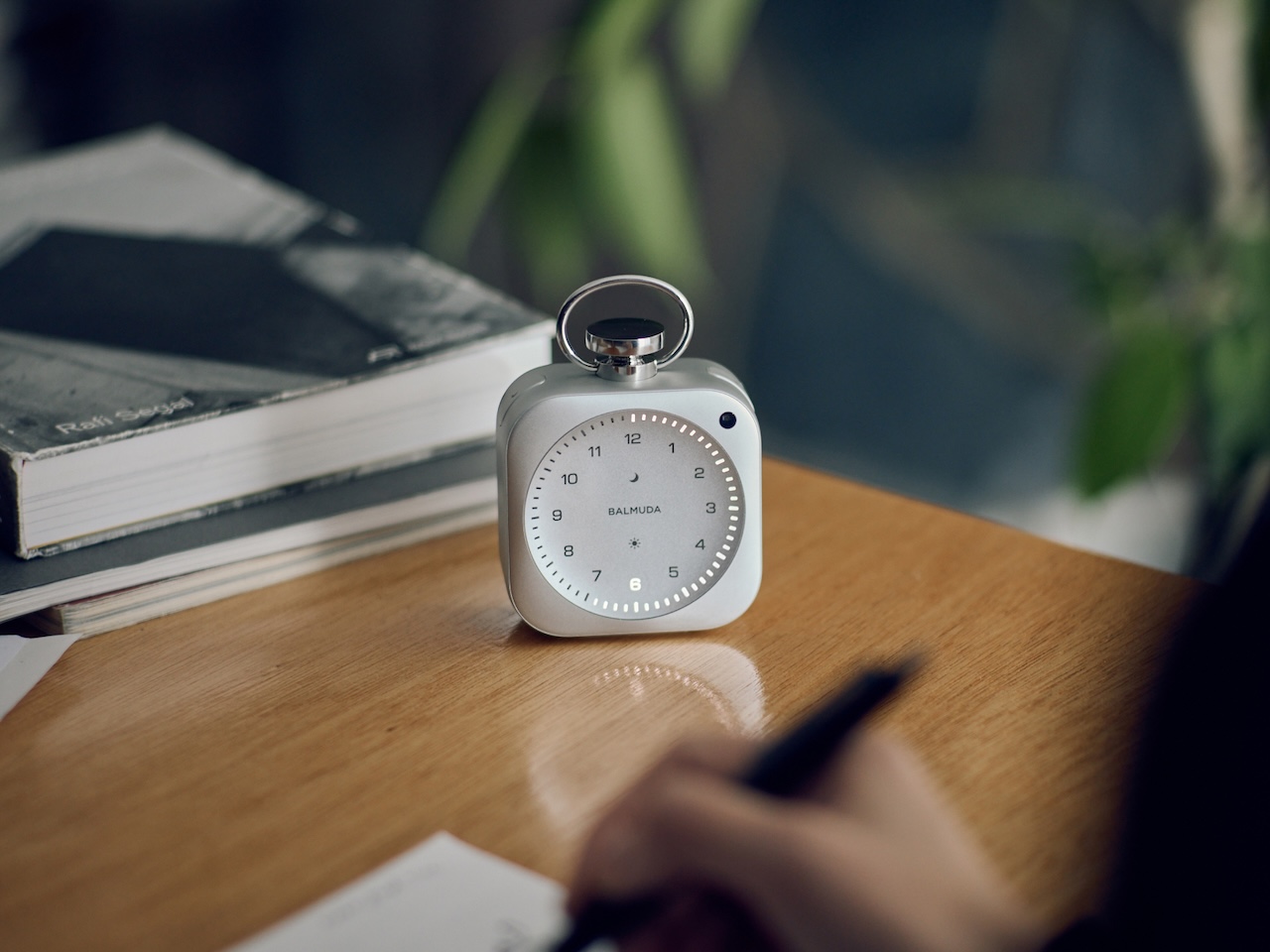
The whole thing is machined from a single block of aluminum, because Ive loves aluminum the way some people love their hometown. He built half of Apple’s product line out of the stuff, and now he’s brought that same unibody obsession to a 7.5-centimeter square that weighs just under 260 grams. The collaboration with LoveFrom wasn’t just a design credit, though. According to Terao, it gave Balmuda access to aluminum processing vendors they couldn’t have reached independently, and you can feel that in the density and finish of the final product. It charges via USB-C, and Balmuda made the wise decision to put the port on the back rather than on the bottom. Apple Magic Mouse owners just felt a phantom twinge of solidarity.
The sleep angle is actually clever
Here’s where The Clock gets interesting beyond the design flex. Balmuda CEO Gen Terao says the whole idea started because he’d been playing rain sounds on a screen at night and realized that keeping that device on his nightstand might be doing more harm than good. So he built a dedicated device with three distinct modes packed into one small object.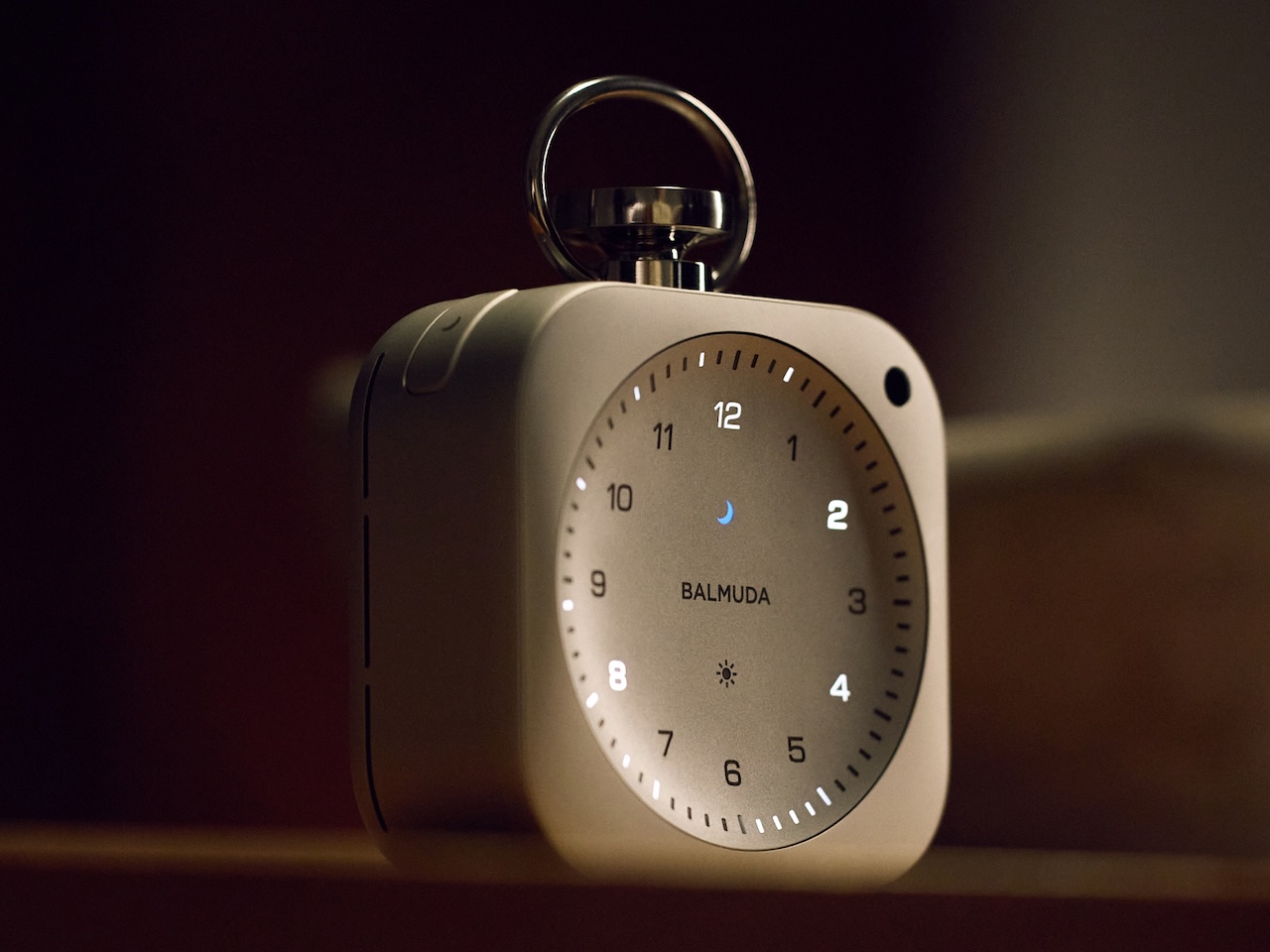
Relax Time plays original ambient tracks, including rainfall, a boat drifting on a river, and the crackle of a lodge fireplace, among seven total tracks produced by an in-house sound team working with outside musicians. A focus timer layers white noise over a one-to-sixty-minute countdown for work sessions. The alarm doesn’t jolt you awake either.
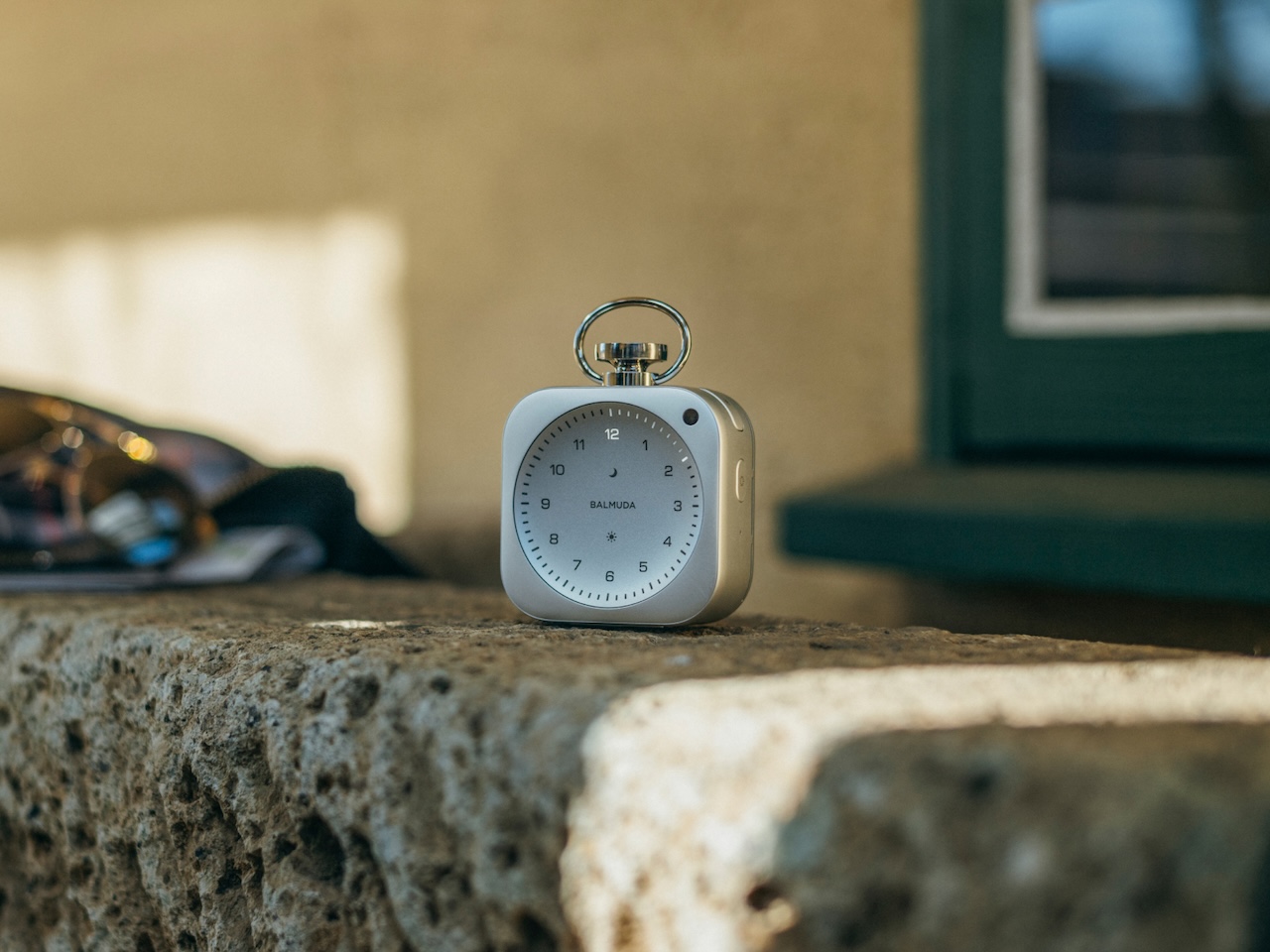 Relax Time sounds start playing three minutes before the alarm triggers, with volume rising slowly, so you’re already easing into a soundscape before it fully sounds. It’s a genuinely considered alternative to the standard silence-then-noise approach. Everything runs through the BALMUDA Connect app via Wi-Fi and Bluetooth 5.0, with options for multiple alarms, dial brightness, and a second time zone for travel. During Relax Time playback, the moving lights on the dial were inspired by distant city lights and twinkling stars, and that’s the kind of detail that tells you someone actually cared.
That’s a genuinely thoughtful approach to a real problem. Phones are terrible bedside companions, not because they can’t play rain sounds, but because they can also show you an email from your boss at midnight. A single-purpose device that looks beautiful and sounds good isn’t a bad pitch at all. Whether it’s a $373 pitch is another conversation entirely, especially since the battery only lasts 24 hours. USB-C gets it back to full in about two and a half hours, and Balmuda includes a cloth carrying bag for travel, but a clock that needs daily charging still feels like it missed the assignment slightly.
Pricing and the elephant in the room
The Clock is set to launch in Japan in mid-April at ¥59,400, roughly $373 (about £279 or AU$529). International pricing and availability haven’t been announced yet, which tracks with how Balmuda typically rolls things out. For context, a Braun BC02 travel clock inspired by Dieter Rams, Ive’s own design hero, costs less than $40 and comes with actual hands that work in direct sunlight without squinting. The Braun also doesn’t need to be plugged in every night. Just saying.
Price: ¥59,400, roughly $373
Where to Buy: Balmuda
But The Clock isn’t competing with Braun. It’s competing with the idea of your phone, and with the growing market of people willing to pay a premium for devices that do less on purpose. That’s a real category now, from Light Phones to dumb watches to notebooks that don’t connect to anything. Ive and Balmuda are betting that a beautifully crafted, intentionally limited bedside object is worth the price of admission. Whether the world agrees probably depends on how you feel about reading time in LED tick marks at 3 AM.

HP Business Laptop with Microsoft Office 365, 1TB OneDrive and 128GB SSD, 8GB RAM, 4-Core Intel 13th Gen Processor | No Mouse, Fast Response, Long Battery Life, Good Value
(as of March 21, 2026 23:53 GMT -05:00 - More infoProduct prices and availability are accurate as of the date/time indicated and are subject to change. Any price and availability information displayed on [relevant Amazon Site(s), as applicable] at the time of purchase will apply to the purchase of this product.)
