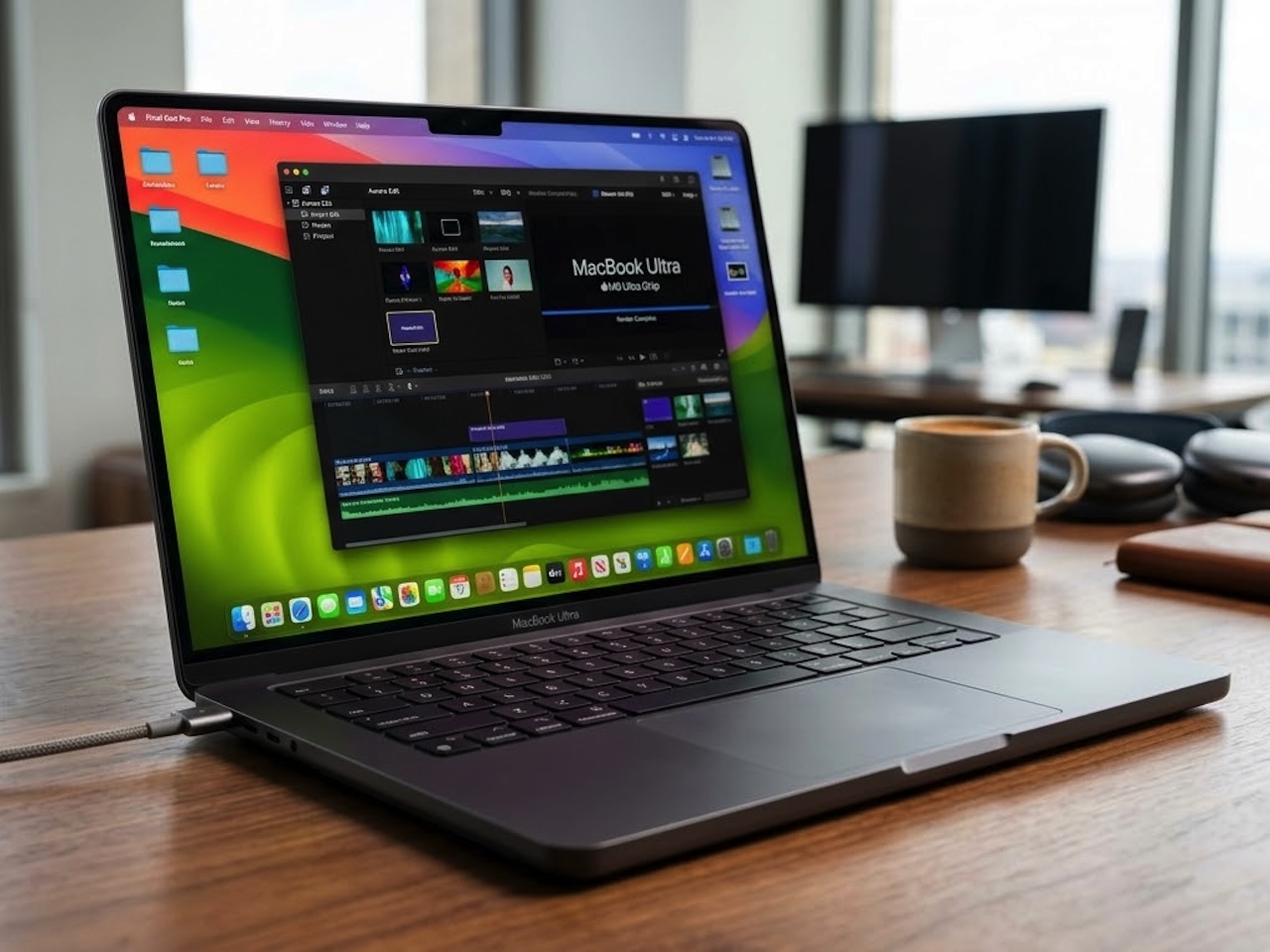
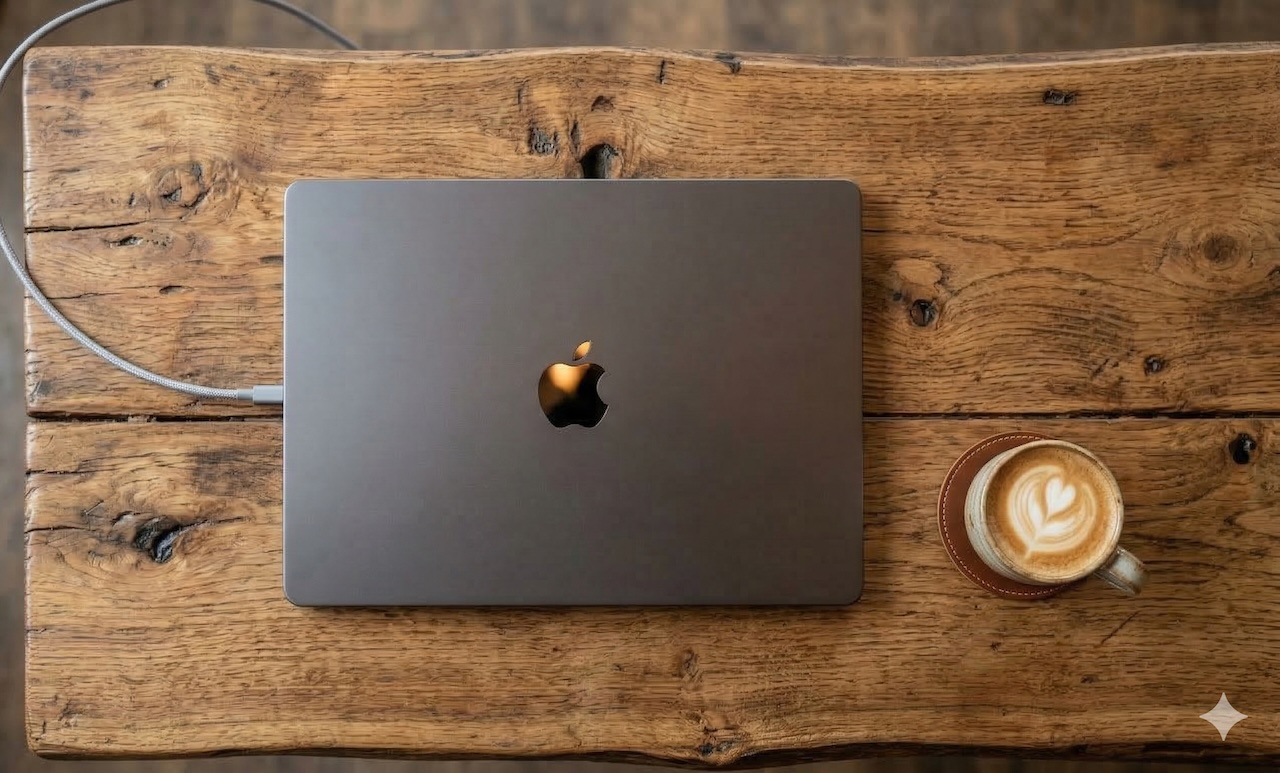
 Apple MacBook Ultra | AI-Generated Image Only
Apple spent nearly two decades telling anyone who would listen that touchscreens don’t belong on laptops. That position held firm through the entire rise and fall of Windows convertibles, through years of iPad Pro improvements that kept creeping closer to laptop territory, and through every rumor cycle that tried to will a touchscreen Mac into existence. According to Bloomberg, Apple is finally ready to reverse course, and the vehicle isn’t a quiet update to an existing model. It’s an entirely new product tier called the MacBook Ultra.
Bloomberg’s Power On newsletter from early March 2026 lays out the picture. Apple is developing a premium machine with an OLED display and touchscreen input, designed to sit above the MacBook Pro in the lineup. The hardware carries codenames K114 and K116, corresponding to 14-inch and 16-inch models, with a target launch somewhere around fall 2026. If you’ve followed Mac rumors for any length of time, you know how rare it is for Apple to create an entirely new notebook category rather than refresh an existing one.
This isn’t a MacBook Pro replacement or a spec bump with a touchscreen bolted on. Apple is building a distinct product tier, following the same Ultra branding strategy it plans to extend across iPhones and AirPods. Ultra has become Apple’s shorthand for “best we can build, priced accordingly.” That’s a confident structural move, even if the price of entry will sting.
Beyond the touchscreen headline
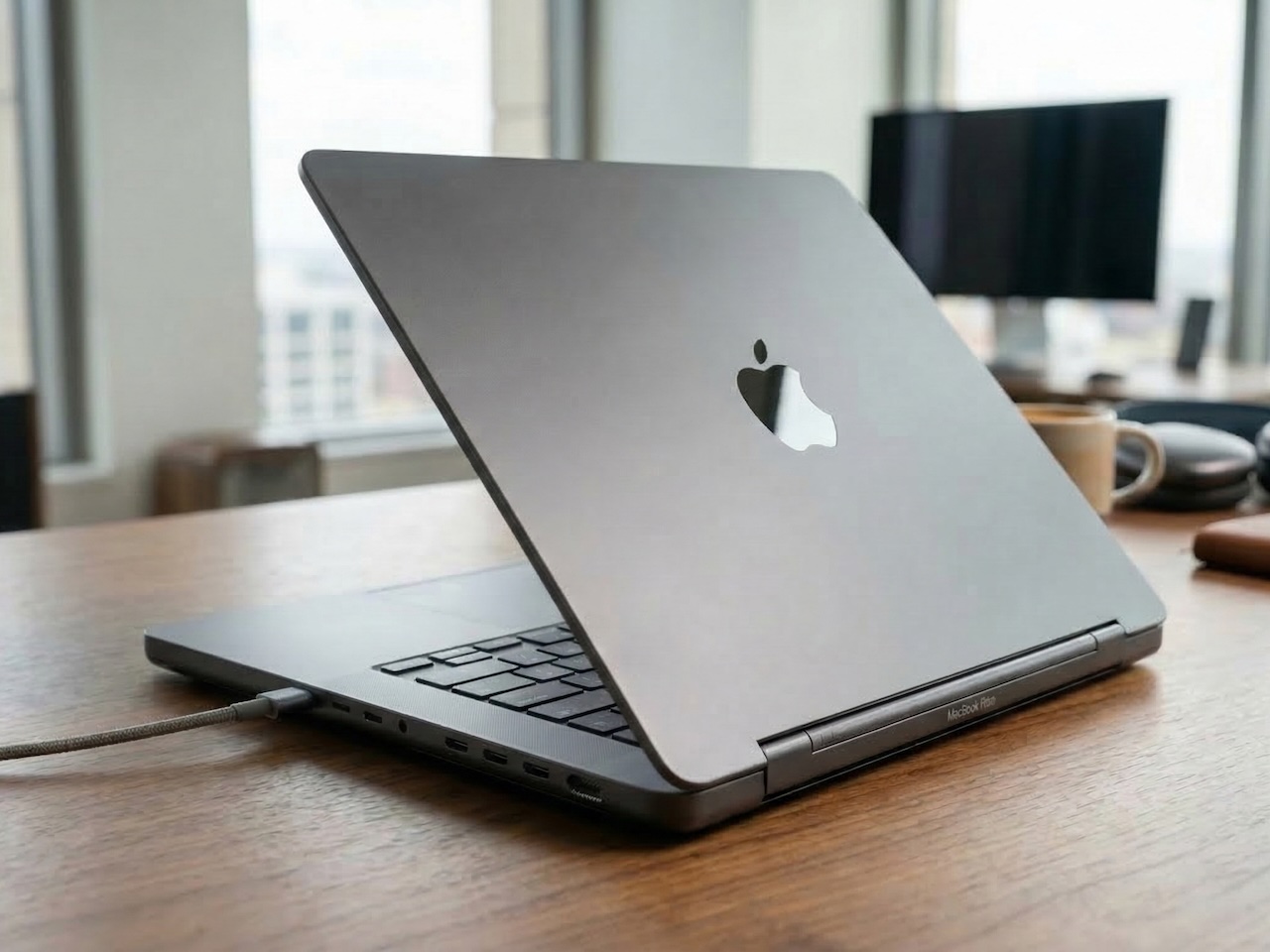
The OLED transition is every bit as significant as the touchscreen headline. Apple’s current MacBook Pro models still run mini-LED displays with ProMotion. Moving to OLED would deliver the deep blacks, per-pixel lighting control, and thinner panel construction that already transformed the iPad Pro in 2024. TechPowerUp’s coverage adds that the MacBook Ultra could feature a Dynamic Island implementation, marking another move of iPhone design language to the Mac. That detail says a lot about how Apple sees this machine fitting into its product lineup going forward.
Bloomberg’s reporting has been clear about the limits. Touch input will work alongside the existing trackpad and keyboard rather than replace them. There’s no sign of a detachable screen, tent mode, or convertible design. A separate 9to5Mac report confirmed the MacBook Air won’t pick up touch at all, and the Air’s own OLED transition isn’t expected for at least two more years. Apple is positioning touch as a premium-only feature, not a platform-wide shift, and that tells you exactly where the company thinks the real value sits.
Why touchscreen now
Apple’s argument against laptop touchscreens was always about belief, not capability. Steve Jobs argued that vertical touchscreens caused physical strain. Tim Cook compared combining a tablet and laptop to merging a toaster with a refrigerator. The company built an entire indirect-touch system around the trackpad, Force Touch, and the now-retired Touch Bar, all designed to keep fingers off the display. For years, it felt less like a technical limitation and more like a design belief Apple wasn’t willing to question.
Several forces came together to shift the thinking. iPadOS grew into a truly capable platform, and the gap between what people do on an iPad Pro versus a MacBook Pro got noticeably smaller. Stage Manager, external display support, and desktop-class Safari all pushed the iPad closer to laptop workflows. Meanwhile, Bloomberg reports that macOS is being updated with touch-friendly interface changes for the new MacBook, including larger tap targets and gesture-friendly navigation patterns. The two platforms had already been meeting in the middle before anyone said the word Ultra out loud.
Competitive pressure kept building. Microsoft’s Surface line has offered touchscreen laptops for over a decade, and Lenovo’s Yoga series made convertibles a mainstream category years ago. Most Chromebooks now ship with touch as a default feature. You can only watch competitors build out an entire product segment for that long before the holdout looks less like principle and more like stubbornness, especially while the iPad Pro kept getting keyboard accessories that made it function like a laptop.
The MacBook Ultra reportedly stops well short of a Mac-iPad hybrid, though. Touch will function alongside the keyboard and trackpad, not above them. There’s no tent mode, no detachable display. It’s a laptop that happens to have a touchscreen, and Apple seems comfortable drawing that boundary. Given how mixed the results of convertible designs have been across the Windows world, that restraint looks like a good call.
What this signals for the Mac lineup
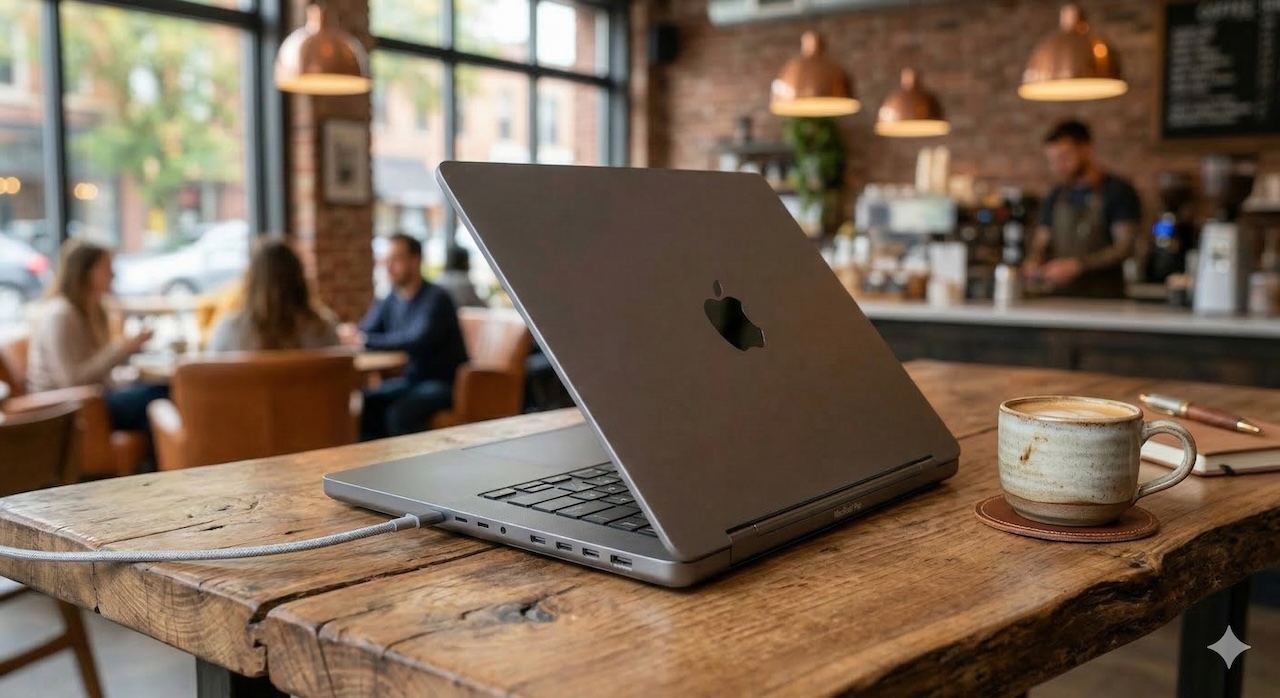
The strategic play is clearer hierarchy. MacBook Air stays as the volume option, thin and accessible. MacBook Pro remains the professional workhorse. MacBook Ultra sits at the top for buyers who want the best display technology, the newest input methods, and the weight that comes with owning Apple’s flagship portable. No official pricing exists, but the signals point north of $4,000. The current MacBook Pro 16-inch with M5 Max already pushes well past $3,000 in higher configurations, and the M1 Ultra Mac Studio launched at $3,999 back in 2022. A premium laptop stacking OLED and touch on top of that won’t come cheap.
Bloomberg’s reporting targets fall 2026, but Apple timelines for unreleased hardware move constantly. The launch depends on OLED panel supply chains, the readiness of whatever M-series chip Apple has planned, and the software team’s progress making macOS feel natural with finger input. That last piece carries the most risk. macOS wasn’t designed for touch, and getting the interaction model wrong would undermine the product’s appeal faster than any spec sheet could save it.
What seems certain is that Apple has committed to this direction. The codenames exist, supply chain work is moving forward, and the Ultra branding gives Apple a clean way to introduce touchscreen Macs without forcing the feature across every model. Whether the MacBook Ultra arrives in late 2026 or slips into early 2027, the signal is hard to miss. Apple’s longest-held laptop opinion is finally changing.

ESR for MagSafe Wallet, 5-Card Holder With RFID Blocking, MagSafe Sticker Included, Slim Magnetic Wallet for iPhone 17e/17/16/15/14/13/12 Series and Selected Samsung Devices, Not for 13/12 Mini, Black
(as of March 16, 2026 13:59 GMT -05:00 - More infoProduct prices and availability are accurate as of the date/time indicated and are subject to change. Any price and availability information displayed on [relevant Amazon Site(s), as applicable] at the time of purchase will apply to the purchase of this product.)