
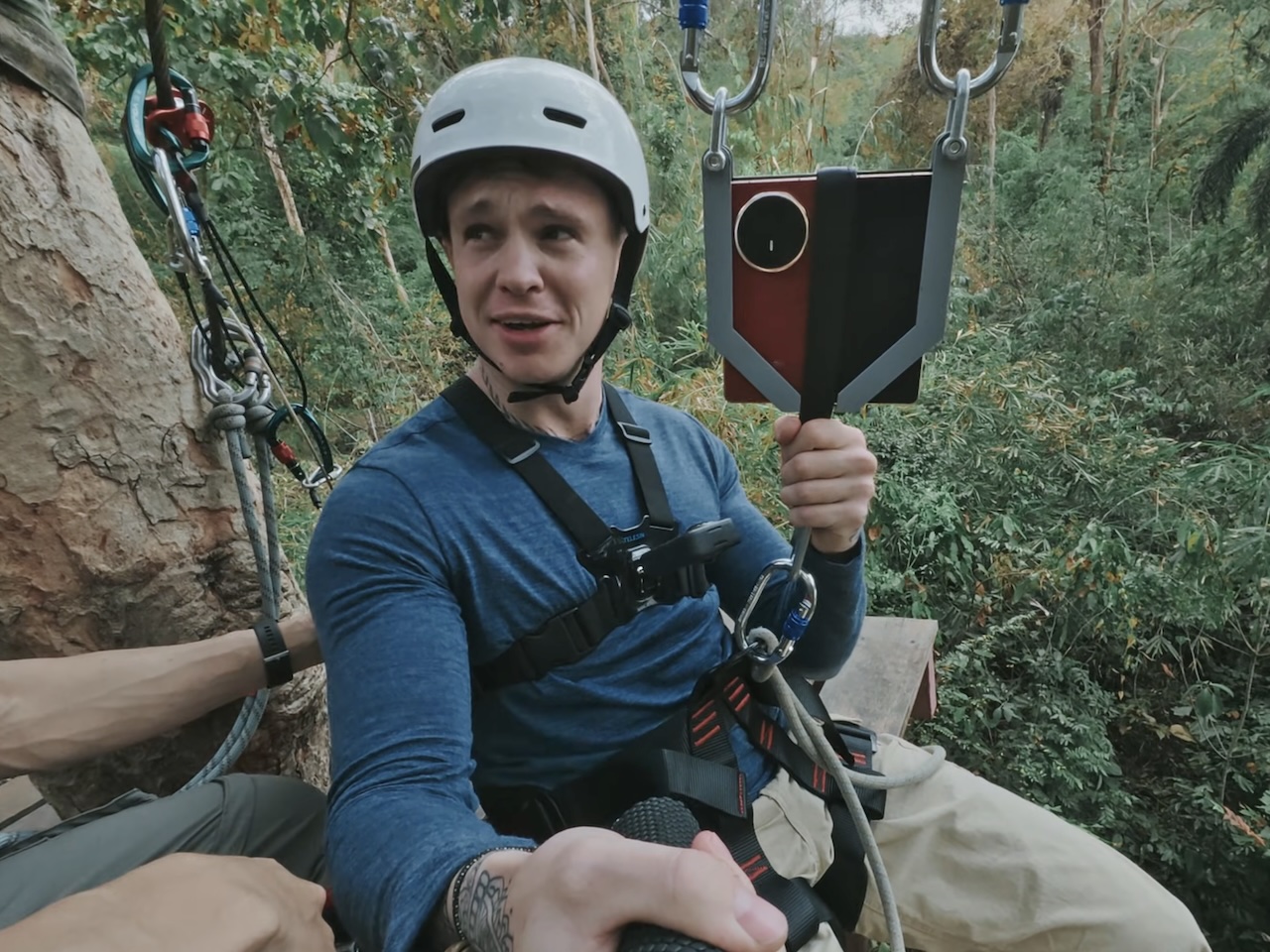
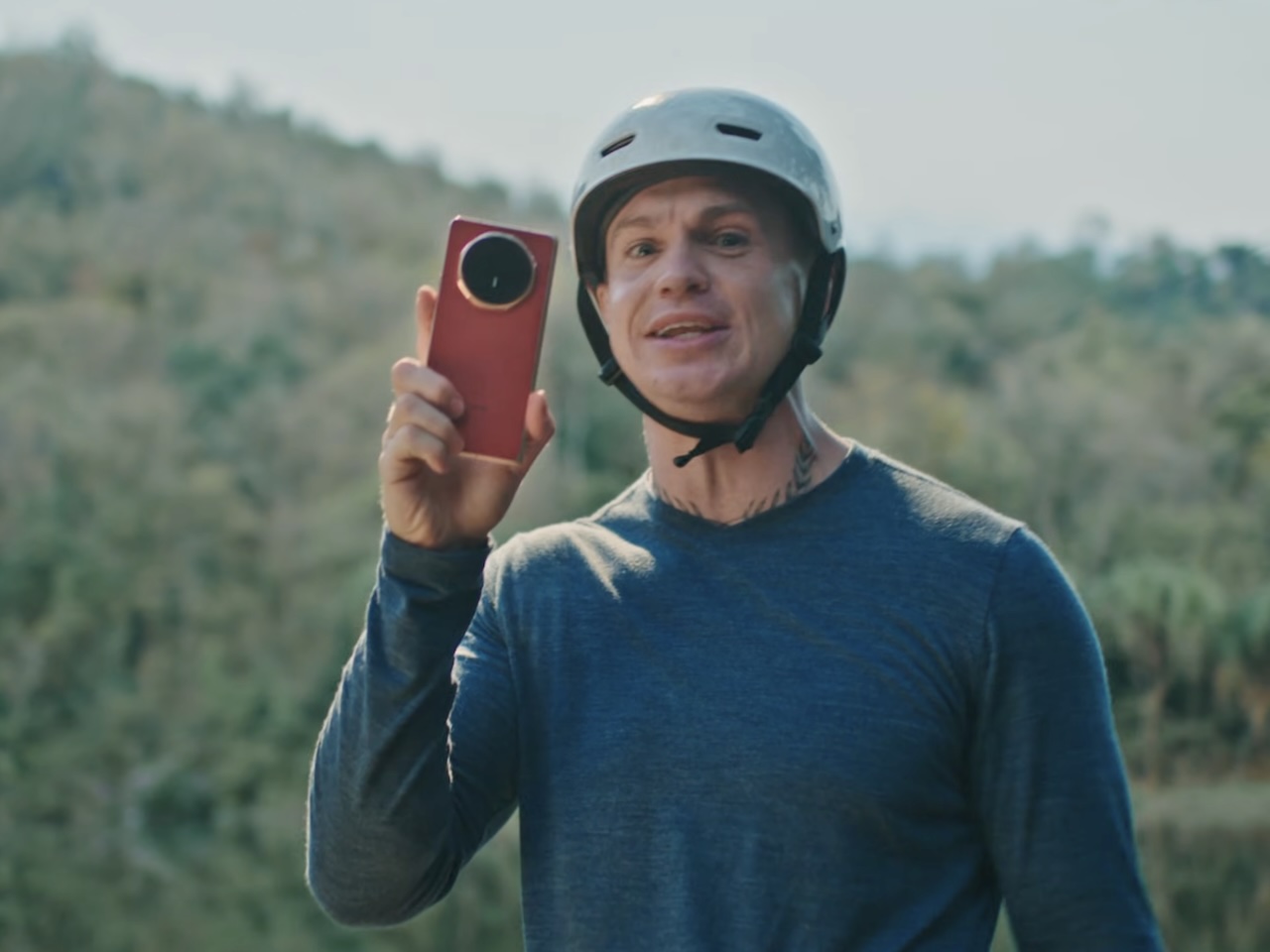
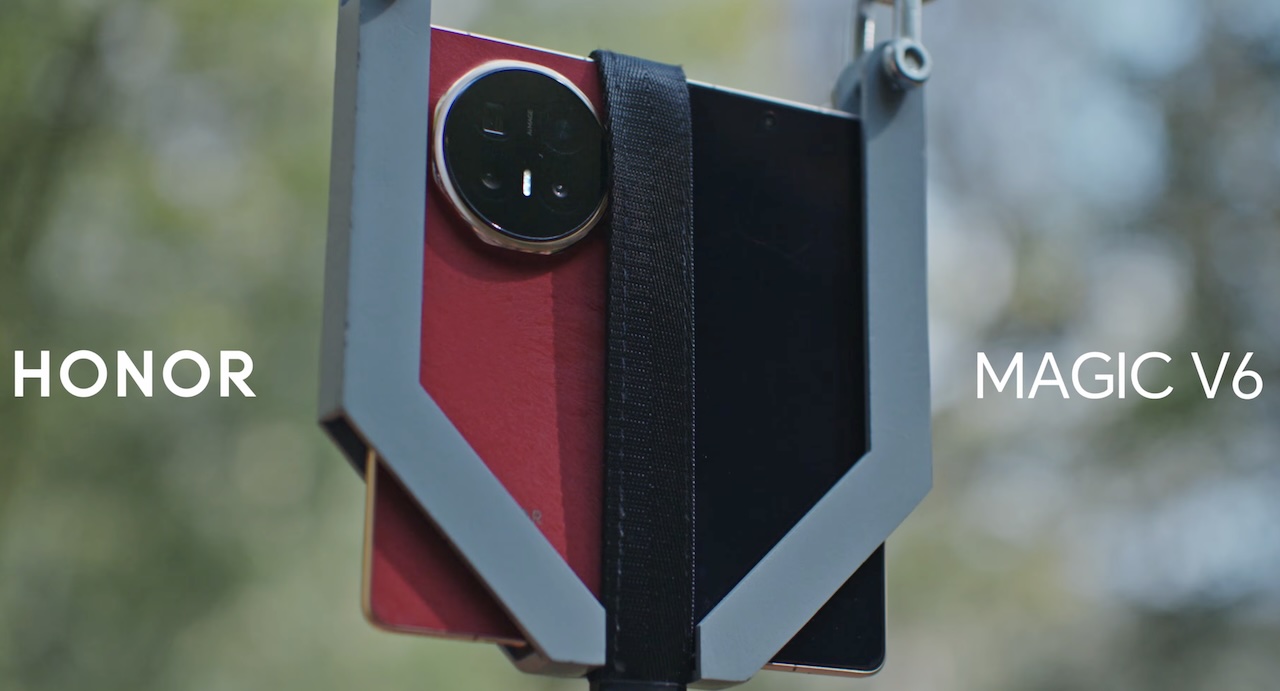
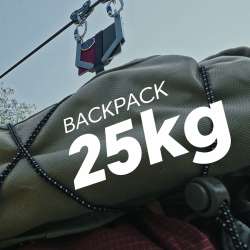
Honor showed up to MWC 2026 and chose chaos. Not content with simply announcing the Honor Magic V6, the company strapped a person to a zipline held together by nothing but the phone’s hinge mechanism. The hinge held. The person survived. (Watch the video below.) Somewhere in Samsung’s offices, someone quietly closed a laptop. It was the kind of product demo that makes you forget you’re watching a trade show.
The Honor Magic V6 isn’t another foldable trying to keep pace with the Galaxy Z Fold line. At 4mm thin when unfolded and 8.75mm when closed, it’s slimmer than most conventional smartphones and lighter than your morning anxiety at 219 grams. Honor managed to build what might be the most ambitious honor foldable phone of 2026 without turning it into a brick. That balance of engineering ambition and physical restraint feels significant the moment you hold the thing.
That zipline stunt wasn’t random showmanship either. Honor’s Super Steel Hinge is rated for 500,000 folds, roughly seven years of opening and closing 200 times a day. The steel alloy construction delivers what Honor claims is 44% less crease visibility than its predecessor. If you’ve spent any time with recent foldables, you’ll notice the difference the moment you run a finger across the inner display. The crease is still technically there, but it’s closer to a memory than a feature.
The foldable that survives what foldables shouldn’t
Here’s where the Magic V6 gets wild. It carries both IP68 and IP69 ratings, making it the first foldable to achieve dual certification. IP68 handles submersion in water. IP69 means it can withstand high-pressure, high-temperature water jets, the kind you’d find in an industrial pressure washer. On a foldable phone. With a hinge. Most manufacturers wouldn’t risk the engineering headache, and the fact that Honor pulled it off feels like a statement about where the category is heading.
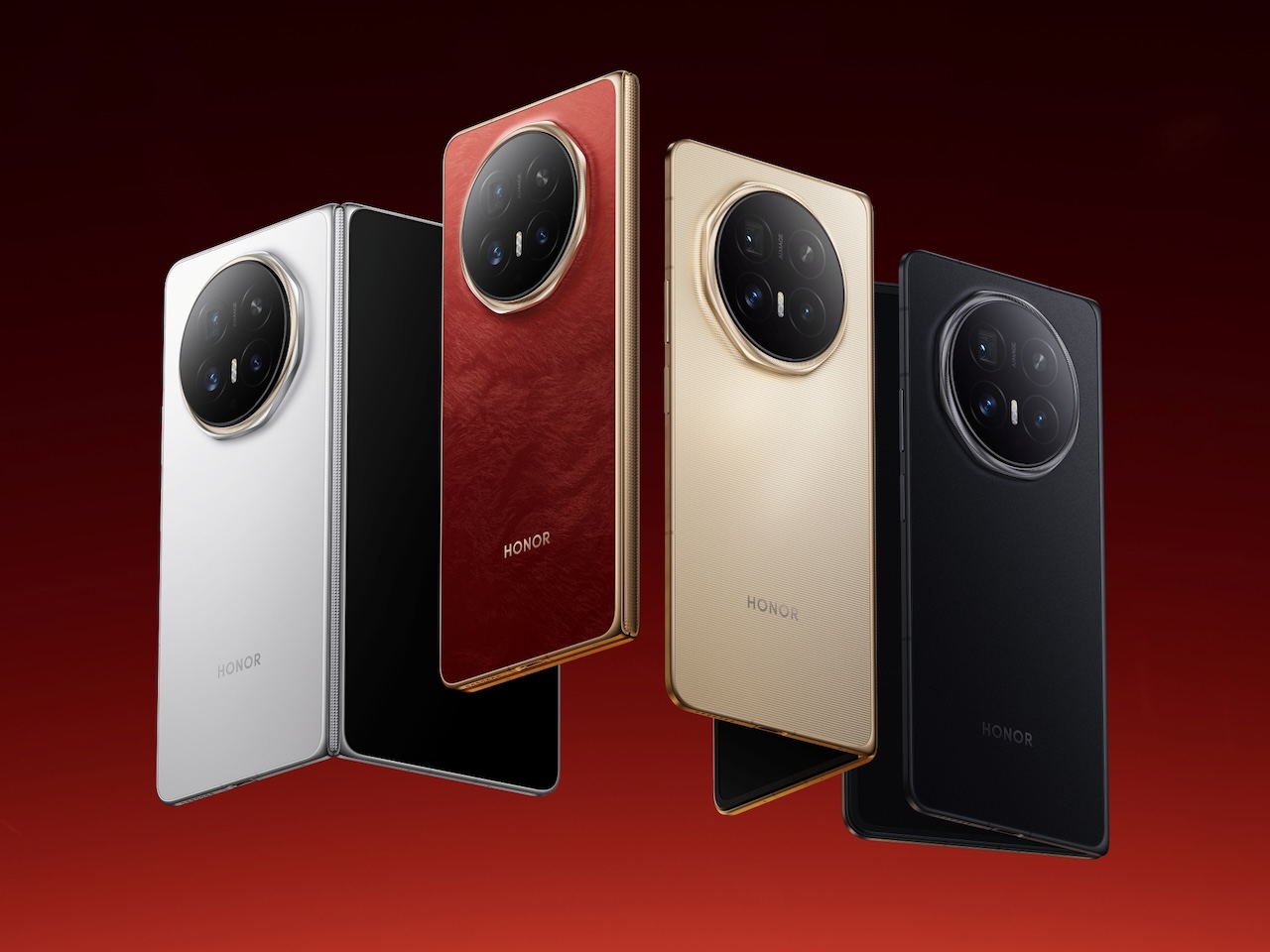
Samsung’s Galaxy Z Fold 7 carries IP48, which covers splashes and light rain but would very much prefer you not take it swimming. Honor skipped the incremental upgrades and landed on a durability rating that most rugged phones would consider showing off. For anyone who’s ever nervously held a foldable near a kitchen sink, the Magic V6 is the first one that flat out doesn’t care.
The hinge connects two displays that refuse to compromise. The 7.95-inch LTPO 2.0 AMOLED inner screen peaks at 5,000 nits, while the 6.52-inch cover display pushes even higher to 6,000 nits. Using either screen in direct sunlight shouldn’t require squinting or cupping your hand around the panel like you’re reading a secret note in class. You notice the outdoor clarity fast, and it makes every other foldable screen feel dim by comparison.
Inside sits a silicon-carbon battery holding 6,660mAh. Samsung’s Galaxy Z Fold 7 runs 4,400mAh. That gap isn’t subtle, and you’ll feel it by midafternoon. Honor achieved this using 25% silicon content and an energy density of 921Wh/L, packing substantially more capacity into a thinner body. Charging runs at 80W wired and 66W wireless, so topping up won’t eat your evening. The Snapdragon 8 Elite Gen 5 chipset, 16GB of LPDDR5X RAM, and 512GB of UFS 4.1 storage handle everything else at flagship level.
The foldable performance gap has effectively closed. The Magic V6 doesn’t ask you to accept lesser specs in exchange for a folding form factor, and that changes the buying conversation entirely.
Three cameras that actually try
 Foldable phones have historically treated their cameras as an afterthought, stuffing in whatever sensors fit after the hinge and dual displays ate up the internal space. The Magic V6 takes a different approach with a 50MP main sensor, a 64MP 3x periscope telephoto, and a 50MP ultrawide. The periscope is the standout. Most foldables skip the telephoto entirely or include a lower-resolution option that falls apart past 2x zoom. Honor went with dedicated 3x optical zoom at a resolution that holds up when you crop into shots. If you look closely at the specs, this camera array competes with standard flagship slab phones, not just other foldables.

That distinction matters more than it might seem. The best foldable phone in 2026 shouldn’t carry an asterisk next to its camera performance. The ultrawide matching the main sensor at 50MP means switching between lenses won’t produce the jarring quality drop that plagues most competitors. It’s a welcome shift for a category that’s treated optics as secondary for too long.
Cross-platform chaos and what it costs
The most unexpected addition is cross-platform Apple support in MagicOS 10, running on Android 16. The Magic V6 includes native compatibility with iPhones, iPads, Apple Watches, and Macs. Notification syncing mirrors alerts from Apple devices. File sharing crosses the ecosystem divide without friction. You can even use the V6’s main display as a second screen for a Mac, which feels almost deliberately provocative. You won’t find anything like it on a Samsung or Google device.
An Android foldable that plays nice with Apple’s walled garden sounds like a rumor until you see it running on a show floor. Honor is promising seven major OS updates alongside MagicOS 10, giving the software side a longevity commitment that matches the hardware ambitions. Whether Apple continues allowing this level of integration is a question for future firmware updates, but right now it’s a genuine differentiator.





Official pricing hasn’t been announced yet. The predecessor Magic V5 reportedly launched at around £1,699 in the UK, roughly $2,285, so don’t expect impulse-buy territory. Expect the Magic V6 to land in a similar range when numbers arrive. There’s no confirmed honor magic v6 release date yet, but Honor says the V6 will be available in select markets during the second half of 2026, with regional details still to come. US buyers will likely need to explore import options or wait for a potential future launch.
Honor proved the hinge works by hanging someone off a wire, shipped the first IP69-rated foldable, packed in a battery that dwarfs the competition, and added Apple compatibility that nobody saw coming. The Magic V6 doesn’t just compete with the Galaxy Z Fold line. It questions whether Samsung still gets to define what a foldable should be.
Gerber Gear Suspension 12-in-1 EDC Multi-Plier Multitool with Pocket Knife, Needle Nose Pliers, Wire Cutters and More, Gifts for Men, Camping and Survival, Grey
(as of March 5, 2026 17:35 GMT -06:00 - More infoProduct prices and availability are accurate as of the date/time indicated and are subject to change. Any price and availability information displayed on [relevant Amazon Site(s), as applicable] at the time of purchase will apply to the purchase of this product.)
